In the rapidly evolving world of display technology, see-through screen monitors have emerged as a fascinating innovation. These transparent LED displays blend digital content with real-world environments, creating immersive and interactive visual experiences. From retail storefronts to corporate settings, see-through LED screens are transforming how information and advertising are presented.
This article delves into the technology behind see-through LED displays, exploring how they work, their key applications, advantages, and challenges. Whether you are a tech enthusiast, a business owner considering new display solutions, or simply curious about the future of screens, this comprehensive guide offers valuable insights into this cutting-edge technology.
Understanding See-Through LED Displays: How They Work
At its core, a see-through screen monitor is a transparent display that allows viewers to see digital images or videos superimposed over a background visible through the screen. Unlike traditional LED monitors that block light, transparent LED displays use specialized components to maintain transparency while delivering bright, vivid visuals.
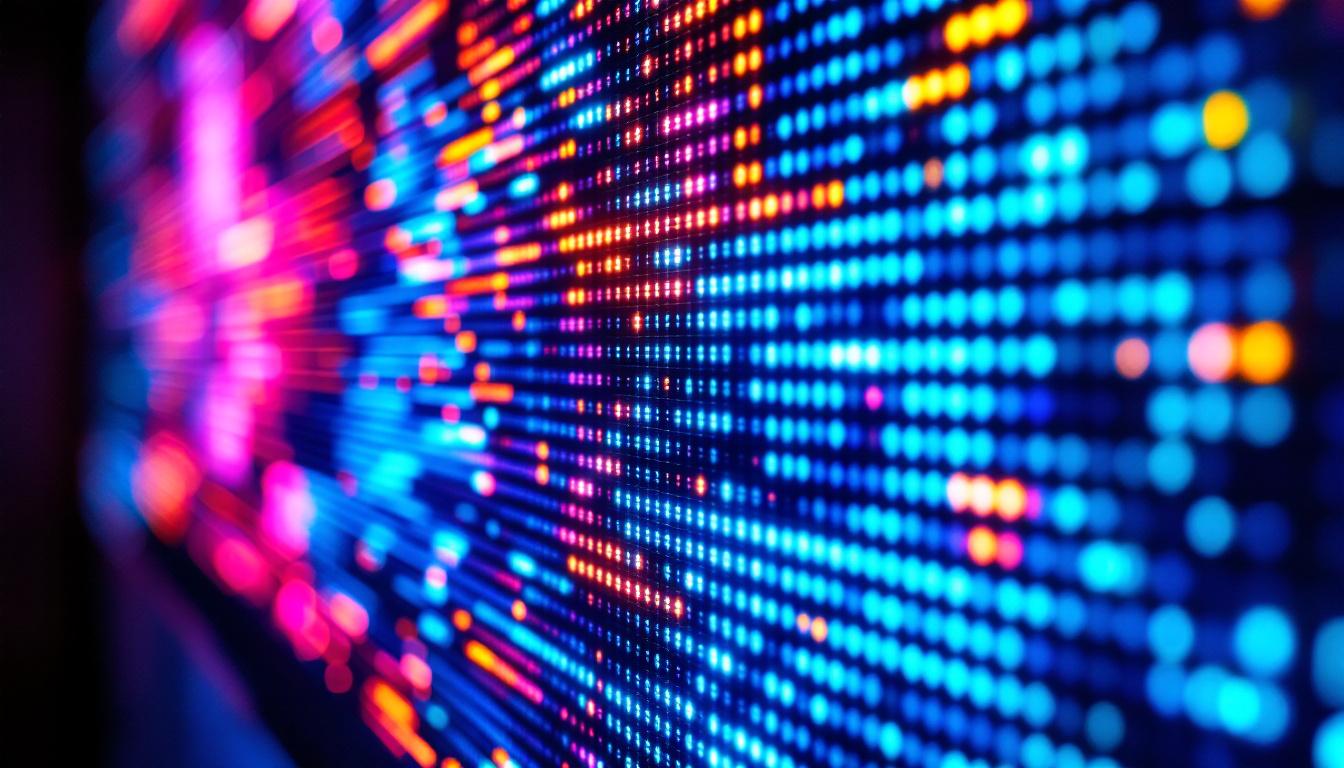
The fundamental technology involves embedding tiny light-emitting diodes (LEDs) on a transparent substrate such as glass or acrylic. These LEDs are arranged in a grid, with gaps between them allowing light to pass through. The density and arrangement of the LEDs determine the screen’s resolution and transparency level.
Key Components of Transparent LED Screens
Transparent LED screens consist of several essential parts:
- LED Modules: Small LED clusters that emit light to form images. These modules are designed to be semi-transparent, enabling light transmission through the gaps.
- Transparent Substrate: Usually tempered glass or acrylic, this base material supports the LED modules while maintaining see-through properties.
- Driver Electronics: Control the LEDs’ brightness, color, and refresh rate to ensure smooth and vibrant display output.
- Protective Layers: Additional coatings or films may be applied to protect the screen from environmental damage and enhance optical clarity.
How Transparency and Brightness Are Balanced
A critical challenge in see-through LED technology is balancing transparency with brightness and image quality. Higher LED density improves resolution and brightness but reduces transparency, making the screen more opaque. Conversely, increasing transparency means fewer LEDs per unit area, which can diminish image sharpness and brightness.
Manufacturers optimize this balance by carefully selecting LED pitch (the distance between LEDs), using high-efficiency LEDs, and employing advanced driver chips that enhance brightness without compromising transparency. Typical transparency rates range from 40% to 80%, depending on the application and design priorities.
In practical applications, this technology has found its niche in various industries, including retail, automotive, and architecture. For instance, in retail environments, see-through displays can be used as window advertisements that allow potential customers to see products inside the store while simultaneously viewing promotional content. This dual functionality not only enhances customer engagement but also maximizes the use of physical space without obstructing visibility.
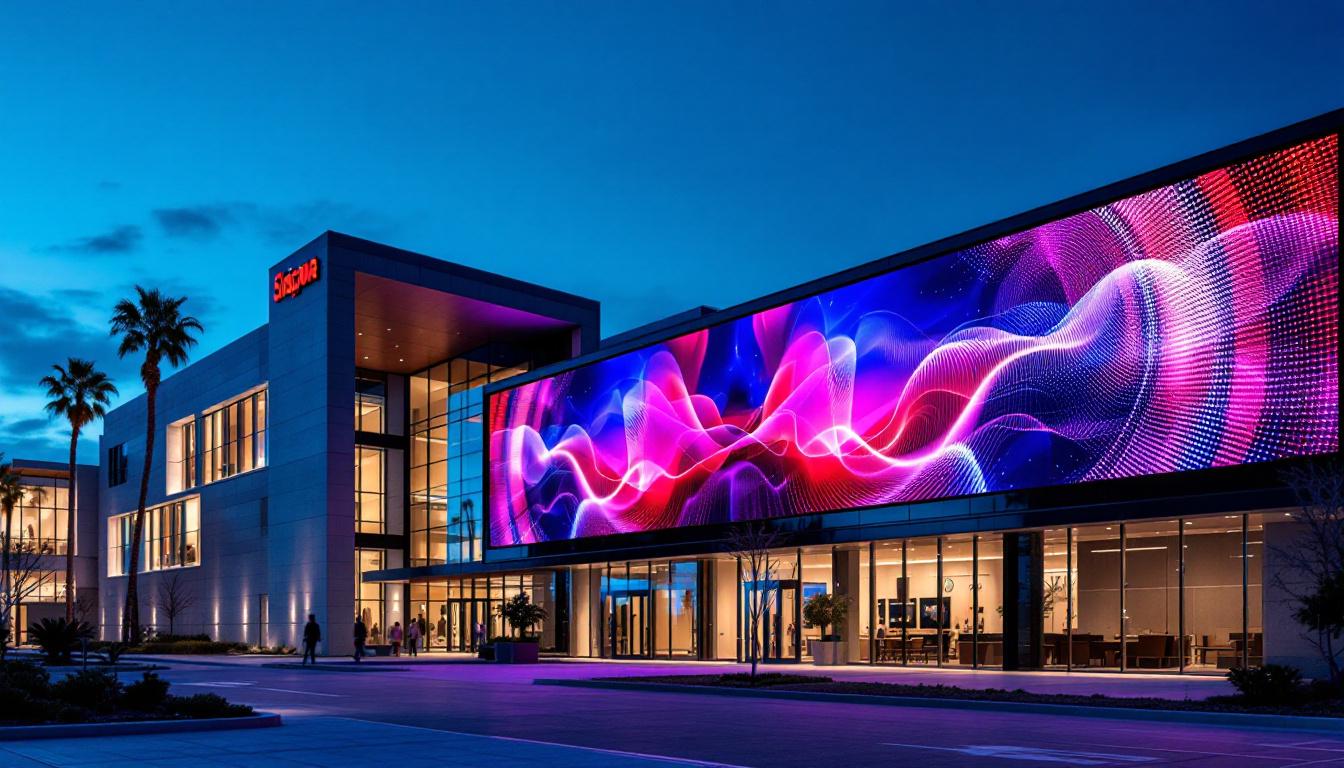
Moreover, the architectural application of transparent LED screens is particularly fascinating. They can be integrated into building facades, allowing for dynamic visual displays that can change with the time of day or specific events while still permitting natural light to filter through. This innovative use of technology not only adds aesthetic value but also contributes to energy efficiency by reducing the need for artificial lighting during daylight hours.
Applications of See-Through LED Monitors
See-through LED displays have found diverse applications across industries, leveraging their unique ability to integrate digital content with physical environments. Their versatility and visual appeal make them particularly valuable in marketing, architecture, and entertainment.
Retail and Advertising
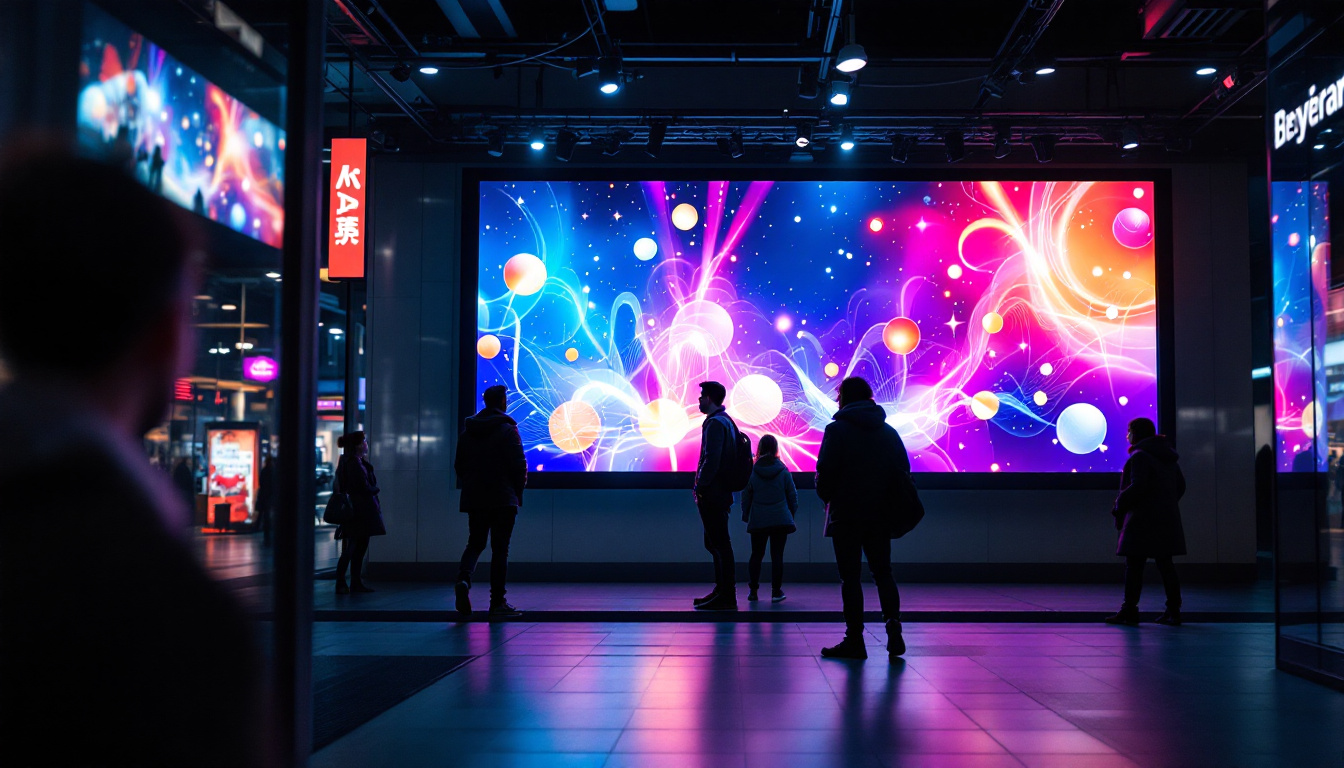
One of the most prominent uses of transparent LED screens is in retail storefronts. These displays enable retailers to showcase dynamic advertisements, promotions, and product information directly on glass windows without obstructing the view inside the store.
For example, luxury brands use see-through LED displays to create captivating window displays that attract passersby while maintaining an open and inviting storefront. According to a 2023 report by Grand View Research, the digital signage market, which includes transparent LED displays, is expected to grow at a compound annual growth rate (CAGR) of 10.2% through 2030, driven largely by demand in retail environments. This growth is not only a reflection of technological advancements but also of changing consumer behaviors, where shoppers increasingly seek immersive experiences that blend the physical and digital realms.
Moreover, retailers are experimenting with augmented reality (AR) features integrated into these displays, allowing customers to visualize products in real-time. Imagine a shopper standing in front of a transparent screen that overlays digital clothing on their reflection, providing a unique try-before-you-buy experience. This innovative approach not only enhances customer engagement but also drives sales by making the shopping experience more interactive and enjoyable.
Corporate and Office Environments
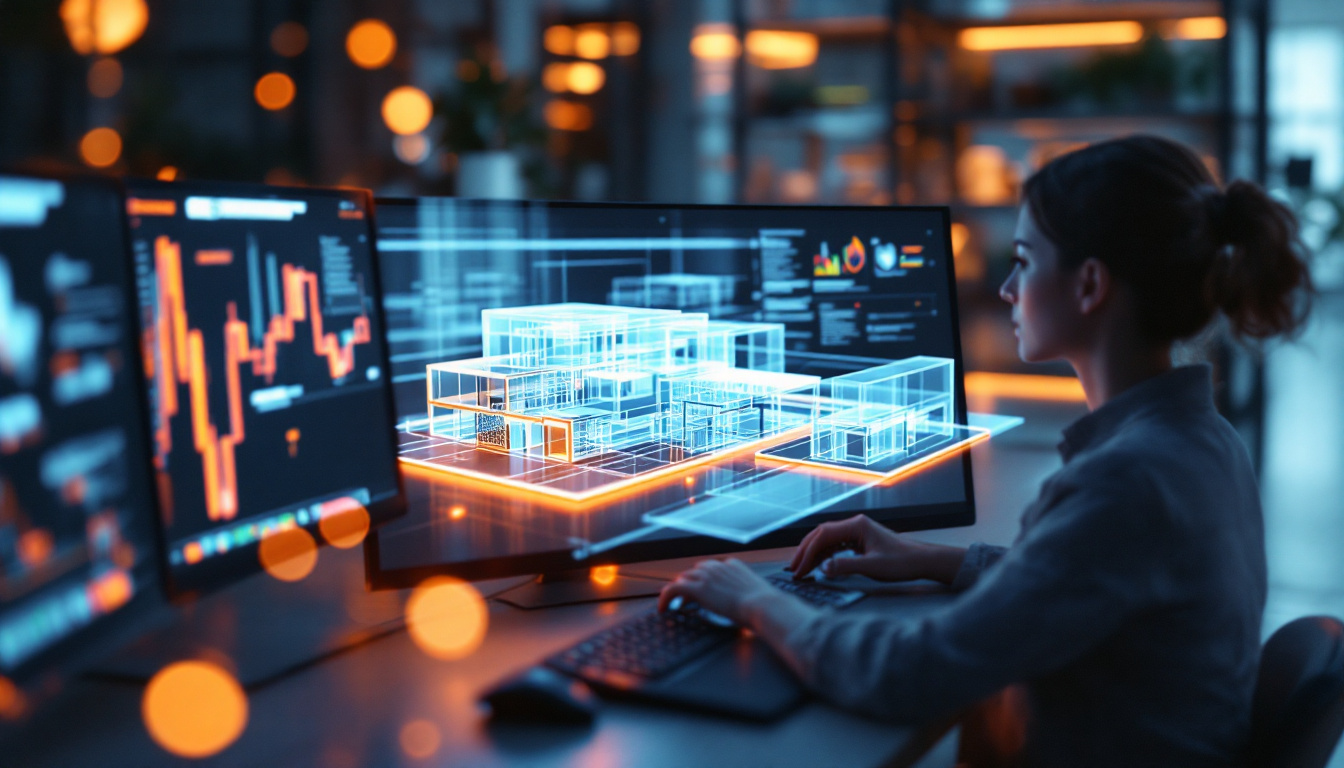
In office settings, transparent LED monitors serve multiple purposes, from interactive meeting room partitions to digital information boards. Companies use these screens to display real-time data, announcements, or branding elements while preserving open and collaborative workspaces.
By integrating transparent displays into glass walls or partitions, organizations can maintain a modern aesthetic without sacrificing functionality. This approach supports the trend toward flexible, tech-enabled office designs that promote transparency both literally and figuratively. Furthermore, these displays can be programmed to change content based on the time of day or specific events, allowing for a dynamic environment that adapts to the needs of employees and visitors alike.
Additionally, the use of see-through LED technology in corporate environments extends to employee engagement initiatives. Companies can showcase achievements, team highlights, or motivational messages on these screens, fostering a sense of community and collaboration among staff. This not only enhances workplace morale but also reinforces the company’s brand identity in a visually striking manner.
Architectural and Interior Design
Architects and interior designers leverage see-through LED technology to enhance building facades and interior spaces. Transparent LED panels can be integrated into windows, glass doors, or atriums to create dynamic lighting effects and digital art installations.
For instance, skyscrapers in major cities like New York and Shanghai have incorporated transparent LED facades that transform the building’s exterior into a giant digital canvas at night, contributing to urban vibrancy and branding. These installations can display everything from artistic visuals to real-time information about the building’s energy consumption, promoting sustainability and awareness in urban settings.
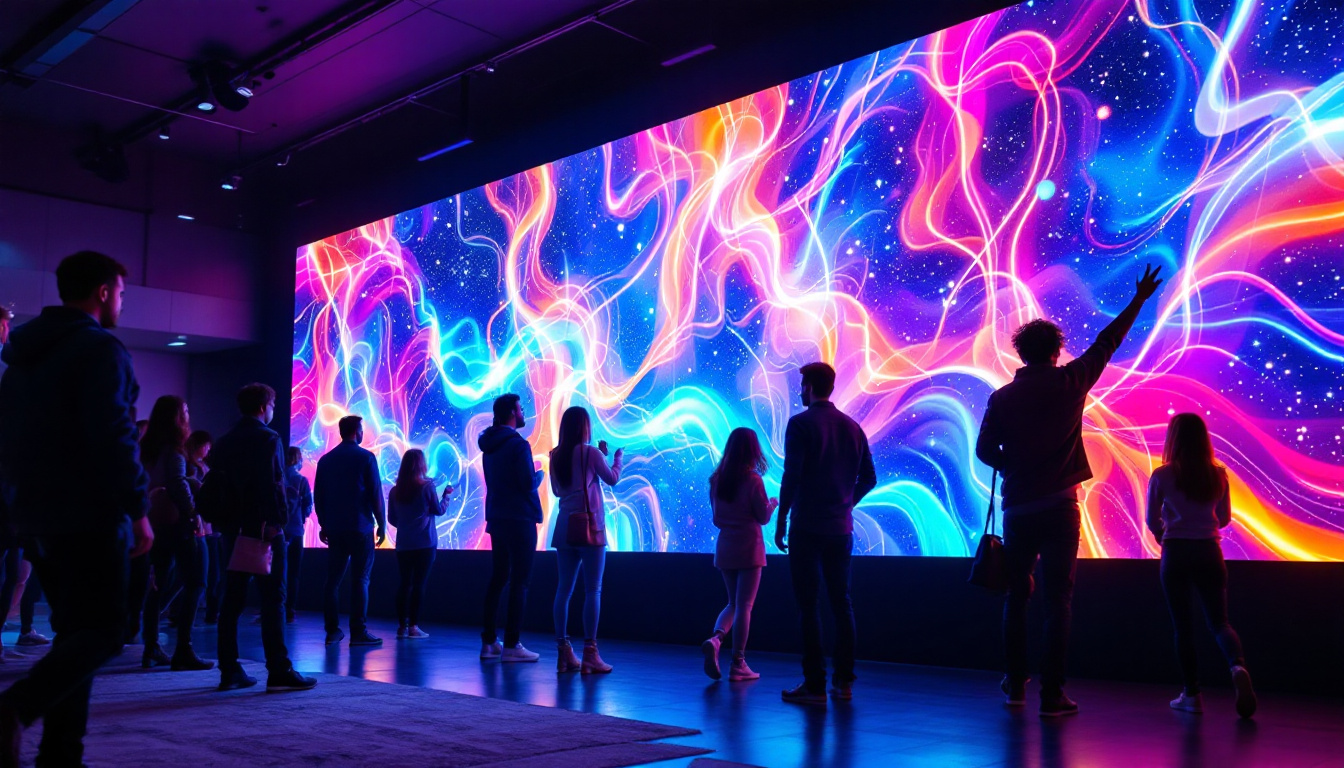
Moreover, the potential for interactive installations is vast; designers can create immersive environments where visitors can engage with digital art through motion sensors or touch technology. This not only elevates the aesthetic appeal of a space but also invites participation, making the experience memorable and unique. As technology continues to evolve, the integration of see-through LED displays in architecture will likely redefine how we interact with our built environments.
Transportation and Public Spaces
Transparent LED displays are increasingly used in transportation hubs such as airports, train stations, and bus terminals. These screens provide travelers with real-time information, directional signage, and advertising without blocking natural light or sightlines.
In public spaces, see-through LED monitors can be installed on glass barriers or kiosks, offering interactive content and enhancing user engagement while maintaining openness and safety. The ability to deliver timely updates on schedules, delays, and local attractions through these displays enhances the overall travel experience, making it more informative and enjoyable.
Furthermore, the integration of transparent LED technology in public spaces can also serve as a platform for community engagement. Local artists and organizations can utilize these displays to showcase cultural events, public service announcements, or community art projects, fostering a sense of belonging and connection among residents and visitors. As cities continue to evolve, the role of transparent LED displays in shaping public spaces will undoubtedly expand, creating environments that are not only functional but also vibrant and interactive.
Advantages of See-Through LED Monitors
Transparent LED displays offer several distinct advantages over traditional display technologies, making them a compelling choice for many applications.
Enhanced Visual Appeal and Engagement
The ability to overlay digital content on real-world backgrounds creates a captivating visual effect that draws attention and encourages interaction. This immersive experience can significantly boost advertising effectiveness and brand recall.
Space Efficiency and Design Flexibility
Because these screens can be integrated into existing glass surfaces, they do not require additional space or bulky hardware. This makes them ideal for environments where space is limited or where maintaining an open design is important.
Energy Efficiency
Modern transparent LED displays use highly efficient LEDs and advanced control systems, resulting in lower power consumption compared to traditional large-format displays or projection systems. This contributes to reduced operational costs and environmental impact.
Durability and Longevity
High-quality transparent LED modules are designed to withstand various environmental conditions, including temperature fluctuations and humidity. This makes them suitable for both indoor and outdoor use, with lifespans often exceeding 50,000 hours of operation.
Challenges and Considerations
Despite their advantages, see-through LED monitors also present certain challenges that should be carefully considered before implementation.
Cost and Investment
Transparent LED technology is generally more expensive than conventional displays due to the complexity of manufacturing and specialized materials. Initial investment costs can be high, although declining component prices and increasing adoption are gradually improving affordability.
Resolution and Image Quality Limitations
Because of the need for transparency, these displays typically have lower pixel density compared to traditional LED screens. This can limit their effectiveness for applications requiring high-definition visuals or fine detail.
Ambient Light and Viewing Conditions
Performance can be affected by ambient lighting conditions. In very bright environments, the contrast and visibility of digital content may decrease, requiring higher brightness levels and potentially increasing power consumption.
Installation and Maintenance
Installing transparent LED screens often involves integrating with existing architectural elements, which can be complex and time-consuming. Maintenance may also require specialized knowledge to ensure longevity and optimal performance.
Future Trends and Innovations
The see-through LED display market is poised for significant growth and innovation in the coming years. Advances in materials science, LED miniaturization, and smart control systems are expected to enhance performance and reduce costs.
Higher Transparency and Resolution
Research is ongoing to develop ultra-thin LEDs and novel substrates that can increase transparency beyond 80% while improving pixel density. This will enable sharper images without sacrificing the see-through effect.
Integration with Augmented Reality (AR)
Combining transparent LED displays with AR technology can create interactive environments where digital and physical elements seamlessly blend. This has exciting implications for retail, education, and entertainment sectors.
Flexible and Curved Transparent Displays
Emerging flexible transparent LED panels will allow for curved or irregularly shaped installations, expanding design possibilities and enabling new forms of digital expression in architecture and public art.
Conclusion
See-through screen monitors utilizing transparent LED technology represent a remarkable fusion of digital innovation and architectural design. By enabling vibrant digital content to coexist with natural light and physical surroundings, these displays open new horizons for communication, marketing, and spatial aesthetics.
While challenges such as cost and resolution remain, ongoing advancements promise to make transparent LED screens more accessible and versatile. As this technology matures, it is set to become a mainstream element in retail, corporate, and public environments, redefining how people experience digital media in everyday life.
Discover the Future of Visual Display with LumenMatrix
Ready to elevate your space with the latest in transparent LED technology? LumenMatrix is at the forefront of creating immersive environments that blend digital excellence with architectural beauty. From captivating retail storefronts to dynamic corporate settings, our extensive range of LED display solutions—including Indoor, Outdoor, Vehicle, Poster, Sports, Floor, Custom, and All-in-One LED Displays—ensures your message is not just seen, but experienced. Revolutionize your visual communication today and check out LumenMatrix LED Display Solutions to see how we can help you make a lasting impression.