In recent years, churches around the world have embraced technology to enhance worship experiences and community engagement. Among the various technological advancements, LED displays have emerged as a powerful tool in church stage design. These vibrant, versatile screens not only elevate the visual appeal of the worship space but also support dynamic content delivery, fostering a deeper connection between the congregation and the message. This article explores the essentials of LED displays in simple church stage design, offering a comprehensive guide for church leaders, tech teams, and volunteers seeking to modernize their worship environment effectively.
Understanding LED Displays: What Makes Them Ideal for Church Stages?
LED, or Light Emitting Diode, displays consist of numerous tiny light sources that emit bright, colorful light. Unlike traditional projection screens or LCD monitors, LED displays provide superior brightness, contrast, and viewing angles, making them highly suitable for environments like church sanctuaries where lighting conditions can vary significantly.
One of the key advantages of LED displays is their modular design. These screens are composed of panels that can be assembled in various sizes and shapes, allowing churches to customize the display to fit their stage dimensions and aesthetic preferences. This flexibility means even small to mid-sized churches can implement LED technology without overwhelming their space or budget.
Moreover, LED displays are energy-efficient and durable. Many modern LED panels are rated to operate continuously for tens of thousands of hours with minimal maintenance, making them a cost-effective long-term investment for churches. This longevity not only reduces replacement costs but also minimizes the environmental impact associated with frequent electronic waste.
Brightness and Visibility
Church environments often feature complex lighting setups, including stage lights, natural daylight, and ambient lighting. LED displays excel in these conditions because they produce high brightness levels, typically ranging from 800 to 1500 nits or more. This ensures that content remains clear and readable from all seating areas, even in well-lit rooms. Additionally, the ability to adjust brightness settings allows for seamless transitions between different types of services, whether it’s a bright Sunday morning or a dimmed evening worship session, enhancing the overall experience for attendees.
Color Accuracy and Image Quality
High-quality LED displays offer excellent color reproduction and contrast ratios, which are essential for displaying multimedia content such as sermon slides, song lyrics, videos, and live camera feeds. Vibrant visuals help maintain congregation engagement and enhance the overall worship atmosphere. The dynamic range of colors available with LED technology means that churches can use these displays to create immersive environments, complementing the themes of special services, holidays, or events. For instance, during Christmas, rich reds and greens can evoke the festive spirit, while soft pastels may be employed during Easter services to reflect renewal and hope.
Furthermore, the integration of LED displays with advanced video processing technology allows for real-time content management and dynamic presentations. This means that churches can easily switch between different media types, such as live streaming, pre-recorded videos, or interactive elements, without losing visual quality. This versatility not only enhances the worship experience but also opens up new avenues for creative expression within the church, allowing for a more engaging and impactful service that resonates with the congregation.
Benefits of Integrating LED Displays in Church Stage Design
Incorporating LED displays into church stages goes beyond aesthetics. The technology supports various practical and spiritual objectives, making it a valuable asset for modern worship experiences.
Enhanced Worship Engagement
Visual elements play a crucial role in capturing attention and reinforcing messages. LED displays allow churches to present lyrics, scripture verses, sermon points, and multimedia content seamlessly. This integration helps congregants participate more actively, especially those who may have difficulty hearing or seeing traditional printed materials.
Flexibility in Content Presentation
LED screens enable dynamic content changes in real-time. Whether displaying a live video feed of the pastor, rotating through worship lyrics, or showcasing community announcements, the content can be tailored to each service segment. This adaptability supports diverse worship styles and special events, such as holiday celebrations or guest performances.
Professionalism and Modern Appeal
Many churches aim to create a welcoming and contemporary environment that resonates with younger generations and visitors. LED displays contribute to a polished stage design that reflects a church’s commitment to excellence and innovation, potentially increasing attendance and community involvement.
Cost Efficiency Over Time
While the initial investment in LED technology might be higher than traditional projection systems, the longevity, low maintenance, and energy savings often result in lower total costs over the lifespan of the equipment. Additionally, the ability to update content digitally reduces the need for printed materials, saving resources and time.
Key Considerations for Implementing LED Displays in Churches
Successful integration of LED displays requires careful planning and consideration of various factors to ensure the technology meets the church’s needs and complements the worship environment.
Determining the Right Size and Resolution
The size of the LED display should be proportional to the stage and sanctuary dimensions. Oversized screens can overwhelm a small space, while undersized displays may be difficult to see from the back rows. A common guideline is to ensure the screen height is approximately 1/6 to 1/8 of the distance to the farthest viewer.
Resolution is equally important. Higher pixel density provides sharper images and text, which is crucial for legibility. Churches should balance resolution with budget, opting for pixel pitches (the distance between individual LEDs) that suit their viewing distances. For example, a pixel pitch of 3-5 mm is typically suitable for indoor church settings.
Stage Design Integration
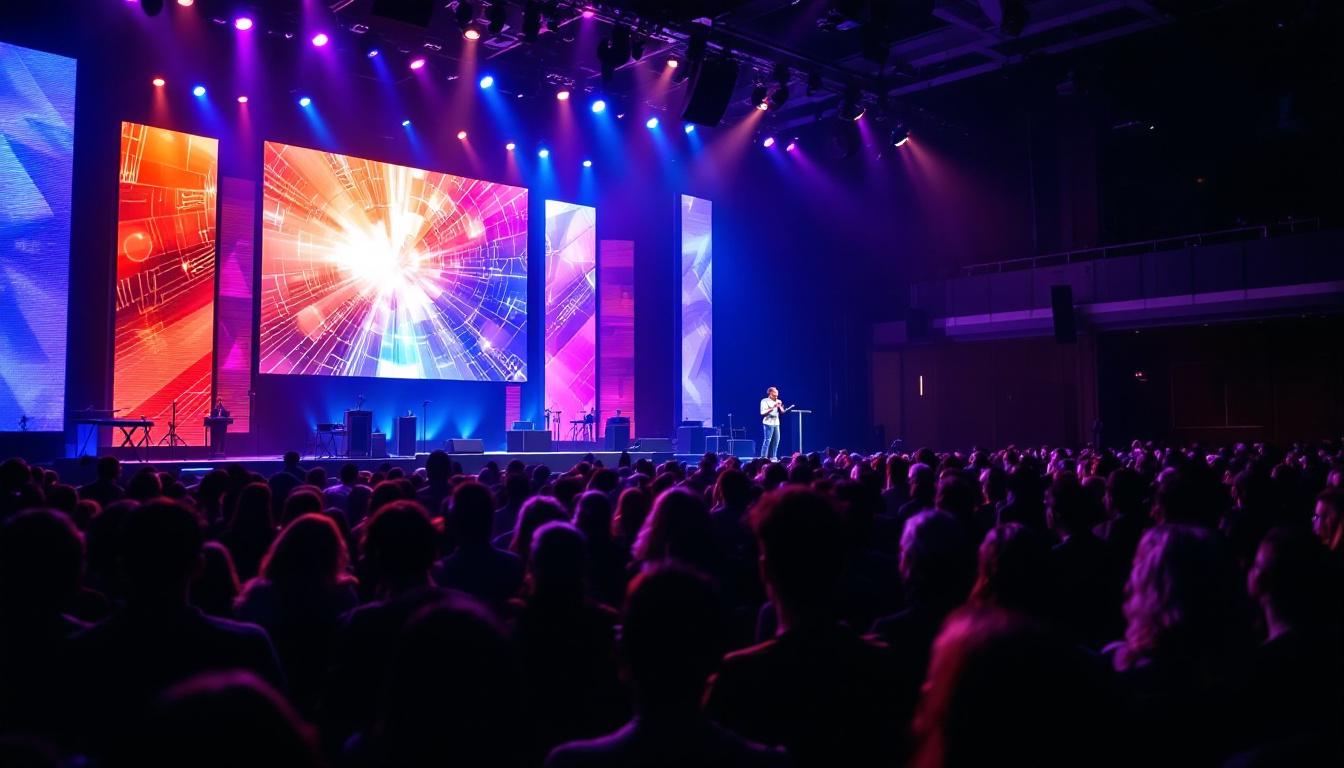
LED displays should harmonize with the overall stage design, including lighting, sound, and architectural elements. Many churches choose to frame LED walls with decorative elements or incorporate them into multi-layered stage backdrops to create depth and visual interest.
Consideration should also be given to the placement of speakers, lighting fixtures, and other equipment to avoid obstructing the view of the screen or causing glare.
Content Management and Control Systems
Operating LED displays requires user-friendly content management software that allows quick changes and scheduling. Many systems support integration with worship presentation software such as ProPresenter, EasyWorship, or MediaShout, enabling seamless display of lyrics, videos, and sermon slides.
Training for volunteers and technical staff is essential to ensure smooth operation during services. Some churches benefit from having dedicated media teams or partnering with audiovisual consultants to manage the technology effectively.
Budget and Financing Options
Costs for LED displays vary widely based on size, resolution, and additional features like touchscreen capabilities or interactive elements. It’s important for churches to establish a clear budget that includes installation, cabling, control systems, and potential future upgrades.
Many churches explore financing options such as leasing, fundraising campaigns, or grants to support technology investments without straining operational budgets.
Examples of Simple Church Stage Designs Featuring LED Displays
To illustrate the practical application of LED displays in church settings, here are a few examples showcasing how simple yet effective stage designs can be achieved.
Example 1: Single LED Wall as a Backdrop
A mid-sized church installed a 12-foot by 7-foot LED wall behind the pulpit. The screen displays sermon slides, worship lyrics, and occasional video clips. The stage design is minimalist, with neutral-colored drapes and subtle uplighting that complement the bright LED visuals. This setup enhances focus on the message without overwhelming the space.
Example 2: Split LED Panels with Stage Accents
Another church opted for two vertical LED panels flanking the stage, each measuring 6 feet by 10 feet. Between the panels, the church uses a simple wooden cross and soft stage lighting. The LED screens display synchronized content, including live camera feeds and scripture verses, creating a balanced and inviting atmosphere.
Example 3: Curved LED Wall for Immersive Experience
For a larger congregation, a curved LED wall spanning 20 feet wide and 8 feet tall was installed. This design envelops the stage, offering an immersive visual experience. The church integrates dynamic backgrounds and thematic visuals that change with the sermon series, enhancing storytelling and engagement.
Maintaining and Troubleshooting LED Displays in Church Settings
Proper maintenance ensures the longevity and optimal performance of LED displays. Churches should establish routine checks and cleaning schedules to prevent dust accumulation and address any technical issues promptly.
Regular Cleaning and Inspection
LED panels should be cleaned with appropriate, non-abrasive materials to avoid damaging the diodes. Inspecting connections and mounting hardware helps prevent loose components that could affect image quality or safety.
Software Updates and Calibration
Keeping the control software updated ensures compatibility with new content formats and security patches. Periodic calibration of color and brightness settings maintains consistent image quality across the entire display.
Common Troubleshooting Tips
Issues such as dead pixels, flickering, or color inconsistencies often stem from hardware faults or loose connections. Consulting with the manufacturer’s support team or a professional AV technician can expedite repairs and minimize downtime.
Conclusion: Embracing LED Displays for Simple Yet Impactful Church Stage Design
LED displays offer churches a compelling way to modernize their stage design while enhancing the worship experience. Their brightness, versatility, and durability make them an excellent choice for a wide range of church sizes and styles. By carefully considering size, resolution, integration, and content management, churches can create visually engaging environments that support their mission and foster deeper congregation participation.
As technology continues to evolve, LED displays will likely become even more accessible and feature-rich, empowering churches to communicate their message with clarity and creativity. For those looking to invest in a simple yet effective stage design upgrade, LED displays represent a forward-thinking solution that combines functionality with inspiring aesthetics.
Discover LumenMatrix LED Display Solutions for Your Church
Ready to transform your church stage with the vibrant and dynamic LED displays discussed in this article? LumenMatrix is at the forefront of LED display technology, offering a wide array of solutions tailored to fit any worship space. From Indoor and Outdoor LED Wall Displays to Custom and All-in-One LED solutions, our displays are designed to captivate your congregation and elevate your worship experience. Embrace the future of church stage design and check out LumenMatrix LED Display Solutions today to bring your message to life with unparalleled clarity and impact.