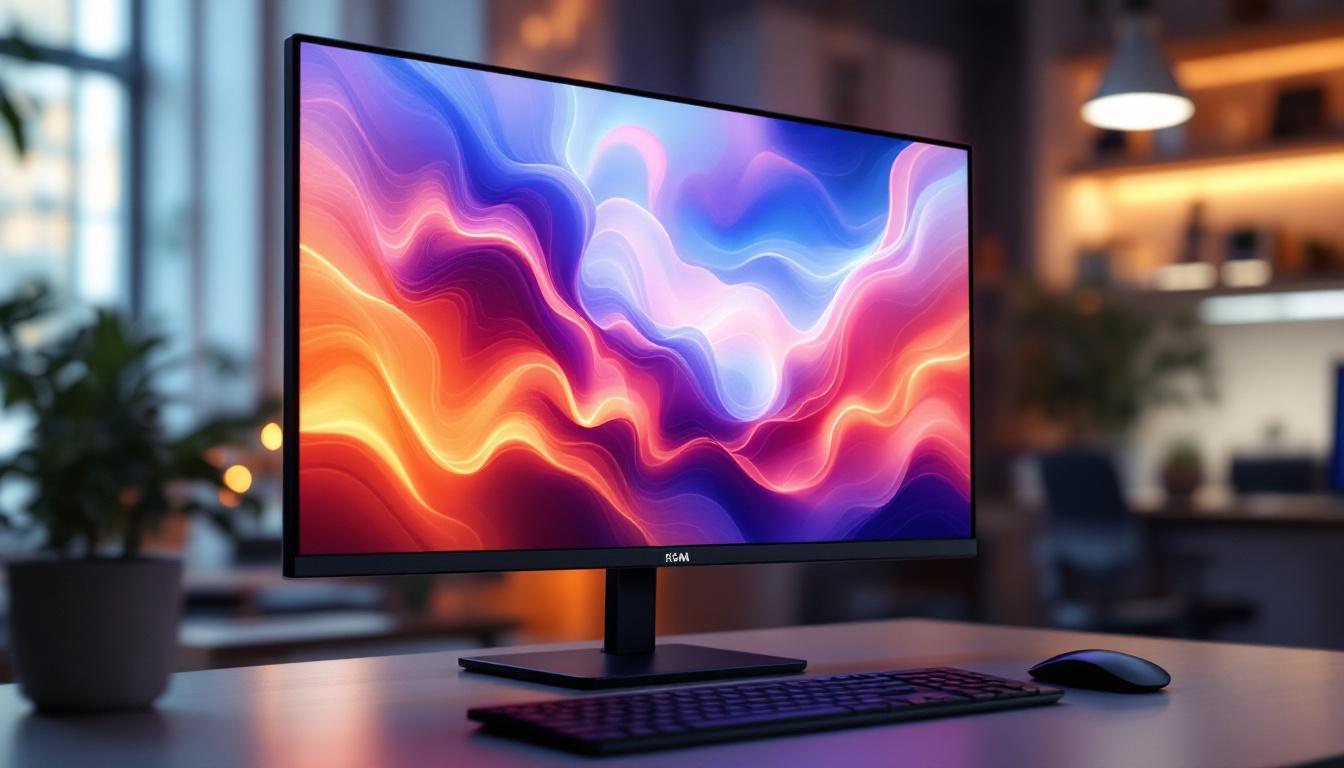
In the evolving world of digital displays, square monitors have carved a unique niche, especially among professionals and enthusiasts who prioritize clarity, precision, and a balanced visual workspace. While widescreen displays dominate the market, square monitors offer distinct advantages, particularly when paired with LED technology. This article delves into the fundamentals of square monitors, the role of LED displays, and why this combination remains relevant in today’s tech landscape.
Understanding Square Monitors: What Sets Them Apart?
Square monitors, typically characterized by their 4:3 or 5:4 aspect ratios, contrast with the more common widescreen formats such as 16:9 or 16:10. These dimensions create a nearly equal width and height, resulting in a more box-like screen shape. While this form factor was once the industry standard, widescreen displays have largely overtaken the market due to their suitability for multimedia consumption and gaming.
However, square monitors maintain popularity in specific professional fields. For example, graphic designers, photographers, and programmers often prefer the nearly square aspect ratio because it provides a more natural canvas for certain types of work. The vertical space is enhanced, allowing for better document viewing and editing without excessive scrolling.
Moreover, square monitors can reduce eye strain by minimizing the need for horizontal head movement. This ergonomic benefit is especially important for users who spend extended hours in front of screens.
Historical Context and Modern Usage
Historically, CRT (Cathode Ray Tube) monitors predominantly featured square aspect ratios. With the advent of LCD and LED technologies, widescreen formats became the norm due to consumer demand for cinematic viewing experiences. Yet, the resurgence of interest in square monitors is notable in niches requiring precise, undistorted image representation and balanced workspace layouts.
In addition to their ergonomic advantages, square monitors are often favored in educational settings. They provide a consistent viewing experience that can be beneficial for both instructors and students alike, particularly in environments where multiple screens are used for presentations or collaborative work. The uniformity of the display can help maintain focus and reduce distractions, allowing for a more effective learning atmosphere. Furthermore, as remote work becomes increasingly prevalent, professionals are rediscovering the benefits of square monitors for tasks that require detailed attention to text and data, such as coding and spreadsheet management, where the additional vertical space can enhance productivity.
Another interesting aspect of square monitors is their compatibility with older software and applications that were designed with these aspect ratios in mind. Many legacy programs, particularly in fields like engineering and architecture, were optimized for square displays, and using a widescreen monitor can sometimes lead to distortion or loss of functionality. This compatibility factor makes square monitors a practical choice for professionals who rely on specific tools that have not yet adapted to modern widescreen formats.
LED Display Technology: The Backbone of Modern Square Monitors
LED (Light Emitting Diode) technology has revolutionized display manufacturing, offering significant advantages over older LCD and CRT technologies. It’s crucial to understand how LED displays function to appreciate their impact on square monitors.
How LED Displays Work
LED displays use light-emitting diodes as a backlight source for LCD panels or as individual pixels in OLED (Organic LED) screens. In the context of square monitors, most models employ LED-backlit LCD technology, where a matrix of LEDs provides uniform illumination behind the liquid crystal layer.
This method improves brightness, contrast, and energy efficiency compared to traditional cold cathode fluorescent lamps (CCFL) used in older LCDs. Additionally, LED backlighting allows for thinner and lighter monitor designs, which are easier to position ergonomically. The integration of advanced technologies such as local dimming further enhances the display quality by allowing specific areas of the screen to dim or brighten independently, resulting in deeper blacks and more dynamic images. This capability is particularly beneficial for watching movies or playing video games, where contrast plays a pivotal role in the overall experience.
Advantages of LED Displays in Square Monitors
LED technology enhances the viewing experience in several ways:
- Improved Brightness and Contrast: LED backlighting offers higher brightness levels and better contrast ratios, which are essential for detailed work in photo editing or CAD applications.
- Energy Efficiency: LED displays consume less power, reducing operational costs and environmental impact.
- Color Accuracy: Advances in LED technology, including quantum dot enhancements, provide more accurate and vibrant color reproduction, critical for creative professionals.
- Longevity and Reliability: LEDs have a longer lifespan than CCFLs, ensuring consistent performance over years of use.
Moreover, the versatility of LED technology allows manufacturers to create monitors with various aspect ratios and resolutions, catering to a wide range of user needs and preferences. For instance, square monitors are often favored in design and architectural fields, where a 1:1 aspect ratio can facilitate precise layouts and measurements. The ability to customize these displays with features like anti-glare coatings and adjustable stands further enhances their usability in diverse environments, from bustling offices to quiet home studios.
Additionally, the rapid advancements in LED technology have led to the emergence of features such as high dynamic range (HDR) support, which significantly enhances the visual quality by expanding the range of colors and brightness levels that a monitor can display. This is particularly appealing for gamers and content creators who seek the most immersive and lifelike visuals. As the demand for high-quality displays continues to grow, LED technology remains at the forefront, driving innovation and setting new standards in the world of square monitors.
Why Choose a Square Monitor with an LED Display?
Choosing a square monitor equipped with LED technology is a strategic decision based on specific user needs. This section explores the key reasons why this combination remains relevant and beneficial.
Optimized Workspace for Productivity
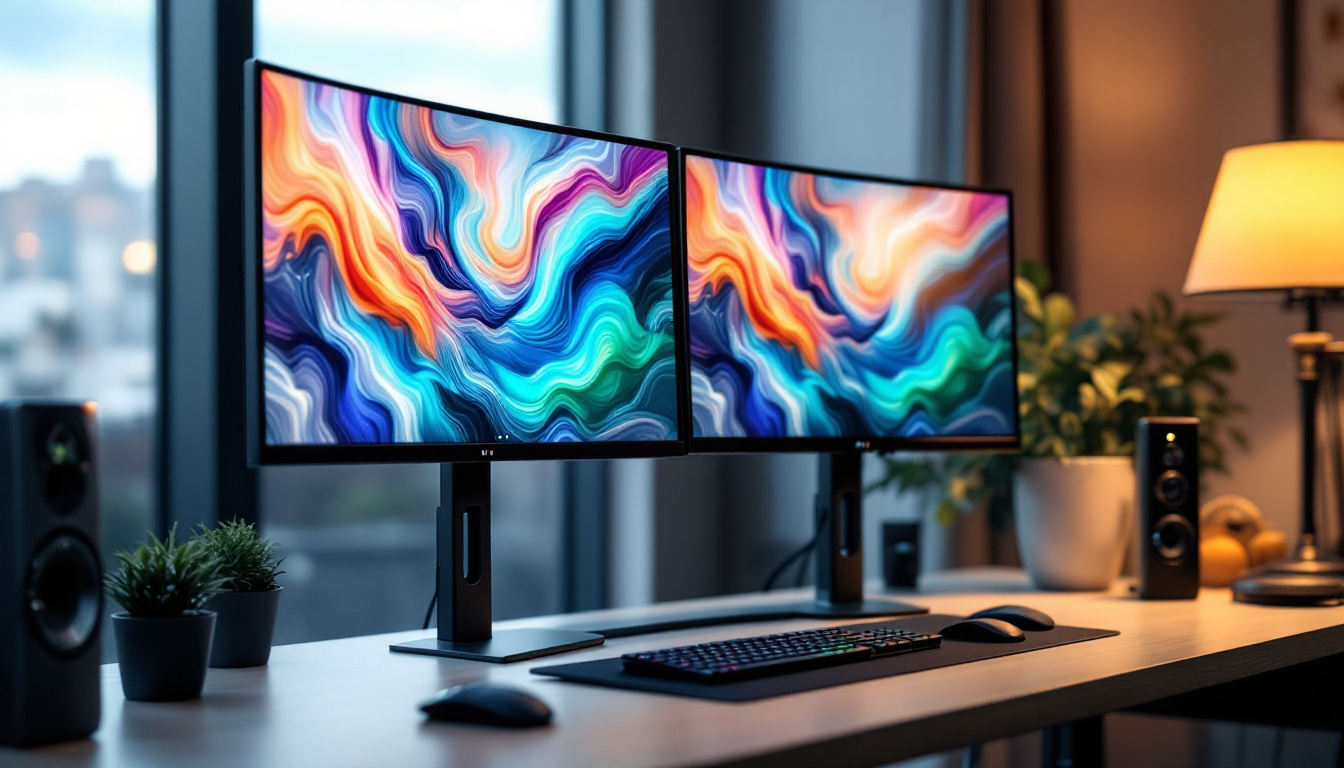
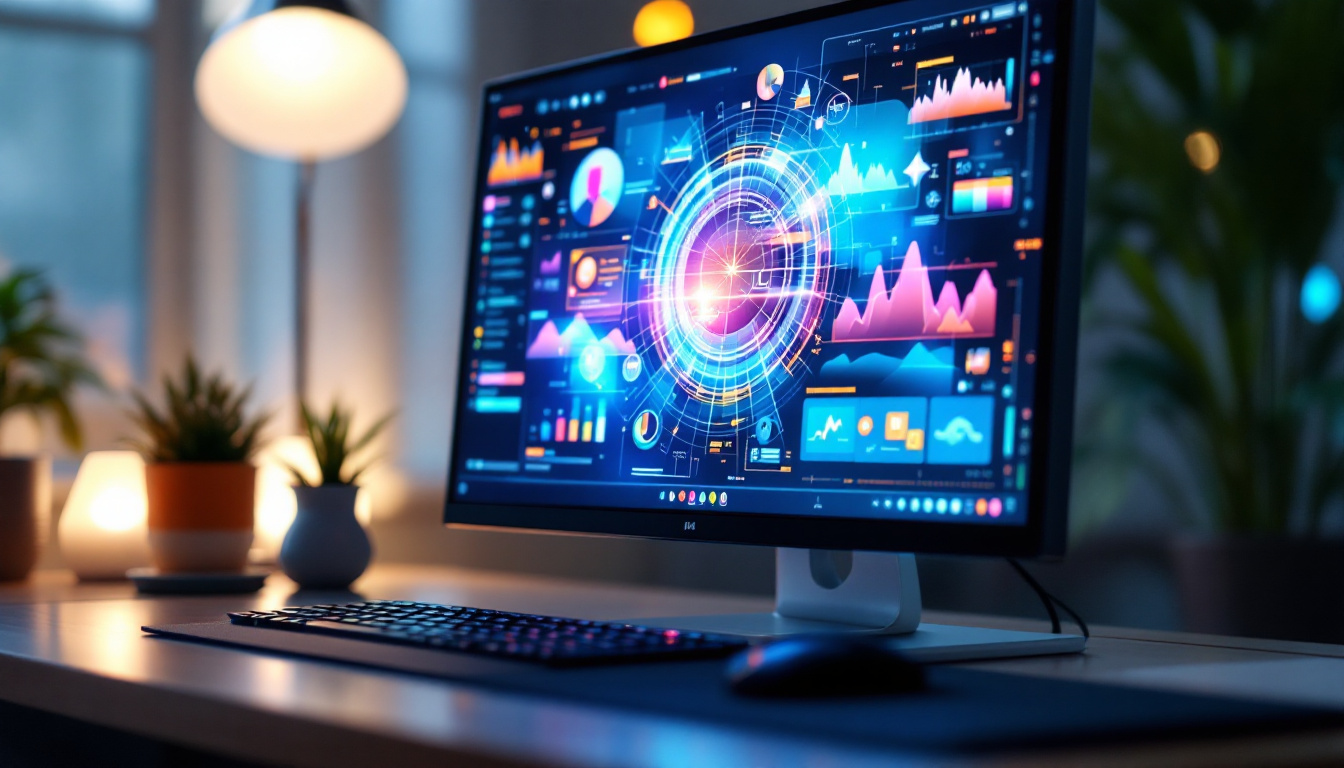
Square monitors provide a balanced workspace that can improve productivity by reducing the need for constant horizontal scrolling. This is especially advantageous for professionals working with documents, spreadsheets, or coding environments where vertical space is paramount.
LED displays contribute by ensuring that the content is clear and vibrant, reducing eye fatigue during long work sessions. The combination supports a comfortable and efficient workflow, which can enhance focus and reduce errors.
Enhanced Visual Accuracy for Creative Professionals
For photographers, graphic designers, and video editors, color accuracy and screen uniformity are non-negotiable. LED technology’s ability to deliver consistent backlighting and wide color gamuts makes square LED monitors an excellent choice for these tasks.
Moreover, the aspect ratio of square monitors aligns well with certain print formats and design layouts, allowing creatives to preview their work more accurately without distortion or cropping.
Specialized Applications in Industry and Science
Square LED monitors are also prevalent in fields such as medical imaging, where precise detail and accurate color representation are critical. The shape of the screen can accommodate specialized software interfaces and imaging formats more naturally than widescreen displays.
Similarly, in industrial control rooms and data centers, square monitors facilitate the display of complex data matrices and control panels, enhancing situational awareness and decision-making.
Technical Considerations When Selecting a Square LED Monitor
Choosing the right square LED monitor involves evaluating several technical factors to ensure it meets the intended use case effectively.
Resolution and Pixel Density
Resolution is a fundamental consideration. Common resolutions for square monitors include 1280×1024 (SXGA) and 1600×1200 (UXGA). Higher resolutions provide sharper images and more workspace but may require more powerful graphics hardware.
Pixel density, measured in pixels per inch (PPI), affects the clarity of text and images. A higher PPI is generally preferable for detailed work, but it must be balanced with screen size to avoid scaling issues.
Color Accuracy and Calibration
For professionals relying on color precision, monitors with factory calibration or support for hardware calibration tools are essential. Look for features such as 99% sRGB coverage or support for AdobeRGB color spaces.
LED technology often supports wide color gamuts and higher dynamic ranges, but calibration ensures that colors are rendered accurately according to industry standards.
Connectivity and Ergonomics
Modern square LED monitors typically offer a range of connectivity options including HDMI, DisplayPort, and USB-C. These interfaces support high resolutions and refresh rates, as well as power delivery and data transfer in some cases.
Ergonomic features such as adjustable stands, pivot functionality (to switch between portrait and landscape modes), and VESA mount compatibility enhance usability and comfort.
Future Trends and Innovations in Square LED Monitors
While widescreen and ultrawide monitors continue to dominate mainstream markets, innovations in display technology suggest a promising future for square LED monitors as well.
Integration of Quantum Dot and Mini-LED Technologies
Quantum dot technology enhances LED displays by improving color accuracy and brightness beyond traditional LED capabilities. Mini-LED backlighting, which uses thousands of tiny LEDs, enables better local dimming and contrast ratios.
These advancements are beginning to appear in professional-grade square monitors, offering users unprecedented image quality and performance.
Higher Refresh Rates and Adaptive Sync
Though primarily relevant for gaming, higher refresh rates and technologies like AMD FreeSync or NVIDIA G-Sync are increasingly incorporated into professional monitors. These features reduce screen tearing and flicker, which can also benefit users engaged in video editing or animation.
Eco-Friendly and Sustainable Designs
Manufacturers are focusing on sustainability by using recyclable materials, reducing power consumption, and minimizing harmful substances in displays. LED technology naturally supports these goals through energy efficiency and longer product lifespans.
Conclusion: The Enduring Value of Square LED Monitors
Square monitors equipped with LED displays offer a unique blend of ergonomic design, visual precision, and energy-efficient technology. Although they may not be the first choice for general entertainment or gaming, their advantages in professional, industrial, and scientific applications are substantial.
Understanding the technical aspects and practical benefits of square LED monitors enables users to make informed decisions tailored to their specific needs. As display technologies continue to evolve, these monitors are poised to maintain their relevance by integrating cutting-edge innovations while preserving their distinct form factor advantages.
Discover LumenMatrix’s Advanced LED Solutions
As you consider the enduring value of square LED monitors for your professional or specialized needs, we invite you to explore LumenMatrix’s innovative LED display technology. LumenMatrix is at the forefront of creating LED display modules that not only enhance brand visibility but also provide immersive visual experiences tailored to a variety of environments. Whether you’re interested in Indoor LED Wall Displays, Outdoor LED Wall Displays, or specialized solutions like Vehicle LED Displays and Custom LED Displays, LumenMatrix has the expertise to revolutionize your visual communication. Experience the difference in engagement and clarity with LumenMatrix’s cutting-edge solutions. Check out LumenMatrix LED Display Solutions today and empower your business to make a lasting impact.