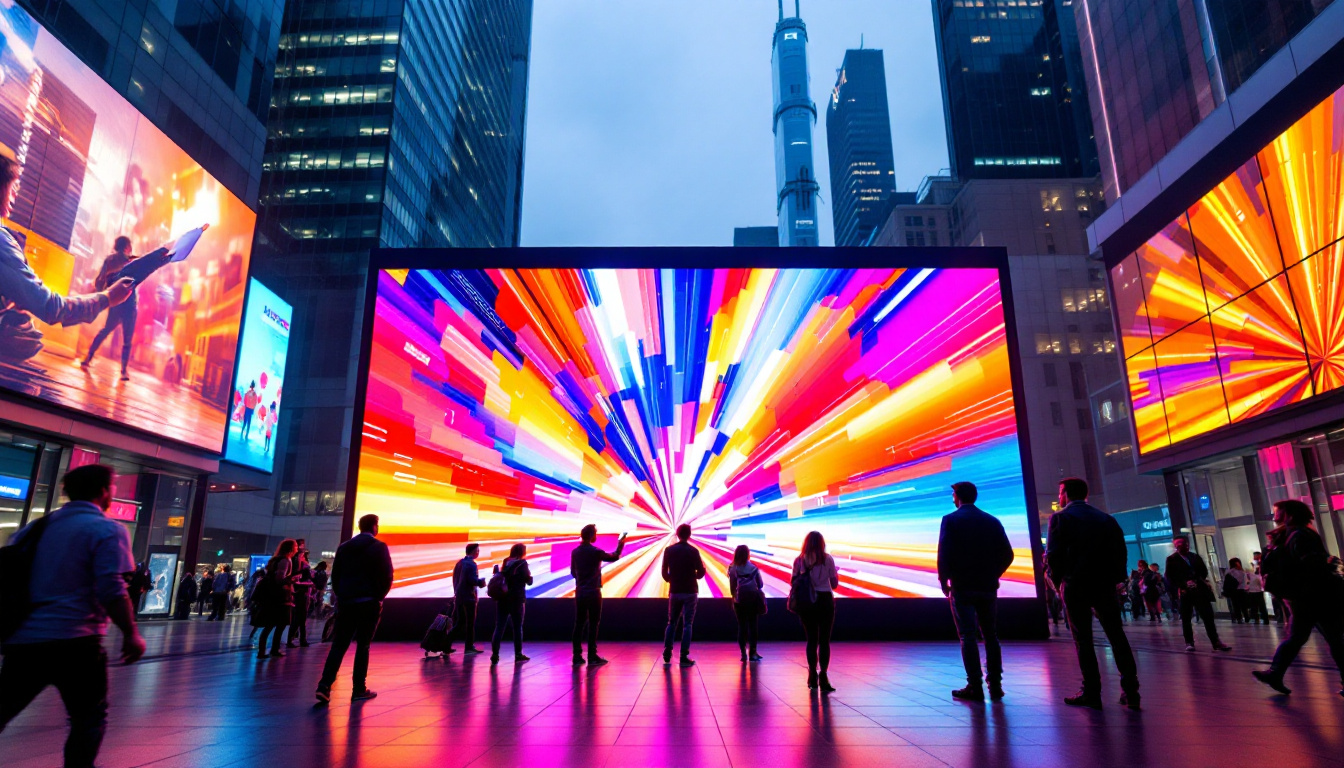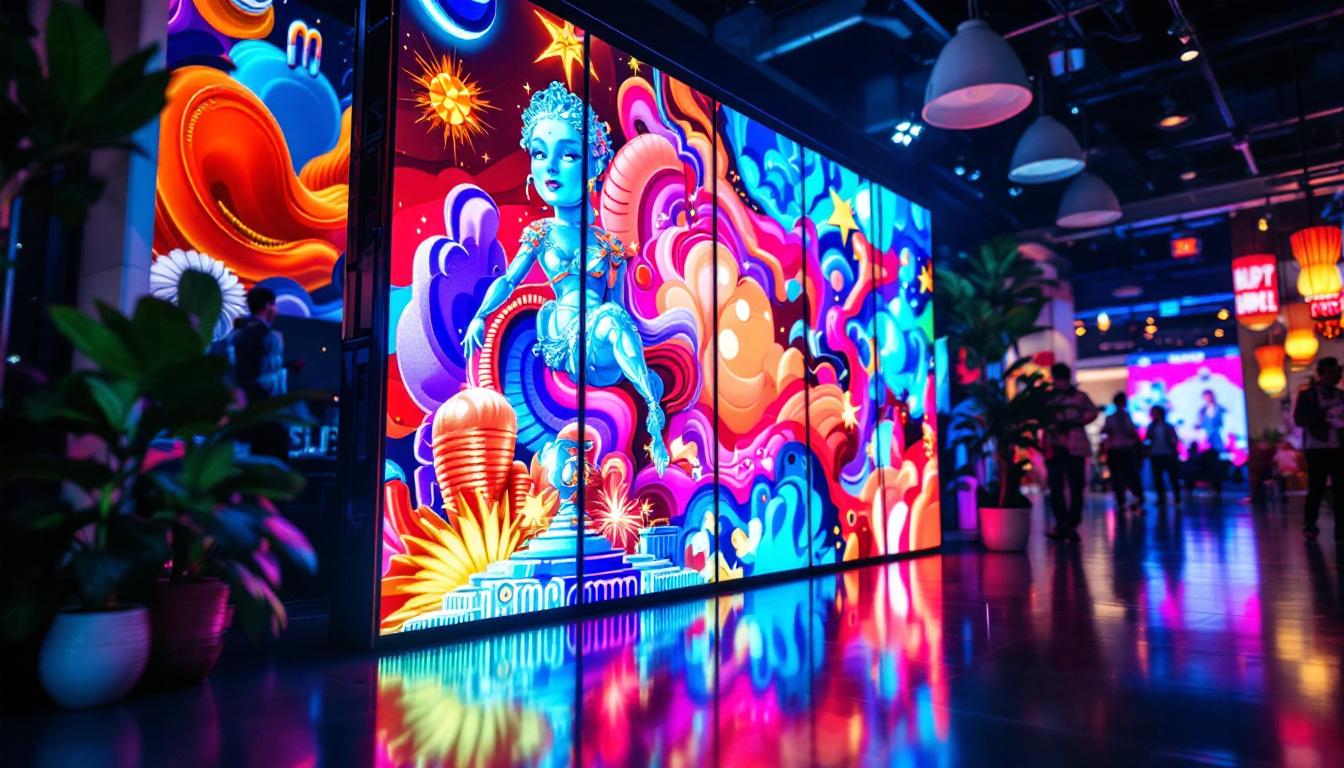
In the rapidly evolving world of digital signage and visual communication, LED displays have become a cornerstone technology. Among the various types of LED displays, stackable LED displays stand out for their versatility, scalability, and visual impact. This article delves into the concept of stackable LED displays, exploring their design, benefits, applications, and future trends. Whether you are a business owner, event organizer, or technology enthusiast, understanding stackable LED displays can help you make informed decisions about digital display solutions.
What Is a Stackable LED Display?
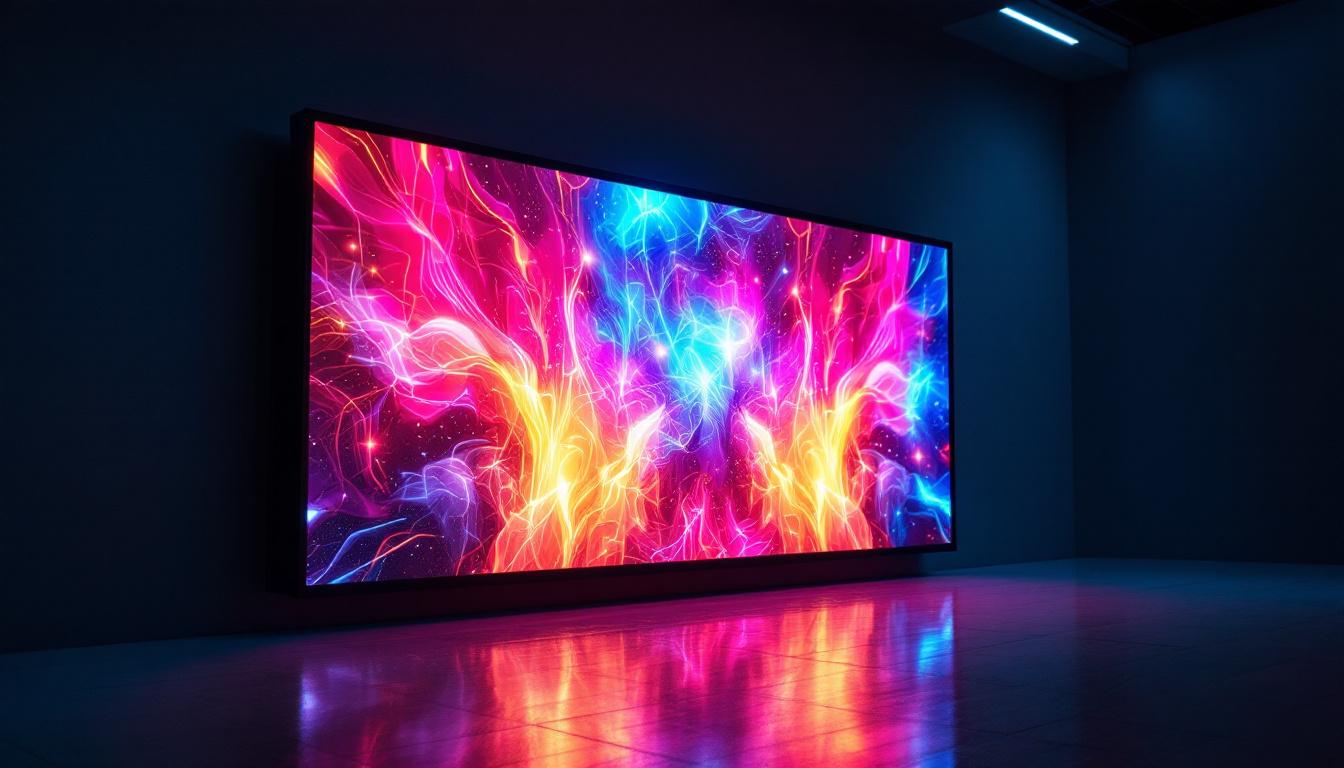
A stackable LED display is a modular digital screen system composed of multiple LED panels that can be physically stacked or arranged side by side to create larger, seamless displays. Unlike traditional fixed-size LED screens, stackable displays offer flexibility in size and configuration, allowing users to customize the display area according to their specific needs.
Each module or panel in a stackable LED display contains thousands of tiny light-emitting diodes (LEDs) that produce bright, high-resolution images and videos. These modules are designed to connect easily, both mechanically and electronically, ensuring a smooth and continuous visual experience without noticeable gaps or distortions.
Modularity and Scalability
The core advantage of stackable LED displays lies in their modularity. Businesses can start with a small setup and expand the display by adding more panels as their requirements grow. This scalability is particularly beneficial for venues like concert halls, stadiums, retail stores, and trade shows, where display needs can vary significantly over time.
Furthermore, the stackable design facilitates easier transportation and installation compared to large, monolithic LED screens. Panels can be disassembled, moved, and reassembled with relative ease, making them ideal for temporary setups or events that require frequent relocation. This feature not only saves time but also reduces labor costs, as fewer technicians are needed to handle the setup and takedown processes.
In addition to their practical benefits, stackable LED displays are also known for their versatility in content delivery. They can be programmed to showcase a wide range of media, from dynamic advertisements to live event feeds, and even interactive content that engages audiences in real time. This adaptability makes them a favorite choice for marketers and event organizers looking to create immersive experiences that capture attention and drive engagement. The ability to tailor the display’s content to suit different occasions or target demographics further enhances their appeal, allowing businesses to maximize their return on investment.
Technical Features of Stackable LED Displays
Understanding the technical aspects of stackable LED displays is essential for appreciating their capabilities and limitations. Several key features define the performance and suitability of these displays for various applications.
Pixel Pitch and Resolution
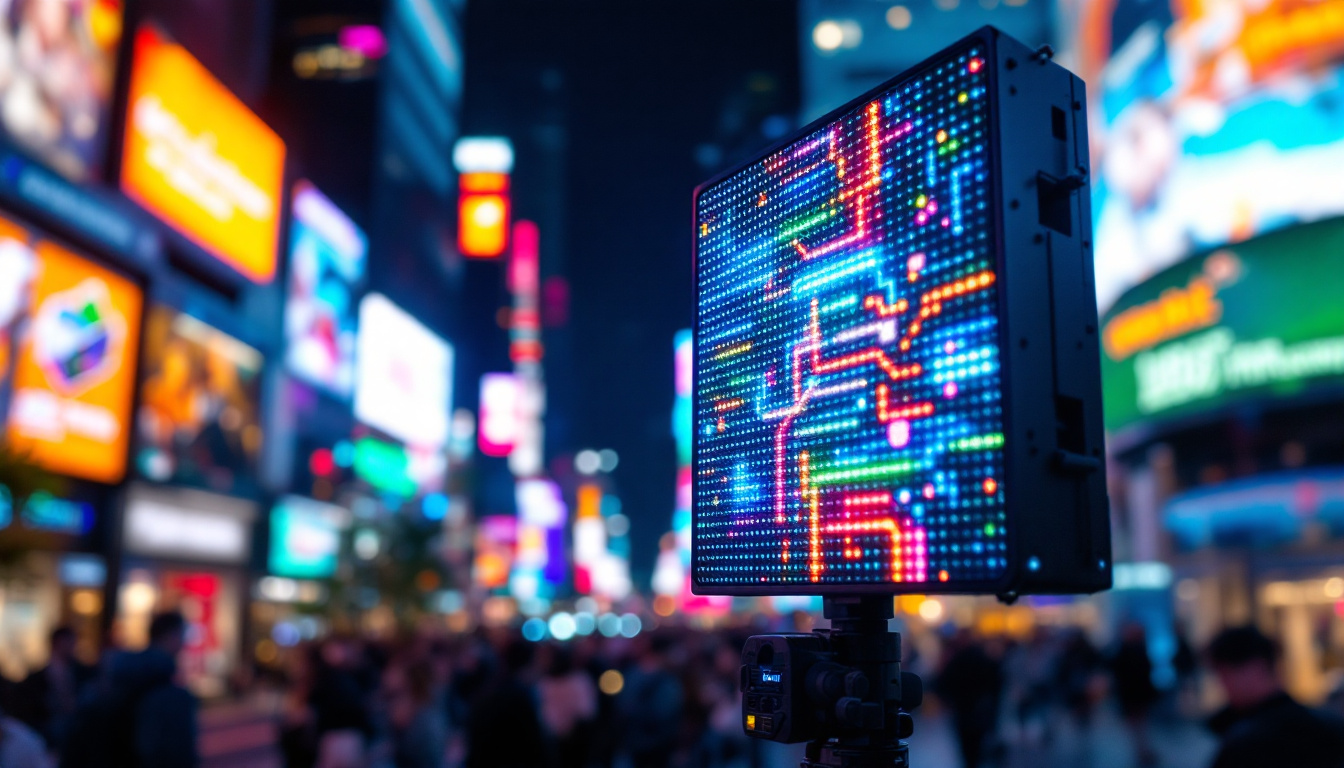
Pixel pitch refers to the distance between the centers of two adjacent LEDs on a panel, typically measured in millimeters. It directly influences the display’s resolution and viewing distance. Smaller pixel pitches (e.g., 1.5mm to 3mm) provide higher resolution and are suitable for close-up viewing environments such as retail stores or control rooms. Larger pixel pitches (e.g., 6mm to 10mm or more) are more cost-effective for large outdoor displays where viewers are farther away.
Stackable LED displays come in a variety of pixel pitches, allowing users to select the optimal balance between image clarity and cost based on the intended application.
Brightness and Contrast
LED displays are known for their high brightness levels, which enable visibility even in direct sunlight. Typical brightness ranges for stackable LED displays can vary from 1,000 nits for indoor use to over 5,000 nits for outdoor applications. High brightness ensures that content remains vibrant and readable in diverse lighting conditions.
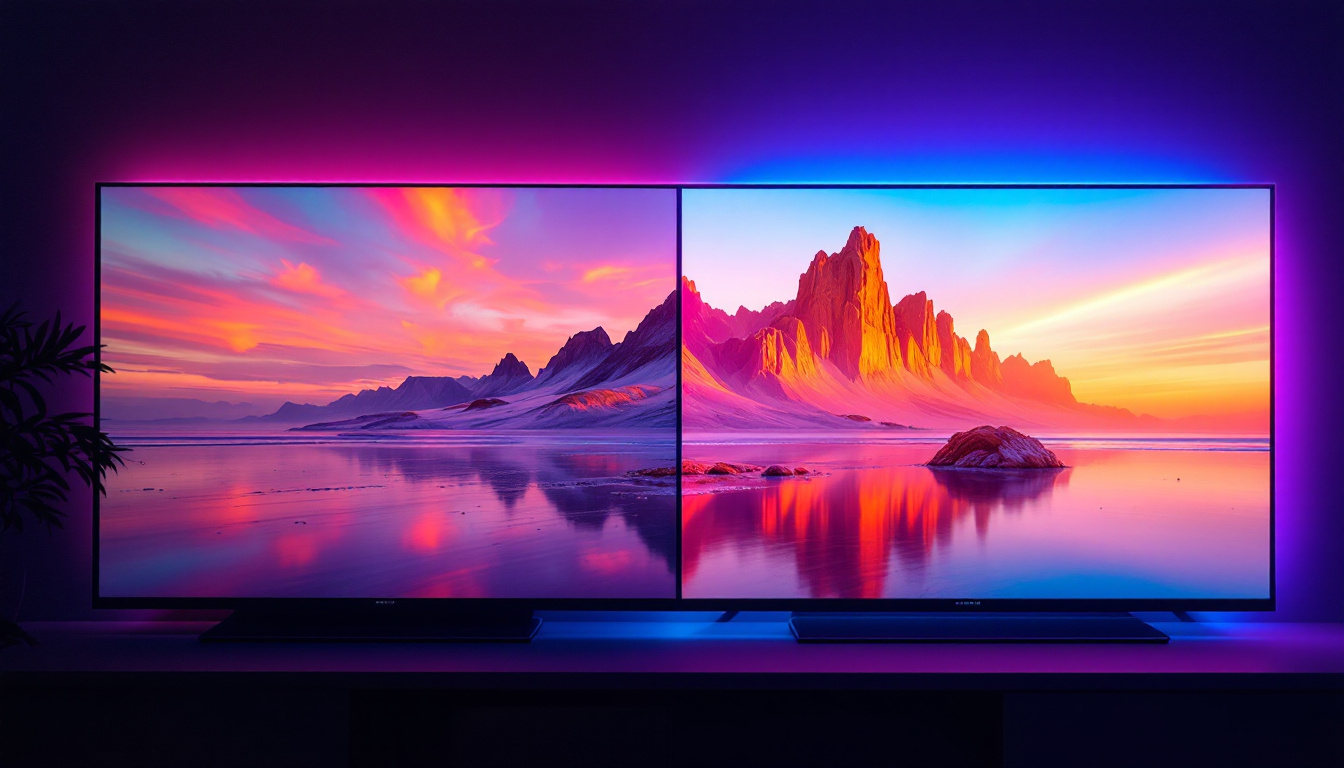
Contrast ratio, the difference between the darkest black and the brightest white, is another critical factor. LED technology offers excellent contrast, enhancing image depth and color accuracy, which is especially important for advertising and branding purposes.
Refresh Rate and Color Accuracy
The refresh rate, measured in Hertz (Hz), indicates how many times per second the display updates its image. Higher refresh rates (above 1,000 Hz) are crucial for smooth video playback and reducing flicker, particularly for broadcasts or live events captured on camera.
Color accuracy and gamut are also vital, especially for brand-sensitive content. Modern stackable LED displays utilize advanced calibration technologies to ensure consistent and vibrant colors across all connected panels.
Benefits of Using Stackable LED Displays
Stackable LED displays offer numerous advantages over traditional display technologies such as LCD or projection systems. These benefits make them a preferred choice in many sectors.
Flexibility and Customization
The modular nature of stackable LED displays allows for highly customizable screen sizes and shapes. This flexibility supports creative display designs, including curved, angled, or irregularly shaped screens that can enhance audience engagement and brand differentiation.
Additionally, the ability to quickly assemble and disassemble these displays supports dynamic environments such as trade shows, concerts, and sporting events, where display configurations often change.
Durability and Longevity
LED technology is renowned for its durability and long operational life, often exceeding 100,000 hours of use. Stackable LED panels are typically built with robust materials that resist weather, dust, and impact, making them suitable for both indoor and outdoor use.
Many stackable LED displays also feature IP-rated protection (Ingress Protection), which classifies their resistance to water and dust. For example, an IP65 rating ensures the display is dust-tight and protected against water jets, ideal for outdoor installations.
Energy Efficiency
Compared to traditional lighting and display technologies, LEDs consume significantly less power while delivering superior brightness and color quality. This energy efficiency translates into lower operating costs and a reduced environmental footprint, aligning with sustainability goals.
Applications of Stackable LED Displays
The versatility of stackable LED displays has led to their adoption across a wide range of industries and use cases. Their ability to deliver impactful visual content makes them invaluable tools for communication and engagement.
Advertising and Retail
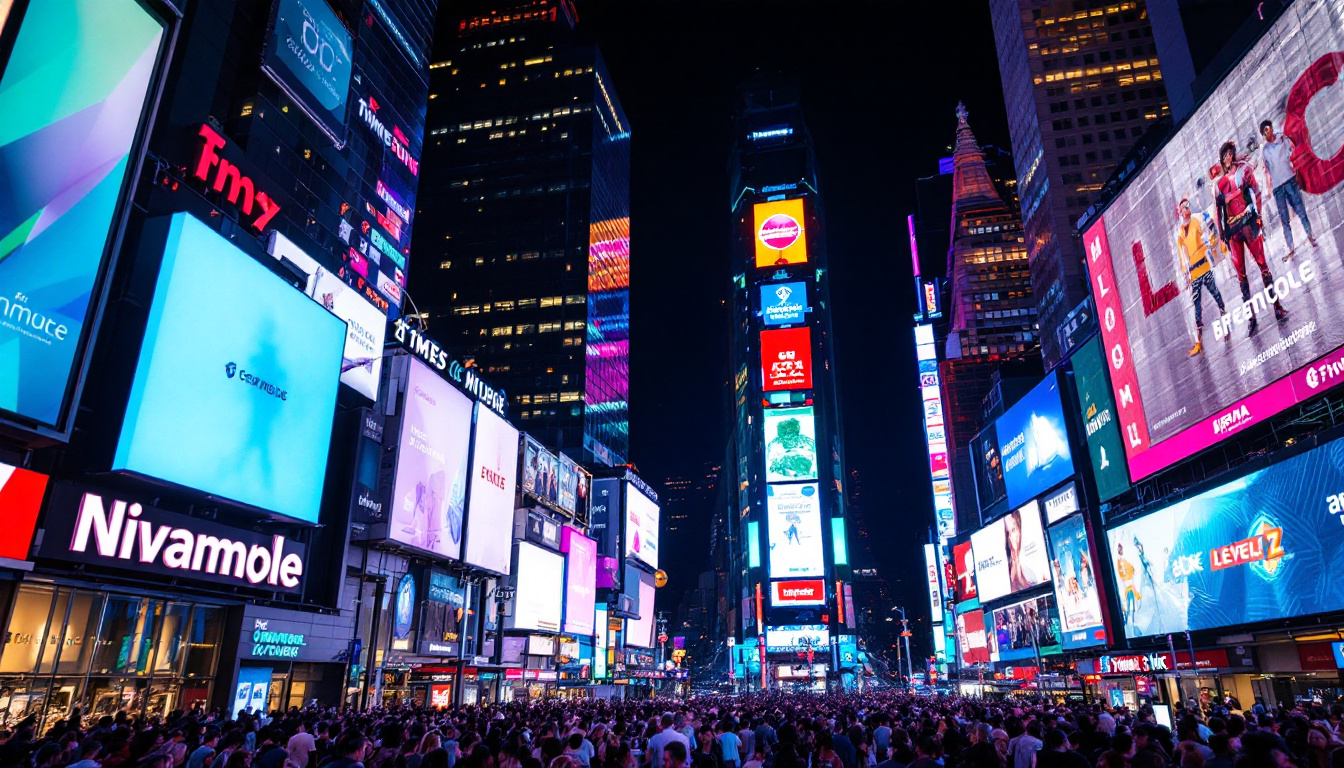
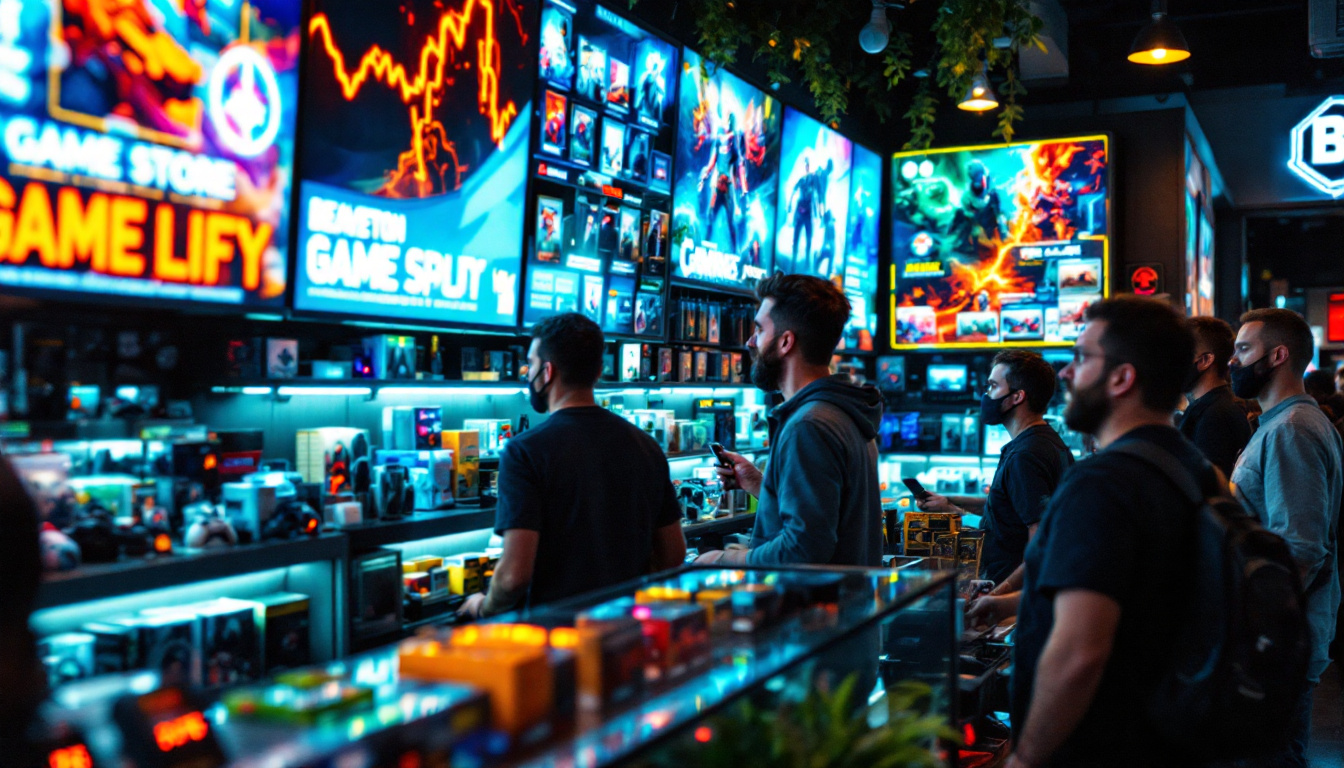
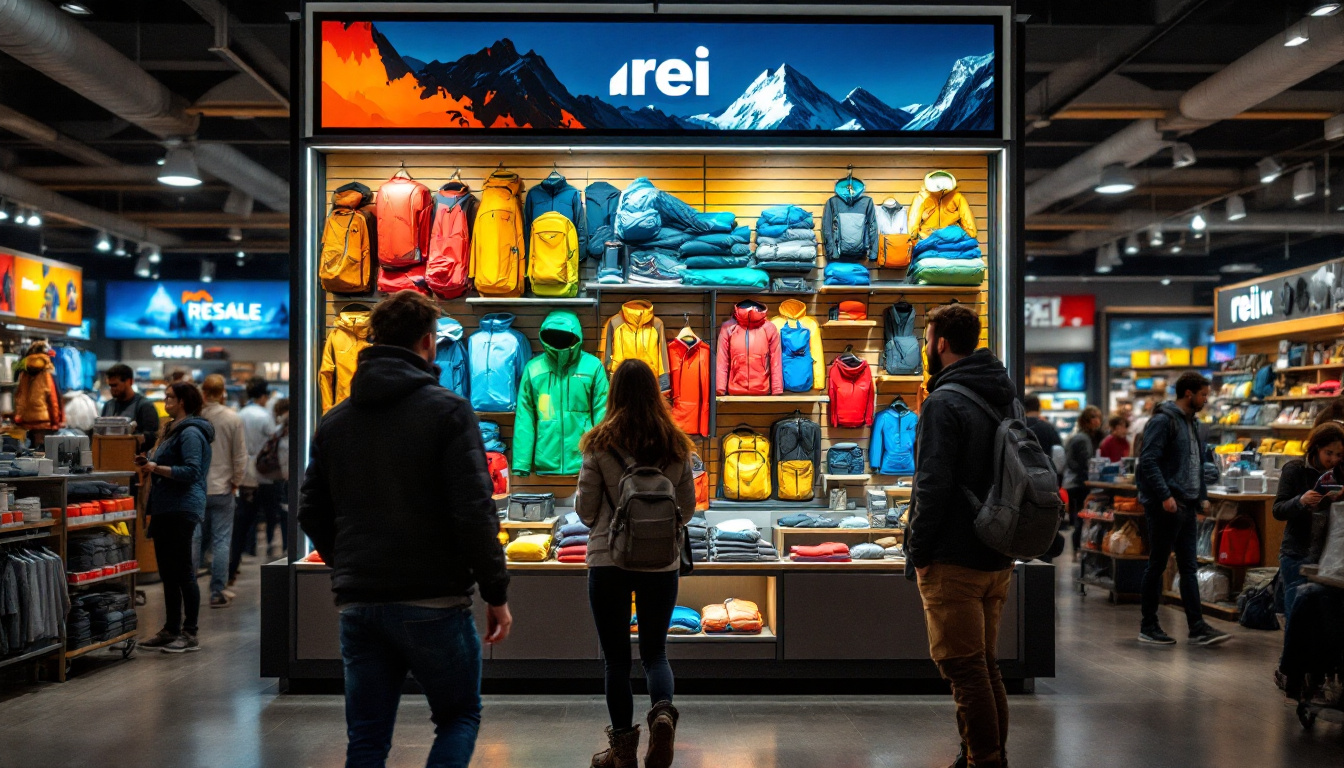
Retailers and advertisers leverage stackable LED displays to create eye-catching storefronts and in-store promotions. The high brightness and vivid colors attract customers’ attention, while the modular design allows for seasonal or campaign-based customization.
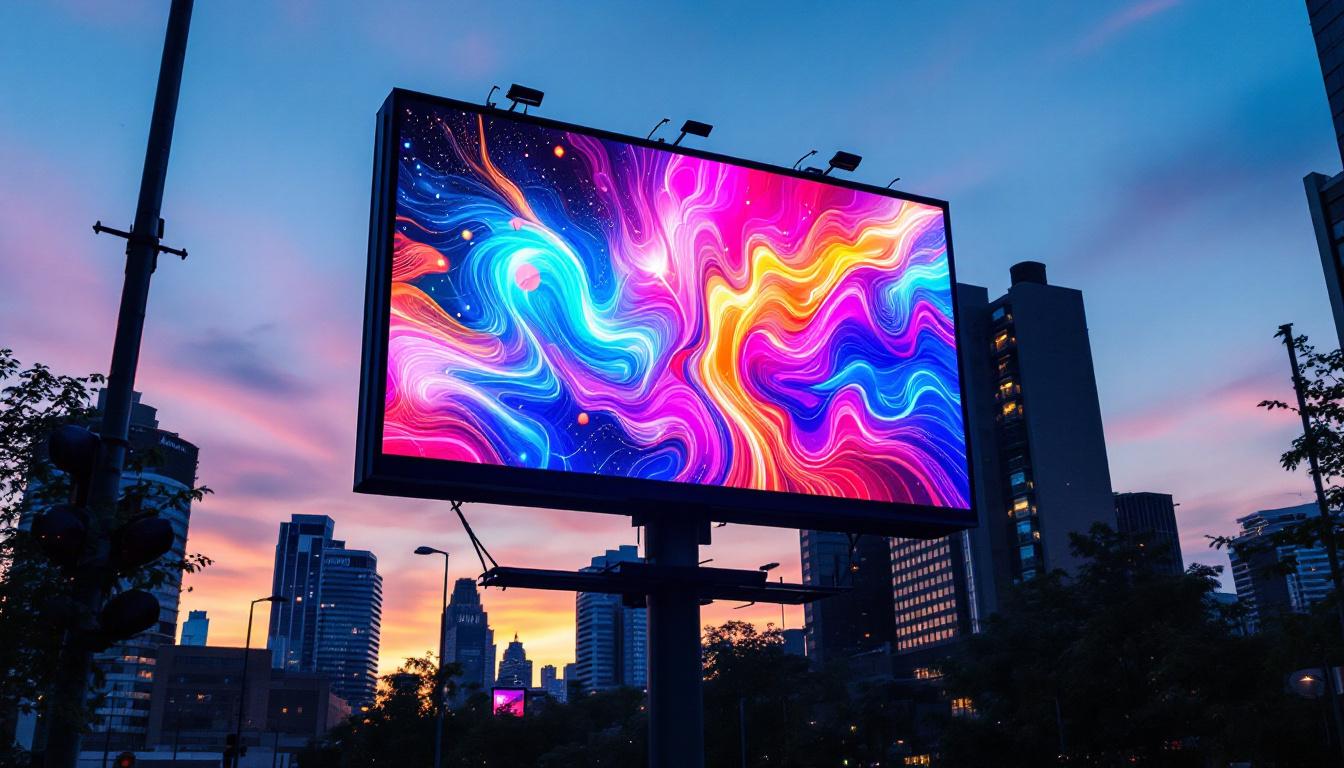
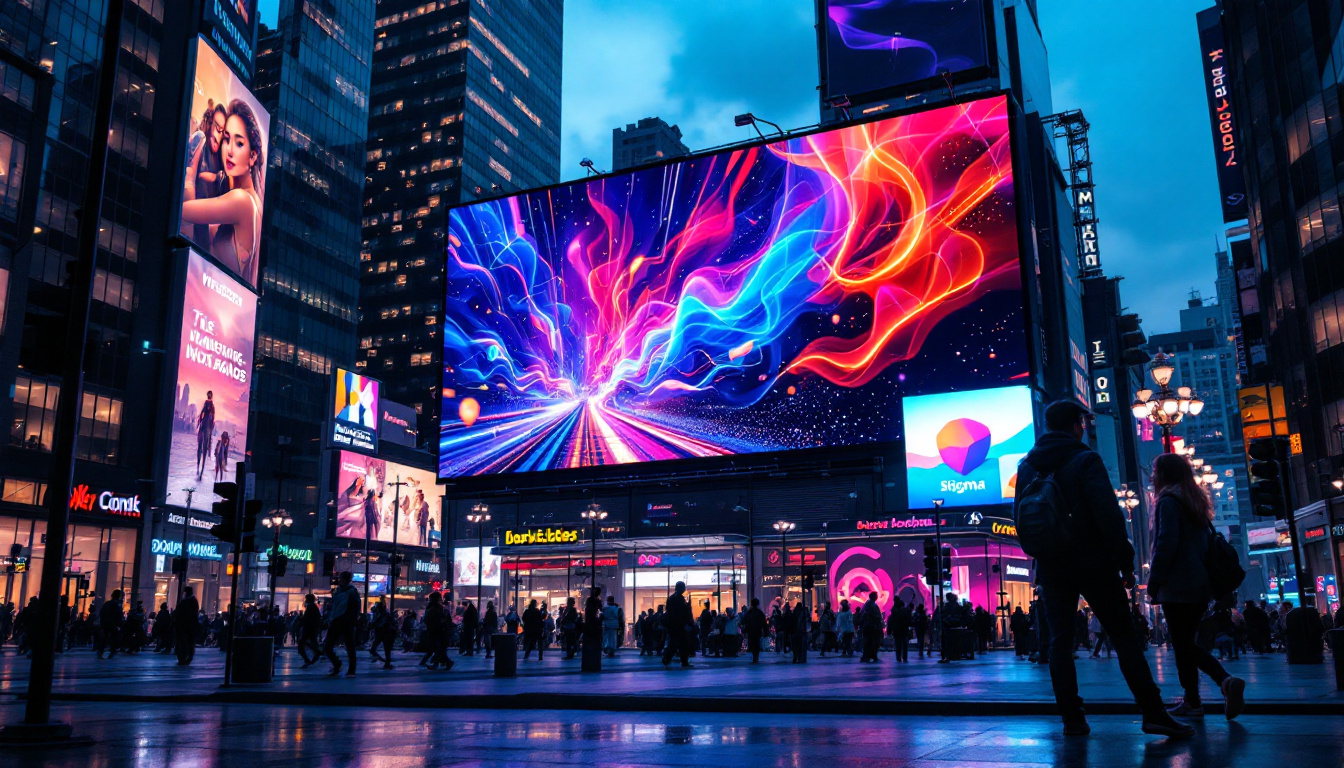
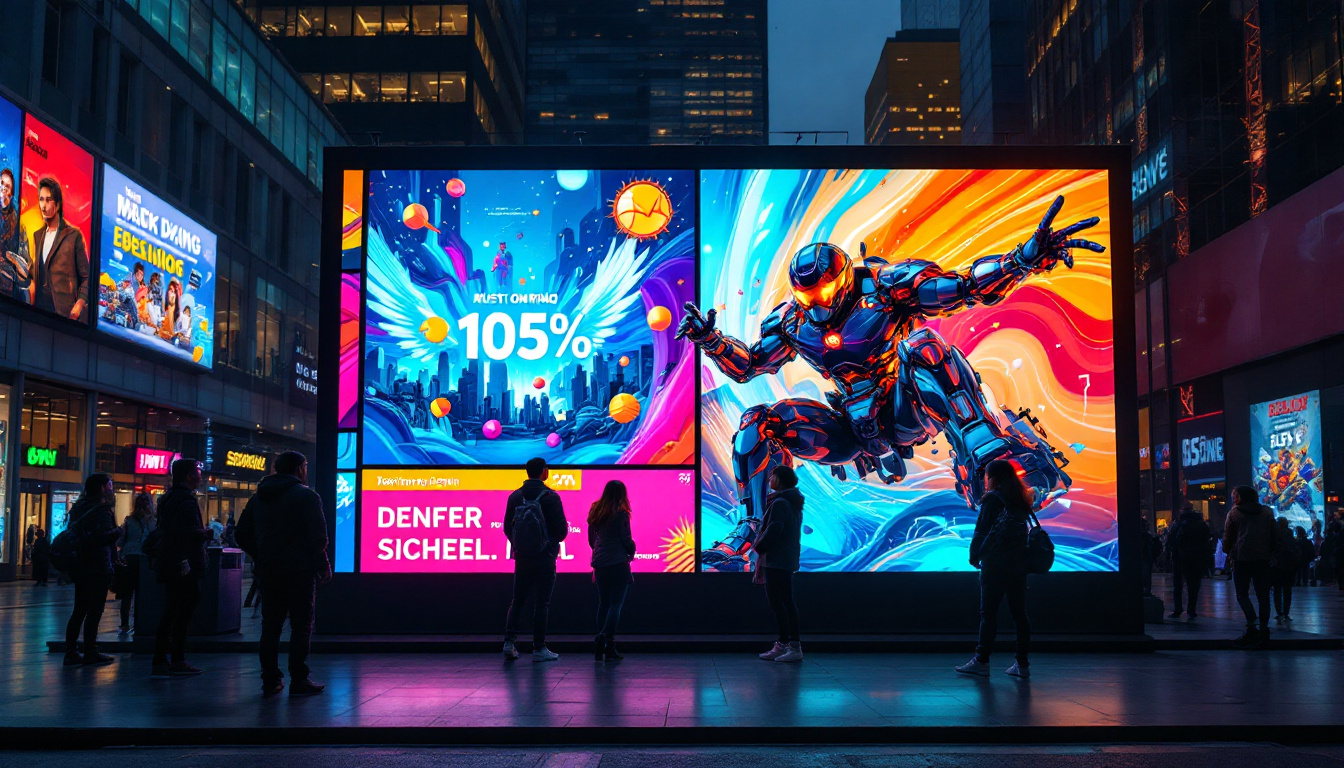
Digital billboards composed of stackable LED panels are increasingly replacing traditional static signs, offering dynamic content that can be updated remotely in real-time, enhancing marketing effectiveness.
Events and Entertainment
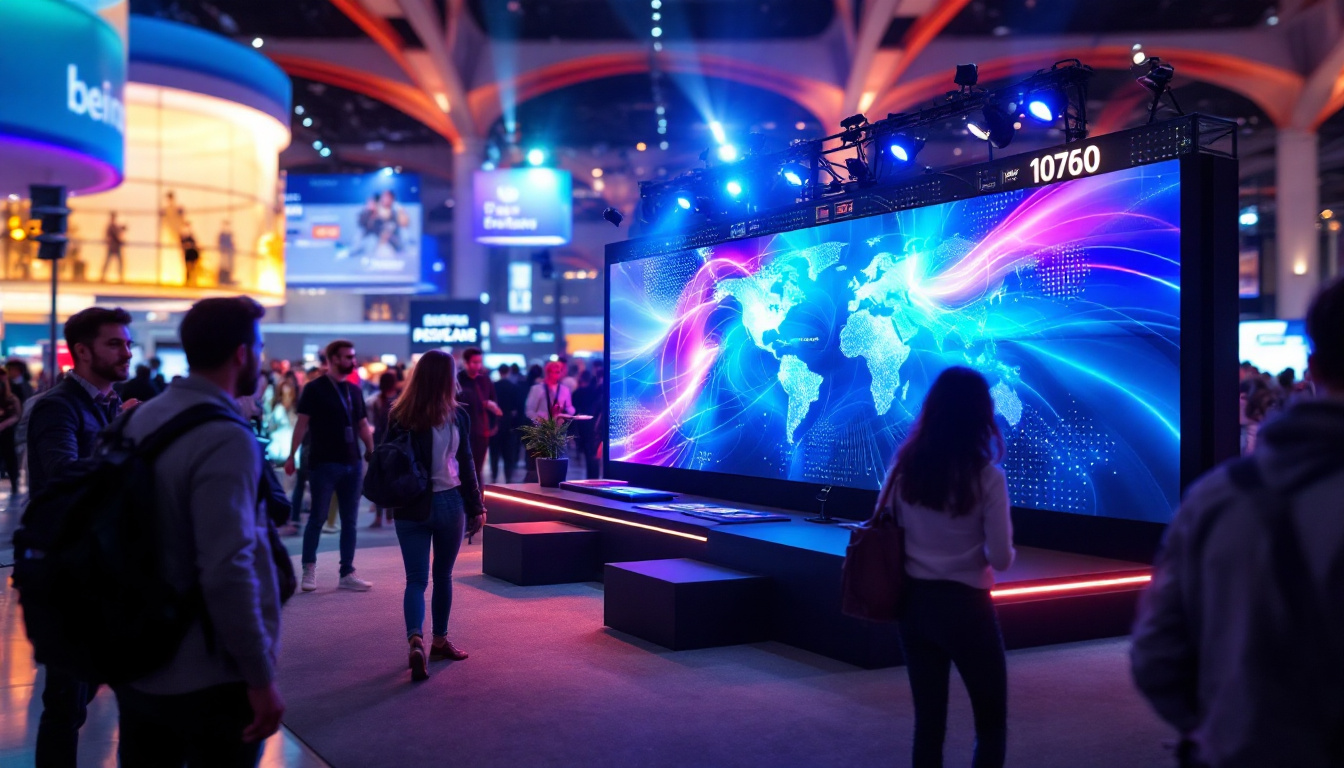
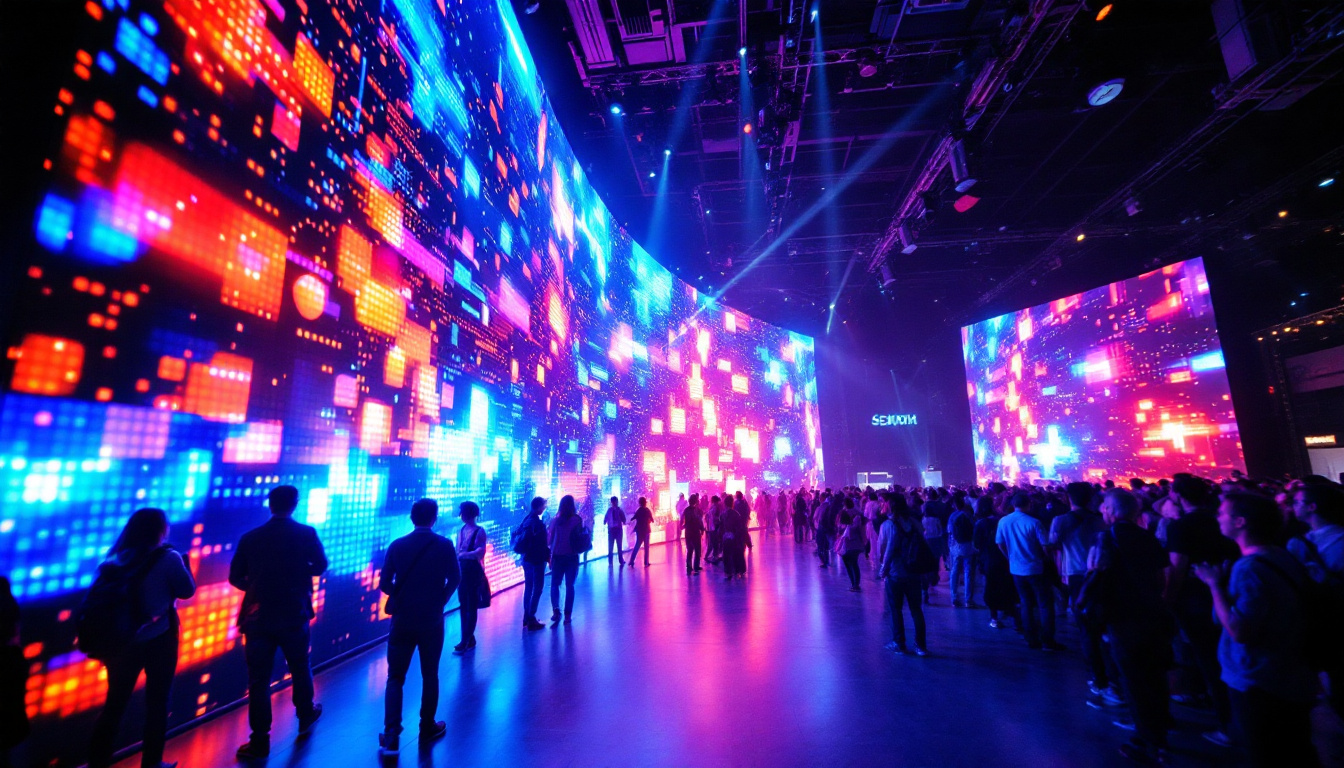
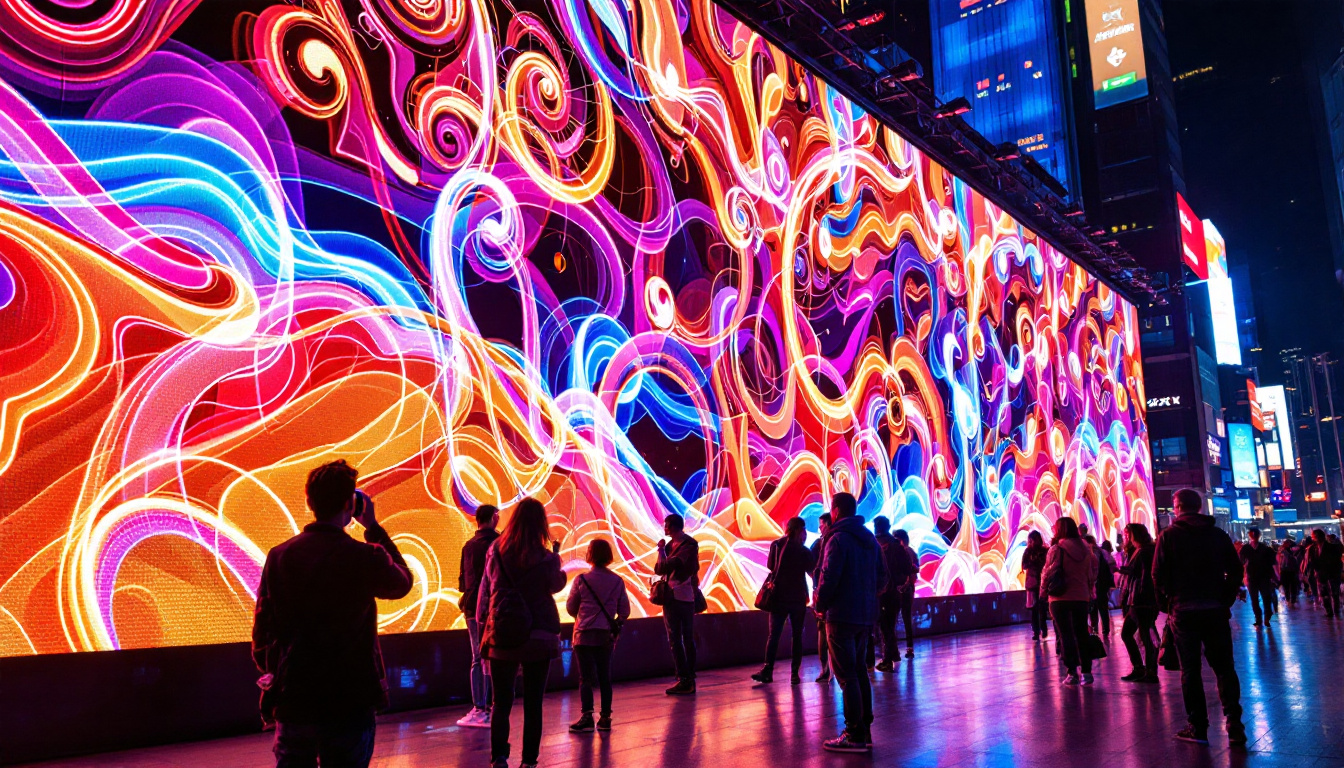
Concerts, festivals, and sporting events frequently utilize stackable LED displays for stage backdrops, scoreboards, and audience engagement screens. Their portability and scalability make them ideal for temporary setups that require quick installation and teardown.
Moreover, the high refresh rates and color accuracy ensure that live video feeds and graphics are displayed smoothly, enhancing the overall event experience.
Corporate and Control Rooms
In corporate environments, stackable LED displays serve as video walls for presentations, video conferencing, and data visualization. Control rooms in industries such as transportation, utilities, and security rely on these displays for real-time monitoring and decision-making.
The ability to configure multiple panels into large, high-resolution video walls allows operators to view complex information at a glance, improving operational efficiency.
Public Spaces and Transportation
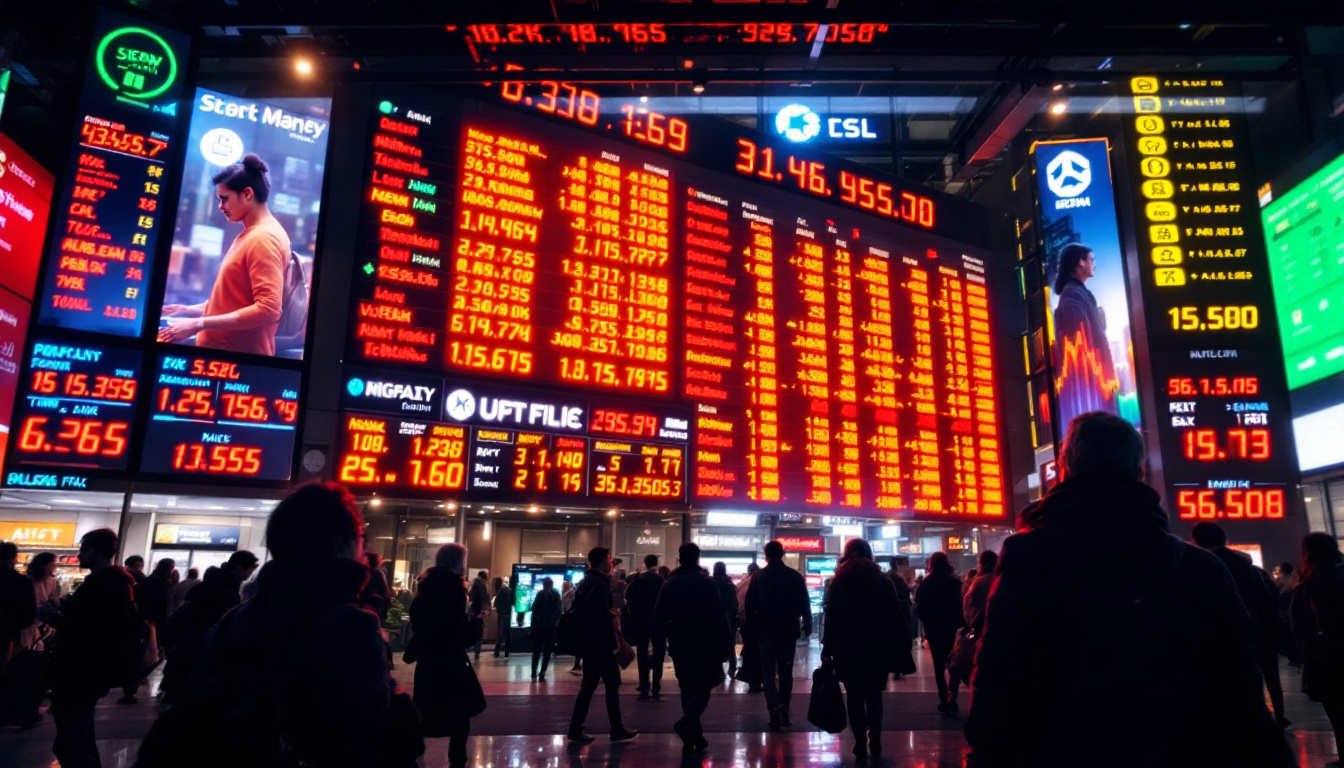
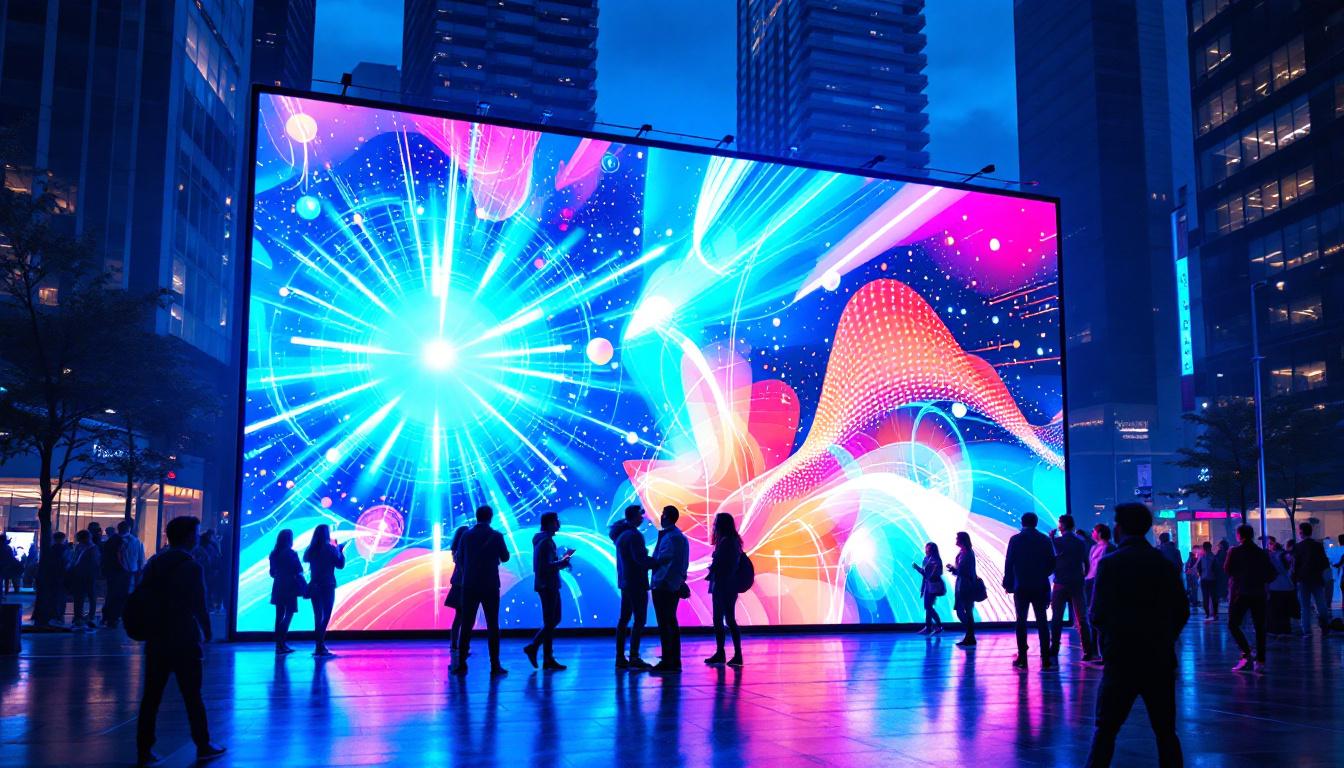
Airports, train stations, and public squares utilize stackable LED displays for wayfinding, announcements, and public information. Their brightness and durability ensure visibility under various weather and lighting conditions.
Dynamic content capabilities allow for timely updates, such as schedule changes or emergency alerts, enhancing public safety and convenience.
Installation and Maintenance Considerations
While stackable LED displays offer many advantages, successful deployment requires careful planning and ongoing maintenance to maximize performance and lifespan.
Structural Support and Mounting
Because stackable LED displays can become quite large and heavy when assembled, ensuring adequate structural support is critical. Mounting systems must be designed to handle the combined weight and provide stability, particularly in outdoor or high-traffic environments.
Professional installation teams often use rigging and scaffolding to assemble displays safely, especially for temporary event setups.
Calibration and Alignment
To achieve a seamless visual experience, individual LED panels must be precisely aligned and calibrated. Misalignment can cause visible seams or color inconsistencies, detracting from the display’s overall quality.
Advanced software tools assist in calibration, allowing for uniform brightness, color balance, and pixel mapping across the entire display surface.
Routine Maintenance and Repairs
Regular maintenance is essential to keep stackable LED displays operating optimally. This includes cleaning panels to remove dust and debris, checking connections, and replacing faulty modules if necessary.
Many modern LED panels are designed with front or rear access for easier maintenance, minimizing downtime and disruption.
Future Trends in Stackable LED Display Technology
The LED display industry continues to innovate, with several emerging trends poised to enhance the capabilities and applications of stackable LED displays.
Higher Resolution and Mini-LED Technology
Advancements in mini-LED and micro-LED technologies are enabling even smaller pixel pitches, resulting in ultra-high-definition displays suitable for close viewing distances. These improvements will expand the use of stackable LED displays into new markets such as medical imaging and fine art exhibitions.
Integration with Interactive Technologies
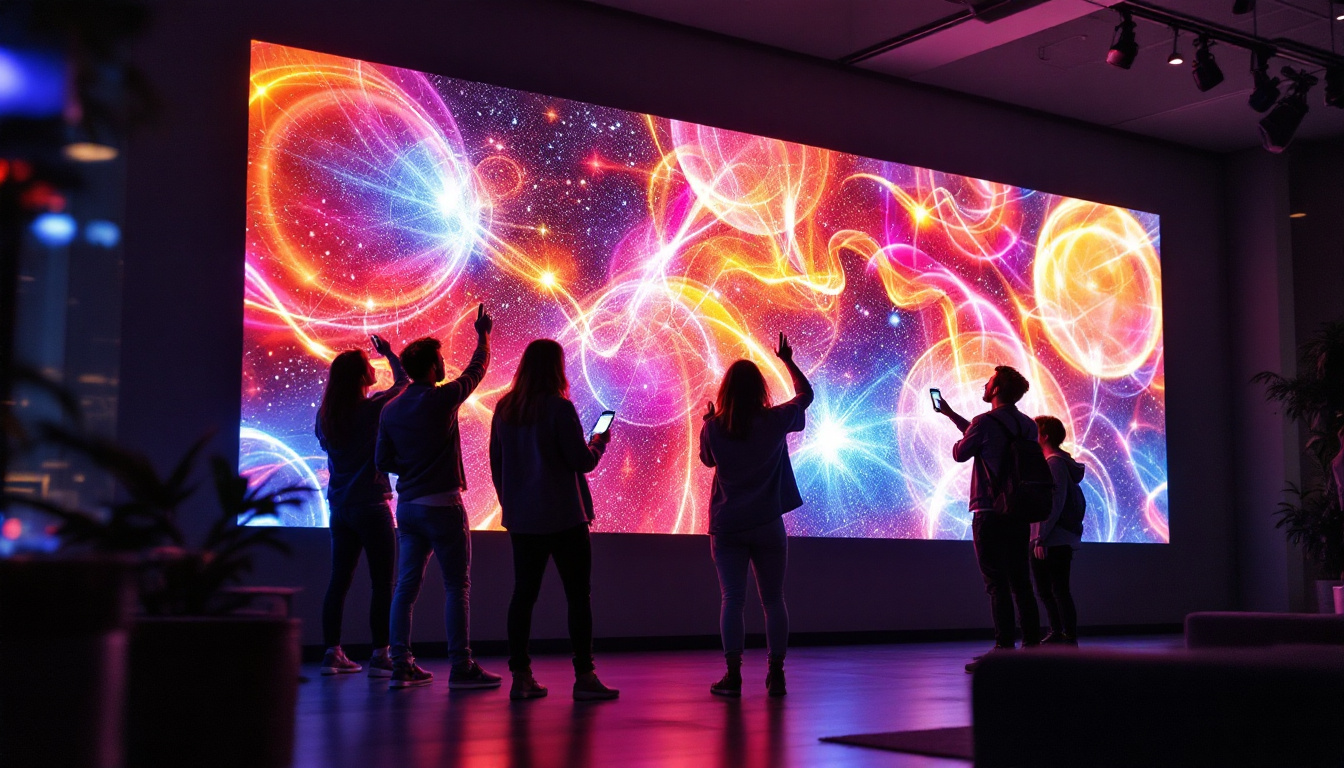
Interactive LED displays that respond to touch, motion, or environmental sensors are gaining traction. Combining stackable LED panels with interactivity opens new possibilities for engaging retail experiences, educational installations, and immersive entertainment.
Enhanced Connectivity and Smart Control
Future stackable LED displays will increasingly incorporate IoT (Internet of Things) capabilities, allowing remote monitoring, diagnostics, and content management via cloud platforms. This connectivity simplifies maintenance and enables more dynamic content strategies.
Conclusion
Stackable LED displays represent a powerful and flexible solution for modern visual communication needs. Their modular design, high performance, and adaptability make them suitable for a broad spectrum of applications—from advertising and events to corporate and public spaces.
As technology advances, stackable LED displays will continue to evolve, offering higher resolutions, interactivity, and smarter management options. For organizations seeking impactful and scalable display solutions, investing in stackable LED technology offers a future-proof path to captivating audiences and enhancing communication.
Discover LumenMatrix’s Innovative LED Display Solutions
Ready to elevate your visual communication strategy with the latest in LED display technology? LumenMatrix is at the forefront of innovation, offering a diverse range of LED display solutions tailored to your unique needs. From captivating Indoor LED Wall Displays to dynamic Outdoor LED Wall Displays, and from versatile Vehicle LED Displays to sleek LED Poster Displays, our products are designed to make your brand stand out. Experience the revolution in digital signage with our LED Sports Displays, interactive Floor LED Displays, and the stunning clarity of our Custom and All-in-One LED Displays, including the cutting-edge LED Transparent Display. Embrace the future of visual engagement with LumenMatrix and check out our LED Display Solutions today.