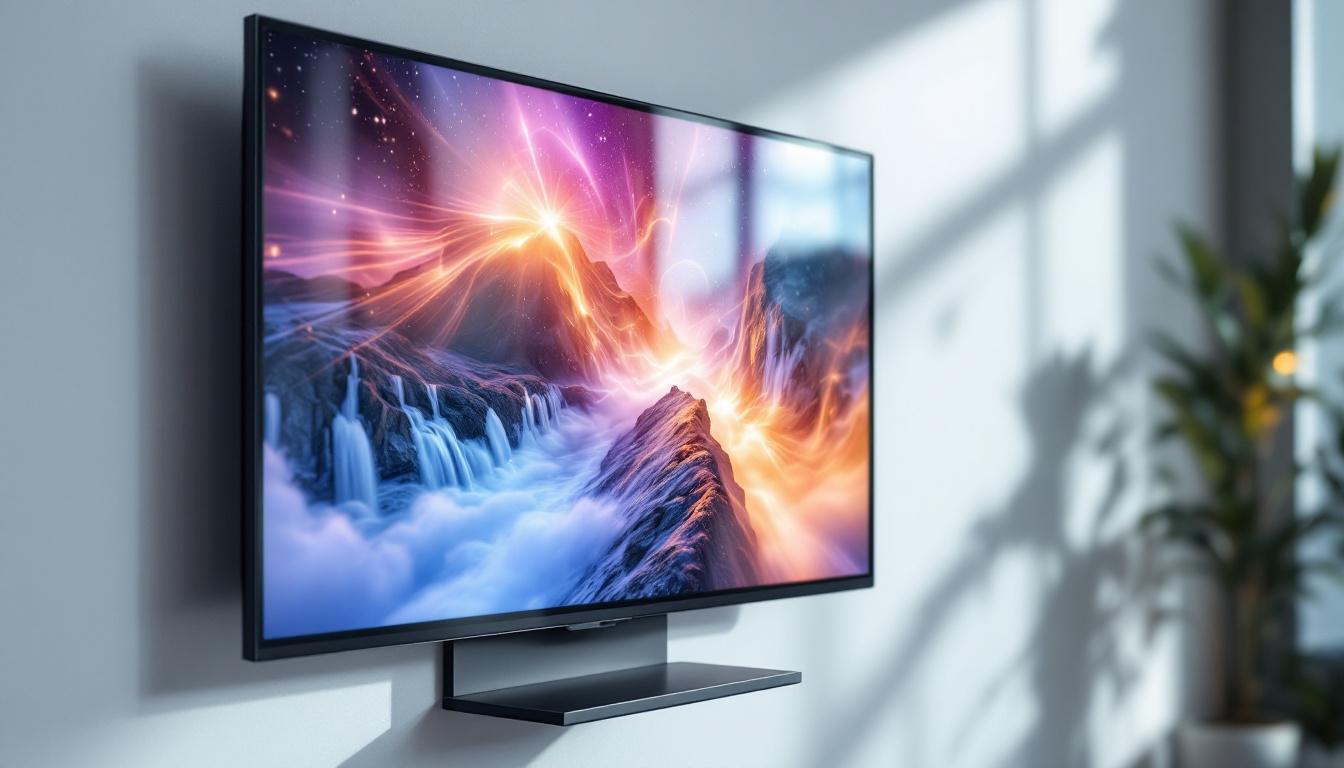
In the rapidly evolving world of display technology, thin bezel LED displays have emerged as a game-changer for both consumers and industries alike. From immersive home entertainment systems to dynamic digital signage in bustling urban centers, the demand for sleek, high-quality screens continues to grow. But what exactly is a thin bezel LED display, and why has it become so popular? This article delves into the technology behind thin bezel LED displays, their advantages, applications, and what the future holds for this innovative display solution.
Understanding Thin Bezel LED Displays
What Is a Thin Bezel Display?
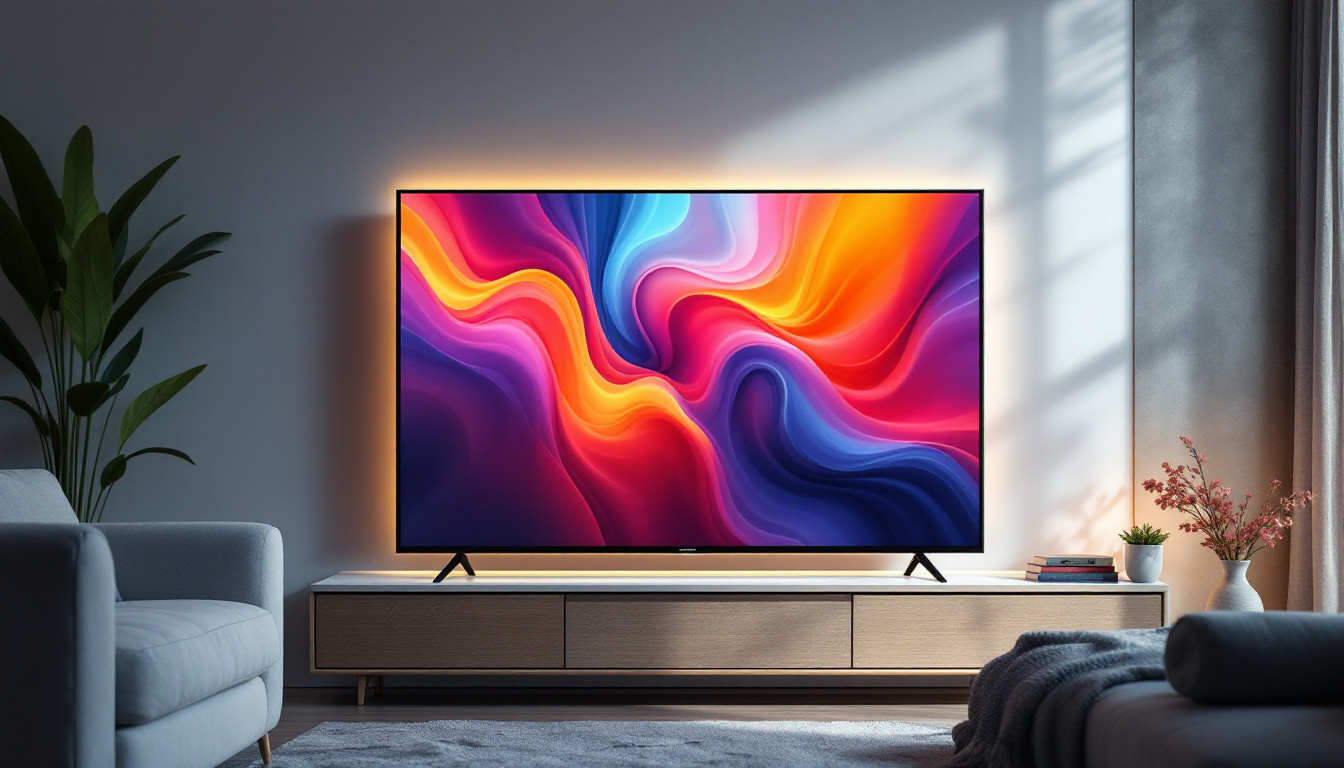
A bezel is the frame or border surrounding a display screen. Traditionally, bezels were relatively thick, creating a noticeable border around the screen. A thin bezel display minimizes this border, often to just a few millimeters or less, providing a near edge-to-edge viewing experience. This design enhances the aesthetic appeal and maximizes the visible screen area without increasing the overall device size.
Thin bezel designs are particularly significant in multi-display setups, such as video walls, where multiple screens are tiled together. Reducing the bezel width minimizes the gap between images, creating a more seamless and immersive visual experience. This is especially beneficial in environments like control rooms, retail displays, and gaming setups, where continuity of image is crucial. The visual impact of a thin bezel can transform ordinary presentations into captivating experiences, drawing viewers into the content being displayed.
LED Technology Basics
LED (Light Emitting Diode) displays use an array of tiny LEDs as pixels to produce images. Unlike traditional LCDs that rely on backlighting, LED displays use LEDs themselves to emit light, resulting in higher brightness, better contrast, and improved energy efficiency.
There are two main types of LED displays: direct-view LED and LED-backlit LCD. Direct-view LED displays consist of individual LEDs that form the image directly, often used in large-scale screens like stadium displays. LED-backlit LCDs use LEDs to illuminate an LCD panel, common in televisions and monitors. The flexibility of LED technology allows for a variety of applications, from small screens in handheld devices to massive outdoor billboards, showcasing vibrant colors and sharp details.
Thin bezel LED displays typically refer to direct-view LED panels with minimized borders, designed for modular assembly and high-resolution output. These displays not only enhance the visual experience but also offer practical advantages, such as easier installation and maintenance. With advancements in technology, manufacturers are continually pushing the boundaries of what thin bezel displays can achieve, integrating features like touch sensitivity and ultra-high-definition resolutions, making them ideal for interactive applications in both commercial and educational settings.
Advantages of Thin Bezel LED Displays
Enhanced Visual Immersion
One of the most compelling benefits of thin bezel LED displays is the enhanced visual immersion they provide. By reducing the bezel width, the screen appears larger and more continuous, allowing viewers to focus on the content without distraction. This is especially important in environments where multiple panels are combined to create expansive video walls, such as control rooms, retail stores, or concert venues.
Studies show that reducing bezel size can increase viewer engagement by up to 30%, as the seamless display reduces cognitive distractions and enhances the perception of image continuity. This effect is particularly pronounced in settings such as gaming and virtual reality, where the immersive experience is paramount. The ability to create a near-borderless viewing experience allows for a more captivating interaction with digital content, making it ideal for applications ranging from educational presentations to high-stakes business meetings.
Space Efficiency and Sleek Design
Thin bezel displays contribute to space efficiency by maximizing screen area without increasing the physical footprint. This is crucial in modern office environments, public spaces, and home entertainment setups where space is at a premium.
Moreover, the sleek, minimalist design aligns with contemporary aesthetics, making devices more attractive to consumers and businesses seeking to project a modern, professional image. The versatility of thin bezel displays allows them to blend seamlessly into various environments, from stylish home theaters to sophisticated corporate boardrooms. Their ability to complement existing decor while providing high-quality visuals makes them a favored choice among interior designers and architects aiming to create visually appealing spaces.
Improved Multi-Screen Configurations
In applications requiring multiple screens, such as command centers or digital signage networks, thin bezel displays allow for nearly uninterrupted visuals across panels. This capability is essential for monitoring complex data, advertising, or immersive presentations.
For example, a video wall composed of thin bezel LED panels can deliver a cohesive image that is visually striking and easier for viewers to interpret, compared to traditional displays with thick bezels creating distracting gaps. This seamless integration not only enhances the aesthetic appeal but also improves functionality, as operators can monitor multiple streams of information at a glance without the interruption of bulky bezels. Furthermore, the adaptability of these displays allows for creative configurations, such as curved or angled setups, providing even more flexibility in design and application.
Energy Efficiency and Longevity
LED technology is renowned for its energy efficiency compared to older display technologies like CCFL-backlit LCDs or plasma screens. Thin bezel LED displays inherit these advantages, often consuming less power while delivering brighter and more vibrant images.
Additionally, LEDs have a longer lifespan, typically ranging from 50,000 to 100,000 hours of use, reducing maintenance costs and the frequency of replacements. This longevity makes thin bezel LED displays a cost-effective choice for commercial and industrial applications. Furthermore, many modern LED displays incorporate smart technology that optimizes energy consumption based on usage patterns, further enhancing their sustainability. As businesses increasingly prioritize eco-friendly solutions, the energy efficiency of thin bezel LED displays not only contributes to lower operational costs but also aligns with corporate responsibility goals, making them an attractive investment for forward-thinking organizations.
Applications of Thin Bezel LED Displays
Consumer Electronics
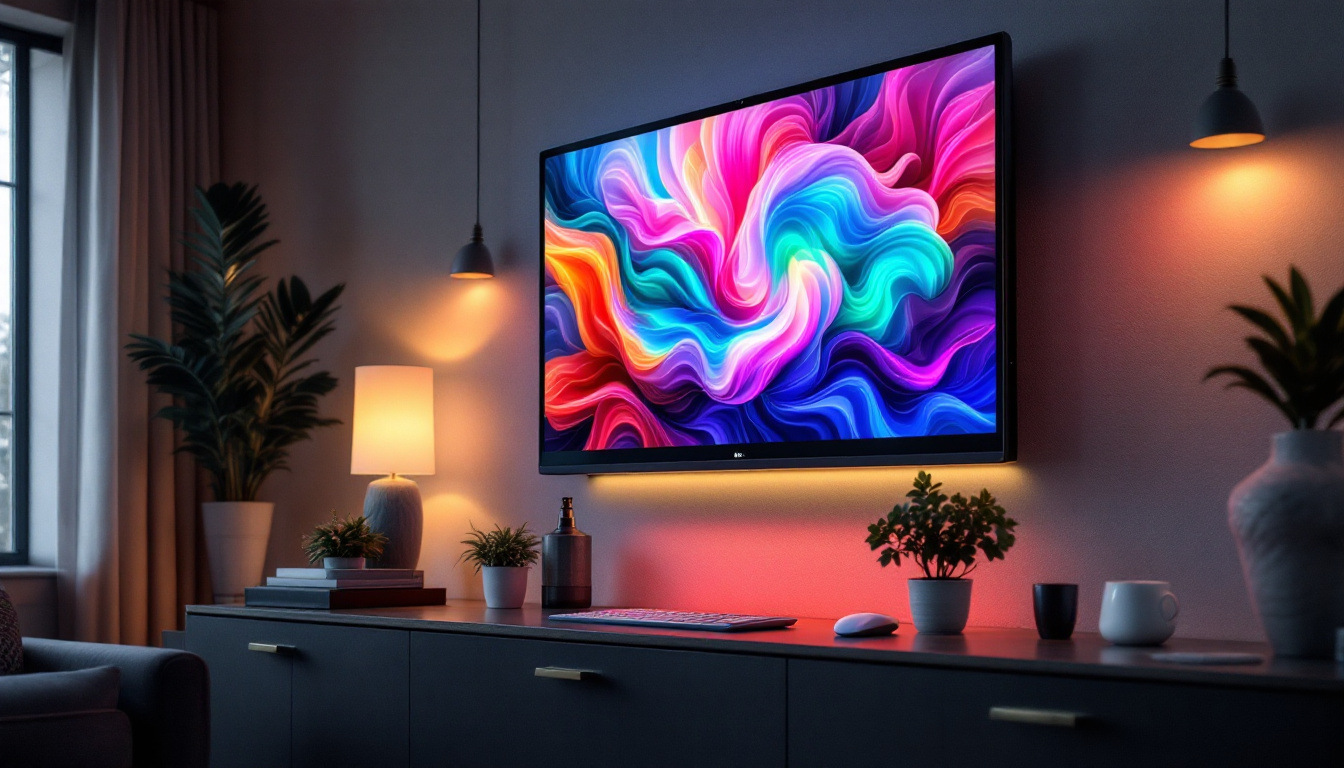
Thin bezel LED displays are increasingly common in consumer electronics such as televisions, computer monitors, and laptops. The trend toward ultra-thin bezels enhances the viewing experience, making devices more immersive and aesthetically pleasing.
For instance, flagship smartphones and tablets now feature edge-to-edge displays with minimal bezels, allowing for larger screen sizes without increasing device dimensions. This design trend has been driven by consumer demand for more screen real estate and better portability.
Digital Signage and Advertising
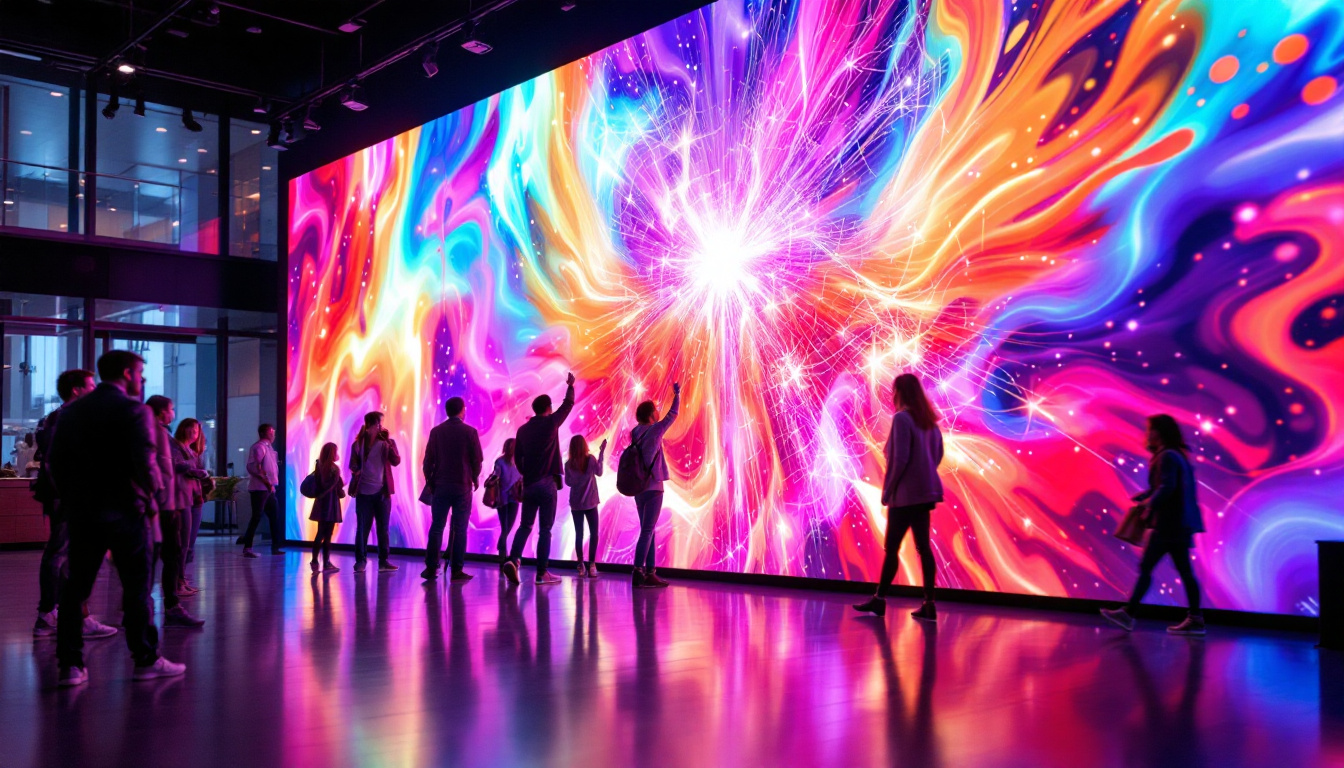
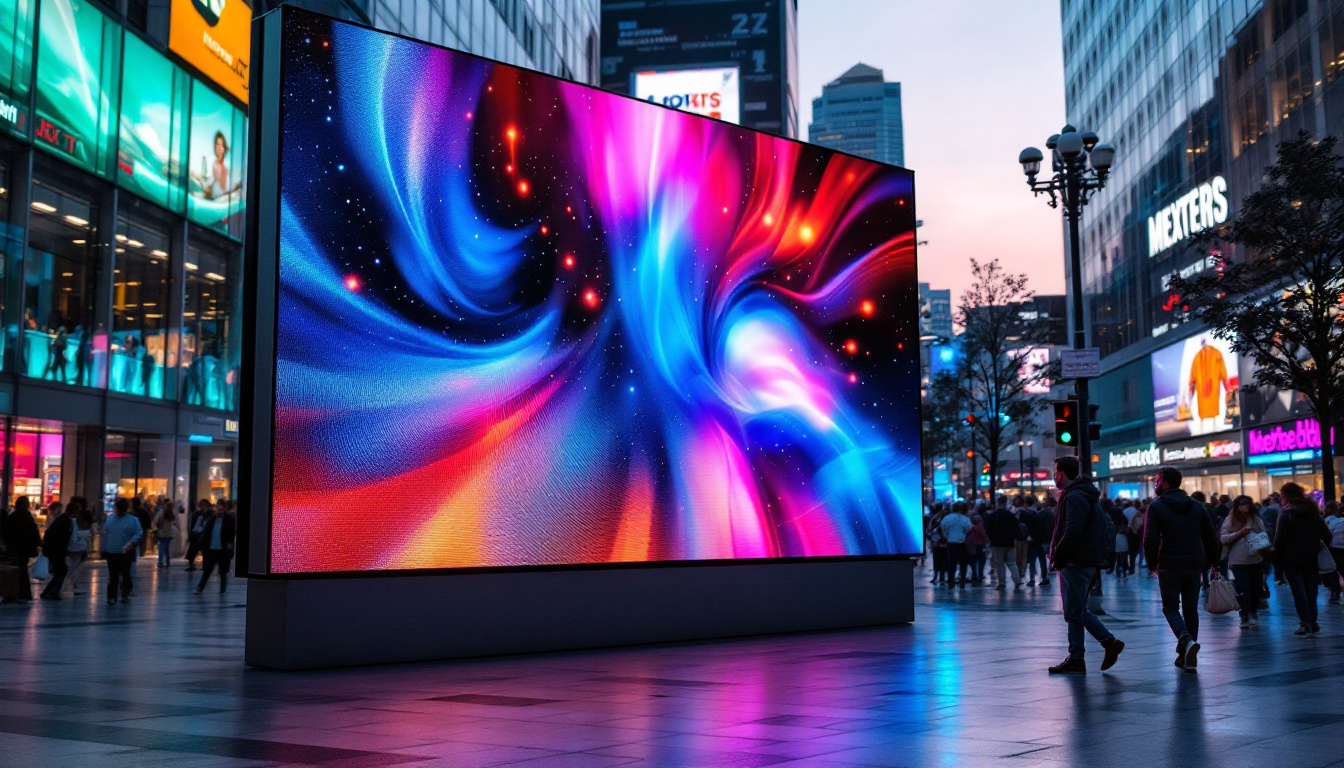
In the realm of digital signage, thin bezel LED displays have revolutionized how businesses communicate with customers. Retailers, airports, and public transportation hubs utilize large video walls to deliver dynamic content, promotions, and information.
The thin bezels enable the creation of massive, eye-catching displays that capture attention and convey messages effectively. According to a 2023 market report, the global digital signage market is expected to grow at a CAGR of 8.5% through 2028, with thin bezel LED displays playing a significant role in this expansion.
Corporate and Control Room Environments
Control rooms for utilities, transportation, and emergency services rely heavily on video walls for real-time monitoring and decision-making. Thin bezel LED displays provide the clarity and seamless visuals necessary for interpreting complex data quickly and accurately.
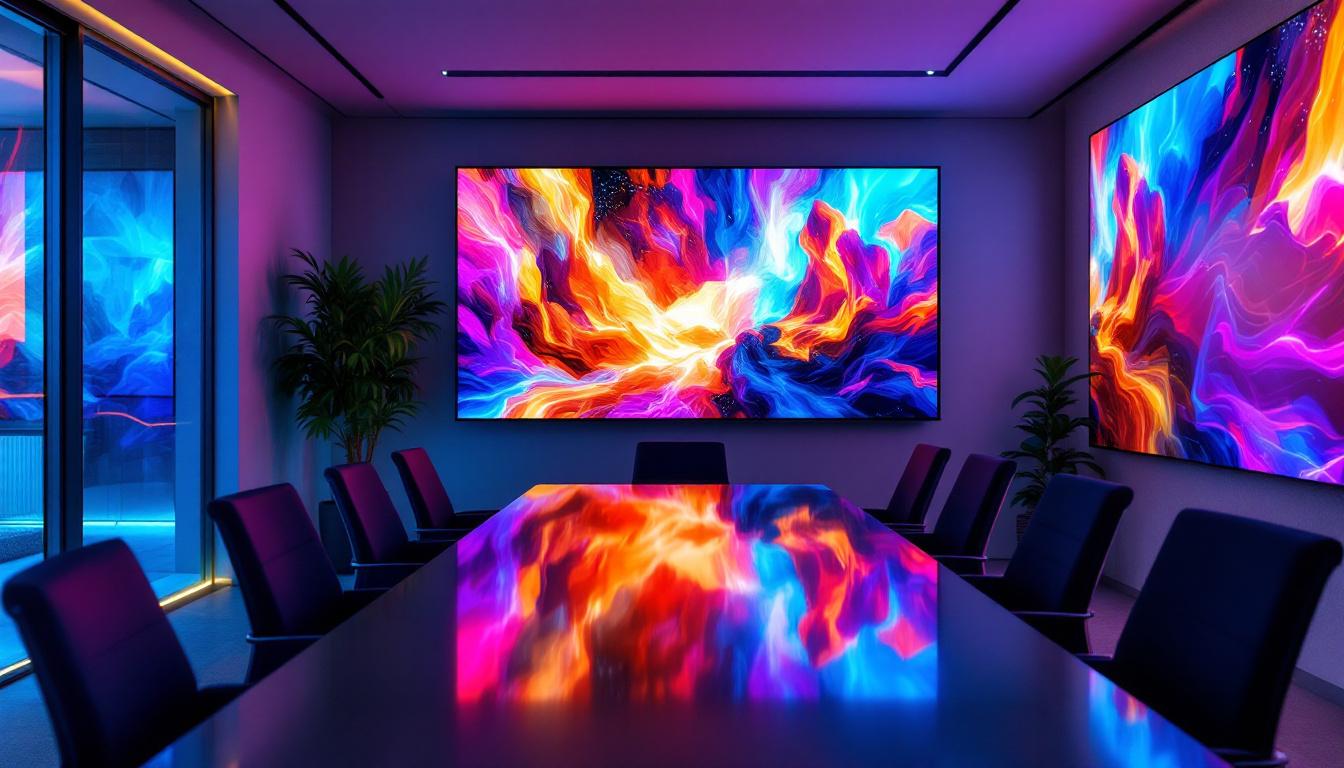
Similarly, corporate boardrooms and conference centers use thin bezel LED displays for presentations and video conferencing, enhancing collaboration and communication.
Entertainment and Events
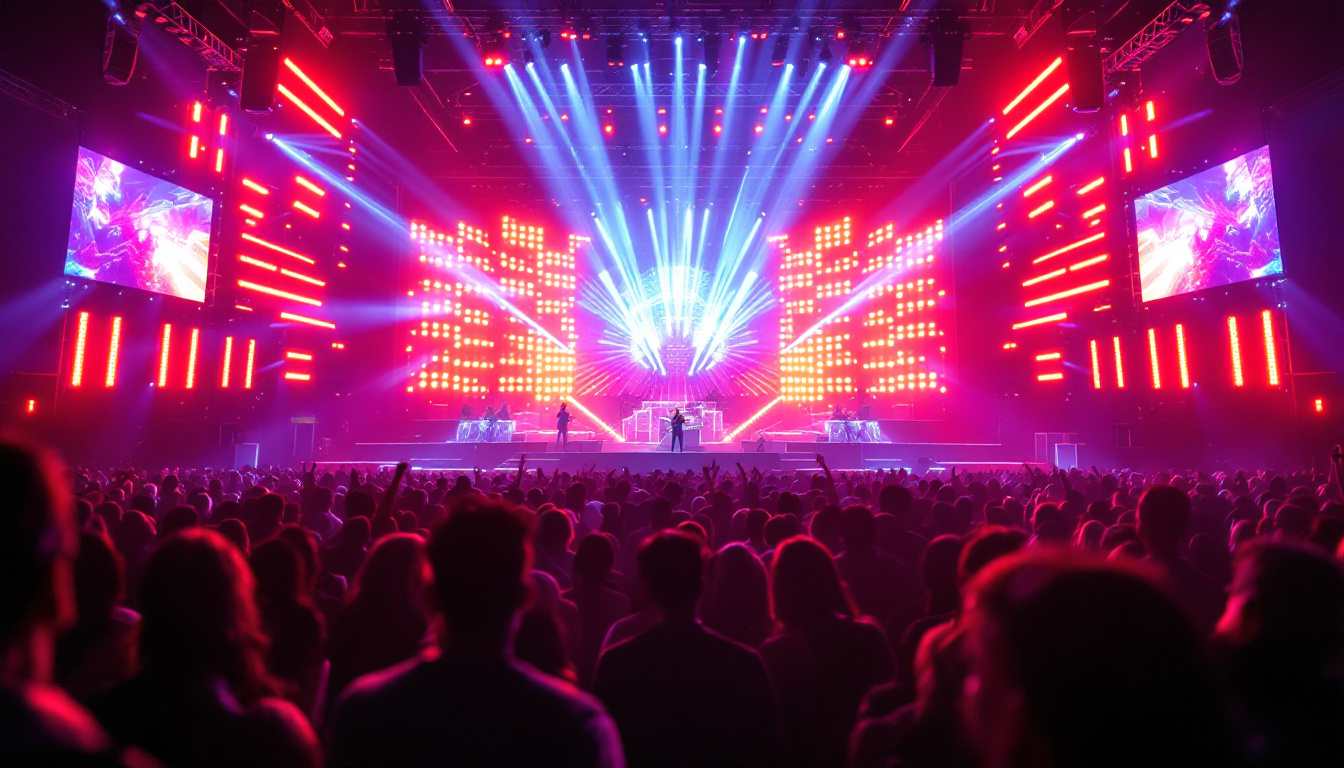
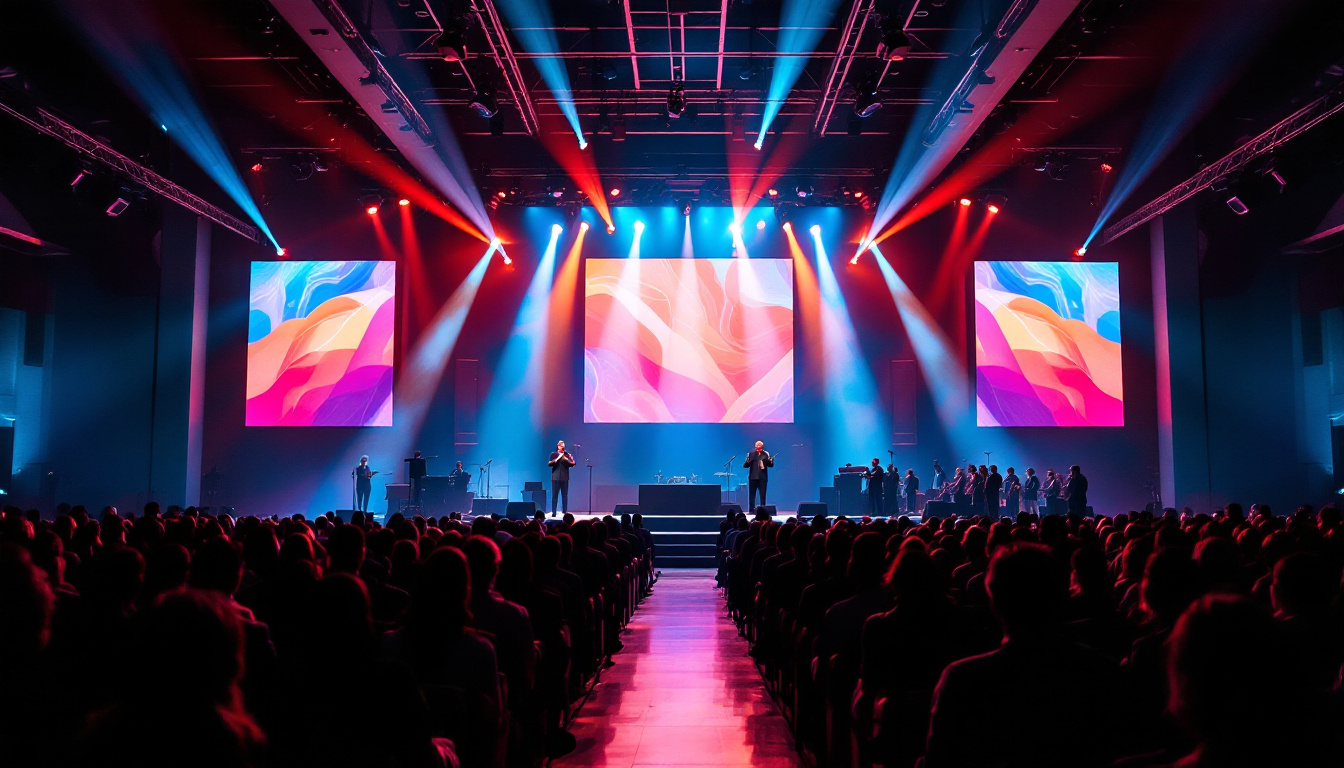
Concerts, sporting events, and exhibitions often use large-scale thin bezel LED displays to deliver high-impact visuals to large audiences. The ability to assemble multiple panels into a single, continuous screen allows for creative stage designs and immersive experiences.
For example, major music festivals employ thin bezel LED video walls as backdrops, enhancing the atmosphere and audience engagement.
Technical Considerations and Challenges
Manufacturing Precision
Producing thin bezel LED displays requires advanced manufacturing techniques to minimize the border without compromising structural integrity or display performance. This involves precise alignment of components and high-quality materials to ensure durability and reliability.
As bezel widths approach sub-millimeter levels, even minor imperfections can affect the visual continuity and overall user experience.
Cost Implications
While thin bezel LED displays offer numerous benefits, they can be more expensive to produce than traditional displays due to the complexity of design and manufacturing. This cost can impact pricing for end-users, particularly in large-scale installations.
However, as production techniques improve and demand increases, prices are expected to decrease, making thin bezel displays more accessible across various market segments.
Heat Management
LED displays generate heat during operation, and thin bezel designs reduce the available space for heat dissipation. Effective thermal management solutions are essential to prevent overheating, which can degrade performance and shorten the lifespan of the display.
Manufacturers often incorporate advanced cooling systems and materials to address this challenge, ensuring reliable operation over extended periods.
The Future of Thin Bezel LED Displays
Advancements in MicroLED Technology
MicroLED technology represents the next frontier in LED displays, offering even thinner profiles, higher brightness, and superior color accuracy. MicroLEDs use microscopic LEDs as individual pixels, enabling displays with bezel widths approaching zero.
Although still in the early stages of commercial adoption, MicroLED displays are poised to revolutionize consumer electronics, digital signage, and more, delivering unparalleled image quality and design flexibility.
Integration with Smart Technologies
Thin bezel LED displays are increasingly integrated with smart technologies such as AI-driven content management, touch interactivity, and IoT connectivity. These enhancements enable more personalized and dynamic user experiences, particularly in retail and corporate environments.
For example, smart digital signage can adapt content in real time based on audience demographics or environmental conditions, maximizing engagement and effectiveness.
Environmental Sustainability
As sustainability becomes a priority across industries, manufacturers are focusing on eco-friendly materials and energy-efficient designs for thin bezel LED displays. Innovations in recyclable components and reduced power consumption contribute to lowering the environmental impact of display technologies.
Consumers and businesses alike are increasingly valuing these green initiatives, influencing purchasing decisions and industry standards.
Conclusion
Thin bezel LED displays represent a significant advancement in display technology, combining aesthetic appeal with functional benefits such as enhanced immersion, space efficiency, and energy savings. Their versatility across consumer electronics, commercial applications, and entertainment sectors underscores their growing importance in the digital age.
While challenges related to manufacturing precision, cost, and heat management remain, ongoing innovations in MicroLED technology and smart integration promise to elevate thin bezel LED displays to new heights. As the technology matures, it is set to redefine how people interact with visual content, making displays more seamless, vibrant, and engaging than ever before.
For businesses and consumers seeking cutting-edge display solutions, understanding the nuances of thin bezel LED technology is essential for making informed decisions that balance performance, design, and cost.
Discover the Future of Visual Display with LumenMatrix
Ready to elevate your visual experience with the sleek design and superior performance of thin bezel LED displays? LumenMatrix is at the forefront of LED display innovation, offering a wide array of solutions tailored to your needs. From Indoor and Outdoor LED Wall Displays to specialized options like Vehicle, Sports, and Floor LED Displays, our products are designed to captivate and engage. Embrace the future of digital signage with our Custom, All-in-One, and Transparent LED Displays. Check out LumenMatrix LED Display Solutions today and transform your space into a dynamic visual environment.