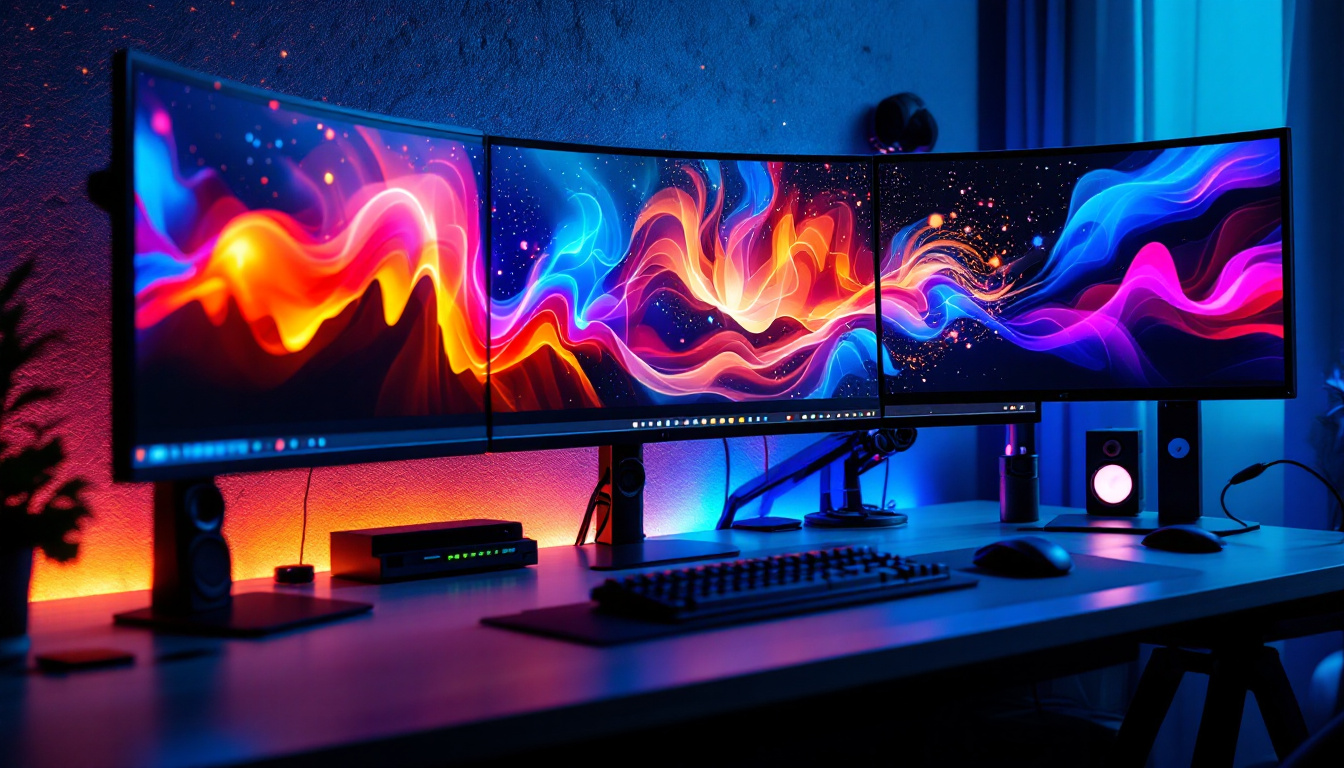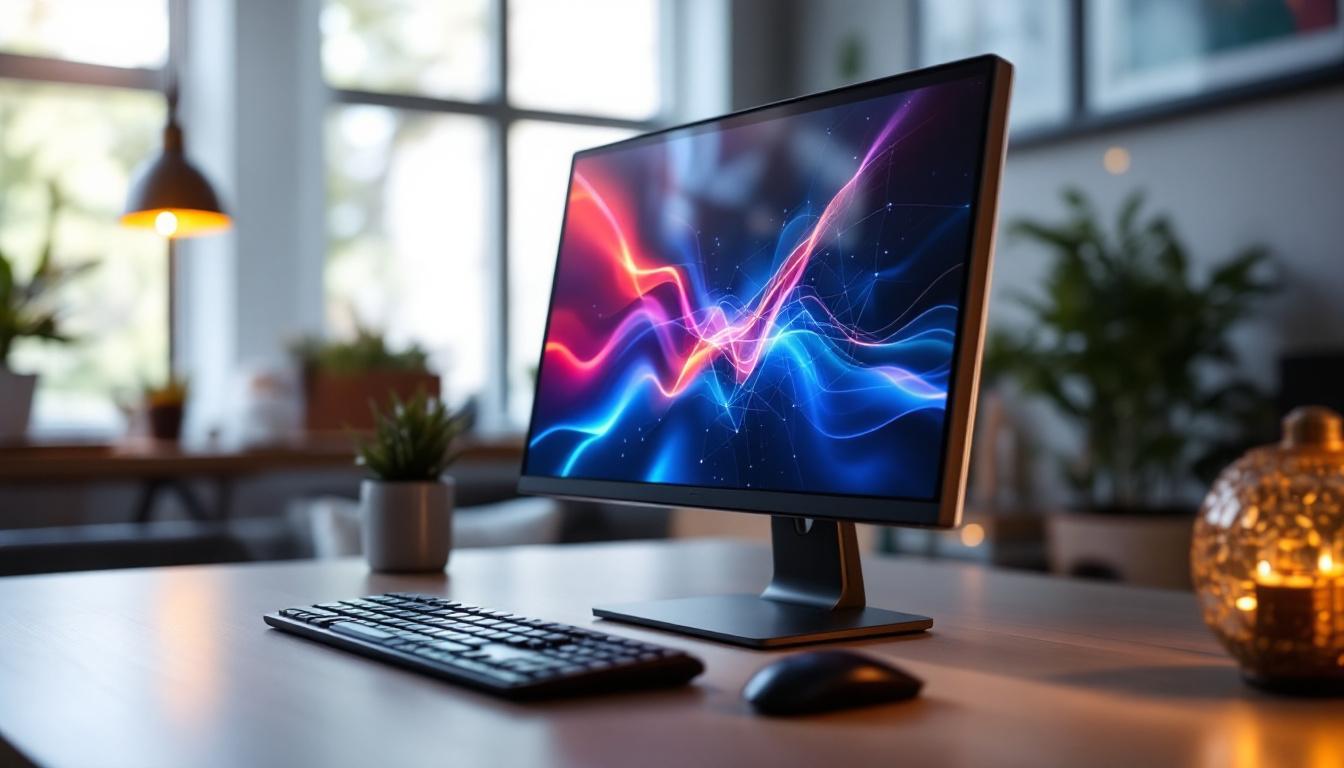
In today’s fast-evolving digital landscape, touch screen desktop monitors with LED displays have become pivotal in both professional and personal computing environments. These devices combine intuitive interaction with vibrant visual output, enhancing productivity and user experience. This article delves into the technology behind LED touch screen desktops, their advantages, applications, and what to consider when choosing one.
Understanding LED Display Technology
At the core of modern touch screen desktops lies the LED (Light Emitting Diode) display technology. Unlike traditional LCDs that rely on cold cathode fluorescent lamps (CCFL) for backlighting, LED displays use light-emitting diodes, offering several key benefits.
What is an LED Display?
An LED display is a flat panel display that uses light-emitting diodes as its source of illumination. This technology can be subdivided into two main types: direct LED and edge-lit LED. Direct LED involves placing LEDs directly behind the screen, providing uniform brightness and better contrast. Edge-lit LED places LEDs around the screen’s perimeter, allowing for thinner panels but sometimes less uniform lighting.
LED displays are essentially an evolution of LCD technology, where the LEDs serve as the backlight instead of CCFLs. This shift has led to improved energy efficiency, better color accuracy, and thinner, lighter monitors. Furthermore, the advancements in LED technology have paved the way for innovations such as OLED (Organic Light Emitting Diode) displays, which offer even greater contrast and color depth by allowing individual pixels to emit their own light.
Advantages of LED Over Other Display Technologies
LED displays offer several advantages that make them ideal for touch screen desktops:
- Energy Efficiency: LEDs consume significantly less power compared to CCFL backlights, reducing energy costs and environmental impact.
- Brightness and Contrast: LED displays typically provide higher brightness levels and better contrast ratios, resulting in sharper images and more vibrant colors.
- Longevity: LEDs have a longer lifespan than traditional backlighting methods, often exceeding 50,000 hours of use.
- Slim Design: The compact size of LEDs allows manufacturers to create thinner and lighter monitors, enhancing portability and aesthetics.
In addition to these advantages, LED displays also support a wider color gamut, enabling them to reproduce a broader spectrum of colors. This feature is particularly beneficial for graphic designers and photographers who require precise color representation for their work. Moreover, the rapid response time of LED displays minimizes motion blur, making them suitable for fast-paced video content and gaming. As technology continues to evolve, we can expect even more enhancements in LED display capabilities, including improved adaptive brightness features that adjust to ambient lighting conditions, further enhancing user experience.
The Role of Touch Screen Technology in LED Desktops
Integrating touch screen capabilities with LED displays transforms the way users interact with their desktops. Touch screens eliminate the need for peripheral devices like a mouse or keyboard in many scenarios, creating a more direct and engaging user experience. This shift not only streamlines interactions but also encourages a more natural form of engagement, as users can directly manipulate digital content with their fingers, similar to how they interact with mobile devices.
Types of Touch Screen Technologies
There are several touch technologies commonly used in LED desktop monitors, each with unique characteristics:
- Resistive Touch: Consists of two flexible layers that register touch when pressed together. It is cost-effective but less sensitive and does not support multi-touch gestures.
- Capacitive Touch: Uses the electrical properties of the human body to detect touch. It offers high sensitivity, multi-touch support, and is widely used in modern devices.
- Infrared Touch: Employs an array of infrared LEDs and photodetectors around the screen edges to detect touch. It is durable and supports multi-touch but can be affected by dirt or external light.
- Surface Acoustic Wave (SAW): Uses ultrasonic waves across the screen surface. It provides excellent image clarity but is sensitive to contaminants.
Among these, capacitive touch technology is the most prevalent in contemporary LED touch screen desktops due to its responsiveness and multi-touch capabilities. This technology allows for gestures such as pinch-to-zoom and swipe, which are essential for a fluid user experience, particularly in creative applications like graphic design and video editing.
Benefits of Touch Screen Integration
Touch screen desktops with LED displays offer numerous advantages:
- Enhanced User Interaction: Direct manipulation of on-screen elements makes navigation intuitive and efficient.
- Improved Accessibility: Touch interfaces can be easier for users with limited dexterity or those unfamiliar with traditional input devices.
- Space Saving: Eliminates the need for additional peripherals, freeing up desk space.
- Versatility: Ideal for environments like retail, education, healthcare, and design where touch input accelerates workflows.
Furthermore, the integration of touch screen technology can significantly enhance collaborative work environments. In settings such as classrooms or conference rooms, multiple users can interact with the same screen simultaneously, facilitating group discussions and brainstorming sessions. This collaborative aspect not only fosters teamwork but also allows for a more dynamic exchange of ideas, as participants can easily highlight, annotate, and manipulate shared content in real-time.
Additionally, touch screen desktops are increasingly being designed with user customization in mind. Many models now allow users to personalize their touch settings, such as adjusting sensitivity levels or configuring gestures to suit their workflow. This adaptability ensures that users can tailor their experience to maximize productivity, making touch screen technology not just a trend, but a significant advancement in desktop computing.
Applications of Touch Screen LED Desktops
The fusion of LED display clarity and touch screen interactivity has opened doors to diverse applications across industries. Understanding these use cases highlights why this technology is gaining widespread adoption.
Business and Office Environments
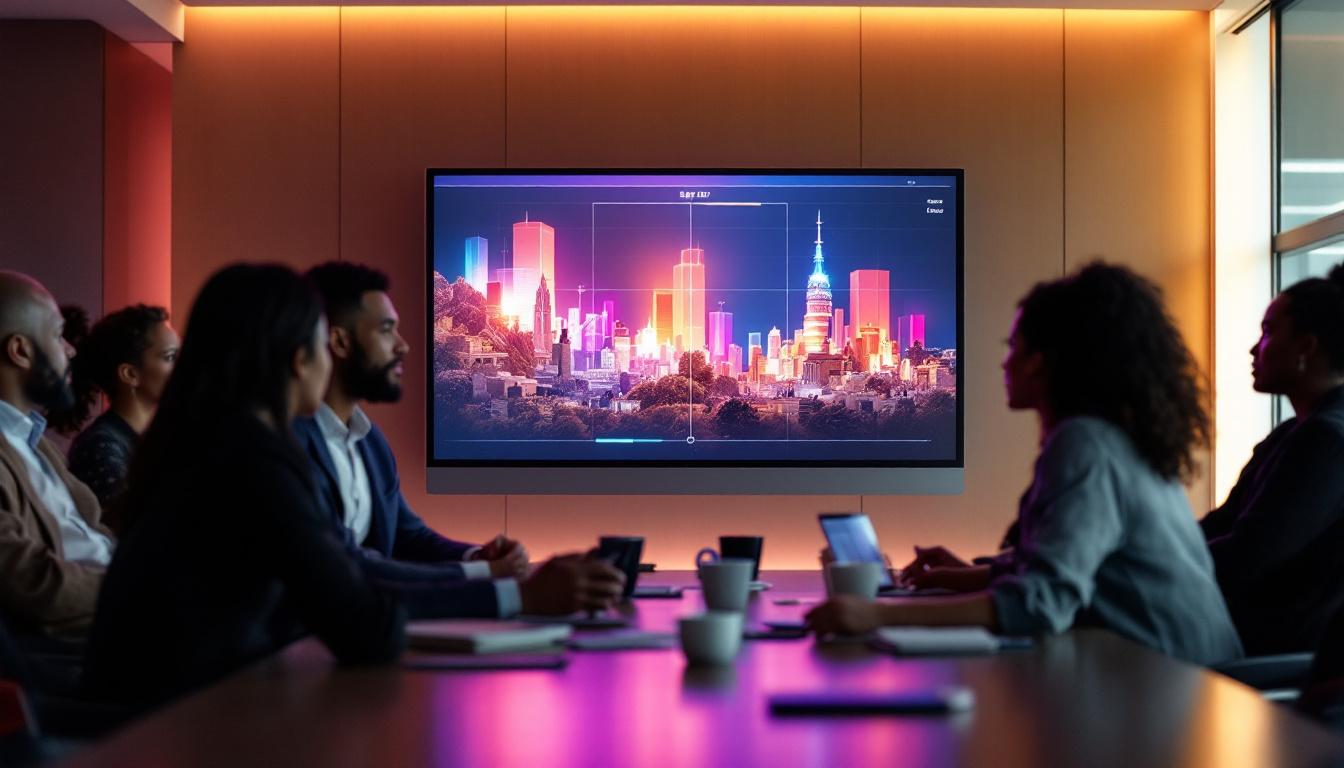
In corporate settings, touch screen LED desktops streamline tasks such as presentations, data analysis, and collaborative projects. Interactive whiteboards and conference room systems often utilize large touch screen displays to facilitate engagement and real-time editing.
Moreover, industries like finance benefit from the ability to manipulate complex datasets visually and intuitively, enhancing decision-making processes.
Retail and Point of Sale (POS) Systems
Retailers increasingly rely on touch screen LED desktops for POS terminals. These systems speed up transactions, reduce errors, and improve customer service. The bright LED displays ensure visibility in various lighting conditions, while touch input makes the interface user-friendly for staff.
Healthcare and Medical Applications
Healthcare professionals use touch screen LED desktops for patient record management, diagnostic imaging, and telemedicine. The high-resolution LED displays provide clear visuals critical for accurate analysis, while touch functionality allows quick navigation through complex software.
Education and Training
Educational institutions leverage touch screen LED desktops to create interactive learning environments. Students can engage directly with educational content, enhancing retention and participation. Teachers can use these systems for dynamic presentations and collaborative activities.
Creative and Design Work
Graphic designers, architects, and artists benefit from the precision and responsiveness of touch screen LED desktops. The accurate color reproduction of LED displays is essential for visual work, while touch input enables natural drawing and editing gestures.
Key Considerations When Choosing a Touch Screen LED Desktop
Selecting the right touch screen LED desktop requires evaluating several factors to ensure it meets specific needs and budget constraints.
Display Size and Resolution
The size of the display impacts usability and workspace integration. Common sizes range from 15 inches to over 27 inches. Larger screens provide more workspace and are better suited for multitasking or detailed visual work.
Resolution is equally important; Full HD (1920×1080) is standard, but higher resolutions like Quad HD (2560×1440) or 4K (3840×2160) offer sharper images and more screen real estate, beneficial for design and data-intensive tasks.
Touch Technology Type
Choosing between capacitive, resistive, infrared, or SAW touch technologies depends on the intended use. Capacitive is preferred for general computing due to its responsiveness and multi-touch support. Resistive may be suitable for environments requiring stylus input or where gloves are worn.
Durability and Build Quality
For commercial or industrial use, robust construction is vital. Look for features like scratch-resistant glass, IP ratings for dust and water resistance, and reinforced frames to withstand heavy usage.
Connectivity and Compatibility
Ensure the desktop supports necessary ports such as USB, HDMI, DisplayPort, and possibly legacy connections. Compatibility with operating systems and software is crucial for seamless integration into existing workflows.
Ergonomics and Adjustability
Adjustable stands that offer tilt, swivel, and height adjustments improve comfort during prolonged use. Some models also support VESA mounts for flexible installation options.
Price and Warranty
Touch screen LED desktops vary widely in price, influenced by size, resolution, touch technology, and brand. It is advisable to balance features with budget and consider warranty terms that provide adequate support and protection.
Future Trends in Touch Screen LED Desktop Technology
The landscape of touch screen LED desktops continues to evolve, driven by advancements in display technology and user interface design.
Integration of OLED and MicroLED Displays
While LED remains dominant, emerging display technologies like OLED (Organic LED) and MicroLED promise even better color accuracy, contrast, and energy efficiency. These could soon complement or replace traditional LED panels in touch screen desktops.
Enhanced Multi-Touch and Gesture Recognition
Future devices are expected to support more sophisticated gesture controls, including air gestures and 3D touch, enabling more natural and immersive interactions.
Improved Durability and Hygiene Features
Especially in public and healthcare settings, touch screens with antimicrobial coatings and enhanced durability will become more prevalent, addressing hygiene concerns and extending device lifespan.
Artificial Intelligence and Adaptive Interfaces
AI integration may allow touch screen desktops to adapt interfaces dynamically based on user behavior, preferences, and context, optimizing productivity and accessibility.
Conclusion
Touch screen desktop monitors with LED displays represent a powerful fusion of visual clarity and interactive capability. Their energy efficiency, vibrant color reproduction, and responsive touch input make them indispensable tools across diverse fields, from business and education to healthcare and creative industries.
Understanding the underlying LED technology, touch screen types, and practical considerations ensures users select the right device for their needs. As technology advances, these systems will become even more versatile and integral to modern computing environments, driving innovation and enhancing user engagement.
Discover LumenMatrix’s Advanced LED Display Solutions
Ready to elevate your interactive experience with the latest in LED display technology? Look no further than LumenMatrix. As a pioneer in the industry, we offer an extensive range of innovative LED display modules tailored to your unique needs. From captivating Indoor and Outdoor LED Wall Displays to dynamic Vehicle and Sports LED Displays, our solutions are designed to make your brand stand out. Explore our All-in-One LED Displays, LED Posters, and even Custom LED solutions to discover how we can transform your visual communication. Check out LumenMatrix LED Display Solutions today and join the revolution in high-impact, engaging digital signage.