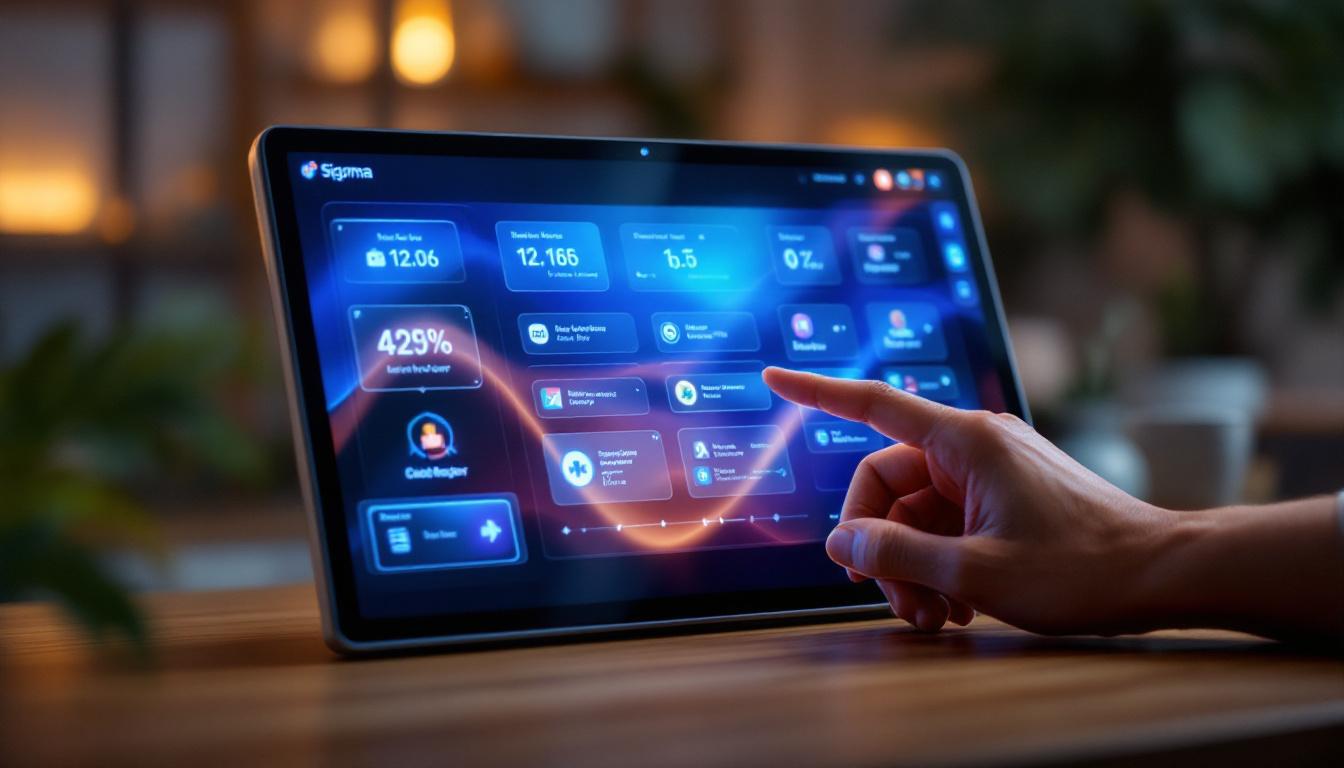
In today’s fast-paced digital world, touch screen organizers have become indispensable tools for managing schedules, tasks, and communications efficiently. Central to their functionality and user experience is the LED display technology that powers their visual interface. Understanding how LED displays work, their advantages, and their impact on touch screen organizers can help users make informed decisions when selecting devices for personal or professional use.
What is a Touch Screen Organizer?
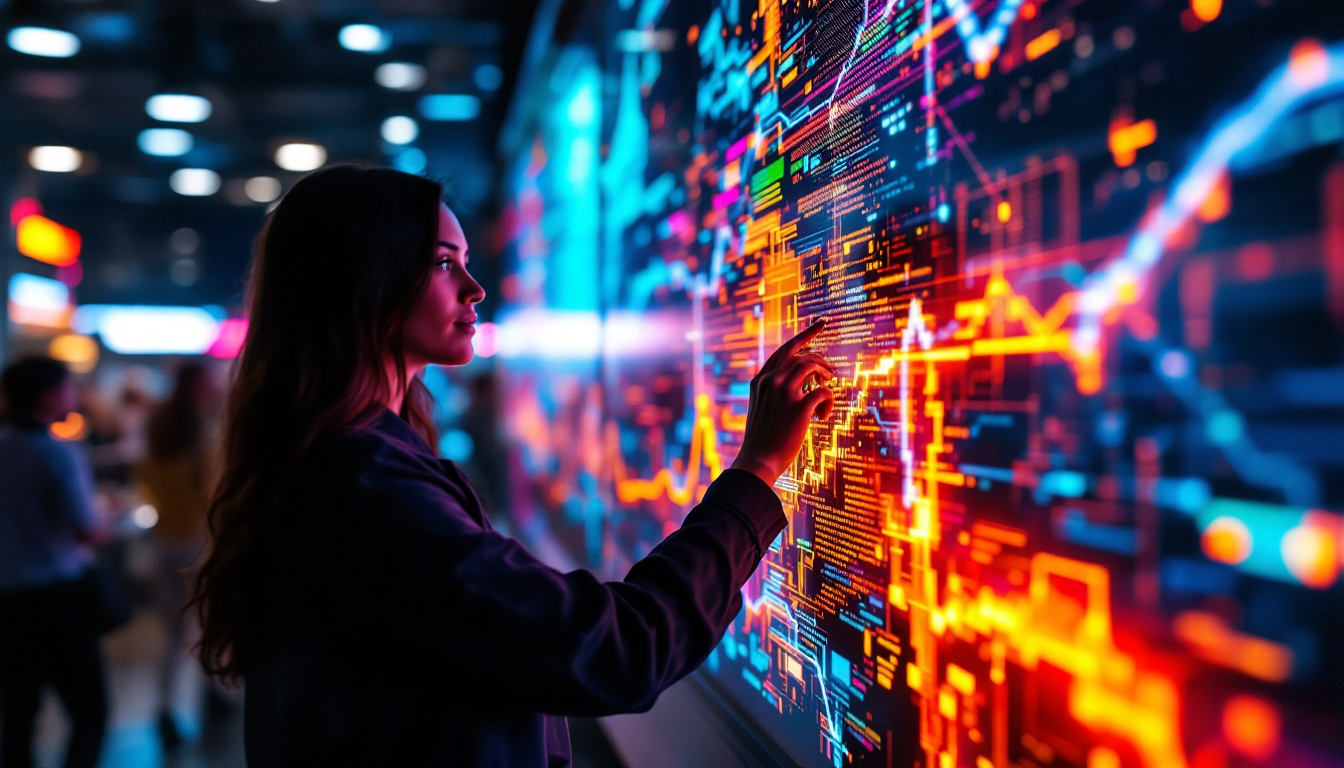
A touch screen organizer is an electronic device designed to help users manage daily activities, appointments, contacts, and notes through an intuitive touch interface. Unlike traditional paper planners or basic digital calendars, these organizers integrate advanced display technologies and software to provide a seamless, interactive experience.
They are commonly used in various settings, from personal productivity to business environments, offering features such as calendar management, email integration, task reminders, and sometimes even multimedia capabilities. The quality and responsiveness of the touch screen, largely determined by the underlying display technology, play a critical role in user satisfaction.
In addition to their core functions, many touch screen organizers now come equipped with voice recognition features, allowing users to input information hands-free. This is particularly beneficial for busy professionals who may need to jot down notes or schedule appointments while multitasking. Furthermore, the integration of cloud services means that users can access their data across multiple devices, ensuring that their information is always up-to-date and readily available, whether they are at home, in the office, or on the go.
Moreover, some advanced models offer customizable interfaces, enabling users to tailor the layout and functionality to suit their specific needs. This personalization can include setting up widgets for quick access to frequently used applications, adjusting color themes for better visibility, or even incorporating third-party apps that enhance productivity. With the rise of smart home technology, certain touch screen organizers can also connect with other devices, allowing users to control smart lights, thermostats, and security systems directly from their organizer, further streamlining their daily routines.
Understanding LED Display Technology
Basics of LED Displays
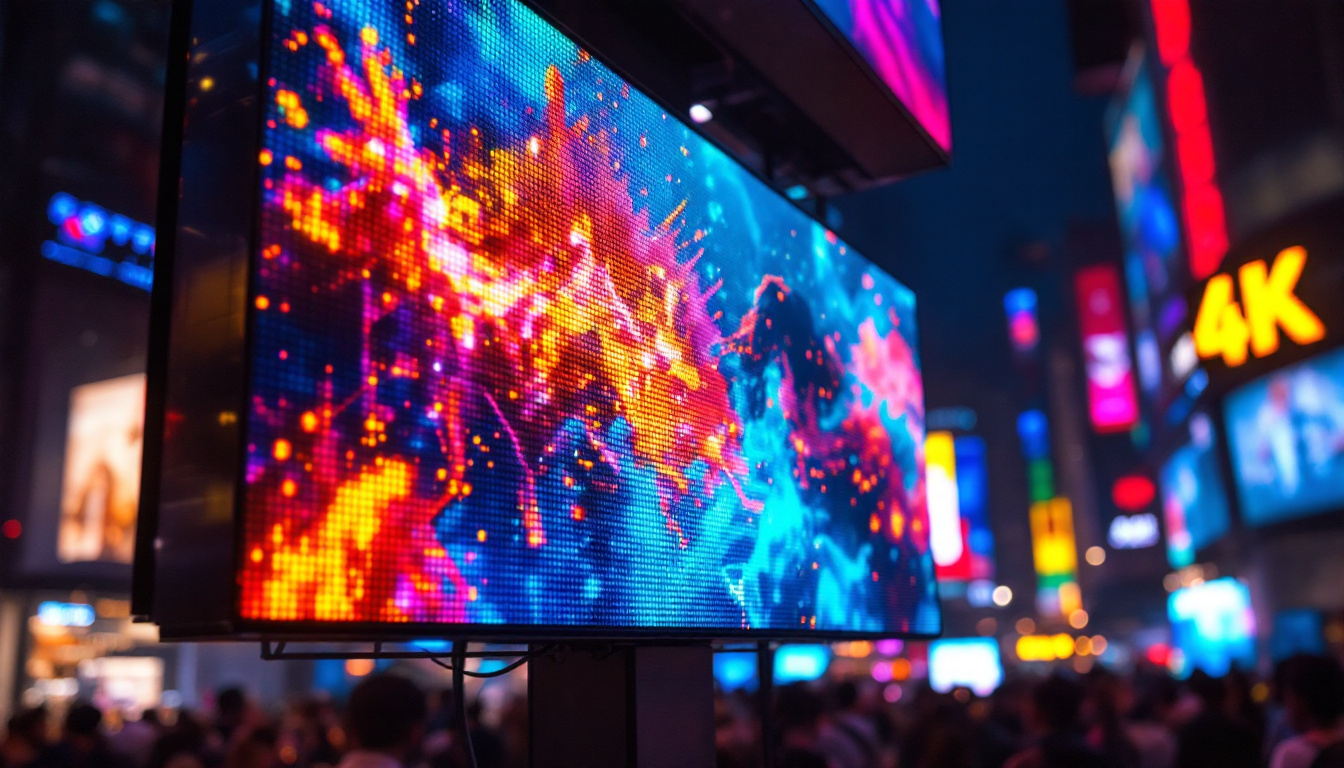
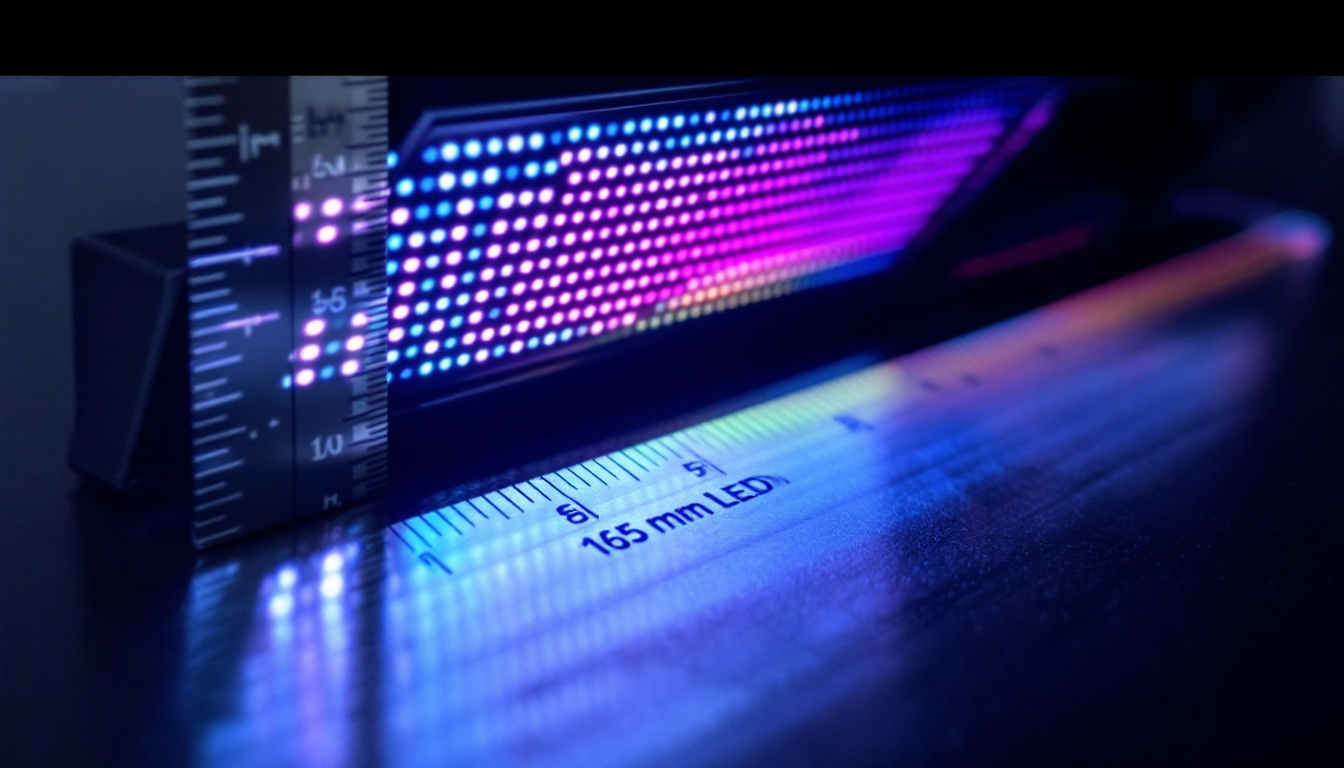
LED stands for Light Emitting Diode, a semiconductor device that emits light when an electric current passes through it. LED displays use an array of these diodes to create images, text, and video on screens. They are known for their brightness, energy efficiency, and longevity compared to older display technologies like LCDs with CCFL backlighting. The efficiency of LED technology has made it a popular choice not only for consumer electronics but also for large-scale applications such as billboards and stadium screens, where visibility is paramount.
In the context of touch screen organizers, LED displays typically refer to LCD panels that use LED backlighting. This combination enhances brightness and contrast, making screens easier to read in various lighting conditions, including outdoor environments. The advancements in LED technology have also led to improvements in color reproduction, allowing for more vibrant and lifelike images. This is particularly beneficial in applications such as digital signage and interactive kiosks, where engaging visuals can significantly enhance user experience.
Types of LED Displays in Touch Screen Organizers
There are several types of LED display technologies used in touch screen devices:
- Edge-Lit LED: LEDs are placed along the edges of the screen, and light is distributed across the display using light guides. This design allows for thinner devices but may have uneven brightness in some cases. Edge-lit displays are often favored in portable devices due to their slim profile, making them ideal for modern touch screen organizers that prioritize portability and aesthetics.
- Direct-Lit LED: LEDs are positioned directly behind the LCD panel, providing more uniform brightness and better contrast but often resulting in a thicker device. This type of display is commonly used in larger screens where image quality is critical, such as in professional presentations or multimedia applications, where every detail counts.
- OLED (Organic LED): While technically different from traditional LEDs, OLEDs are self-emissive and offer superior color accuracy and contrast. Some high-end touch screen organizers may incorporate OLED displays for enhanced visual quality. The ability of OLED screens to display true blacks and vibrant colors makes them particularly appealing for creative professionals who rely on accurate color representation in their work.
In addition to these types, there are also emerging technologies such as MicroLED, which promises even greater efficiency and performance. MicroLED displays consist of tiny, individual LEDs that can create images without the need for a backlight, resulting in exceptional brightness and contrast ratios. As the technology matures, we may see more touch screen organizers adopting MicroLED displays, offering users an unparalleled viewing experience. Furthermore, the integration of these advanced display technologies with touch capabilities opens up new possibilities for interactive applications, making them not only tools for productivity but also platforms for creativity and engagement.
Advantages of LED Displays in Touch Screen Organizers
Enhanced Visibility and Readability
One of the primary benefits of LED displays is their superior brightness and contrast. This makes it easier to view content clearly, even in brightly lit environments such as offices with large windows or outdoor settings. For users relying on their organizers throughout the day, this visibility is crucial for quick glances and efficient task management.
Energy Efficiency and Battery Life
LED backlighting consumes less power compared to older technologies, which translates to longer battery life for portable touch screen organizers. This is particularly important for professionals who need their devices to last through extended workdays without frequent recharging.
Thin and Lightweight Design
LED technology allows for thinner and lighter displays, contributing to the portability of touch screen organizers. Devices can be sleek and stylish without compromising screen size or functionality, making them more convenient for users on the go.
Improved Color Accuracy and User Experience
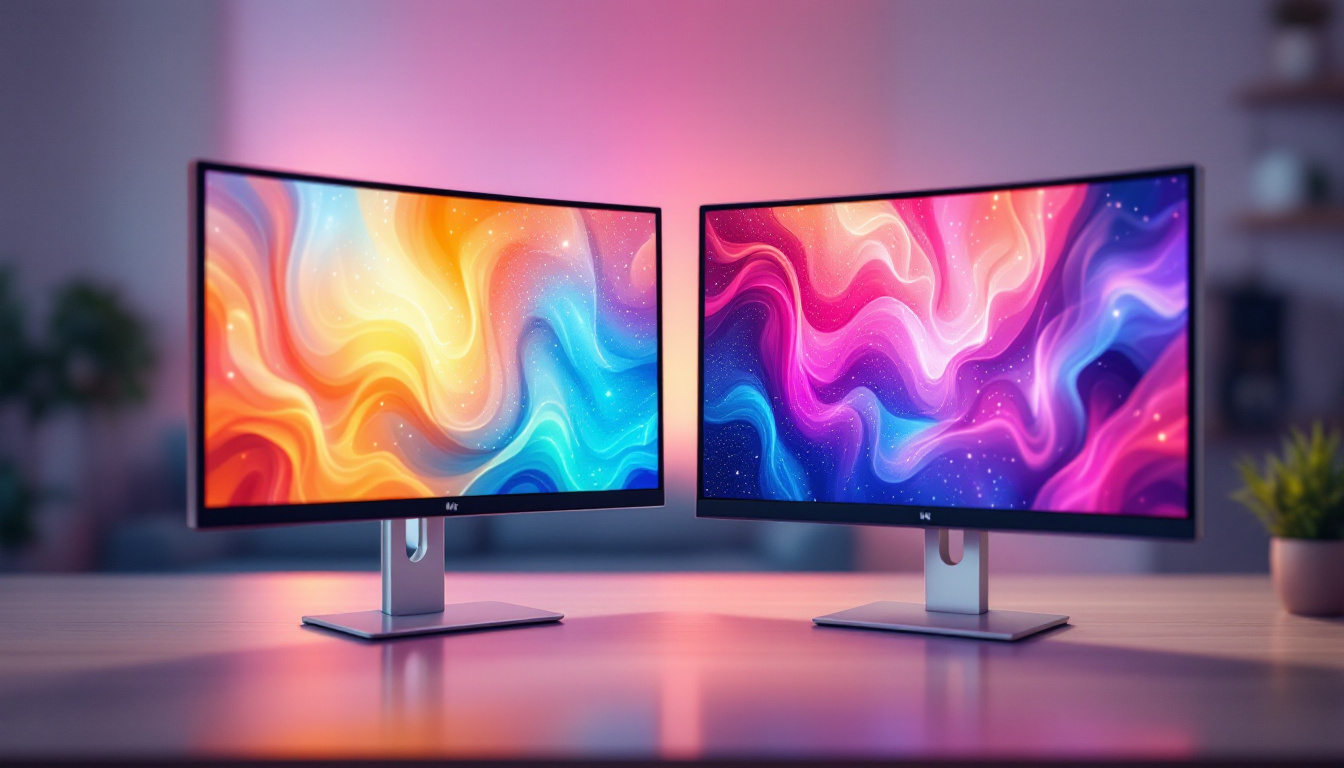
Accurate color representation enhances the overall user interface experience. Whether viewing calendar entries, emails, or multimedia content, LED displays provide vibrant and true-to-life colors, making interactions more engaging and visually appealing.
How LED Displays Influence Touch Screen Functionality
Responsiveness and Touch Sensitivity
The quality of the LED display directly impacts the touch screen’s responsiveness. High-quality LED panels allow for precise touch detection, enabling smooth scrolling, accurate tapping, and multi-touch gestures. This responsiveness is essential for productivity, reducing user frustration and increasing efficiency.
Integration with Capacitive and Resistive Touch Technologies
Touch screen organizers typically use either capacitive or resistive touch technology. Capacitive screens, which are more common in modern devices, rely on the electrical properties of the human body and work best with LED displays due to their clarity and responsiveness. Resistive screens, while less sensitive and often paired with older display types, can still function with LED backlit panels but may offer a less fluid user experience.
Durability and Longevity
LED displays tend to be more durable and have longer lifespans compared to older display technologies. This durability ensures that touch screen organizers maintain their visual quality and touch sensitivity over time, providing better value for users who rely on their devices daily.
Applications and Use Cases of Touch Screen Organizers with LED Displays
Business and Professional Environments
In corporate settings, touch screen organizers with LED displays streamline scheduling, communication, and project management. Their bright, clear screens facilitate quick information access during meetings or while traveling. For executives and managers, having a reliable device that combines portability with high display quality is essential.
Education and Personal Productivity
Students and educators benefit from touch screen organizers for note-taking, assignment tracking, and calendar management. LED displays ensure that content is visible under various lighting conditions, whether in a classroom, library, or outdoors. The interactive nature of these devices supports active learning and organization.
Healthcare and Field Work
Professionals in healthcare and fieldwork often require durable, portable devices with clear displays for quick data entry and retrieval. LED-backlit touch screen organizers meet these needs by providing bright, readable screens that perform well in diverse environments, from hospitals to remote locations.
Choosing the Right Touch Screen Organizer with LED Display
Consider Screen Size and Resolution
Screen size affects portability and usability. Larger screens offer more workspace but may be less convenient to carry. Resolution impacts clarity; higher resolutions provide sharper text and images, reducing eye strain during prolonged use. Users should balance these factors based on their specific needs.
Evaluate Touch Screen Technology
Capacitive touch screens paired with LED displays generally offer better responsiveness and multi-touch support. However, resistive screens might be preferred in environments where users wear gloves or use styluses. Understanding the interaction between touch technology and LED displays helps in selecting a device that fits the intended use case.
Battery Life and Power Management
Since LED displays are energy efficient, devices featuring them often boast longer battery life. Still, it’s important to consider the overall power consumption, including software and connectivity features, to ensure the organizer meets daily usage demands without frequent recharging.
Durability and Build Quality
For users who travel frequently or work in demanding environments, durability is crucial. Devices with robust LED displays and reinforced touch screens can withstand drops, scratches, and exposure to elements, extending the lifespan of the organizer.
Future Trends in LED Displays for Touch Screen Organizers
Advancements in OLED and MicroLED Technologies
Emerging display technologies like OLED and MicroLED promise even better color accuracy, contrast ratios, and energy efficiency. These advancements are expected to trickle down into touch screen organizers, enhancing visual quality and battery life further.
Flexible and Foldable Displays
Innovations in flexible LED displays may lead to touch screen organizers with foldable or rollable screens. This would allow for larger display areas in compact form factors, revolutionizing how users interact with their devices.
Integration with AI and Smart Features
Future touch screen organizers will likely incorporate AI-driven interfaces that adapt display settings based on user habits and environmental conditions. LED displays with dynamic brightness and color adjustments will enhance usability and reduce eye strain.
Conclusion
LED display technology is a cornerstone of modern touch screen organizers, significantly influencing their usability, efficiency, and user satisfaction. By providing bright, energy-efficient, and responsive screens, LED displays enable these devices to meet the demands of diverse professional and personal applications.
Understanding the nuances of LED display types, their advantages, and how they integrate with touch technologies empowers users to select organizers that best suit their needs. As display technologies continue to evolve, touch screen organizers will become even more versatile, intuitive, and indispensable in managing the complexities of daily life.
Discover the Future of LED Display Technology with LumenMatrix
As you consider the impact of LED display technology on your touch screen organizer experience, take the next step with LumenMatrix. Our commitment to innovation ensures that you have access to the most advanced LED display modules, designed to bring your visual communication to life. Whether you’re looking for Indoor LED Walls, Outdoor Displays, or specialized solutions like Vehicle and Sports Displays, LumenMatrix has the technology to transform your space. Experience the difference in clarity, engagement, and brand visibility with our LED solutions. Check out LumenMatrix LED Display Solutions today and elevate your touch screen organizer to new heights.