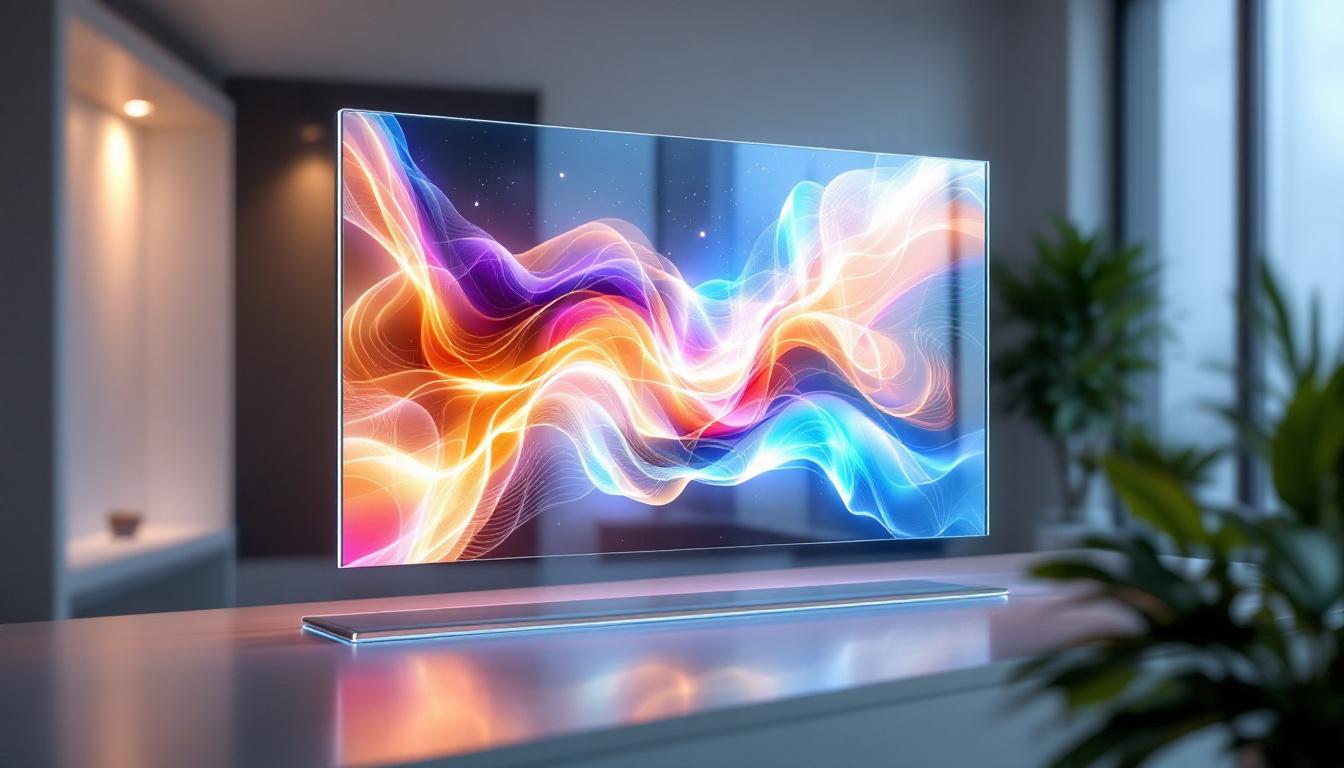
Transparent LCD: LED Display Explained
In recent years, transparent LCD and LED displays have emerged as a revolutionary technology in the world of digital signage, retail, automotive design, and even augmented reality. These displays combine the functionality of traditional screens with the unique ability to maintain see-through visibility, opening up new possibilities for interactive and immersive visual experiences. This article explores the technology behind transparent LCD and LED displays, their applications, advantages, limitations, and future trends shaping this exciting field.
Understanding Transparent LCD and LED Technology
Transparent displays are a class of screens that allow light to pass through them, enabling viewers to see both the displayed content and objects behind the screen simultaneously. This dual visibility is what sets transparent LCD and LED displays apart from conventional opaque screens. The innovative design of these displays opens up a myriad of applications, ranging from retail to art installations, where the fusion of digital content and physical surroundings can create immersive experiences.
How Transparent LCDs Work
Traditional LCD (Liquid Crystal Display) panels use a backlight to illuminate pixels, which are manipulated to produce images. Transparent LCDs, however, replace the opaque backlight with a transparent light source or rely on ambient light passing through the panel. The liquid crystals modulate this light to create images while still allowing a significant amount of light to pass through, creating a see-through effect. This unique functionality makes transparent LCDs particularly appealing for applications like interactive kiosks, where users can engage with digital content while still being aware of their surroundings.
In practice, transparent LCDs are often constructed using two glass substrates with liquid crystal material sandwiched between them. The electrodes that control the liquid crystals are made from transparent conductive materials such as indium tin oxide (ITO), which permits light transmission. When voltage is applied, the liquid crystals align in a way that either blocks or allows light to pass, forming visible images. Moreover, advancements in technology have led to the development of high-definition transparent LCDs, which not only enhance the clarity of images but also improve color reproduction, making them suitable for high-end advertising and branding applications.
Transparent LED Displays: A Different Approach
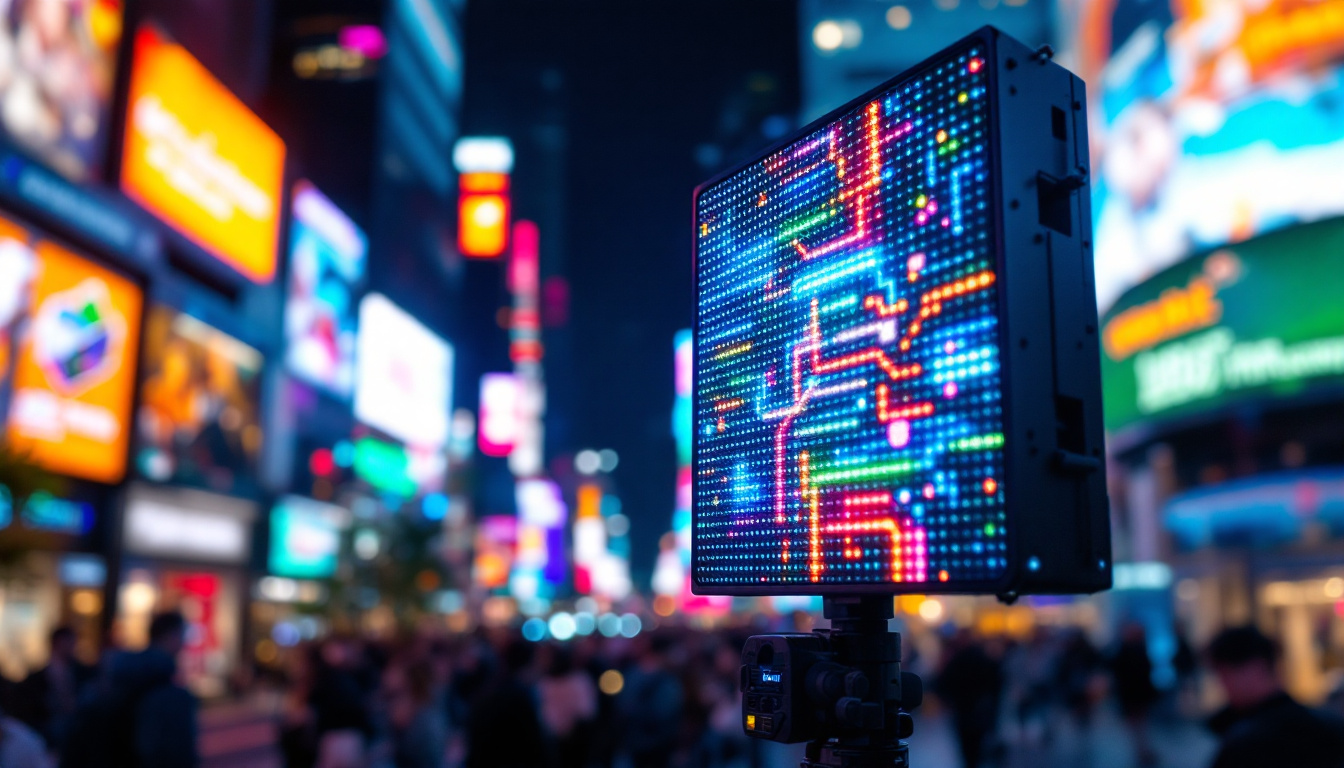
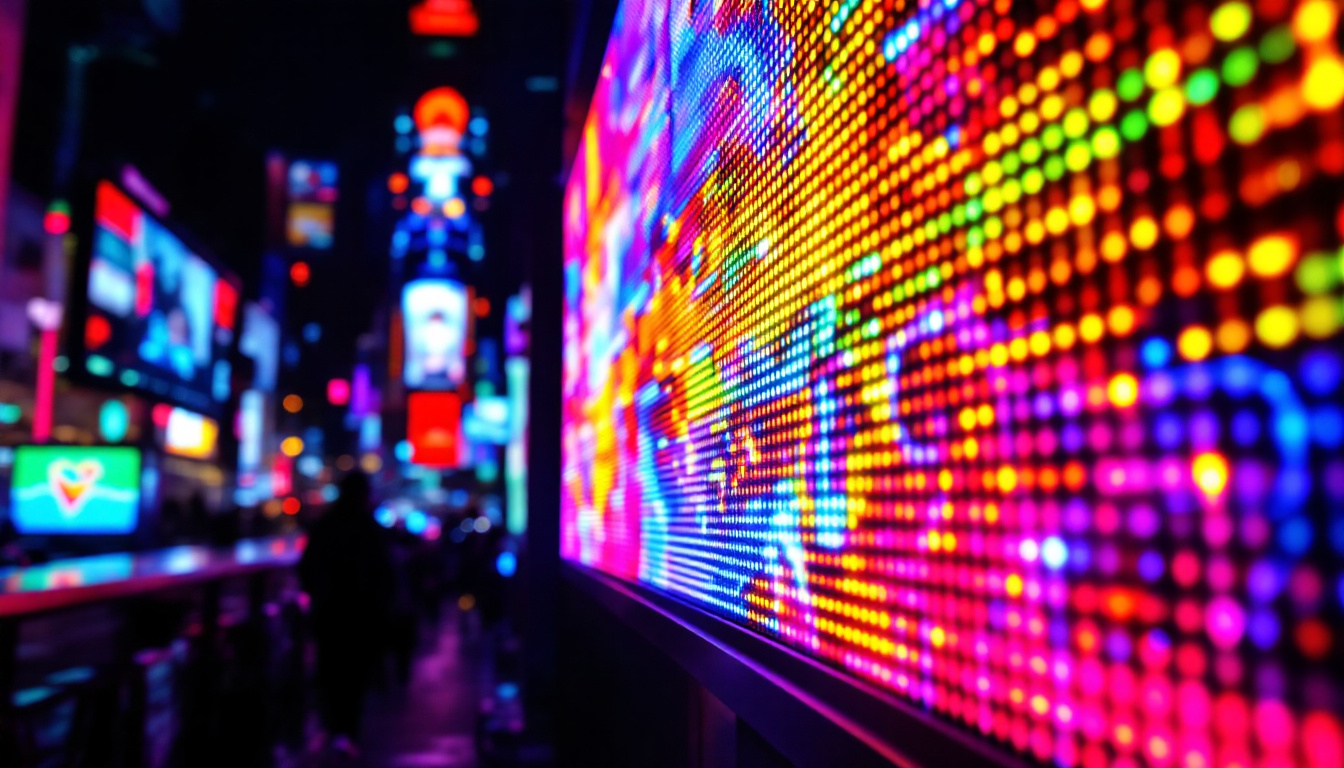
Transparent LED displays use a different technology. Instead of liquid crystals, they rely on tiny LEDs arranged in a grid pattern with spaces between them. These LEDs emit light directly, and the gaps between the LEDs allow light and images behind the display to be visible. The transparency level depends on the pixel pitch—the distance between individual LEDs. Larger gaps mean higher transparency but lower resolution, while smaller gaps improve image quality but reduce see-through capability. This balance between transparency and resolution is crucial for designers and engineers looking to create visually striking installations that do not obstruct the view of the environment.
Unlike transparent LCDs, transparent LED displays do not require a backlight and can produce brighter images, making them suitable for environments with high ambient light, such as storefront windows or outdoor installations. The versatility of transparent LED technology is further enhanced by its ability to be scaled to various sizes and shapes, allowing for creative applications such as curved displays or large-scale video walls. Additionally, with the rise of smart city initiatives, transparent LED displays are being integrated into urban landscapes, providing real-time information and advertisements while maintaining the aesthetic integrity of public spaces.
Applications of Transparent LCD and LED Displays
The unique characteristics of transparent displays have led to their adoption across various industries, where blending digital content with physical surroundings enhances user engagement and functionality.
Retail and Advertising
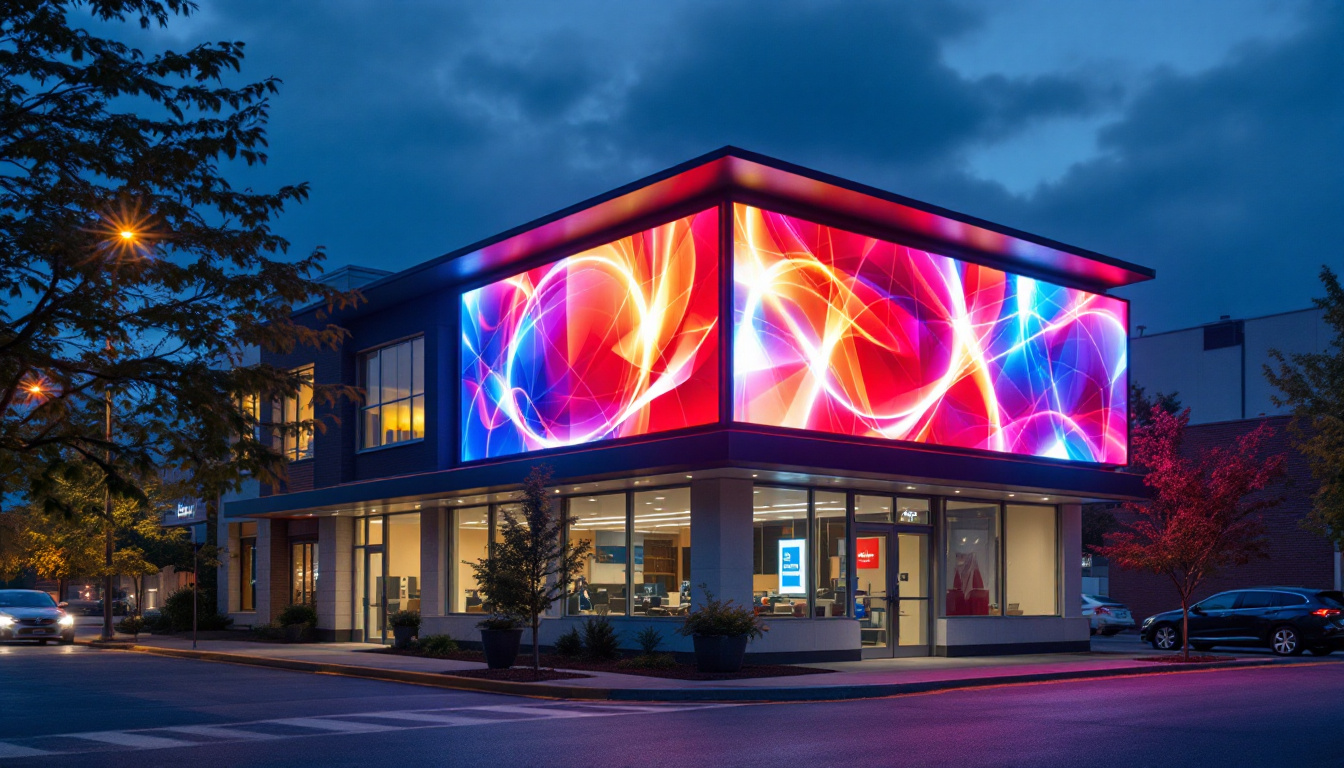
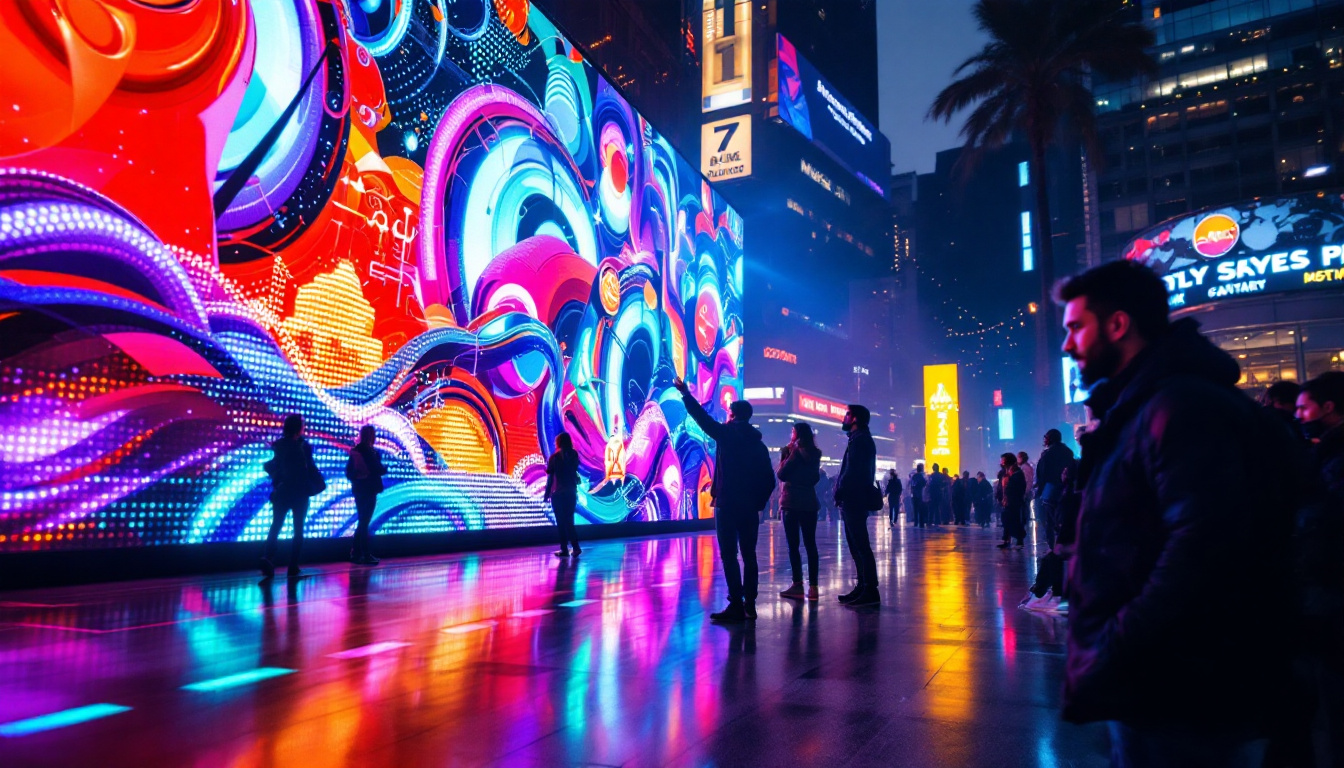
One of the most popular applications of transparent displays is in retail environments. Transparent LCD and LED screens integrated into storefront windows allow retailers to showcase dynamic advertisements and product information without obstructing the view into the store. This creates an eye-catching, futuristic shopping experience that attracts customers while maintaining a connection with the physical space behind the display.
For example, luxury brands often use transparent displays to highlight product features or promotions directly on glass surfaces, enhancing brand storytelling and customer interaction. According to a 2023 report by MarketsandMarkets, the transparent display market in retail is expected to grow at a compound annual growth rate (CAGR) of over 20% through 2028, driven by increasing demand for innovative customer engagement tools.
Automotive and Transportation
Transparent displays are also making inroads in the automotive industry. Heads-up displays (HUDs) that project information such as speed, navigation, and safety alerts onto the windshield are becoming increasingly sophisticated with transparent LCD technology. This allows drivers to access critical data without diverting their attention from the road.
Moreover, transparent LED displays are being explored for use in public transportation, such as bus and train windows, to provide real-time information and advertisements without blocking natural light or obstructing passengers’ views.
Architecture and Interior Design
Architects and interior designers have embraced transparent displays to create futuristic environments. Transparent LCD panels can be integrated into glass walls, partitions, or windows, enabling spaces to transform dynamically with digital content while preserving openness and natural light.
For instance, office buildings can use transparent displays to present meeting room schedules or corporate branding on glass walls, enhancing functionality without compromising aesthetics. Museums and galleries also use transparent screens to overlay digital information on exhibits, enriching visitor experiences.
Augmented Reality and Smart Devices
Transparent displays are foundational to many augmented reality (AR) applications. Smart glasses and AR headsets use transparent LCD or LED technology to overlay digital images onto the real world, creating immersive experiences for gaming, training, and industrial applications.
Companies developing AR devices prioritize transparency, brightness, and resolution to ensure seamless integration of virtual content with the user’s environment. As AR adoption grows, transparent display technology continues to evolve to meet the demanding requirements of these applications.
Advantages of Transparent LCD and LED Displays
Transparent displays offer several benefits that make them attractive for a wide range of uses.
Enhanced Visual Engagement
By combining digital content with real-world views, transparent displays create visually striking and interactive experiences. This fusion captures attention more effectively than traditional displays, making them ideal for advertising and information dissemination.
Space Efficiency and Design Flexibility
Transparent displays can be integrated into existing glass surfaces without the need for additional space. This enables innovative design solutions in environments where space is limited or where maintaining openness is a priority.
Energy Efficiency
Transparent LCDs, in particular, can be more energy-efficient than conventional displays because they utilize ambient light rather than relying solely on backlighting. Transparent LED displays, while brighter, can also be optimized for lower power consumption depending on usage scenarios.
Improved User Interaction
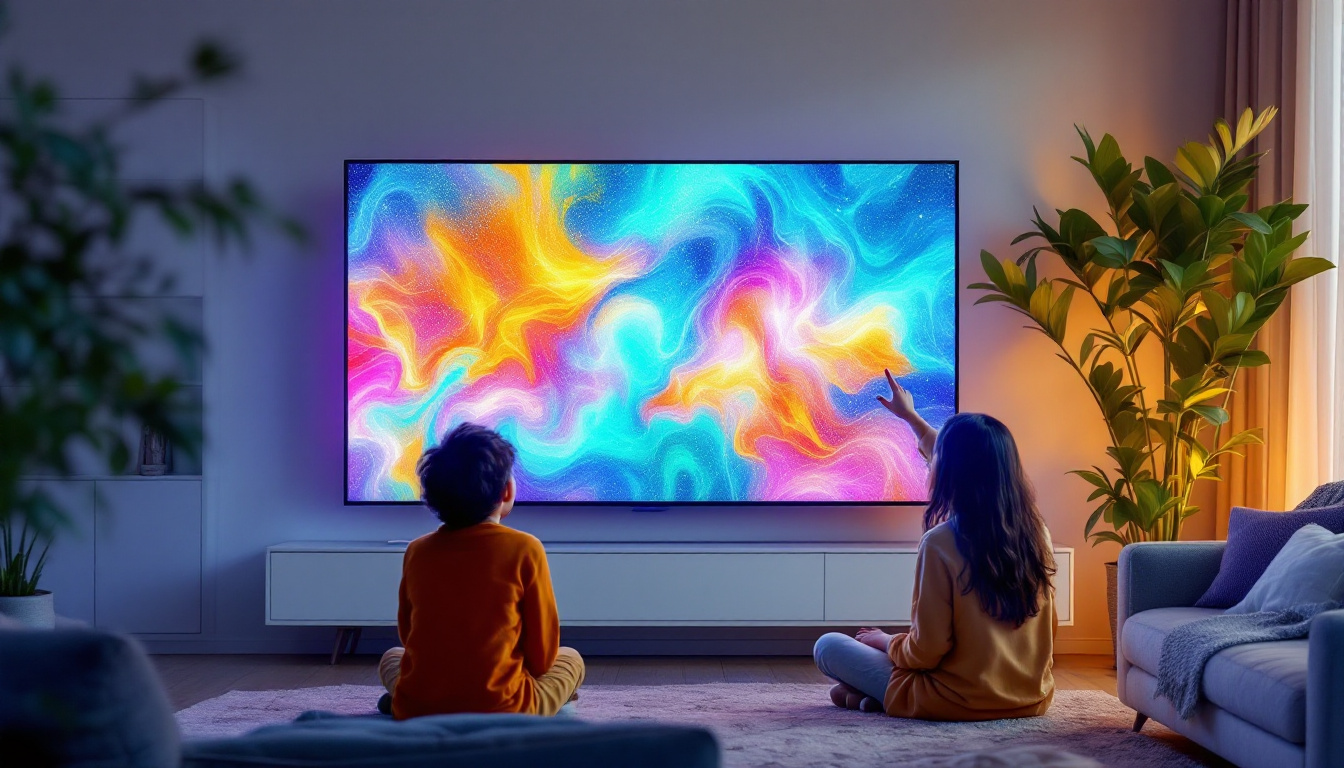
When combined with touch or gesture recognition technologies, transparent displays can facilitate intuitive user interfaces. For example, retail customers can interact with product information directly on a transparent screen, enhancing engagement and satisfaction.
Challenges and Limitations
Despite their promise, transparent LCD and LED displays face several technical and practical challenges.
Brightness and Contrast Constraints
Because transparent displays allow light to pass through, achieving high brightness and contrast levels can be difficult, especially in brightly lit environments. Transparent LCDs often struggle with lower contrast ratios compared to traditional screens, which can affect image clarity and color vibrancy.
Transparent LED displays generally perform better in this regard but may require careful calibration to balance transparency and image quality.
Resolution and Pixel Density Trade-offs
In transparent LED displays, increasing transparency typically means increasing the gaps between LEDs, which reduces resolution. This trade-off can limit the types of content that can be effectively displayed, especially for detailed images or text.
Cost and Manufacturing Complexity
Transparent display technology is more complex and costly to produce than conventional displays. The use of specialized materials like transparent conductive films and precise assembly techniques contribute to higher manufacturing costs, which can be a barrier to widespread adoption.
Durability and Environmental Factors
Because transparent displays are often integrated into glass surfaces, they must withstand environmental stresses such as temperature fluctuations, moisture, and physical impact. Ensuring durability without compromising transparency or display quality remains an engineering challenge.
Future Trends and Innovations
The transparent display market is rapidly evolving, driven by advances in materials science, electronics, and manufacturing techniques.
MicroLED and OLED Transparent Displays
Emerging technologies like microLED and OLED (Organic Light Emitting Diode) offer promising improvements over traditional LCD and LED transparent displays. MicroLEDs provide higher brightness, better energy efficiency, and finer pixel control, enabling displays with superior image quality and transparency.
Transparent OLED displays, meanwhile, offer excellent color reproduction and flexibility, allowing for curved or bendable transparent screens. These innovations are expected to expand the range of applications and improve user experiences.
Integration with Smart Glass and IoT
Smart glass technologies that can switch between transparent and opaque states are increasingly being combined with transparent displays to create multifunctional surfaces. For example, windows that can display information or advertisements on demand while maintaining privacy when needed.
Integration with the Internet of Things (IoT) also enables transparent displays to interact with connected devices, providing real-time data and personalized content in smart homes, offices, and public spaces.
Advances in Touch and Gesture Control
As transparent displays become more interactive, advances in touch sensitivity and gesture recognition are enhancing usability. These features enable natural user interfaces that can be operated without physical buttons or controllers, making transparent displays more versatile and user-friendly.
Conclusion
Transparent LCD and LED displays represent a fascinating convergence of display technology and design innovation. Their ability to blend digital content with physical environments unlocks new possibilities across retail, automotive, architecture, and augmented reality sectors. While challenges related to brightness, resolution, and cost remain, ongoing advancements in microLED, OLED, and smart glass technologies promise to overcome these hurdles.
For businesses and designers looking to create captivating, space-efficient, and interactive visual experiences, transparent displays offer a compelling solution that is poised to grow in importance in the coming years. Staying informed about the latest developments and understanding the trade-offs involved will be key to leveraging this technology effectively.
Discover the Future of Visual Displays with LumenMatrix
Ready to elevate your visual engagement to the next level? LumenMatrix, a pioneer in LED display technology, invites you to explore our comprehensive range of LED display solutions. From Indoor and Outdoor LED Walls to innovative Transparent LED Displays, our products are designed to captivate your audience and amplify your message. Experience the revolution in visual communication with our cutting-edge digital signage and LED displays. Check out LumenMatrix LED Display Solutions today and transform your space into a dynamic visual experience.