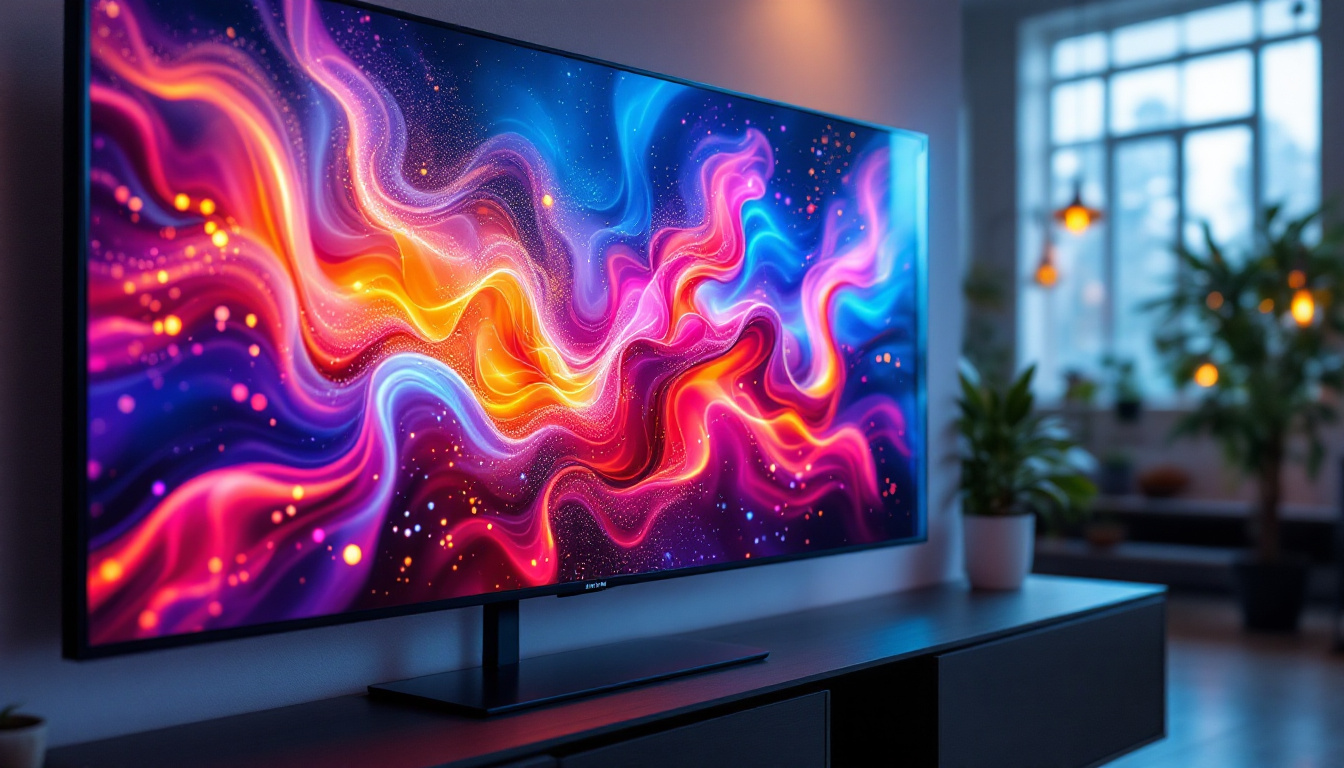
Television technology has evolved rapidly over the past two decades, transforming the way we consume media and entertainment. Among the most common types of TVs today are LCD TVs with LED backlighting, often simply called LED TVs. However, when it comes to repairs or upgrades, many consumers find themselves confused by the terminology and technology behind these displays. This article aims to demystify the LED display technology used in LCD TVs and provide a comprehensive guide on LCD display replacement, helping you make informed decisions whether you’re troubleshooting a faulty screen or considering an upgrade.
Understanding LCD and LED Technologies
What is an LCD Display?
LCD stands for Liquid Crystal Display, a technology that uses liquid crystals sandwiched between two layers of glass or plastic. These crystals do not emit light on their own; instead, they manipulate light passing through them to create images. The liquid crystals act as shutters that open or close to allow varying amounts of light to pass through colored filters, producing the images you see on the screen.
Originally, LCD TVs used cold cathode fluorescent lamps (CCFLs) as their light source. These lamps were positioned behind the LCD panel to provide the necessary backlight. While CCFLs were effective, they had limitations such as bulkier design, higher power consumption, and less precise control over brightness and contrast. The introduction of LCD technology revolutionized the television industry by allowing for slimmer designs and more vibrant displays, making it a popular choice for consumers looking for a modern viewing experience.
Furthermore, the advancements in LCD technology have led to the development of various subtypes, such as IPS (In-Plane Switching) and TN (Twisted Nematic) panels. IPS panels are known for their superior color accuracy and wider viewing angles, making them ideal for graphic design and professional use. On the other hand, TN panels are often favored for their faster response times, which can be beneficial for gaming. Each type of LCD panel has its own set of advantages and disadvantages, catering to different user needs and preferences.
What Does LED Mean in LED TVs?
LED stands for Light Emitting Diode, a type of semiconductor that emits light when an electric current passes through it. In the context of LED TVs, the term refers to the backlighting technology used to illuminate the LCD panel. Instead of CCFLs, LED TVs use arrays of LEDs as the backlight source. This shift has allowed manufacturers to create thinner, more energy-efficient, and brighter displays with better contrast ratios.
It’s important to note that LED TVs are essentially LCD TVs with LED backlighting. The image is still created by liquid crystals controlling the light, but the light source is now LEDs rather than fluorescent lamps. This subtle distinction often causes confusion, leading some to believe LED TVs are a completely different technology from LCDs, which is not the case. Additionally, LED technology has paved the way for innovations such as local dimming, where specific areas of the screen can be dimmed or brightened independently. This feature enhances the overall picture quality by improving contrast and depth, making dark scenes appear more detailed and vibrant.
Moreover, the introduction of OLED (Organic Light Emitting Diode) technology has further expanded the landscape of display technologies. Unlike traditional LCDs, OLED panels do not require a backlight because each pixel emits its own light. This results in true blacks and an infinite contrast ratio, making OLED displays highly sought after for home theaters and high-end televisions. As the competition between LED and OLED technologies continues to evolve, consumers are presented with a wider array of choices tailored to their viewing habits and preferences, ensuring that there is a perfect screen for everyone.
Types of LED Backlighting in LCD TVs
Edge-Lit LED Displays
Edge-lit LED TVs place the LEDs along the edges of the screen, usually on the top and bottom or sides. The light from these LEDs is then spread evenly across the screen using a light guide plate. This design allows for extremely thin TV panels, which has become popular among manufacturers and consumers seeking sleek, modern aesthetics.
However, edge-lit displays can sometimes suffer from uneven brightness or “hot spots” where the light is more concentrated. This can affect picture quality, especially in scenes with high contrast or dark backgrounds.
Direct-Lit and Full-Array LED Displays
Direct-lit LED TVs have LEDs placed directly behind the LCD panel but without the ability to control individual zones. This design is thicker than edge-lit models but can offer more uniform brightness.
Full-array LED TVs improve on this by placing a grid of LEDs behind the entire screen, with the ability to dim or brighten specific zones independently—a feature called local dimming. This technology enhances contrast ratios and black levels, producing a more vivid and immersive viewing experience. Full-array LED TVs tend to be more expensive but offer superior picture quality.
Mini-LED and Micro-LED Innovations
Recent advancements have introduced mini-LED and micro-LED backlighting technologies. Mini-LEDs are smaller LEDs that allow for even more precise local dimming and thinner panels, bridging the gap between traditional LED and OLED displays. Micro-LED technology, still emerging, uses microscopic LEDs that can act as individual pixels, potentially eliminating the need for an LCD layer altogether and offering exceptional brightness and contrast.
Common Issues Leading to LCD Display Replacement
Screen Damage and Physical Defects
One of the most straightforward reasons for LCD display replacement is physical damage. Cracks, scratches, or shattered screens caused by accidental impacts are often irreparable, making replacement the only viable solution. Even minor cracks can affect the liquid crystal layer, leading to dead pixels or discoloration.
Backlight Failure
Since the LCD panel relies on backlighting, failure of the LED array or CCFLs can cause the screen to appear very dim or completely dark, even if the TV is powered on. Backlight failure is a common issue in older LCD TVs and can sometimes be fixed by replacing the LED strips or backlight components without swapping the entire display.
Dead or Stuck Pixels
Pixels on an LCD screen can become stuck (always on a particular color) or dead (always off), leading to small but noticeable spots on the display. While a few dead pixels are often considered within manufacturing tolerances, extensive pixel failure can necessitate a screen replacement.
Image Retention and Burn-In
Although less common in LCDs compared to OLEDs, image retention can still occur, where a ghost of a previous image remains visible. Persistent image retention can degrade the viewing experience and sometimes requires display replacement if severe.
How to Approach LCD Display Replacement
Assessing the Problem
Before deciding on a replacement, it’s crucial to diagnose the issue accurately. Simple problems like loose cables or faulty power supplies can mimic display failure. Testing the TV with different input sources, checking for warranty coverage, and consulting professional technicians can save time and money.
Replacement Options: Repair vs. Replace
Depending on the TV’s age, brand, and model, replacing the entire LCD panel can be costly and sometimes impractical. For newer or high-end models, professional screen replacement might be worthwhile. For older or budget models, purchasing a new TV may be more cost-effective.
In some cases, replacing just the LED backlight strips or driver boards can restore functionality without full panel replacement. This option requires technical expertise and access to compatible parts, which may be limited for certain models.
Professional Repair Services
Engaging certified repair technicians ensures that the replacement is done correctly, preserving the TV’s performance and warranty status. Many manufacturers offer authorized repair services, and third-party specialists can also provide competitive options. Always verify the reputation and reviews of repair services before proceeding.
DIY Replacement Considerations
For tech-savvy individuals, DIY replacement is possible but challenging. LCD panels are delicate and expensive components, and improper handling can cause further damage. Additionally, sourcing authentic replacement parts can be difficult. If attempting DIY, follow detailed guides, use proper tools, and take appropriate safety precautions.
Benefits of LED Display Technology in LCD TVs
Energy Efficiency
LED backlighting consumes significantly less power than older CCFL backlights. According to the U.S. Department of Energy, LED-backlit LCD TVs can use up to 40% less energy, which translates into lower electricity bills and reduced environmental impact.
Improved Picture Quality
LED backlighting enables higher brightness levels, better contrast ratios, and more accurate color reproduction. Features like local dimming in full-array LED TVs enhance the depth of blacks and reduce halo effects around bright objects, improving overall viewing experience.
Design Flexibility
The small size of LEDs allows manufacturers to produce ultra-thin and lightweight TV panels. This design flexibility has led to the widespread adoption of large-screen TVs that can be mounted flush against walls, blending seamlessly with modern interiors.
Future Trends in TV Display Technology
OLED vs. LED LCD Displays
Organic Light Emitting Diode (OLED) technology offers self-emissive pixels that can turn off individually, producing perfect blacks and exceptional contrast. While OLED TVs have gained popularity for their superior picture quality, they remain more expensive and can suffer from burn-in issues.
LED LCD TVs continue to dominate the market due to their affordability, brightness, and lifespan. Hybrid technologies like QLED (Quantum Dot LED) enhance color accuracy and brightness, bridging the gap between traditional LED LCD and OLED displays.
Advancements in Mini-LED and Micro-LED
Mini-LED technology is becoming increasingly common in premium LCD TVs, offering improved local dimming and contrast. Micro-LED, though still in early stages, promises to revolutionize displays with unparalleled brightness, color accuracy, and durability, potentially replacing both OLED and LCD technologies in the future.
Smart TV Integration and Beyond
Display technology is just one aspect of modern TVs. Integration with smart platforms, voice assistants, and advanced processing algorithms continues to evolve, enhancing user experience. Future TVs may also incorporate flexible or transparent displays, augmented reality features, and more immersive audio-visual technologies.
Conclusion
Understanding the distinction between LCD and LED technologies is essential when considering TV repairs or replacements. LED backlighting has transformed LCD TVs, offering better picture quality, energy efficiency, and sleek designs. However, when facing screen issues, it’s important to accurately diagnose the problem and weigh the costs and benefits of repair versus replacement.
Whether opting for professional repair services or exploring DIY options, knowledge of the underlying technology empowers consumers to make informed choices. As display technology continues to advance, staying informed will ensure that your viewing experience remains enjoyable and future-proof.
Explore Cutting-Edge LED Display Solutions with LumenMatrix
If you’re inspired by the advancements in LED display technology and considering an upgrade or replacement for your LCD TV, LumenMatrix is here to guide you to the future of visual experiences. As a pioneer in LED display innovation, LumenMatrix offers an extensive range of solutions, from Indoor and Outdoor LED Wall Displays to specialized options like Vehicle LED Displays, LED Sports Displays, and even Custom LED Displays tailored to your unique needs. Embrace the revolution in visual communication and check out LumenMatrix LED Display Solutions to discover how you can enhance engagement and captivate your audience with unparalleled clarity and impact.