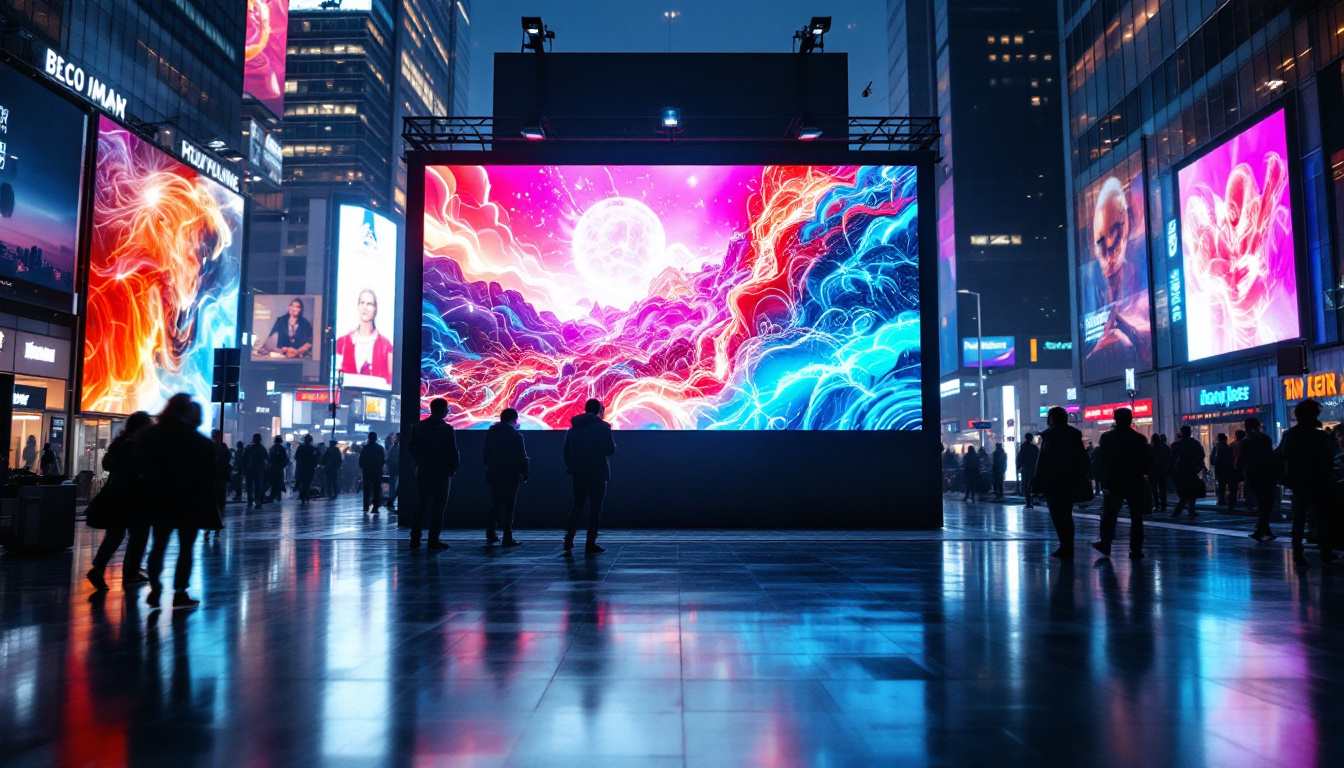
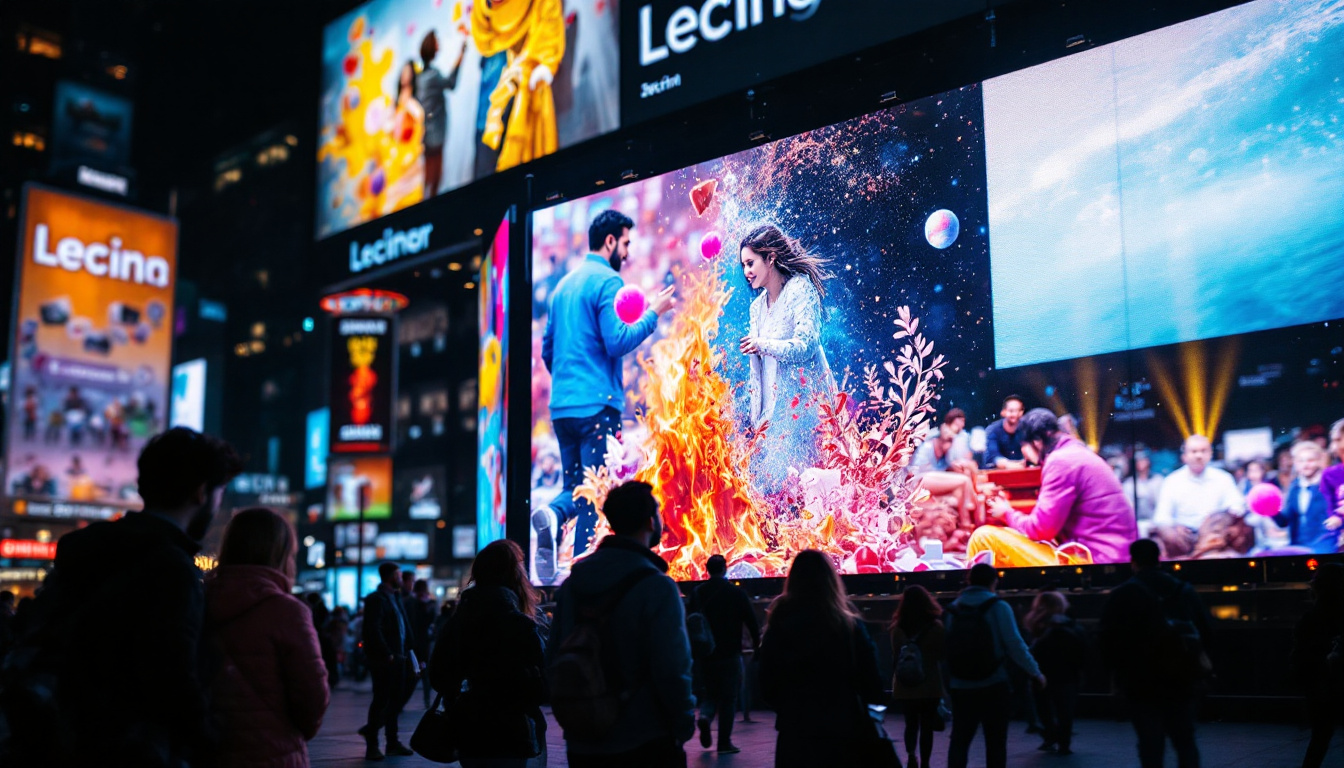
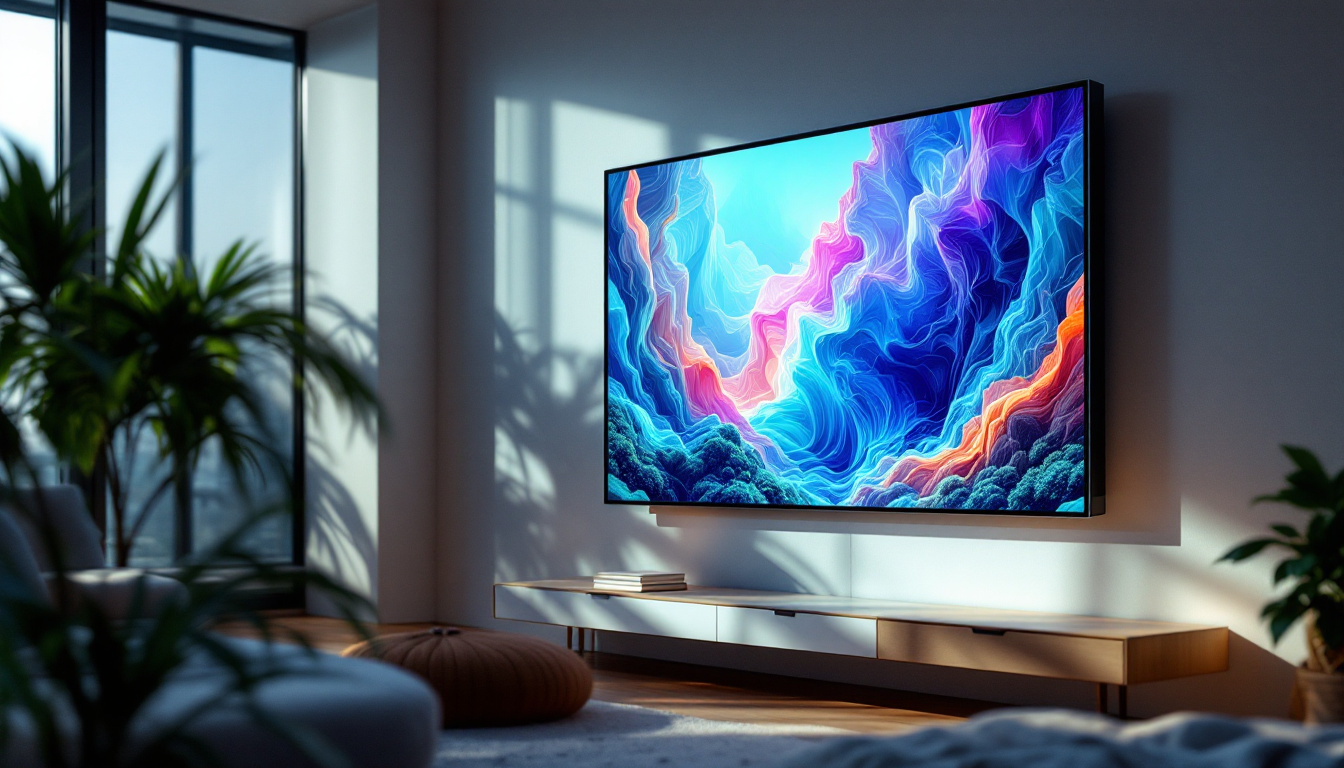
In the rapidly evolving world of digital displays, LED technology has become a cornerstone for delivering vibrant, high-resolution visuals across various industries. From massive outdoor billboards to indoor stadium screens and corporate video walls, LED displays are prized for their brightness, color accuracy, and scalability. However, behind every stunning LED image lies a critical component that often goes unnoticed: the video processor. This article delves into the role of video processors in LED displays, explaining their functions, types, and why they are essential for achieving optimal visual performance.
Understanding LED Displays: A Brief Overview
LED (Light Emitting Diode) displays consist of an array of tiny light sources that emit light when an electric current passes through them. Unlike traditional LCDs that rely on backlighting, LEDs produce their own light, allowing for deeper blacks, higher contrast ratios, and better energy efficiency. This technology has transformed digital signage, entertainment, and information dissemination by enabling large-scale, bright, and durable displays suitable for both indoor and outdoor environments.
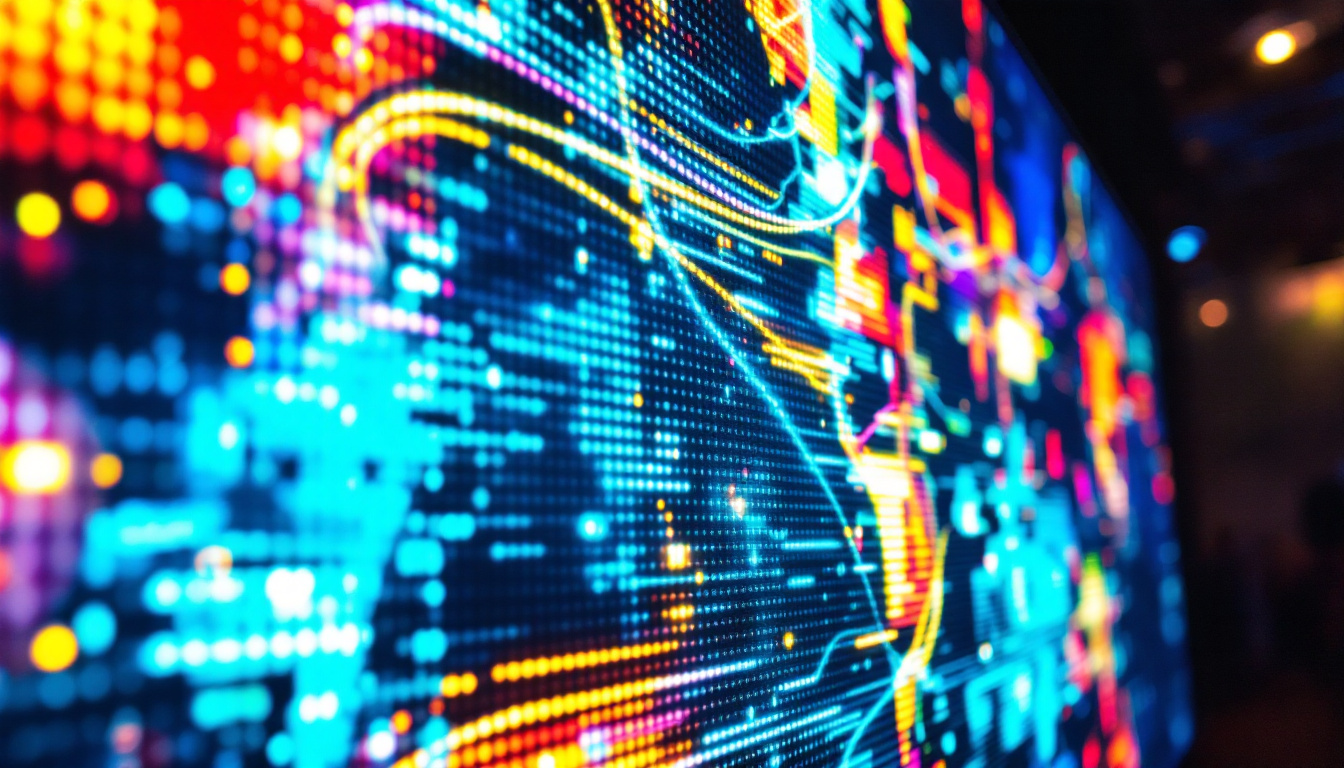
LED displays are composed of numerous modules, each containing hundreds or thousands of LEDs arranged in a grid. These modules are connected to form a seamless screen that can be customized in size and shape. The resolution, brightness, and refresh rate of the display depend not only on the LED modules themselves but also on the processing hardware that manages the input video signals.
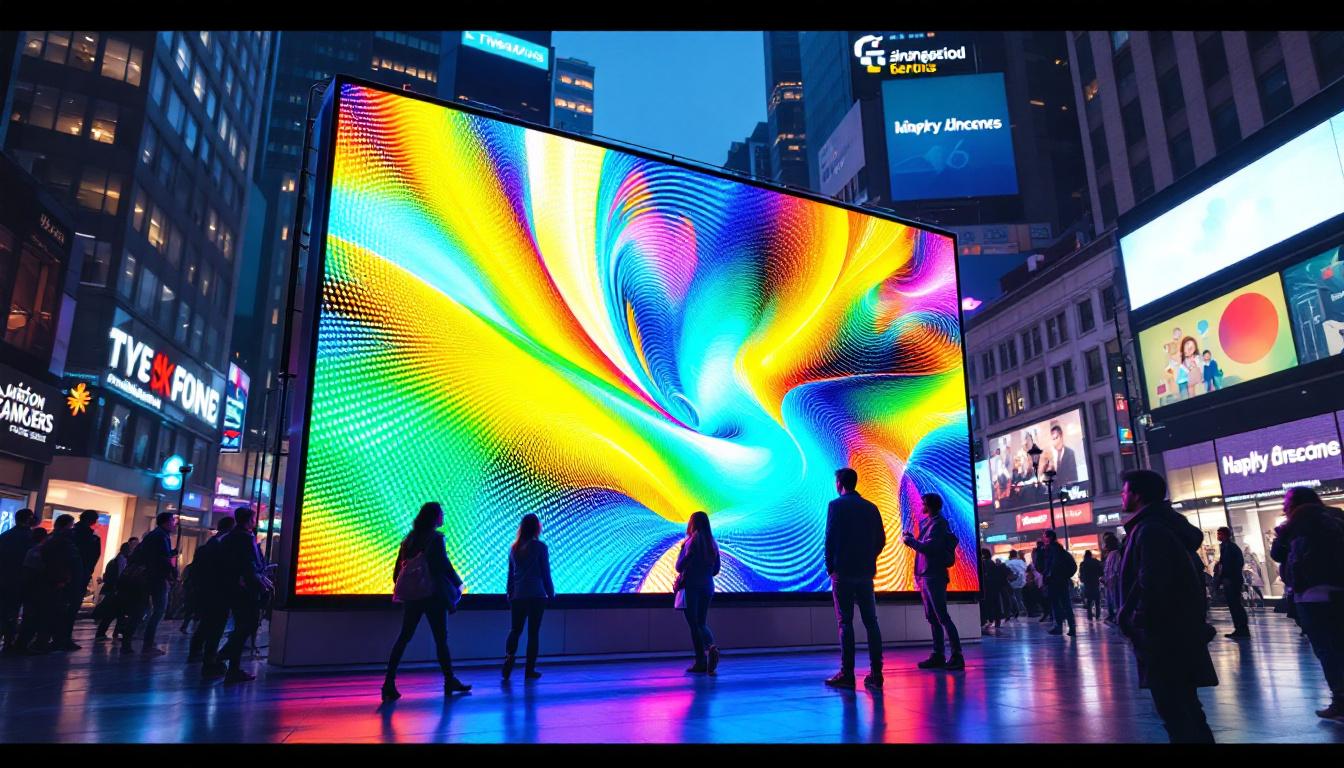
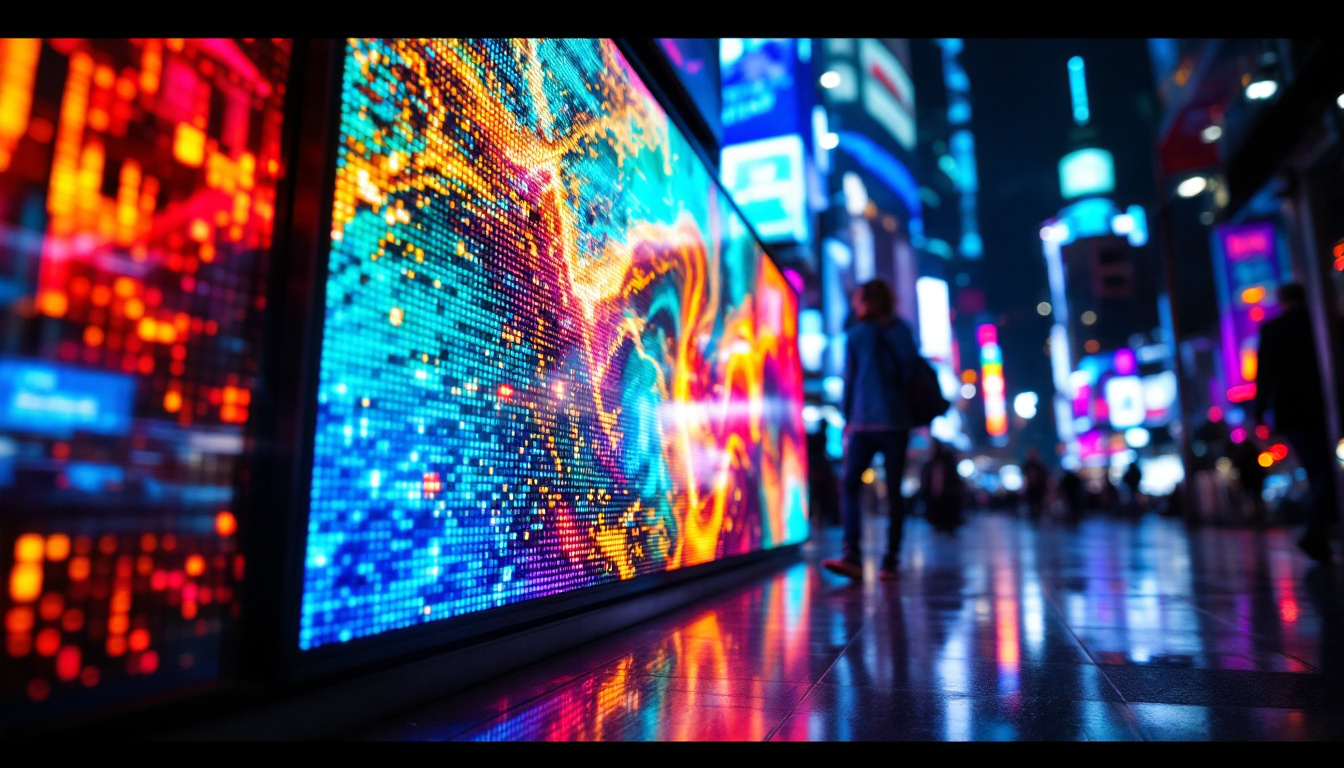
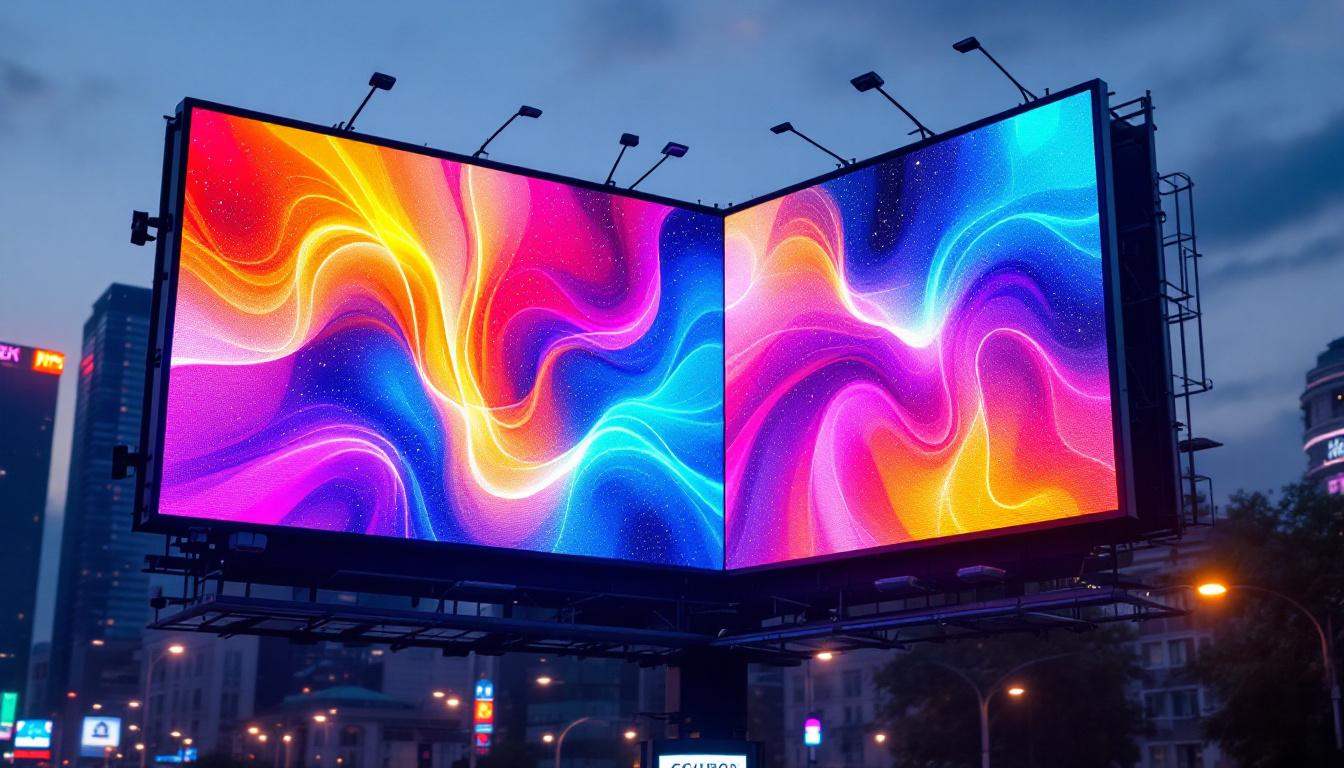
One of the remarkable features of LED technology is its versatility. LED displays can be found in a wide range of applications, from massive billboards in bustling city centers to small screens in retail environments. The ability to create curved or irregularly shaped displays has opened up new possibilities for architectural design, allowing for innovative installations that can enhance the aesthetic appeal of a space. Furthermore, advancements in LED technology, such as the development of microLEDs, are paving the way for even higher resolution displays that can deliver stunning visuals with minimal power consumption.
In addition to their visual capabilities, LED displays are also known for their durability and longevity. Unlike traditional display technologies, LEDs are resistant to shock and vibration, making them ideal for outdoor environments where they may be exposed to harsh weather conditions. Additionally, the lifespan of an LED display can exceed 100,000 hours, significantly reducing the need for frequent replacements and maintenance. This longevity, combined with their energy efficiency, makes LED displays not only a smart choice for businesses looking to make a lasting impression but also a more sustainable option in an increasingly eco-conscious world.
The Role of Video Processors in LED Displays
What Is a Video Processor?
A video processor is an electronic device or system responsible for receiving, decoding, scaling, and optimizing video signals before they are sent to the LED display panels. It acts as the intermediary between the source content—such as a computer, camera, or media player—and the LED screen, ensuring that the image is displayed correctly, smoothly, and with the highest possible quality.
Without a video processor, an LED display would simply show raw input signals, which might not match the display’s native resolution or aspect ratio. This mismatch can lead to distorted images, poor color reproduction, or flickering. Video processors solve these issues by adapting the input signal to the specific characteristics of the LED display.
Key Functions of Video Processors
Video processors perform several critical functions that collectively enhance the viewing experience:
- Signal Conversion: They convert various input formats (HDMI, DVI, SDI, DisplayPort, etc.) into a compatible format for the LED display.
- Scaling and Resolution Matching: Video processors scale the input video to match the native resolution of the LED screen, ensuring sharp and clear images without distortion.
- Color Correction and Calibration: They adjust color balance, brightness, contrast, and gamma to achieve accurate and consistent color reproduction across the entire display.
- Image Processing: Advanced processors apply noise reduction, edge enhancement, and frame rate conversion to improve image clarity and smoothness.
- Multi-Source Management: Many video processors can handle multiple video inputs simultaneously, enabling split-screen displays, picture-in-picture, or seamless switching between sources.
- Synchronization: They synchronize the timing of video signals to prevent flickering and tearing, especially important for large or curved LED installations.
Types of Video Processors for LED Displays
As LED display technology has matured, video processors have evolved to address increasingly complex requirements. The choice of a video processor depends on the size of the LED display, the complexity of the content, and the intended application.
Basic Scalers
Basic video scalers are entry-level processors designed to convert and scale input signals to match the LED display’s resolution. These devices are suitable for smaller installations where simple content such as static images or basic video playback is displayed. While they provide essential functions like signal conversion and scaling, they often lack advanced image processing capabilities.
Advanced Video Processors
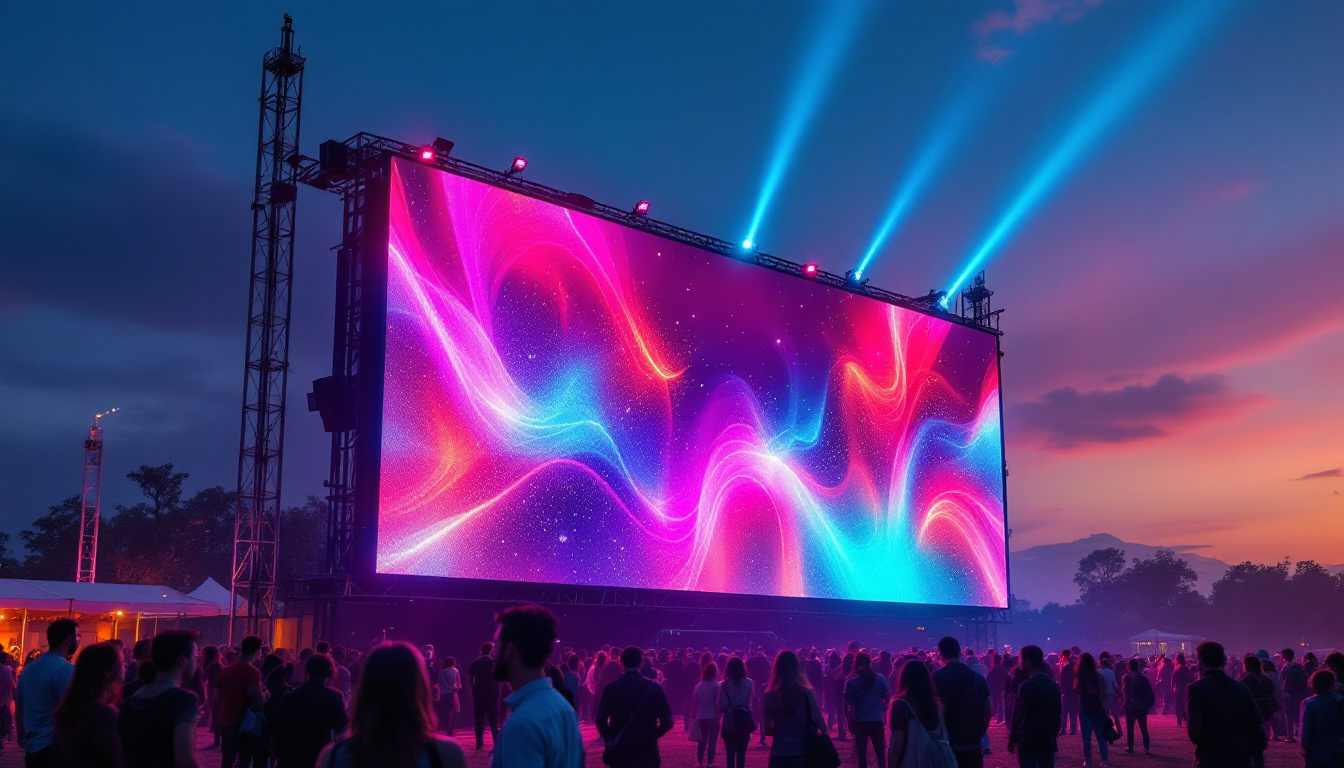
Advanced processors offer a comprehensive suite of image enhancement features, including color calibration, noise reduction, and frame rate conversion. They support multiple inputs and outputs, enabling complex video wall configurations and dynamic content layouts. These processors are commonly used in professional environments such as concert venues, broadcast studios, and large-scale advertising installations.
Modular and Networked Processors
For very large or distributed LED displays, modular video processors with network connectivity provide flexible and scalable solutions. These systems allow for remote management, real-time content updates, and synchronization across multiple display units. Networked processors are essential in environments like sports arenas or city-wide digital signage networks, where seamless content delivery and control are critical.
Why Video Processors Matter: Benefits and Impact
Enhancing Image Quality
The primary benefit of a video processor is the significant improvement in image quality it delivers. By optimizing color accuracy, contrast, and sharpness, video processors ensure that the LED display presents content as intended by the creators. This is particularly important for brand messaging, live events, and broadcast applications where visual fidelity is paramount.
Ensuring Compatibility and Flexibility
Video processors enable LED displays to accept a wide range of input sources and formats, increasing their versatility. Whether the content comes from a 4K camera, a live streaming feed, or a legacy video system, the processor adapts the signal to the display’s requirements. This flexibility simplifies integration and reduces the need for multiple specialized devices.
Supporting Complex Display Configurations
Modern LED installations often involve multiple screens arranged in creative layouts, including curved surfaces and irregular shapes. Video processors manage these complex configurations by splitting and synchronizing video signals, ensuring a seamless visual experience. This capability is vital for immersive environments such as theme parks, museums, and corporate lobbies.
Reducing Operational Issues
Without proper video processing, LED displays can suffer from flickering, image tearing, or color inconsistencies, which degrade the viewer’s experience and can lead to increased maintenance costs. Video processors mitigate these issues by synchronizing signals and providing real-time adjustments, resulting in more reliable and stable operation.
Choosing the Right Video Processor for Your LED Display
Selecting an appropriate video processor requires careful consideration of several factors:
Display Size and Resolution
The processor must support the native resolution of the LED display. For example, a 4K LED screen requires a processor capable of handling 3840 x 2160 pixels without downscaling or compression that could reduce image quality.
Input Sources and Connectivity
Identify the types and number of input sources you plan to use. A video processor with multiple input ports and support for various formats (HDMI 2.1, SDI, DisplayPort) provides greater flexibility and future-proofing.
Image Processing Features
Consider the level of image enhancement needed. For high-end applications, features like HDR support, advanced color calibration, and dynamic scaling are essential.
Scalability and Control
For large or multi-screen installations, look for processors that offer networked control, modular expansion, and remote management capabilities. These features simplify operation and content updates.
Budget and Support
While advanced processors come at a higher cost, investing in quality hardware can reduce downtime and improve overall satisfaction. Additionally, choosing a vendor with strong technical support ensures that any issues can be resolved quickly.
Future Trends in Video Processing for LED Displays
The video processing landscape is continually advancing, driven by innovations in LED technology and content delivery methods. Several trends are shaping the future of video processors:
Artificial Intelligence and Machine Learning
AI-powered video processors are beginning to emerge, capable of analyzing content in real-time to optimize image quality dynamically. These systems can adjust brightness, contrast, and color based on ambient lighting conditions or content type, enhancing viewer engagement.
Higher Resolutions and Frame Rates
As 8K and even higher resolution content becomes more common, video processors must evolve to handle these massive data streams efficiently. Additionally, higher frame rates (120Hz and beyond) are becoming standard for smoother motion, especially in sports and gaming applications.
Integrated Cloud and Remote Management
Cloud-based video processing and remote management tools allow operators to control and update LED displays from anywhere in the world. This capability is particularly useful for digital signage networks spread across multiple locations.
Energy Efficiency and Miniaturization
New processor designs focus on reducing power consumption and physical footprint without compromising performance. This trend supports sustainable practices and enables more compact LED display installations.
Conclusion
Video processors are the unsung heroes behind the captivating visuals of LED displays. By converting, scaling, and optimizing video signals, they ensure that every pixel shines with clarity and color accuracy. Whether for a small retail sign or a massive stadium screen, selecting the right video processor is crucial to unlocking the full potential of LED technology.
As LED displays continue to grow in popularity and complexity, understanding the role of video processors becomes increasingly important for system integrators, content creators, and end-users alike. Staying informed about the latest advancements and carefully matching processor capabilities to display requirements will help deliver stunning, reliable, and immersive visual experiences for years to come.
Discover LumenMatrix’s Advanced LED Display Solutions
Ready to elevate your visual displays to the next level? Explore LumenMatrix’s comprehensive range of LED display solutions, designed to bring your brand to life with unparalleled vibrancy and precision. From Indoor and Outdoor LED Walls to innovative Transparent Displays, LumenMatrix is at the forefront of creating immersive environments that captivate and engage. Don’t miss the opportunity to transform your space with our cutting-edge technology. Check out LumenMatrix LED Display Solutions today and see the difference that quality and innovation can make.