In recent years, video projectors have undergone significant technological advancements, with LED display technology becoming a prominent feature in many modern devices. Understanding how LED displays function within video projectors is essential for consumers, educators, business professionals, and home theater enthusiasts who seek the best visual experience. This article delves into the fundamentals of LED display technology in video projectors, exploring its benefits, applications, and how it compares to other projection technologies.
Understanding LED Display Technology in Video Projectors
LED, or Light Emitting Diode, technology has revolutionized many aspects of display and lighting industries. When integrated into video projectors, LEDs serve as the primary light source, replacing traditional lamps such as halogen or metal halide bulbs. This shift has brought about improvements in energy efficiency, lifespan, and image quality. The longevity of LED light sources can reach up to 30,000 hours, significantly reducing the need for replacements and maintenance, which is a considerable advantage for both commercial and home users.
How LED Light Sources Work in Projectors
Unlike conventional projectors that use a single high-intensity lamp, LED projectors utilize arrays of tiny semiconductor diodes that emit light when an electric current passes through them. These LEDs can produce red, green, and blue light, which are combined to create the full spectrum of colors seen on the projected image. The light emitted by LEDs is then directed through optical components and imaging chips—such as Digital Light Processing (DLP) or Liquid Crystal on Silicon (LCoS)—to project the final image onto a screen or surface. This method contrasts with traditional lamp-based projectors, which rely on a white light source filtered through color wheels or prisms. The direct generation of colored light by LEDs allows for more precise color control and often results in richer, more vibrant images.
Furthermore, LED projectors tend to have a faster response time compared to their lamp-based counterparts. This means that they can achieve full brightness almost instantly, eliminating the warm-up time associated with traditional lamps. This feature is particularly beneficial in environments where quick setup and immediate use are essential, such as in business presentations or educational settings. Additionally, the compact size of LED modules allows for more portable designs, making these projectors an appealing choice for on-the-go professionals and casual users alike.
Types of LED Projectors
LED projectors can be broadly categorized based on their imaging technology:
- DLP LED Projectors: These use micro-mirrors on a chip to reflect LED-generated light. They are known for sharp images and high contrast ratios, making them ideal for dynamic presentations and movies.
- LCoS LED Projectors: Liquid Crystal on Silicon technology offers smooth images with excellent color accuracy, often preferred for home theater setups. Their ability to produce deep blacks and subtle color gradations enhances the viewing experience, especially for film enthusiasts.
- LCD LED Projectors: These projectors use liquid crystal displays combined with LEDs to produce images, typically offering bright and vivid visuals. They are particularly effective in well-lit environments, ensuring that images remain clear and engaging even in challenging lighting conditions.
Each type has its own strengths and is suited for different use cases, but all benefit from the advantages that LED light sources provide. Moreover, the integration of LED technology into projectors has paved the way for innovations such as smart connectivity options, allowing users to stream content directly from their devices. This feature not only enhances convenience but also caters to the growing demand for seamless multimedia integration in both personal and professional settings.
Advantages of LED Display Projectors
LED display projectors offer several compelling benefits over traditional lamp-based models. These advantages have contributed to their growing popularity in various sectors.
Longer Lifespan and Lower Maintenance
One of the most significant benefits of LED projectors is their extended operational life. Traditional projector lamps generally last between 2,000 and 5,000 hours before needing replacement, whereas LED light sources can last anywhere from 20,000 to 30,000 hours or more. This longevity translates to lower maintenance costs and less downtime, making LED projectors particularly attractive for commercial environments such as schools, offices, and event venues.
Moreover, LED projectors do not require frequent lamp replacements or warm-up periods, allowing for instant-on and instant-off functionality. This convenience enhances user experience and reduces energy consumption during idle times.
Energy Efficiency and Environmental Impact
LEDs are inherently more energy-efficient than traditional projector lamps. They consume less power to produce the same or better brightness levels, which can lead to significant energy savings over time. For instance, a typical LED projector may consume 30-50% less power compared to a lamp-based counterpart of similar brightness.
In addition to energy savings, LEDs do not contain hazardous materials like mercury, which is present in many conventional projector lamps. This makes LED projectors a more environmentally friendly choice, aligning with increasing global emphasis on sustainability and green technology.
Superior Color Performance and Image Quality
Because LEDs emit pure red, green, and blue light, they can produce a wider color gamut and more accurate colors than lamp-based projectors, which rely on filtering white light. This results in images that are more vibrant and true to life, enhancing the viewing experience for movies, presentations, and gaming.
Additionally, LED projectors often exhibit better contrast ratios and deeper blacks, contributing to sharper and more detailed images, especially in darker scenes. This quality is particularly valued in home theater applications and professional presentations where visual clarity is paramount.
Applications of LED Display Projectors
LED projectors have found their way into a variety of settings due to their versatility and performance benefits. Understanding these applications can help potential users identify whether an LED projector suits their needs.
Home Entertainment and Gaming
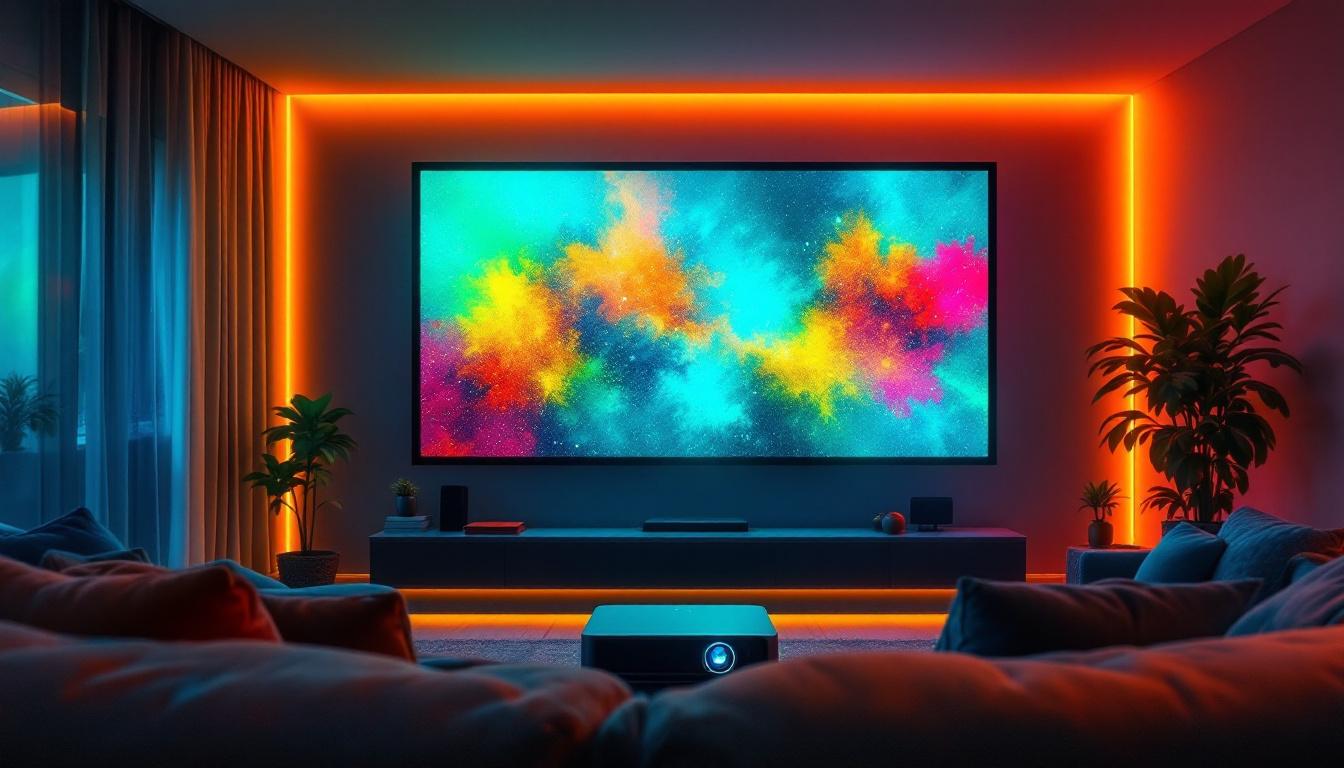
Home theater enthusiasts increasingly prefer LED projectors for their ability to deliver cinematic-quality images with vivid colors and deep contrast. The compact size and quiet operation of many LED models also make them ideal for residential use. Gamers benefit from the instant-on capability and low input lag that some LED projectors offer, providing a smooth and immersive gaming experience.
Education and Corporate Use
Schools and businesses often require reliable, low-maintenance projection solutions for classrooms and conference rooms. LED projectors meet these demands with their long lifespan and energy efficiency, reducing operational costs. Their bright and clear images ensure that presentations and educational content are easily visible, even in well-lit environments.
Portable and Outdoor Projection
Thanks to their energy efficiency and compact design, many LED projectors are highly portable. This makes them suitable for outdoor movie nights, mobile presentations, and temporary installations. Some models are even equipped with battery packs, enabling use in locations without immediate access to power.
Comparing LED Projectors with Other Projection Technologies
While LED projectors offer numerous advantages, it is essential to compare them with other popular projection technologies to make an informed decision.
LED vs. Lamp-Based Projectors
Traditional lamp-based projectors typically offer higher brightness levels, often exceeding 3,000 lumens, which can be beneficial in large venues or brightly lit rooms. However, they suffer from shorter lamp life, higher energy consumption, and longer warm-up times.
LED projectors, on the other hand, generally provide lower brightness—usually between 500 and 2,000 lumens—making them better suited for smaller, controlled lighting environments. Their superior color accuracy, longer lifespan, and instant-on capability often outweigh their lower brightness for many users.
LED vs. Laser Projectors
Laser projectors represent another advanced light source technology, offering high brightness, excellent color performance, and long lifespan similar to LEDs. However, laser projectors tend to be more expensive and are often larger and heavier.
LED projectors are typically more affordable and compact, making them accessible for a broader range of users. While laser projectors may dominate in large-scale professional installations, LEDs provide an excellent balance of quality and cost for home and small business applications.
Hybrid LED-Laser Projectors
Some manufacturers have developed hybrid projectors combining LED and laser technologies to capitalize on the strengths of both. These models deliver enhanced brightness and color performance but come at a premium price point. For most consumers, pure LED projectors remain a practical and efficient choice.
Key Considerations When Choosing an LED Projector
Selecting the right LED projector requires evaluating several factors to ensure it meets specific needs and environments.
Brightness (Lumens)
Brightness is a critical specification, especially if the projector will be used in rooms with ambient light. For home theaters or dark rooms, 800 to 1,500 lumens may suffice. For classrooms or conference rooms with moderate lighting, 2,000 lumens or more might be necessary.
Resolution and Image Quality
Higher resolution projectors (such as Full HD 1080p or 4K UHD) provide sharper images, which is essential for detailed presentations, movies, and gaming. Many LED projectors offer HD resolution, but 4K models are becoming increasingly available as the technology advances.
Portability and Connectivity
Consider the projector’s size, weight, and available input options. USB, HDMI, and wireless connectivity enable compatibility with various devices like laptops, smartphones, and streaming sticks. Portability is crucial for users who need to move the projector frequently.
Throw Distance and Screen Size
The throw distance determines how far the projector must be from the screen to produce a certain image size. Short-throw LED projectors are ideal for small rooms, while standard throw models suit larger spaces. Understanding this helps optimize installation and viewing experience.
Budget
LED projectors come in a range of prices. While they tend to be more affordable than laser projectors, higher-end models with advanced features can be costly. Balancing budget with desired features ensures the best value.
The Future of LED Display in Video Projectors
LED technology continues to evolve rapidly, with ongoing improvements in brightness, color accuracy, and energy efficiency. Emerging trends such as micro-LED and quantum dot LEDs promise even greater performance enhancements.
Manufacturers are also integrating smart features and enhanced connectivity options, making LED projectors more versatile and user-friendly. As these advancements continue, LED projectors are poised to become the standard choice for a wide range of applications, from casual home use to professional presentations.
Conclusion
LED display technology has transformed the landscape of video projectors by offering longer lifespan, superior color performance, energy efficiency, and low maintenance. While they may not yet match the brightness of some lamp or laser-based models, LED projectors excel in many environments, particularly where image quality and operational convenience are priorities.
Whether for home entertainment, education, business, or portable use, understanding the capabilities and limitations of LED projectors enables users to select the best device for their needs. With ongoing technological advancements, LED projectors are set to deliver even more impressive visual experiences in the years to come.
Discover LumenMatrix’s Advanced LED Solutions
Ready to experience the future of visual display technology? Embrace the innovation and quality that LumenMatrix offers. As a pioneer in LED display solutions, LumenMatrix provides an extensive range of products designed to meet your specific needs, from captivating Indoor and Outdoor LED Wall Displays to dynamic Vehicle and Sports LED Displays, and even customizable options for unique applications. Elevate your visual communication and engage your audience like never before. Check out LumenMatrix LED Display Solutions today and transform your space with unparalleled clarity and impact.