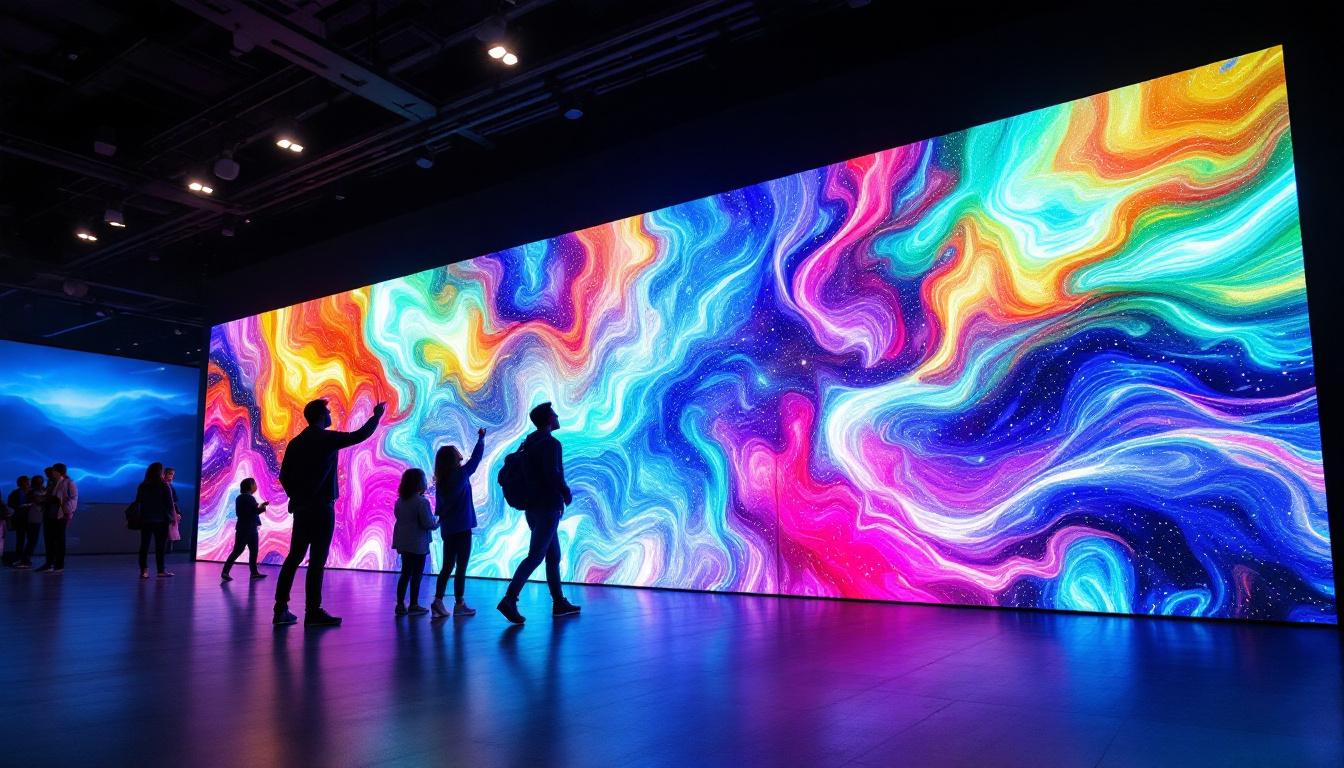
Video walls have become an essential component in various industries, from retail and corporate environments to control rooms and entertainment venues. Their ability to deliver large, vibrant, and highly customizable displays makes them a preferred choice for impactful visual communication. However, understanding the cost structure of video walls, especially those based on LED technology, can be complex. This article breaks down the factors influencing LED video wall costs, helping businesses and decision-makers make informed investments.
Understanding LED Video Walls
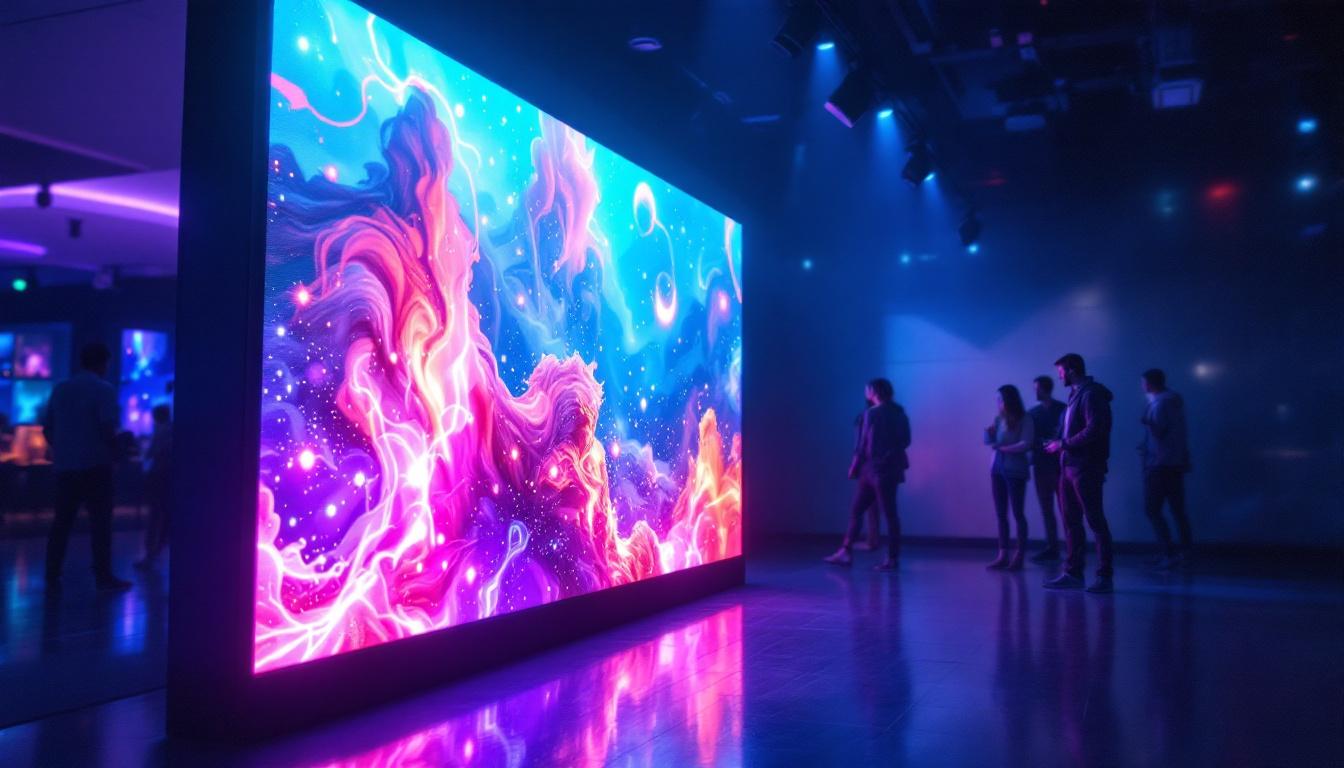
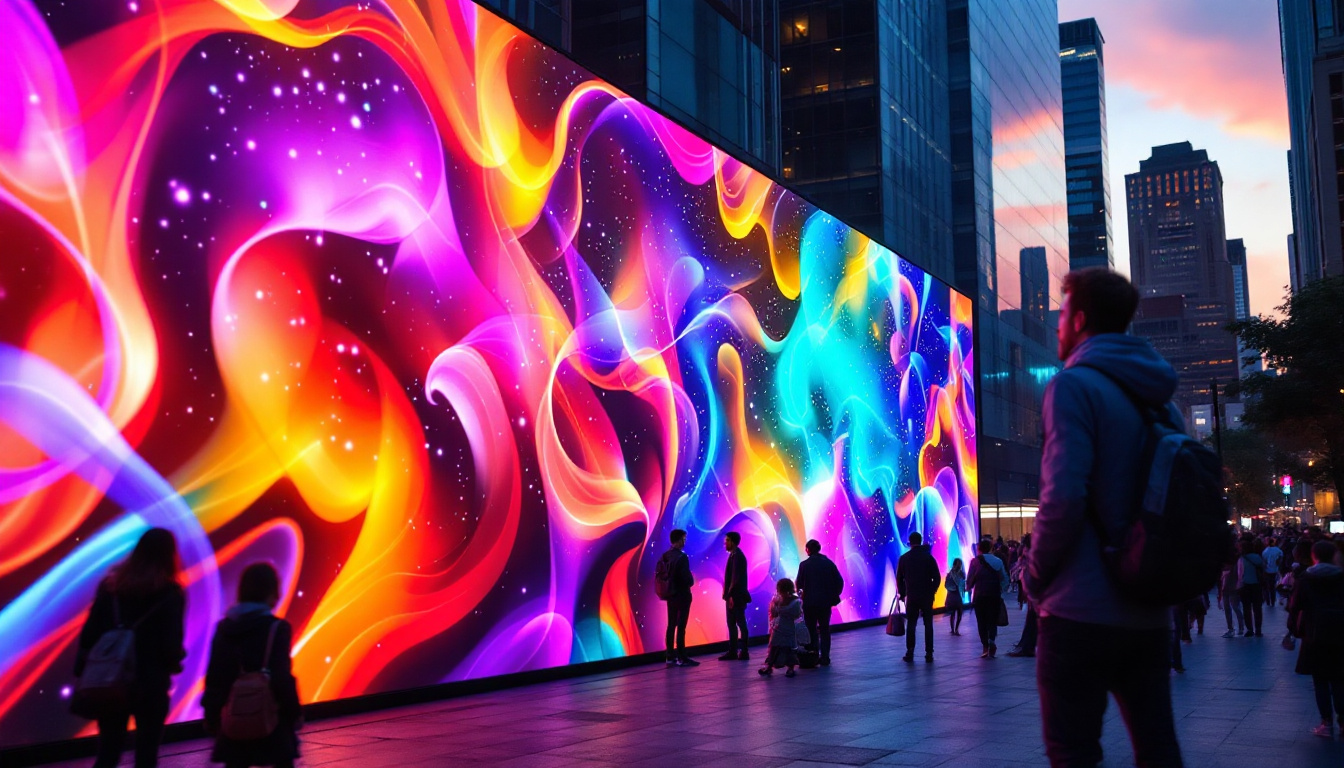
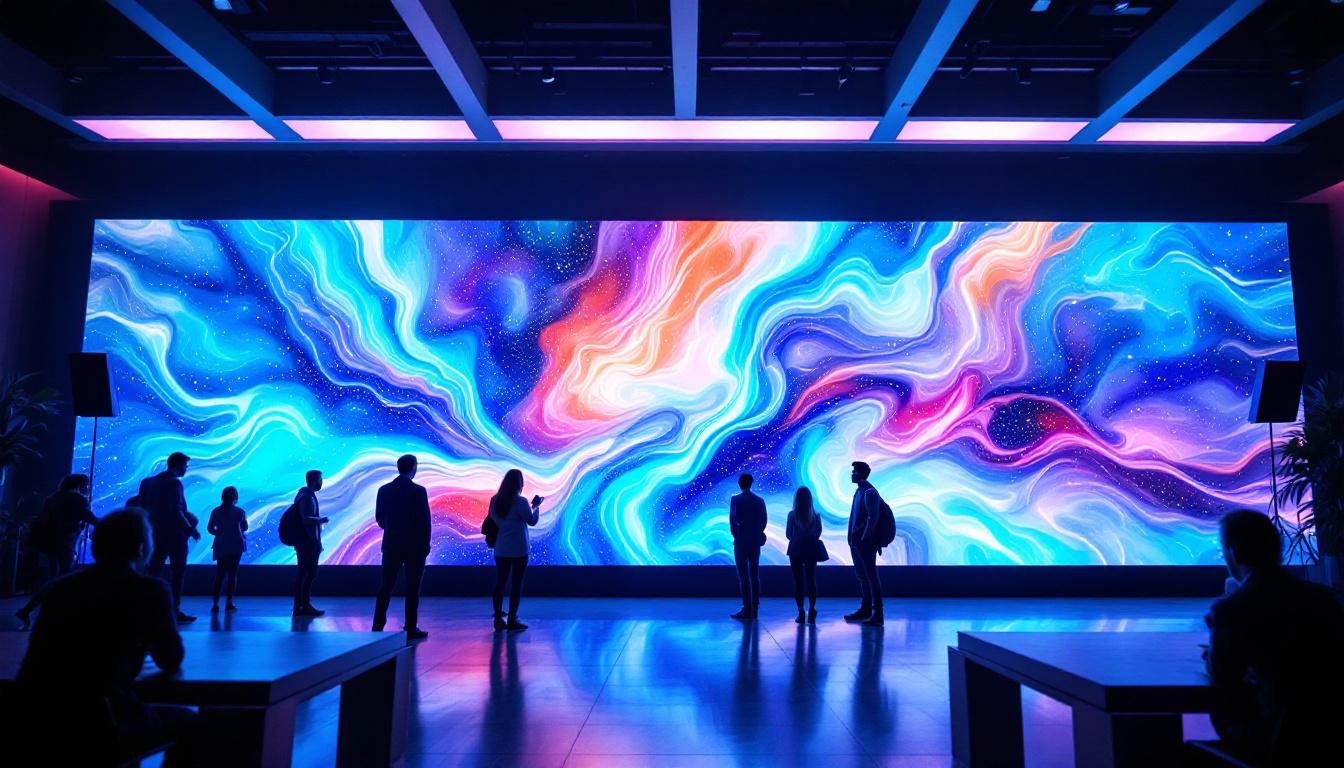
LED video walls consist of multiple LED panels tiled together to create a single, large display surface. Unlike traditional LCD screens, LED panels emit their own light, offering superior brightness, contrast, and viewing angles. This makes them particularly effective in environments with high ambient light or where image quality is paramount. The vibrant colors and deep blacks produced by LED technology enhance the visual experience, making them ideal for applications ranging from advertising to live events, where captivating visuals can significantly impact audience engagement.
LED video walls are modular, allowing for various sizes and resolutions depending on the configuration. The pixel pitch—the distance between the centers of two adjacent pixels—is a key specification that influences both image clarity and cost. Smaller pixel pitches provide higher resolution but increase the price significantly. Consequently, businesses must carefully consider their specific needs and budget when selecting an LED video wall, as the right choice can greatly enhance the effectiveness of their visual communication strategies.
Types of LED Video Walls
There are primarily two categories of LED video walls: indoor and outdoor. Indoor LED walls typically have smaller pixel pitches (ranging from 0.9mm to 4mm) to ensure crisp images at close viewing distances. Outdoor LED walls have larger pixel pitches (often 4mm to 20mm or more) to maintain visibility from greater distances and withstand weather conditions. The durability of outdoor LED walls is particularly noteworthy, as they are designed with protective coatings and robust enclosures to guard against rain, dust, and extreme temperatures, ensuring reliable performance in various climates.
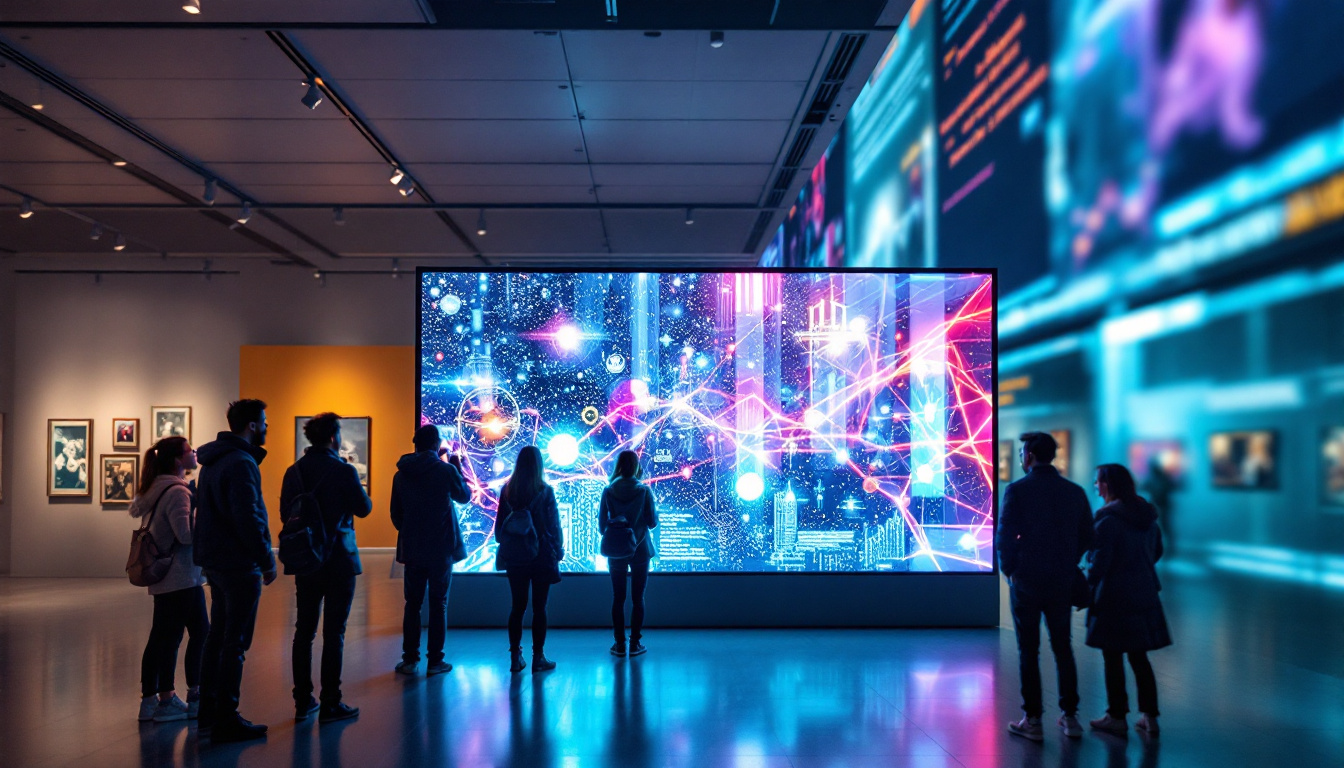
Additionally, LED video walls can be categorized by their installation type—fixed, rental, or transparent. Fixed installations are permanent setups in venues like control rooms or corporate lobbies. Rental LED walls are designed for portability and quick assembly, commonly used in events and concerts. Transparent LED walls integrate into glass facades, offering unique architectural possibilities. These transparent displays not only serve as eye-catching advertising mediums but also allow natural light to filter through, making them an innovative choice for modern retail environments and exhibitions. The versatility of LED video walls continues to expand as technology advances, allowing for more creative applications and installations across diverse industries.
Key Factors Influencing LED Video Wall Cost
The cost of an LED video wall is not simply a matter of screen size. Several technical and logistical factors contribute to the overall investment required. Understanding these elements is crucial for budgeting and selecting the right solution.
1. Pixel Pitch and Resolution
Pixel pitch directly affects the resolution and clarity of the video wall. A smaller pixel pitch means more LEDs per square meter, resulting in higher detail and smoother images. For example, a 1.2mm pixel pitch LED wall provides near-4K resolution on a relatively small display, making it ideal for close-up viewing environments like control rooms or corporate boardrooms.
However, the increased density of LEDs also raises manufacturing and maintenance costs. Panels with ultra-fine pixel pitches require more precise engineering and quality control, pushing up the price per square meter. Conversely, larger pixel pitches reduce costs but are only suitable for viewing distances where pixelation is not noticeable. Additionally, the choice of pixel pitch can significantly impact the viewer experience; for instance, a higher resolution is essential for applications such as digital art displays or high-end advertising, where image fidelity is paramount.
2. Size and Configuration
The overall size of the video wall is a major cost driver. Larger walls require more panels and supporting infrastructure. The configuration—whether a simple rectangular grid or a more complex curved or irregular shape—also impacts cost. Custom shapes often necessitate specialized mounting hardware and additional engineering, increasing expenses.
Moreover, the aspect ratio and bezel width between panels influence the visual continuity and installation complexity. Narrow-bezel or bezel-less designs are more expensive but provide a seamless image, which is often critical for high-end applications. The choice of configuration can also dictate the type of content displayed; for instance, a wide aspect ratio may be more suitable for cinematic presentations, while a more traditional shape might work better for corporate presentations or informational displays. This flexibility in design allows businesses to tailor their video wall to their specific needs, but it also requires careful consideration of the associated costs.
3. Brightness and Color Quality
Brightness levels, measured in nits, determine how well the video wall performs in different lighting conditions. Indoor LED walls typically range from 800 to 1,200 nits, while outdoor walls can exceed 5,000 nits to combat sunlight glare. Higher brightness panels consume more power and require advanced heat dissipation, contributing to higher costs.
Color accuracy and calibration features also affect price. Professional-grade LED walls offer sophisticated color management systems to ensure consistent and vibrant images, which is essential for branding and advertising applications. The ability to adjust color settings dynamically can be particularly beneficial in environments where lighting conditions change frequently, such as retail spaces or event venues. Furthermore, investing in high-quality color calibration tools can enhance the longevity of the display’s visual performance, ensuring that the investment remains valuable over time.
4. Control Systems and Software
The video wall’s control system is the brain behind the display, managing content input, scaling, and synchronization across panels. Advanced processors and software platforms enable features like multi-source display, real-time content updates, and remote management.
Costs vary depending on the complexity and capabilities required. Basic systems for simple signage are less expensive, while mission-critical applications in control rooms or broadcast studios demand high-reliability hardware and software, increasing the overall investment. Additionally, the integration of user-friendly interfaces and mobile control options can enhance the functionality of the video wall, allowing operators to easily manage content from various devices. Investing in robust control systems can also lead to increased operational efficiency and reduced downtime, making it a worthwhile consideration for businesses looking to maximize their return on investment.
5. Installation and Maintenance
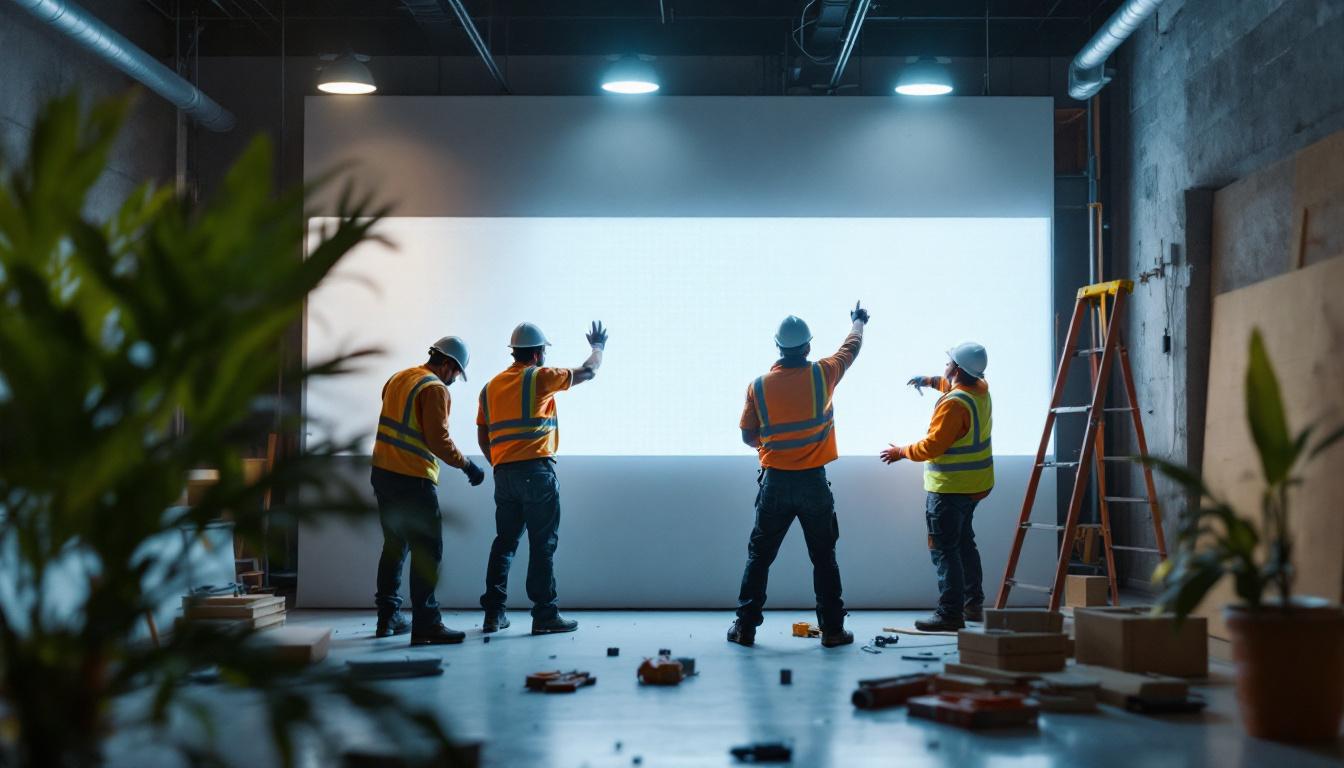
Installation costs include mounting structures, electrical work, and calibration. Complex installations, especially those involving curved or transparent LED walls, require specialized labor and longer timeframes, which add to the expense.
Maintenance is another ongoing cost to consider. LED panels have long lifespans—often exceeding 100,000 hours—but require periodic cleaning, firmware updates, and occasional repairs. Service contracts and warranties can mitigate unexpected expenses but should be factored into the total cost of ownership. Moreover, establishing a proactive maintenance schedule can help prevent costly repairs and ensure that the video wall operates at peak performance. Regular inspections and updates not only extend the lifespan of the technology but also enhance the overall visual experience, making it essential for businesses to prioritize maintenance as part of their long-term strategy.
Cost Breakdown: What to Expect When Budgeting
While prices vary widely based on specifications and project scope, it is helpful to understand typical cost ranges for LED video walls to guide budgeting decisions.
Price Per Square Meter
For indoor LED video walls with pixel pitches between 1.5mm and 2.5mm, prices typically range from $3,000 to $6,000 per square meter. Ultra-fine pitch displays (below 1.2mm) can cost upwards of $8,000 to $12,000 per square meter due to their advanced technology.
Outdoor LED walls with larger pixel pitches (6mm to 10mm) generally cost between $1,500 and $3,000 per square meter. High-brightness, ruggedized panels designed for harsh environments may push costs higher.
Additional Costs
- Control System: Depending on complexity, expect to pay from $5,000 to $50,000 or more.
- Installation: Typically 10-20% of the hardware cost, but can be higher for custom or large-scale projects.
- Maintenance and Support: Annual contracts range from 5-10% of the initial hardware cost.
For example, a 10 square meter indoor LED video wall with a 1.9mm pixel pitch might cost approximately $40,000 for the panels, $10,000 for control and installation, and $2,000 annually for maintenance.
Choosing the Right LED Video Wall for Your Needs
Selecting the appropriate LED video wall involves balancing cost with performance and application requirements. Here are key considerations to guide the decision-making process.
Define the Viewing Environment
Understanding where and how the video wall will be viewed is fundamental. Close-up viewing demands higher resolution and finer pixel pitch, while distant viewing allows for larger pixel pitches and lower costs. Ambient lighting conditions also dictate brightness requirements.
Determine Content and Usage
The type of content—whether static images, video, or dynamic data feeds—affects hardware and software needs. Interactive or multi-source displays require more advanced control systems. Additionally, consider how frequently content will change and whether remote management is necessary.
Plan for Future Scalability
Modular LED walls offer flexibility to expand or reconfigure as needs evolve. Investing in scalable solutions can reduce long-term costs by avoiding complete replacements.
Evaluate Total Cost of Ownership
Beyond initial purchase price, factor in installation, maintenance, energy consumption, and potential downtime costs. High-quality LED walls with robust warranties and support often provide better value over time.
Emerging Trends Impacting Video Wall Costs
The LED video wall market continues to evolve, with innovations influencing cost structures and performance capabilities.
MicroLED Technology
MicroLED displays promise even higher resolution, brightness, and energy efficiency by using microscopic LEDs. While currently expensive and primarily in prototype or luxury markets, MicroLED technology is expected to become more accessible, potentially reshaping pricing models in the coming years.
Improved Manufacturing and Supply Chains
Advances in manufacturing processes and increased competition among suppliers have gradually reduced costs for standard LED panels. Additionally, more efficient supply chains post-pandemic have improved availability and pricing stability.
Integration with AI and IoT
Smart video walls integrated with AI-driven content management and IoT sensors enable dynamic, personalized displays. While these features add upfront costs, they enhance engagement and operational efficiency, offering better ROI.
Conclusion
Investing in an LED video wall is a significant decision that involves multiple cost factors beyond just the display panels. Understanding pixel pitch, size, brightness, control systems, and installation requirements is essential for accurate budgeting and selecting the right solution.
By carefully assessing the viewing environment, content needs, and long-term maintenance considerations, businesses can optimize their investment in LED video walls to achieve impactful visual communication that supports their goals effectively and sustainably.
As LED technology continues to advance and prices become more competitive, video walls are increasingly accessible for a wide range of applications. Staying informed about the latest trends and cost drivers will empower organizations to make strategic, cost-effective choices in this dynamic market.
Discover LumenMatrix LED Display Solutions
Ready to elevate your visual communication with a cutting-edge LED video wall? LumenMatrix offers a comprehensive range of innovative LED display solutions tailored to your unique needs. From vibrant indoor and outdoor displays to customizable and transparent options, our technology is designed to captivate your audience and amplify your brand’s message. Experience the transformative power of our LED displays and take the first step towards creating unforgettable visual experiences. Check out LumenMatrix LED Display Solutions today and see how we can help you make a lasting impression.