In the world of digital displays, the quality of black levels can dramatically influence the overall viewing experience. Videos with black backgrounds, often used in presentations, advertisements, or artistic visuals, require displays that can render deep, true blacks without compromising brightness or color accuracy. LED displays have become a popular choice for such content due to their versatility and brightness, but how well do they handle black backgrounds? This article delves into the technology behind LED displays, exploring how they manage black levels, the challenges involved, and what innovations are shaping their future.
Understanding LED Display Technology
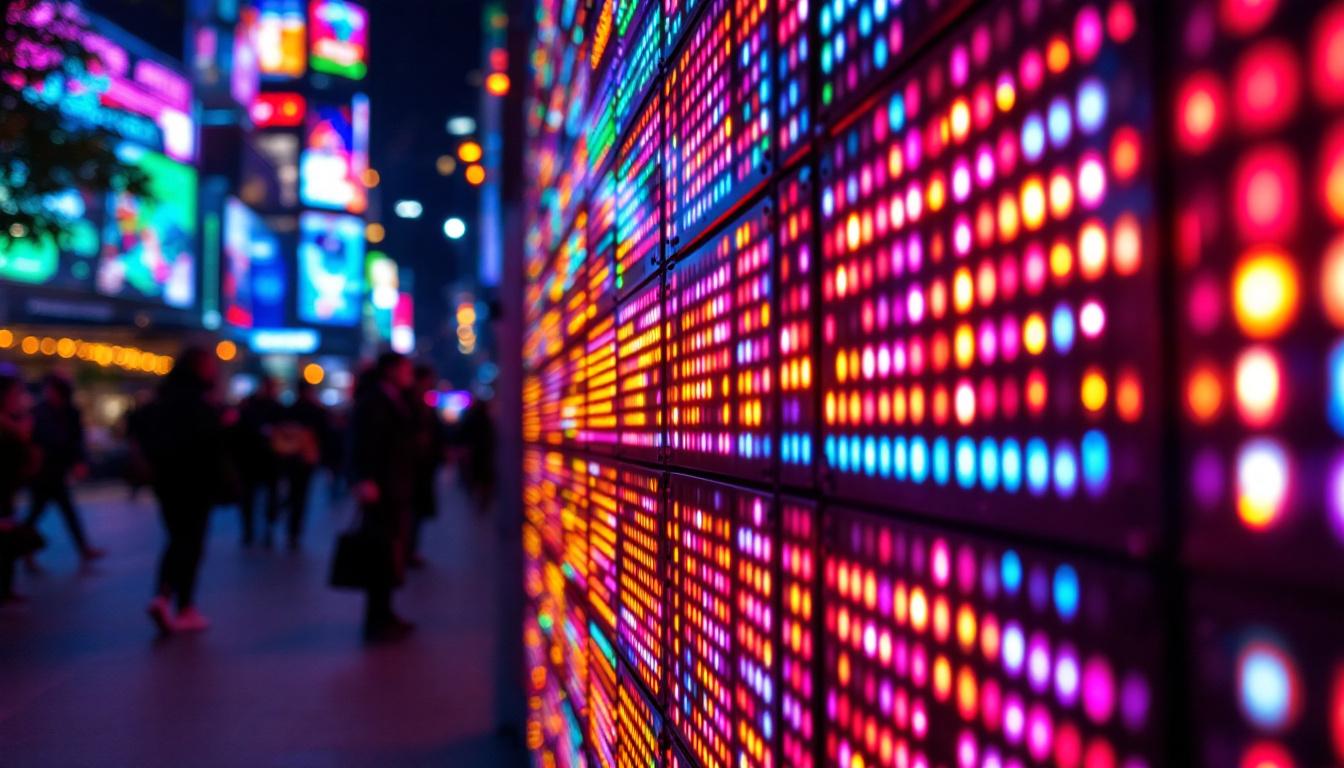
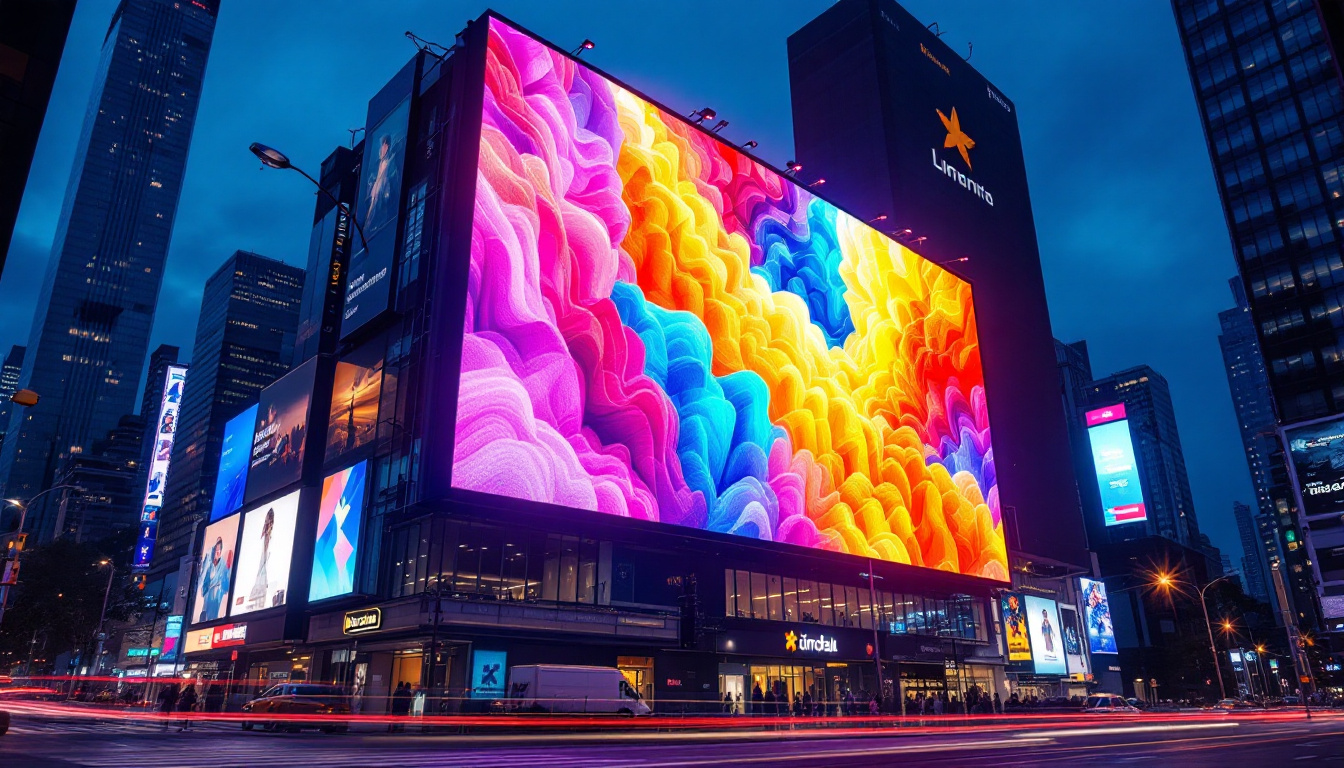
LED displays, commonly known as Light Emitting Diode displays, are a type of flat panel display that use an array of LEDs as pixels to create images. These displays are widely used in televisions, monitors, digital billboards, and indoor and outdoor video walls. The versatility of LED technology has made it a popular choice for various applications, from home entertainment systems to large-scale advertising solutions, showcasing its adaptability to different environments and requirements.
The core advantage of LED technology lies in its ability to produce bright, vibrant images with high energy efficiency. Unlike traditional LCDs that rely on fluorescent backlights, LED displays use LEDs to provide backlighting or direct pixel illumination, which can improve contrast and color performance. Additionally, LED displays have a longer lifespan compared to conventional displays, often lasting tens of thousands of hours, which makes them a cost-effective choice in the long run. Their lightweight design also facilitates easier installation and transportation, further enhancing their appeal in both commercial and residential settings.
Types of LED Displays
There are two primary types of LED displays relevant to video with black backgrounds: edge-lit LED and direct-lit (or full-array) LED displays. Each type offers unique benefits and drawbacks, catering to different user needs and preferences.
Edge-lit LED: In this design, LEDs are positioned along the edges of the screen, and light is diffused across the display panel. While this allows for thinner screens and lower costs, it often struggles with uniformity and deep black reproduction because the backlight cannot be controlled on a per-pixel basis. As a result, edge-lit displays may exhibit some light leakage in dark scenes, which can detract from the viewing experience, especially for film enthusiasts who prioritize deep contrasts and rich colors.
Direct-lit LED: This approach places LEDs directly behind the screen in a grid, allowing for better control of brightness and contrast. Full-array local dimming (FALD) technology enhances this by dimming or turning off specific zones of LEDs to produce deeper blacks and reduce light bleed. This capability makes direct-lit displays particularly effective for high dynamic range (HDR) content, where the range of brightness and color depth can be fully realized. Furthermore, advancements in LED technology continue to improve the performance of these displays, with innovations such as mini-LED and micro-LED paving the way for even greater picture quality and energy efficiency, promising an exciting future for visual technology.
Challenges of Displaying True Black on LED Screens
Despite their advantages, LED displays face inherent challenges when it comes to rendering true black, especially in videos with black backgrounds. This is primarily due to the nature of backlighting and pixel illumination.
Backlight Bleed and Light Leakage
In LED displays, the backlight is always on to some extent, even in dark scenes. This can cause light to bleed through pixels that should be black, resulting in a grayish or washed-out appearance. This phenomenon is particularly noticeable in edge-lit LED displays where the backlight cannot be finely controlled.
Local dimming zones in direct-lit LED displays mitigate this effect by selectively dimming or turning off LEDs in dark areas. However, the size and number of these zones limit how precisely the display can control light leakage. Larger zones may cause “blooming,” where bright areas bleed into adjacent dark regions.
Pixel Response and Contrast Ratio
The contrast ratio, which measures the difference between the brightest whites and the darkest blacks a display can produce, is a critical factor for video quality. LED displays typically have high brightness levels but can struggle with low black levels, resulting in lower contrast ratios compared to OLED displays.
Pixel response time also plays a role. Slow response times can cause ghosting effects, especially in dark scenes, further diminishing the perception of true black backgrounds.
How LED Displays Handle Black Background Videos
Despite these challenges, modern LED displays have made significant strides in improving black level performance, making them suitable for videos with black backgrounds.
Local Dimming Technology
Local dimming is one of the most effective methods for enhancing black levels on LED displays. By dividing the backlight into multiple zones that can be dimmed independently, the display can reduce brightness in dark areas while maintaining brightness in light areas.
For example, a video with a black background and bright foreground elements can benefit from local dimming by dimming the zones behind the black areas, thus producing deeper blacks and higher contrast. High-end LED TVs often feature hundreds of local dimming zones, significantly improving black reproduction.
Advanced LED Panel Designs
Manufacturers are also innovating with panel designs to improve black levels. Mini-LED technology, which uses thousands of tiny LEDs as backlight sources, allows for more precise local dimming and better control over light leakage.
Compared to traditional LED displays, mini-LEDs can achieve higher contrast ratios and deeper blacks, making them ideal for content with black backgrounds. This technology is increasingly adopted in premium monitors, TVs, and professional displays.
HDR and Black Level Enhancement
High Dynamic Range (HDR) technology enhances the contrast and color range of videos, making black backgrounds appear richer and more detailed. LED displays that support HDR can dynamically adjust brightness and contrast to optimize the viewing experience.
HDR10, Dolby Vision, and HLG are common HDR formats supported by many modern LED displays. These formats help preserve shadow details and prevent blacks from appearing washed out, especially in dark scenes.
Comparing LED to Other Display Technologies for Black Backgrounds
When evaluating displays for videos with black backgrounds, it’s important to compare LED technology with alternatives like OLED and QLED.
OLED Displays
Organic Light Emitting Diode (OLED) displays differ fundamentally from LED displays because each pixel emits its own light and can be turned off individually. This results in perfect black levels, as pixels displaying black are completely off, producing infinite contrast ratios.
For videos with black backgrounds, OLEDs offer unparalleled depth and realism. However, OLEDs can be more expensive and may suffer from burn-in issues over time, especially with static content.
QLED Displays
Quantum Dot LED (QLED) displays are essentially LED displays enhanced with quantum dot technology to improve color accuracy and brightness. While QLEDs can achieve impressive brightness levels, their black levels depend on the underlying LED backlighting technology.
High-end QLEDs with full-array local dimming and mini-LED backlights can rival OLEDs in black level performance, but they generally cannot match OLED’s perfect blacks due to the persistent backlight.
Practical Applications and Considerations
Understanding how LED displays handle black backgrounds is crucial for various industries and use cases.
Broadcast and Live Events
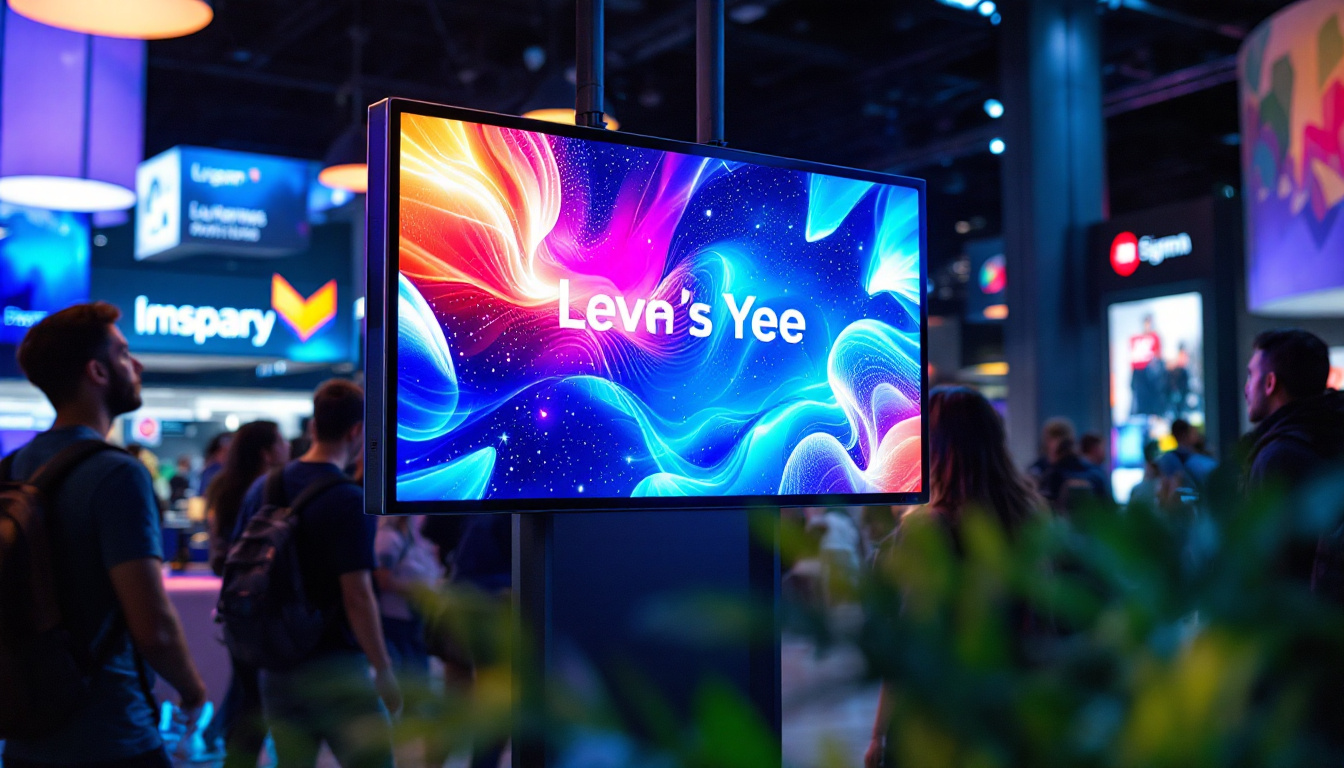
LED video walls are extensively used in concerts, sports arenas, and live events. Videos with black backgrounds are common in these settings to emphasize performers or graphics without distracting backgrounds. High brightness and durability make LED displays ideal, but managing black levels remains a priority to maintain image quality under varying lighting conditions.
Retail and Advertising
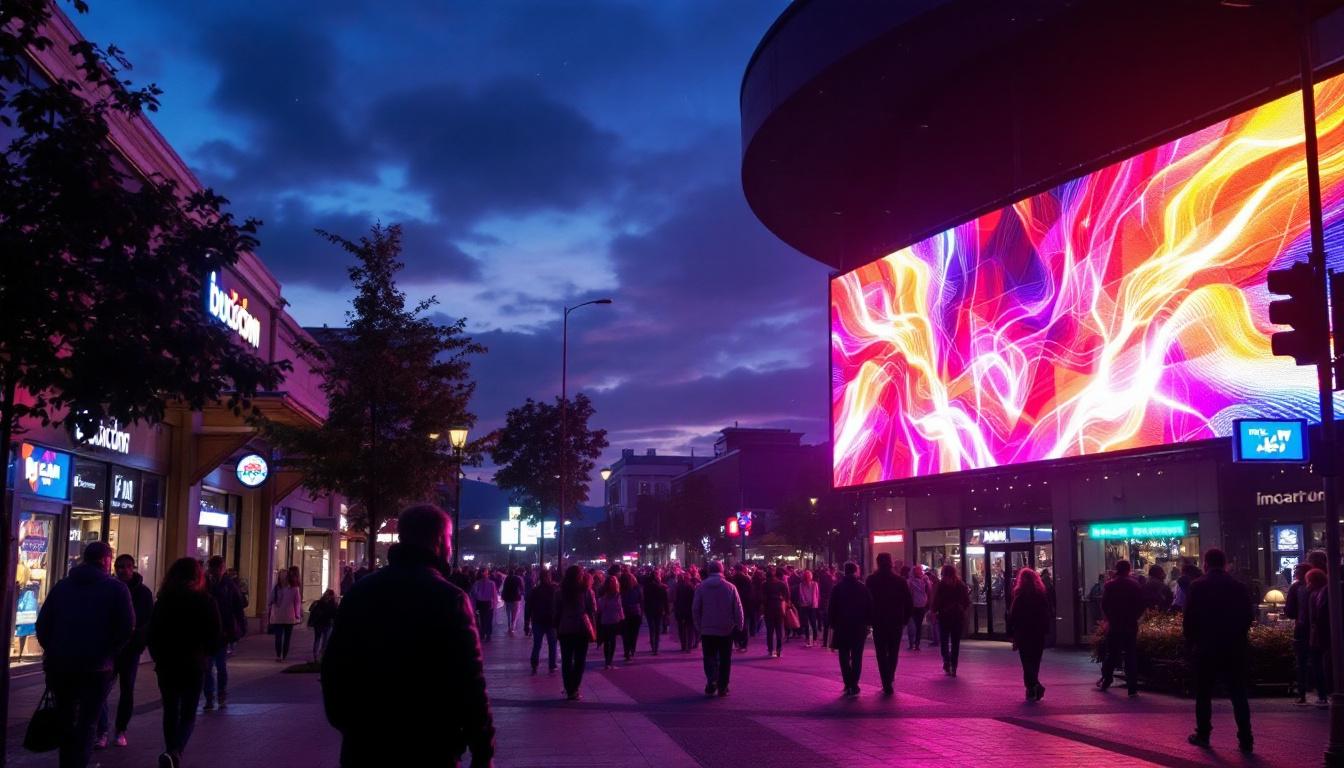
Digital signage often uses videos with black or dark backgrounds to create striking visuals that capture attention. LED displays’ brightness ensures visibility even in well-lit environments, but advertisers must select displays with good local dimming to avoid washed-out blacks that can reduce impact.
Home Entertainment
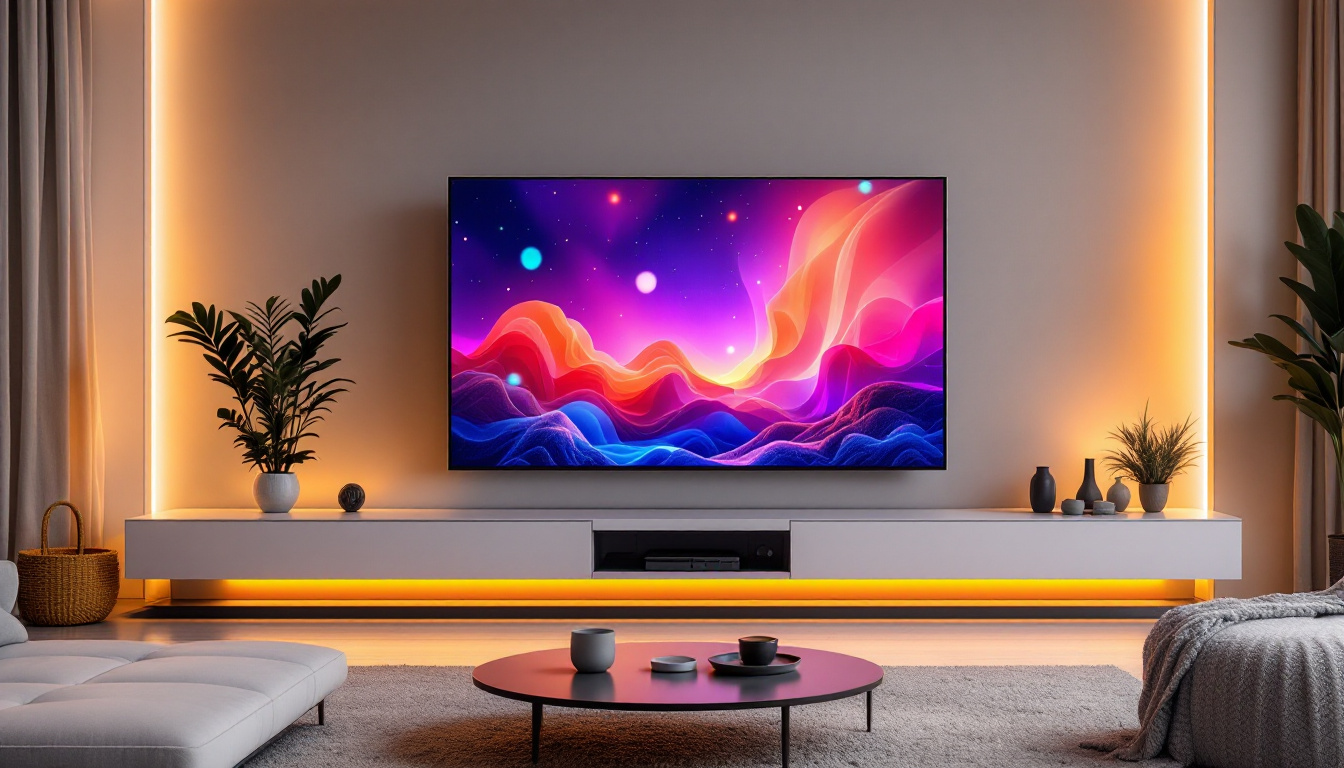
For home theaters and gaming setups, the ability to display deep blacks enhances immersion and visual fidelity. While OLED is often preferred, high-end LED TVs with mini-LED backlighting and advanced local dimming provide a compelling alternative, especially for users concerned about OLED burn-in.
Future Trends in LED Display Technology
The quest for better black levels and overall image quality continues to drive innovation in LED display technology.
Micro-LED Displays
Micro-LED technology represents the next frontier, combining the self-emissive benefits of OLED with the brightness and longevity of LED. Each micro-LED pixel emits its own light and can be turned off individually, enabling perfect blacks without the drawbacks of OLED.
Though still in early stages and costly, micro-LED displays promise exceptional contrast ratios and color accuracy, making them ideal for videos with black backgrounds.
Improved Local Dimming Algorithms
Software advancements are enhancing how local dimming zones are managed. Smarter algorithms can dynamically adjust dimming with greater precision, reducing blooming and improving black levels even on existing hardware.
Hybrid Display Technologies
Manufacturers are exploring hybrid solutions that combine LED backlighting with other technologies, such as mini-LED plus quantum dots or integrating OLED elements, to optimize black levels and brightness simultaneously.
Conclusion
Videos with black backgrounds pose unique challenges for LED displays, primarily due to backlight bleed and the difficulty of achieving true black levels. However, advancements in local dimming, mini-LED technology, and HDR support have significantly improved LED displays’ ability to render deep blacks and high contrast images.
While OLED currently leads in black level performance, high-end LED displays offer a bright, durable, and increasingly affordable alternative for a wide range of applications. Looking ahead, emerging technologies like micro-LED and smarter dimming algorithms promise to further close the gap, delivering stunning visuals for videos with black backgrounds and beyond.
Discover LumenMatrix’s Advanced LED Solutions
Ready to experience the pinnacle of black background video performance? LumenMatrix is at the forefront of LED display innovation, offering a diverse range of products that cater to your unique visual needs. From immersive Indoor and Outdoor LED Wall Displays to dynamic Vehicle and Sports LED Displays, our solutions are designed to captivate and engage. Embrace the future of visual communication with our All-in-One and Custom LED Displays, and see your message come to life with unparalleled clarity. Check out LumenMatrix LED Display Solutions today and transform your viewing experience.