In the rapidly evolving world of electronics, LED displays have become a cornerstone technology, powering everything from smartphones and televisions to massive outdoor billboards and stadium screens. Understanding how LED displays work, their advantages, and the various types available is essential for professionals, enthusiasts, and consumers alike. This article delves into the fundamentals of LED display technology, explores its applications, and highlights the latest advancements shaping the future of visual electronics.
What is an LED Display?
LED stands for Light Emitting Diode, a semiconductor device that emits light when an electric current passes through it. An LED display is a flat panel that uses an array of these tiny diodes to create images, videos, and text by controlling the light emitted from each diode.
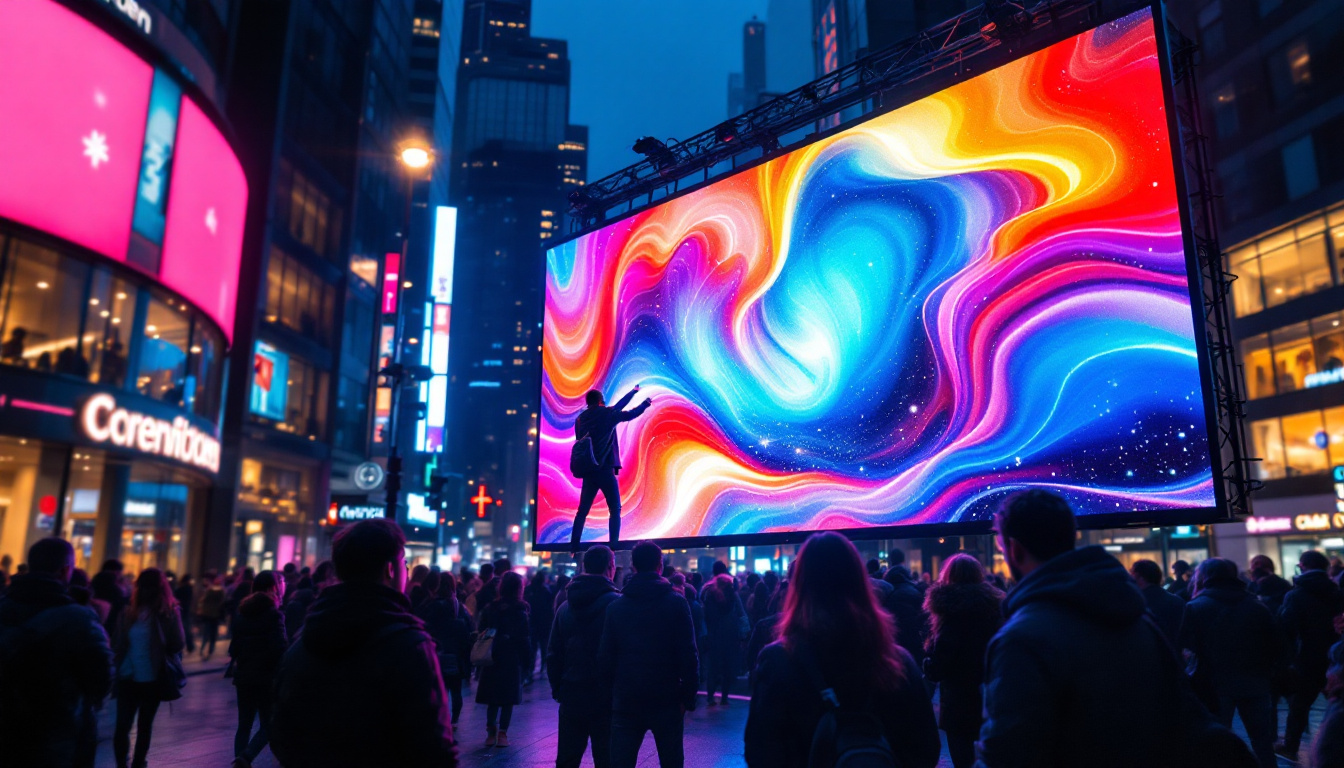
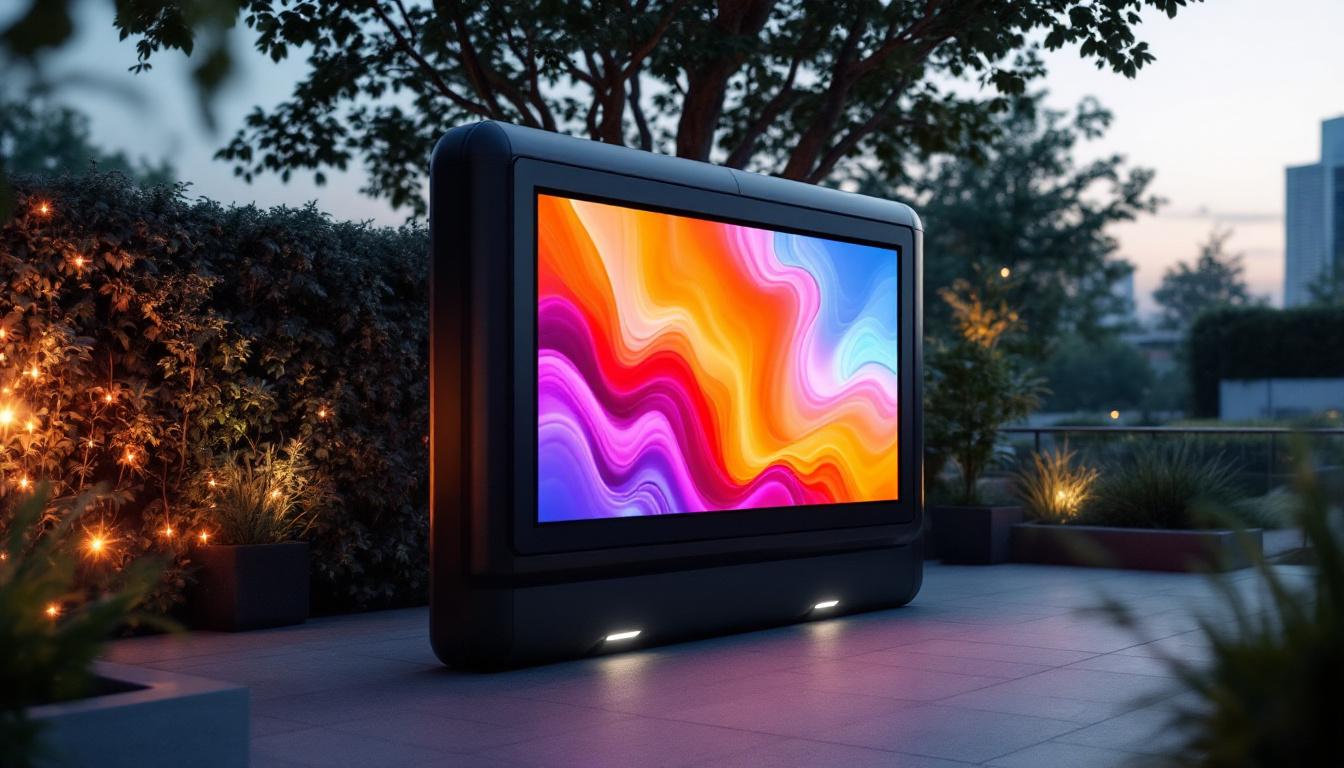
Unlike traditional display technologies such as LCD (Liquid Crystal Display) or plasma screens, LED displays rely on direct light emission. This fundamental difference allows LED displays to offer superior brightness, contrast, and energy efficiency, making them highly versatile for various environments and uses. They are particularly popular in outdoor settings, where their high luminance ensures visibility even in direct sunlight, making them ideal for billboards and large signage.
The Basic Structure of an LED Display
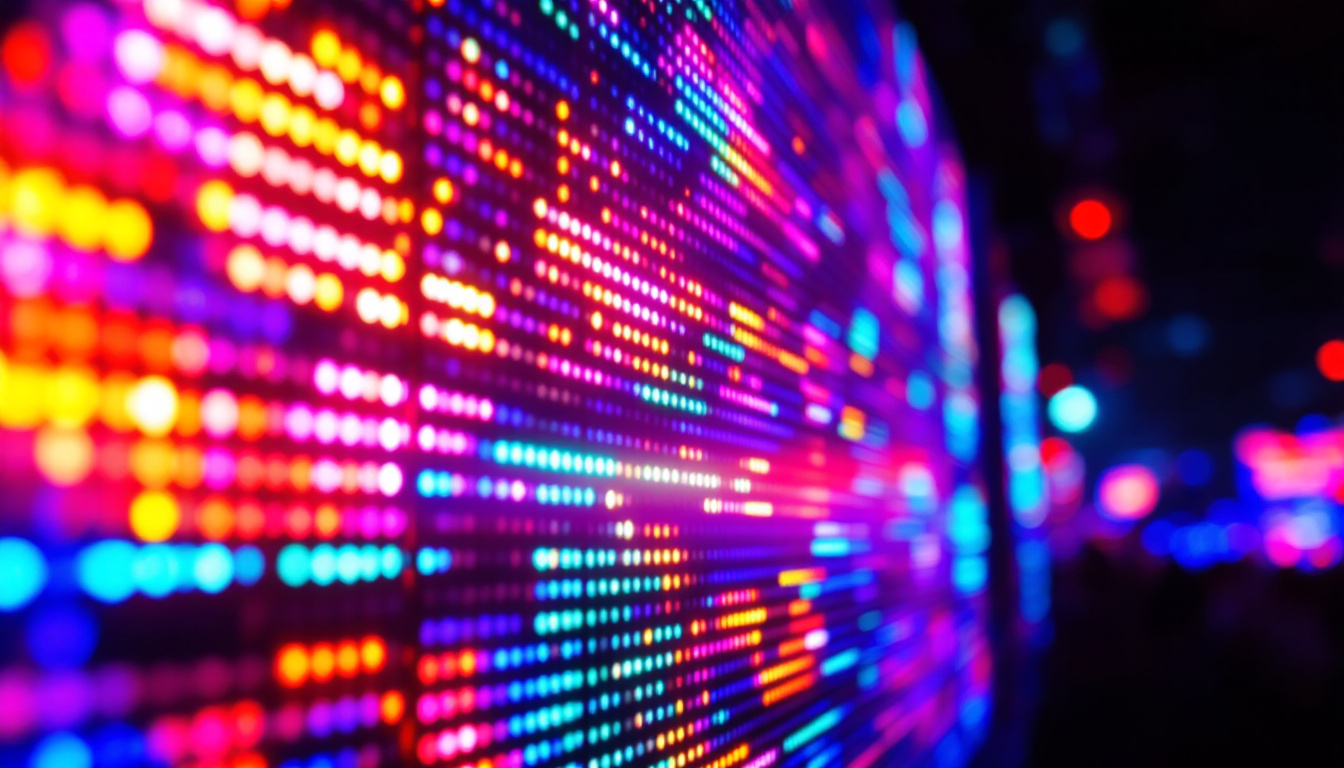
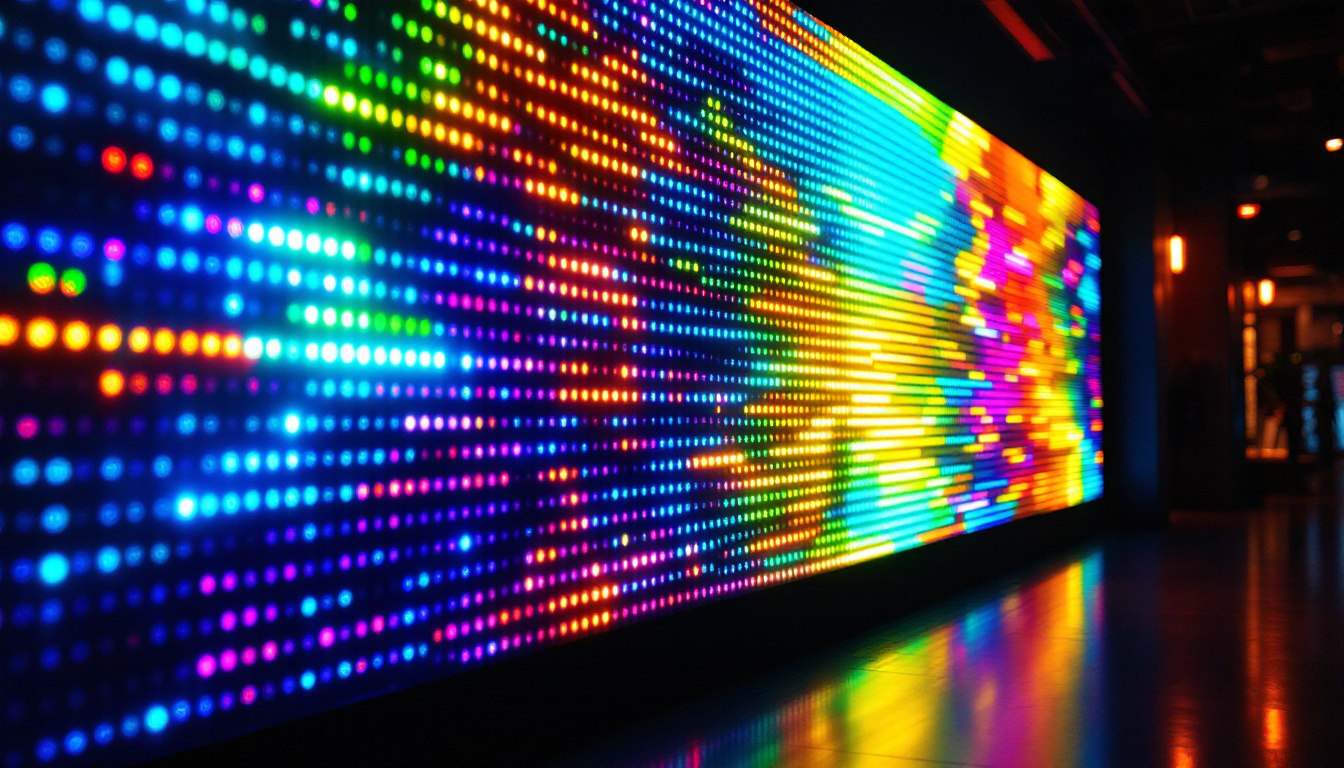
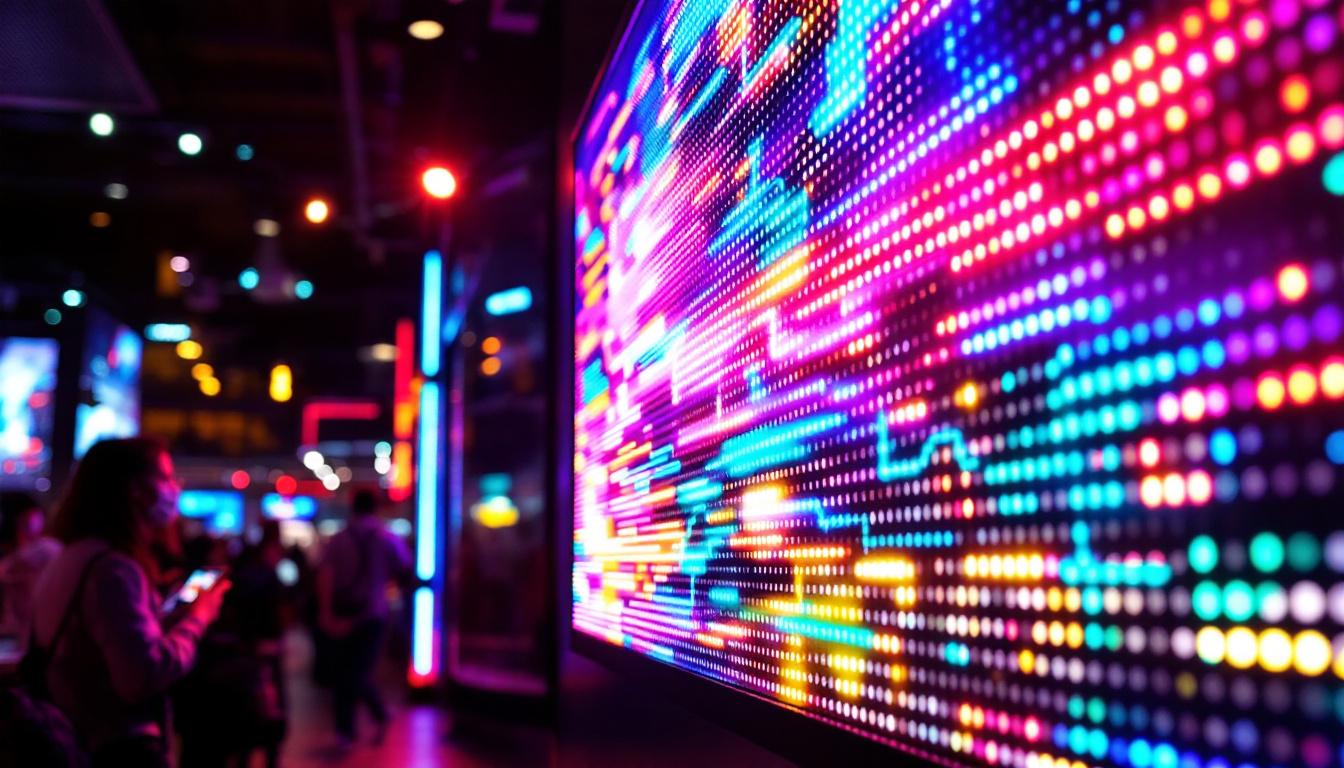
At its core, an LED display consists of thousands to millions of individual LEDs arranged in a matrix. Each LED represents a pixel or part of a pixel, and by adjusting the intensity and color of each diode, the display can render detailed images and videos. These LEDs are often grouped into clusters called pixels, which combine red, green, and blue diodes to produce a full spectrum of colors through additive color mixing.
The arrangement of these diodes can vary depending on the type of LED display. For instance, in a common configuration known as RGB, each pixel is made up of three diodes—red, green, and blue—that blend together to create a wide array of colors. This technology not only enhances the visual experience but also allows for dynamic content that can change in real-time, making LED displays a favorite in entertainment venues, sports arenas, and advertising. Furthermore, advancements in technology have led to the development of flexible LED displays, which can be bent and shaped to fit unconventional surfaces, opening up new avenues for creative design and installation.
Types of LED Displays
LED displays come in several forms, each optimized for different applications and environments. Understanding these types helps in selecting the right display technology for specific needs.
1. Direct View LED Displays
Direct view LED displays (DVLED) are composed of LEDs that emit light directly toward the viewer, without the need for a backlight. This category includes both indoor and outdoor displays, commonly used for digital billboards, stadium screens, and large video walls.
One of the key advantages of DVLED displays is their exceptional brightness, which can reach up to 5,000 nits or more, making them visible even in direct sunlight. Additionally, they offer wide viewing angles and vibrant color reproduction. These displays are particularly effective in high-traffic areas where visibility is crucial, such as shopping malls and public transport stations. The modular nature of DVLED technology also allows for flexible configurations, enabling designers to create unique shapes and sizes tailored to specific advertising or informational needs.
2. LED-Backlit LCD Displays
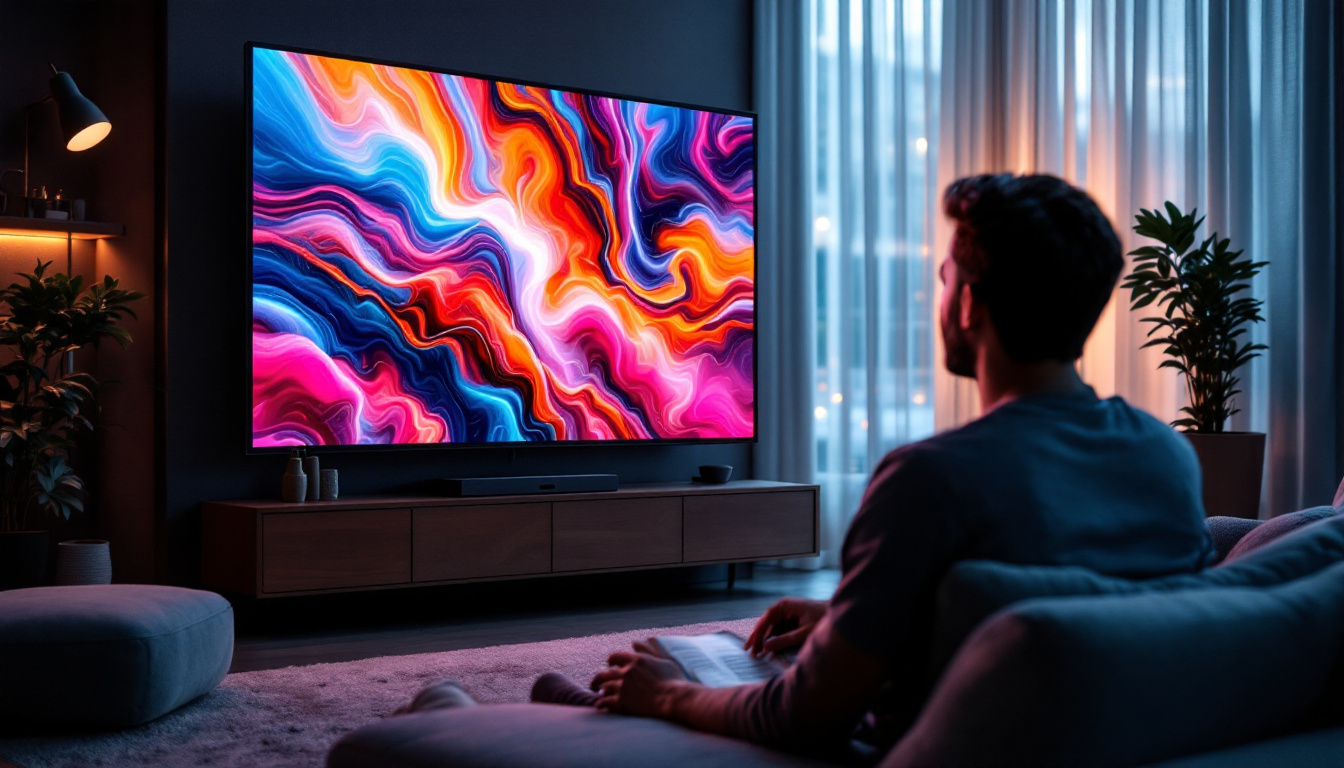
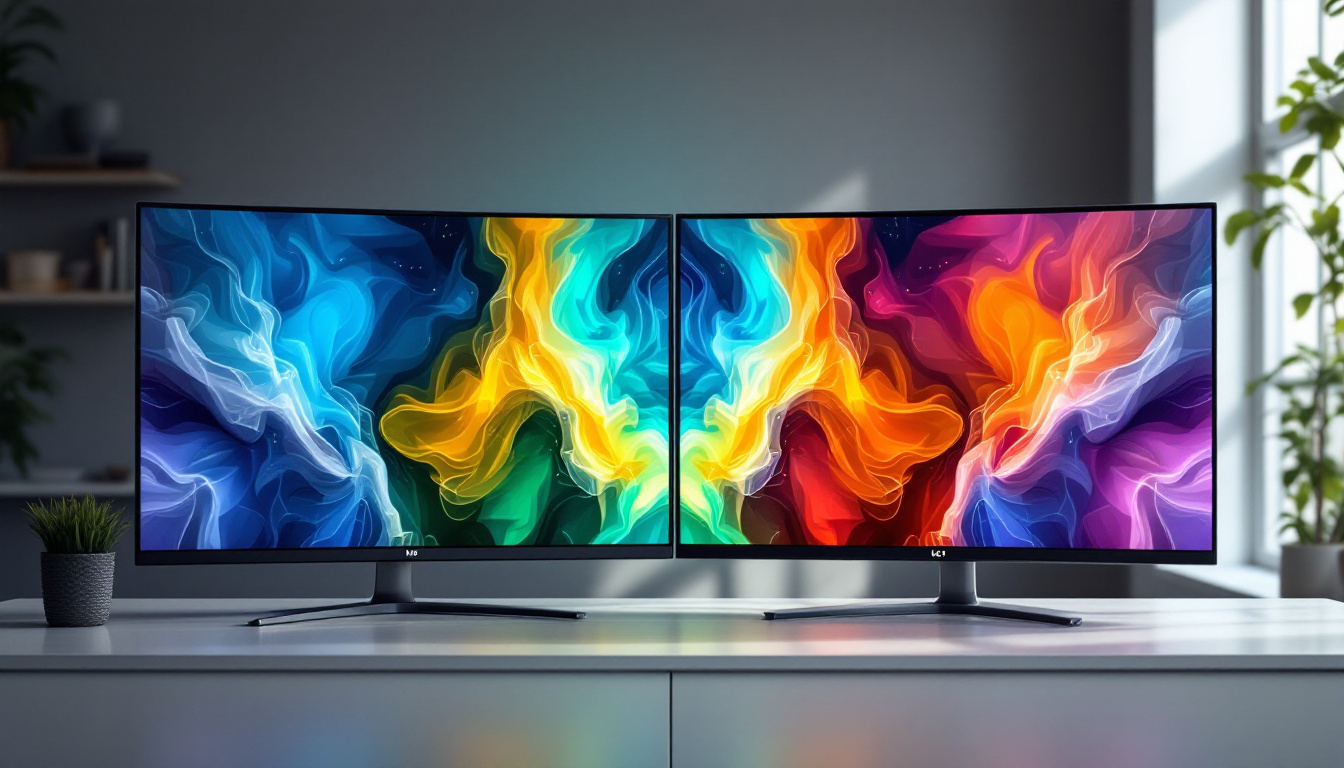
Many modern LCD screens use LEDs as a backlight source rather than traditional fluorescent lamps. These LED-backlit LCDs benefit from improved energy efficiency, thinner panel designs, and better color accuracy. This technology is prevalent in smartphones, laptops, televisions, and monitors.
While the LEDs in this type of display do not emit light directly to form images, their role in enhancing the LCD’s performance is critical and has contributed significantly to the widespread adoption of LED technology in consumer electronics. Moreover, advancements in local dimming technology have further enhanced the contrast ratios of LED-backlit LCDs, allowing for deeper blacks and more vibrant colors. This has made them a popular choice for home entertainment systems, where picture quality is paramount, and has led to innovations such as edge-lit and full-array backlighting techniques that cater to different user preferences and viewing environments.
3. MicroLED Displays
MicroLED is an emerging technology that uses microscopic LEDs to create displays with even higher resolution, brightness, and energy efficiency than traditional LED or OLED screens. Each pixel in a MicroLED display is a tiny LED, allowing for precise control over light and color.
MicroLED displays are gaining attention for applications requiring ultra-high definition and durability, such as augmented reality (AR) devices, wearable technology, and next-generation televisions. Although still in the early stages of commercialization, MicroLED promises to revolutionize display technology in the coming years. Additionally, because MicroLEDs do not suffer from burn-in issues like OLEDs, they offer a more reliable option for applications that require static images to be displayed for extended periods. The scalability of MicroLED technology also means that it can be adapted for various sizes and resolutions, from small wearable screens to massive outdoor displays, making it a versatile choice for future innovations in the display market.
How LED Displays Work
LED displays operate by controlling the electrical current sent to each diode, which in turn controls the light intensity and color emitted. This process involves several key components and principles.
Pixel Composition and Color Mixing
Each pixel in an LED display typically consists of three sub-pixels: red, green, and blue LEDs. By varying the brightness of each sub-pixel, the display can produce millions of colors through additive color mixing. This RGB model is fundamental to how digital displays reproduce the full spectrum of visible colors.
Driving Circuits and Refresh Rates
LED displays use driver circuits to manage the flow of electricity to each LED. These circuits rapidly switch LEDs on and off or adjust their brightness thousands of times per second, creating the illusion of continuous images. The refresh rate, measured in hertz (Hz), indicates how many times per second the display updates its image. Higher refresh rates result in smoother motion and reduced flicker, which is especially important for video playback and gaming.
Pixel Pitch and Resolution
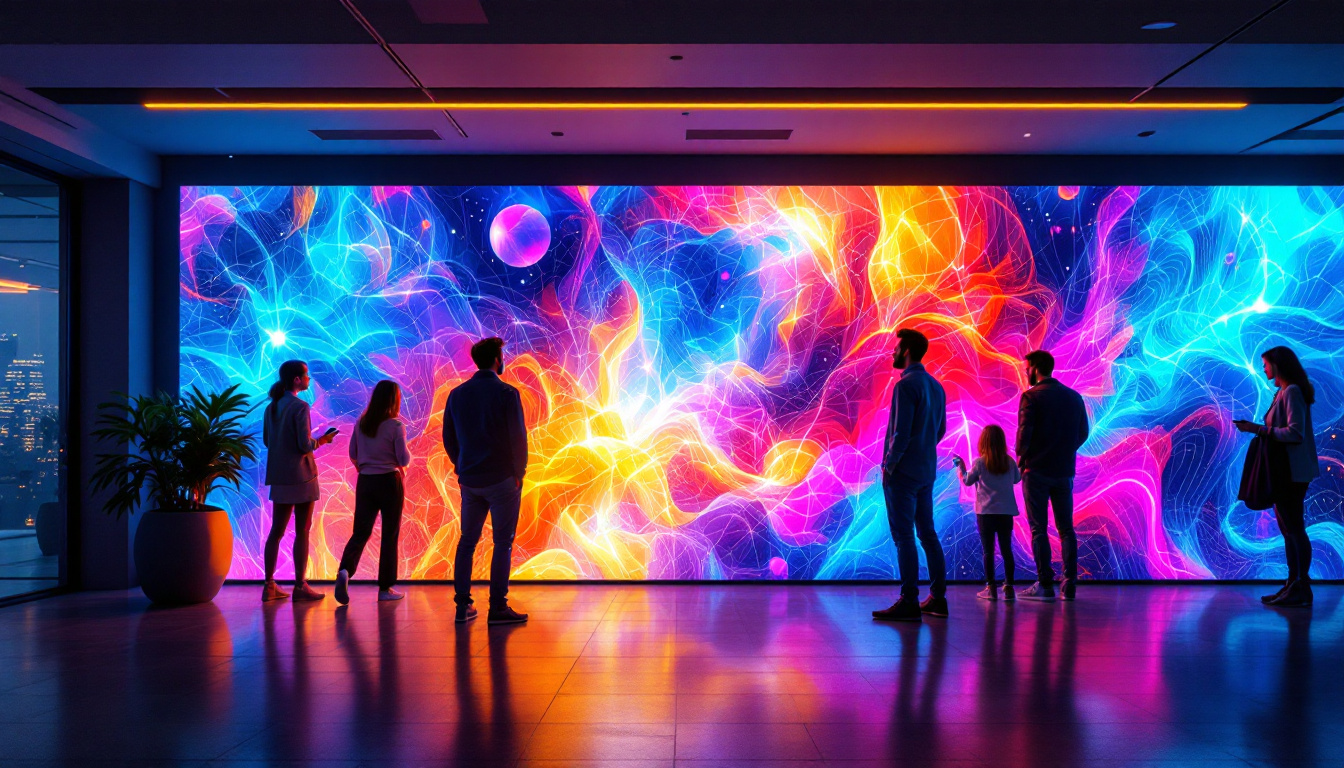
Pixel pitch refers to the distance between the centers of adjacent pixels, usually measured in millimeters. A smaller pixel pitch means more pixels per unit area, resulting in higher resolution and sharper images. For example, indoor LED displays often have pixel pitches as small as 0.9 mm, suitable for close viewing distances, while outdoor displays may have pitches of 10 mm or more, optimized for visibility from afar.
Advantages of LED Displays
LED displays offer several benefits that have driven their widespread adoption across industries.
Energy Efficiency
Compared to traditional display technologies, LED displays consume significantly less power. This efficiency not only reduces operational costs but also aligns with growing environmental concerns and sustainability goals. For instance, LED-backlit LCDs use up to 30% less energy than their fluorescent-backlit counterparts.
Brightness and Visibility
LED displays can achieve extremely high brightness levels, making them ideal for outdoor use where sunlight can wash out other types of screens. Their ability to maintain vivid colors and contrast under various lighting conditions ensures clear visibility and impactful messaging.
Durability and Longevity
LEDs have a long operational lifespan, often exceeding 50,000 hours of use. They are also more resistant to shock and vibration compared to fragile LCD or plasma panels, making them suitable for rugged environments and continuous operation.
Design Flexibility
LED technology allows for innovative display designs, including curved, flexible, and transparent screens. This flexibility opens new possibilities for architects, advertisers, and product designers to integrate displays seamlessly into diverse environments.
Applications of LED Displays
The versatility of LED displays has led to their integration into a wide range of applications across multiple sectors.
Advertising and Digital Signage
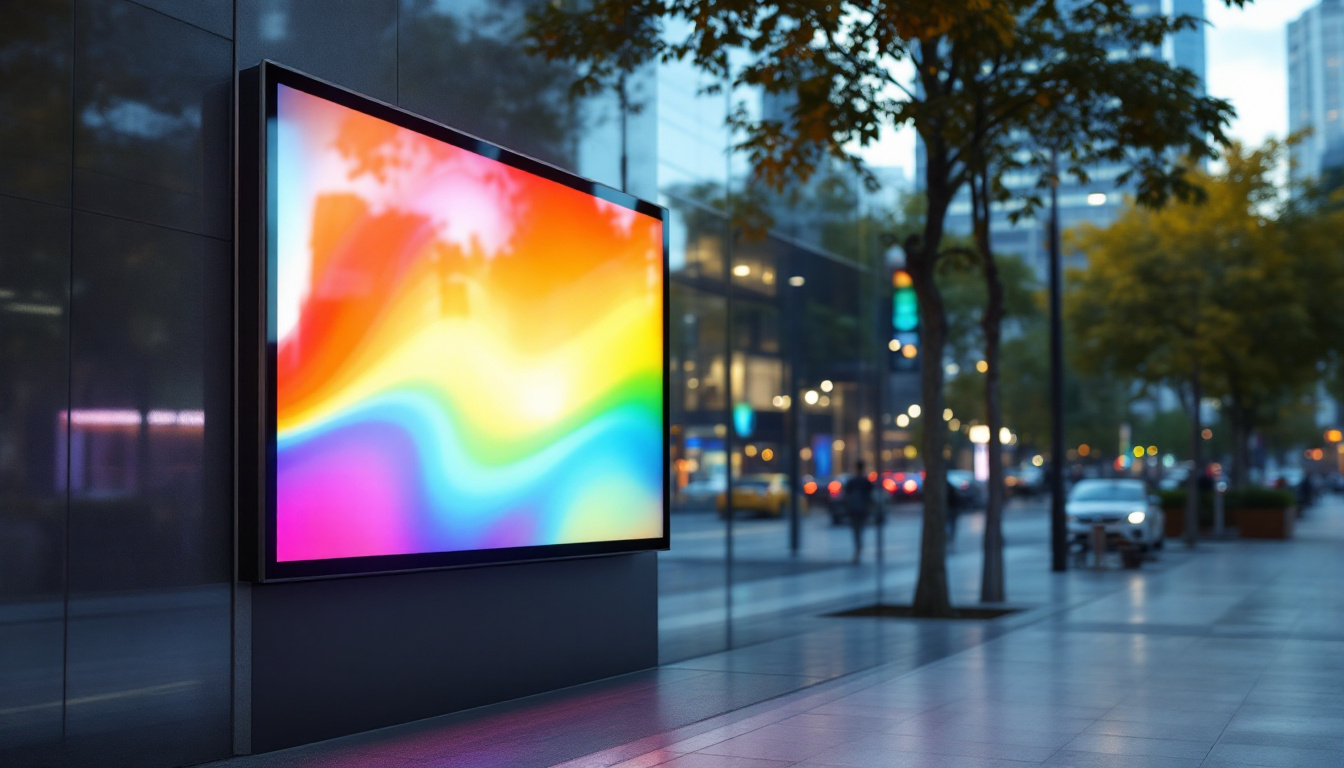
One of the most visible uses of LED displays is in advertising. Digital billboards and signage leverage the brightness and dynamic content capabilities of LEDs to capture attention and convey messages effectively. According to recent market reports, the global digital signage market is expected to grow at a compound annual growth rate (CAGR) of over 8% through 2028, driven largely by LED technology advancements.
Entertainment and Sports Venues
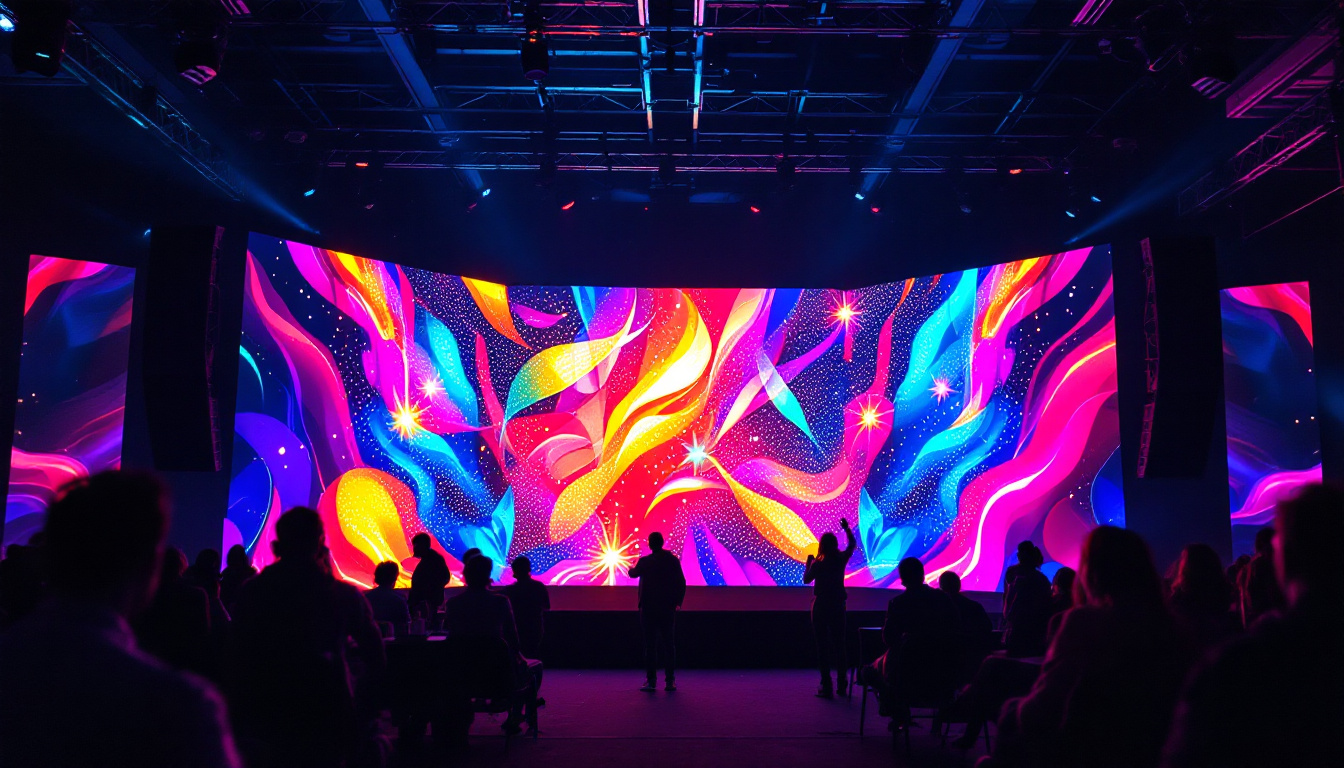
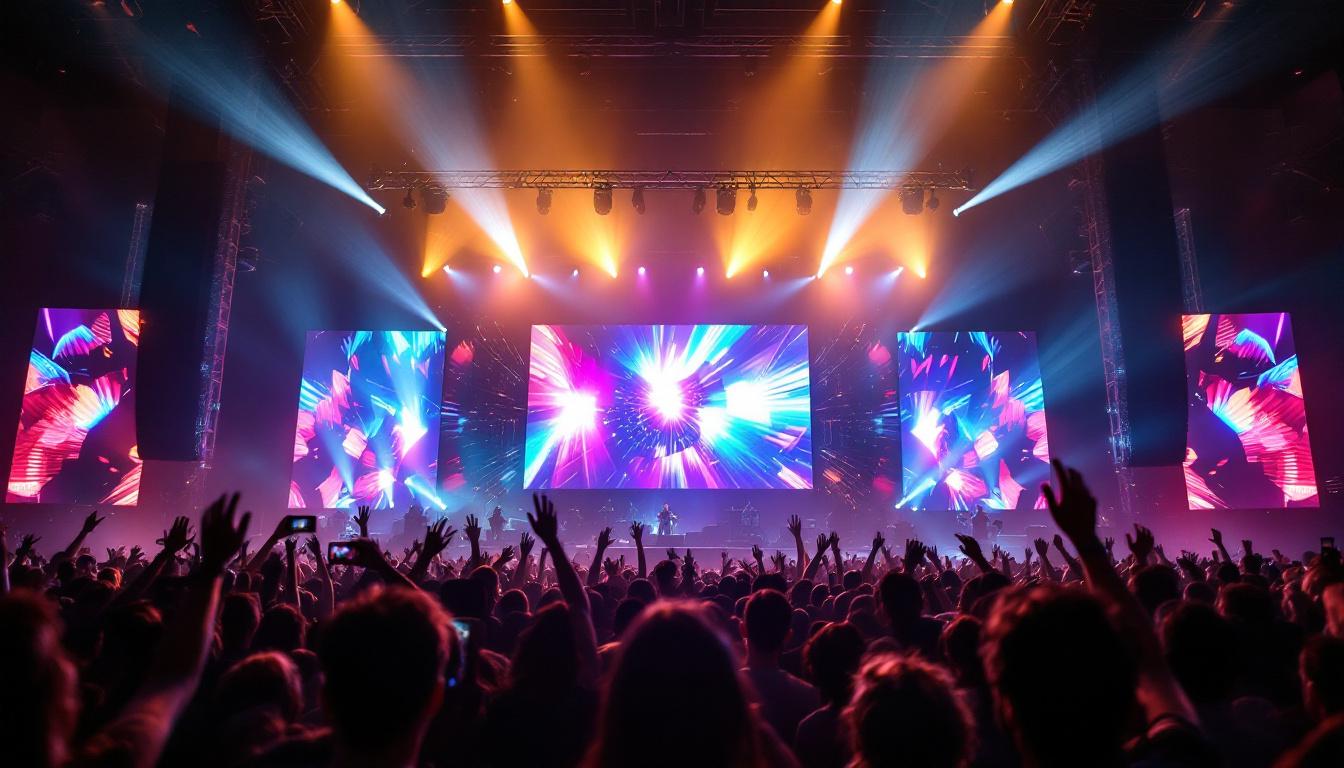
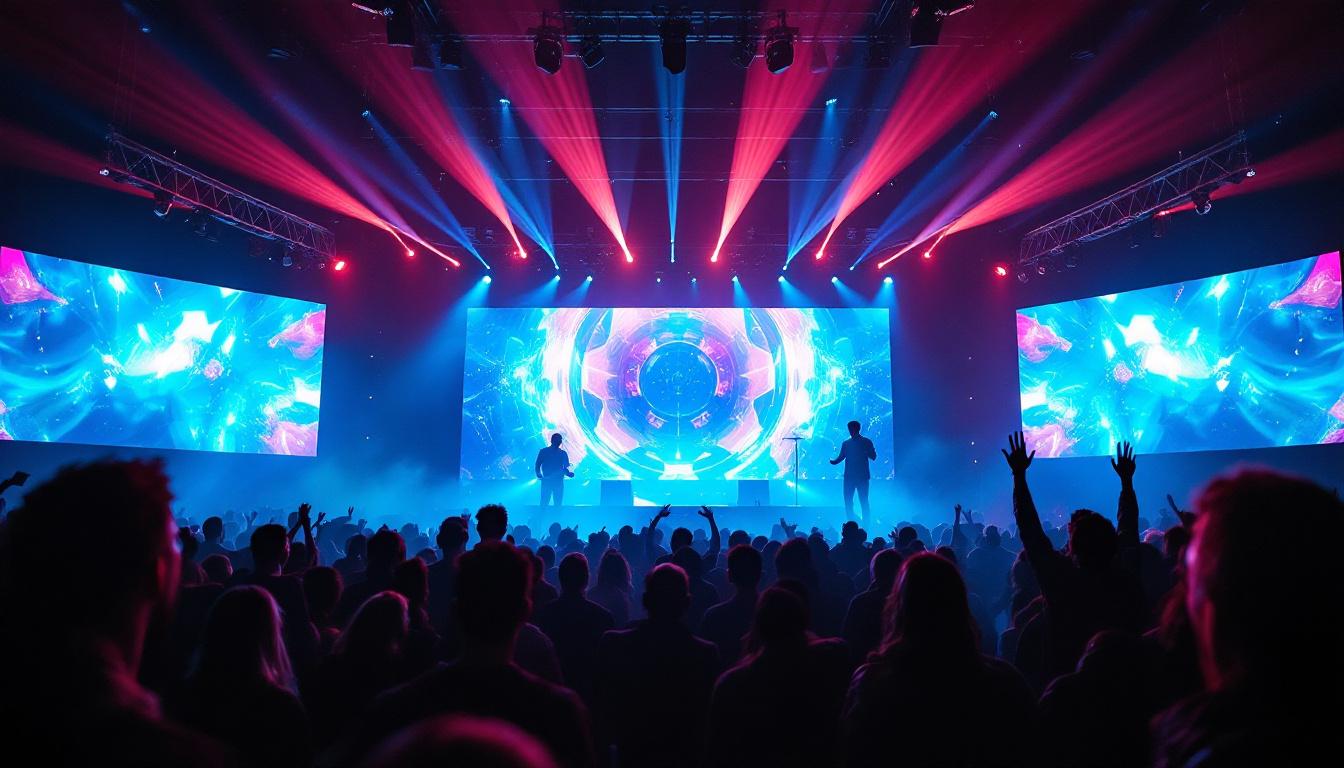
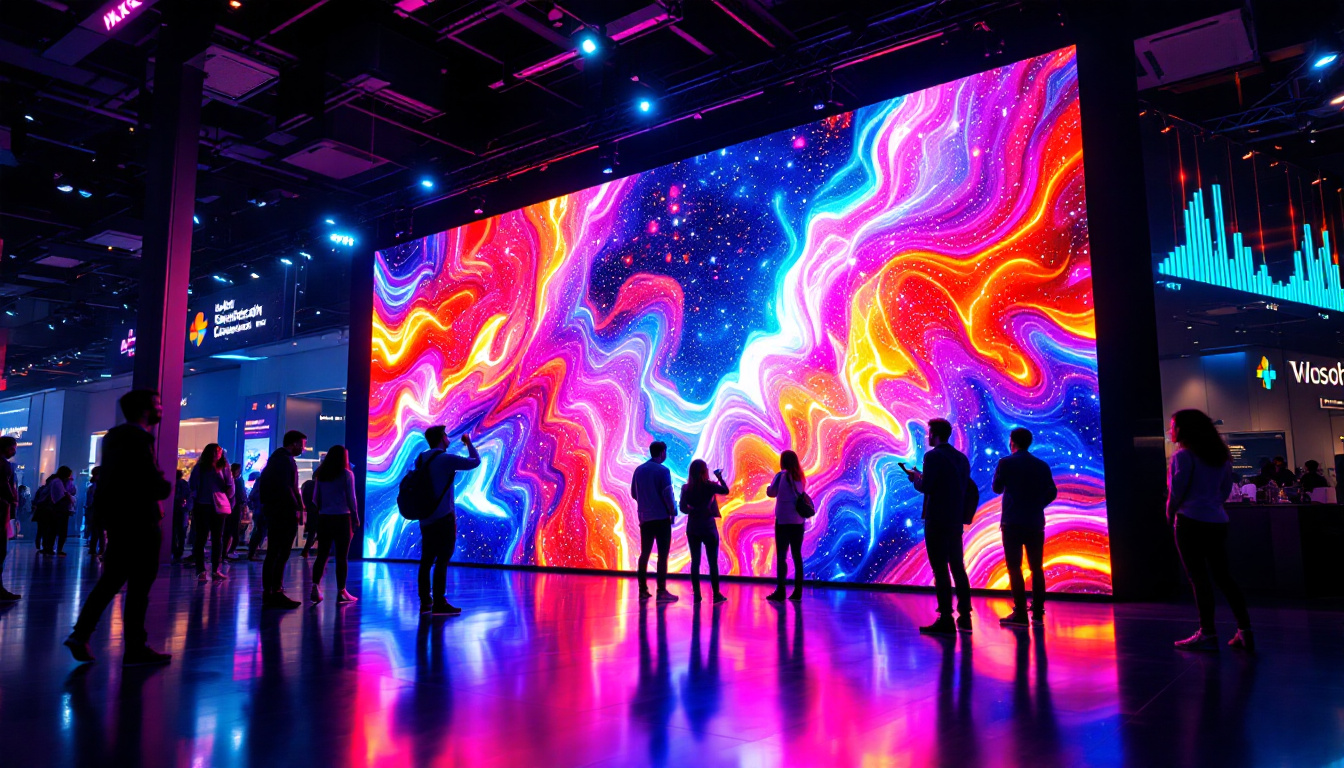
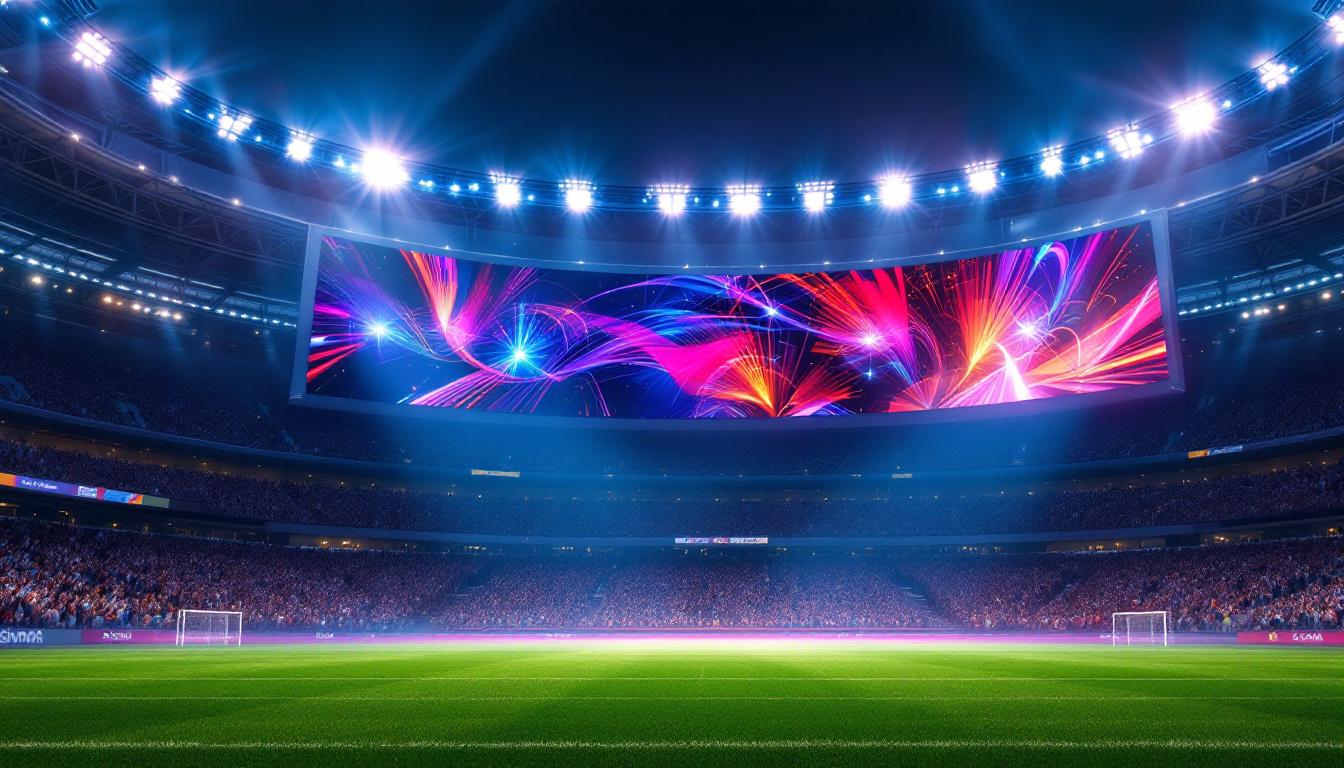
Stadiums, concert halls, and theaters use large-format LED displays to enhance the spectator experience. These screens provide real-time video, replays, and interactive content, engaging audiences and creating immersive environments.
Consumer Electronics
From smartphones and tablets to televisions and computer monitors, LED technology plays a crucial role in delivering high-quality visual experiences. Innovations like OLED and MicroLED displays continue to push the boundaries of color accuracy, contrast, and energy efficiency in personal devices.
Transportation and Public Information
LED displays are increasingly used in public transportation systems, airports, and train stations to provide real-time information, schedules, and alerts. Their reliability and visibility make them ideal for critical communication in busy environments.
Emerging Trends and Future Outlook
The LED display industry continues to evolve rapidly, driven by technological innovation and changing consumer demands.
Integration with Smart Technologies
Smart LED displays equipped with sensors and connectivity enable interactive and adaptive content. For example, digital signage can adjust brightness based on ambient light or display targeted advertisements using AI-driven analytics.
Advancements in MicroLED and MiniLED
MicroLED and MiniLED technologies are set to redefine display performance. MiniLED, which uses thousands of tiny LEDs as a backlight for LCD panels, offers improved contrast and black levels, while MicroLED’s self-emissive pixels promise unparalleled brightness and color precision without burn-in issues common to OLEDs.
Sustainability and Eco-Friendly Manufacturing
As environmental concerns grow, manufacturers are focusing on reducing the ecological footprint of LED displays. This includes using recyclable materials, improving energy efficiency, and extending product lifecycles through modular designs and easy repairability.
Conclusion
LED displays have transformed the way information and entertainment are presented across the globe. Their superior brightness, energy efficiency, and versatility make them indispensable in a variety of applications, from massive outdoor billboards to the screens in handheld devices. As emerging technologies like MicroLED mature, the future promises even more remarkable advancements in display quality and functionality.
For businesses and consumers alike, understanding the nuances of LED display technology is crucial to making informed decisions, whether investing in advertising solutions, upgrading consumer electronics, or exploring new digital experiences. With continuous innovation, LED displays will remain at the forefront of visual technology for years to come.
Discover LumenMatrix’s Innovative LED Display Solutions
Ready to elevate your visual experience with the latest in LED display technology? Look no further than LumenMatrix, a pioneer in crafting state-of-the-art LED displays that bring your brand to life. From vibrant Indoor and Outdoor LED Wall Displays to dynamic Vehicle and Sports LED Displays, LumenMatrix offers a comprehensive range of solutions tailored to your unique needs. Immerse your audience with captivating Floor LED Displays, Custom configurations, All-in-One solutions, and Transparent Displays. Embrace the future of visual communication with LumenMatrix and make a lasting impression. Check out LumenMatrix LED Display Solutions today and transform your space into a beacon of innovation and engagement.