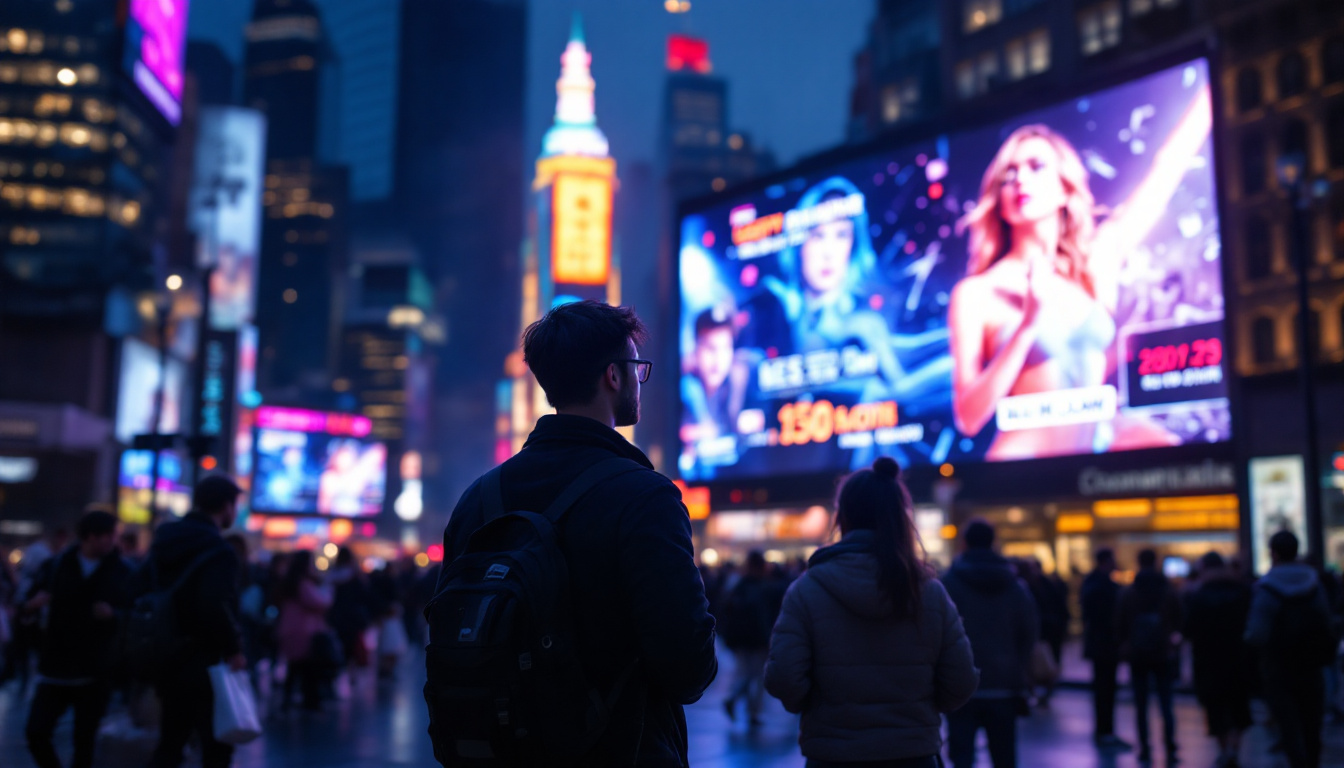
In an increasingly digital world, outdoor monitor screens have become an essential tool for businesses, events, and public spaces. These LED displays not only enhance visibility but also provide dynamic content that can engage audiences in real-time. This article delves into the intricacies of outdoor monitor screens, focusing on LED technology, their applications, and the advantages they offer.
Understanding LED Technology
Light Emitting Diodes (LEDs) are semiconductor devices that emit light when an electric current passes through them. This technology has revolutionized the display industry, particularly in outdoor settings where visibility and durability are paramount. The transition from traditional lighting to LED technology has not only enhanced the quality of visual displays but has also paved the way for more sustainable practices in lighting and advertising.
How LEDs Work
LEDs consist of a chip made from a combination of materials that produce light when energized. Unlike traditional bulbs, LEDs are highly efficient, converting a significant portion of energy into visible light. This efficiency not only reduces energy costs but also contributes to a longer lifespan, making them ideal for outdoor use. Additionally, the low heat output of LEDs minimizes the risk of overheating, which is particularly beneficial in outdoor installations where temperature fluctuations can be extreme.
Types of LED Displays
There are various types of LED displays tailored for outdoor environments. The most common include:
- Direct View LED: These displays consist of individual LED modules that can be arranged to form large screens. They are known for their brightness and clarity, making them suitable for high-traffic areas such as highways and city centers.
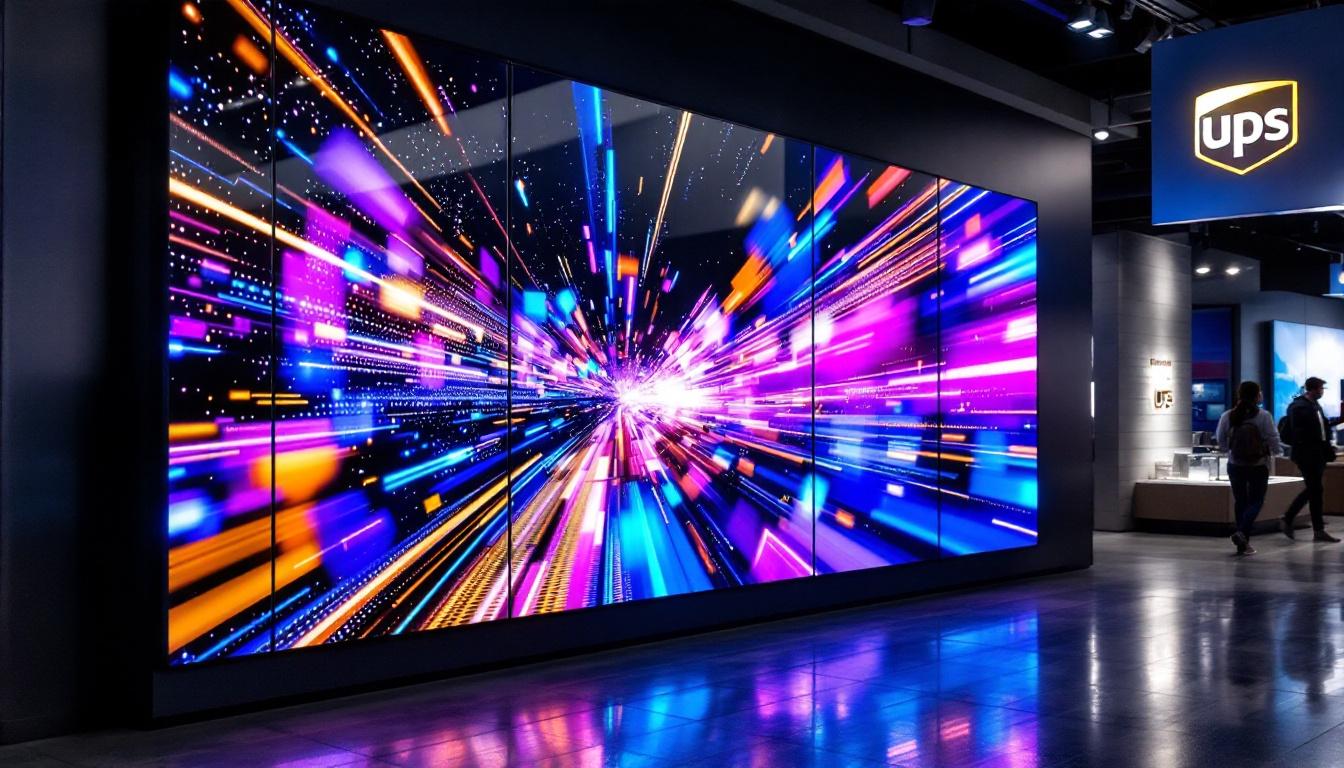
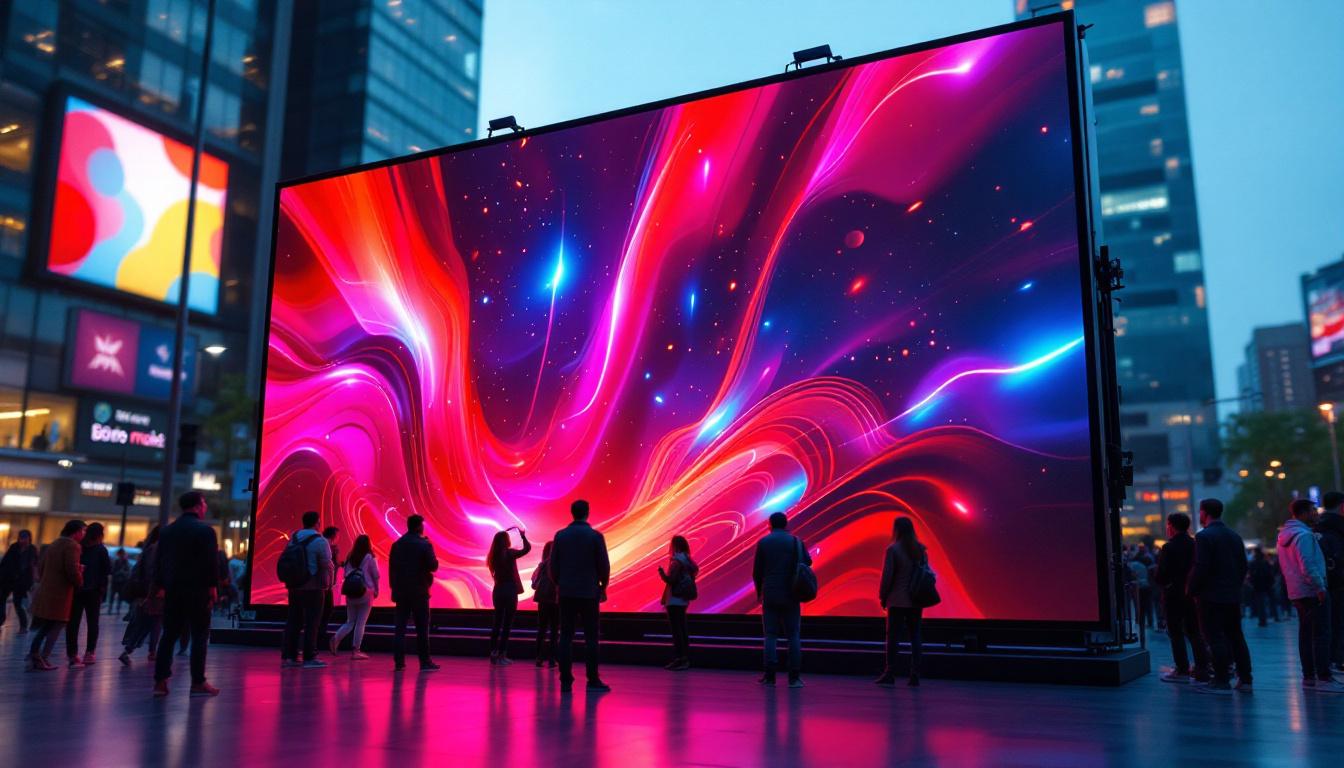
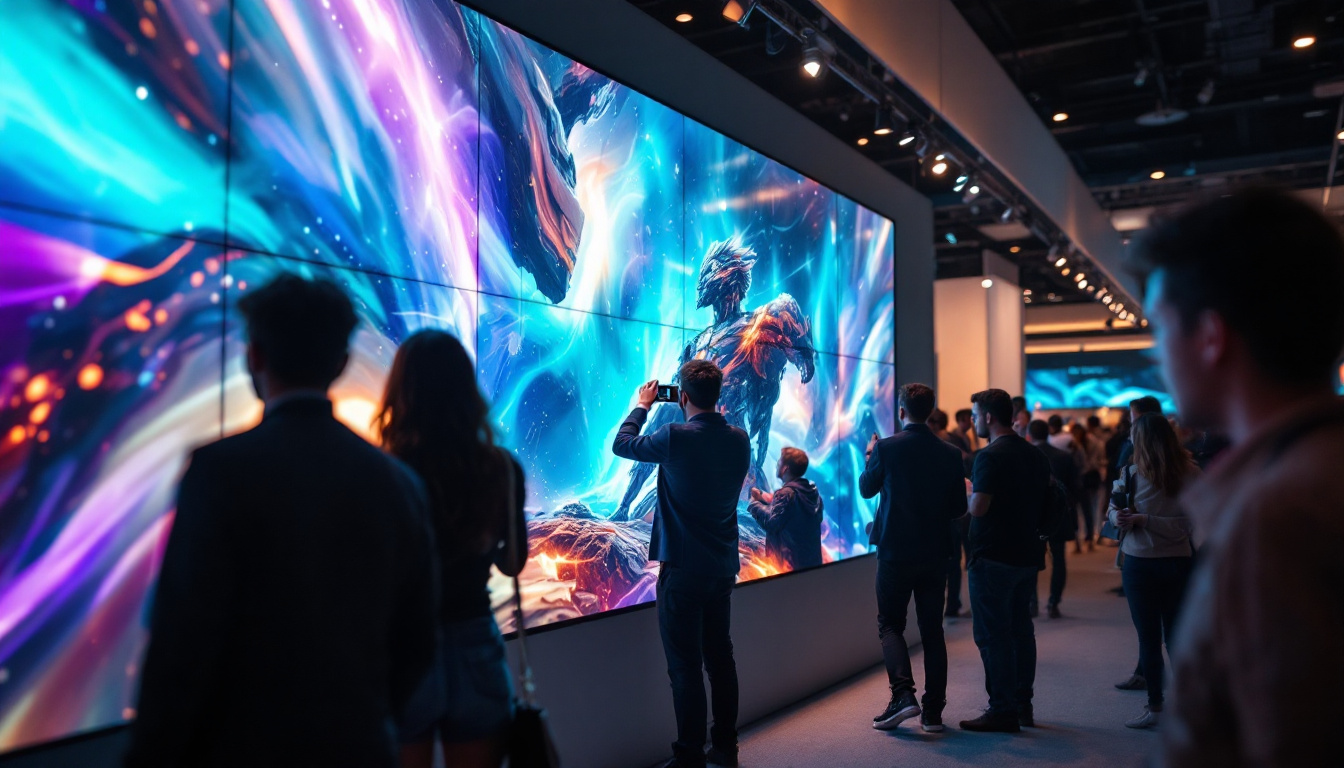
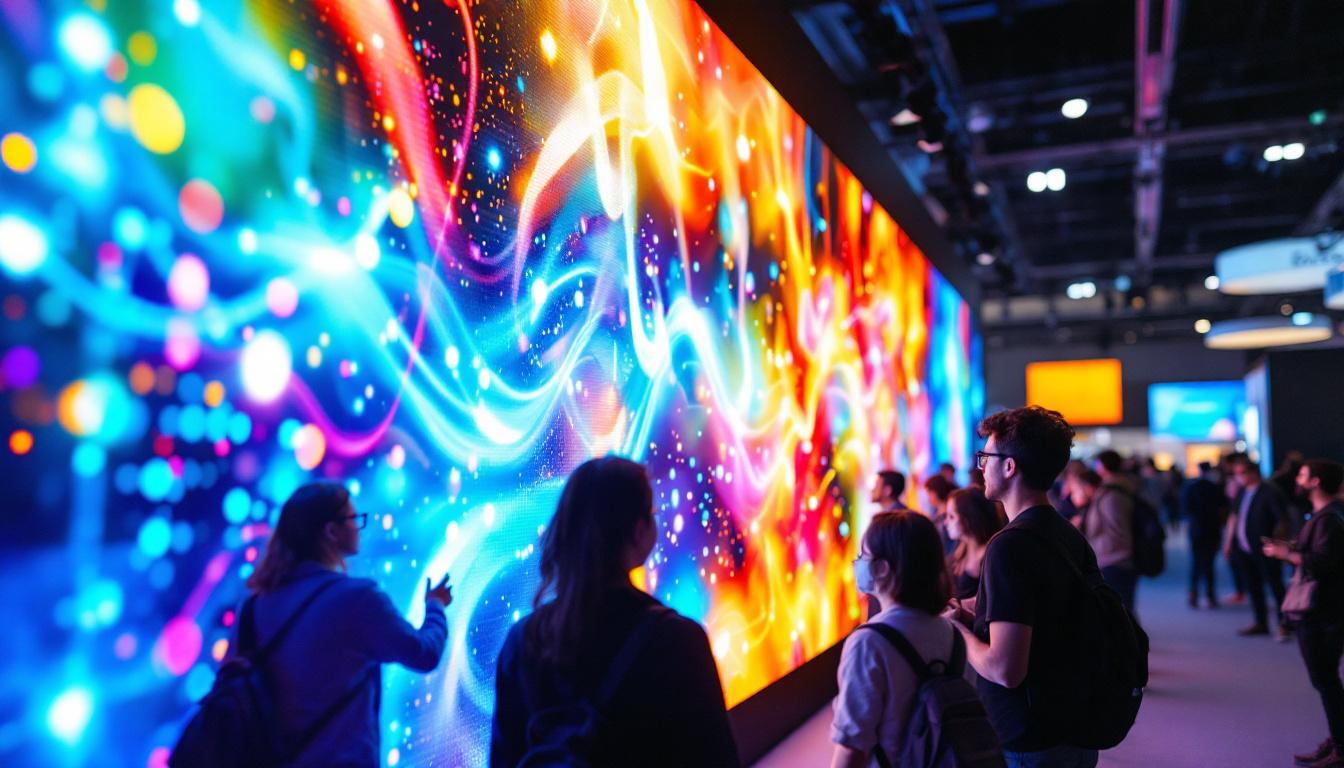
- LED Video Walls: Composed of multiple smaller screens, video walls can create stunning visuals and are often used for concerts, sporting events, and large gatherings. Their modular design allows for flexible configurations, enabling event organizers to customize the display size and shape according to their specific needs.
- Transparent LED Displays: These innovative displays allow light to pass through, making them perfect for storefronts while still providing advertising opportunities. They create an eye-catching effect that can attract potential customers while maintaining visibility into the store, blending functionality with aesthetic appeal.
Moreover, the advancements in LED technology have led to the development of smart LED displays that can be controlled remotely. These displays can change content dynamically based on time of day, audience demographics, or even weather conditions, providing a highly adaptable advertising solution. This flexibility not only enhances engagement but also allows businesses to maximize their advertising impact by delivering the right message at the right time.
Furthermore, the integration of LED technology with IoT (Internet of Things) capabilities is transforming how we interact with digital signage. Sensors can be embedded within LED displays to gather data on viewer interactions, enabling businesses to tailor their content more effectively. This data-driven approach not only optimizes advertising strategies but also enhances the overall user experience, making LED displays a vital component of modern marketing and communication strategies.
Applications of Outdoor LED Displays
Outdoor LED displays are versatile and can be found in various settings, each serving unique purposes. Their adaptability makes them a popular choice across different industries.
Advertising and Marketing
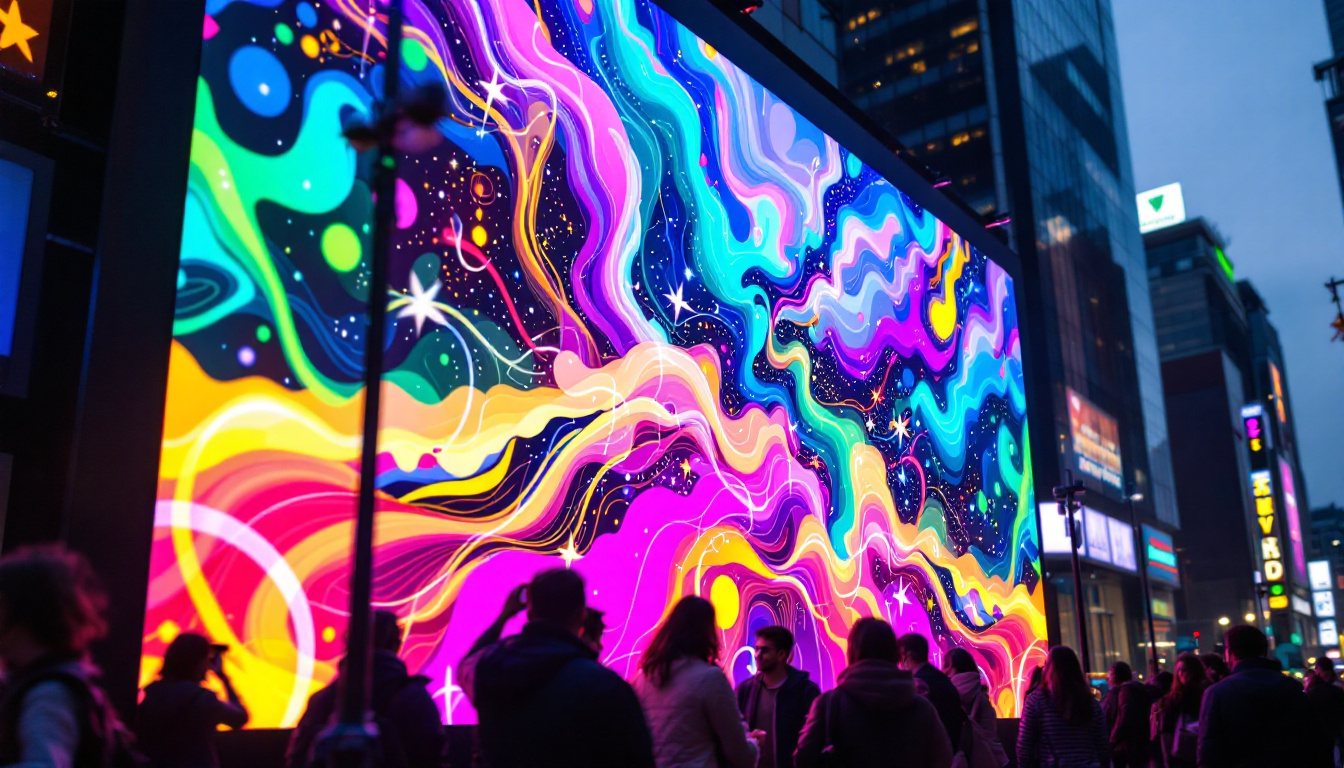
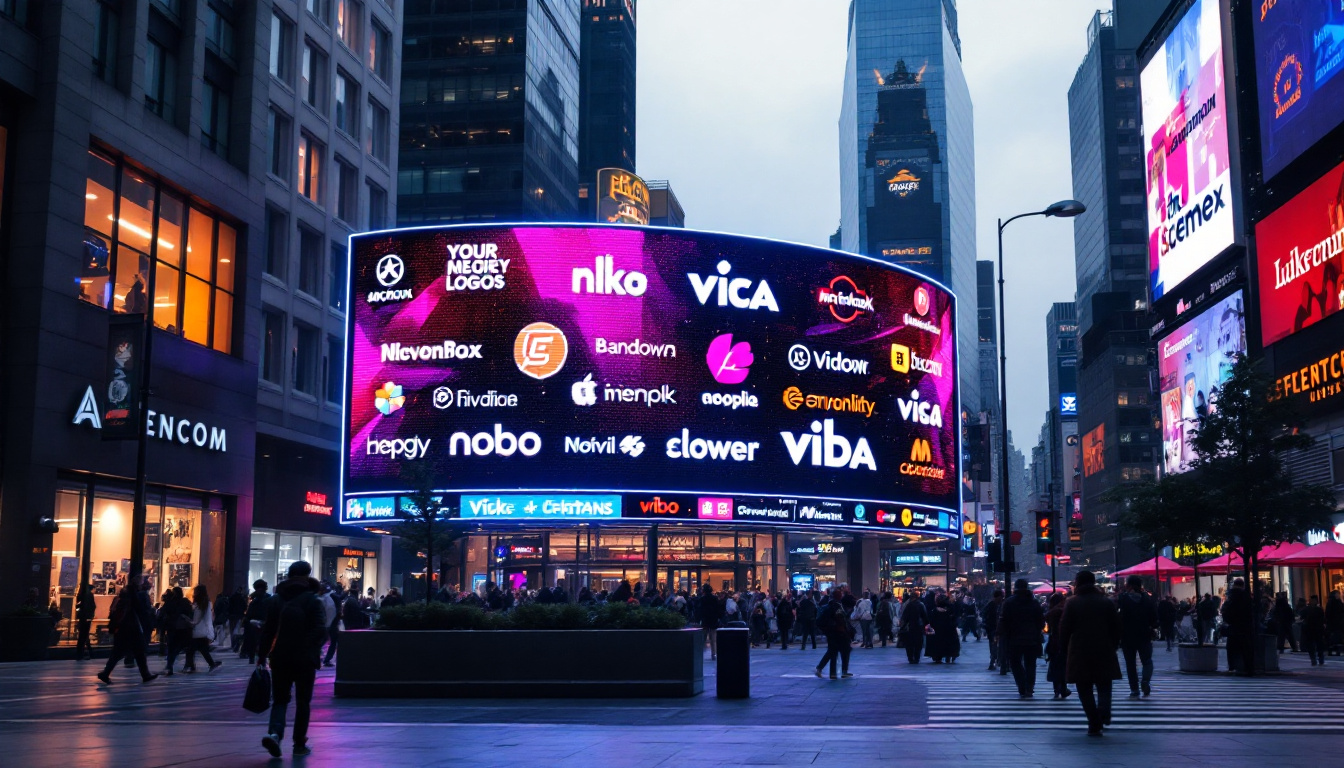
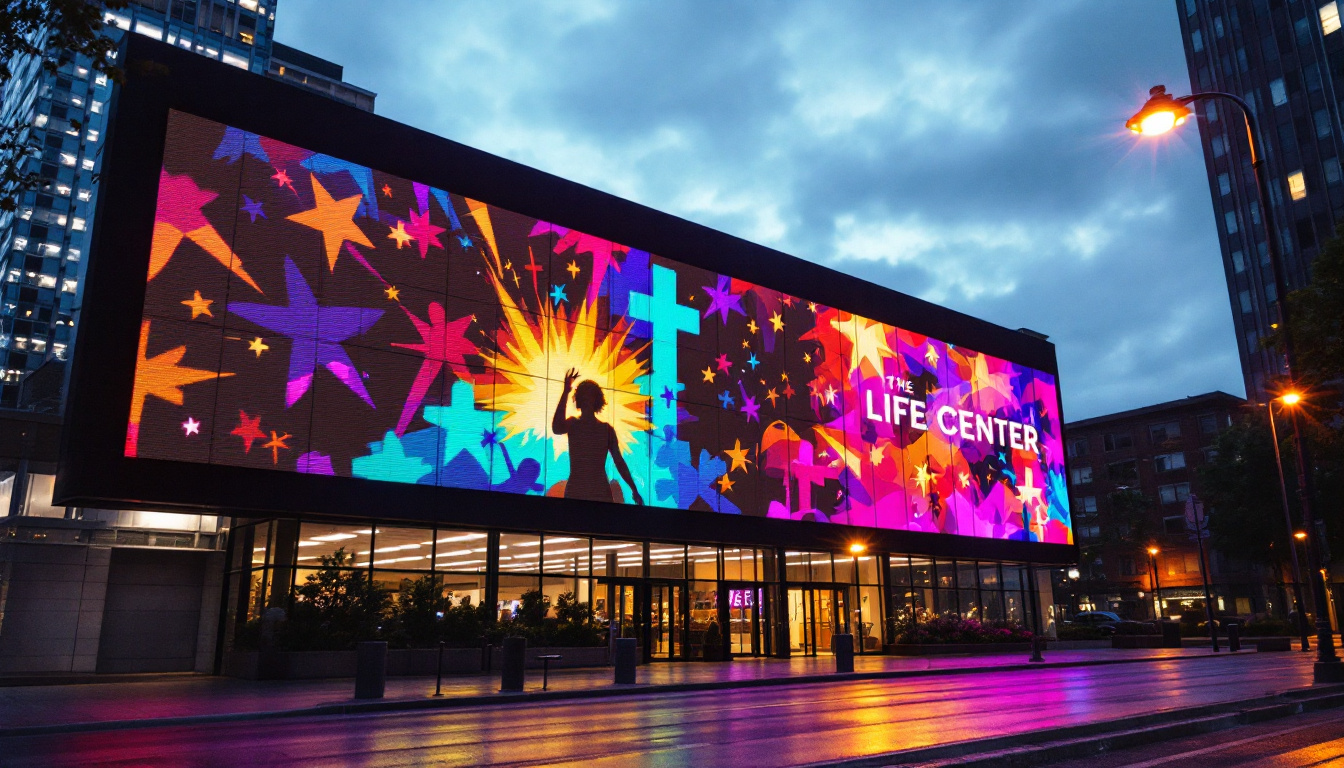
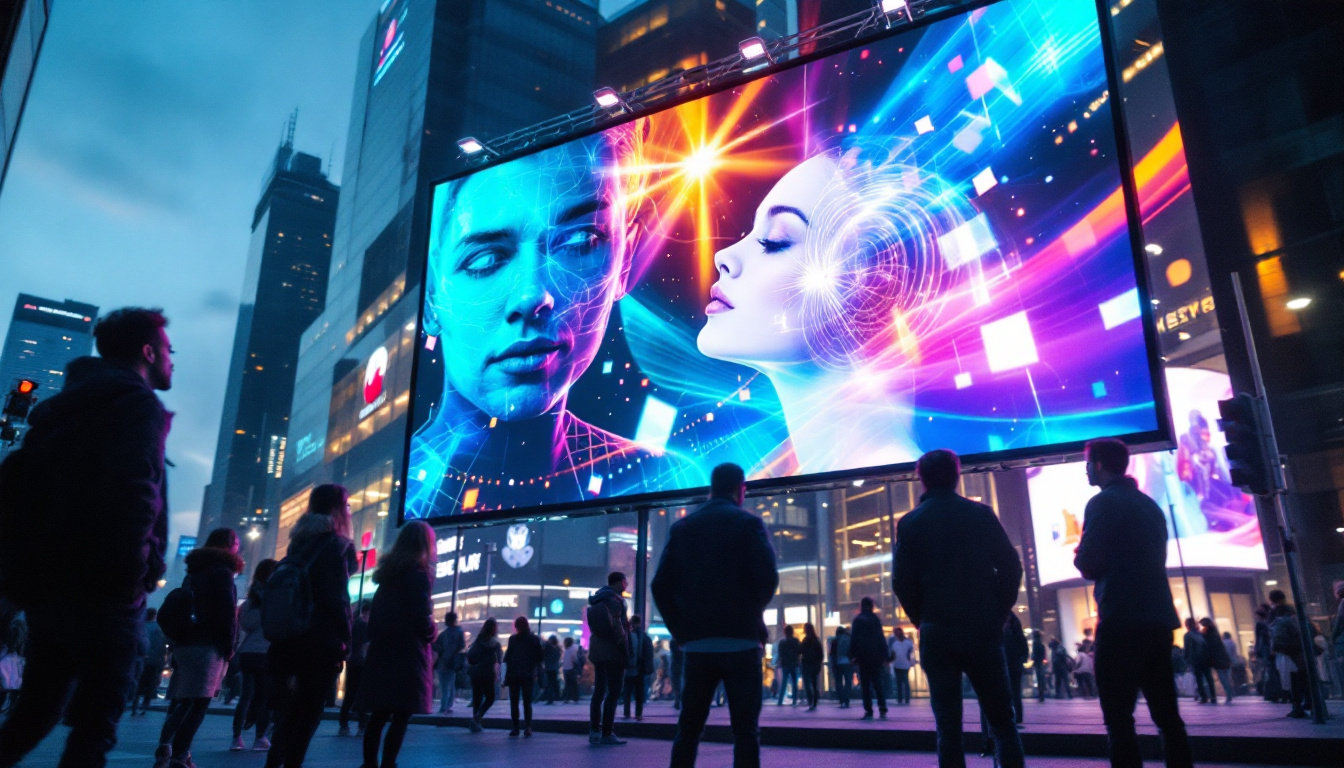
One of the primary applications of outdoor LED displays is in advertising. Businesses utilize these screens to showcase promotions, new products, and brand messages. The ability to change content quickly allows for real-time marketing strategies that can attract and engage potential customers.
Moreover, outdoor LED displays can be strategically placed in high-traffic areas, ensuring maximum visibility. This capability enhances brand awareness and can significantly increase foot traffic to physical locations. The dynamic nature of LED displays also allows for creative content, such as animations and videos, which can capture attention more effectively than static billboards. As technology advances, advertisers are increasingly leveraging data analytics to tailor their messages based on audience demographics and behaviors, making outdoor LED advertising even more impactful.
Event Management
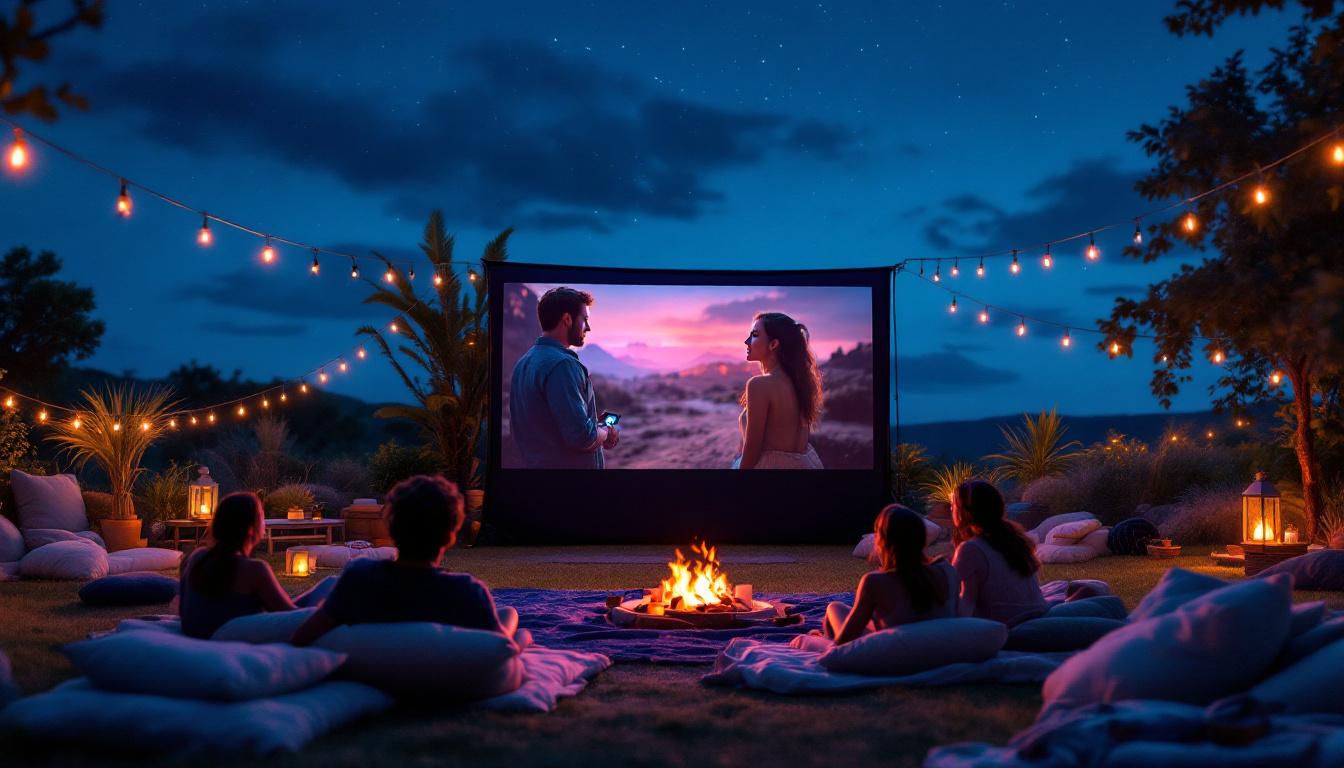
Outdoor events such as concerts, festivals, and sports competitions frequently employ LED screens to enhance the audience experience. These displays provide live feeds, announcements, and essential information, ensuring that attendees are engaged and informed.
In addition, LED screens can be used for stage backdrops, creating stunning visual effects that complement performances. This integration of technology and entertainment elevates the overall experience for both performers and audiences. For instance, during a music festival, LED displays can showcase artist profiles, upcoming set times, and interactive social media feeds, creating a vibrant atmosphere that keeps the audience connected and excited. Furthermore, these displays can also facilitate sponsorship opportunities by prominently featuring brand logos and advertisements, thus generating additional revenue for event organizers.
Public Information Displays
Cities and municipalities utilize outdoor LED displays for public information dissemination. These screens can display real-time updates on traffic conditions, weather alerts, and emergency notifications. By providing timely information, they enhance public safety and awareness.
Furthermore, LED displays can serve as platforms for community announcements, promoting local events and initiatives. This fosters a sense of community engagement and keeps residents informed about important happenings. In addition to traditional announcements, these displays can also feature educational content, such as health tips or environmental awareness messages, which can contribute to the overall well-being of the community. As cities embrace smart technology, integrating LED displays with mobile apps and social media can create a two-way communication channel, allowing residents to interact with their local government and stay updated on community issues in real-time.
Advantages of Outdoor LED Displays
The benefits of outdoor LED displays extend beyond mere aesthetics. Their unique features provide a range of advantages that make them a worthwhile investment for various applications.
High Visibility and Brightness
One of the standout features of outdoor LED displays is their exceptional brightness. Designed to be visible even in direct sunlight, these screens ensure that content remains clear and legible at all times. This high visibility is crucial for outdoor advertising and public information displays, where clarity can significantly impact viewer engagement.
Energy Efficiency
LED technology is renowned for its energy efficiency. Compared to traditional display technologies, LED screens consume significantly less power while delivering superior brightness. This efficiency translates to lower energy bills and a reduced carbon footprint, making them an environmentally friendly choice.
Durability and Weather Resistance
Outdoor LED displays are built to withstand the elements. They are designed with robust materials that can endure harsh weather conditions, including rain, snow, and extreme temperatures. This durability ensures that the displays remain functional and visually appealing over time, reducing maintenance costs and downtime.
Considerations When Choosing an Outdoor LED Display
When selecting an outdoor LED display, several factors should be considered to ensure that the chosen solution meets specific needs and requirements.
Pixel Pitch
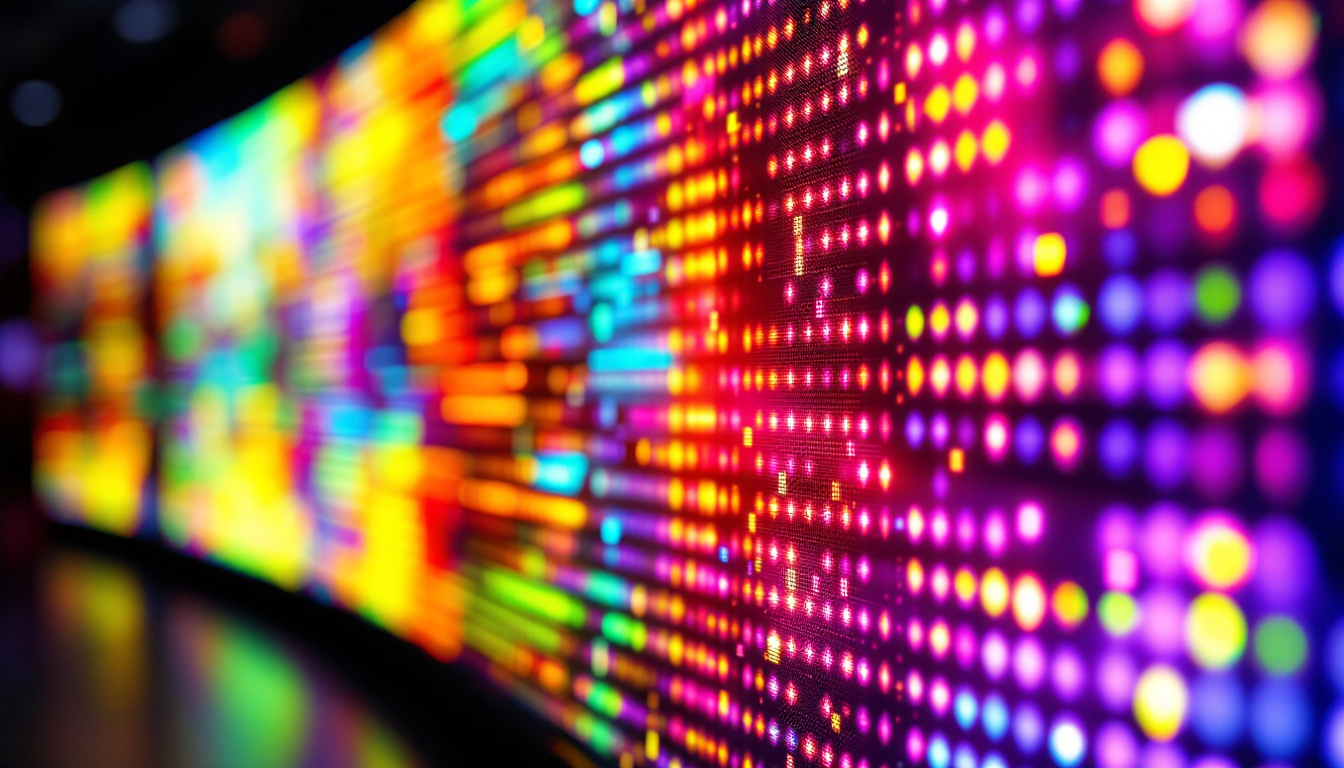
Pixel pitch refers to the distance between individual pixels on the display. A smaller pixel pitch results in higher resolution and clarity, making it ideal for close viewing distances. Conversely, a larger pixel pitch may suffice for displays viewed from a distance, such as billboards. Understanding the intended viewing distance is crucial for selecting the appropriate pixel pitch.
Size and Configuration
The size of the LED display should align with its intended use. Larger displays are suitable for high-traffic areas where visibility is essential, while smaller screens may be appropriate for more intimate settings. Additionally, the configuration of the display—whether it’s a single screen or a modular setup—can impact the overall visual impact and flexibility of the installation.
Installation and Maintenance
Proper installation is critical for outdoor LED displays. Factors such as location, mounting options, and electrical requirements must be considered to ensure optimal performance. Furthermore, ongoing maintenance is essential to keep the display functioning correctly. Regular cleaning and inspections can help identify potential issues before they escalate, prolonging the lifespan of the display.
Future Trends in Outdoor LED Displays
The outdoor LED display market is continually evolving, with new technologies and trends emerging to enhance functionality and user experience. Understanding these trends can help businesses stay ahead of the curve.
Integration with Smart Technology
As smart technology becomes more prevalent, outdoor LED displays are increasingly being integrated with IoT (Internet of Things) capabilities. This integration allows for real-time data collection and analysis, enabling businesses to tailor content based on audience demographics and behaviors.
For instance, sensors can detect foot traffic and adjust advertising content accordingly, ensuring that the most relevant messages reach the right audience at the right time. This level of personalization can significantly enhance engagement and effectiveness.
Enhanced Interactivity
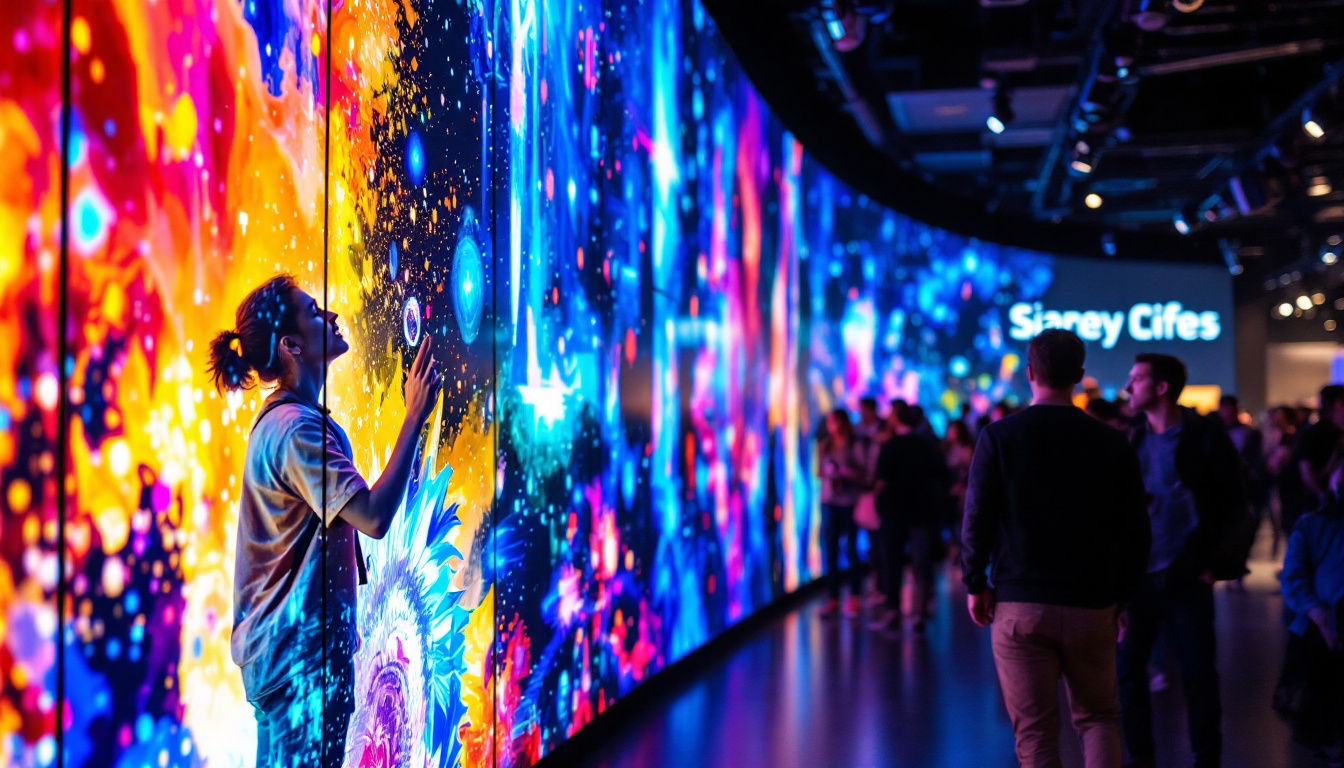
Interactive outdoor LED displays are gaining popularity, allowing users to engage directly with the content. Touchscreens and motion sensors can create immersive experiences that captivate audiences. This interactivity not only enhances user engagement but also provides valuable data on audience preferences and interactions.
Improved Energy Management
As sustainability becomes a priority for many organizations, advancements in energy management for outdoor LED displays are emerging. New technologies are being developed to optimize power consumption, including adaptive brightness controls that adjust based on ambient light conditions. Such innovations can further reduce energy costs and environmental impact.
Conclusion
Outdoor monitor screens, particularly those utilizing LED technology, have transformed the way information is displayed and consumed in public spaces. Their high visibility, energy efficiency, and durability make them an ideal choice for a range of applications, from advertising to public information dissemination.
As technology continues to advance, the capabilities of outdoor LED displays will only expand, offering even more opportunities for engagement and interaction. For businesses and organizations looking to enhance their visibility and connect with audiences, investing in outdoor LED displays is a forward-thinking decision that can yield significant returns.
In summary, understanding the intricacies of outdoor monitor screens and their applications is crucial for maximizing their potential. By considering factors such as pixel pitch, size, and emerging trends, businesses can make informed decisions that align with their goals and audience needs.
Discover LumenMatrix LED Display Solutions
Ready to elevate your outdoor space with cutting-edge LED display technology? Look no further than LumenMatrix, a pioneer in creating visually stunning and highly efficient LED display modules. From vibrant outdoor LED walls to interactive floor displays, our solutions are designed to captivate your audience and amplify your message. Embrace the future of visual communication with LumenMatrix and transform your brand’s presence. Check out LumenMatrix LED Display Solutions today and take the first step towards an unforgettable visual experience.