In the rapidly evolving world of urban transportation, taxi toppers with LED displays have become a vital component of city streets. These bright, dynamic signs not only serve as advertising platforms but also enhance communication between taxi drivers and passengers, improve safety, and contribute to the overall efficiency of taxi services. This article delves into the technology, benefits, and future trends of LED taxi toppers, offering a comprehensive understanding of why they have become indispensable in modern taxi fleets.
What Is a Taxi Topper LED Display?
A taxi topper LED display is a digital sign mounted on the roof of a taxi, typically used to convey messages to pedestrians, passengers, and other drivers. Unlike traditional static signs, LED displays can show dynamic content such as animations, scrolling text, and changing advertisements. This versatility makes them powerful tools for communication and marketing in urban environments.
These displays are designed to be highly visible, even in adverse weather conditions or at night, thanks to their bright LED lights. The technology behind these displays involves arrays of light-emitting diodes (LEDs) that can be individually controlled to create various patterns, colors, and text. Modern LED taxi toppers often incorporate wireless connectivity, enabling real-time updates and remote management. This means that taxi operators can change advertisements or messages on the fly, allowing for timely promotions or important announcements, such as public safety messages during emergencies.
Key Features of LED Taxi Toppers
LED taxi toppers typically feature high brightness levels, often exceeding 5,000 nits, to ensure visibility in direct sunlight. They are built to be weather-resistant, with IP65 or higher ratings, protecting them from rain, dust, and extreme temperatures. Additionally, many models offer modular designs, allowing for easy maintenance and customization. This modularity not only simplifies repairs but also allows taxi companies to adapt their displays to different advertising campaigns or seasonal promotions without needing to replace the entire unit.
Some advanced LED taxi toppers include sensors and GPS integration, enabling location-based advertising and adaptive messaging based on traffic conditions or time of day. These smart features enhance the relevance of displayed content, increasing engagement and effectiveness. For instance, a taxi passing through a busy shopping district might display promotions for nearby stores, while during rush hour, it could switch to traffic updates or public service announcements. This targeted approach not only maximizes the impact of the advertisements but also provides valuable information to the public, making the taxi topper a multifunctional asset in urban mobility.
Benefits of Using LED Displays on Taxi Toppers
The adoption of LED displays on taxi toppers brings multiple advantages to taxi operators, advertisers, and city authorities. These benefits extend beyond simple advertising, impacting safety, communication, and revenue generation.
Enhanced Advertising Opportunities
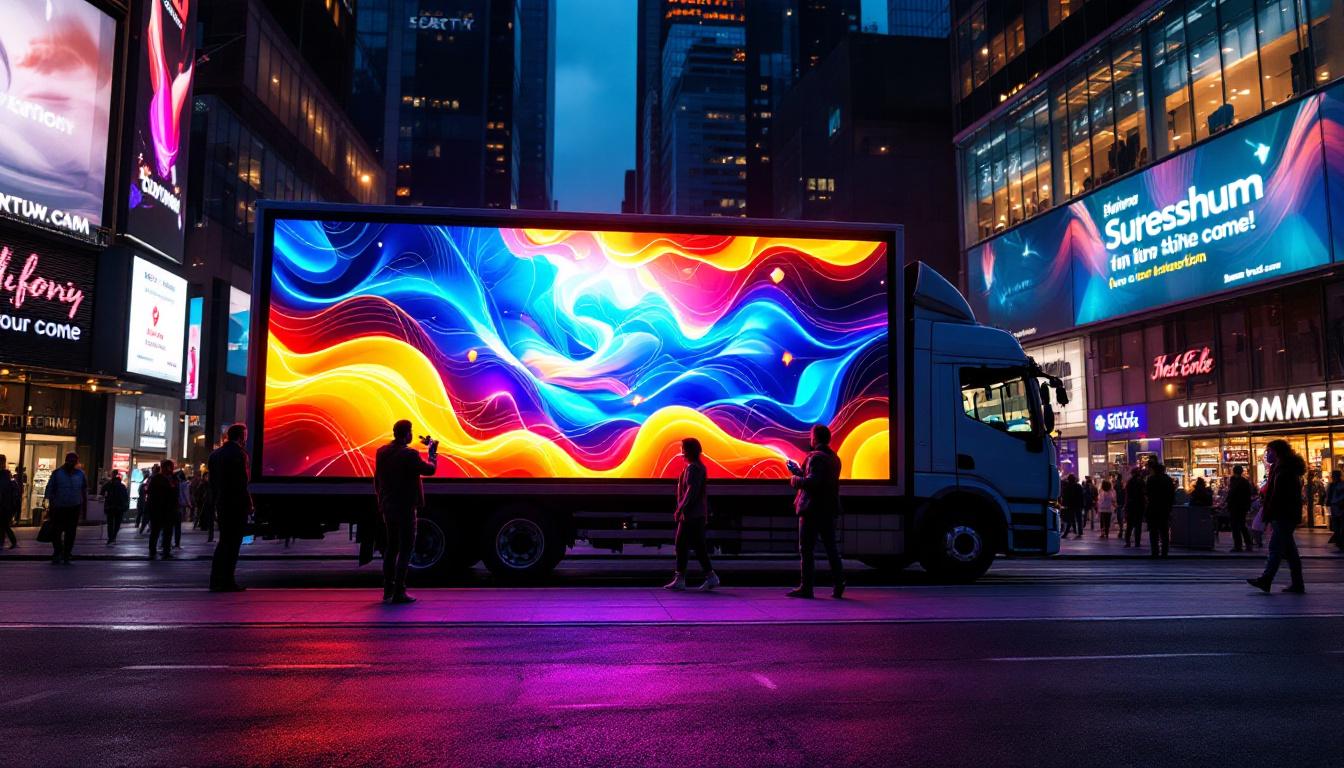
LED taxi toppers transform taxis into mobile billboards, offering advertisers a dynamic and highly visible platform. Unlike static signs, LED displays can rotate multiple ads throughout the day, maximizing exposure and revenue potential. According to a 2023 report by the Outdoor Advertising Association of America, digital out-of-home advertising, including LED displays on vehicles, has seen a 15% annual growth rate, reflecting increasing demand for dynamic advertising solutions.
Moreover, the ability to update content remotely allows advertisers to tailor messages to specific locations or events, improving targeting and engagement. For example, a taxi operating near a sports stadium can display ads related to upcoming games or promotions, capturing the attention of event attendees.
Improved Communication with Passengers
Taxi toppers equipped with LED displays can also serve as communication tools for drivers and passengers. They can show messages such as “Available,” “Occupied,” or “Out of Service,” making it easier for potential passengers to identify taxis that are ready to pick up. This reduces confusion and waiting times, enhancing customer experience.
Additionally, LED displays can be used to share important information such as safety reminders, fare rates, or emergency alerts. In some cities, taxi toppers have been integrated with public safety systems to broadcast urgent messages during emergencies, contributing to community safety.
Increased Safety and Visibility
Visibility is crucial for taxis, especially in busy urban environments. LED displays improve the visibility of taxis at night and in poor weather conditions, reducing the risk of accidents. Bright, flashing messages can alert other drivers and pedestrians to the taxi’s status, such as when it is stopping or turning.
Furthermore, some LED toppers include features like brake light synchronization or turn signal integration, providing additional safety cues. This integration helps taxis stand out in traffic, promoting safer road interactions.
Technical Aspects and Installation Considerations
Understanding the technical details and installation requirements of LED taxi toppers is essential for taxi operators and fleet managers considering this technology. Proper installation ensures optimal performance and longevity, while technical specifications influence the effectiveness of the display.
Display Resolution and Size
The resolution of an LED display is determined by the pixel pitch, which is the distance between individual LEDs. Smaller pixel pitches result in higher resolution and clearer images, but they also increase cost and power consumption. Taxi toppers typically use pixel pitches ranging from 5mm to 10mm, balancing clarity with affordability.
The physical size of the topper varies depending on the taxi model and local regulations. Common dimensions range from 60 cm to 120 cm in width and 20 cm to 40 cm in height. The display area must be large enough to be easily readable from a distance, usually at least 1 meter away.
Power Supply and Energy Efficiency
LED taxi toppers are powered by the vehicle’s electrical system, often through a dedicated power converter to regulate voltage and protect against surges. Energy efficiency is a critical factor, as excessive power consumption can strain the taxi’s battery and alternator.
Modern LED displays use energy-efficient diodes and intelligent brightness control systems that adjust light output based on ambient conditions. This not only conserves energy but also extends the lifespan of the LEDs.
Installation and Maintenance
Installation involves securely mounting the topper to the taxi roof, connecting power and data cables, and configuring the display software. It is essential to comply with local regulations regarding rooftop signage, which may dictate size, brightness, and placement.
Maintenance includes regular cleaning to remove dirt and debris, software updates, and periodic hardware inspections. Modular designs allow for easy replacement of faulty LED panels or components, minimizing downtime.
Regulatory and Legal Considerations
While LED taxi toppers offer many benefits, their use is subject to regulations that vary by city and country. Understanding these legal frameworks is crucial to avoid fines and ensure compliance.
Brightness and Light Pollution
Excessive brightness can cause glare and contribute to light pollution, potentially distracting drivers and pedestrians. Many municipalities set maximum brightness levels for taxi toppers, often measured in nits. For example, New York City limits rooftop signs to 2,500 nits during the day and 500 nits at night.
Adaptive brightness controls are commonly required to adjust the display intensity based on ambient lighting, reducing the risk of glare and improving safety.
Content Restrictions
Content displayed on taxi toppers is often regulated to prevent offensive, misleading, or distracting messages. Advertisements must comply with local advertising standards, and some jurisdictions prohibit certain types of content, such as political ads or flashing animations that could impair driver concentration.
Additionally, some cities require that taxi toppers display specific information, such as the taxi company’s name or license number, ensuring transparency and accountability.
Permits and Licensing
Installing LED taxi toppers may require permits or approval from local transportation authorities. This process ensures that the devices meet safety and technical standards. Fleet operators should consult with municipal agencies before installation to avoid legal issues.
Future Trends in Taxi Topper LED Displays
The taxi industry continues to innovate, and LED toppers are evolving alongside advances in technology and urban mobility trends. Several emerging developments promise to enhance the functionality and impact of these displays.
Integration with Smart City Infrastructure
As cities adopt smart technologies, LED taxi toppers are increasingly integrated with urban data networks. This allows for real-time updates based on traffic conditions, weather alerts, or public safety announcements. For instance, a taxi topper could display evacuation instructions during emergencies or reroute information during road closures.
Such integration supports more responsive and connected urban transportation systems, benefiting both operators and the public.
Interactive and Personalized Advertising
Advancements in sensors and AI enable taxi toppers to deliver personalized advertising based on location, time, and audience demographics. Cameras and motion detectors can analyze the environment and adjust content to maximize engagement.
Interactive features, such as QR codes or NFC tags, allow pedestrians to interact with ads directly, bridging the gap between physical and digital marketing.
Energy Harvesting and Sustainability
Future LED toppers may incorporate solar panels or kinetic energy harvesting to reduce reliance on the vehicle’s power supply. This aligns with growing sustainability goals in urban transportation, reducing carbon footprints and operational costs.
Additionally, the use of recyclable materials and eco-friendly manufacturing processes is becoming a priority for manufacturers, reflecting broader environmental concerns.
Conclusion
LED displays on taxi toppers represent a significant advancement in urban transportation technology. They offer dynamic advertising capabilities, improve communication and safety, and integrate seamlessly with modern smart city initiatives. For taxi operators, investing in LED toppers can enhance revenue streams and customer experience, while advertisers benefit from a flexible and impactful platform.
As regulations evolve and technology advances, LED taxi toppers will continue to play a pivotal role in shaping the future of urban mobility. Understanding their features, benefits, and legal considerations is essential for stakeholders aiming to leverage this innovative tool effectively.
Discover LumenMatrix LED Display Solutions
Ready to elevate your taxi fleet and captivate your urban audience? LumenMatrix is at the forefront of transforming urban transportation with our advanced LED display technology. From enhancing the visibility of your taxis to providing engaging, dynamic advertising, our range of LED display solutions is designed to meet the diverse needs of modern cities. Explore our innovative Vehicle LED Display and other tailored solutions to see how you can create powerful visual experiences that resonate with passengers and pedestrians alike. Check out LumenMatrix LED Display Solutions today and join the revolution in visual communication.