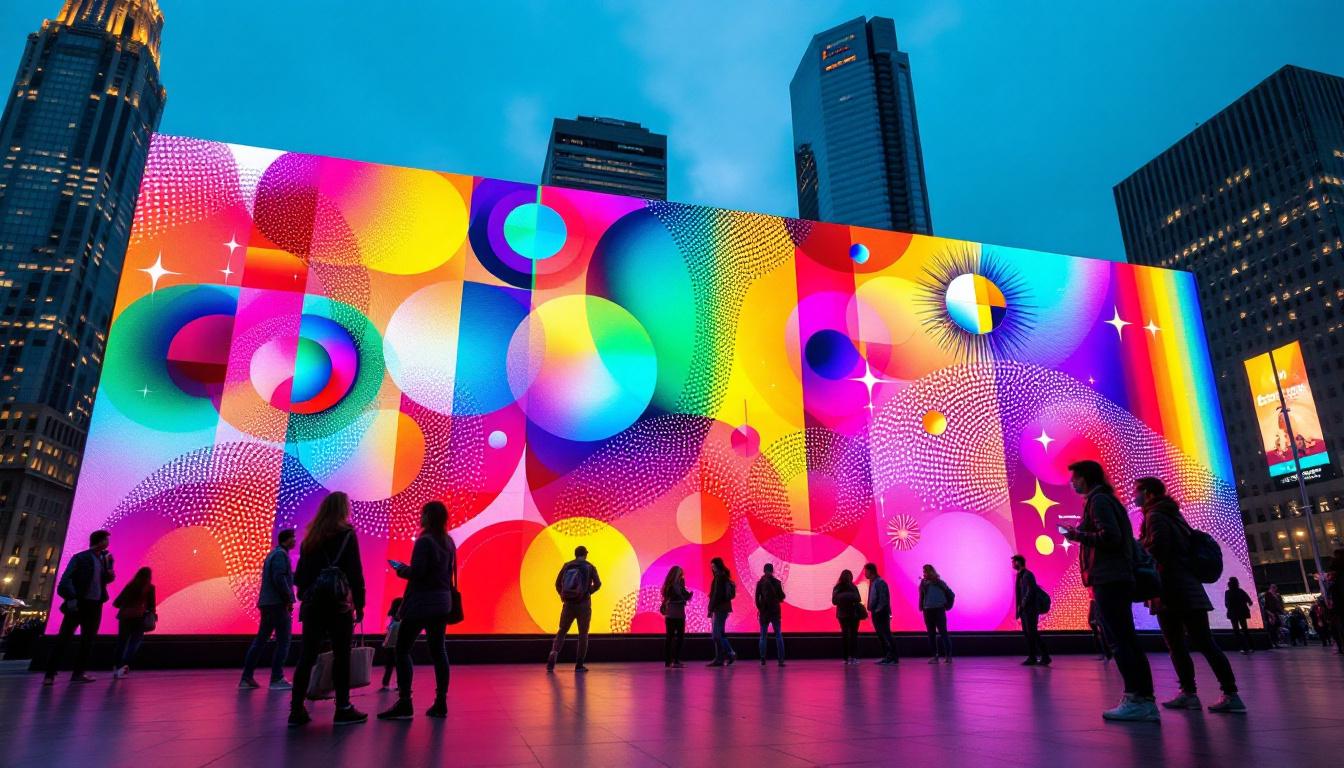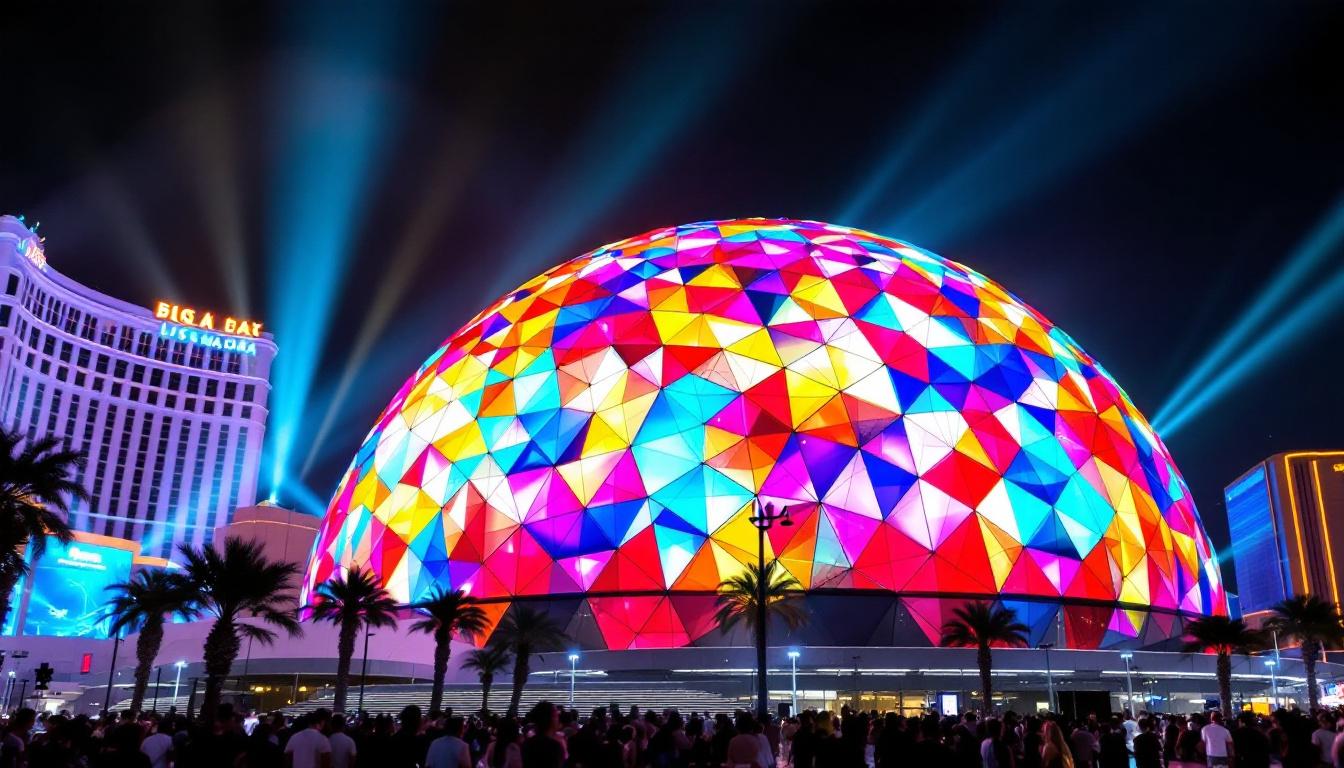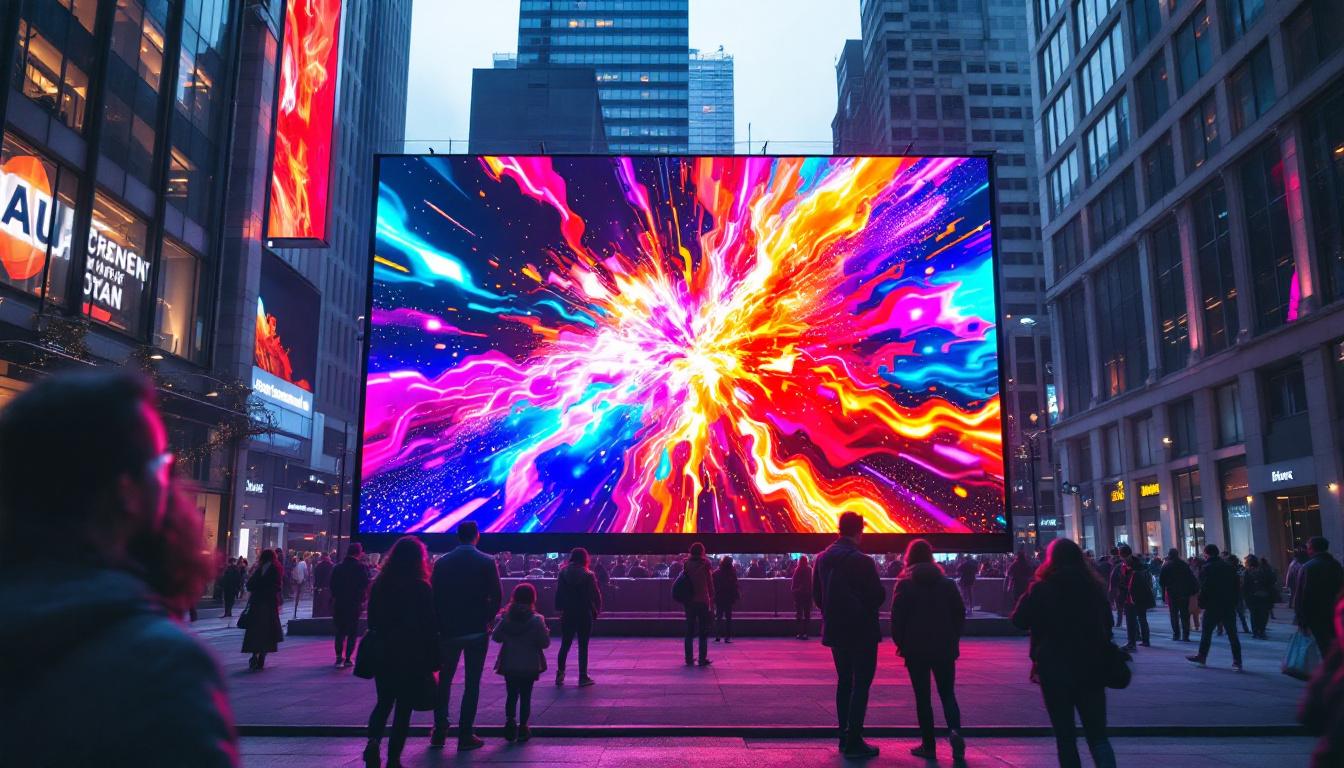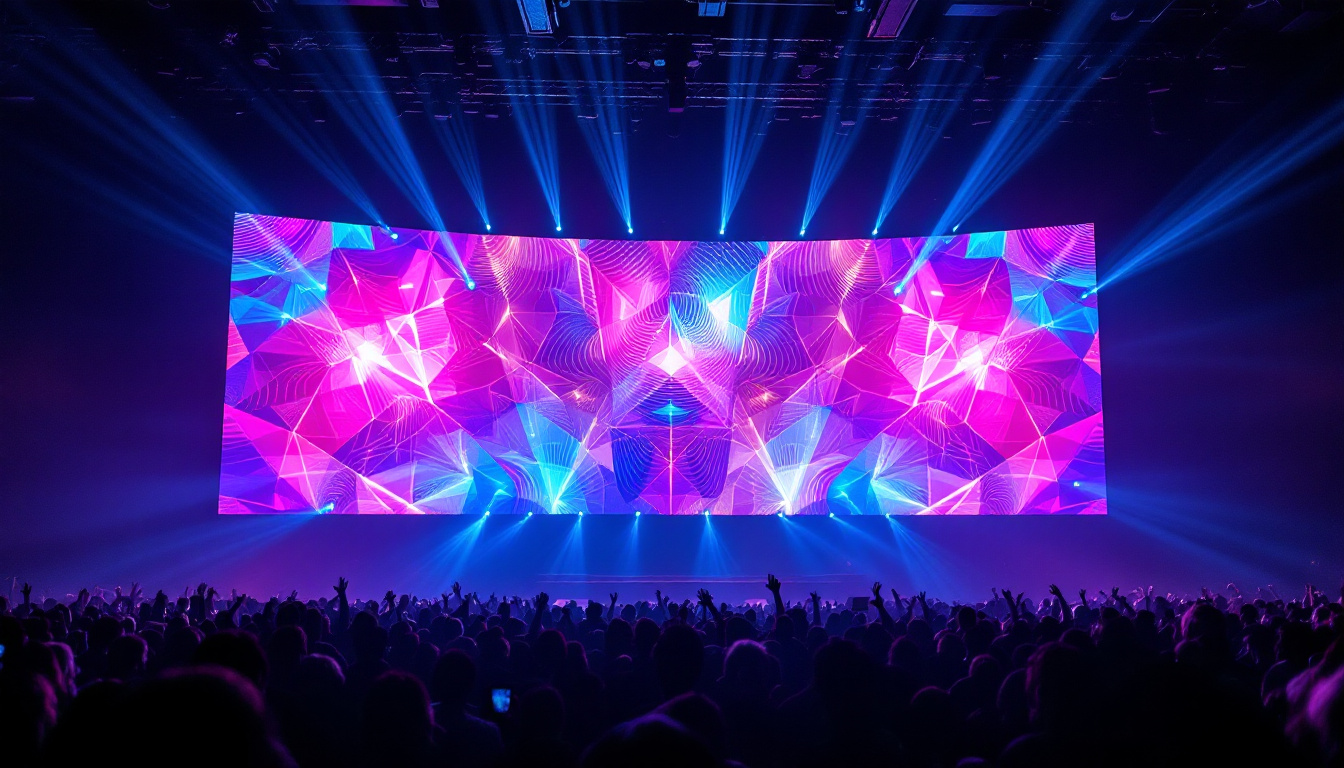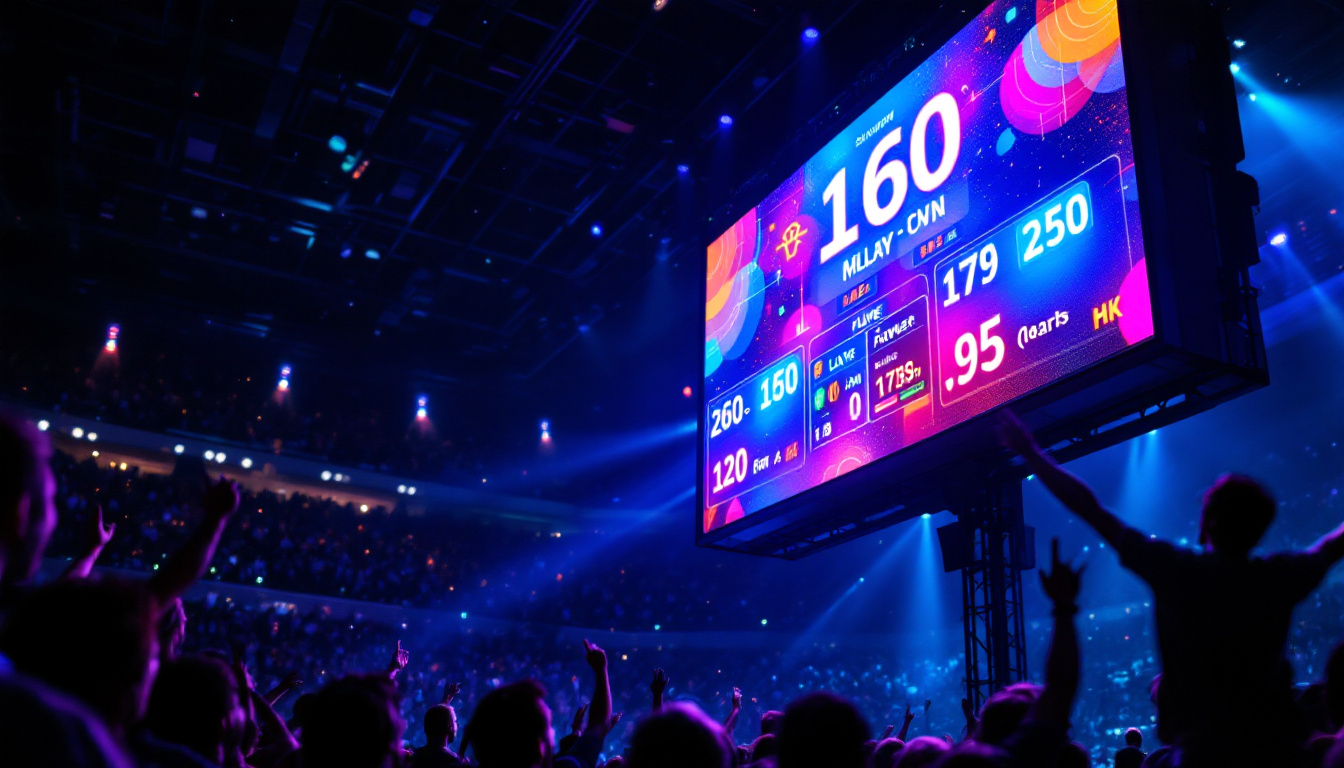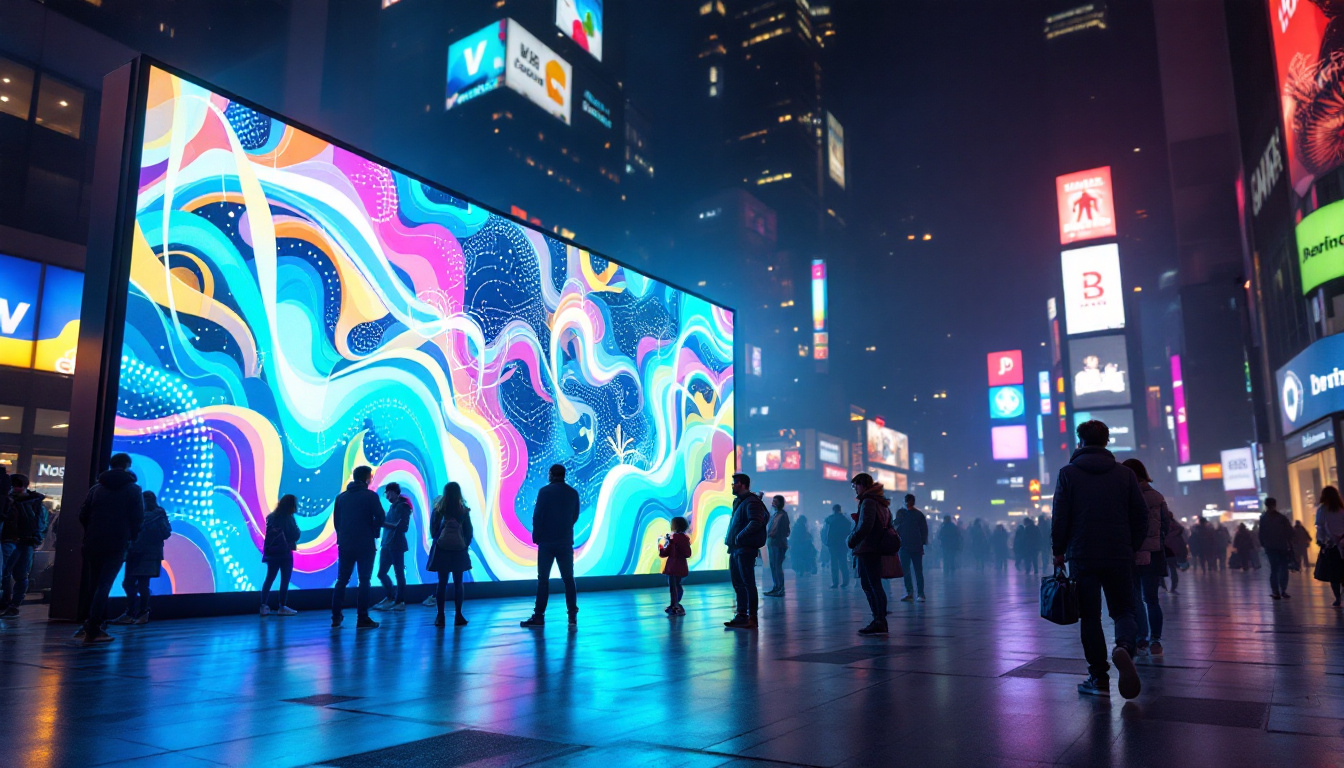
In the world of large-scale events, sports arenas, concerts, and public gatherings, the term “Jumbotron” has become synonymous with giant video screens that captivate audiences with vivid images and live footage. At the heart of these colossal displays lies a sophisticated LED technology that enables clear, bright, and dynamic visuals visible from hundreds of feet away. This article delves into the intricacies of Jumbotron cameras and LED displays, exploring how they work, their technological components, and why they remain essential in modern entertainment and advertising.
Understanding the Jumbotron: Origins and Evolution
The term “Jumbotron” was originally a trademarked name by Sony in the 1980s, referring to their large-scale video display systems used primarily in sports stadiums. Over time, the name became genericized, much like “Kleenex” for tissues, to describe any large outdoor video screen. The evolution of Jumbotron technology has been remarkable, transitioning from bulky cathode ray tube (CRT) systems to sleek, energy-efficient LED panels.
Early Jumbotrons were limited by display resolution and brightness, often struggling under direct sunlight. However, advancements in LED technology have revolutionized these displays, making them brighter, more durable, and capable of displaying high-definition video content. Modern Jumbotrons are now integral to enhancing fan experiences at venues worldwide, offering instant replays, live feeds, advertisements, and interactive content. The shift from traditional projection systems to digital displays has not only improved visibility but also expanded the creative possibilities for event organizers, allowing for dynamic graphics and animations that captivate audiences.
The Role of Cameras in Jumbotron Systems
While the LED display itself is the visual output, the cameras connected to Jumbotron systems are equally critical. These specialized cameras capture live footage from various angles across the event, feeding real-time video to the LED panels. High-definition cameras with fast frame rates and low latency ensure that the action is displayed smoothly and accurately, providing spectators with an immersive viewing experience. This technology has also paved the way for enhanced replay systems, where fans can relive pivotal moments from multiple perspectives, making the event more engaging and memorable.
In sports arenas, multiple cameras are strategically positioned to capture close-ups, wide shots, and player reactions. The video feeds are then managed by control rooms where operators select and switch between camera angles, add graphics, and sometimes integrate augmented reality elements before broadcasting the final output to the Jumbotron. This behind-the-scenes coordination is crucial, as it allows for seamless transitions that keep the audience engaged. Additionally, the integration of social media feeds has become increasingly popular, allowing fans to see their posts displayed on the big screen, further enhancing the sense of community and participation during live events.
How LED Displays Work in Jumbotrons
At the core of any Jumbotron is the LED display technology. LED stands for Light Emitting Diode, a semiconductor device that emits light when an electric current passes through it. Unlike traditional display technologies such as LCD or plasma, LEDs are self-illuminating, which means they do not require a backlight. This attribute makes LED displays brighter and more energy-efficient, especially in outdoor environments.
Pixel Structure and Resolution
Each Jumbotron screen is composed of thousands, sometimes millions, of tiny LED pixels. Each pixel typically consists of three sub-pixels: red, green, and blue LEDs. By varying the intensity of these sub-pixels, the display can produce a full spectrum of colors. The resolution of the screen depends on the number of pixels and the pixel pitch, which is the distance between the centers of two adjacent pixels.
Pixel pitch is a crucial factor in determining image clarity and viewing distance. A smaller pixel pitch means higher resolution and sharper images but also increases the cost. For example, a Jumbotron with a 10mm pixel pitch is suitable for viewing from 30 to 50 feet, while a 4mm pixel pitch is ideal for closer viewing distances. Venue operators choose pixel pitch based on the typical distance between the audience and the screen.
Brightness and Contrast
One of the defining features of Jumbotron LED displays is their exceptional brightness. Outdoor screens often reach brightness levels of 5,000 to 8,000 nits (a unit measuring luminance), allowing them to remain visible even under direct sunlight. This is significantly brighter than typical indoor LED displays, which usually range between 300 to 1,000 nits.
Contrast ratio, the difference between the darkest black and the brightest white the screen can produce, is another important metric. High contrast ratios enhance image depth and detail, making visuals more engaging and easier to see from a distance. Modern LED technologies employ advanced calibration and local dimming techniques to improve contrast and color accuracy.
Technical Components of Jumbotron Camera and LED Systems
Camera Specifications
Jumbotron cameras are designed to meet the demanding requirements of live event broadcasting. Key specifications include:
- Resolution: Most cameras used are at least 1080p Full HD, with many venues upgrading to 4K Ultra HD for superior image quality.
- Frame Rate: High frame rates (60fps or higher) ensure smooth motion capture, reducing blur during fast-paced action.
- Low Latency: Minimizing delay between capture and display is critical to maintain synchronization with live events.
- Zoom and Focus: Optical zoom capabilities allow operators to capture close-ups without sacrificing image quality.
- Durability: Cameras must withstand various weather conditions and vibrations common in stadium environments.
LED Panel Construction
Each LED panel in a Jumbotron is a modular unit, typically measuring 500mm x 500mm or 640mm x 640mm. These panels are assembled to form the massive screen, allowing for scalable sizes depending on venue requirements.
The panels are built with weatherproof casings, ensuring protection against rain, dust, and temperature extremes. Additionally, heat dissipation systems prevent overheating during prolonged use. The modular design also facilitates easy maintenance and replacement of faulty sections without dismantling the entire display.
Control Systems and Video Processing
Behind the scenes, sophisticated control systems manage the flow of video data from cameras to the LED display. Video processors handle tasks such as signal conversion, scaling, color correction, and synchronization. These processors ensure that the video output matches the screen’s resolution and refresh rate perfectly.
Operators use control software to switch between camera feeds, overlay graphics, and manage content schedules. Integration with event timing systems and advertising platforms allows seamless transitions between live footage and promotional material.
Applications and Benefits of Jumbotron LED Displays
Enhancing Fan Engagement at Sports Events
Jumbotron screens have transformed the spectator experience at sporting events. They provide instant replays, close-up shots, and player statistics that keep fans informed and engaged. The ability to display crowd reactions and interactive content, such as fan polls or social media feeds, fosters a sense of community and excitement.
According to a 2023 report by the Sports Technology Association, venues equipped with high-quality LED Jumbotrons saw a 25% increase in fan satisfaction scores and a 15% rise in concession sales, attributed to enhanced engagement during breaks.
Advertising and Revenue Generation
Beyond entertainment, Jumbotron displays serve as powerful advertising platforms. Their high visibility and dynamic content capabilities attract premium advertisers willing to pay substantial fees for screen time. Digital advertising on Jumbotrons can be updated in real-time, allowing venues to maximize revenue through targeted campaigns and event-specific promotions.
For example, major stadiums like AT&T Stadium in Dallas and MetLife Stadium in New Jersey generate millions annually from Jumbotron advertising, supplementing ticket and merchandise sales.
Concerts, Festivals, and Public Events
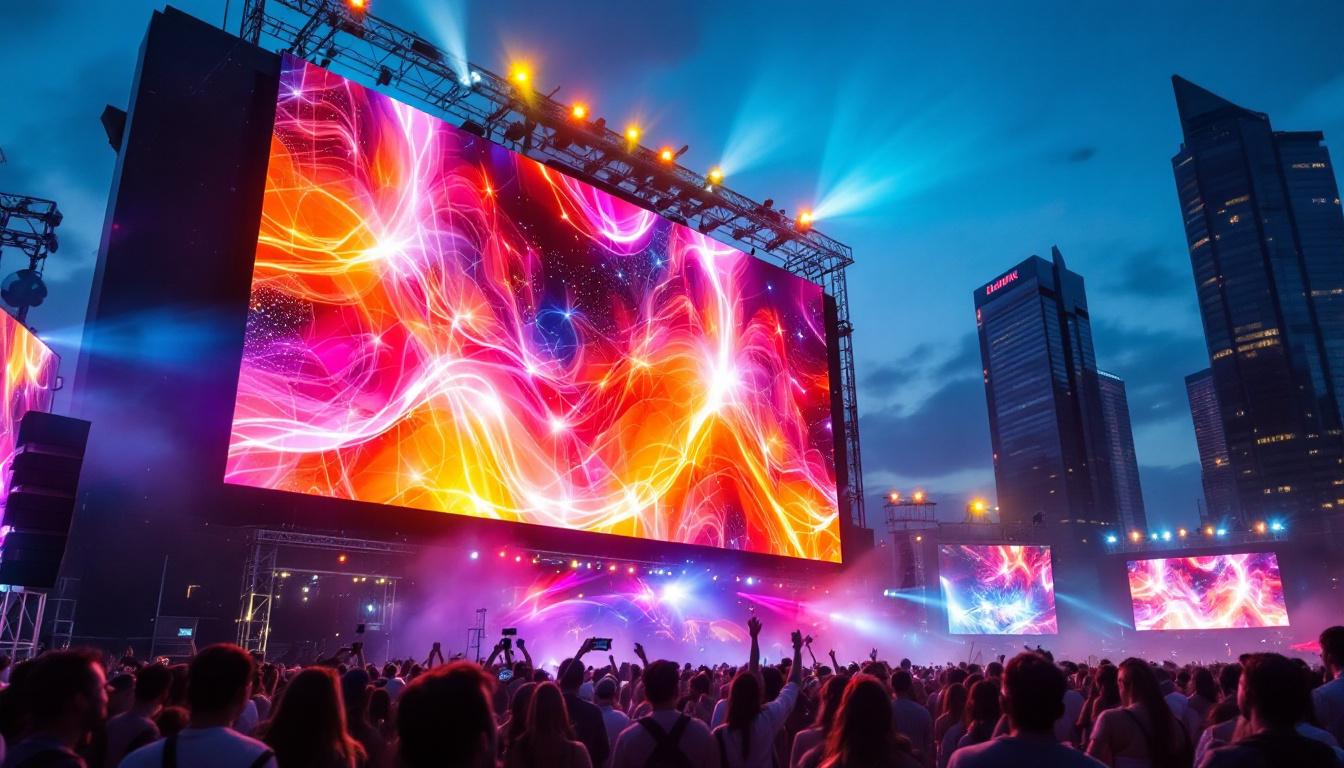
Large-scale concerts and festivals rely on Jumbotron LED displays to ensure that every attendee, regardless of their position in the crowd, can see the performers clearly. These screens also display special effects, lyrics, and interactive visuals that enhance the overall experience.
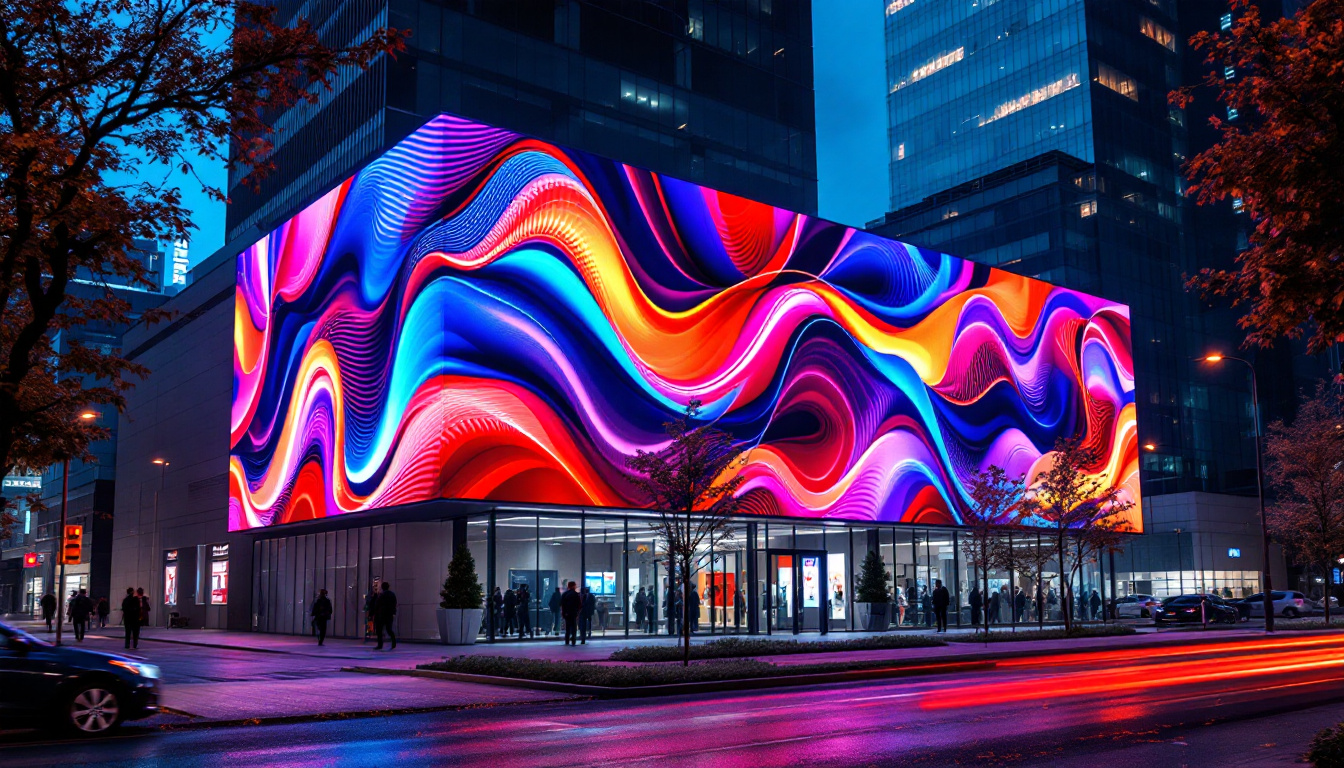
Public events such as political rallies, parades, and outdoor movie screenings benefit from portable Jumbotron setups, which can be quickly assembled and disassembled. The versatility of LED technology makes it ideal for diverse environments and event types.
Future Trends in Jumbotron Camera and LED Display Technology
Higher Resolutions and Pixel Densities
As consumer expectations for image quality continue to rise, Jumbotron manufacturers are pushing the boundaries of resolution and pixel density. 8K LED displays are beginning to emerge in select venues, offering unprecedented clarity and detail. This trend is expected to accelerate as production costs decrease and content availability increases.
Integration of AI and Augmented Reality
Artificial intelligence (AI) is playing an increasing role in live event broadcasting. AI-powered cameras can automatically track players, optimize framing, and adjust lighting conditions. Meanwhile, augmented reality (AR) overlays on Jumbotron screens enhance storytelling by adding virtual elements such as player stats, 3D graphics, and interactive games.
These technologies promise to create more personalized and immersive experiences for audiences, both in the venue and through remote broadcasts.
Energy Efficiency and Sustainability
With growing awareness of environmental impact, LED display manufacturers are focusing on energy-efficient designs. Advances in LED chip technology and power management have reduced energy consumption significantly. Additionally, the use of recyclable materials and modular components supports sustainability goals.
Venues are increasingly adopting solar-powered Jumbotron systems and smart controls to minimize their carbon footprint while maintaining performance standards.
Conclusion
Jumbotron cameras and LED displays represent a pinnacle of modern visual technology, combining high-definition imaging, robust hardware, and intelligent control systems to deliver unforgettable experiences at large events. Their ability to engage audiences, generate revenue, and adapt to diverse environments makes them indispensable in sports, entertainment, and public gatherings.
As technology continues to evolve, the future of Jumbotron displays promises even greater clarity, interactivity, and sustainability. Understanding the technical foundations and applications of these systems provides valuable insight into how large-scale visual communication shapes the way audiences connect with live events.
Illuminate Your Events with LumenMatrix
Ready to elevate your audience’s experience with the unmatched clarity and vibrancy of LED displays? LumenMatrix is at the forefront of LED display technology, offering a wide array of solutions that transform any event into a visually stunning spectacle. From sports arenas to concert stages, our Indoor and Outdoor LED Wall Displays, Vehicle LED Displays, and more are designed to captivate and engage. Discover how LumenMatrix can enhance your brand visibility and create unforgettable moments. Check out LumenMatrix LED Display Solutions today and step into the future of visual communication.