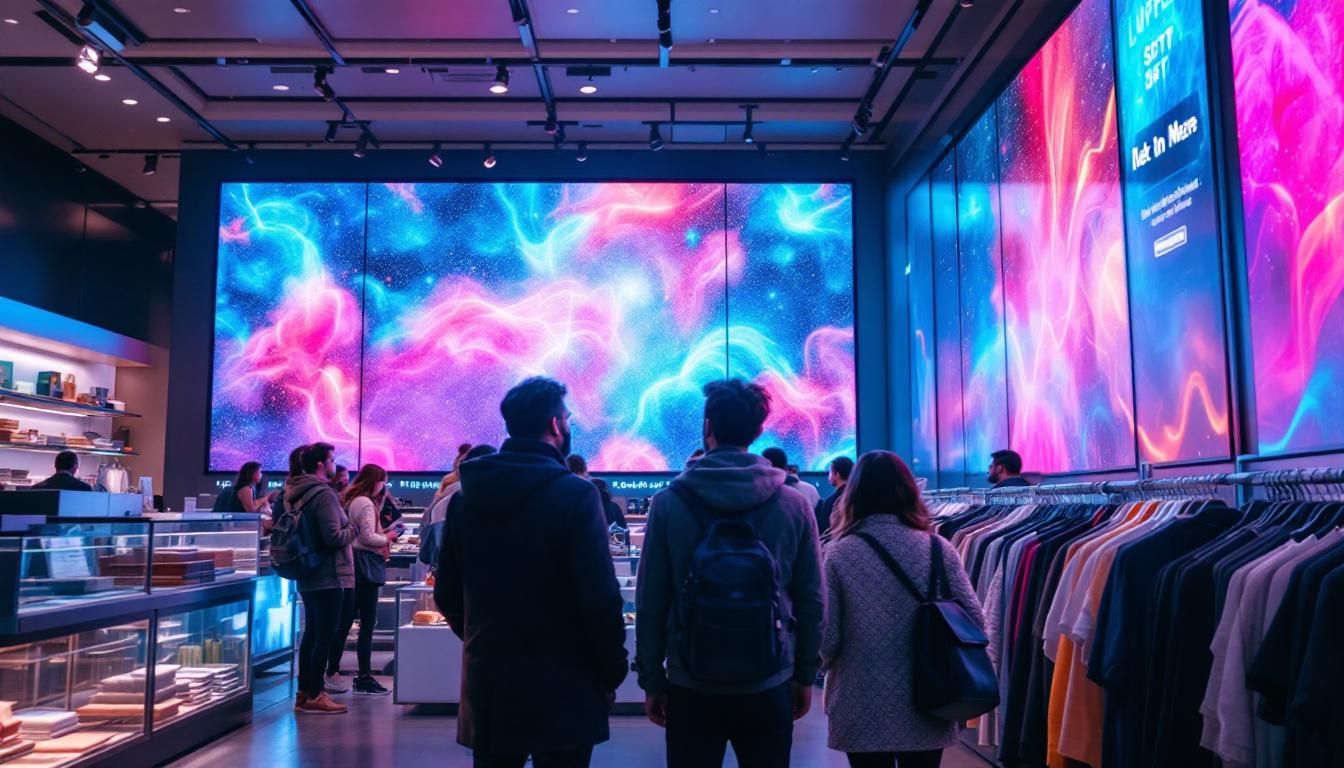
In today’s fast-evolving retail landscape, capturing customer attention is more challenging than ever. Traditional static signage is increasingly being replaced by dynamic, vibrant digital displays that can engage shoppers in real time. Among these, LED displays have emerged as a dominant technology, offering unparalleled brightness, flexibility, and cost-effectiveness. This article explores the world of retail digital screens, focusing on LED displays, their benefits, applications, and considerations for retailers looking to enhance their in-store and outdoor marketing strategies.
Understanding LED Displays: What Makes Them Stand Out?
LED, or Light Emitting Diode, technology has revolutionized digital signage by providing a display solution that is bright, energy-efficient, and versatile. Unlike LCD or OLED screens, LED displays are made up of thousands of tiny diodes that emit light individually, allowing for vivid colors and high contrast even in direct sunlight.
The core advantage of LED displays lies in their modular design. Retailers can customize screen sizes and shapes by assembling multiple LED panels, creating anything from small shelf-edge displays to massive storefront video walls. This scalability makes LED technology suitable for a wide range of retail environments, from boutique shops to large shopping malls. Additionally, the flexibility of LED panels allows for creative installations, such as curved or irregularly shaped displays that can enhance the aesthetic appeal of a store while showcasing products in innovative ways.
Brightness and Visibility
One of the most critical factors for retail signage is visibility. LED displays can reach brightness levels of over 5,000 nits, significantly outperforming traditional LCD screens, which typically max out around 500 nits. This means LED screens remain clear and readable even under direct sunlight, making them ideal for outdoor storefronts or brightly lit indoor spaces. The ability to adjust brightness levels dynamically based on ambient light conditions further enhances their effectiveness, ensuring that messages are always visible without causing eye strain.
According to a 2023 report by the Digital Signage Federation, 78% of retailers noted increased customer engagement when using high-brightness LED displays compared to traditional signage. This statistic underscores the importance of visibility in driving foot traffic and sales. Moreover, the vibrant colors produced by LED technology can evoke emotions and influence purchasing decisions, making them a powerful tool in advertising and marketing strategies.
Durability and Longevity
Retail environments can be demanding, with fluctuating temperatures, humidity, and constant use. LED displays are designed to withstand these conditions, often featuring weatherproof and dust-resistant enclosures. Many LED modules have a lifespan exceeding 100,000 hours, translating to over a decade of continuous use. This longevity makes them a cost-effective investment for retailers who want reliable, low-maintenance digital signage. Furthermore, advancements in LED technology have led to improved thermal management systems, which help maintain optimal operating temperatures and enhance performance, thereby extending the life of the display even further.
In addition to their resilience, LED displays are also more environmentally friendly compared to traditional signage options. They consume less energy and do not contain harmful substances like mercury, making them a safer choice for both users and the planet. As sustainability becomes an increasingly important consideration for consumers, retailers can leverage the eco-friendly nature of LED technology to align with their corporate social responsibility goals, appealing to environmentally conscious shoppers.
Applications of LED Displays in Retail
LED displays are transforming how retailers communicate with customers, offering dynamic content that can be updated instantly. Their flexibility enables a variety of applications tailored to different retail needs.
In-Store Digital Signage
Inside stores, LED displays can be used for promotional messaging, product information, and interactive experiences. For example, fashion retailers often use LED video walls to showcase runway footage or highlight new collections, creating an immersive shopping environment. Grocery stores employ LED shelf-edge displays to provide pricing updates and nutritional information in real time.
Interactive LED kiosks are also gaining popularity, allowing customers to browse product catalogs, check stock availability, or even customize products on the spot. This not only enhances the shopping experience but also reduces the workload on sales staff. Additionally, these kiosks can integrate customer loyalty programs, enabling shoppers to access personalized discounts and rewards, thus fostering a deeper connection between the brand and its customers.
Outdoor Storefront Displays
Outdoor LED displays serve as powerful tools for attracting passersby. Their brightness and size make them impossible to ignore, even in busy urban settings. Retailers use these screens to advertise flash sales, new arrivals, or upcoming events, often integrating live social media feeds or countdown timers to create urgency.
For example, a major electronics retailer in Times Square uses a massive LED video wall to showcase product demos and customer testimonials, resulting in a reported 25% increase in walk-in traffic during campaign periods. Furthermore, outdoor displays can also be programmed to change content based on the time of day or weather conditions, ensuring that the messaging remains relevant and engaging. A clothing store might promote summer apparel during sunny days while highlighting cozy winter wear during colder months, thus optimizing their advertising strategy.
Wayfinding and Digital Directories
In larger retail complexes and malls, LED displays serve as digital directories and wayfinding tools, helping customers navigate the space efficiently. These displays can be updated instantly to reflect store openings, closures, or special promotions, ensuring visitors have the latest information at their fingertips.
Moreover, these digital directories can also feature interactive maps that allow users to search for specific stores or amenities, enhancing the overall shopping experience. Some advanced systems even utilize touch-screen technology, enabling customers to plan their shopping routes based on their preferences or needs. This not only streamlines the shopping process but also encourages exploration of the entire retail space, potentially increasing sales across various stores within the complex.
Benefits of LED Displays for Retailers
Investing in LED digital screens offers numerous advantages that can directly impact a retailer’s bottom line and brand perception.
Enhanced Customer Engagement
Dynamic content is proven to capture attention more effectively than static signs. According to a study by Nielsen, digital signage can increase customer dwell time by up to 30%, which often correlates with higher purchase rates. LED displays, with their vivid colors and motion capabilities, are particularly effective at drawing the eye and conveying messages quickly.
Cost Efficiency Over Time
While the upfront cost of LED displays can be higher than traditional signage, the long-term savings are significant. LED technology consumes less power compared to other digital display types, reducing energy bills. Additionally, the durability and low maintenance requirements mean fewer replacement and repair costs over the lifespan of the display.
Flexibility and Real-Time Updates
Retailers can update LED display content instantly via cloud-based content management systems. This agility allows for timely promotions, seasonal messaging, or emergency announcements without the need for physical sign replacements. The ability to tailor content to different times of day or customer demographics also enhances marketing effectiveness.
Brand Differentiation
In a competitive retail market, standing out is crucial. LED displays offer a modern, high-tech aesthetic that can elevate a brand’s image. By incorporating high-quality visuals and interactive elements, retailers can create memorable experiences that foster customer loyalty and repeat visits.
Key Considerations When Choosing LED Displays for Retail
Despite their many benefits, selecting the right LED display requires careful planning to ensure it meets the specific needs of the retail environment.
Pixel Pitch and Resolution
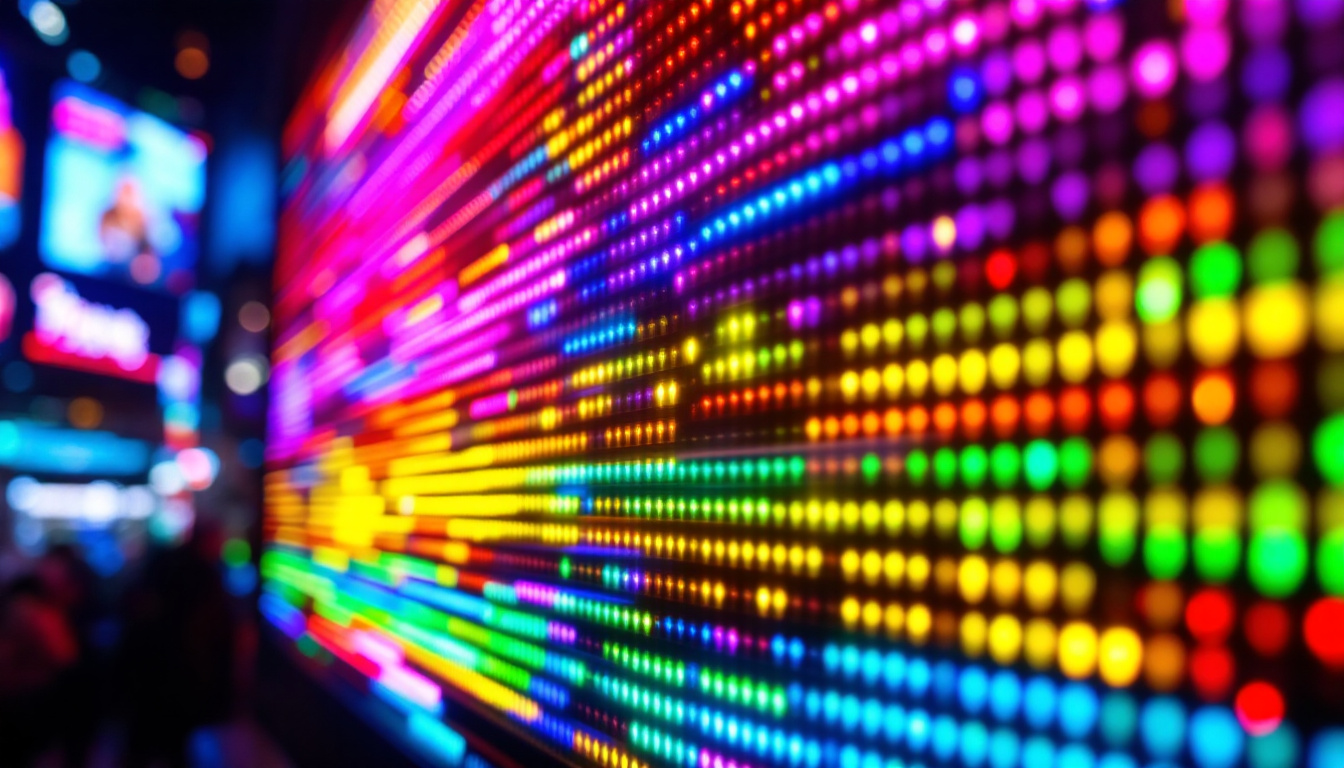
Pixel pitch refers to the distance between individual LED diodes and determines the resolution and viewing distance of the display. For retail environments where customers are close to the screen, a smaller pixel pitch (e.g., 1.5mm to 3mm) is preferable to ensure crisp, detailed images. Larger pixel pitches are suitable for outdoor displays viewed from a distance.
Size and Placement
The physical size of the LED display should be appropriate for its location and intended purpose. Oversized screens can overwhelm small spaces, while undersized displays may fail to attract attention. Placement also affects visibility and impact; for example, eye-level positioning inside stores maximizes engagement, while elevated storefront displays can capture passing traffic.
Content Management Systems (CMS)
A robust CMS is essential for managing and scheduling content across multiple displays. Retailers should look for systems that offer user-friendly interfaces, remote access, and integration with other marketing tools. Some CMS platforms also provide analytics to track viewer engagement and optimize content strategies.
Environmental Factors
Outdoor LED displays must be weatherproof and capable of operating in extreme temperatures. Indoor displays should consider ambient lighting and potential obstructions. Additionally, sound capabilities may be relevant for certain applications, though many retail environments prefer silent displays to avoid noise pollution.
Future Trends in Retail LED Digital Screens
The retail digital signage industry is continuously evolving, driven by advances in technology and changing consumer behaviors.
Integration with Artificial Intelligence
AI-powered LED displays can personalize content based on customer demographics, behavior, and even mood. For example, facial recognition technology can trigger targeted advertisements, promotions, or product recommendations, enhancing the relevance and effectiveness of messaging.
Augmented Reality (AR) and Interactive Experiences
Combining LED displays with AR technology allows retailers to create immersive experiences that blend physical and digital worlds. Shoppers might use their smartphones or in-store kiosks to interact with products virtually, try on clothing digitally, or visualize furniture in their homes.
Sustainability and Energy Efficiency
As environmental concerns grow, retailers are prioritizing sustainable solutions. New generations of LED displays are designed to consume even less power and use eco-friendly materials. Additionally, solar-powered outdoor LED signage is becoming more common, reducing reliance on grid electricity.
Conclusion
LED digital screens have become indispensable tools in the modern retail environment. Their superior brightness, durability, and flexibility enable retailers to engage customers more effectively, boost sales, and differentiate their brand. By understanding the technology, applications, and key considerations, retailers can make informed decisions that maximize the impact of their digital signage investments.
As the technology continues to advance, integrating AI, AR, and sustainable features will further enhance the capabilities of LED displays, ensuring they remain at the forefront of retail innovation for years to come.
Discover the Future of Retail with LumenMatrix
Ready to elevate your retail space with the latest in LED display technology? LumenMatrix is at the forefront of creating immersive and dynamic visual experiences that captivate customers and drive engagement. From vibrant Indoor and Outdoor LED Wall Displays to innovative solutions like Vehicle LED Displays, LED Posters, and even Custom LED Displays, we have the tools to bring your brand to life. Embrace the future of retail and check out LumenMatrix LED Display Solutions today to transform your visual communication and make a lasting impression on your audience.