In today’s digital age, LED displays have become an integral part of both commercial and residential environments. Whether used for advertising, information dissemination, or entertainment, these vibrant screens demand proper installation and support to maximize their effectiveness. One critical component in this setup is the wall monitor mount. Understanding how wall mounts work with LED displays is essential for ensuring optimal viewing, safety, and longevity of the display.
What Is a Wall Monitor Mount?
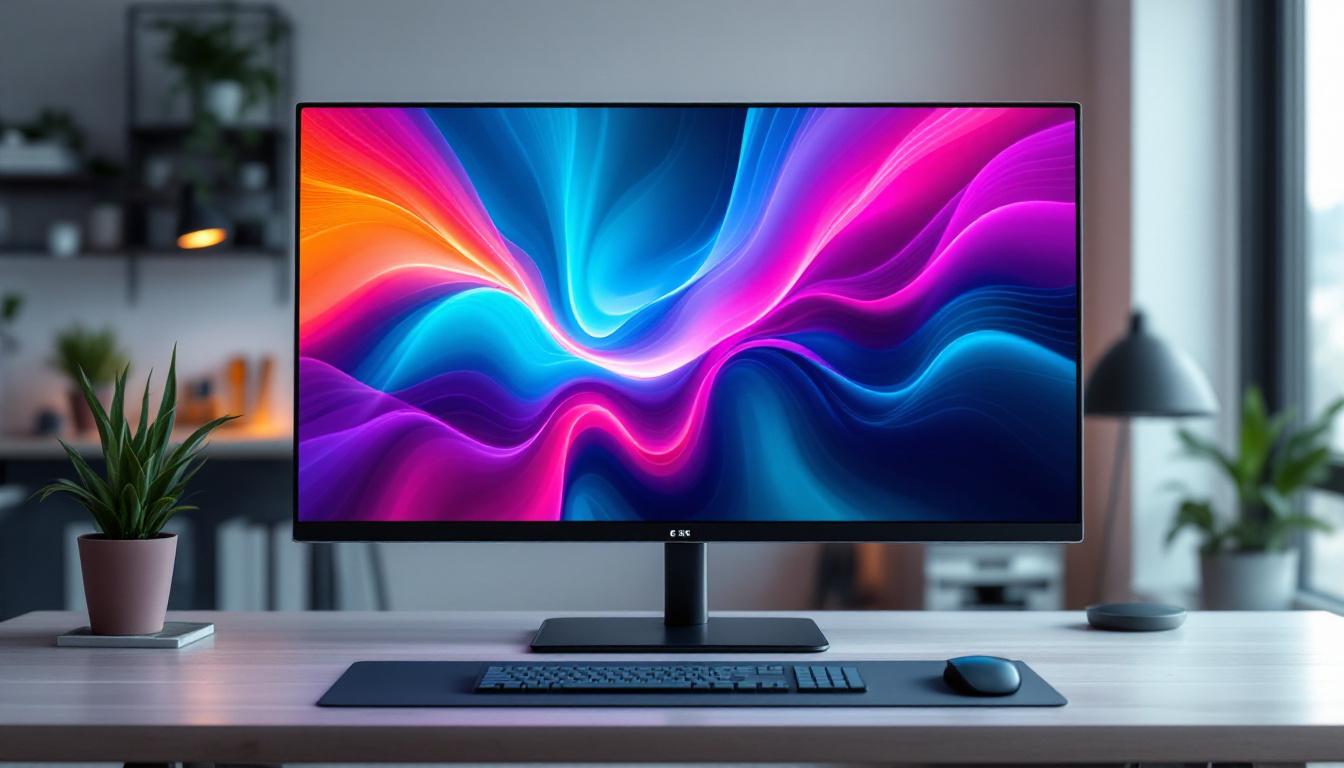
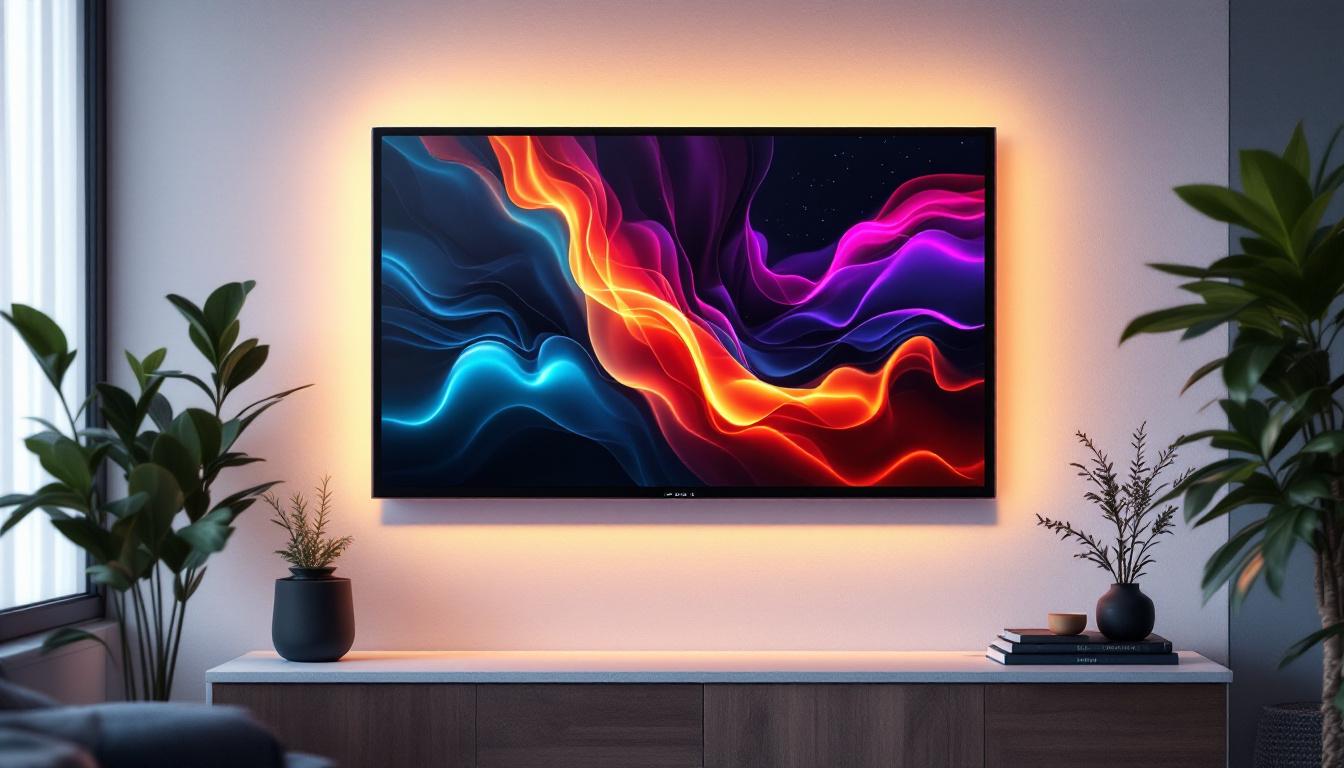
A wall monitor mount is a hardware device designed to securely attach a monitor or display screen to a wall. Unlike traditional stands or desks, wall mounts free up space and provide a sleek, modern look. They come in various sizes and configurations to accommodate different screen dimensions and weights.
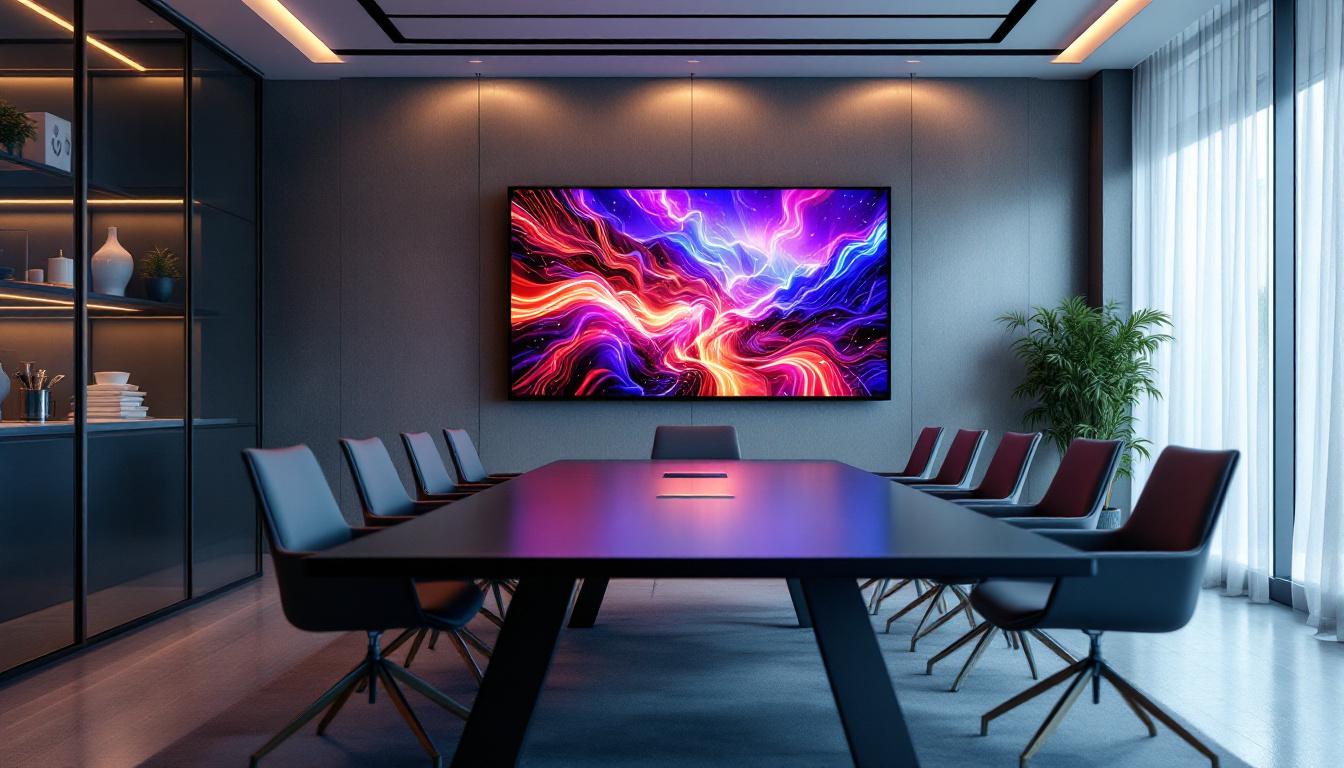
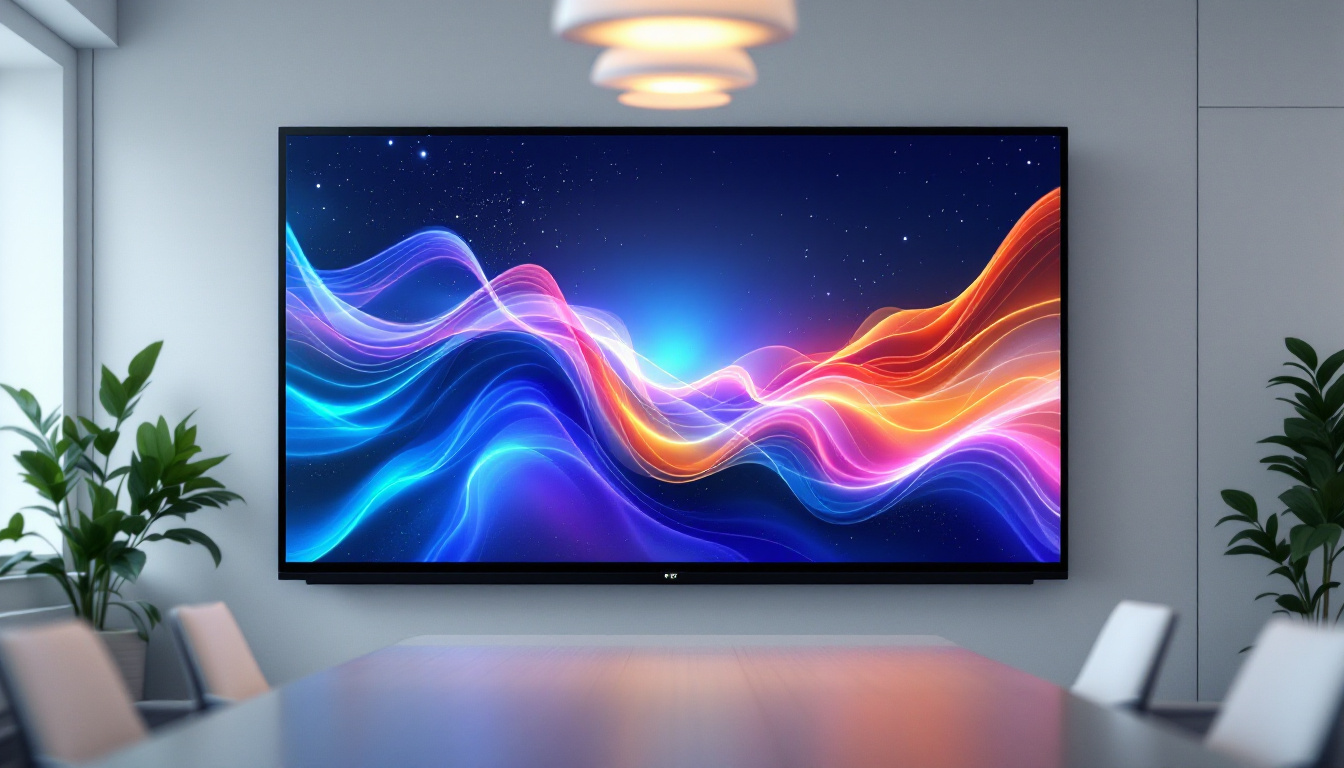
For LED displays, especially large-format ones, the choice of mount is crucial. These screens can be heavy and require mounts that support their weight while allowing for adjustments such as tilting, swiveling, or extending. Proper mounting also helps with cable management and ventilation, which are important for the display’s performance and durability. Additionally, a well-mounted screen can enhance the overall aesthetic of a room, creating a streamlined and professional appearance that is particularly beneficial in office settings, conference rooms, or even home theaters.
Moreover, the installation process of wall monitor mounts can vary significantly based on the type and design of the mount. Some mounts are designed for easy DIY installation, often including all necessary hardware and detailed instructions, while others may require professional installation, especially in cases where the wall material is particularly tough or when multiple screens are being mounted in a grid format. Ensuring that the mount is securely installed is vital, as improper installation can lead to accidents or damage to both the monitor and the wall.
Types of Wall Monitor Mounts
Wall mounts for LED displays generally fall into three categories:
- Fixed Mounts: These mounts hold the display flat against the wall with no movement. They are ideal for situations where the screen is viewed from a fixed angle and where space-saving is a priority. Fixed mounts are often the most affordable option and are commonly used in environments where the display is not frequently adjusted, such as in retail settings or waiting rooms.
- Tilt Mounts: These allow the screen to tilt up or down, helping to reduce glare and improve viewing angles, especially in rooms with varying lighting conditions. Tilt mounts are particularly useful in conference rooms or classrooms where the audience may be seated at different heights, ensuring that everyone has a clear view of the screen.
- Full-Motion Mounts: Also known as articulating mounts, these offer the greatest flexibility, enabling the screen to tilt, swivel, and extend away from the wall. They are perfect for dynamic environments where the viewing position changes frequently. Full-motion mounts are often favored in home entertainment setups, allowing users to adjust the screen for optimal viewing from various seating arrangements.
Understanding LED Displays
LED (Light Emitting Diode) displays are screens that use light-emitting diodes to produce images. They are known for their brightness, energy efficiency, and long lifespan. LED technology has revolutionized display screens, making them the preferred choice for everything from smartphones to massive outdoor billboards.
LED displays can be broadly categorized into two types: direct view LED and LED-backlit LCDs. Direct view LED displays consist of tiny LEDs that form the image directly on the screen, offering exceptional brightness and contrast. LED-backlit LCDs use LEDs as a backlight source behind an LCD panel, enhancing color and energy efficiency compared to traditional CCFL-backlit LCDs.
Key Advantages of LED Displays
LED displays offer several benefits that make them suitable for wall mounting in various environments:
- Brightness and Visibility: LEDs can achieve very high brightness levels, making them visible even in brightly lit rooms or outdoor settings.
- Energy Efficiency: Compared to older display technologies, LED screens consume less power, which reduces operating costs and environmental impact.
- Durability: LEDs are solid-state devices with a long operational life, often exceeding 50,000 hours, which reduces maintenance and replacement frequency.
- Color Accuracy and Contrast: LED displays provide vibrant colors and deep blacks, enhancing image quality and viewer experience.
Why Proper Wall Mounting Matters for LED Displays
Mounting an LED display correctly is more than just an aesthetic choice. It has significant implications for safety, performance, and maintenance. Here are some reasons why selecting the right wall mount and installation method is essential:
Safety and Stability
Large LED displays can be heavy and bulky. Improper mounting increases the risk of the display falling, which can cause injury or damage to property. Using a mount rated for the specific size and weight of the display ensures stability and safety.
Additionally, wall mounts must be securely anchored to the wall structure, whether it’s drywall with studs, concrete, or brick. Professional installation often involves assessing the wall material and using appropriate anchors or bolts to prevent accidents.
Optimal Viewing Experience
The viewing angle and height of an LED display significantly affect user experience. A poorly mounted screen might cause neck strain or fail to deliver clear images due to glare or reflections. Adjustable mounts allow users to customize the screen position for the best visibility.
For example, in a conference room, a tilt or full-motion mount can help ensure that everyone in the room sees the display clearly, regardless of seating position.
Ventilation and Heat Management
LED displays generate heat during operation. Proper mounting allows for adequate airflow behind the screen, preventing overheating that can degrade performance or shorten the lifespan of the display. Some mounts are designed with spacing or ventilation features to facilitate heat dissipation.
Ease of Maintenance and Cable Management
Wall mounts that allow easy access to the back of the display simplify maintenance tasks such as cleaning, repairs, or upgrades. Additionally, mounts often include channels or clips to organize cables neatly, reducing clutter and minimizing the risk of cable damage.
Choosing the Right Wall Monitor Mount for Your LED Display
Selecting the appropriate mount depends on several factors, including the size and weight of the LED display, the wall type, the intended use, and budget considerations. Here are some key points to consider:
Weight and Size Compatibility
Always check the mount’s weight rating and size compatibility before purchase. Manufacturers provide specifications indicating the maximum supported weight and screen size. Overloading a mount can lead to failure and safety hazards.
Adjustability Features
Consider how much flexibility you need. Fixed mounts are usually the least expensive and simplest to install but offer no adjustment. Tilt mounts provide some angle control, while full-motion mounts offer the most versatility but tend to be pricier and more complex to install.
Wall Material and Mounting Method
The type of wall (drywall, concrete, brick) affects the mounting hardware needed. For example, mounting on drywall requires locating studs or using special anchors, while concrete walls need heavy-duty anchors or bolts. Some mounts come with a variety of hardware to accommodate different surfaces.
Aesthetic and Space Considerations
Think about how the mount will look and how much space it will occupy. Some mounts are ultra-slim, keeping the display close to the wall for a clean appearance. Others extend the screen outward, which might be necessary for certain viewing angles but takes up more room.
Installation Best Practices for Wall-Mounted LED Displays
Proper installation is critical to ensure safety and performance. Whether hiring a professional or undertaking a DIY approach, following best practices can make a significant difference.
Pre-Installation Planning
Start by measuring the display and the wall space to confirm fit. Identify the wall type and locate studs or structural supports. Plan cable routes and power access points to avoid unsightly wires and ensure functionality.
Using the Right Tools and Hardware
Use a stud finder, level, drill, and appropriate anchors or bolts. Avoid makeshift solutions that compromise safety. Many mounts come with installation kits tailored for different wall types.
Mounting Procedure
Secure the mounting bracket to the wall first, ensuring it is level and firmly attached. Then, attach the mounting plate to the LED display. With assistance, lift and secure the display onto the wall bracket. Double-check all fasteners and test the mount’s stability.
Post-Installation Checks
Verify that the display is securely mounted and that all cables are connected and organized. Adjust the screen angle if the mount allows. Power on the display and test image quality and connectivity.
Emerging Trends in Wall Mounts and LED Displays
The technology behind LED displays and their mounting solutions continues to evolve. Some of the latest trends include:
Slimmer and Lighter Designs
Advancements in LED technology have led to thinner and lighter displays, which in turn allow for slimmer mounts that hug the wall more closely. This trend supports minimalist interior designs and reduces installation complexity.
Integrated Cable Management Systems
Modern mounts increasingly incorporate sophisticated cable management to hide and protect cables, enhancing aesthetics and safety.
Smart Mounts with Motorized Adjustments
Some high-end mounts now feature motorized tilt, swivel, and extension functions controlled via remote or smartphone apps. These smart mounts enable effortless adjustment and can be integrated into smart home or office systems.
Modular and Scalable Mounting Solutions
For large video walls composed of multiple LED panels, modular mounting systems allow for precise alignment, easy maintenance, and scalability. These systems are especially popular in commercial and entertainment venues.
Conclusion
Wall monitor mounts play a vital role in the installation and performance of LED displays. Choosing the right mount, understanding the characteristics of LED technology, and following best installation practices ensure safety, enhance viewing experiences, and prolong the life of the display. As LED technology and mounting solutions continue to advance, users can expect even more efficient, flexible, and aesthetically pleasing options to meet their needs.
Whether outfitting a corporate boardroom, retail space, or home theater, investing time and resources into selecting and installing the proper wall monitor mount for your LED display is a decision that pays dividends in functionality and satisfaction.
Discover the Future of Visual Display with LumenMatrix
Ready to elevate your space with cutting-edge LED display technology? LumenMatrix offers a comprehensive range of innovative solutions tailored to your unique needs. From captivating Indoor LED Wall Displays to dynamic Outdoor LED Wall Displays and beyond, our mission is to transform your visual communication with clarity and impact. Don’t miss the opportunity to create unforgettable visual experiences. Check out LumenMatrix LED Display Solutions today and see the difference for yourself.