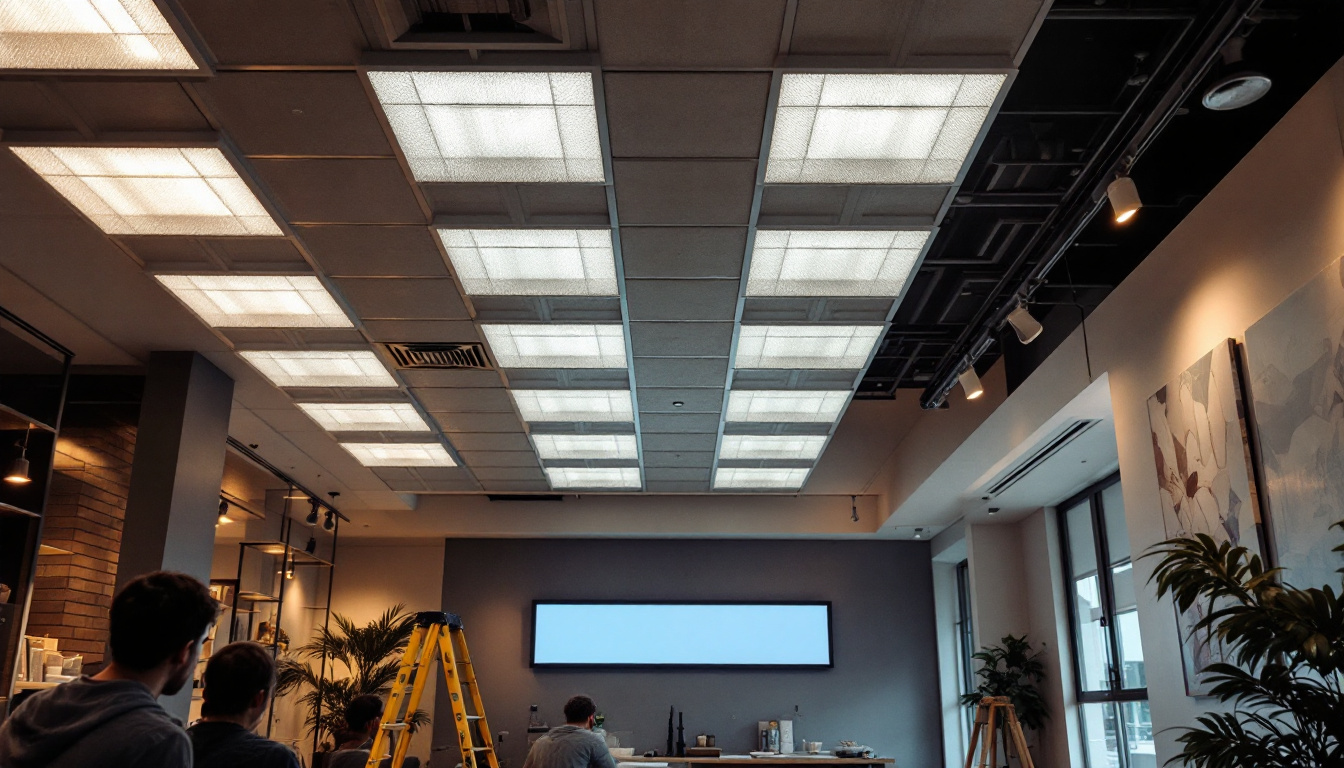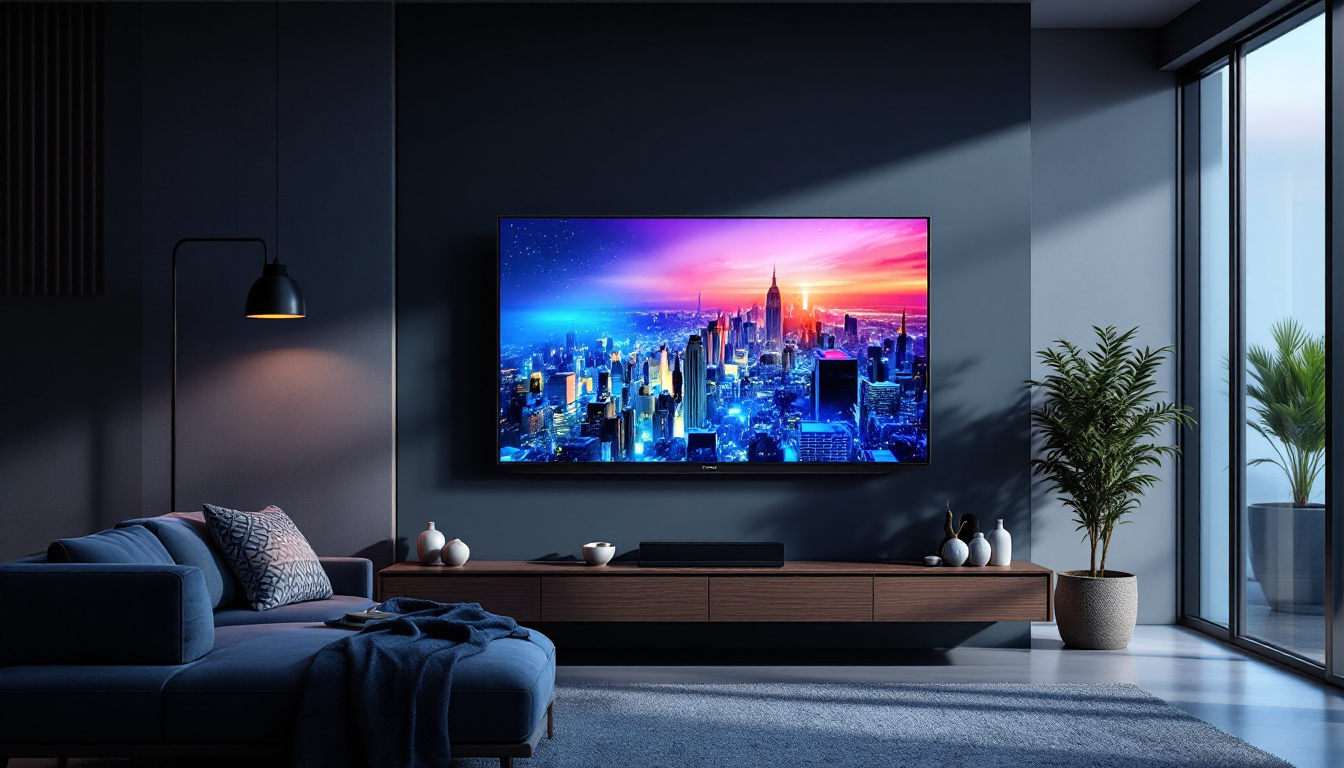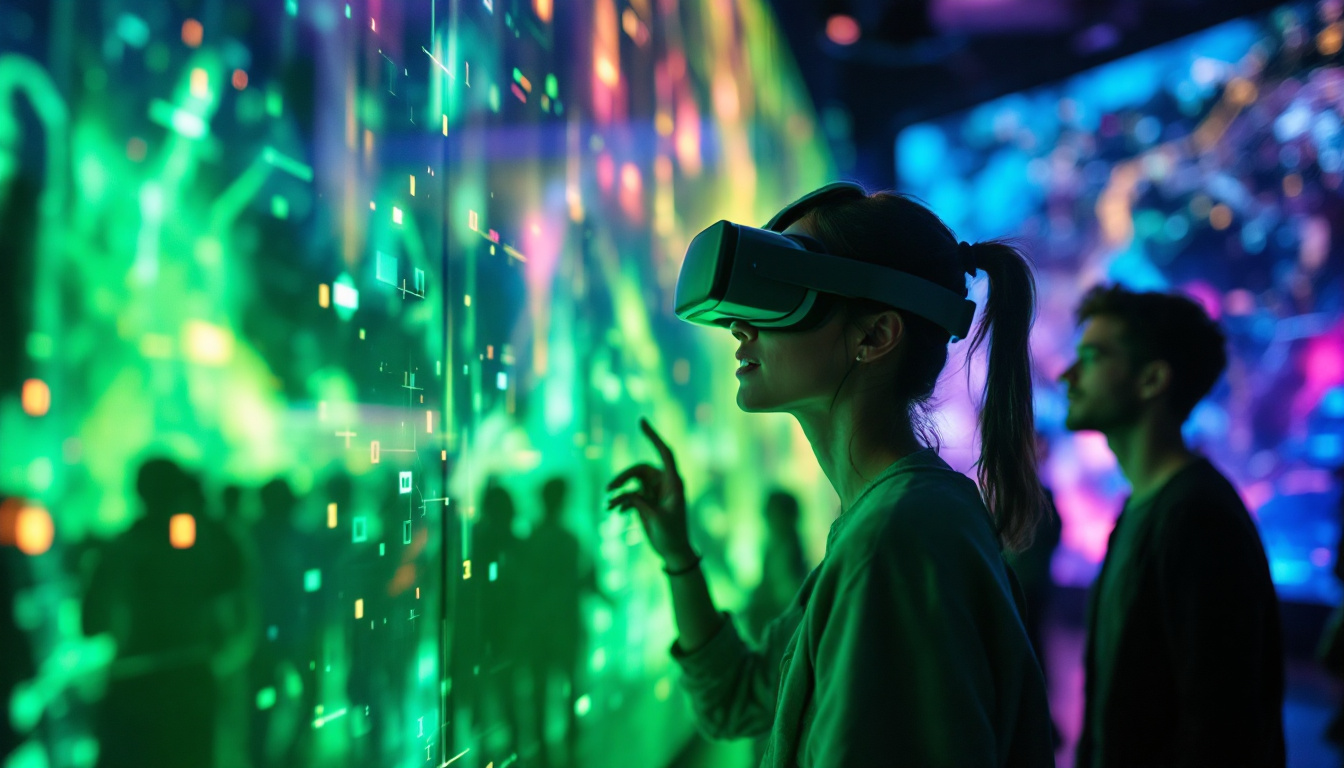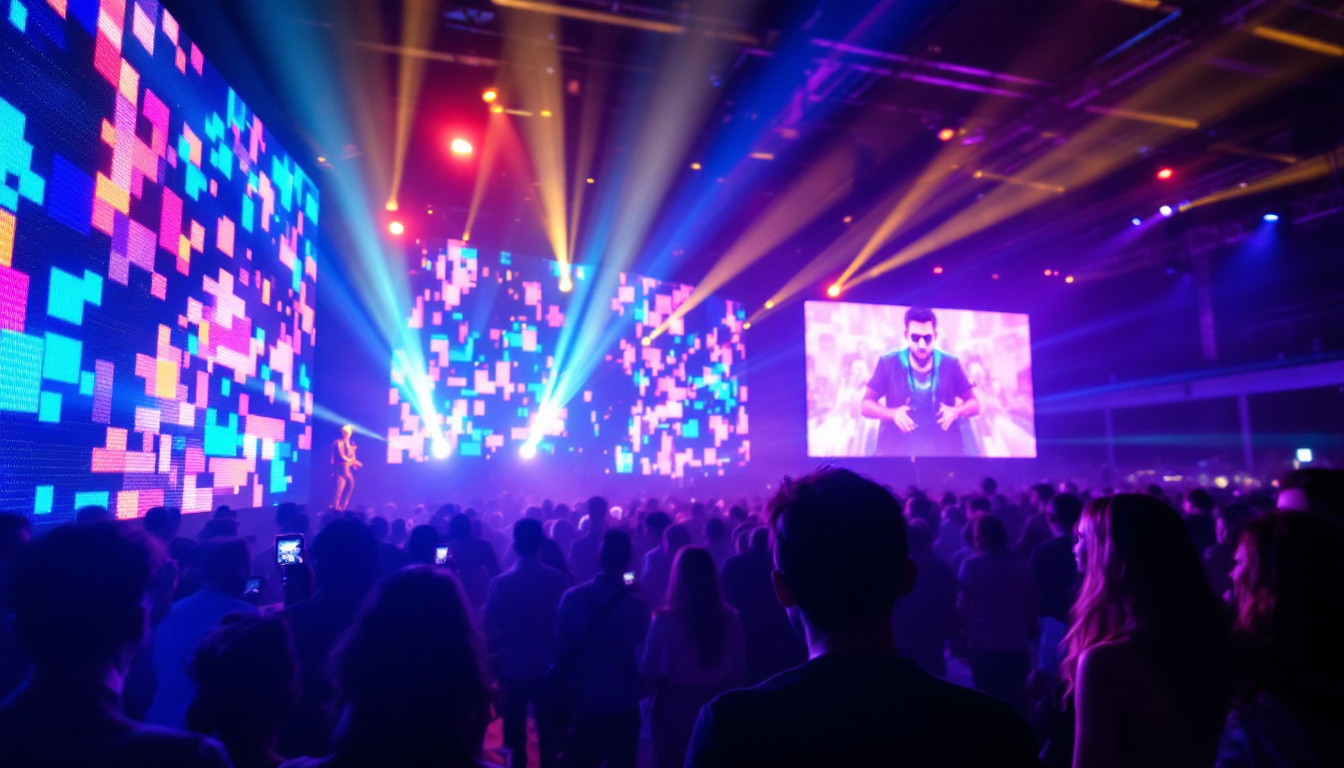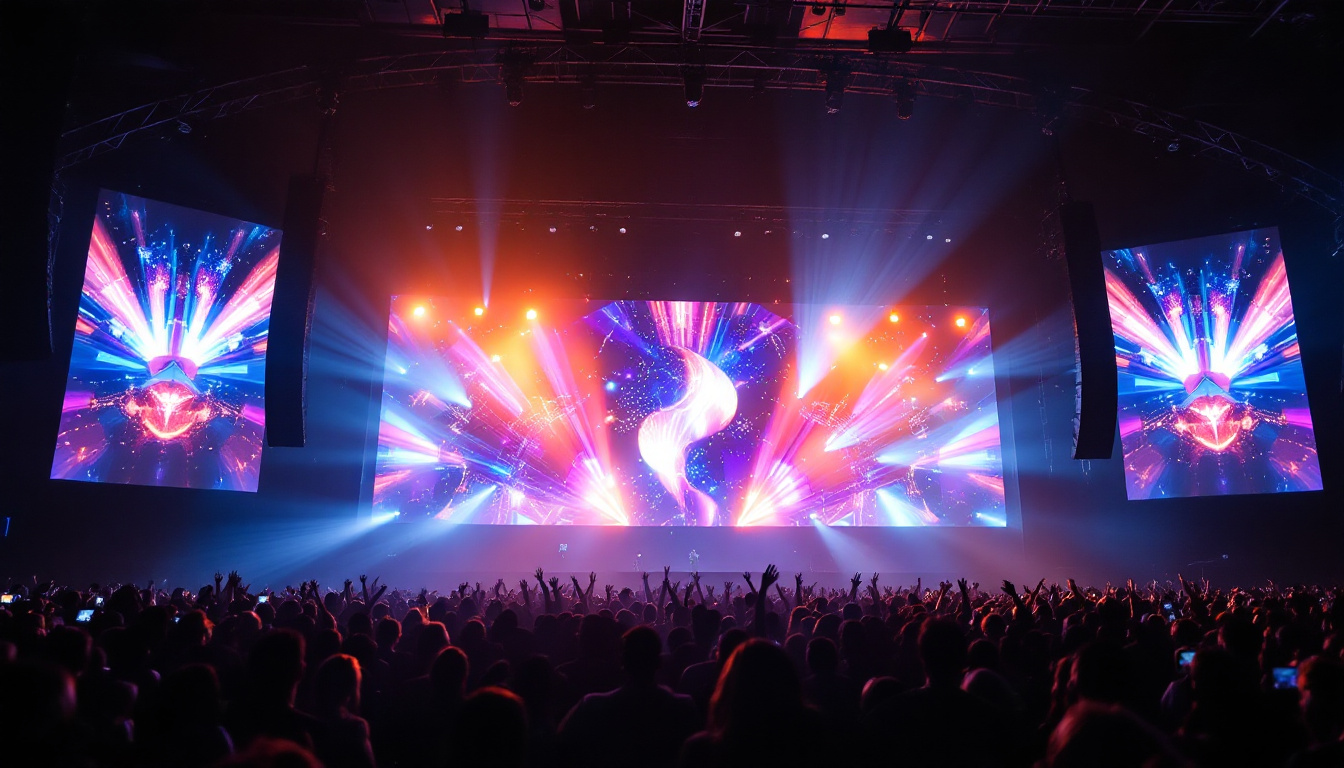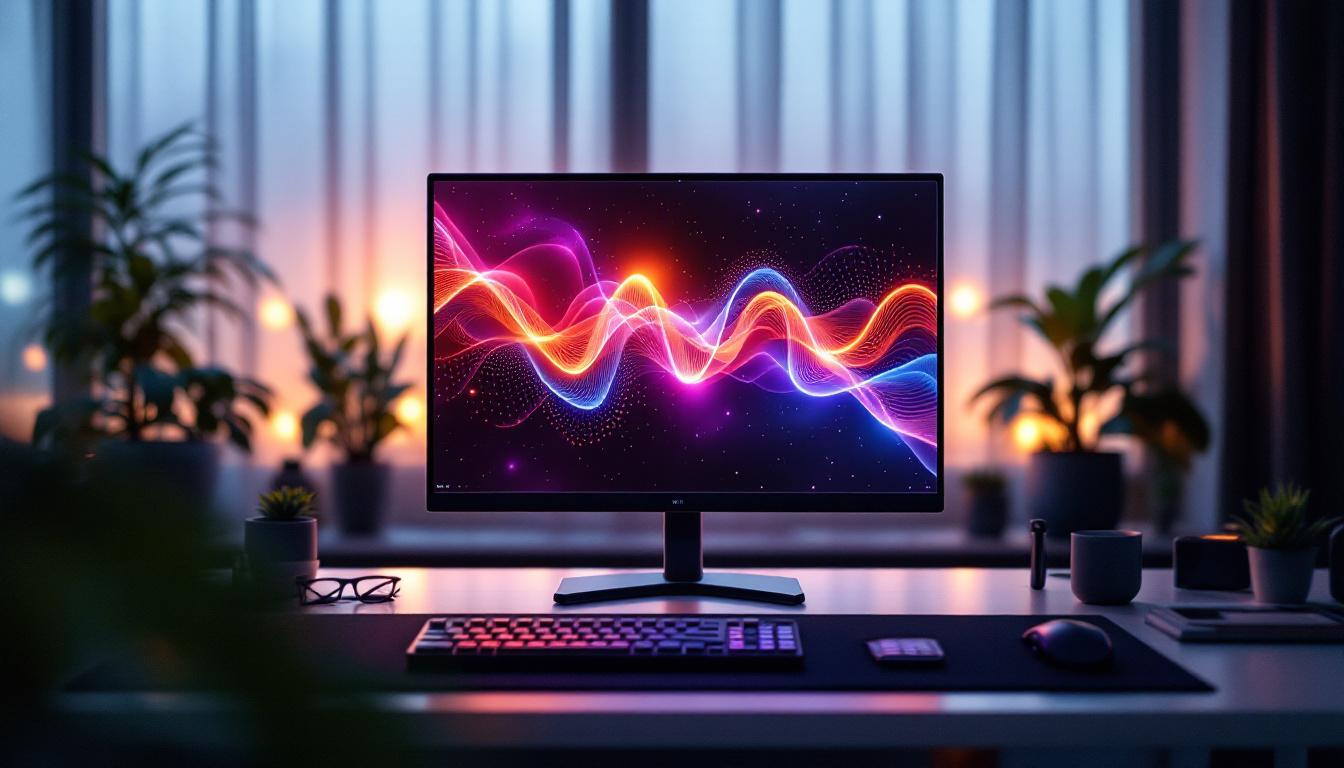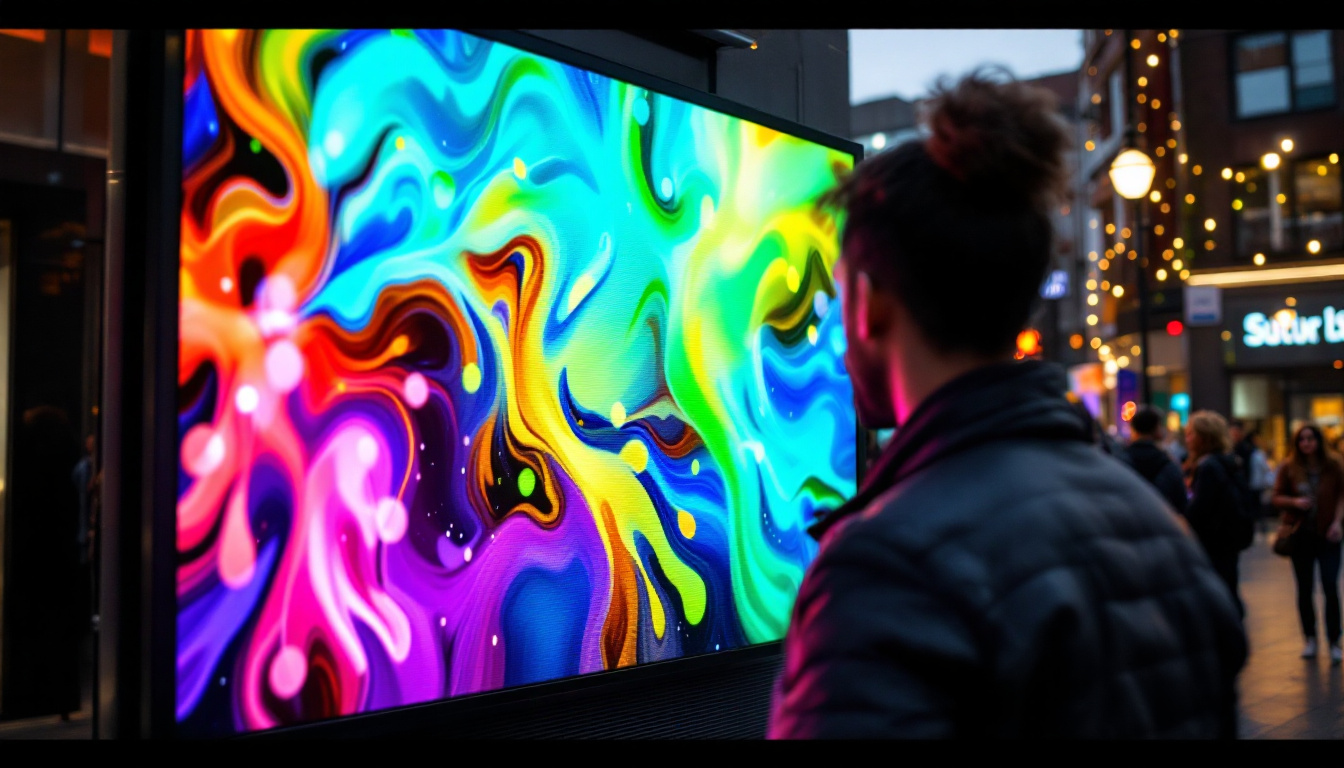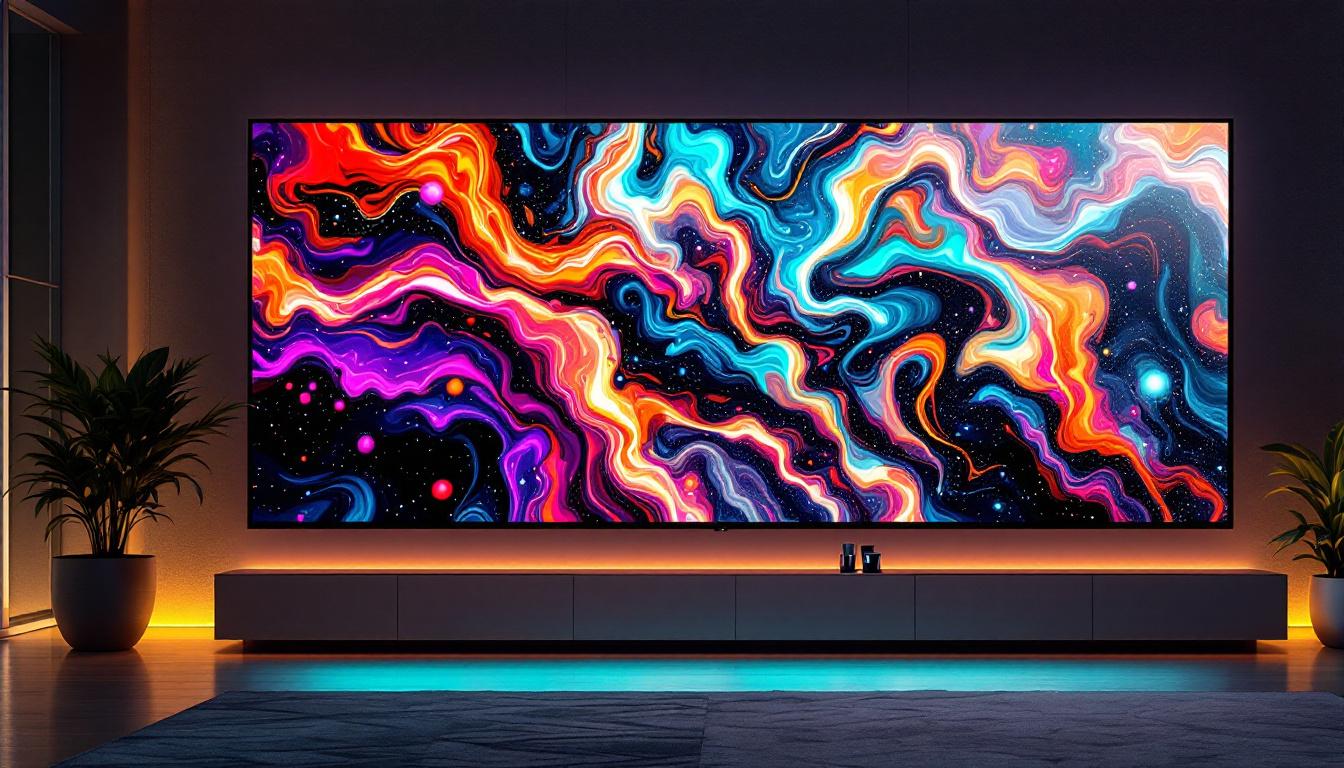
In the evolving world of digital art and display technology, the 60 inch wide LED display has emerged as a popular medium for artists, advertisers, and designers alike. This article delves into the intricacies of 60 inch wide LED displays, exploring their technology, applications, and why they have become a preferred choice for large-scale digital art installations.
Understanding LED Display Technology
What is an LED Display?
LED, or Light Emitting Diode, displays are screens composed of numerous tiny LEDs that emit light when an electric current passes through them. These displays are known for their brightness, energy efficiency, and ability to produce vibrant colors. Unlike traditional LCD screens that rely on backlighting, LED displays generate their own light, which results in higher contrast ratios and better visibility in various lighting conditions. This capability makes them particularly suitable for outdoor environments where sunlight can wash out other types of displays.
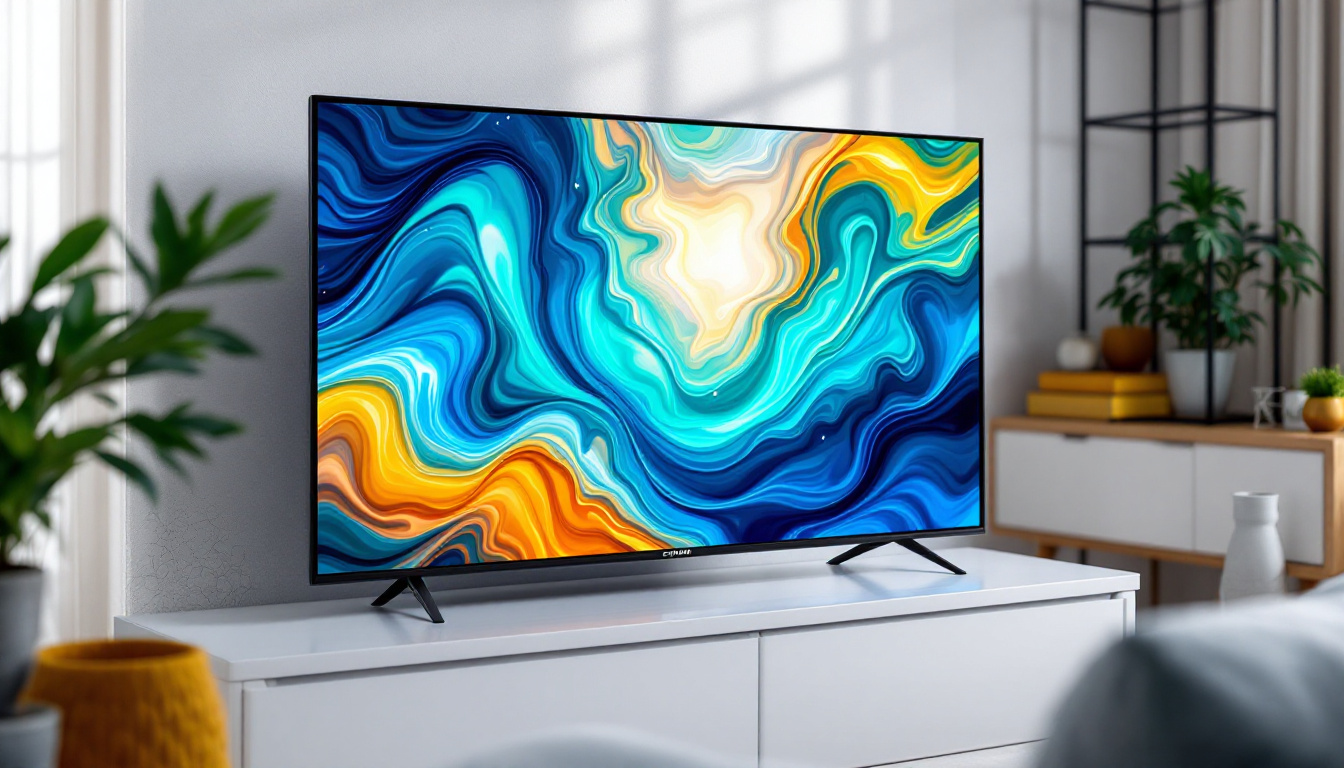
The 60 inch wide LED display typically refers to a screen with a width of 60 inches, often used for digital signage, artistic installations, and multimedia presentations. This size strikes a balance between being large enough to capture attention and compact enough to fit into diverse environments, from galleries to retail spaces. Additionally, the portability of a 60 inch display allows it to be easily moved and set up in different locations, making it a versatile choice for events and exhibitions. The ability to showcase high-definition content in a large format enhances audience engagement, making it a popular choice for marketing campaigns and interactive installations.
Types of LED Displays
LED displays come in two primary types: direct view LED and LED-backlit LCD displays. Direct view LED displays are made up of individual LEDs arranged in a matrix, which directly produce the image. These are commonly used for large-format displays like billboards and stage backdrops. LED-backlit LCDs, on the other hand, use LEDs to illuminate an LCD panel and are typical in consumer electronics. The choice between these types often depends on the intended application, as direct view LEDs are generally more suited for high-impact visual experiences.
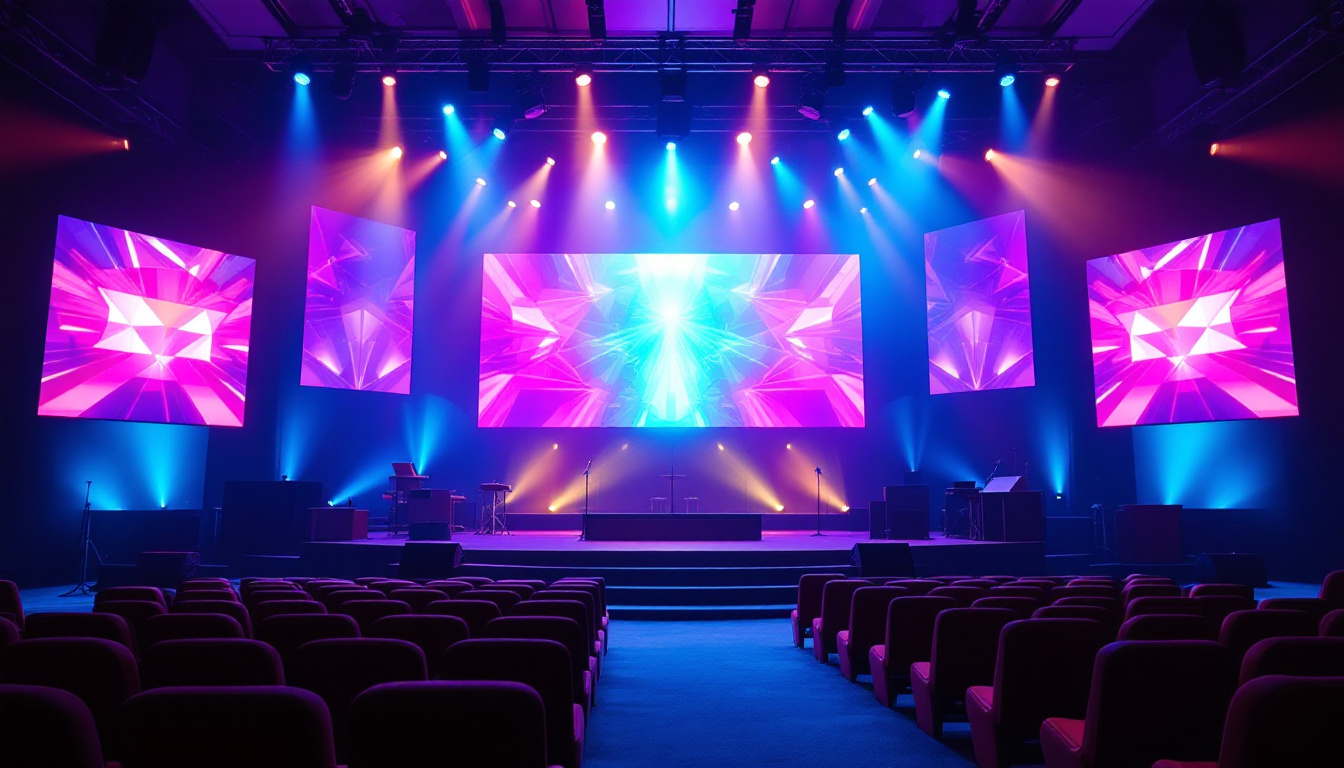
For 60 inch wide art installations, direct view LED displays are often preferred due to their superior brightness and color accuracy. They provide a seamless viewing experience without the limitations of backlight bleed or restricted viewing angles. Furthermore, advancements in technology have led to the development of ultra-thin, lightweight panels that can be easily integrated into creative designs, allowing artists and designers to push the boundaries of traditional display formats. These displays can also support high refresh rates, making them ideal for dynamic content such as video art or interactive installations, where fluid motion and clarity are paramount for the viewer’s experience.
The Advantages of 60 Inch Wide LED Displays for Art
Vibrant Color and High Resolution
One of the key advantages of LED displays is their ability to showcase vibrant colors with high precision. Modern 60 inch LED panels can achieve resolutions of 4K or higher, allowing artists to present intricate details and rich textures in their digital artwork. This level of detail is crucial for immersive art experiences where subtle color gradients and fine lines matter.
Moreover, LED technology supports a wide color gamut, often covering over 90% of the DCI-P3 color space, which is the standard for digital cinema. This ensures that the colors displayed are vivid and true to the artist’s original vision, enhancing the emotional impact of the artwork. The ability to reproduce colors accurately means that artists can experiment with bold palettes and nuanced shades, knowing that their work will be represented faithfully on screen. This is especially beneficial for artists working in digital mediums, where the transition from digital to physical can sometimes lead to color discrepancies.
Brightness and Visibility in Various Environments
LED displays are renowned for their exceptional brightness, often exceeding 1000 nits, which makes them easily viewable even in brightly lit environments. This feature is particularly important for public art installations or commercial displays where ambient lighting can vary significantly throughout the day. The high brightness levels ensure that the artwork remains striking and engaging, captivating viewers regardless of the surrounding light conditions.
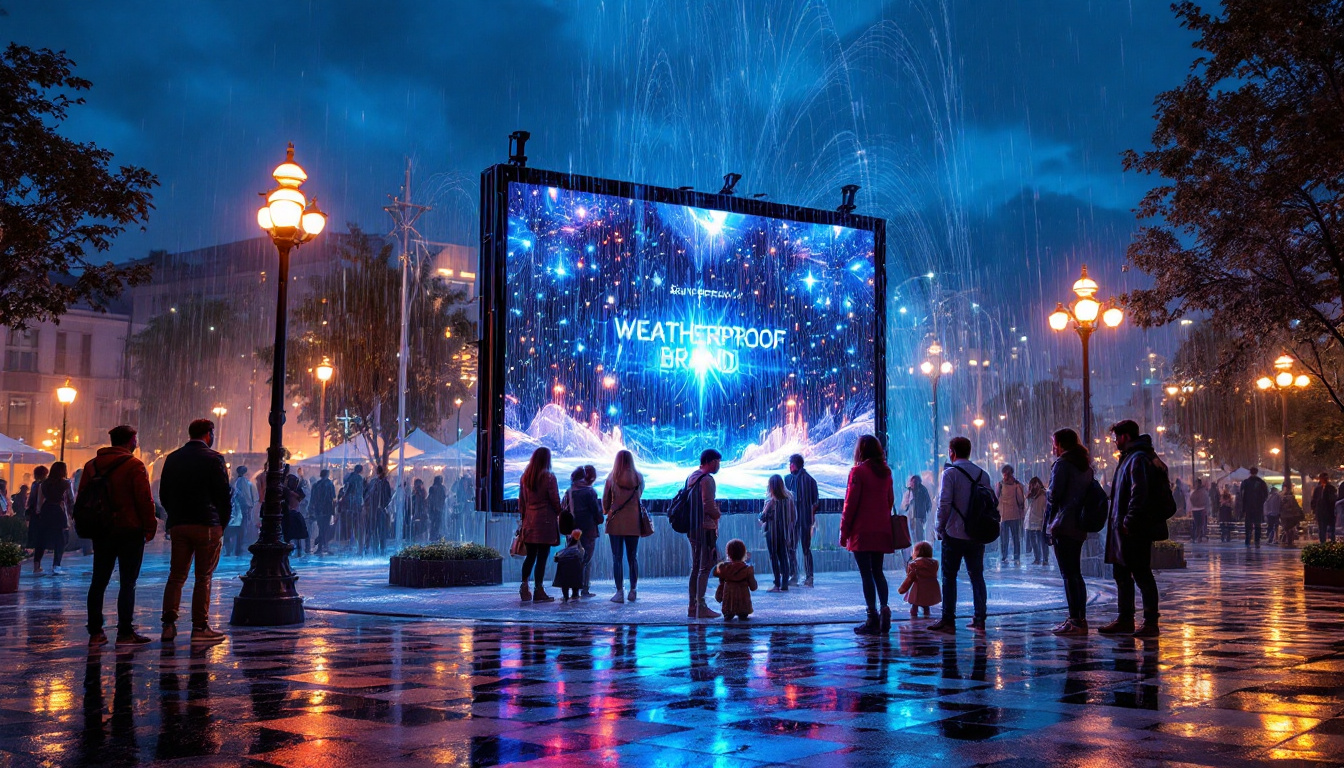
The 60 inch size is versatile enough to be used both indoors and outdoors, provided the display is rated for the environment. Outdoor-rated LED displays come with weatherproofing and higher brightness levels to combat sunlight glare, making them suitable for urban art projects and advertising. Additionally, the large screen size allows for a more immersive viewing experience, drawing in passersby and encouraging them to engage with the art on a deeper level. Whether displayed in a gallery, a bustling city square, or a corporate lobby, these screens can transform any space into a dynamic art venue.
Energy Efficiency and Longevity
Compared to other display technologies, LEDs consume less power and have a longer lifespan, often exceeding 50,000 hours of operation. This makes 60 inch wide LED displays a cost-effective choice for long-term installations. Reduced energy consumption also aligns with sustainability goals, an increasingly important consideration for museums, galleries, and businesses. The longevity of LED displays means that they require less frequent replacement, reducing waste and the environmental impact associated with manufacturing and disposing of electronic devices.
Furthermore, advancements in LED technology continue to improve energy efficiency, allowing for even lower power consumption without sacrificing performance. This is particularly beneficial for large-scale installations, where the cumulative savings on energy bills can be significant. As artists and institutions become more conscious of their ecological footprint, opting for energy-efficient displays not only supports their artistic vision but also demonstrates a commitment to sustainability. The integration of smart technology into these displays can further enhance their efficiency, enabling features like automatic brightness adjustment based on ambient light, which optimizes power usage while maintaining visual quality.
Applications of 60 Inch Wide LED Displays in Art
Digital Art Galleries and Exhibitions
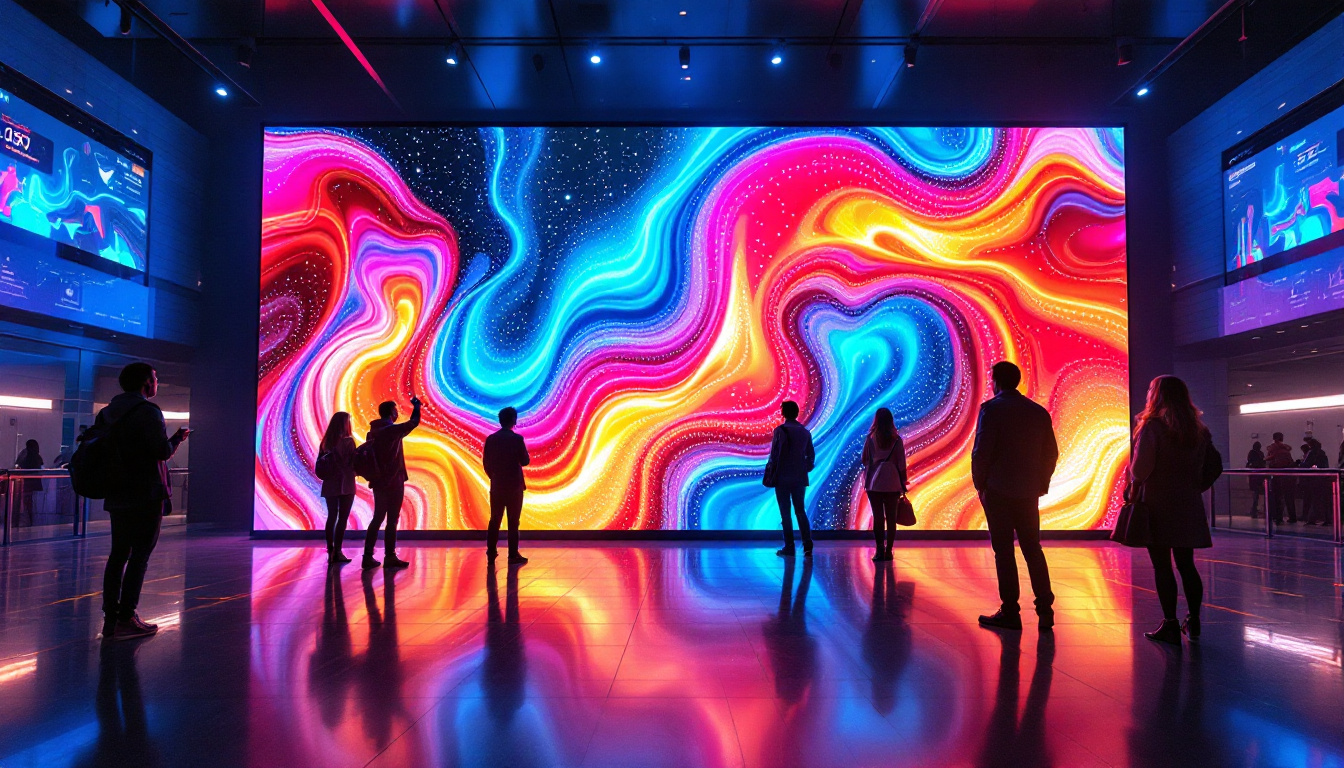
Many contemporary art galleries have embraced LED displays to showcase digital artworks, video installations, and interactive pieces. The 60 inch format is ideal for creating immersive experiences without overwhelming the viewer. Artists can display dynamic content that changes over time, adding a new dimension to traditional static art.
For example, renowned digital artist Refik Anadol uses large LED screens to create mesmerizing data-driven installations. While some of his works utilize massive walls of LEDs, smaller 60 inch displays offer a more accessible format for galleries wanting to integrate digital art into their exhibitions.
Retail and Commercial Spaces
In retail environments, 60 inch LED displays serve as eye-catching digital canvases for branding and advertising. Their ability to show high-resolution images and videos helps brands communicate messages effectively and attract customers. Art and design studios also use these displays to present portfolios or digital mockups to clients in a visually appealing way.
For instance, luxury fashion brands often employ LED displays to showcase runway footage or digital art that complements their collections, enhancing the overall shopping experience.
Public Art and Urban Installations
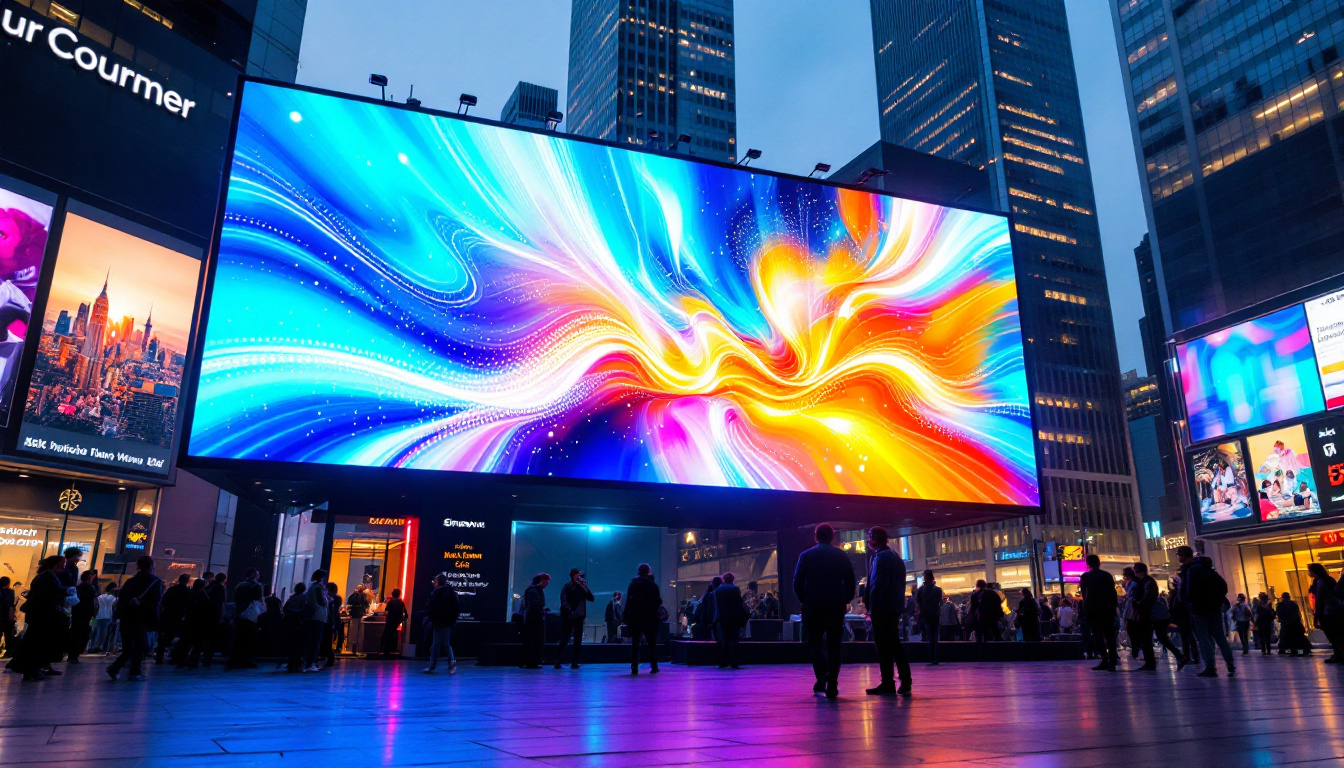
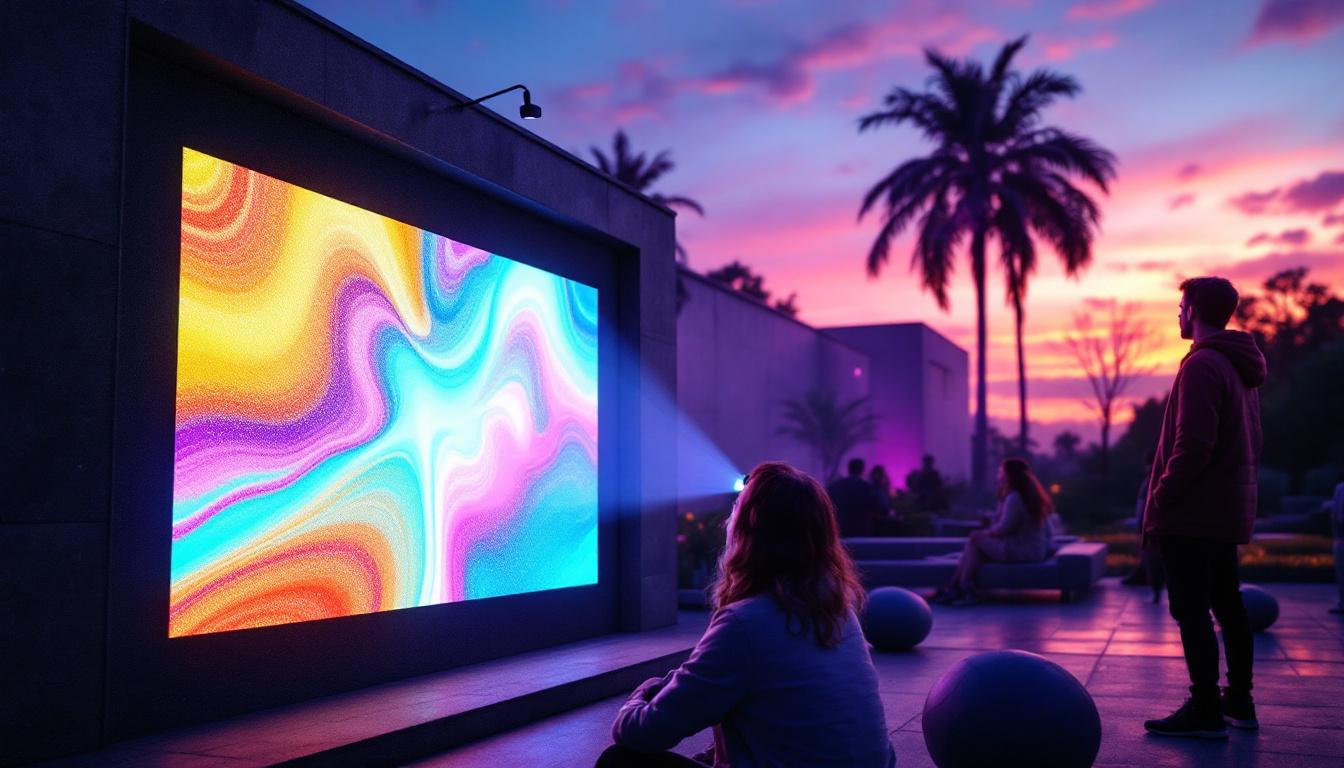
Urban planners and artists collaborate to integrate LED displays into public spaces, transforming cityscapes with vibrant digital art. The 60 inch wide LED display is a practical size for kiosks, interactive information points, and smaller-scale installations that engage the community.
One notable example is the use of LED panels in interactive public art projects that respond to environmental data or viewer interaction, creating a dynamic dialogue between the artwork and its audience.
Technical Considerations When Choosing a 60 Inch LED Display
Resolution and Pixel Pitch
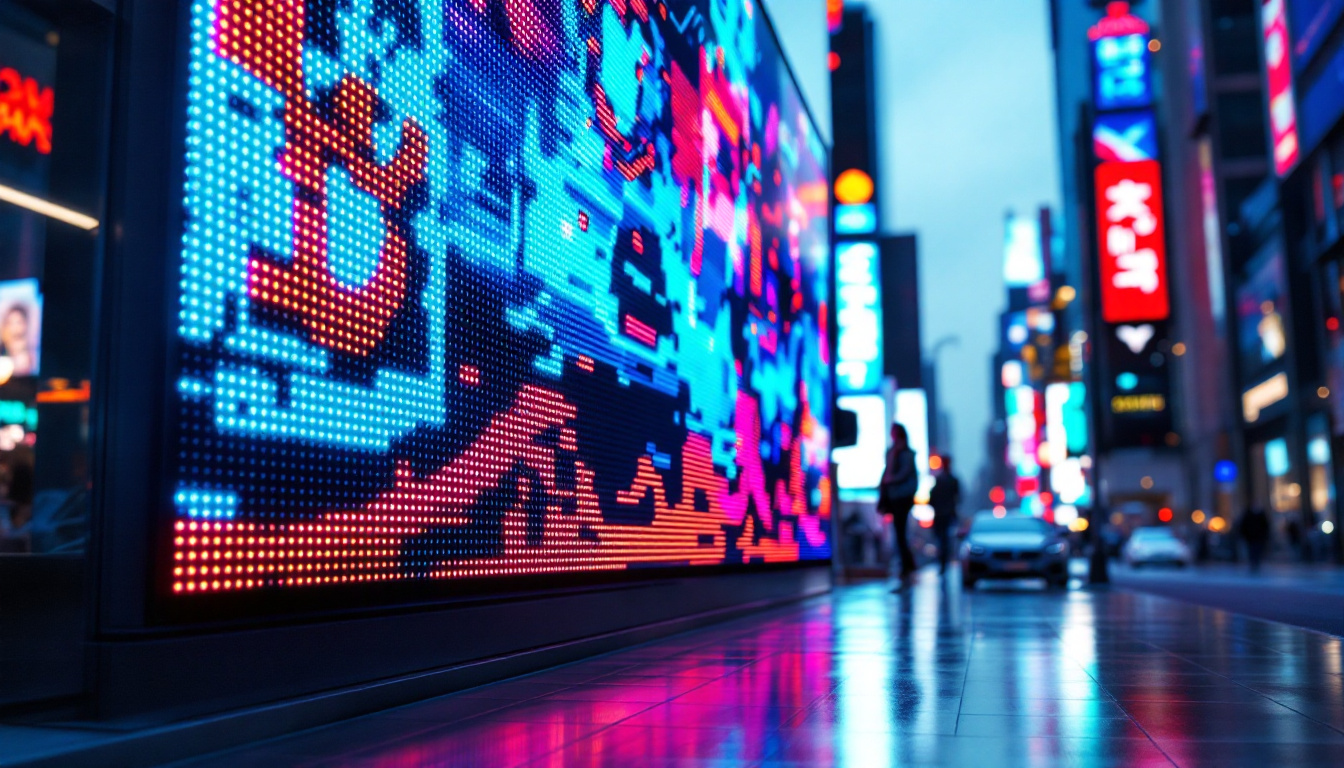
Resolution is a critical factor for digital art displays. The pixel pitch, which refers to the distance between individual LEDs, determines the display’s clarity and sharpness. A smaller pixel pitch means more LEDs per square inch, resulting in higher resolution and finer detail.
For a 60 inch wide display, a pixel pitch of 1.2mm to 2.5mm is generally recommended for indoor art installations to ensure crisp images. Larger pixel pitches might be suitable for outdoor displays viewed from a distance but could compromise detail when viewed up close.
Color Calibration and Uniformity
Accurate color reproduction is essential for art displays. Professional-grade LED panels come with built-in calibration tools or support external calibration to maintain color consistency across the display. Uniform brightness and color help prevent distracting visual artifacts that can detract from the artwork.
Regular calibration is advisable, especially in environments where lighting conditions change or the display is used extensively.
Connectivity and Content Management
Modern LED displays support various input options including HDMI, DisplayPort, and network connections. For digital art, it’s important to have a robust content management system (CMS) that allows artists or curators to schedule, update, and control the displayed content remotely.
Some LED displays also support interactive features such as touch input or integration with sensors, expanding creative possibilities for digital art installations.
Future Trends in 60 Inch Wide LED Art Displays
Integration with Augmented Reality (AR) and Virtual Reality (VR)
The convergence of LED display technology with AR and VR is opening new frontiers for digital art. Artists can create hybrid experiences where the physical LED display interacts with virtual elements viewed through AR glasses or VR headsets, offering multi-layered storytelling possibilities.
Such integrations are expected to become more common as hardware becomes more affordable and software platforms more accessible.
Advancements in Flexible and Transparent LED Displays
Innovations in LED technology have led to the development of flexible and transparent LED panels. These can be curved or embedded into glass surfaces, allowing for creative display shapes and novel installation methods. A 60 inch wide flexible LED display could wrap around architectural features or serve as a window display without obstructing views.
These advancements will provide artists with unprecedented freedom to experiment with form and function.
AI-Driven Content and Interactive Displays
Artificial intelligence is increasingly being used to generate and adapt digital art in real-time based on viewer interaction, environmental factors, or data inputs. AI-driven LED displays can personalize the viewing experience, making each encounter unique.
For instance, an AI-powered 60 inch LED display in a gallery could alter its visuals based on audience demographics or mood detection, creating a responsive and engaging art experience.
Conclusion
The 60 inch wide LED display represents a versatile and powerful medium for digital art, blending cutting-edge technology with creative expression. Its combination of vibrant color, high resolution, and adaptability makes it an ideal choice for galleries, public installations, and commercial applications.
As LED technology continues to advance, artists and designers will have even greater opportunities to push the boundaries of digital art, creating immersive and interactive experiences that captivate audiences worldwide.
Explore the Future of Visual Art with LumenMatrix
Ready to elevate your space with the vibrant, high-resolution capabilities of LED displays? Discover LumenMatrix’s innovative solutions tailored for every application, from galleries to dynamic public installations. Our range of products, including Indoor and Outdoor LED Wall Displays, Vehicle LED Displays, and more, are designed to bring your digital art to life. Experience the revolution in visual communication and let LumenMatrix help you create truly immersive and interactive experiences. Check out LumenMatrix LED Display Solutions today and transform your visual storytelling.