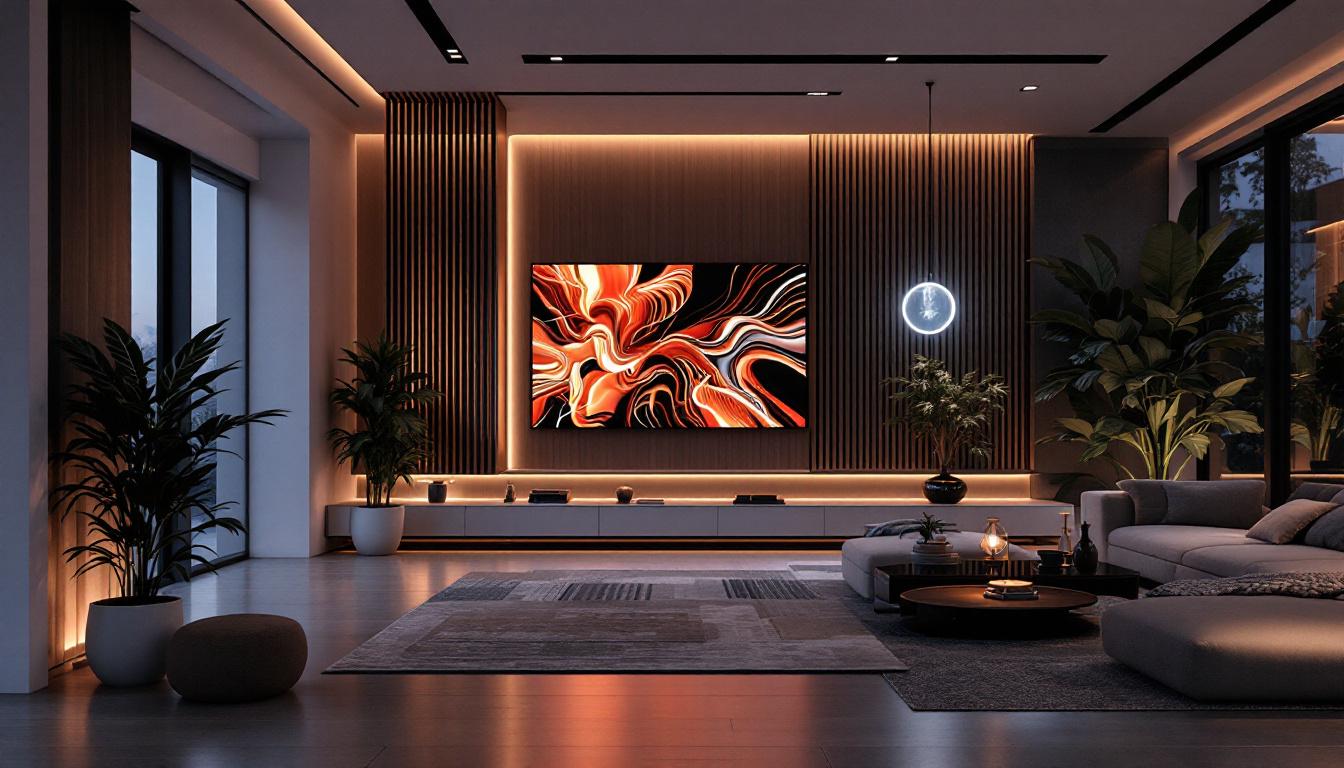
In the evolving world of residential architecture and interior design, technology plays a pivotal role in shaping how designers conceptualize and communicate their ideas. Autodesk Revit 2024, a leading Building Information Modeling (BIM) software, continues to revolutionize residential design by offering advanced tools and features that streamline workflows and enhance visualization. One such feature gaining traction is the integration of LED displays within Revit projects, allowing designers to simulate, analyze, and optimize lighting solutions with unprecedented accuracy.
This article delves into the nuances of residential design using Autodesk Revit 2024, focusing specifically on the application and benefits of LED display technology. From understanding the fundamentals of LED lighting in homes to leveraging Revit’s capabilities for efficient design and presentation, this comprehensive guide is tailored for architects, designers, and engineers aiming to elevate their residential projects.
Understanding LED Lighting in Residential Design
The Rise of LED Technology in Homes
LED (Light Emitting Diode) lighting has transformed residential lighting over the past decade. According to the U.S. Department of Energy, LED bulbs use at least 75% less energy and last 25 times longer than incandescent lighting, making them a sustainable and cost-effective choice for homeowners. This shift towards energy efficiency aligns with growing environmental concerns and stricter building codes worldwide. As more homeowners become aware of their carbon footprints, the demand for eco-friendly solutions like LED lighting continues to rise, leading to innovations in both technology and design.
Beyond energy savings, LEDs offer superior flexibility in design. Their compact size, durability, and color range enable architects to incorporate innovative lighting schemes that enhance both aesthetics and functionality. From ambient lighting in living rooms to task lighting in kitchens, LED fixtures can be tailored to suit diverse residential needs. Moreover, the ability to change color temperatures allows homeowners to create different atmospheres, from warm, cozy settings for relaxation to bright, cool tones that enhance focus and productivity in workspaces. This adaptability not only meets the practical requirements of a home but also elevates the overall living experience.
Key Benefits of LED Lighting in Residential Spaces
LED lighting presents several advantages that resonate with modern residential design priorities:
- Energy Efficiency: LEDs consume significantly less electricity, reducing utility bills and carbon footprints.
- Longevity: With lifespans often exceeding 25,000 hours, LEDs minimize maintenance and replacement costs.
- Design Versatility: Available in various shapes, sizes, and color temperatures, LEDs support creative lighting designs.
- Improved Light Quality: LEDs provide consistent, flicker-free illumination that enhances comfort and visibility.
- Integration with Smart Systems: Many LED systems are compatible with smart home technologies, allowing for programmable and adaptive lighting.
Given these benefits, integrating LED lighting into residential projects is not only practical but increasingly essential for meeting client expectations and regulatory requirements. Additionally, the growing trend of smart homes has led to the development of advanced LED solutions that can be controlled remotely via smartphones or voice-activated devices. This level of control enables homeowners to customize their lighting according to their daily routines, enhancing convenience and energy management. Furthermore, the ability to sync lighting with other smart home systems, such as security and climate control, creates a cohesive and efficient living environment that caters to the modern lifestyle.
Another noteworthy aspect of LED lighting is its contribution to health and well-being. Research indicates that the right lighting can significantly influence mood, productivity, and even sleep patterns. For instance, cooler, blue-toned light can help improve alertness during the day, while warmer tones in the evening can promote relaxation and prepare the body for sleep. This understanding has led to the emergence of tunable white LEDs, which allow homeowners to adjust the color temperature throughout the day, mimicking the natural progression of sunlight. As a result, LED lighting not only enhances the aesthetic appeal of residential spaces but also plays a crucial role in fostering a healthier and more balanced living environment.
Autodesk Revit 2024: A Game-Changer for Residential Lighting Design
Overview of Revit 2024’s Lighting Features
Autodesk Revit 2024 builds upon its robust BIM platform by enhancing lighting design capabilities. The software offers detailed lighting families, photometric analysis tools, and improved rendering engines that simulate real-world lighting conditions. These features empower designers to visualize how LED fixtures will perform in a space before construction begins.
One of the standout improvements in Revit 2024 is the integration of more comprehensive LED display families. These include customizable parameters such as lumen output, color temperature, beam angle, and fixture placement, enabling precise control over lighting scenarios. Additionally, Revit’s interoperability with Autodesk’s cloud rendering services allows for high-fidelity visualizations that showcase LED lighting effects realistically.
How Revit Enhances Collaboration and Accuracy
Residential design projects often involve multiple stakeholders, including architects, electrical engineers, interior designers, and clients. Revit’s centralized BIM environment facilitates seamless collaboration by maintaining a single source of truth for all project data. Changes made to LED lighting specifications automatically update across all views and documentation, reducing errors and inconsistencies.
Moreover, Revit’s parametric modeling ensures that LED lighting components adapt dynamically to design changes. For example, resizing a room or repositioning furniture will prompt corresponding adjustments in lighting placement and intensity, preserving design intent and compliance with lighting standards.
Implementing LED Displays in Residential Projects Using Revit 2024
Step-by-Step Workflow for LED Lighting Design
Designing LED lighting within Revit 2024 involves a structured approach that integrates technical precision with creative exploration:
- Define Lighting Requirements: Begin by assessing the residential space’s functional needs, aesthetic goals, and energy targets. Consider factors such as room size, natural light availability, and occupant activities.
- Select Appropriate LED Fixtures: Utilize Revit’s extensive library of LED lighting families or import manufacturer-specific photometric data for accurate representation.
- Place and Configure Fixtures: Position LED fixtures within the model, adjusting parameters like intensity, color temperature, and beam spread to achieve desired effects.
- Conduct Lighting Analysis: Use Revit’s built-in lighting analysis tools or integrate with third-party plugins to evaluate illuminance levels, glare, and energy consumption.
- Render and Visualize: Generate photorealistic renderings and walkthroughs to communicate lighting design to clients and contractors effectively.
- Document and Coordinate: Produce detailed lighting schedules, wiring diagrams, and specification sheets directly from the model to streamline construction processes.
Case Study: Modern Family Home LED Lighting Design
Consider a contemporary family residence where the design team utilized Revit 2024 to implement an advanced LED lighting scheme. The project incorporated layered lighting strategies, combining recessed LED downlights, accent strip lighting, and smart dimmable fixtures controlled via a centralized system.
Using Revit’s LED display families, the team simulated various lighting scenarios to optimize comfort and energy use. The photometric analysis revealed potential glare issues near kitchen counters, prompting adjustments in fixture placement and beam angles. The final renderings allowed the homeowners to visualize the ambiance during different times of day, facilitating informed decisions.
This approach not only enhanced design quality but also reduced costly on-site modifications, demonstrating the tangible benefits of integrating LED displays within Revit workflows.
Optimizing Energy Efficiency and Sustainability with Revit LED Displays
Energy Modeling and Compliance
Energy efficiency is a cornerstone of sustainable residential design. Revit 2024 supports this by enabling designers to incorporate LED lighting data into energy models that predict overall building performance. By simulating lighting loads alongside HVAC and envelope characteristics, designers can identify opportunities to reduce consumption and meet certification standards such as LEED or WELL.
For instance, Revit’s ability to assign accurate wattage and control schedules to LED fixtures allows for detailed energy use calculations. This data can be exported to energy analysis platforms like Autodesk Insight, facilitating iterative design improvements focused on sustainability.
Reducing Environmental Impact Through Smart Design
Beyond energy savings, LED lighting integrated through Revit contributes to broader environmental goals. The software’s precise modeling helps minimize material waste by optimizing fixture quantities and placements. Additionally, the use of smart LED systems modeled in Revit supports adaptive lighting strategies that respond to occupancy and daylight, further enhancing efficiency.
As residential clients increasingly prioritize green building practices, leveraging Revit’s LED display capabilities becomes a strategic advantage for designers committed to sustainable outcomes.
Future Trends: The Intersection of LED Technology and BIM
Advancements in LED Display Integration
Looking ahead, the convergence of LED technology and BIM platforms like Revit is poised to deepen. Emerging trends include the incorporation of IoT-enabled LED fixtures that communicate real-time data back to BIM models, enabling dynamic monitoring and maintenance.
Moreover, advancements in augmented reality (AR) and virtual reality (VR) are enhancing how designers and clients experience LED lighting designs. Autodesk’s ongoing investments in cloud computing and AI-driven design tools suggest that future versions of Revit will offer even more intuitive and intelligent LED lighting workflows.
Implications for Residential Design Professionals
For architects and designers, staying abreast of these developments is crucial. Mastery of Revit 2024’s LED display features not only improves project outcomes but also positions professionals as innovators in a competitive market. Embracing these tools facilitates more sustainable, efficient, and visually compelling residential environments that meet the evolving expectations of homeowners.
Conclusion
Residential design is undergoing a transformative phase, driven by technological advancements and heightened sustainability demands. Autodesk Revit 2024 stands at the forefront of this evolution, offering powerful LED display capabilities that enhance lighting design precision, collaboration, and visualization.
By understanding the benefits of LED lighting and leveraging Revit’s comprehensive tools, residential design professionals can create innovative, energy-efficient homes that delight clients and contribute positively to the environment. As the industry continues to integrate smart technologies and BIM workflows, proficiency in LED display design within Revit will remain an indispensable skill for future-ready architects and designers.
Illuminate Your Residential Projects with LumenMatrix
As you embrace the future of residential design with Autodesk Revit 2024’s LED display capabilities, consider the innovative solutions from LumenMatrix. Specializing in a wide array of LED display modules, from Indoor and Outdoor LED Walls to Custom and All-in-One LED Displays, LumenMatrix is committed to transforming your design visions into luminous realities. Elevate your projects with LED displays that promise to captivate and engage, ensuring your designs not only meet but exceed client expectations. Check out LumenMatrix LED Display Solutions today and bring a new dimension of light to your residential spaces.