In today’s fast-paced digital world, the demand for compact, interactive displays is rapidly increasing. Small touch screen computer monitors with LED displays have become essential tools across numerous industries—from healthcare and retail to gaming and industrial automation. These devices combine the convenience of touch interaction with the clarity and efficiency of LED technology, offering versatile solutions for both professional and personal use.
This article delves into the fundamentals of small touch screen monitors, focusing on LED display technology. It explores how these monitors work, their advantages, common applications, and key considerations when selecting one. Whether you’re a tech enthusiast, a business owner, or simply curious about the technology behind these compact displays, this comprehensive guide will provide valuable insights.
Understanding Small Touch Screen Computer Monitors
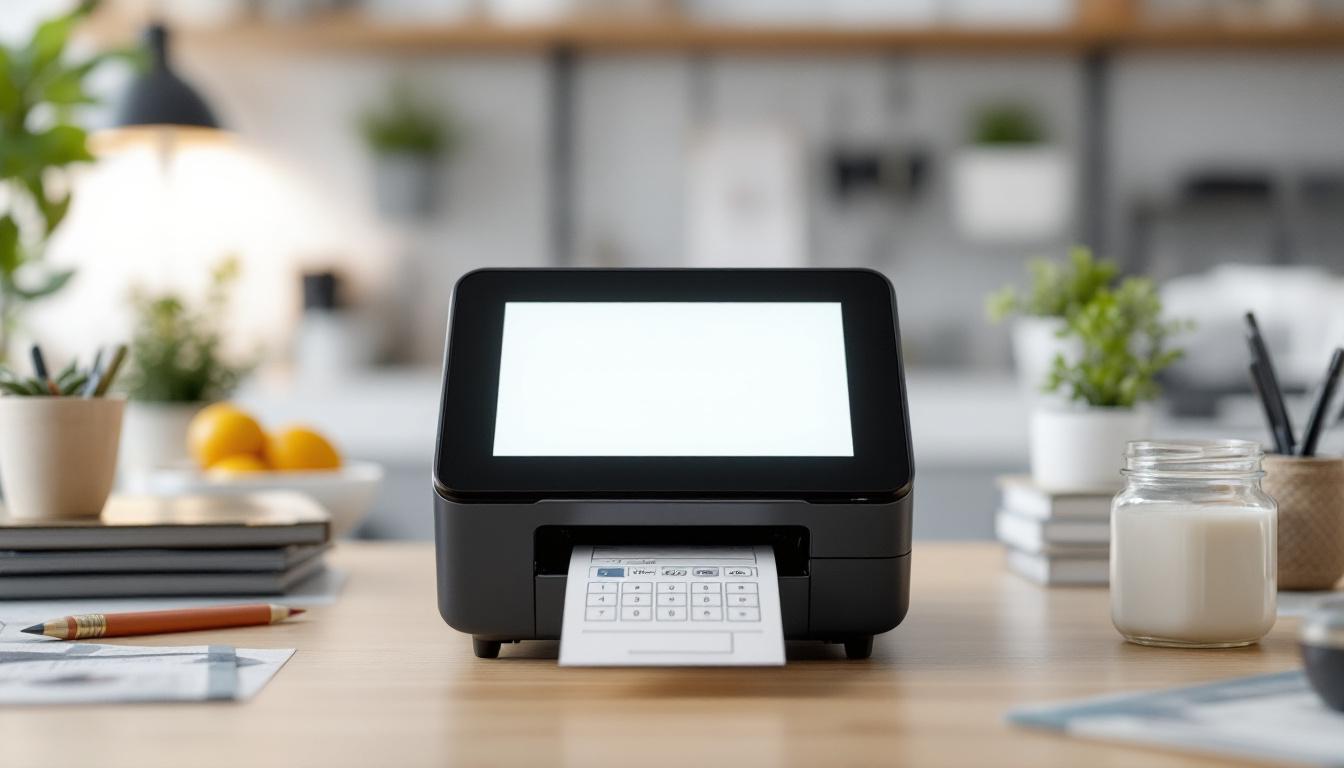
Small touch screen monitors are compact display units that integrate touch-sensitive surfaces, allowing users to interact directly with what is displayed. Unlike traditional monitors that rely on external input devices such as a mouse or keyboard, touch screen monitors enable intuitive interaction through taps, swipes, and gestures.
Typically ranging in size from 5 inches to around 15 inches diagonally, these monitors are designed for environments where space is limited or portability is essential. Their small footprint does not compromise functionality; instead, it enhances usability in scenarios where quick, direct access to information or controls is necessary. This makes them ideal for applications in retail environments, kiosks, and even in medical settings where clean, efficient interaction is vital.
Types of Touch Technologies in Small Monitors
Several touch technologies are employed in small monitors, each with its strengths and trade-offs:
- Resistive Touch: This technology uses two flexible layers that detect pressure when pressed together. It is cost-effective and works with any pointing device, but offers lower clarity and is less sensitive compared to other technologies.
- Capacitive Touch: Common in smartphones and tablets, capacitive touch screens detect changes in the electrical field caused by the conductive properties of the human finger. They provide excellent clarity, multi-touch support, and responsiveness but generally require a conductive input.
- Infrared Touch: Infrared technology uses an array of IR LEDs and photodetectors around the screen to detect touch by interruption of the IR light beams. It supports multi-touch and works with any input device but can be more expensive and sensitive to environmental interference.
Among these, capacitive touch screens have become the most popular in small touch screen monitors due to their responsiveness and durability. The growing trend towards touch-enabled devices has also led to innovations in screen durability, such as the use of Gorilla Glass, which provides enhanced resistance to scratches and impacts, making these monitors suitable for high-traffic areas.
Moreover, small touch screen monitors are increasingly being integrated with advanced features such as built-in speakers, cameras, and even biometric sensors for enhanced functionality. This evolution allows for a more immersive user experience, particularly in applications like digital signage or interactive learning environments. As technology continues to advance, we can expect to see even more sophisticated capabilities in these compact devices, further blurring the lines between traditional computing and interactive engagement.
LED Display Technology: How It Works
LED (Light Emitting Diode) display technology is a cornerstone of modern monitor design. Unlike older LCDs that relied on cold cathode fluorescent lamps (CCFL) for backlighting, LED displays use light-emitting diodes to illuminate the screen, resulting in numerous benefits.
Basics of LED Displays
LED displays are essentially LCD panels illuminated by LEDs. The LEDs can be arranged in different configurations:
- Edge-Lit LED: LEDs are placed along the edges of the screen, and light is diffused across the panel. This allows for thinner monitors but may result in less uniform brightness.
- Direct-Lit LED: LEDs are placed directly behind the LCD panel, providing more uniform lighting but often leading to thicker displays.
- Full-Array LED: A more advanced version of direct-lit LED with LEDs distributed evenly across the back panel, often combined with local dimming to improve contrast ratios.
In small monitors, edge-lit LED technology is commonly used due to its compact design advantages.
Advantages of LED Displays in Small Touch Screen Monitors
LED displays offer several key advantages that make them ideal for small touch screen monitors:
- Energy Efficiency: LEDs consume less power compared to CCFL backlights, extending device battery life and reducing energy costs.
- Brightness and Contrast: LED backlighting provides higher brightness levels and better contrast ratios, enhancing visibility in various lighting conditions.
- Color Accuracy: LEDs can produce a wider color gamut, resulting in more vibrant and accurate colors—important for applications like graphic design and medical imaging.
- Thin and Lightweight Design: The compact nature of LED backlighting allows for slimmer and lighter monitors, improving portability and space efficiency.
- Longevity and Durability: LEDs have a longer lifespan and are more robust than traditional backlighting methods, reducing maintenance and replacement frequency.
Applications of Small Touch Screen LED Monitors
The versatility of small touch screen LED monitors has led to their widespread adoption across diverse sectors. Their compact size, combined with interactive capabilities and vivid displays, makes them suitable for many specialized and everyday uses.
Healthcare and Medical Devices
In medical environments, space is often at a premium, and precision is critical. Small touch screen monitors are used in portable ultrasound machines, patient monitoring systems, and diagnostic equipment. The LED display’s clarity ensures that medical professionals can view detailed images and data accurately, while the touch interface facilitates fast, hygienic interaction.
Retail and Point of Sale Systems
Retailers increasingly rely on small touch screen monitors for point of sale (POS) terminals, self-service kiosks, and inventory management. The responsive touch interface speeds up transactions and enhances customer experience, while the LED display ensures clear visibility even under bright store lighting.
Industrial and Manufacturing Control Panels
In industrial settings, small touch screen LED monitors serve as human-machine interfaces (HMIs) for controlling machinery and monitoring processes. Their durability, combined with bright and sharp displays, allows operators to interact with complex systems efficiently, even in challenging environments.
Embedded Systems and IoT Devices
With the rise of the Internet of Things (IoT), embedded systems often require compact displays for user interaction. Small touch screen LED monitors are integrated into smart home devices, automotive dashboards, and wearable technology, providing intuitive control and real-time feedback.
Gaming and Entertainment
Small touch screen monitors are also popular in handheld gaming consoles and portable media players. The LED technology delivers vibrant visuals and fast response times, enhancing the gaming experience on the go.
Key Considerations When Choosing a Small Touch Screen LED Monitor
Selecting the right small touch screen monitor depends on several factors tailored to the intended use case. Understanding these considerations can help ensure optimal performance and user satisfaction.
Screen Size and Resolution
While the size is often dictated by space constraints, resolution plays a crucial role in display clarity. For small monitors, resolutions typically range from 800×480 pixels to Full HD (1920×1080). Higher resolution is essential for applications requiring detailed visuals, such as medical imaging or graphic design.
Touch Technology Compatibility
The choice of touch technology affects usability and durability. Capacitive touch is preferred for its responsiveness and multi-touch capabilities, but resistive touch may be better in environments where users wear gloves or use styluses.
Brightness and Viewing Angles
Brightness levels should be sufficient to ensure readability in various lighting conditions, especially in outdoor or brightly lit indoor environments. Wide viewing angles are also important to maintain image quality when the monitor is viewed from different positions.
Connectivity Options
Common connectivity interfaces include HDMI, VGA, USB, and DisplayPort. USB connectivity is often necessary for touch input functionality. Some monitors also support wireless connections, which can be advantageous in certain setups.
Durability and Environmental Resistance
For industrial or outdoor use, monitors may need to be ruggedized with features like IP-rated enclosures, anti-glare coatings, and temperature tolerance. Ensuring the monitor can withstand environmental stresses extends its lifespan and reliability.
Power Consumption
Energy efficiency is particularly important for portable or battery-powered devices. LED displays generally consume less power than other backlighting technologies, but it’s still important to review manufacturer specifications for power usage.
Future Trends in Small Touch Screen LED Monitors
As technology continues to evolve, small touch screen LED monitors are poised to become even more advanced, integrating new features and capabilities that enhance user experience and broaden their applicability.
Flexible and Foldable Displays
Emerging flexible LED display technology promises to revolutionize small monitors by enabling foldable or bendable screens. This innovation could lead to ultra-portable devices that adapt to different form factors, expanding possibilities in wearable tech and mobile computing.
Higher Refresh Rates and HDR Support
Higher refresh rates improve the smoothness of touch interactions and visual content, which is particularly beneficial for gaming and real-time applications. Additionally, High Dynamic Range (HDR) support enhances color and contrast, providing richer visuals even on small screens.
Integration with AI and Voice Control
Combining touch screen monitors with artificial intelligence and voice recognition technologies can create more intuitive and accessible interfaces. This integration allows users to interact with devices in multiple ways, improving efficiency and accessibility.
Improved Energy Efficiency and Sustainability
Manufacturers are increasingly focusing on eco-friendly designs, using materials and production methods that reduce environmental impact. Advances in LED technology will continue to drive down power consumption while maintaining or improving display quality.
Conclusion
Small touch screen computer monitors with LED displays represent a critical intersection of compact design, interactive functionality, and advanced visual technology. Their growing prevalence across industries highlights their versatility and effectiveness in enhancing user interaction and information display.
Understanding the underlying LED technology, touch interface options, and application-specific requirements is essential for making informed decisions when selecting a small touch screen monitor. As innovations continue to emerge, these devices will become even more integral to modern computing environments, offering improved performance, flexibility, and user experience.
Whether for professional use in healthcare, retail, or industrial control, or for personal entertainment and productivity, small touch screen LED monitors provide a powerful and efficient solution tailored to today’s dynamic digital landscape.
Discover LumenMatrix’s Advanced LED Display Solutions
Ready to elevate your interactive display experience with the latest in LED technology? Look no further than LumenMatrix. As a pioneer in the industry, we offer an extensive range of LED display modules designed to bring your content to life. From vibrant Indoor and Outdoor LED Wall Displays to innovative solutions like Vehicle LED Displays and LED Transparent Displays, our products are crafted to maximize your brand’s visibility and captivate your audience. Embrace the future of visual communication with LumenMatrix and transform the way you engage with the world. Check out LumenMatrix LED Display Solutions today and see the difference for yourself.