In the rapidly evolving world of semiconductor technology, Lattice Semiconductor Corporation has carved out a unique niche with its focus on low-power, small form-factor programmable logic devices. As LED displays become increasingly ubiquitous—from stadium screens to digital billboards and smart home devices—understanding the role of companies like Lattice Semiconductor in this ecosystem is essential for investors and technology enthusiasts alike. This article explores the connection between Lattice Semiconductor’s stock performance and the LED display market, providing a comprehensive explanation of LED display technology and how Lattice’s products integrate into this space.
Understanding Lattice Semiconductor Corporation
Lattice Semiconductor Corporation, headquartered in Hillsboro, Oregon, specializes in designing and manufacturing field-programmable gate arrays (FPGAs), programmable logic devices (PLDs), and related software. Founded in 1983, the company has positioned itself as a leader in low-power, small form-factor programmable logic solutions, which are critical components in many modern electronic devices. Over the years, Lattice has developed a reputation for innovation, consistently pushing the boundaries of what is possible with programmable logic technology. This commitment to research and development has enabled the company to stay ahead of industry trends and deliver products that meet the evolving needs of its customers.
Unlike larger semiconductor companies that focus on high-performance chips for data centers or consumer electronics, Lattice’s strength lies in providing flexible, energy-efficient solutions for edge computing, industrial automation, and communications infrastructure. This specialization has allowed Lattice to maintain steady growth and carve out a defensible market segment. The company’s products are often found in applications ranging from automotive systems to consumer electronics, showcasing their versatility and the increasing demand for low-power solutions in diverse industries. As the world moves towards more interconnected devices, Lattice’s role in enabling efficient data processing at the edge becomes increasingly significant.
Lattice’s Market Position and Stock Overview
As of mid-2024, Lattice Semiconductor’s stock (NASDAQ: LSCC) has shown resilience amid broader semiconductor market volatility. The company’s focus on low-power FPGAs aligns well with growing trends in IoT, 5G infrastructure, and AI edge computing, which require adaptable, power-efficient chips. Investors closely watch Lattice’s earnings reports, product launches, and partnerships as indicators of future growth potential. The company’s strategic initiatives, including collaborations with major tech firms and universities, have positioned it as a key player in the semiconductor landscape, particularly in sectors that prioritize energy efficiency and compact design.
In 2023, Lattice reported revenues exceeding $600 million, a testament to its expanding customer base and product adoption. The company’s strategic acquisitions and investments in AI and machine learning capabilities further bolster its competitive edge. For investors, understanding how Lattice’s technology fits into the broader electronics ecosystem, particularly in LED display applications, is vital for assessing its long-term value. Additionally, Lattice’s commitment to sustainability and reducing the carbon footprint of its products resonates well with modern consumers and businesses alike, creating a favorable narrative around its growth and innovation. As the demand for smarter, greener technology continues to rise, Lattice’s proactive approach in these areas positions it favorably for future challenges and opportunities in the semiconductor market.
LED Display Technology: A Primer
Light Emitting Diode (LED) displays have transformed the way visual information is presented, offering brighter, more energy-efficient, and longer-lasting alternatives to traditional display technologies like LCD and plasma. From massive outdoor billboards to compact wearable devices, LED displays are everywhere. The versatility of LED technology has allowed it to penetrate various sectors, including advertising, entertainment, and even healthcare, where precise and vibrant displays are essential for effective communication.
At its core, an LED display consists of an array of tiny light-emitting diodes that can be individually controlled to produce images, videos, or text. These diodes emit light when an electric current passes through them, and by varying the intensity and color of each diode, complex visuals are created. This capability not only enhances the visual experience but also allows for dynamic content that can be updated in real-time, making LED displays particularly effective for advertising and information dissemination in public spaces.
Types of LED Displays
There are several types of LED displays, each suited to different applications:
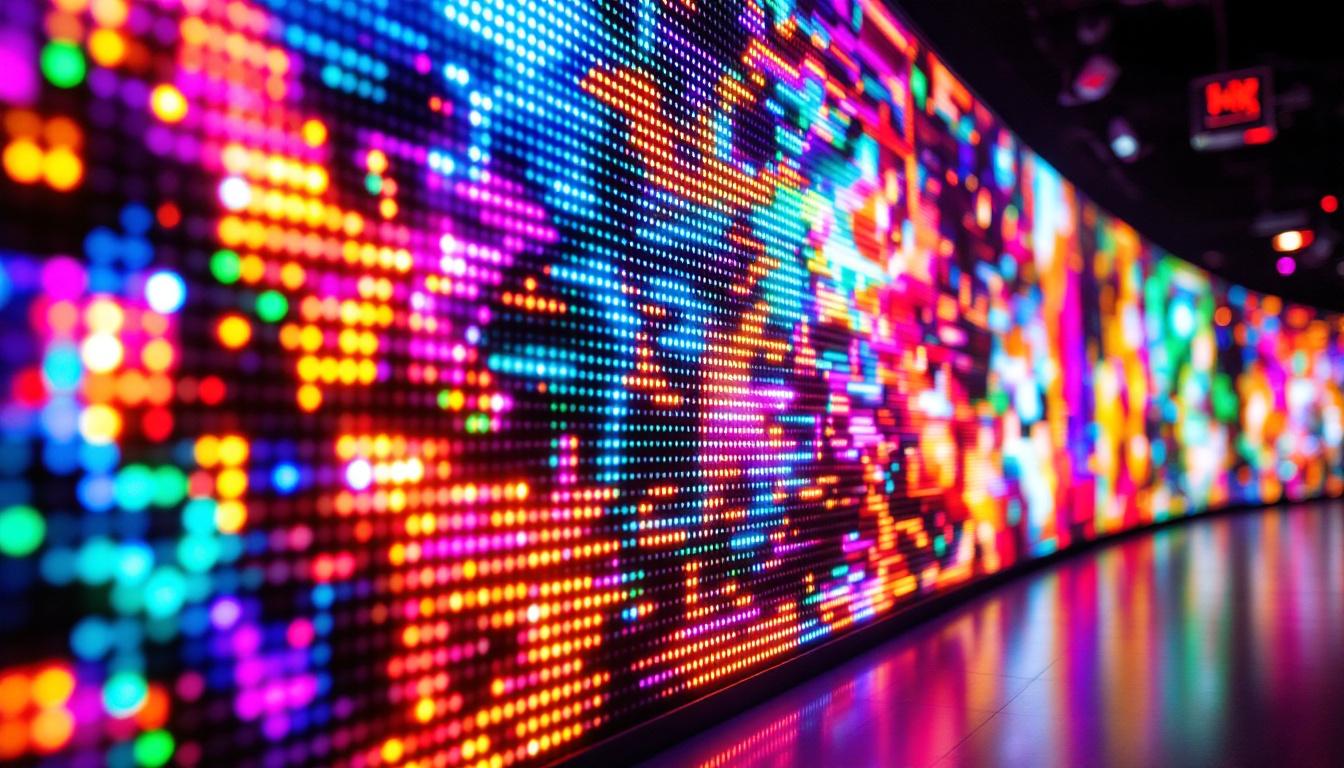
- Direct View LED (DVLED): These displays use LEDs as the actual pixels, providing high brightness and contrast, ideal for large outdoor screens and stadium displays. The ability to maintain visibility in direct sunlight makes DVLED a popular choice for outdoor advertising and event broadcasting.
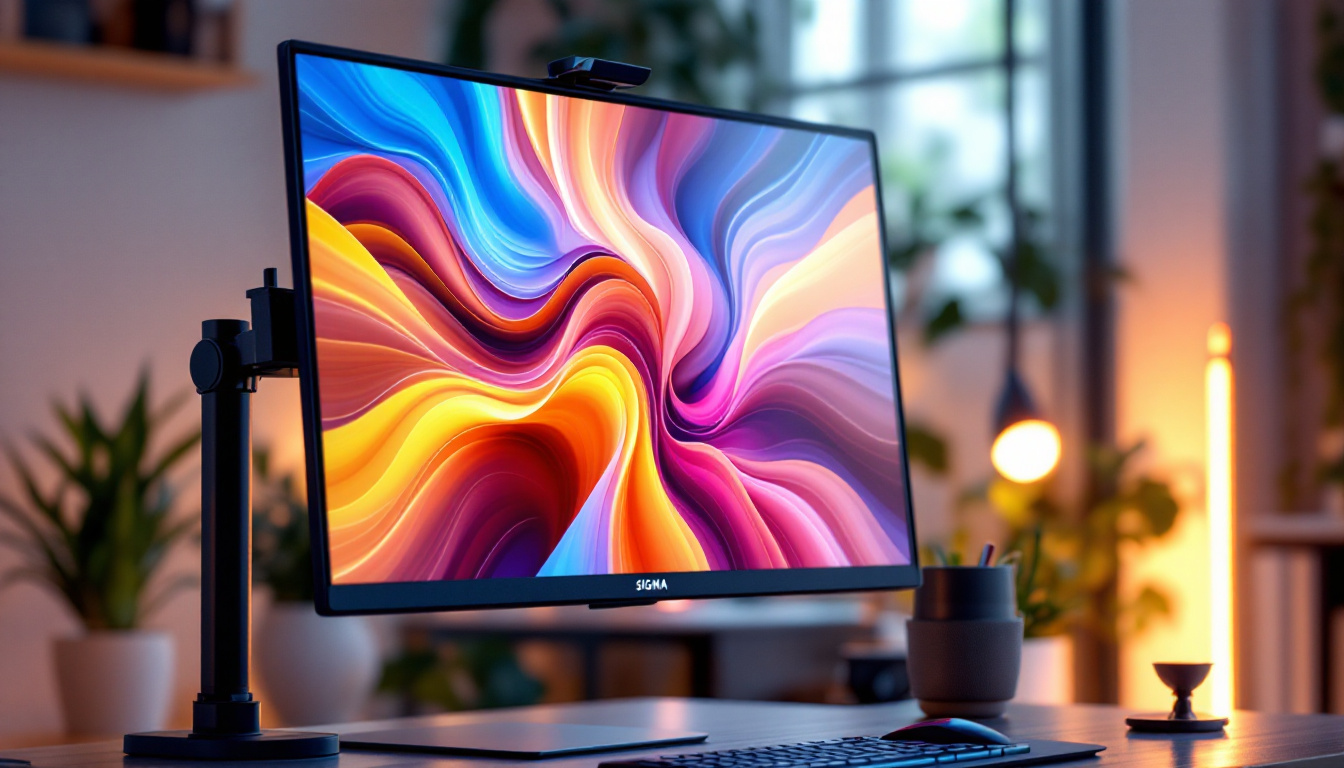
- LED-backlit LCD: Here, LEDs serve as the backlight for liquid crystal displays, common in televisions and computer monitors. This technology enhances color accuracy and energy efficiency, allowing for thinner designs and improved viewing experiences.
- MicroLED: An emerging technology featuring microscopic LEDs that promise superior brightness, contrast, and energy efficiency for next-generation displays. MicroLEDs are particularly exciting for their potential applications in virtual reality and augmented reality, where high pixel density is crucial for immersive experiences.
Understanding these distinctions is crucial because the semiconductor components required to drive these displays vary significantly in complexity and power demands. For instance, while DVLED displays require robust driving circuitry to manage thousands of individual diodes, LED-backlit LCDs typically utilize simpler systems due to their reliance on a single backlight source. Furthermore, advancements in LED technology continue to evolve, with innovations such as flexible LED screens and transparent displays, which open up new possibilities for design and functionality in both consumer electronics and commercial applications.
The Role of Semiconductors in LED Displays
Semiconductors are the backbone of all modern electronic displays, including LED technology. They control the flow of electrical signals that determine which LEDs light up, their brightness, and their color. This control is achieved through integrated circuits, including drivers, controllers, and programmable logic devices.
In LED displays, especially large-scale Direct View LED panels, precise timing and signal processing are essential to ensure smooth, flicker-free images. This is where programmable logic devices like FPGAs come into play.
How Lattice Semiconductor’s Products Fit In
Lattice’s FPGAs and programmable logic devices are integral to the control systems of LED displays. Their low power consumption and small size make them ideal for embedding within LED display modules, enabling real-time processing and signal management without excessive heat generation or energy use.
For example, in a large outdoor LED billboard, thousands of LEDs must be controlled simultaneously. Lattice’s devices can be programmed to handle complex timing, color calibration, and data routing tasks, ensuring the display operates flawlessly even under harsh environmental conditions.
Moreover, Lattice’s focus on edge computing aligns with the trend toward smarter LED displays that incorporate sensors, cameras, and AI to adapt content dynamically. Their programmable logic solutions enable these advanced features by providing the necessary processing power close to the display itself.
Market Trends Driving Demand for LED Displays and Lattice’s Technology
The LED display market is projected to grow significantly over the next decade, driven by several key trends:
- Urbanization and Smart Cities: Increasing urban populations are fueling demand for digital signage, smart lighting, and interactive displays in public spaces.
- Advertising and Entertainment: Brands are investing heavily in large-format LED displays for advertising and live events, seeking high-impact visuals that capture audience attention.
- Technological Advancements: Innovations like MicroLED and flexible displays are opening new applications in wearables, automotive dashboards, and augmented reality.
- Energy Efficiency and Sustainability: LED technology’s lower power consumption aligns with global efforts to reduce energy use and carbon footprints.
These trends create a fertile environment for companies like Lattice Semiconductor, whose products enable the next generation of LED displays to be smarter, more efficient, and more versatile.
Financial Implications for Lattice Semiconductor
The growing LED display market translates into increased demand for Lattice’s programmable logic devices. As manufacturers seek to integrate more sophisticated control and processing capabilities into their displays, Lattice’s low-power FPGAs become a preferred choice.
Investors should note that Lattice’s revenue streams are diversified across multiple end markets, but the LED display segment remains a significant growth driver. The company’s ability to innovate and maintain close relationships with LED manufacturers will be crucial for sustaining its market position.
Challenges and Considerations for Investors
While the outlook for Lattice Semiconductor and the LED display market is positive, several challenges warrant consideration:
- Supply Chain Constraints: The semiconductor industry continues to face supply chain disruptions and material shortages, which can impact production timelines and costs.
- Competition: Larger semiconductor firms and emerging startups are investing heavily in programmable logic and display technologies, increasing competitive pressure.
- Technological Shifts: Rapid advancements in display technologies, such as OLED and MicroLED, require continuous innovation to stay relevant.
- Market Cyclicality: The semiconductor sector is often cyclical, influenced by broader economic conditions and capital expenditure cycles in end markets.
Investors should balance these risks against the company’s strengths and market opportunities when evaluating Lattice Semiconductor stock.
Conclusion: The Intersection of Lattice Semiconductor and LED Displays
Lattice Semiconductor Corporation occupies a strategic position at the crossroads of semiconductor innovation and the expanding LED display market. Its focus on low-power, programmable logic devices makes it an essential enabler of modern LED display technologies, from massive outdoor screens to smart, AI-enhanced displays.
For investors, understanding the technical and market dynamics of LED displays provides valuable context for assessing Lattice’s growth potential. As urbanization, digital advertising, and technological innovation continue to drive demand for advanced LED displays, Lattice’s products are poised to play a critical role in shaping the future of visual technology.
While challenges exist, the company’s targeted approach and expanding product portfolio offer promising opportunities for sustained growth. Keeping an eye on Lattice Semiconductor’s developments and the broader LED display market trends will be key for anyone interested in this dynamic intersection of technology and investment.
Discover Cutting-Edge LED Display Solutions with LumenMatrix
As we’ve explored the significant role of Lattice Semiconductor in the LED display market, it’s clear that the future of visual technology is bright. If you’re looking to elevate your brand’s presence and captivate your audience with stunning visuals, look no further than LumenMatrix. Specializing in a wide array of LED display modules—from vibrant Indoor and Outdoor LED Wall Displays to dynamic Vehicle and Sports Displays, and even innovative solutions like LED Transparent Displays—LumenMatrix is at the forefront of creating immersive experiences. Embrace the revolution in visual communication and check out LumenMatrix LED Display Solutions today to see how they can transform your message into a powerful visual statement.