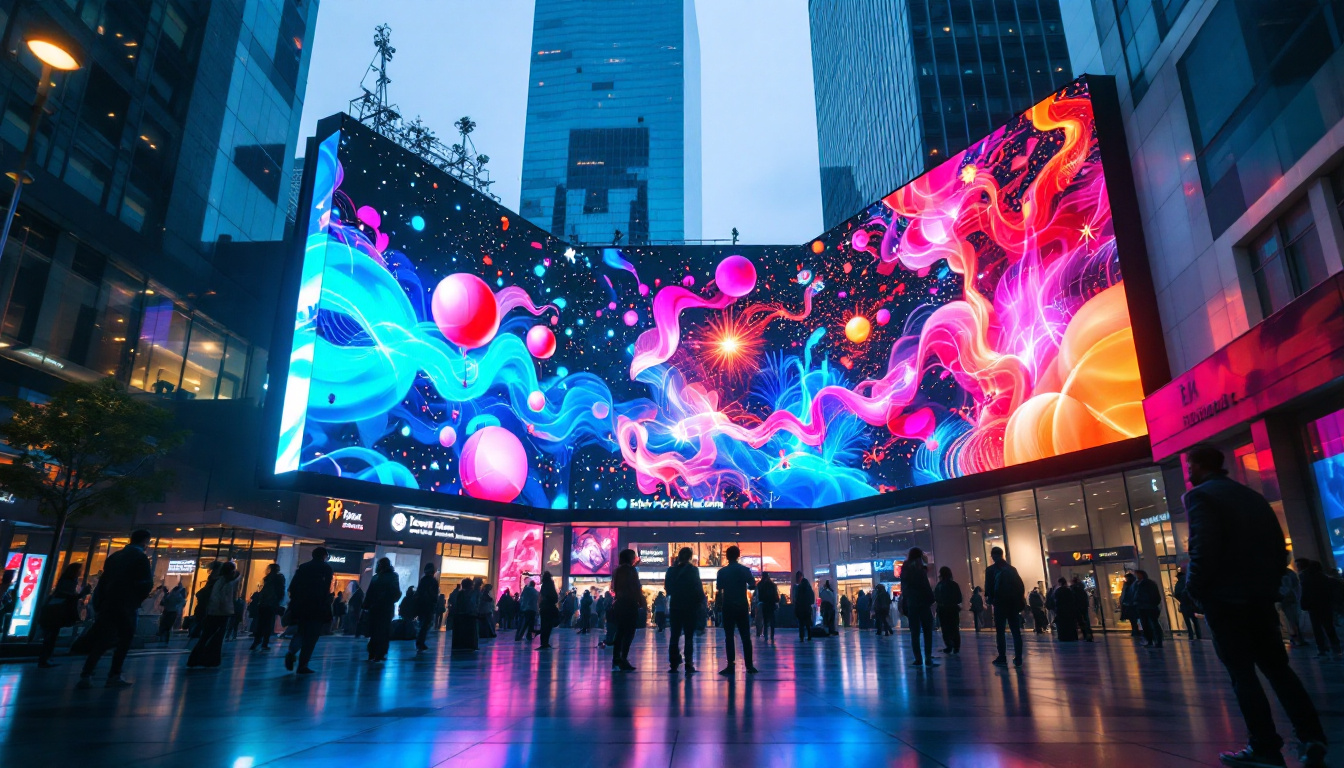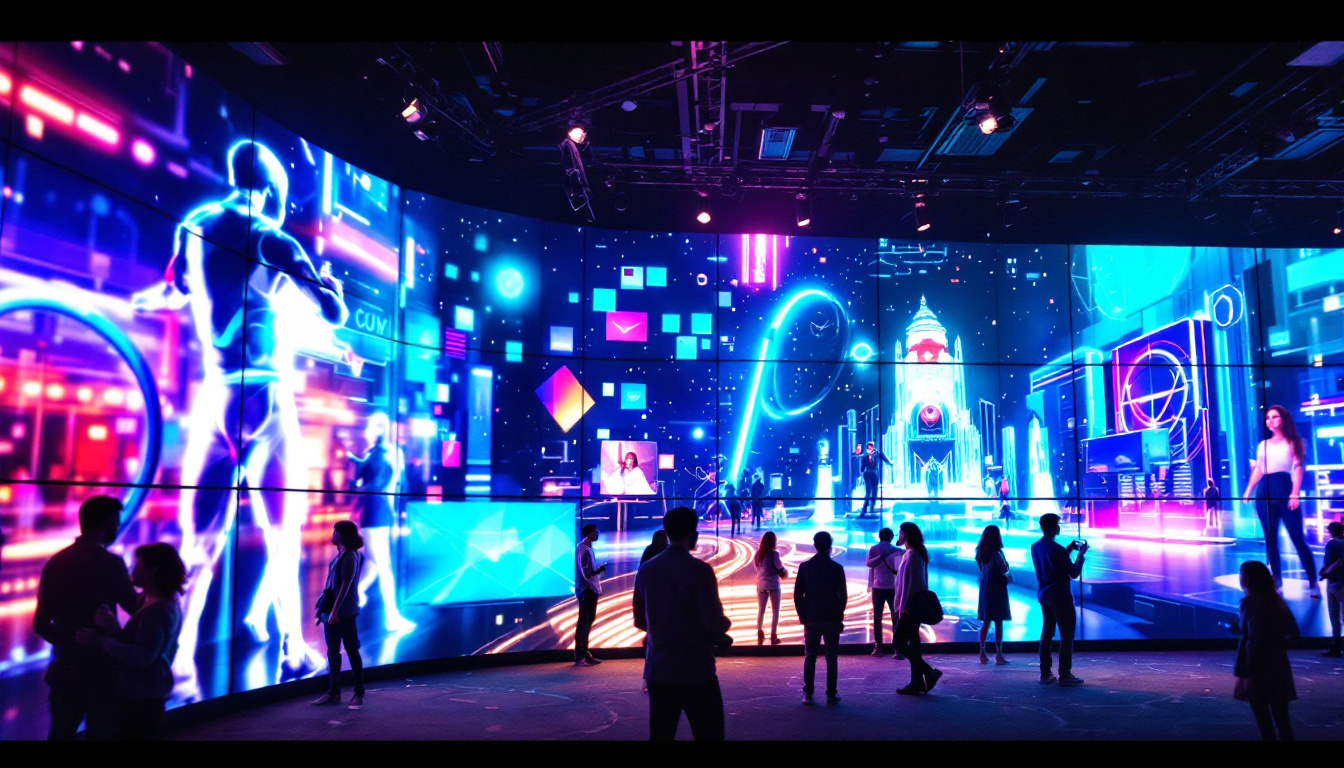
In the rapidly evolving world of digital signage and display technology, LED displays have emerged as a dominant force. From massive outdoor billboards to indoor video walls, LED technology offers unparalleled brightness, color accuracy, and versatility. One particularly interesting perspective in the design and installation of LED displays is the “wall top view” — a vantage point that reveals the structural and visual intricacies of these installations. This article delves deep into what a wall top view of an LED display entails, its significance, and how understanding this perspective can benefit architects, designers, and technology integrators alike.
Understanding LED Display Technology
What is an LED Display?
LED stands for Light Emitting Diode, a semiconductor device that emits light when an electric current passes through it. LED displays use thousands, sometimes millions, of these tiny diodes arranged in a grid to create images and videos. Unlike traditional LCD or projection screens, LED displays are self-illuminating, meaning each diode produces its own light. This characteristic allows for superior brightness and contrast, making LED displays highly effective in both indoor and outdoor environments.
Types of LED Displays
There are primarily two categories of LED displays: indoor and outdoor. Indoor LED displays typically have a smaller pixel pitch (the distance between LEDs), which results in higher resolution and sharper images at close viewing distances. Outdoor LED displays, on the other hand, have larger pixel pitches to accommodate longer viewing distances and to withstand environmental factors such as sunlight, rain, and temperature variations.
Additionally, LED displays can be categorized by their form factor — from flat panels to curved walls and flexible screens. This diversity in design allows for creative applications across retail, entertainment, transportation hubs, and corporate environments.
The Wall Top View: What Does It Reveal?
Defining the Wall Top View Perspective
The “wall top view” refers to looking down on an LED display installation from above, as if viewing the top edge of the wall on which the display is mounted. This perspective is particularly useful for understanding the physical layout, modular structure, and maintenance access points of the LED display system.
While front-facing views highlight the visual content and pixel density, the wall top view gives insight into the engineering and architectural considerations behind the display’s installation. It reveals how individual LED panels are arranged, the depth of the display, cable management, and ventilation mechanisms.
Why the Wall Top View Matters
For architects and installation teams, the wall top view is essential for planning and executing LED display projects. It helps in:
- Space Planning: Understanding the depth and mounting requirements ensures that the display fits seamlessly within the designated wall space without obstructing other design elements.
- Maintenance Access: LED displays require periodic servicing, including panel replacement and cleaning. The wall top view helps design access points that facilitate maintenance without dismantling the entire structure.
- Thermal Management: LEDs generate heat, and proper ventilation is crucial to prevent overheating. Viewing the installation from above aids in designing airflow pathways and integrating cooling solutions.
- Cabling and Power Distribution: The top view reveals how power and data cables are routed behind the display, which is critical for safety and performance.
Structural Components Visible in a Wall Top View
Modular LED Panels and Their Arrangement
LED displays are typically composed of modular panels that can be combined to create screens of various sizes and shapes. From the wall top view, these panels appear as a grid of rectangular or square units. Each module contains a matrix of LEDs and is designed to be easily replaceable.
The modular design offers flexibility in installation and maintenance. For example, if a panel malfunctions, technicians can quickly identify and replace the affected module without disturbing the rest of the display. The wall top view also helps in verifying the alignment and spacing between panels, which is critical for achieving a seamless visual experience.
Mounting Framework and Support Structures
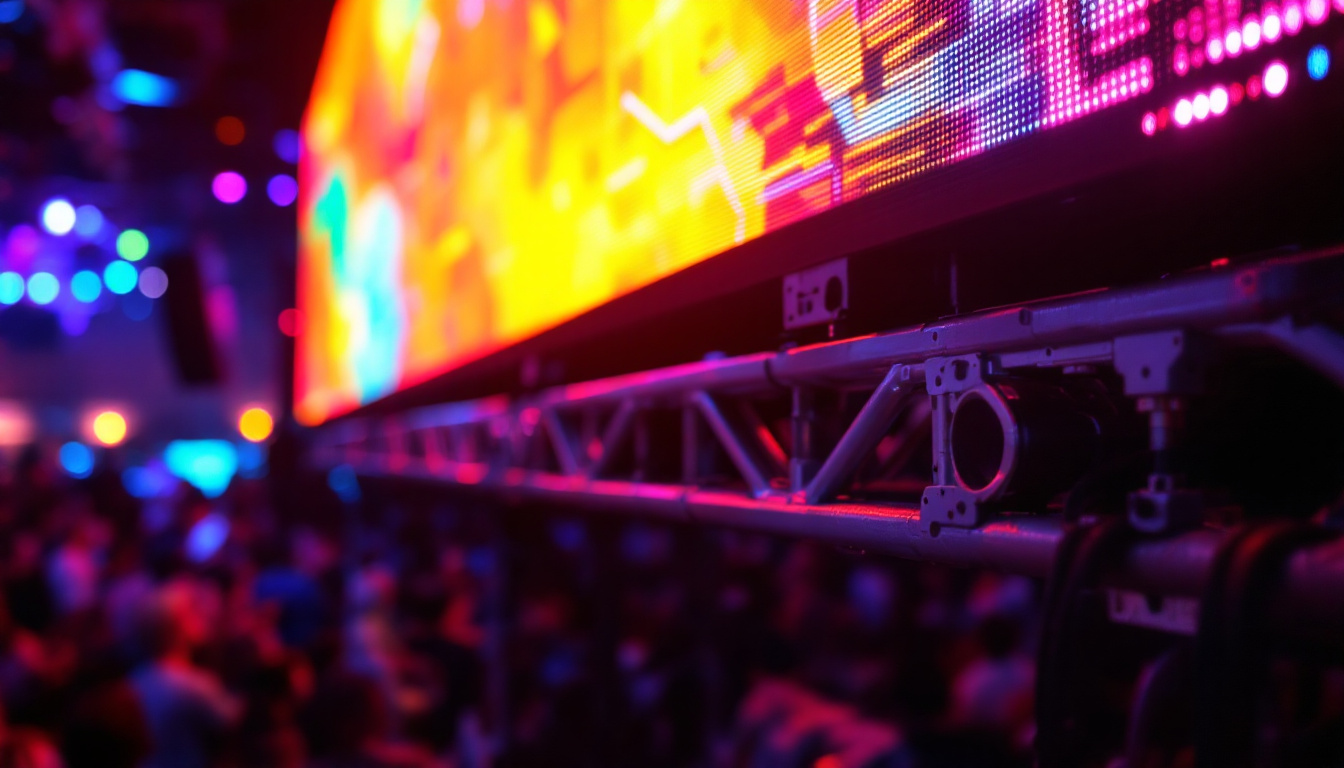
Behind the LED panels lies a robust mounting framework, often made of aluminum or steel. This framework supports the weight of the panels and ensures stability. From the top view, one can observe the framework’s layout, including crossbars, brackets, and adjustable mounts.
Adjustable mounts are particularly important for fine-tuning the display’s flatness and alignment, especially on uneven walls. The wall top view helps engineers determine how these mounts interact with the building’s structure and where reinforcements may be necessary.
Cabling and Connectivity Channels
Power and data cables are routed through channels behind the LED panels. The wall top view reveals these pathways, which are designed to minimize cable clutter and prevent interference. Proper cable management is essential to maintain signal integrity and ensure safety.
In modern LED installations, fiber optic cables may also be used for high-speed data transmission, especially in large-scale video walls. The top view helps in planning the integration of these cables with power lines and ventilation ducts.
Ventilation and Cooling Systems
Heat dissipation is a critical factor in LED display longevity and performance. The wall top view shows how ventilation grilles, fans, or heat sinks are incorporated into the design. Effective cooling prevents overheating, which can cause color shifts, reduced brightness, or permanent damage to the diodes.
Some advanced LED displays use active cooling systems with temperature sensors that adjust fan speeds dynamically. Observing these systems from the top view allows for optimization of airflow and noise reduction.
Applications and Benefits of Wall Top View Analysis
Architectural Integration and Aesthetic Considerations
Incorporating LED displays into architectural designs requires careful planning to maintain aesthetic harmony. The wall top view helps architects visualize how the display’s depth and support structures will interact with other wall elements such as lighting fixtures, signage, or decorative panels.
For example, in retail environments, LED video walls are often integrated into store facades or interior walls. The top view ensures that these installations do not interfere with existing infrastructure like HVAC vents or emergency lighting.
Optimizing Installation and Maintenance Procedures
Installation teams benefit from wall top view schematics by understanding the spatial constraints and access points. This perspective aids in planning the sequence of panel mounting, cable routing, and framework assembly.
Moreover, maintenance crews use wall top view diagrams to quickly locate and access specific panels or components. This reduces downtime and minimizes disruption in high-traffic areas such as airports or stadiums.
Enhancing Display Performance and Longevity
By analyzing the wall top view, engineers can optimize cooling and power distribution, which directly impacts the LED display’s performance and lifespan. Proper ventilation reduces the risk of heat-related failures, while efficient cable management prevents signal degradation.
Furthermore, the top view allows for the integration of smart sensors and monitoring devices that track temperature, humidity, and power consumption, enabling proactive maintenance and energy savings.
Case Studies: Wall Top View in Action
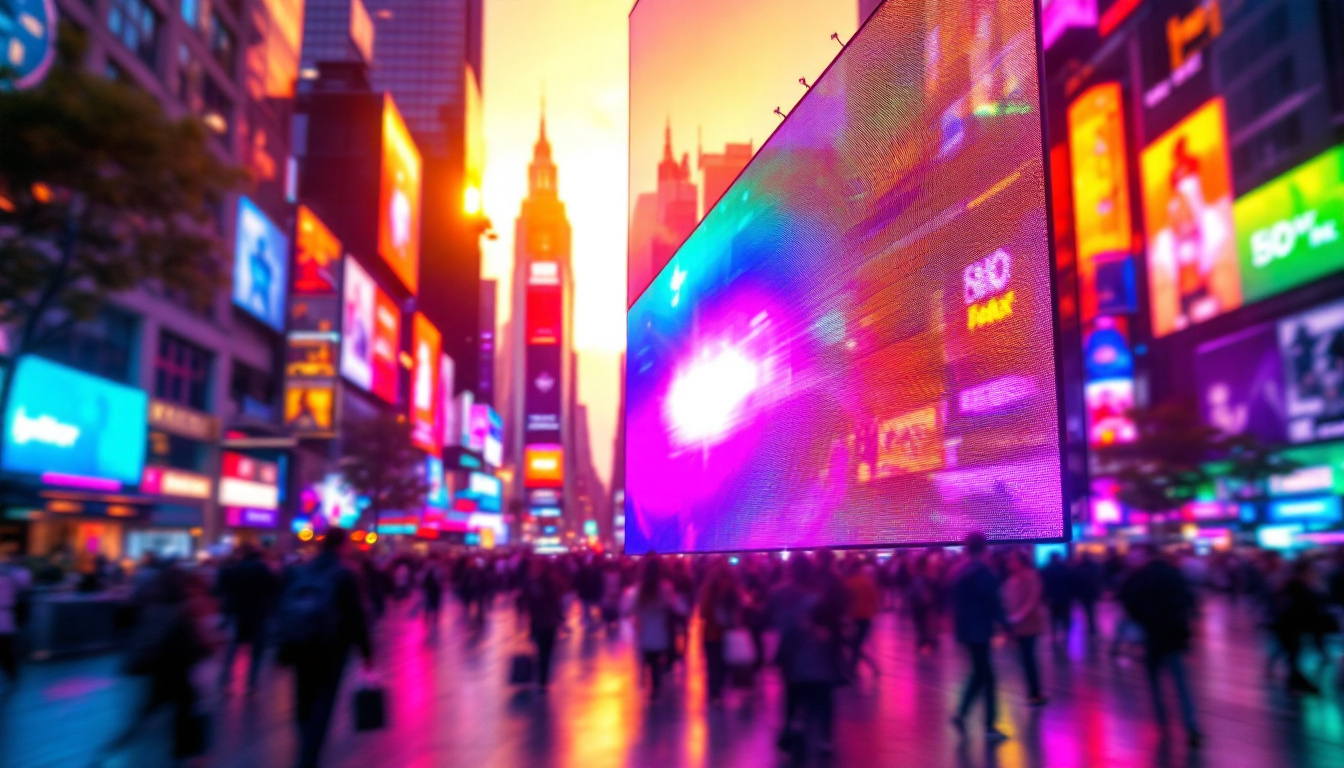
Times Square LED Billboards
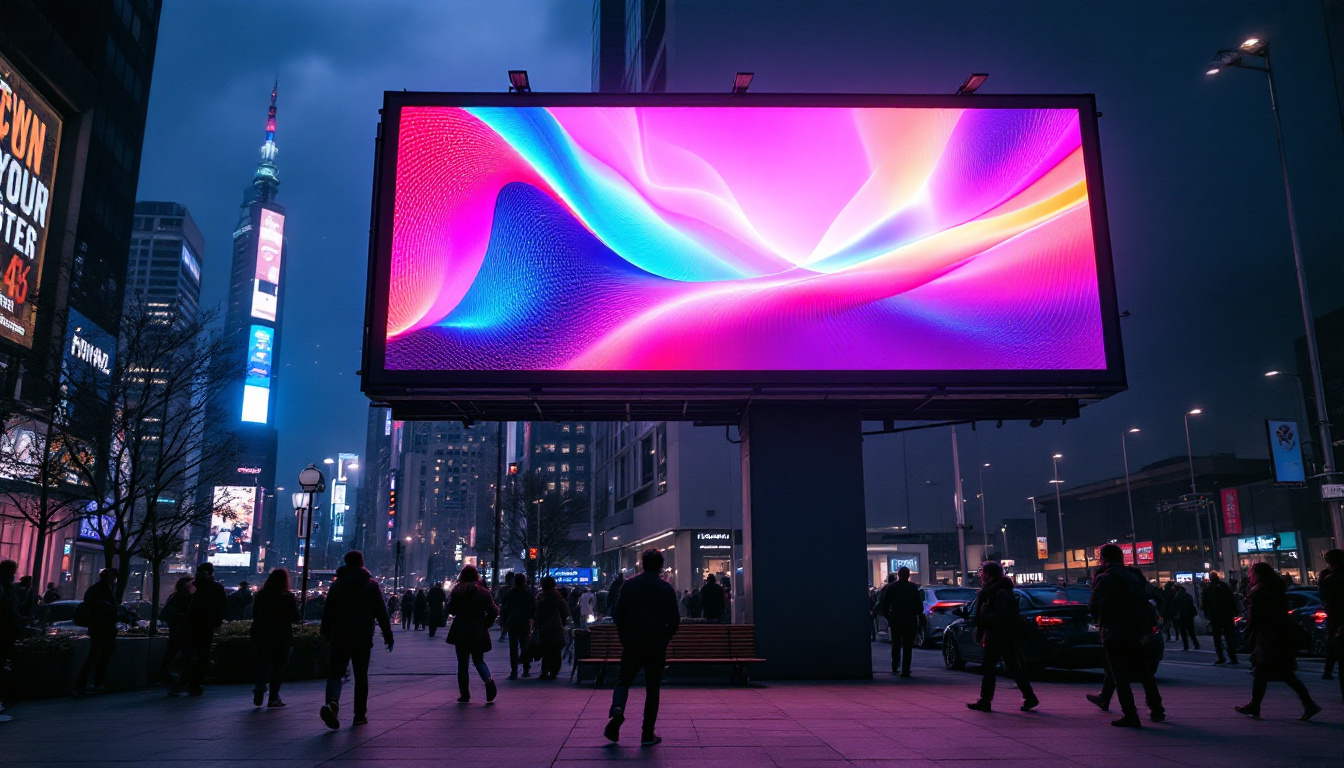
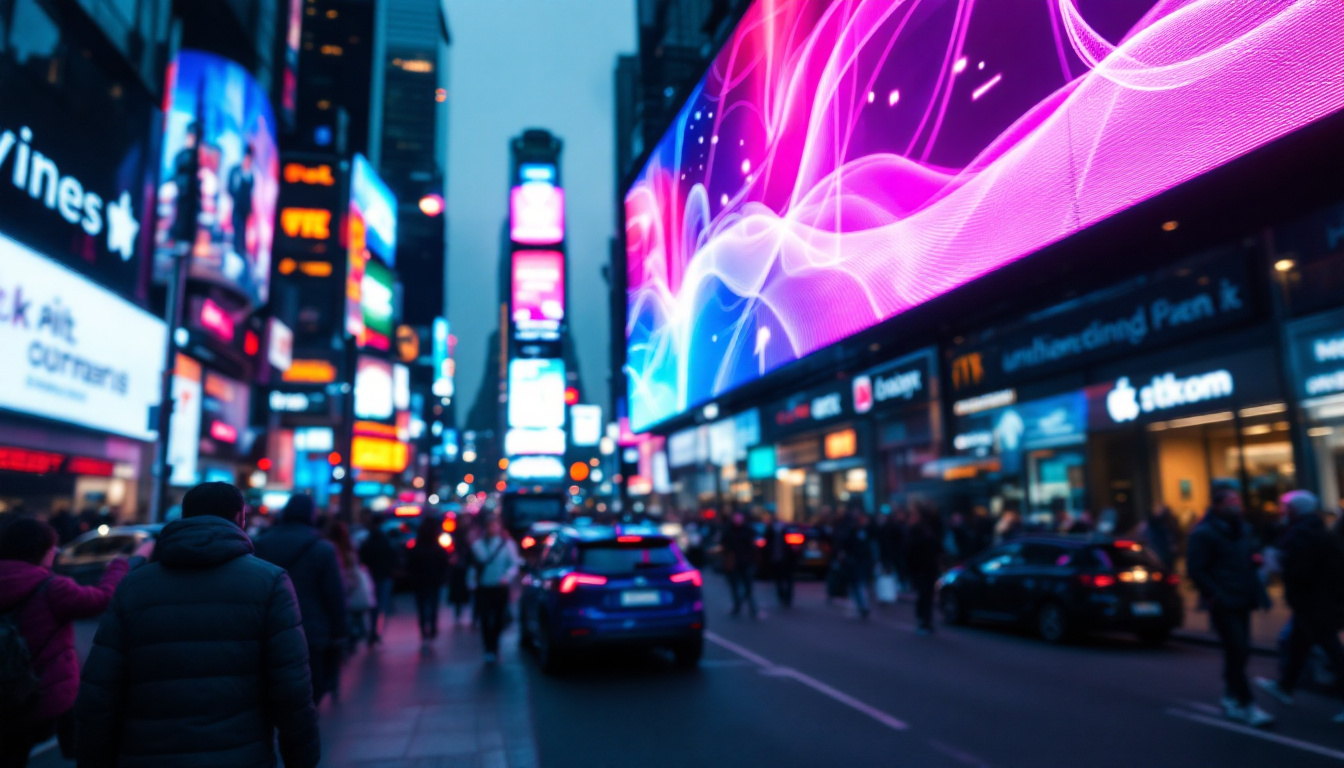
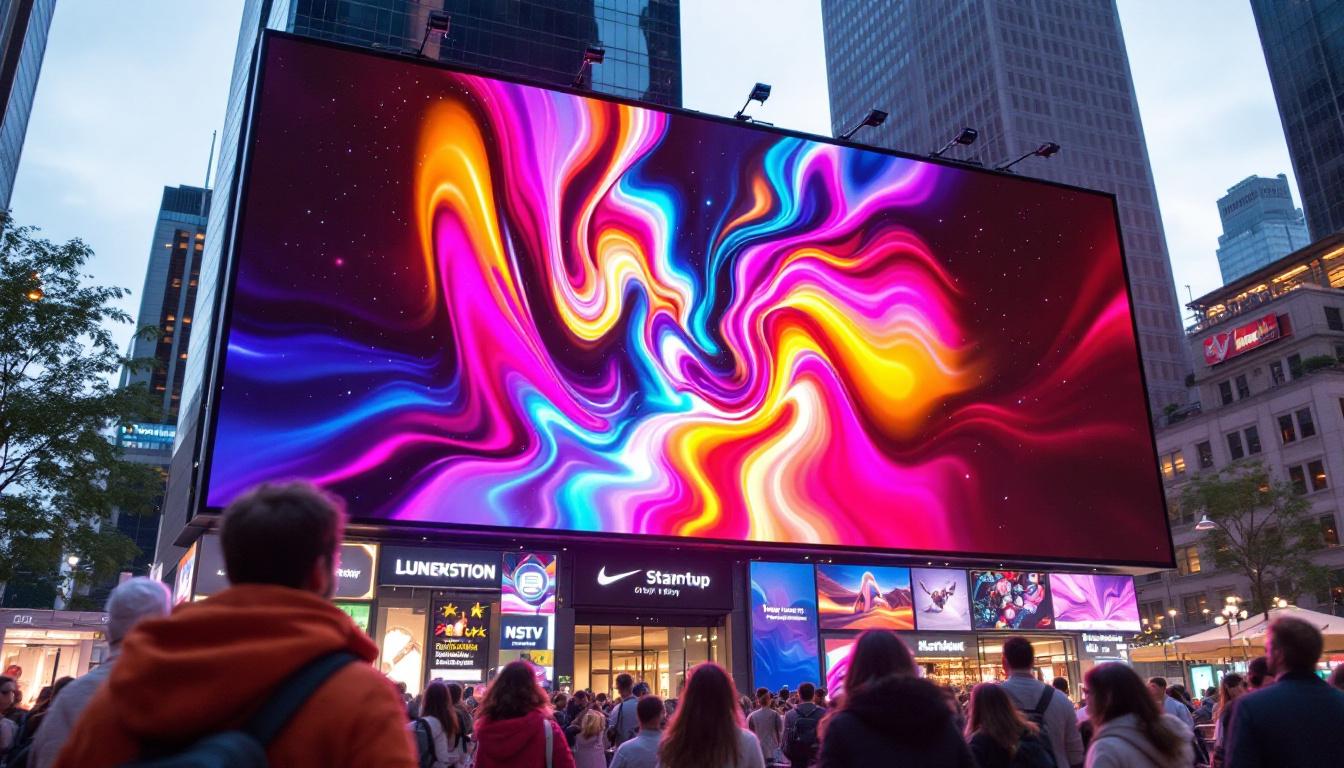
Times Square in New York City is famous for its gigantic LED billboards that light up the area day and night. These displays are often several stories tall and require meticulous engineering to withstand weather conditions and continuous operation.
From the wall top view, engineers plan the mounting framework to accommodate wind loads and incorporate redundant power supplies for uninterrupted performance. Cable management is critical due to the complexity of the content delivery networks feeding these displays.
Corporate Video Walls
Many corporate headquarters use LED video walls in their lobbies and conference rooms to create immersive brand experiences. The wall top view helps interior designers and AV integrators ensure that these displays fit within the architectural constraints without compromising room acoustics or lighting.
In these environments, the wall top view also guides the integration of concealed maintenance access panels, allowing service teams to perform repairs without disrupting office operations.
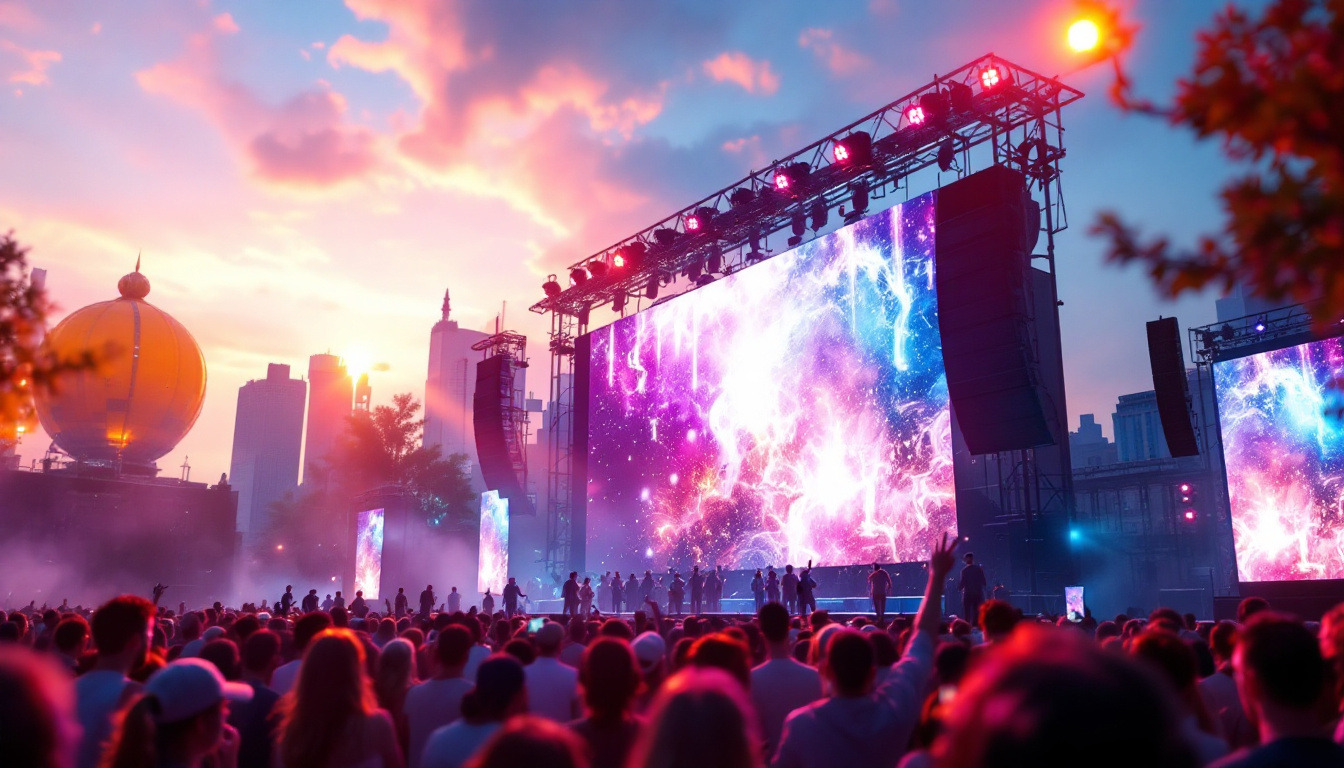
Sports Arenas and Stadiums
Modern sports venues feature massive LED screens that provide live game footage, replays, and advertisements. These displays must be highly durable and visible from various angles and distances.
The wall top view is crucial in stadium installations to coordinate with structural elements like beams and catwalks. It also helps in designing cooling systems that operate efficiently in open-air environments.
Future Trends in LED Display Design and Wall Top View Applications
Advancements in MicroLED and MiniLED Technologies
Emerging technologies such as MicroLED and MiniLED promise even higher resolutions, better energy efficiency, and thinner display profiles. These advancements will influence the wall top view by reducing the depth of LED installations and simplifying cooling requirements.
As displays become thinner and more flexible, the wall top view will evolve to focus more on integration with smart building systems and less on bulky support structures.
Integration with Smart Building and IoT Systems
Future LED displays will increasingly be integrated with Internet of Things (IoT) devices and smart building management systems. The wall top view will serve as a blueprint for embedding sensors, data hubs, and power management units within the display framework.
This integration will enable real-time monitoring of display health, energy consumption, and environmental conditions, facilitating predictive maintenance and enhanced user experiences.
Modular and Reconfigurable Displays
Modularity will continue to be a key feature, with displays designed for easy reconfiguration to accommodate changing content or spatial layouts. The wall top view will be instrumental in planning these dynamic installations, ensuring that structural and electrical systems support flexible use cases.
Conclusion
The wall top view of an LED display offers a unique and invaluable perspective that goes beyond the visual content. It reveals the complex interplay of engineering, architecture, and technology that makes these displays possible. For professionals involved in the design, installation, and maintenance of LED displays, understanding this perspective is crucial for optimizing performance, ensuring safety, and achieving seamless integration with their environments.
As LED technology continues to advance and become more ubiquitous, the wall top view will remain an essential tool for unlocking the full potential of digital display solutions.
Discover Cutting-Edge LED Display Solutions with LumenMatrix
Ready to elevate your space with the latest in LED display technology? LumenMatrix is at the forefront of innovation, offering a diverse range of LED display solutions tailored to your needs. From captivating Indoor LED Wall Displays to dynamic Outdoor LED Wall Displays, and from versatile Vehicle LED Displays to immersive Floor LED Displays, our products are designed to revolutionize visual communication. Experience the difference with LumenMatrix and transform your brand’s visibility. Check out LumenMatrix LED Display Solutions today and step into the future of digital signage.