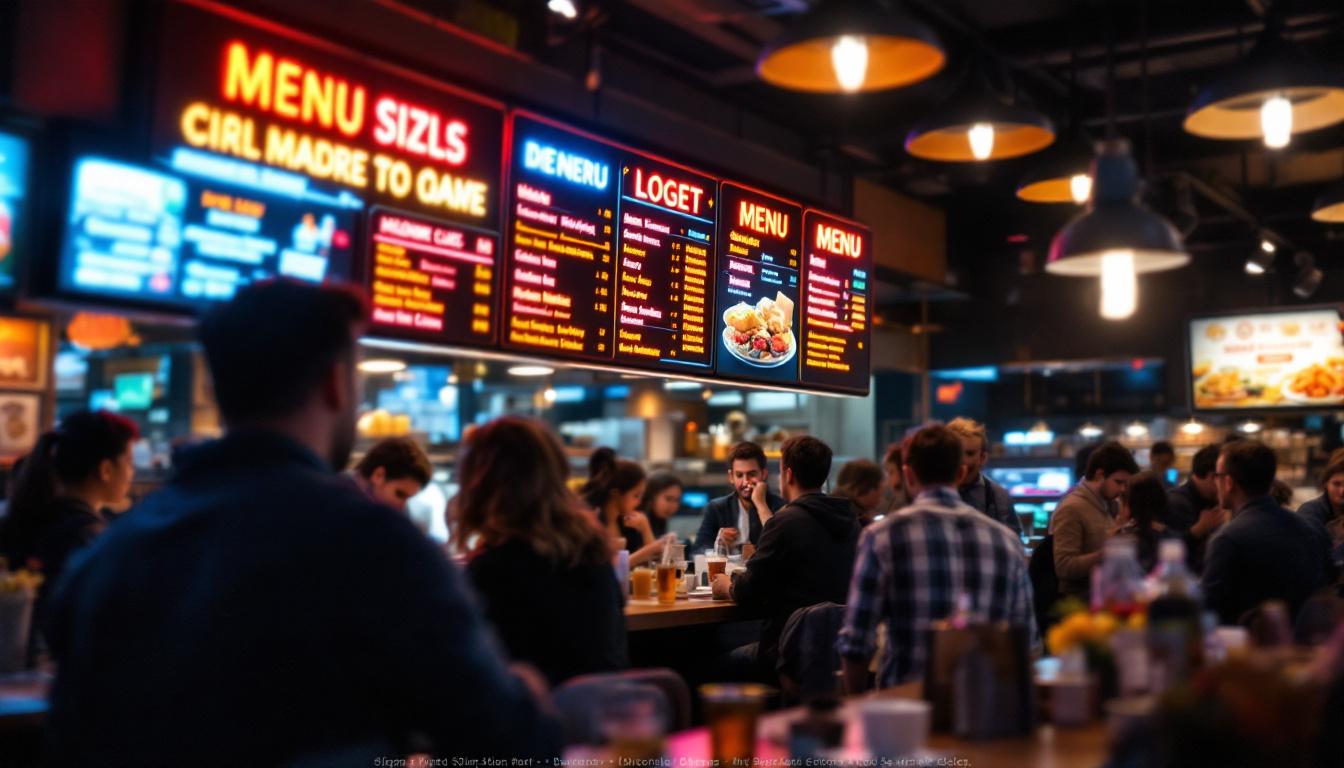
In the fast-evolving world of digital signage, LED menu display boards have become a staple for restaurants, cafes, and retail outlets aiming to attract customers with vibrant, dynamic content. Understanding the pricing of these LED menu display boards requires a comprehensive look at the technology behind them, the factors influencing cost, and the benefits they bring to businesses. This article delves into the essentials of LED displays, helping business owners and decision-makers make informed choices when investing in digital menu boards.
What is an LED Menu Display Board?
LED menu display boards are digital screens that use Light Emitting Diode (LED) technology to present menus, promotions, and other information in a bright, eye-catching format. Unlike traditional printed menus, LED boards allow for easy updates, animation, and dynamic content, which can significantly enhance customer engagement. These boards not only serve a functional purpose but also act as a marketing tool, capturing the attention of passersby and enticing them to enter a restaurant or café.
These boards come in various sizes and resolutions, tailored to fit different business needs—from small countertop screens to large wall-mounted displays. The high brightness and color accuracy of LED technology ensure visibility even in well-lit environments, making them ideal for both indoor and outdoor use. Moreover, many LED menu boards are designed to withstand the elements, providing a durable solution for establishments that wish to display their offerings outside, regardless of weather conditions.
How LED Technology Works
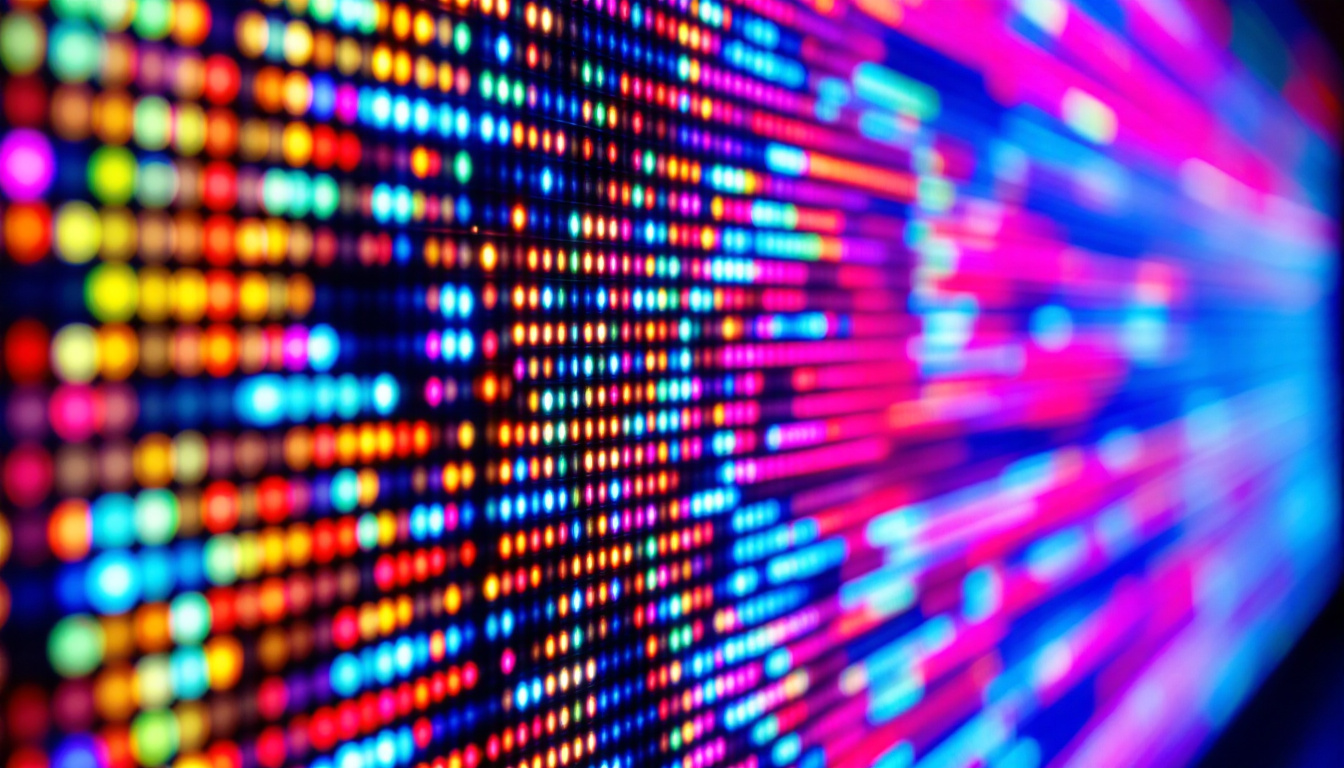
LED displays consist of numerous tiny diodes that emit light when an electric current passes through them. Each diode acts as a pixel, and by controlling the intensity and color of each pixel, the display can show detailed images and text. This technology is energy-efficient, long-lasting, and capable of producing vivid colors, which makes it superior to older display technologies like LCD or plasma for menu boards. The flexibility of LED technology also allows for creative designs, such as scrolling text or animated graphics, which can highlight daily specials or seasonal promotions effectively.
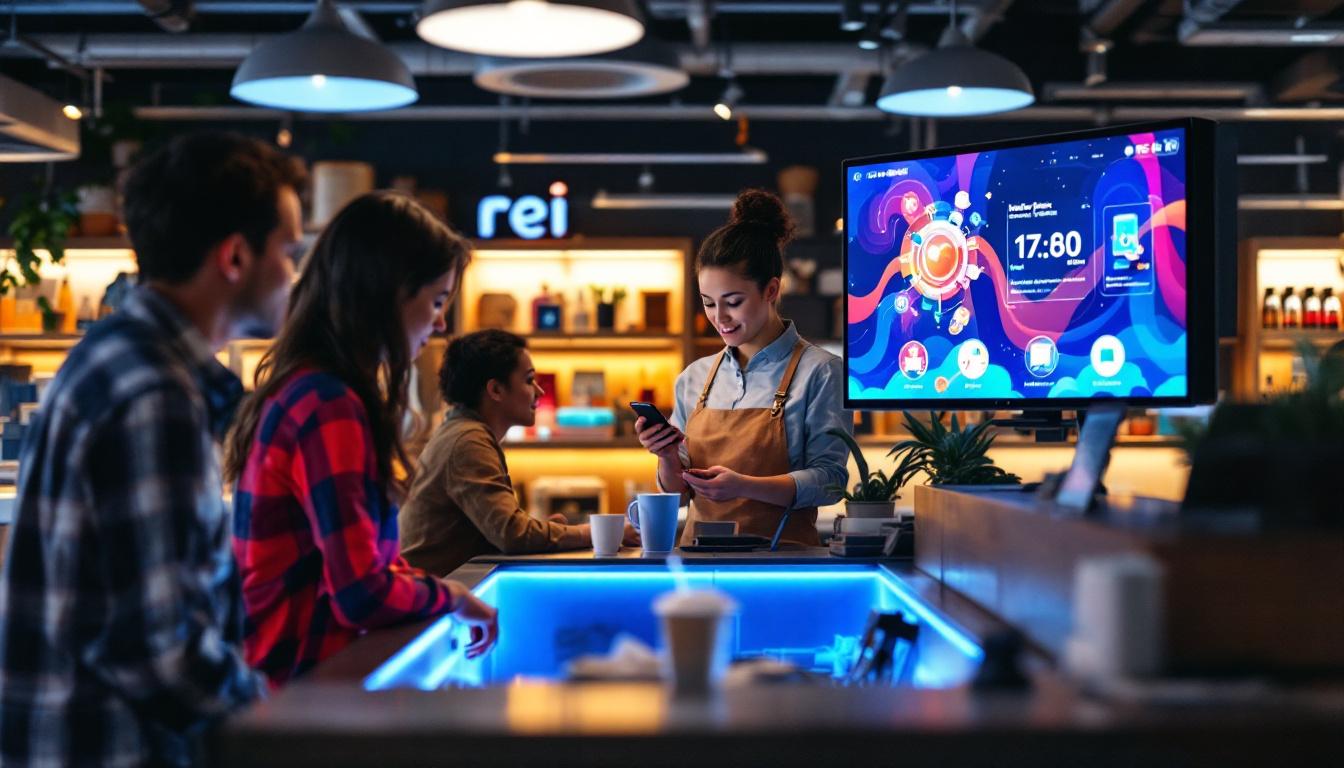
Furthermore, many modern LED menu display boards come equipped with software that enables users to easily create and schedule content from a central location. This means that restaurant owners can update their menus in real-time, ensuring that customers always see the most current offerings. Some systems even allow for integration with inventory management, automatically updating the display when certain items run low. This level of interactivity not only streamlines operations but also enhances the overall customer experience by providing timely and relevant information at a glance.
Factors Influencing LED Menu Display Board Price
The price of an LED menu display board can vary widely depending on several key factors. Understanding these elements helps businesses budget effectively and choose the right product for their needs.
1. Screen Size and Resolution
Screen size is one of the most significant determinants of price. Larger screens require more LEDs and more complex circuitry, which increases manufacturing costs. Additionally, the resolution—measured in pixels per inch (PPI)—affects clarity and detail. Higher resolution displays offer sharper images but come at a premium. For example, a 32-inch LED menu board with 1080p resolution typically costs less than a 55-inch 4K display. The choice of resolution is particularly important in environments where customers are expected to read the menu from a distance, such as in a drive-thru setting. In these cases, investing in a higher resolution may not only enhance visual appeal but also improve customer satisfaction by ensuring readability.
2. Pixel Pitch
Pixel pitch refers to the distance between individual LED pixels, usually measured in millimeters. A smaller pixel pitch means higher pixel density, resulting in clearer images and text, especially at close viewing distances. Displays with a pixel pitch of 1.5mm to 2.5mm are common for indoor menu boards, while outdoor boards may have a larger pixel pitch to accommodate viewing from a distance. Displays with finer pixel pitch are more expensive due to the increased number of LEDs and precision manufacturing required. Furthermore, businesses should consider their target audience; for example, restaurants with a focus on gourmet dining may benefit from the enhanced visual quality that a smaller pixel pitch provides, effectively showcasing their culinary offerings and enticing customers.
3. Indoor vs. Outdoor Use
Outdoor LED menu boards must be weatherproof, with higher brightness levels to combat sunlight glare. These features increase the cost compared to indoor models. Outdoor displays also require robust casing to withstand environmental factors such as rain, dust, and temperature fluctuations. Businesses should consider whether their LED menu board will be placed indoors or outdoors, as this will significantly impact the price and durability requirements. Additionally, outdoor boards may need to comply with local regulations regarding signage, which can further influence design choices and associated costs. Investing in a high-quality outdoor display can ultimately lead to better visibility and increased foot traffic, making it a worthwhile expenditure for many establishments.
4. Refresh Rate and Brightness
The refresh rate, measured in Hertz (Hz), indicates how often the display updates its image per second. Higher refresh rates reduce flickering and provide smoother animations, which can enhance the customer experience. Brightness, measured in nits, determines visibility under different lighting conditions. For indoor use, 800 to 1500 nits is typical, while outdoor displays may require 5000 nits or more. Higher refresh rates and brightness levels generally increase the cost of LED menu boards. Additionally, businesses may want to consider the impact of ambient lighting on their displays; for instance, a restaurant with large windows may need a brighter display to ensure that the menu remains legible during bright daylight hours, thus justifying the investment in a higher brightness model.
5. Software and Connectivity Features
Modern LED menu boards often come with software that enables easy content management, scheduling, and remote updates. Some systems integrate with POS (Point of Sale) software to automatically update menu items and prices. Connectivity options such as Wi-Fi, Ethernet, or USB also influence the price. Advanced software licenses and cloud-based management platforms may add to the overall cost but provide significant convenience and flexibility. Furthermore, businesses should evaluate the user-friendliness of the software; intuitive interfaces can save time and reduce training costs for staff, making it easier to keep menus current and engaging. The ability to customize content quickly can also allow businesses to respond to trends or seasonal changes, enhancing their marketing strategies.
6. Installation and Maintenance
Installation complexity can affect the total investment. Wall-mounted or ceiling-hung displays may require professional installation, adding to upfront costs. Maintenance is another consideration; LED displays generally have long lifespans (often over 50,000 hours), but occasional servicing or repairs can incur additional expenses. Some suppliers offer maintenance packages or warranties that can influence the initial price. Additionally, businesses should consider the potential costs of downtime; a malfunctioning display can lead to lost sales opportunities, especially in high-traffic areas. Regular maintenance checks can help ensure that the display operates smoothly and remains an effective tool for attracting customers, making it a crucial aspect of the overall investment strategy.
Typical Price Ranges for LED Menu Display Boards
Given the factors above, LED menu display board prices can range widely. Understanding typical price brackets helps businesses set realistic budgets.
Small to Medium Indoor LED Menu Boards
For small cafes or quick-service restaurants, a 32- to 43-inch indoor LED menu board with standard resolution and pixel pitch typically costs between $800 and $2,500. These models balance affordability with sufficient quality for most indoor environments.
Large Indoor LED Menu Boards
Larger displays, such as 55- to 75-inch screens with higher resolution and finer pixel pitch, can range from $3,000 to $8,000. These are suitable for high-traffic venues where clear visibility and impactful visuals are critical.
Outdoor LED Menu Boards
Outdoor LED menu boards are more expensive due to their rugged construction and higher brightness. Prices generally start around $5,000 for smaller units and can exceed $15,000 for large, high-resolution displays. Businesses investing in outdoor digital signage should also factor in installation and weatherproofing costs.
Additional Costs
Besides the display itself, software licenses, content creation, installation, and ongoing maintenance can add between 10% to 30% to the initial cost. Some vendors offer bundled packages that include these services, which can provide better value and simplify management.
Benefits of Investing in LED Menu Display Boards
While the upfront cost of LED menu boards may seem significant, the benefits often justify the investment through increased sales, operational efficiency, and enhanced customer experience.
Dynamic Content and Easy Updates
LED menu boards allow businesses to change menus, prices, and promotions instantly without the need for reprinting physical materials. This flexibility is particularly valuable for seasonal menus, limited-time offers, or real-time updates based on inventory.
Improved Customer Engagement
Bright, colorful displays attract attention and can influence purchasing decisions. Animated graphics and videos can highlight special items or upsell combos, potentially increasing average order value. Studies have shown that digital menu boards can boost sales by up to 30% compared to static menus.
Energy Efficiency and Longevity
LED technology is highly energy-efficient, consuming less power than traditional lighting or older display technologies. Additionally, LED displays have long lifespans, often exceeding 50,000 hours, reducing replacement frequency and associated costs.
Brand Image and Modern Appeal
Using LED menu boards signals a commitment to innovation and quality, enhancing brand perception. Modern digital signage can differentiate a business in competitive markets, attracting tech-savvy customers.
How to Choose the Right LED Menu Display Board
Selecting the ideal LED menu display board involves balancing cost, quality, and functionality based on the specific needs of the business.
Assess Your Viewing Environment
Consider where the display will be installed—indoor or outdoor—and the typical lighting conditions. This will guide decisions on brightness, weatherproofing, and size.
Determine Content Requirements
Evaluate the type of content to be displayed. If high-definition videos or detailed graphics are essential, prioritize higher resolution and refresh rates. For simpler text-based menus, standard resolution may suffice.
Budget for Total Cost of Ownership
Look beyond the initial purchase price to include installation, software, and maintenance. Investing in a reliable vendor with strong support can reduce long-term costs and downtime.
Consider Integration and Scalability
If planning to expand digital signage across multiple locations, choose systems that support centralized content management and easy scalability.
Conclusion
LED menu display boards represent a powerful tool for businesses aiming to modernize their customer interface and boost sales. While prices vary based on size, resolution, usage environment, and additional features, understanding these factors helps businesses make informed investments. The benefits of dynamic content, improved engagement, and energy efficiency often outweigh the initial costs, making LED menu boards a smart choice for forward-thinking businesses in the foodservice and retail sectors.
By carefully assessing needs and selecting the right specifications, businesses can maximize the return on investment and create a compelling, modern menu presentation that enhances customer experience and drives growth.
Discover LumenMatrix’s Innovative LED Solutions
Ready to elevate your business with the cutting-edge technology of LED menu display boards? Look no further than LumenMatrix, a pioneer in crafting visually stunning LED displays that captivate and engage. From vibrant Indoor and Outdoor LED Wall Displays to versatile Vehicle and Sports LED Displays, LumenMatrix offers a comprehensive range of solutions tailored to your unique needs. Embrace the future of visual communication with our All-in-One LED Displays, LED Posters, and more. Check out LumenMatrix LED Display Solutions today and transform your space into a dynamic environment that leaves a lasting impression.