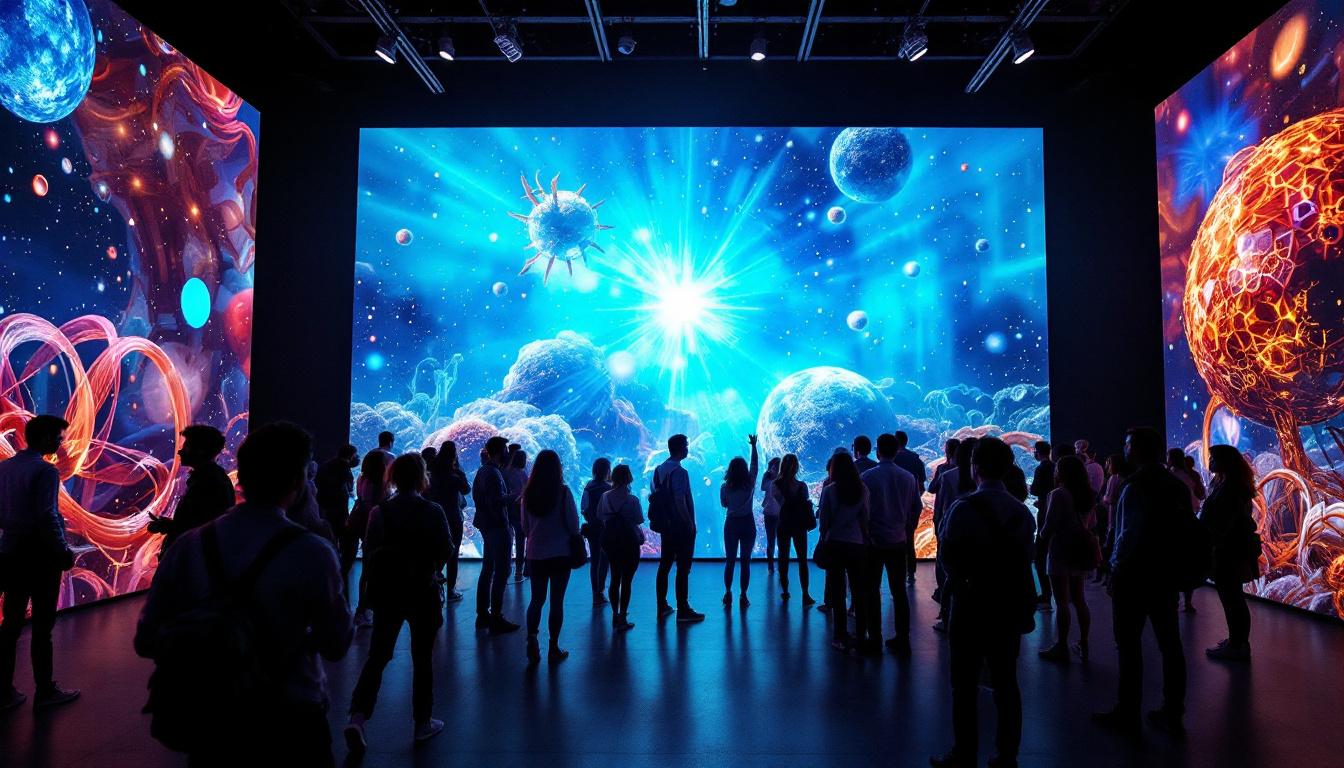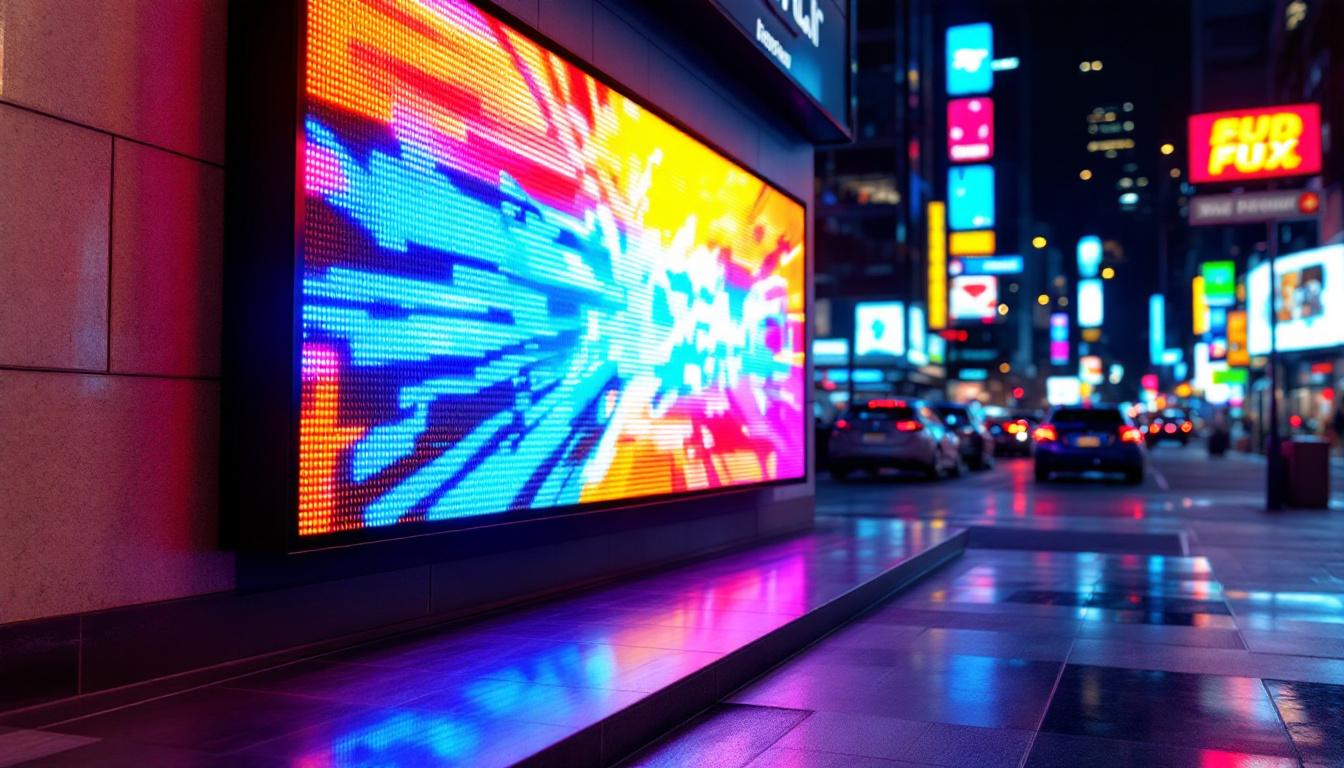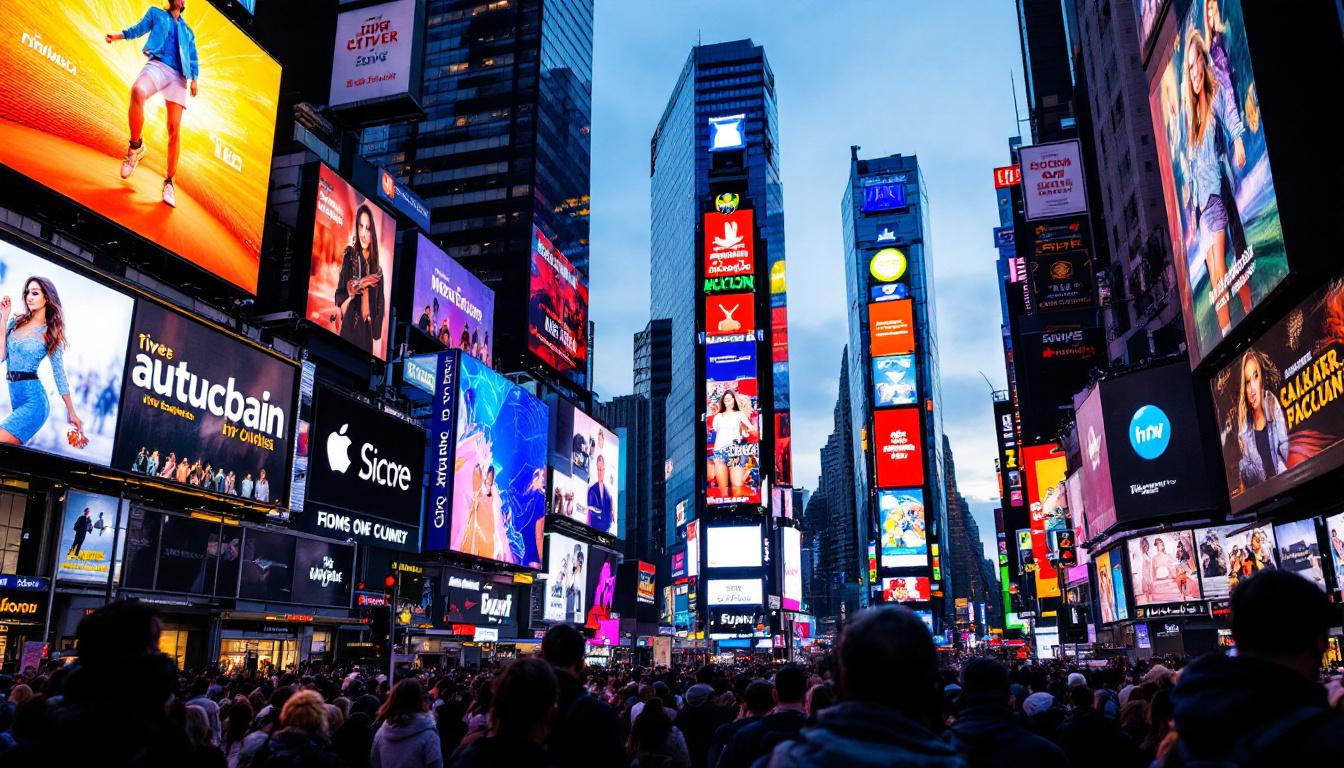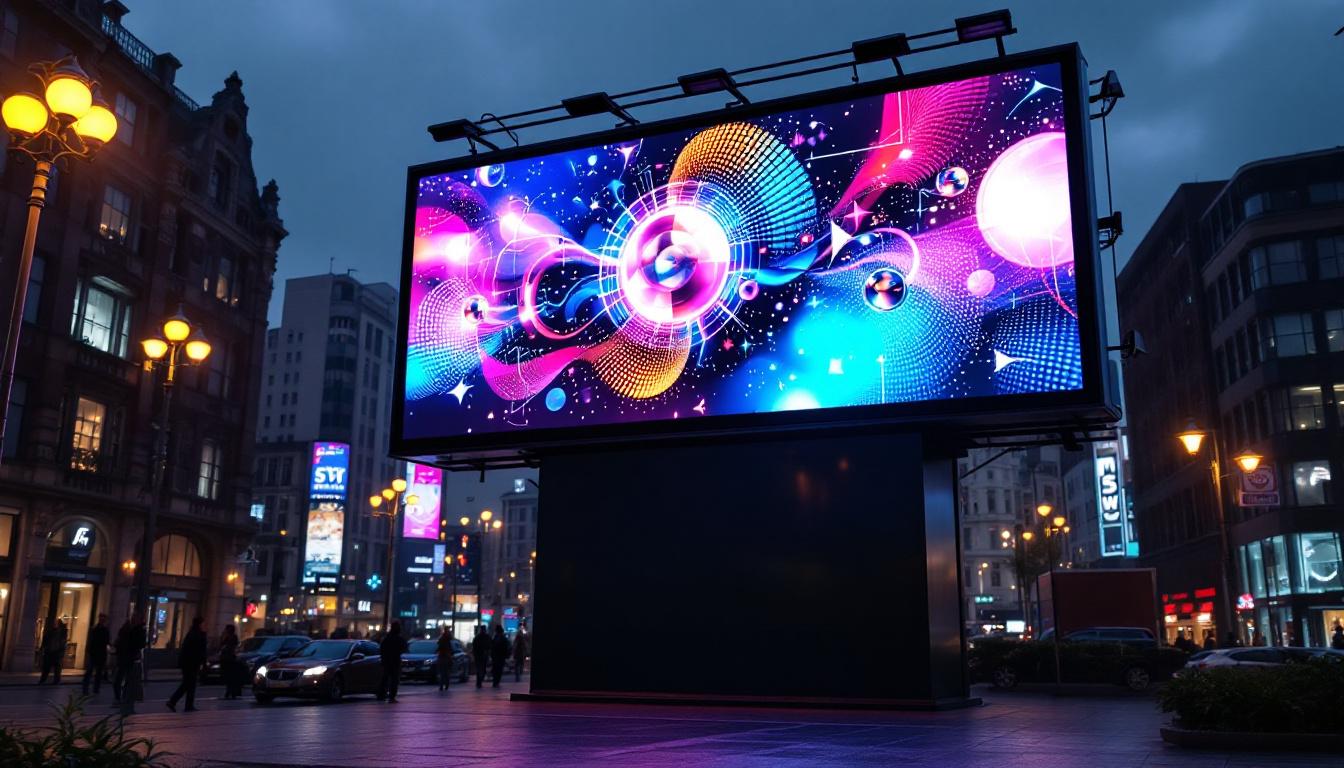
In the rapidly evolving world of digital communication and visual technology, LED displays have become a cornerstone for businesses, event organizers, and advertisers alike. Whether it’s a massive billboard in Times Square, an interactive screen at a trade show, or a vibrant scoreboard at a sports stadium, LED displays deliver dynamic content with unmatched brightness and clarity. This article explores the fundamentals of LED displays, focusing on pitch communication—often referred to as “pitch coms”—and how understanding this concept can enhance the effectiveness of LED technology in various applications.
Understanding LED Display Technology
What is an LED Display?
LED stands for Light Emitting Diode, a semiconductor device that emits light when an electric current passes through it. An LED display is essentially a matrix of these tiny light sources arranged in a grid to form images, videos, or text. The brilliance and energy efficiency of LEDs make them ideal for both indoor and outdoor digital signage.
Unlike traditional LCD or projection-based displays, LED screens produce their own light, which means they can achieve higher brightness levels and better contrast ratios. This self-illumination capability allows LED displays to perform exceptionally well in direct sunlight or brightly lit environments, making them popular for outdoor advertising and public information systems. Furthermore, the longevity of LED technology—often exceeding 50,000 hours—ensures that these displays not only deliver vibrant visuals but also provide a cost-effective solution over time, reducing the need for frequent replacements.
Types of LED Displays
LED displays come in various forms, primarily categorized by their pixel pitch, size, and application. The most common types include:
- Indoor LED Displays: Designed for close viewing distances, these displays have a smaller pixel pitch (often between 1mm and 4mm) to provide high resolution and sharp images.
- Outdoor LED Displays: Built to withstand weather conditions, these have larger pixel pitches (usually 4mm to 20mm or more) to ensure visibility from greater distances.
- Flexible and Transparent LED Displays: Innovative designs that allow for curved installations or see-through panels, expanding creative possibilities.
Each type is optimized for specific environments and viewing distances, which directly influences the concept of pitch communication in LED technology. Additionally, advancements in LED technology have led to the development of high-definition (HD) and ultra-high-definition (UHD) displays, which offer even finer pixel densities and enhanced color accuracy. This evolution has opened new avenues for applications in various sectors, including retail, entertainment, and transportation, where stunning visuals can significantly enhance viewer engagement. Moreover, the integration of smart technology into LED displays allows for dynamic content management, enabling businesses to update their messaging in real-time based on audience interaction or environmental factors, thus maximizing the impact of their displays.
What is Pitch Communication (Pitch Coms) in LED Displays?
Defining Pixel Pitch
Pixel pitch, often abbreviated as “pitch,” is the distance from the center of one LED cluster (or pixel) to the center of the adjacent one, measured in millimeters. This measurement is crucial because it determines the resolution and viewing distance of the LED display.
For example, a pixel pitch of 2mm means the LEDs are spaced 2 millimeters apart. The smaller the pitch, the higher the pixel density, resulting in sharper images and finer detail. Conversely, a larger pitch means fewer pixels per unit area, which is acceptable for displays viewed from a distance. Displays with a larger pixel pitch are often used in outdoor settings where viewers are typically farther away, such as billboards or stadium screens, while smaller pitches are favored for indoor environments like retail spaces or conference rooms where viewers are closer to the screen.
Why Pitch Communication Matters
Pitch communication refers to the process of selecting and specifying the correct pixel pitch for an LED display based on its intended use and viewing environment. This concept is essential for manufacturers, installers, and clients to ensure the display delivers optimal visual performance.
Choosing the wrong pitch can lead to several issues:
- Overly large pitch: The image may appear pixelated or blurry when viewed up close.
- Overly small pitch: Increases cost unnecessarily and may not offer visible benefits if the display is viewed from afar.
Effective pitch communication aligns technical specifications with real-world viewing conditions, balancing cost, performance, and user experience. Additionally, understanding the nuances of pitch communication can help stakeholders make informed decisions about maintenance and upgrades. For instance, as technology advances, newer LED displays with smaller pixel pitches may become available, prompting a reevaluation of existing installations to ensure they remain competitive and visually appealing. This ongoing dialogue about pixel pitch not only enhances the quality of the display but also fosters a deeper understanding of how visual technology can be leveraged to engage audiences more effectively.
Furthermore, the choice of pixel pitch can significantly influence the overall aesthetic and branding of a space. In environments like museums or art galleries, where visual fidelity is paramount, a smaller pitch can provide a more immersive experience, allowing intricate details of artwork or exhibits to be showcased with clarity. On the other hand, in high-traffic areas such as shopping malls or transportation hubs, larger pitches may be more practical, delivering bold visuals that capture attention without the need for excessive detail. Thus, pitch communication serves not only as a technical specification but also as a strategic tool in the design and implementation of visual displays across diverse applications.
Factors Influencing Pixel Pitch Selection
Viewing Distance
The most critical factor in pitch communication is the typical viewing distance. The general rule is that the minimum viewing distance (in meters) should be approximately equal to the pixel pitch (in millimeters) multiplied by 1.5 to 2.5.
For example, a 3mm pixel pitch display is best viewed from about 4.5 to 7.5 meters away. If the audience will be closer than this, a smaller pitch is necessary to avoid visible pixelation.
Content Type and Resolution
High-resolution content such as videos, detailed graphics, or fine text requires a smaller pixel pitch to maintain clarity. Conversely, simpler content like large text or basic animations can be effectively displayed on screens with larger pitches.
Understanding the type of content and its resolution needs is integral to pitch communication, ensuring the display matches the creative objectives.
Environmental Conditions
Outdoor environments demand displays with higher brightness and weather resistance. Larger pixel pitches are often used outdoors because viewers tend to observe these screens from greater distances. Additionally, ambient lighting conditions influence the brightness and contrast required, impacting the choice of pixel pitch and LED type.
Budget and Installation Constraints
Smaller pixel pitches increase the number of LEDs per square meter, which raises the cost of the display and its power consumption. Installation logistics, such as available space and mounting options, also affect pitch selection. Pitch communication involves balancing these practical considerations with performance goals.
Applications of LED Displays with Effective Pitch Communication
Advertising and Digital Billboards
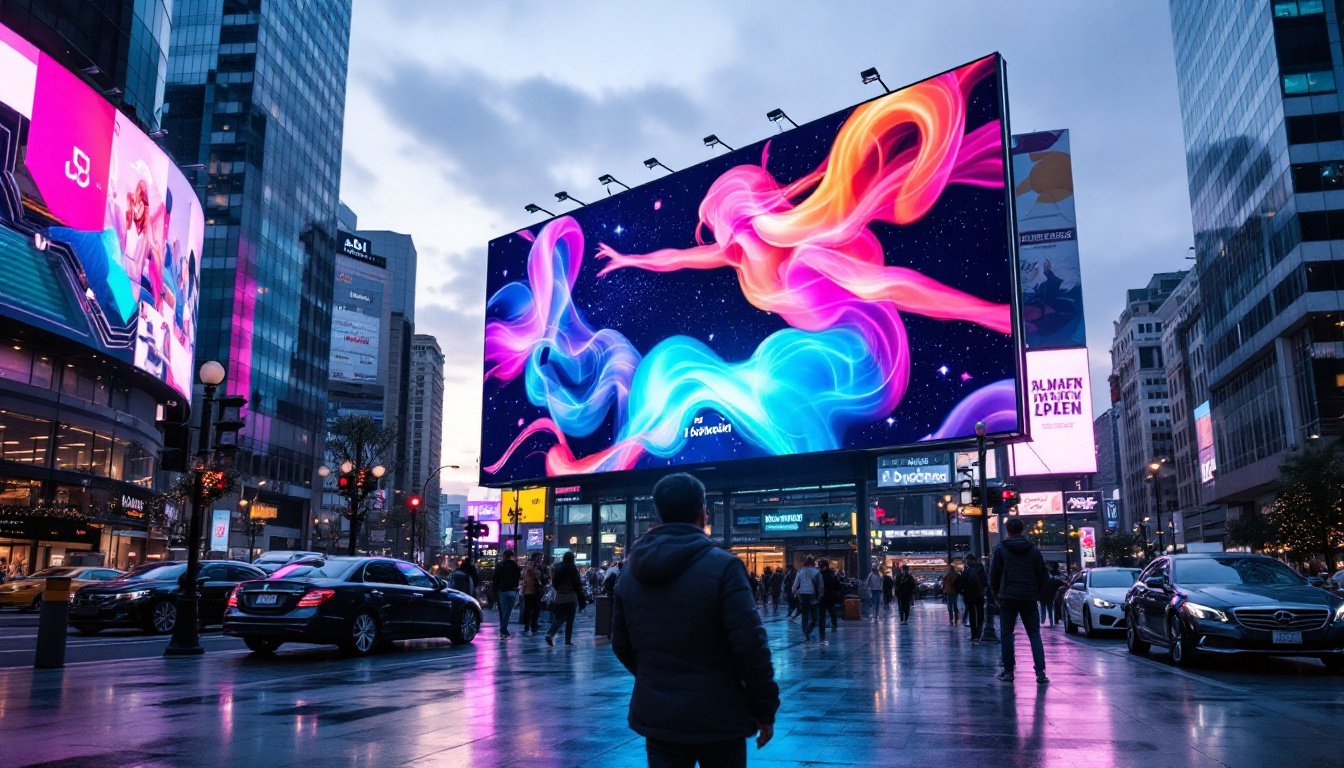
Outdoor digital billboards are among the most visible applications of LED displays. These installations often use pixel pitches ranging from 6mm to 20mm, depending on their size and location. For example, a highway billboard designed to be seen from hundreds of meters away can use a 16mm pitch, while a billboard in a city center with closer pedestrian traffic might require an 8mm pitch.
Effective pitch communication ensures that advertisements are legible and impactful, maximizing return on investment for advertisers.
Sports Arenas and Event Venues
LED displays in sports venues serve multiple purposes, from scoreboards to live video feeds and advertising. These displays require a balance between pixel pitch and screen size to provide clear visuals to spectators at varying distances.
Indoor arenas often use pitches between 4mm and 10mm, while large outdoor stadiums may use pitches of 10mm or more. Pitch communication helps venue operators select displays that enhance the fan experience without unnecessary expense.
Retail and Corporate Environments
In retail stores and corporate lobbies, LED displays are used for branding, information, and interactive experiences. These settings typically demand high-resolution displays with pixel pitches of 1mm to 3mm to allow close-up viewing.
Ensuring the correct pitch is communicated during the design phase helps create visually stunning installations that engage customers and visitors effectively.
Emerging Trends in LED Display Pitch Communication
MicroLED and MiniLED Technologies
Recent advancements in LED technology have introduced MicroLED and MiniLED displays, which feature even smaller pixel pitches—sometimes below 1mm. These technologies offer incredible resolution and brightness, rivaling OLED and LCD displays in quality.
As these technologies become more accessible, pitch communication will need to evolve to incorporate new standards and capabilities, allowing for ultra-high-definition displays in both commercial and consumer markets.
AI and Software-Driven Optimization
Artificial intelligence and advanced software tools are increasingly being used to optimize LED display performance. These tools analyze viewing patterns, ambient conditions, and content types to recommend the ideal pixel pitch and configuration.
Such innovations simplify pitch communication, making it easier for clients and installers to make informed decisions and achieve the best possible results.
Conclusion: The Importance of Pitch Communication in LED Displays
Understanding pitch communication is fundamental to leveraging the full potential of LED display technology. By carefully considering pixel pitch in relation to viewing distance, content, environment, and budget, stakeholders can ensure that LED installations deliver clear, vibrant, and engaging visuals.
As LED technology continues to advance, staying informed about pitch communication and related trends will be essential for businesses and professionals seeking to create impactful digital experiences. Whether for advertising, entertainment, or information dissemination, the right pitch choice makes all the difference in achieving visual excellence.
Discover the Future of Visual Engagement with LumenMatrix
Ready to elevate your visual communication strategy? LumenMatrix is at the forefront of LED display innovation, offering a comprehensive range of solutions tailored to your needs. From captivating Indoor LED Walls to dynamic Outdoor LED Displays, and from versatile Vehicle LED Displays to sleek LED Poster Displays, our technology is designed to make your brand shine. Experience the power of LED Sports Displays, immersive Floor LED Displays, and the customization possibilities of our Custom LED Displays. Embrace the revolution with our All-in-One LED Display solutions and see through the ordinary with LED Transparent Displays. Don’t just share your message—make it resonate with clarity and impact. Check out LumenMatrix LED Display Solutions today and transform the way you connect with your audience.