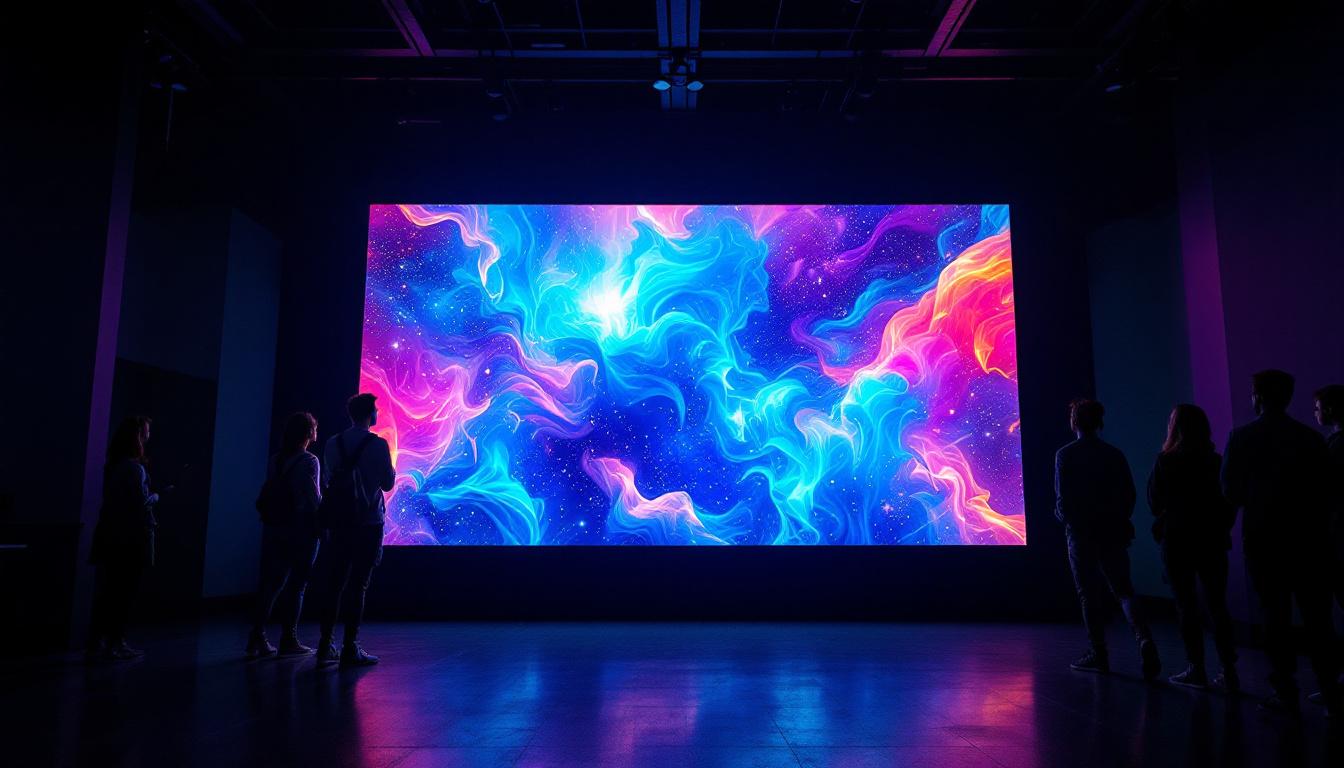
In recent years, the landscape of indoor display technology has undergone a significant transformation. Traditional projection screens, once the standard for indoor presentations and entertainment, are increasingly being complemented or replaced by LED displays. This shift is driven by advancements in LED technology, which offer superior brightness, color accuracy, and versatility. This article delves into the world of indoor LED displays, explaining their technology, benefits, applications, and how they compare to conventional projection screens.
Understanding Indoor LED Displays
What Is an Indoor LED Display?
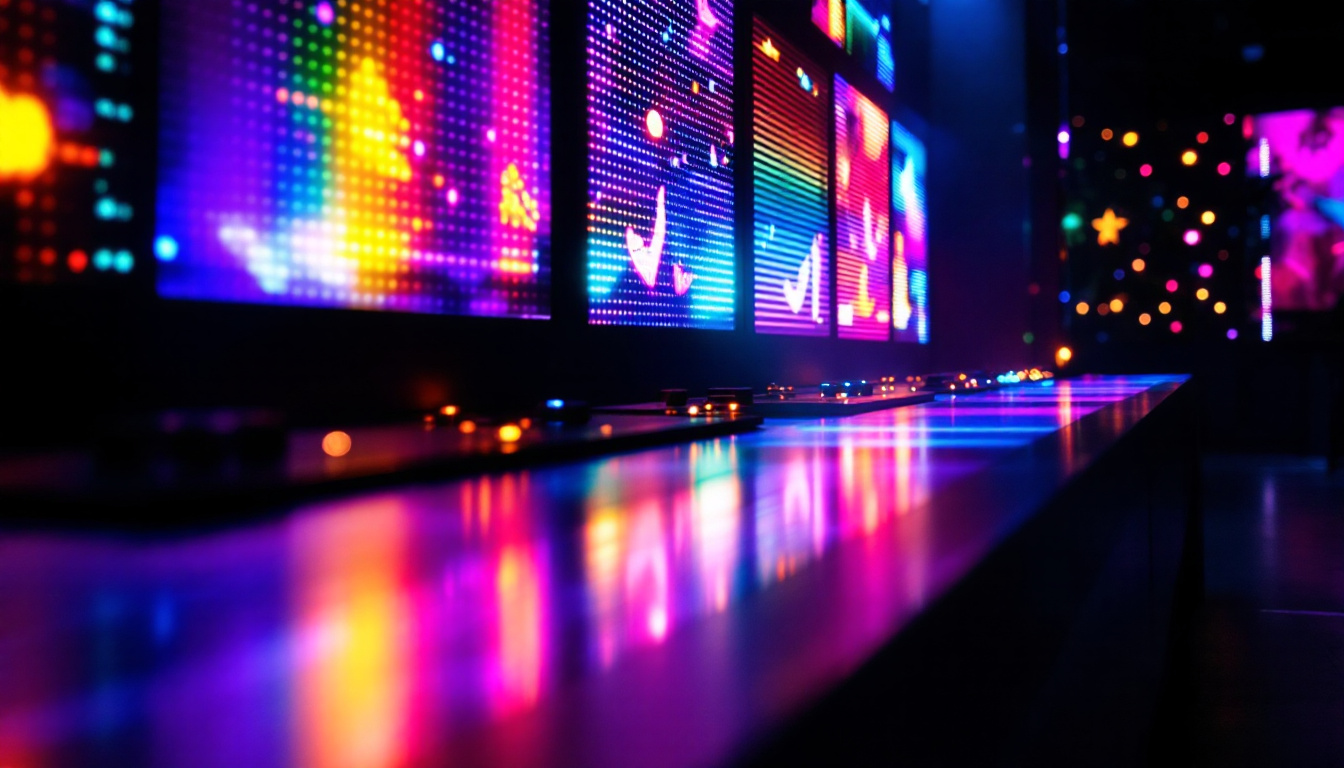
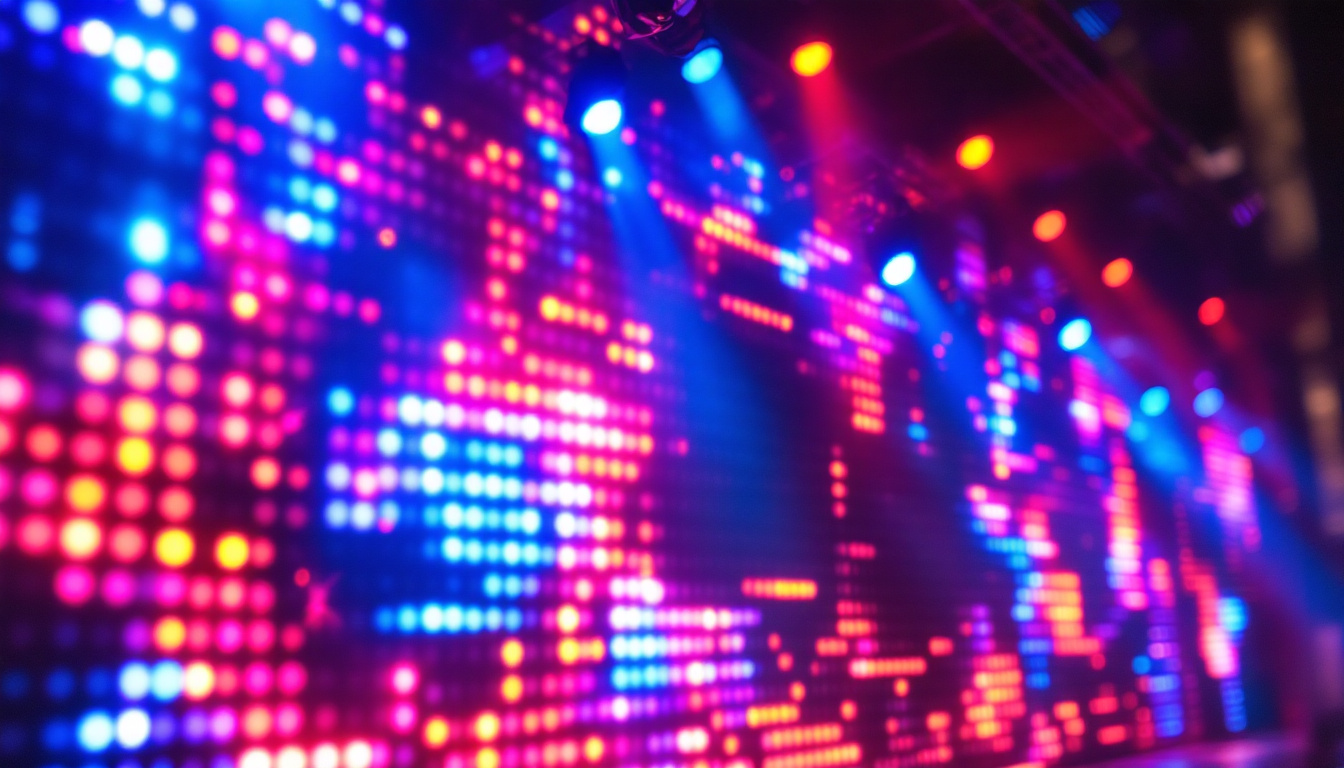
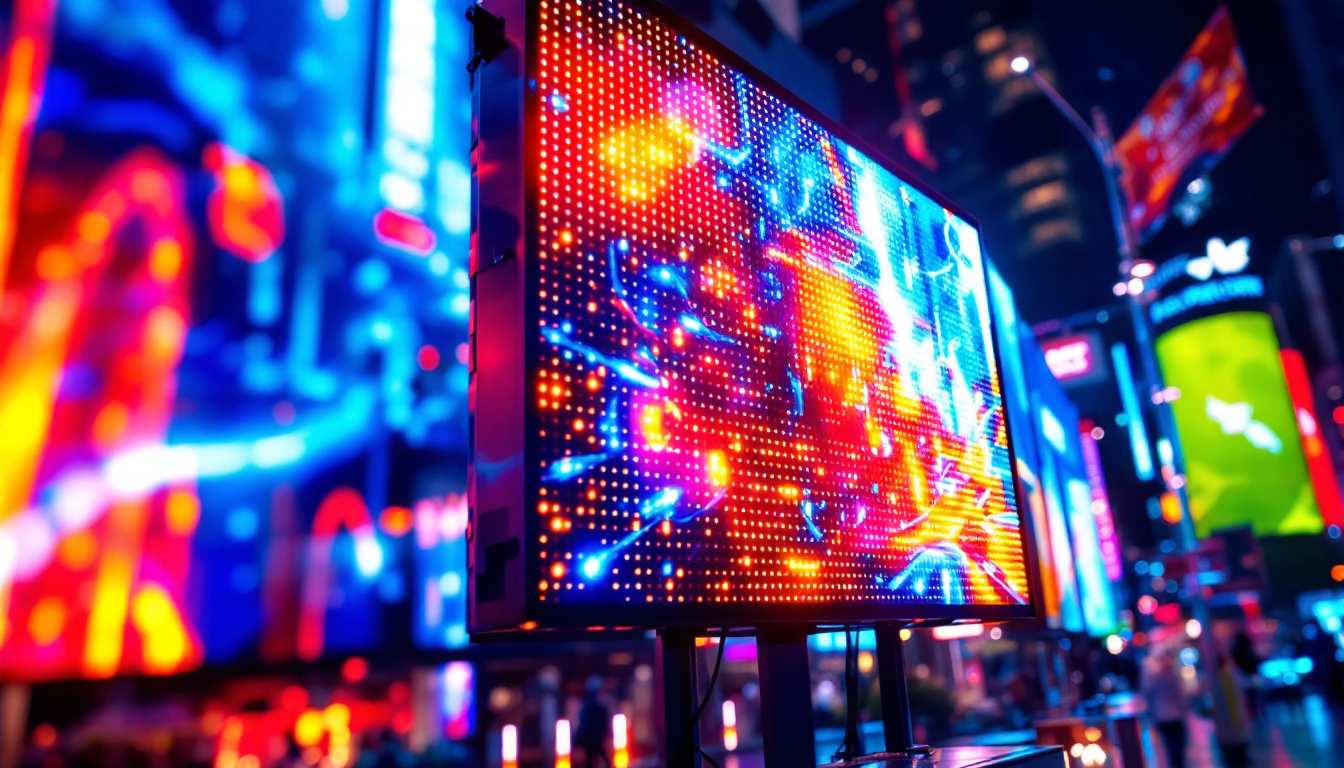
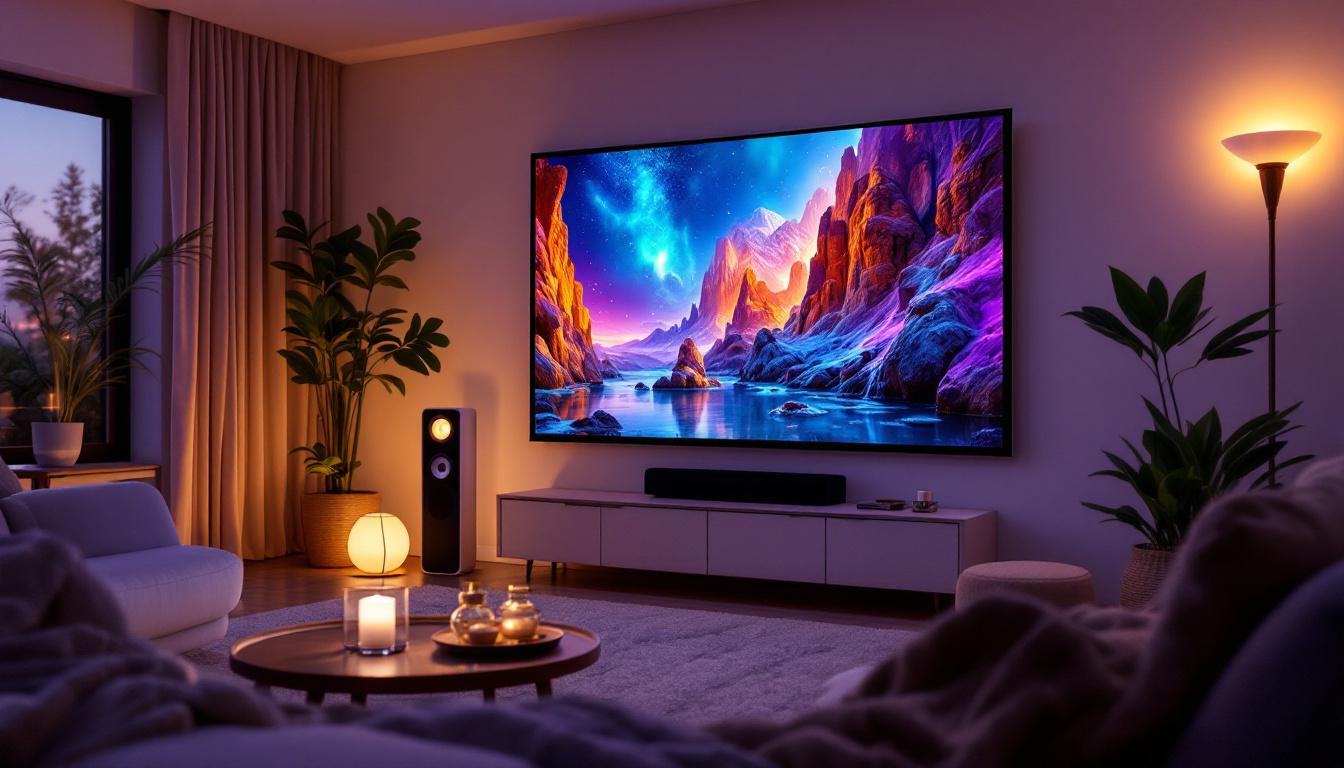
Indoor LED displays are digital screens composed of numerous light-emitting diodes (LEDs) arranged in a matrix to form images, videos, or text. Unlike projection screens that rely on an external projector to cast images onto a surface, LED displays emit their own light, creating vivid and bright visuals that are easily viewable in various indoor lighting conditions.
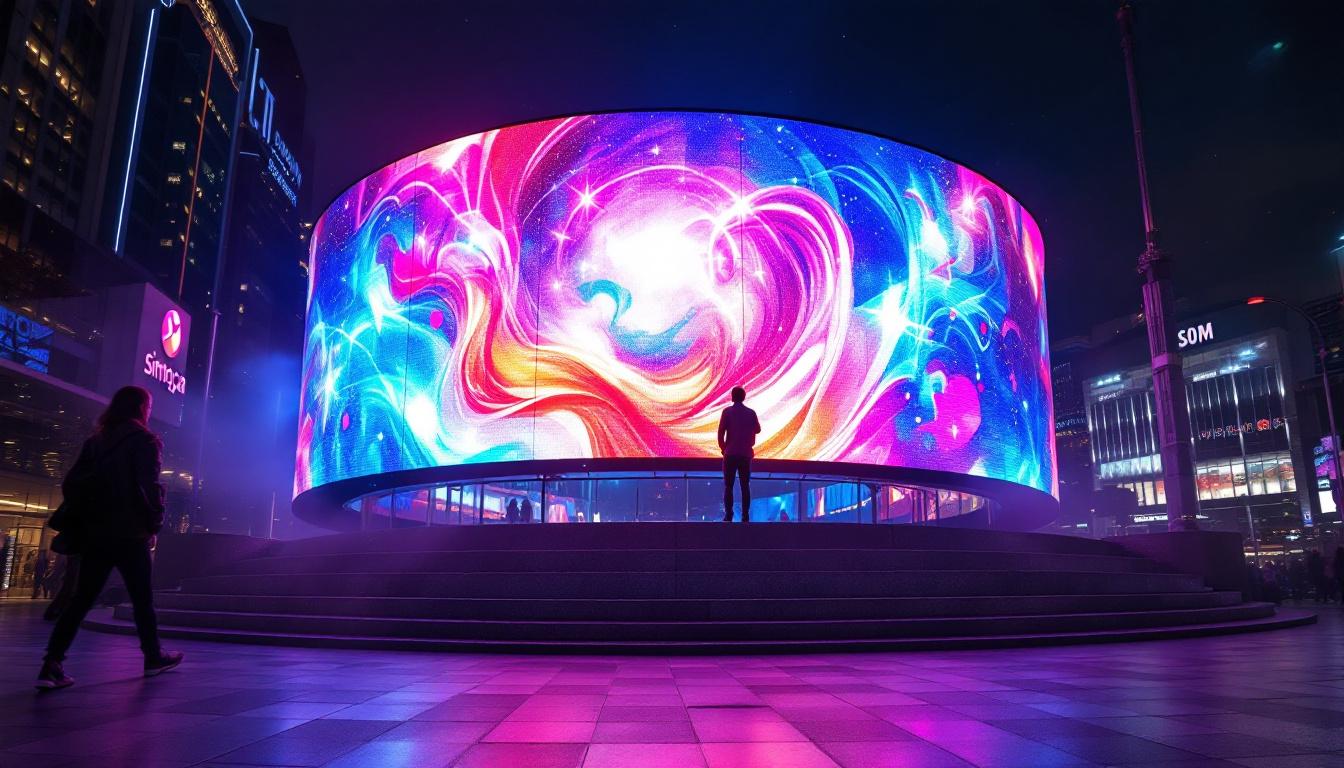
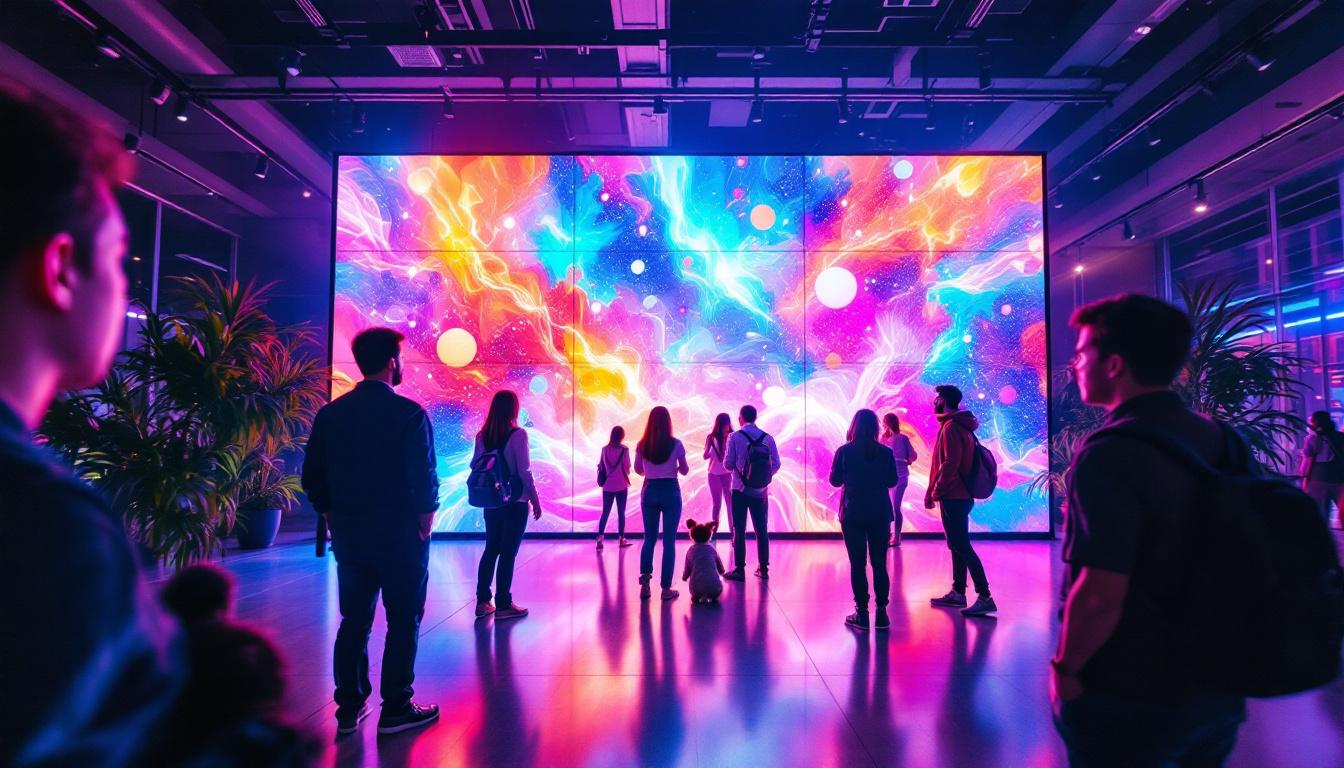
These displays come in various sizes and resolutions, from small video walls in conference rooms to large-scale installations in auditoriums and retail spaces. The modular nature of LED panels allows for customization in shape and size, making them highly adaptable to different indoor environments. This flexibility enables businesses to create unique designs that fit their branding and aesthetic needs, enhancing the overall customer experience. Additionally, indoor LED displays can be used for a variety of applications, such as advertising, information dissemination, and entertainment, making them a versatile choice for many organizations.
How Do Indoor LED Displays Work?
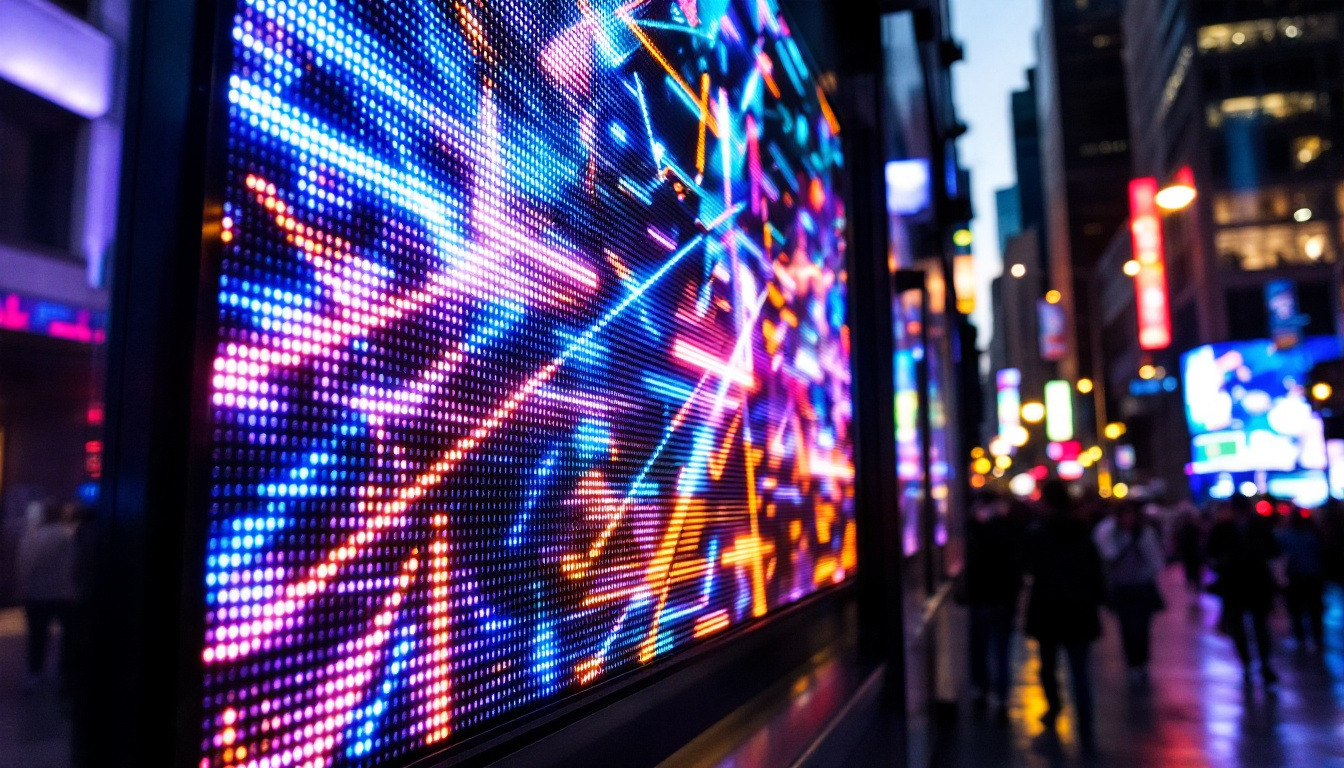
Each pixel on an LED display consists of tiny red, green, and blue LEDs. By adjusting the intensity of these three colors, the display can produce a broad spectrum of colors. The LEDs are controlled by a driver circuit that receives video signals from a media player or computer. This control system synchronizes the LEDs to display the desired image or video content.
Indoor LED displays typically have a pixel pitch ranging from 0.9mm to 4mm. Pixel pitch refers to the distance between the centers of two adjacent pixels; a smaller pitch means higher resolution and sharper images, which is especially important for close viewing distances common in indoor settings. Furthermore, advancements in technology have led to the development of high-brightness LEDs, which enhance visibility even in brightly lit environments. This capability is particularly beneficial for retail spaces, where capturing customer attention is crucial. The integration of smart technology also allows for real-time content updates and remote management, providing users with greater control over their display systems and enabling dynamic advertising strategies that can adapt to changing market conditions.
Advantages of Indoor LED Displays Over Traditional Projection Screens
Brightness and Visibility
One of the most significant advantages of indoor LED displays is their superior brightness. LEDs can emit light at levels far beyond what traditional projectors can achieve, often exceeding 1,000 nits (a measure of luminance) indoors. This makes LED displays highly visible even in brightly lit rooms, whereas projection screens often require dimmed lighting to maintain image clarity.
For example, in retail environments or conference rooms with large windows and natural light, LED displays maintain vibrant and clear visuals without the need for blackout curtains or special lighting adjustments.
Image Quality and Color Accuracy
Indoor LED displays provide excellent color reproduction and contrast ratios. Because each LED emits light directly, the colors are more saturated and consistent compared to projection screens, which can suffer from color distortion due to ambient light and the reflective properties of the screen material.
Furthermore, LED displays have faster refresh rates and better response times, reducing motion blur and making them ideal for video playback and dynamic content.
Durability and Maintenance
LED displays are generally more durable than projection setups. Projectors require regular lamp replacements and can be sensitive to dust and overheating. In contrast, LED panels have longer lifespans (often exceeding 100,000 hours) and require less maintenance.
Additionally, LED displays do not rely on bulbs or filters, which are common points of failure in projectors. This results in lower total cost of ownership over time, despite the higher initial investment.
Installation Flexibility
Indoor LED displays offer greater flexibility in installation. They can be mounted on walls, suspended from ceilings, or configured into custom shapes and sizes. This adaptability allows businesses and venues to create immersive visual experiences tailored to their specific needs.
Projection screens, on the other hand, require a clear line of sight for the projector and sufficient throw distance, which can limit placement options and room layout.
Common Applications of Indoor LED Displays
Corporate and Educational Environments
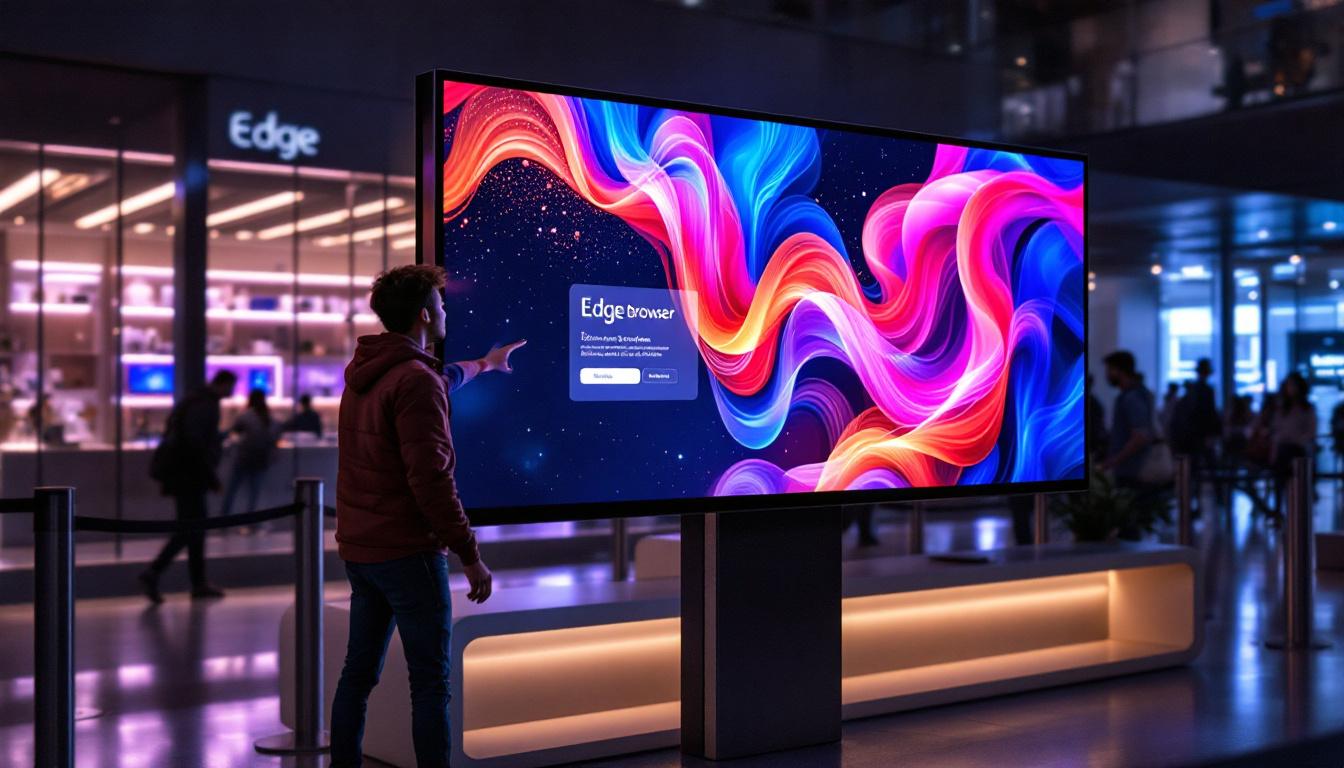
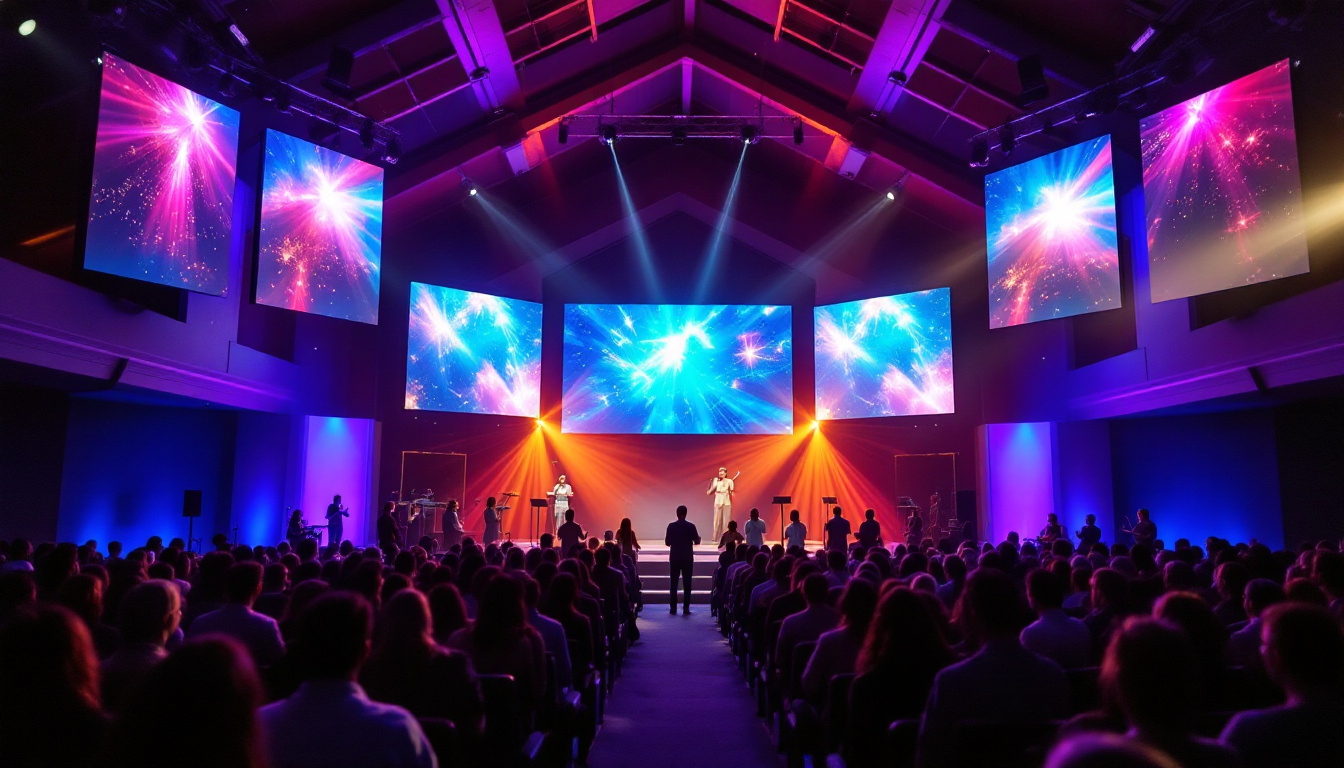
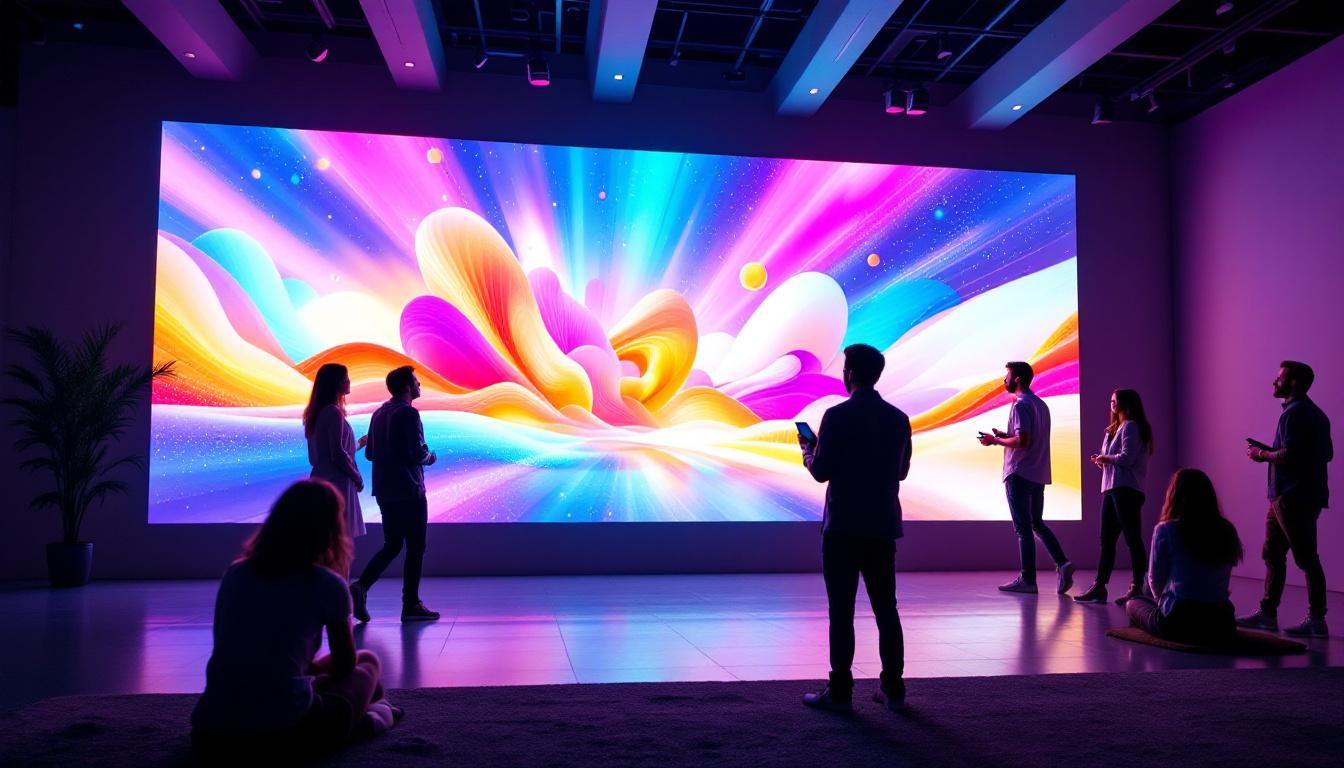
Indoor LED displays are increasingly popular in corporate boardrooms, training centers, and lecture halls. Their high resolution and brightness make them ideal for presentations, video conferencing, and interactive sessions. The ability to display multiple content sources simultaneously enhances collaboration and engagement.
For example, a global consulting firm might use a large LED video wall in their main conference room to display real-time data dashboards, video calls, and presentation slides all at once, improving decision-making efficiency.
Retail and Advertising
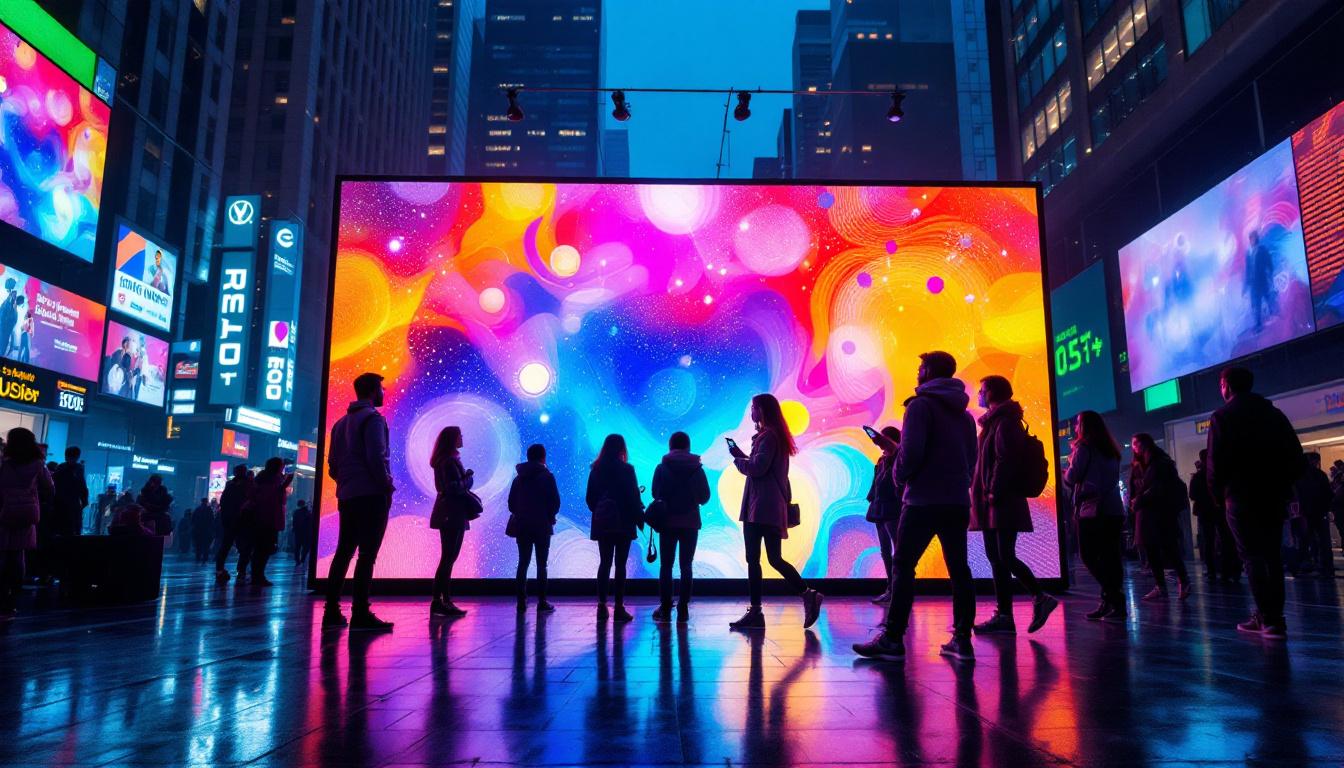
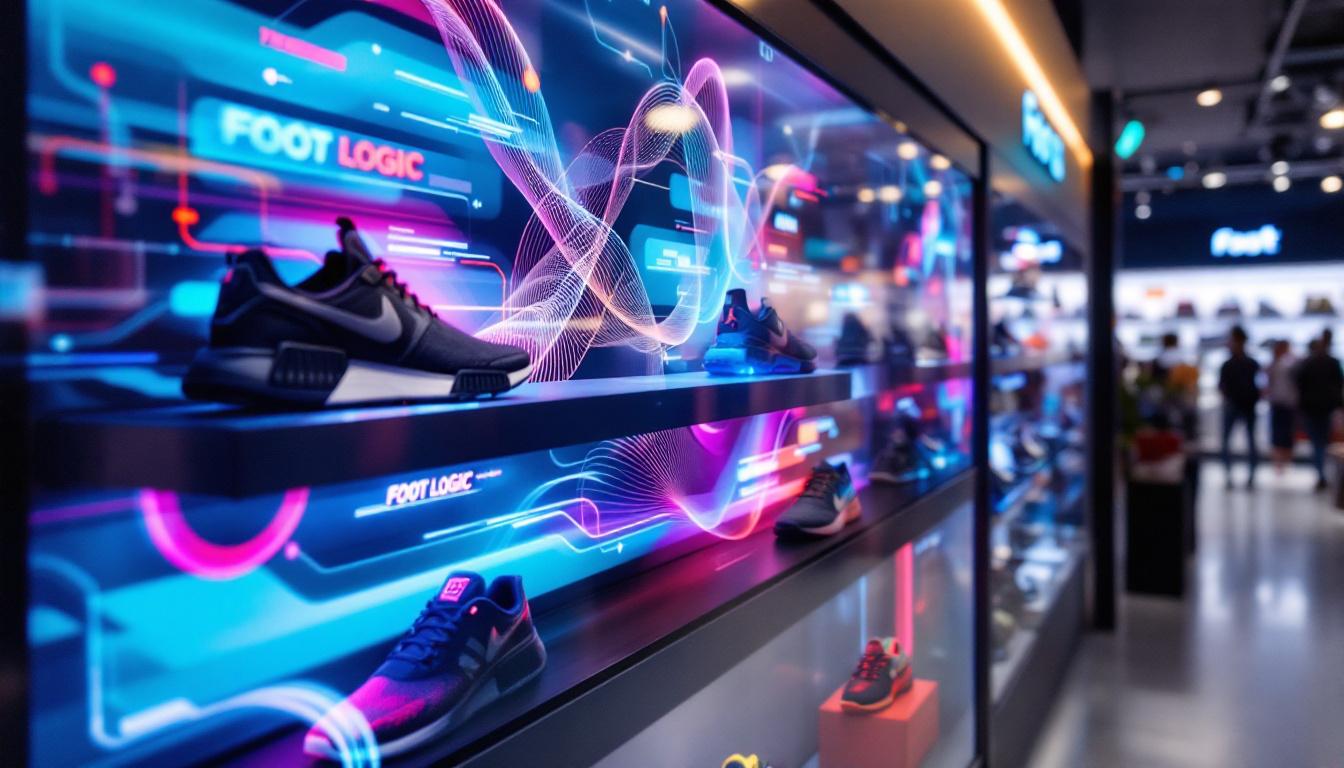
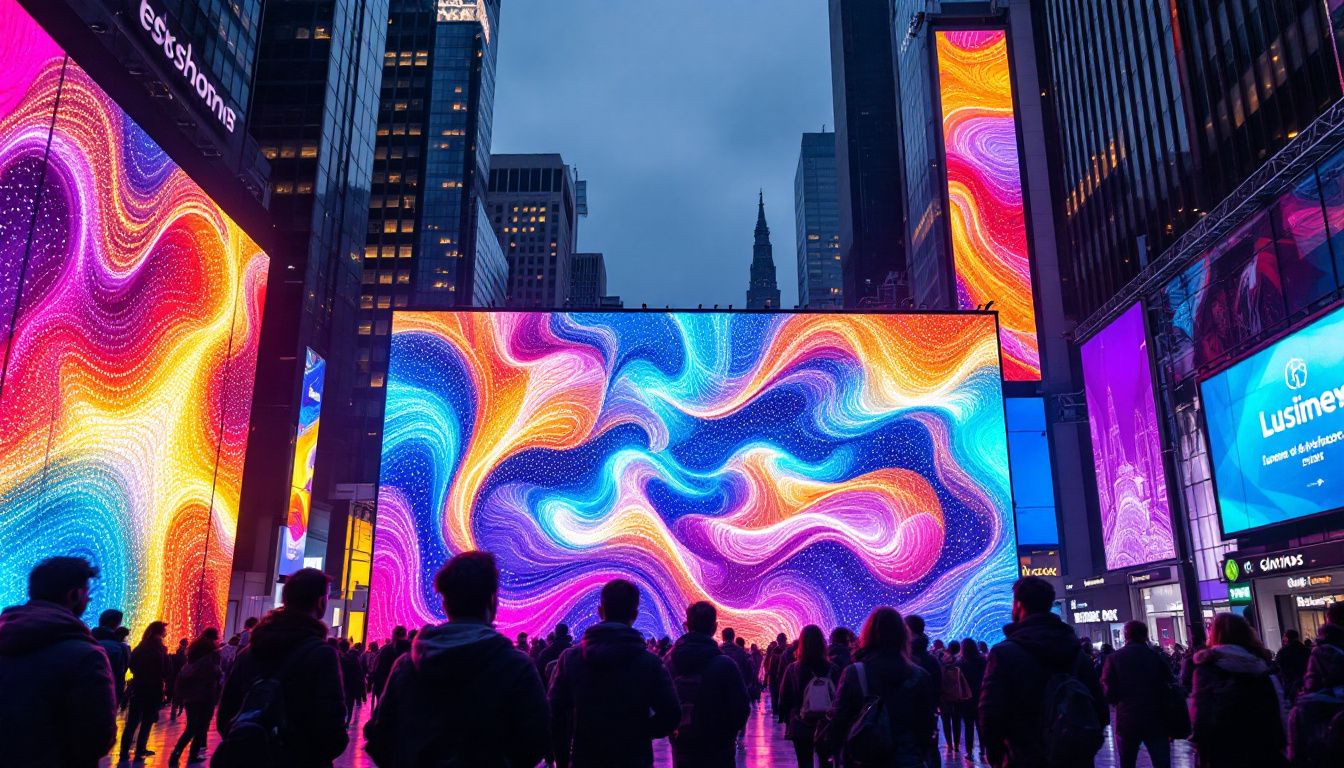
Retailers use indoor LED displays to attract customers and enhance the shopping experience. Bright, dynamic content can highlight promotions, new products, or brand messaging. LED displays can be integrated into store windows or interior walls, catching the eye of passersby and encouraging foot traffic.
According to recent market research, digital signage, including LED displays, is expected to grow at a compound annual growth rate (CAGR) of over 8% through 2027, driven by demand for engaging and interactive retail environments.
Entertainment and Hospitality
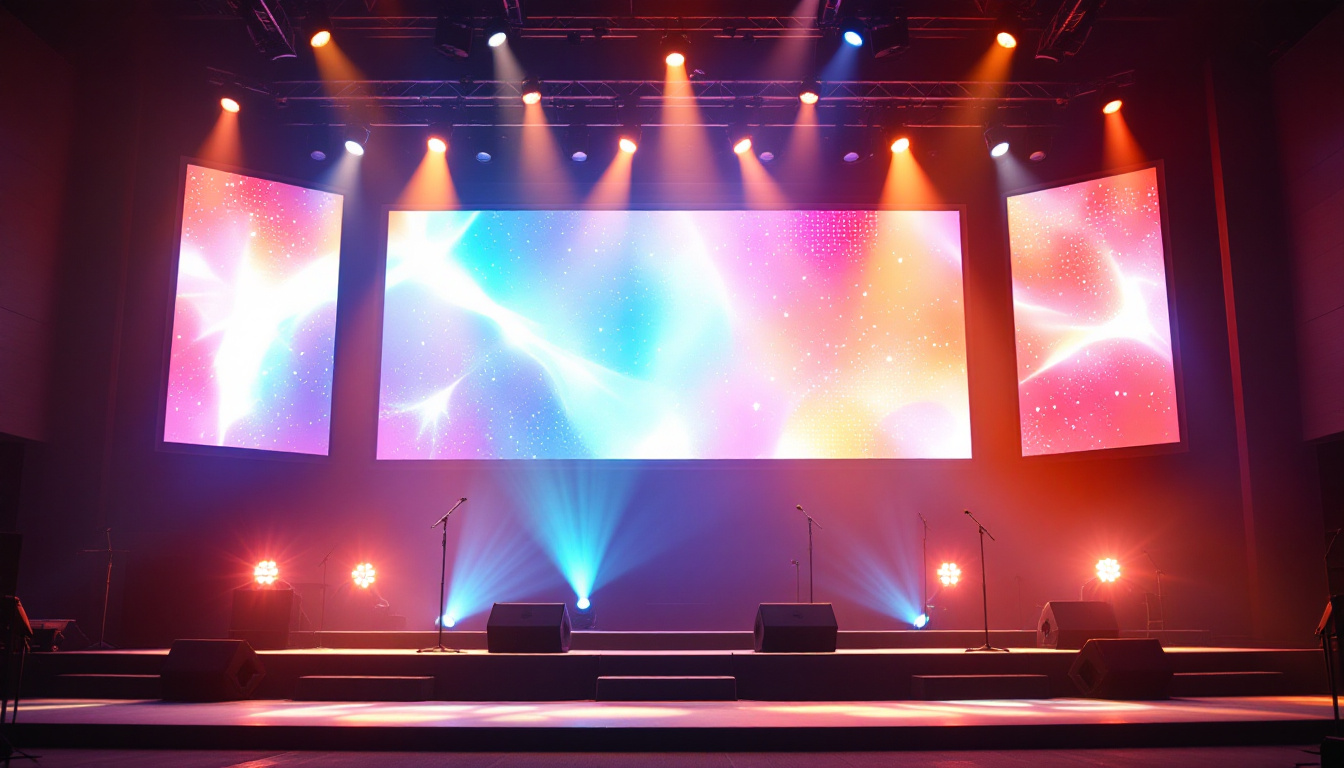
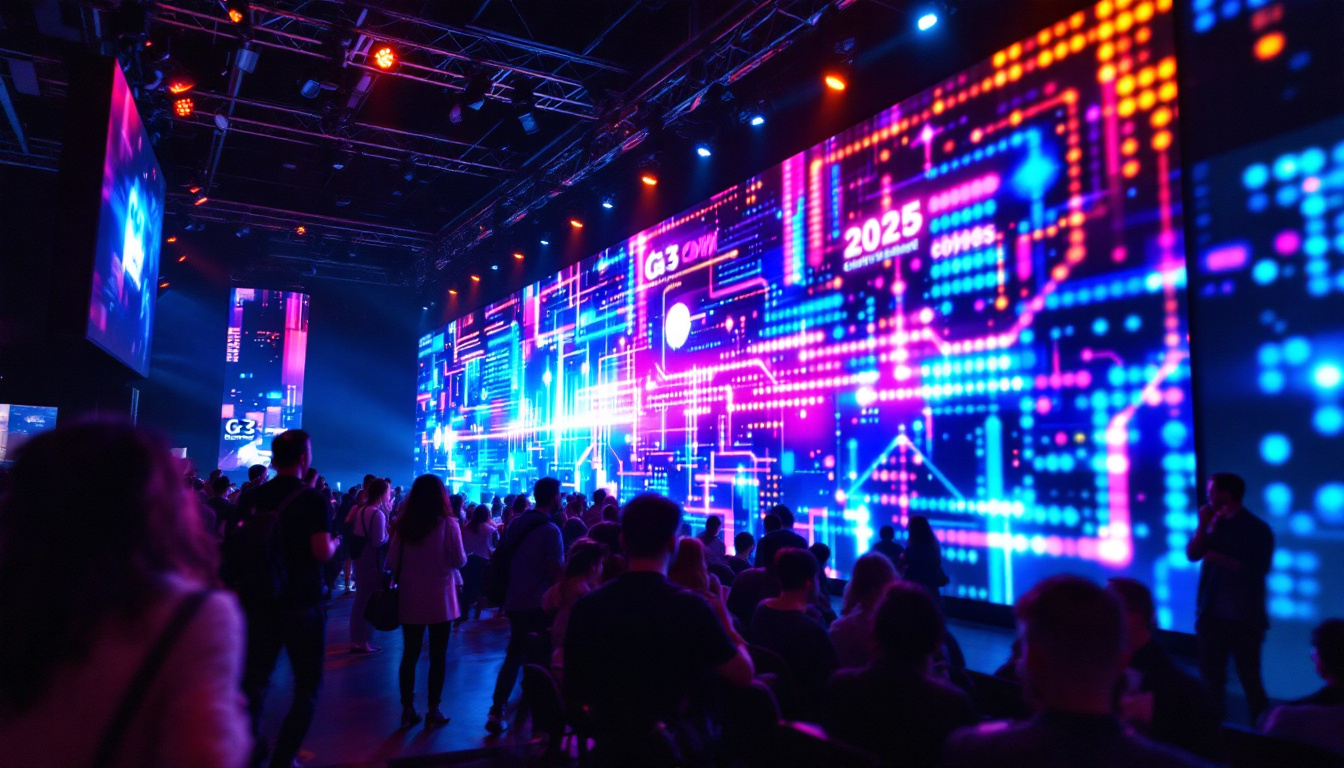
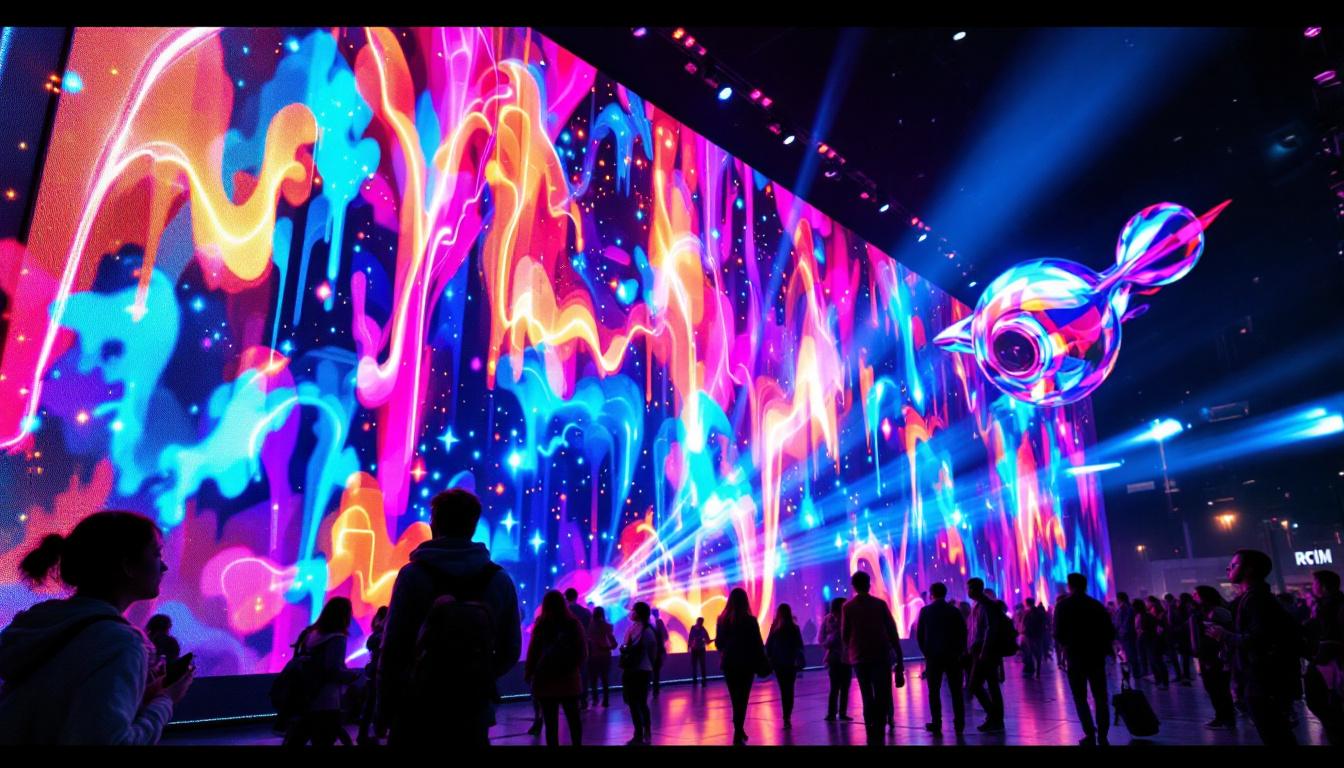
Venues such as theaters, hotels, and casinos utilize indoor LED displays to create immersive environments. From digital backdrops on stage to lobby information boards, LED technology enhances visual appeal and customer experience.
In casinos, for instance, LED walls can display vibrant animations and promotional content that contribute to the energetic atmosphere, while hotels use them for wayfinding and event information.
Healthcare and Control Rooms
Indoor LED displays are also critical in healthcare settings and control rooms where real-time data visualization is essential. Hospitals use LED walls for monitoring patient data and displaying important alerts, while control centers rely on high-resolution LED displays for surveillance, traffic management, and emergency response coordination.
Comparing Indoor LED Displays and Projection Screens
Cost Considerations
While indoor LED displays generally have a higher upfront cost compared to projection systems, the total cost of ownership can be lower due to reduced maintenance and longer lifespan. Projectors require periodic replacement of lamps and filters, which can add up over time.
For small-scale applications, projectors may still be cost-effective, but as screen size and ambient lighting requirements increase, LED displays become more economical and practical.
Space and Installation Requirements
Projection systems require sufficient throw distance between the projector and screen, which can be a challenge in smaller rooms. Additionally, projectors must be mounted securely and aligned precisely to avoid image distortion.
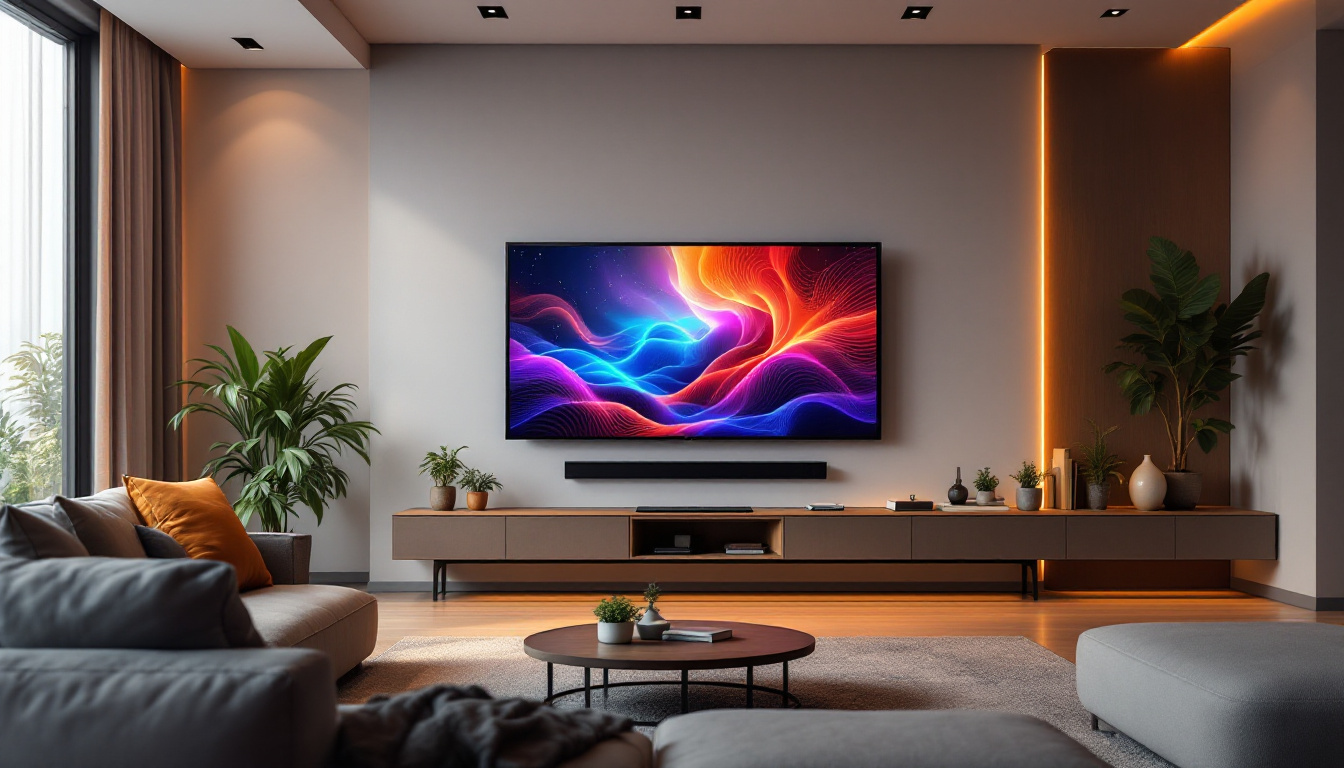
Indoor LED displays, being self-illuminating panels, can be installed directly on walls or structures with minimal space requirements. This makes them suitable for venues with limited room or unconventional layouts.
Image Quality in Different Lighting Conditions
Projection screens perform best in darkened rooms, as ambient light can wash out the image. LED displays maintain image quality regardless of lighting, making them more versatile for environments with variable or bright lighting.
Longevity and Reliability
LED displays typically offer longer operational lifespans, often exceeding 100,000 hours of use, compared to projector lamps which may last between 2,000 to 5,000 hours. Additionally, LEDs are less prone to mechanical failure since they contain no moving parts.
Key Factors to Consider When Choosing an Indoor LED Display
Pixel Pitch and Resolution
Choosing the right pixel pitch is crucial for ensuring image clarity at the intended viewing distance. For close-up viewing in conference rooms or retail spaces, a pixel pitch of 1.5mm or less is recommended. Larger pixel pitches (3mm to 4mm) may be suitable for viewing distances over several meters.
Higher resolution displays provide sharper images but come at a higher cost. Balancing resolution with budget and viewing distance is essential.
Brightness and Contrast Ratio
Brightness should be tailored to the ambient lighting conditions of the installation environment. For brightly lit indoor spaces, a brightness level of 800 to 1,200 nits is typically sufficient. Contrast ratio affects the depth of blacks and overall image richness, so higher contrast ratios are preferable for video content.
Refresh Rate and Color Depth
Higher refresh rates (above 60Hz) reduce flicker and motion blur, improving the viewing experience for video and dynamic content. Color depth determines how many colors the display can render; 10-bit color depth or higher is ideal for smooth gradients and accurate color reproduction.
Installation and Maintenance Support
Consider the ease of installation and availability of technical support. Modular LED panels simplify installation and maintenance, allowing for quick replacement of faulty modules without taking the entire display offline.
The Future of Indoor Display Technology
Indoor LED displays continue to evolve with advancements in mini-LED and micro-LED technologies, which promise even higher resolution, better energy efficiency, and thinner form factors. Integration with smart building systems and interactive capabilities are also becoming more common, enabling dynamic, context-aware content delivery.
As prices continue to decrease and technology improves, LED displays are expected to become the dominant choice for indoor visual communication across industries.
Conclusion
Indoor LED displays represent a powerful alternative to traditional projection screens, offering superior brightness, color accuracy, durability, and installation flexibility. Their ability to deliver vibrant, high-resolution images in a variety of lighting conditions makes them ideal for corporate, retail, entertainment, healthcare, and control room applications.
While the initial investment may be higher, the long-term benefits of LED technology—including reduced maintenance costs and enhanced visual impact—make it a compelling choice for businesses and venues seeking to elevate their indoor display capabilities. Understanding the technical aspects and application requirements is key to selecting the right indoor LED display solution that meets both budget and performance needs.
Discover LumenMatrix’s Innovative LED Solutions
Ready to transform your space with the vibrant, high-resolution imagery of LED displays? LumenMatrix offers a comprehensive range of cutting-edge LED solutions tailored to meet your specific needs. From captivating Indoor LED Wall Displays to dynamic Outdoor LED Wall Displays, and specialized options like Vehicle LED Displays and LED Sports Displays, we have the technology to bring your vision to life. Experience the future of visual communication with our All-in-One LED Displays, LED Transparent Displays, and more. Check out LumenMatrix LED Display Solutions today and see how we can help you create unforgettable visual experiences that resonate with your audience.