In today’s digital age, LED displays have become an integral part of how information is communicated visually. From advertising billboards and stadium screens to indoor signage and wearable technology, LED displays offer vibrant, energy-efficient solutions that captivate audiences worldwide. This article delves deep into the world of LED displays, explaining their technology, types, applications, and future trends. Whether you’re a business owner considering a digital signage upgrade or a technology enthusiast curious about the mechanics behind these luminous screens, this comprehensive guide will illuminate everything you need to know about LED displays.
Understanding the Basics of LED Display Technology
What is an LED Display?
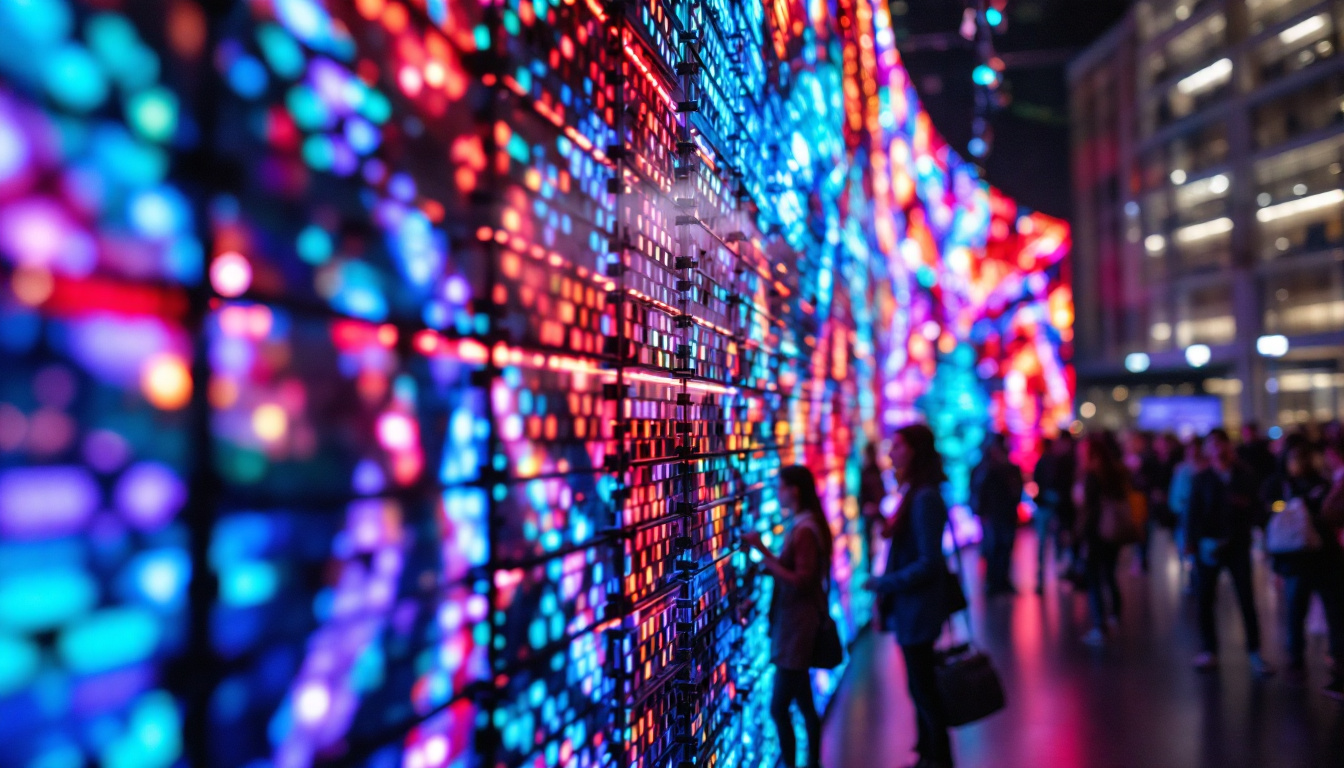
LED stands for Light Emitting Diode, a semiconductor device that emits light when an electric current passes through it. An LED display is essentially a matrix of these tiny diodes arranged in a grid to form images, text, or video content. Unlike traditional LCD or plasma screens, LED displays use direct light emission, which results in brighter colors, higher contrast ratios, and better visibility under various lighting conditions.
The core advantage of LED technology lies in its efficiency and longevity. LEDs consume less power compared to conventional lighting and display technologies, making them environmentally friendly and cost-effective over time. Additionally, LEDs have a longer lifespan, often lasting tens of thousands of hours before needing replacement, which is crucial for large-scale installations. This durability is particularly beneficial in outdoor settings, where displays are exposed to the elements and require less frequent maintenance, ultimately reducing operational costs for businesses and event organizers.
How Do LED Displays Work?
At the heart of an LED display are individual pixels, each composed of one or more LEDs. These pixels can be single-color (monochrome), bi-color, or full-color, depending on the application. Full-color displays typically use red, green, and blue LEDs combined in varying intensities to produce a wide spectrum of colors through a process called additive color mixing. This capability allows for stunning visuals that can capture attention and convey messages effectively, making LED displays a popular choice for advertising, entertainment, and information dissemination.
The display is controlled by a driver circuit that regulates the current to each LED, turning it on or off or adjusting its brightness. By rapidly switching LEDs on and off in precise patterns, the display can render images and videos with smooth transitions and vibrant hues. Modern LED displays also incorporate advanced control systems that allow for real-time content updates, remote management, and synchronization across multiple screens. This flexibility enables businesses to tailor their messaging dynamically, ensuring that the content remains relevant and engaging for their audience. Furthermore, with the integration of smart technology, LED displays can now interact with viewers through touch or motion sensors, enhancing the overall user experience and creating more immersive environments.
Types of LED Displays and Their Applications
Indoor vs. Outdoor LED Displays
LED displays are broadly categorized into indoor and outdoor types, each designed to meet specific environmental and performance requirements.
Indoor LED Displays are optimized for close viewing distances and controlled lighting environments. They typically feature smaller pixel pitches (the distance between individual LEDs) ranging from 1mm to 4mm, which allows for higher resolution and sharper images. These displays are commonly used in retail stores, conference rooms, broadcast studios, and entertainment venues.
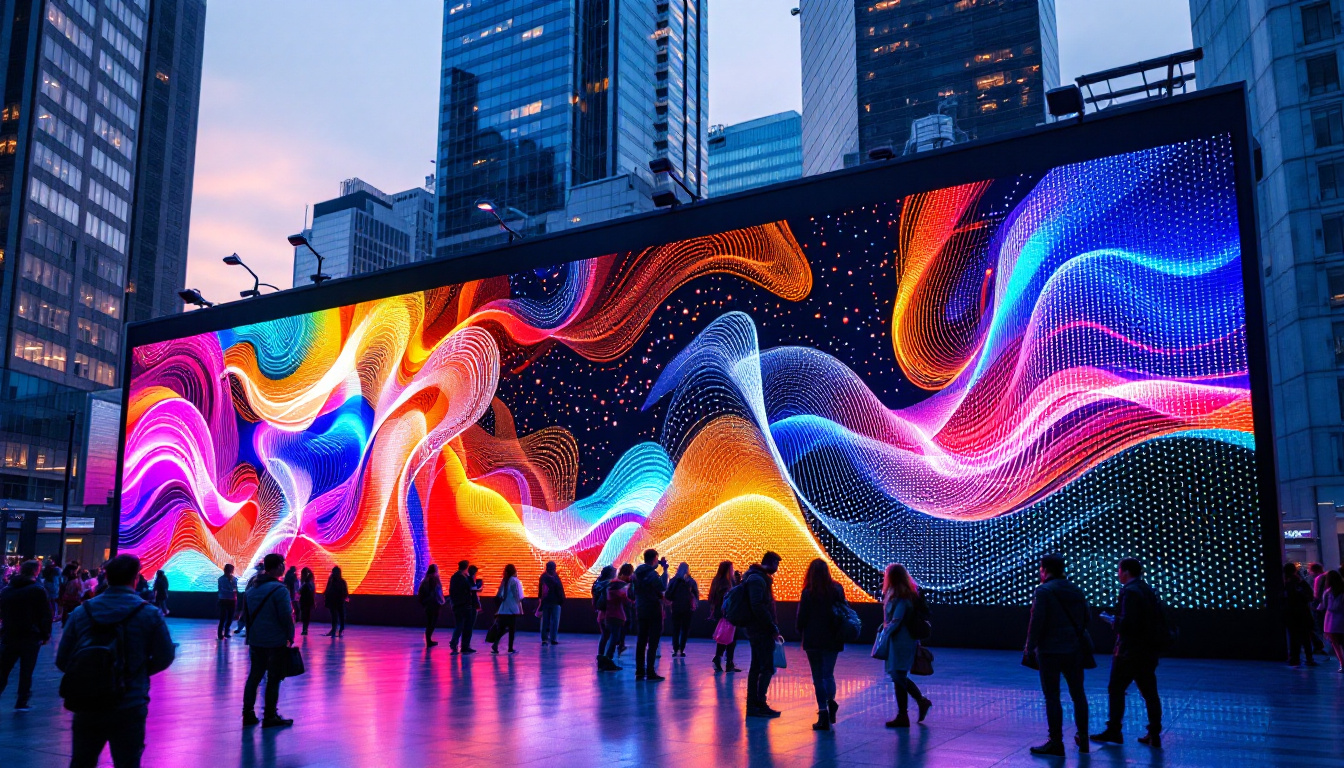
Outdoor LED Displays are built to withstand harsh weather conditions, including rain, dust, and extreme temperatures. Their pixel pitches are generally larger, from 4mm to over 20mm, to ensure visibility from greater distances. Outdoor LED screens are prevalent in sports arenas, transportation hubs, billboards, and public event spaces where durability and brightness are paramount.
Specialized LED Display Types
Beyond the basic indoor and outdoor categories, several specialized LED display types cater to unique applications:
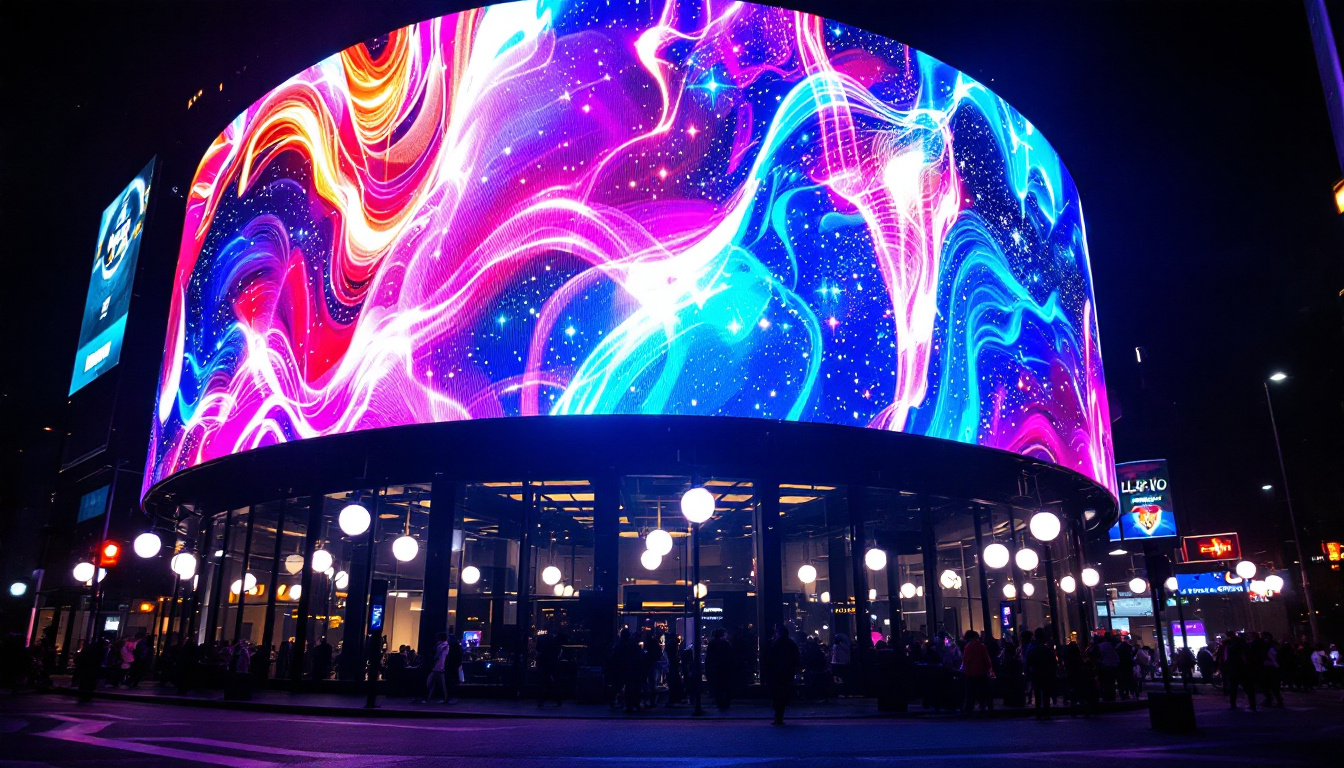
- Flexible LED Displays: These displays use bendable substrates that allow the screen to curve or wrap around surfaces. This innovation is popular in architectural installations and creative advertising where conventional flat screens are impractical.
- Transparent LED Displays: Featuring a see-through design, transparent LED screens enable natural light to pass through while displaying content. They are often used in retail windows and glass facades to blend digital messaging with physical environments.
- Wearable LED Displays: Miniaturized LED panels integrated into clothing or accessories provide dynamic visual effects for performances, safety gear, or fashion statements.
- High-Resolution Fine-Pitch Displays: With pixel pitches below 1mm, these displays deliver ultra-clear images suitable for control rooms, medical imaging, and broadcast studios where detail is critical.
Key Technical Considerations for LED Displays
Pixel Pitch and Resolution
Pixel pitch, measured in millimeters, is one of the most critical specifications when selecting an LED display. It defines the distance between the centers of two adjacent pixels. A smaller pixel pitch means more pixels per unit area, resulting in higher resolution and sharper images.
For example, a 1.5mm pixel pitch display can be viewed comfortably at distances as close as one meter, making it ideal for indoor settings. Conversely, a 10mm pixel pitch is suitable for outdoor billboards viewed from several meters away. Understanding the relationship between pixel pitch, viewing distance, and resolution helps ensure that the display meets the intended visual requirements.
Brightness and Contrast
Brightness, measured in nits (candelas per square meter), determines how well an LED display performs under various lighting conditions. Outdoor displays often require brightness levels exceeding 5,000 nits to remain visible in direct sunlight, whereas indoor displays typically operate between 800 and 1,500 nits.
Contrast ratio, the difference between the brightest and darkest parts of the image, affects the perceived depth and clarity of the content. High contrast ratios are essential for delivering vivid images, especially in environments with ambient light interference.
Refresh Rate and Color Accuracy
The refresh rate, expressed in hertz (Hz), indicates how many times per second the display updates its image. Higher refresh rates reduce flicker and motion blur, which is particularly important for video playback and live broadcasts. Modern LED displays often feature refresh rates of 1,000 Hz or higher to ensure smooth visual performance.
Color accuracy is another vital factor, especially in applications like digital signage and broadcasting where brand colors and image fidelity matter. Advanced calibration techniques and high-quality LEDs help achieve precise color reproduction and uniformity across the display.
Practical Applications of LED Displays
Advertising and Digital Signage
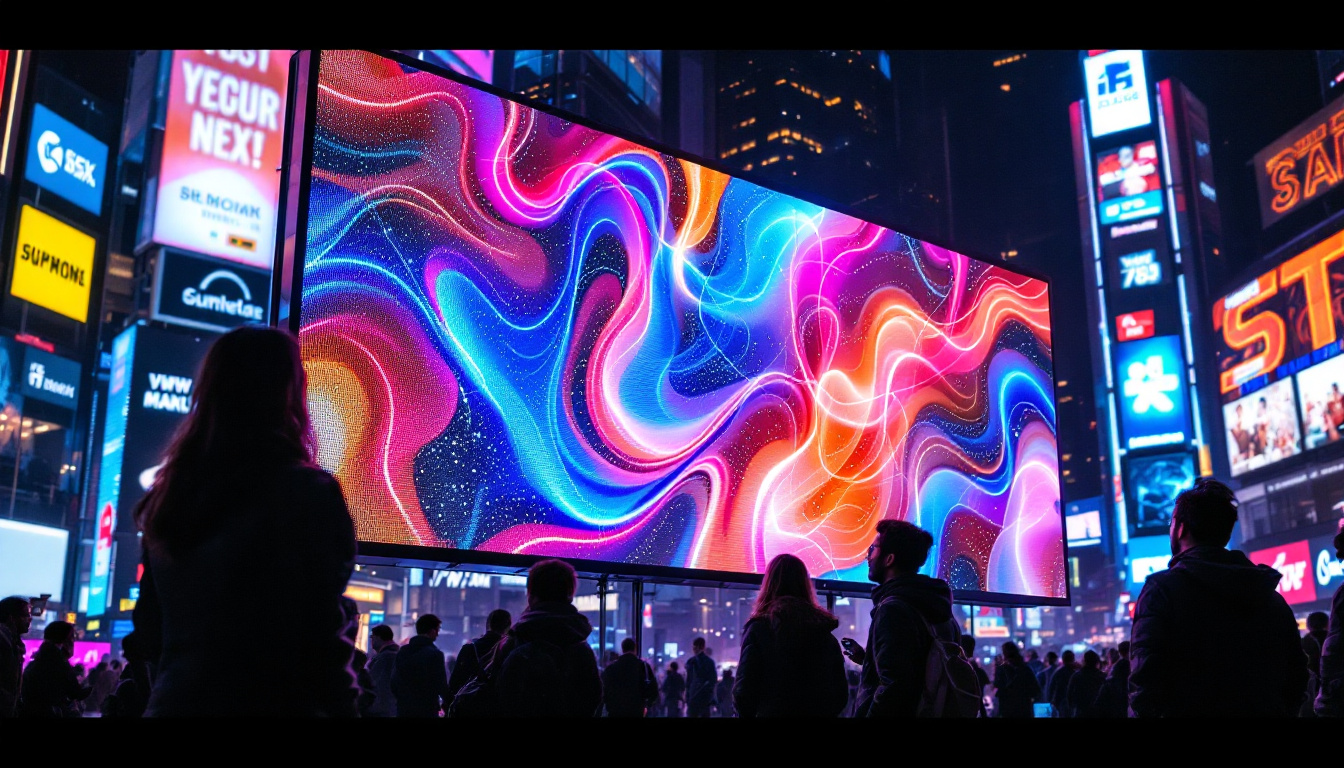
LED displays have revolutionized advertising by enabling dynamic, eye-catching content that can be updated in real-time. Digital billboards and retail signage use LED technology to attract customers, promote products, and deliver targeted messages based on time of day or audience demographics.
According to industry reports, the global digital signage market is projected to grow at a CAGR of over 8% through 2027, driven largely by the adoption of LED displays. Their ability to support high-resolution video, interactive content, and remote management makes them indispensable tools for marketers aiming to maximize engagement.
Sports and Entertainment Venues
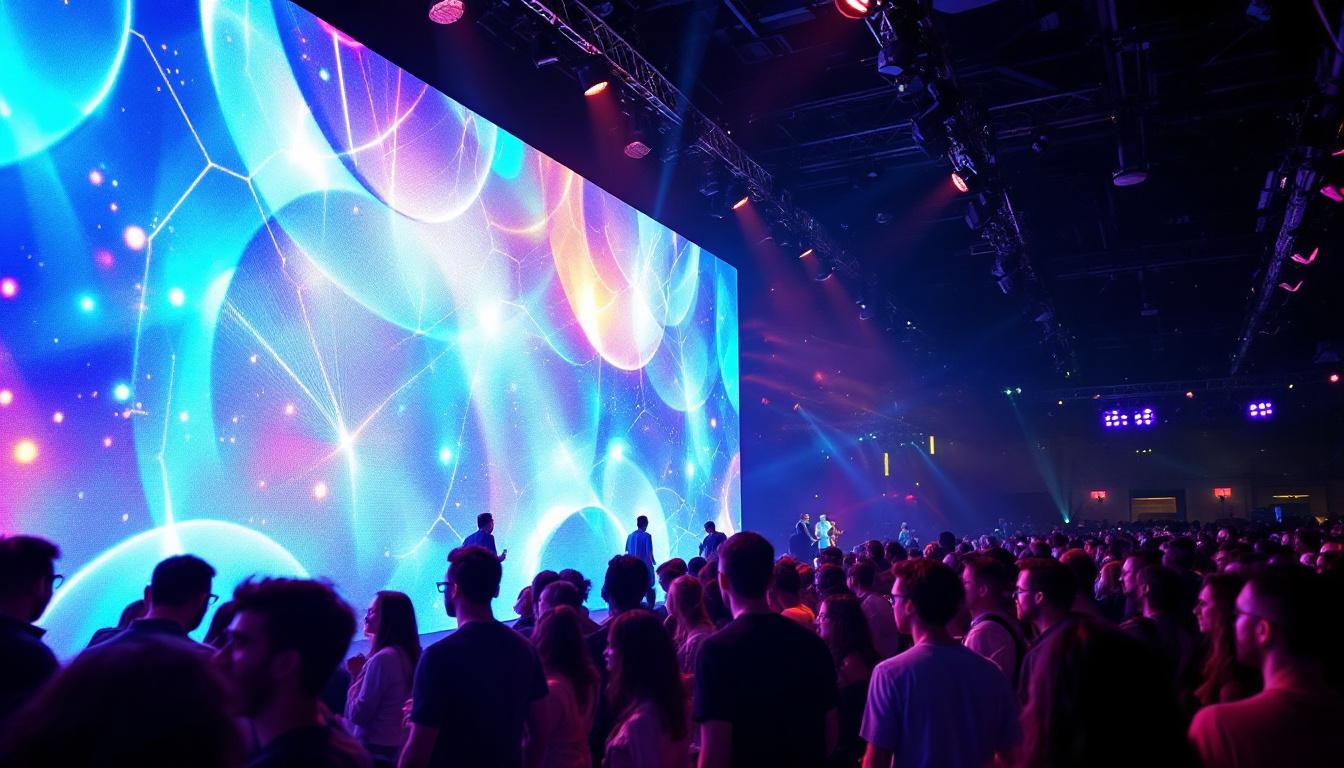
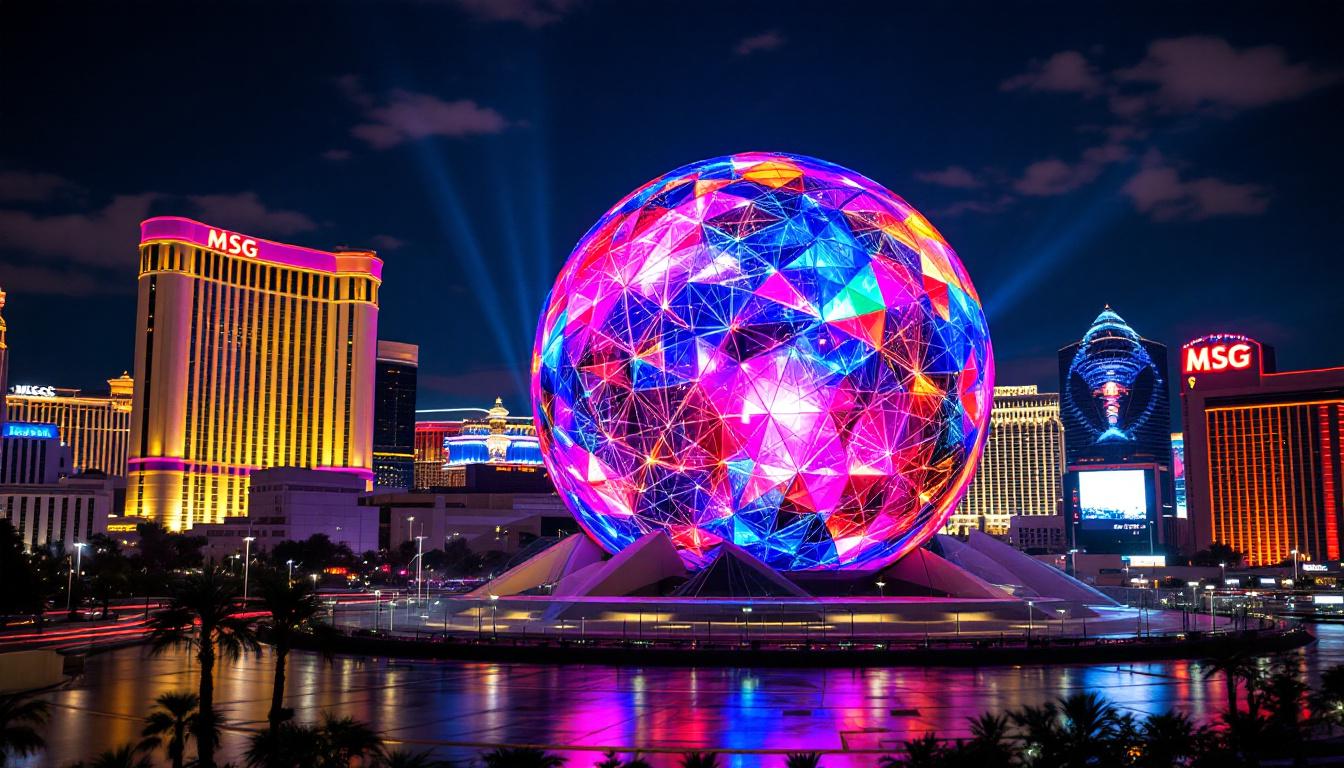
Stadiums, arenas, and concert halls rely heavily on large-scale LED displays to enhance the spectator experience. These screens provide live game footage, replays, scores, and advertisements, ensuring that every attendee stays informed and entertained regardless of their seat location.
For instance, the AT&T Stadium in Texas features one of the world’s largest high-definition LED video boards, measuring over 160 feet wide. Such installations demonstrate the scale and impact LED technology can achieve in live event settings.
Corporate and Educational Environments
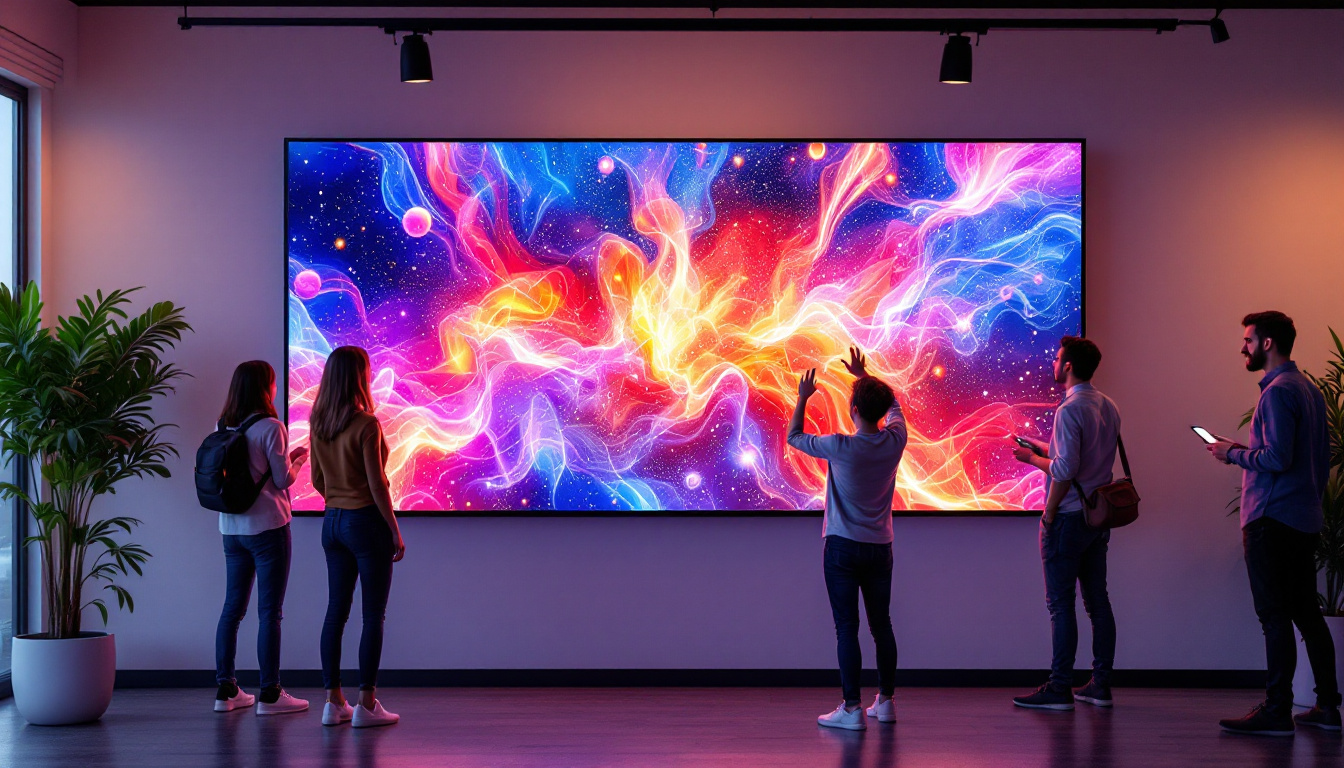
In corporate offices and educational institutions, LED displays facilitate presentations, video conferencing, and digital communications. Their clarity and reliability make them ideal for boardrooms, lecture halls, and collaborative workspaces where clear visual communication is essential.
Moreover, LED walls are increasingly used for immersive learning experiences and virtual events, bridging the gap between physical and digital interaction.
Future Trends and Innovations in LED Display Technology
MicroLED and MiniLED Technologies
Emerging technologies such as MicroLED and MiniLED promise to push the boundaries of LED displays further. MicroLEDs are microscopic LEDs that offer superior brightness, contrast, and energy efficiency compared to traditional LEDs. They also enable thinner, lighter displays with exceptional durability.
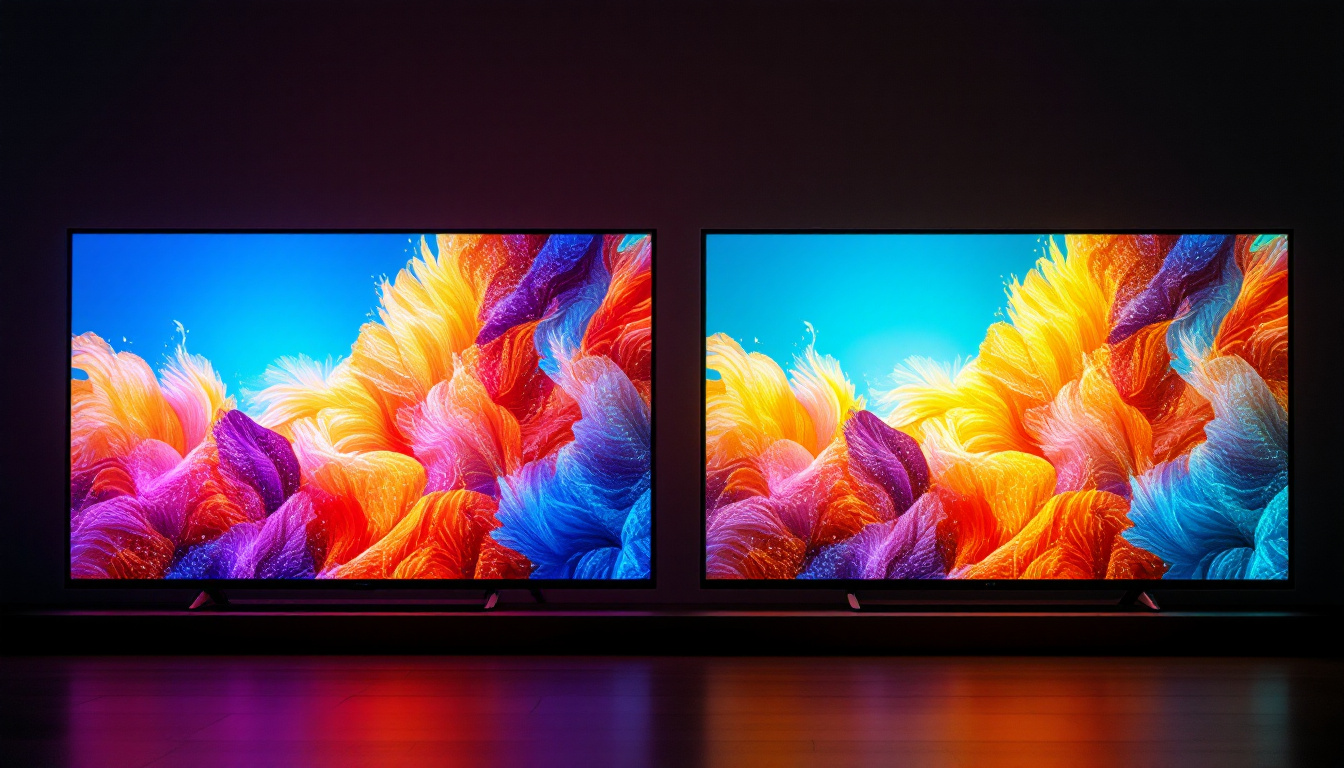
MiniLED technology uses thousands of tiny LEDs as a backlight for LCD panels, significantly improving contrast and local dimming capabilities. Both innovations are gaining traction in premium TVs, smartphones, and professional displays, signaling a shift toward even higher-quality visual experiences.
Integration with IoT and Smart Systems
The integration of LED displays with Internet of Things (IoT) platforms is transforming how these screens are managed and utilized. Smart LED displays can collect data, respond to environmental changes, and deliver personalized content based on real-time analytics.
This connectivity enables more efficient energy management, predictive maintenance, and enhanced interactivity, making LED displays a cornerstone of smart city infrastructure and digital transformation initiatives.
Sustainability and Energy Efficiency
As sustainability becomes a global priority, LED manufacturers are focusing on reducing the environmental impact of their products. Advances in materials, manufacturing processes, and power management are driving down energy consumption and improving recyclability.
Many modern LED displays now meet stringent environmental standards such as Energy Star certification, helping organizations reduce their carbon footprint while benefiting from superior display performance.
Conclusion
LED displays have evolved from simple indicator lights to sophisticated visual communication platforms that shape how people interact with information in public and private spaces. Understanding the fundamentals of LED technology, the variety of display types, and the critical technical specifications empowers businesses and individuals to make informed decisions when selecting and deploying LED screens.
With ongoing innovations like MicroLED, IoT integration, and enhanced sustainability measures, the future of LED displays looks brighter than ever. As these technologies continue to mature, they will unlock new possibilities for immersive experiences, dynamic advertising, and smart environments, making LED displays an indispensable component of modern visual communication.
Discover LumenMatrix’s Advanced LED Display Solutions
Ready to elevate your visual communication strategy with the latest in LED display technology? Look no further than LumenMatrix, a pioneer in crafting immersive LED display modules that bring your brand to life. From vibrant Indoor and Outdoor LED Wall Displays to innovative solutions like Vehicle LED Displays, LED Posters, and Transparent LED Displays, LumenMatrix offers a diverse range of products designed to captivate your audience and amplify your message. Experience the future of digital signage with our All-in-One LED Displays and Custom LED solutions tailored to your unique needs. Check out LumenMatrix LED Display Solutions today and transform the way you connect with viewers.