In the rapidly evolving world of digital signage and display technology, LED displays have become a cornerstone for vibrant, dynamic visual communication. Among the many innovations in this field, the term “Colar Png” has recently gained attention. This article dives deep into what Colar Png entails, how LED displays function, and why this technology is transforming industries ranging from advertising to entertainment.
Understanding LED Display Technology
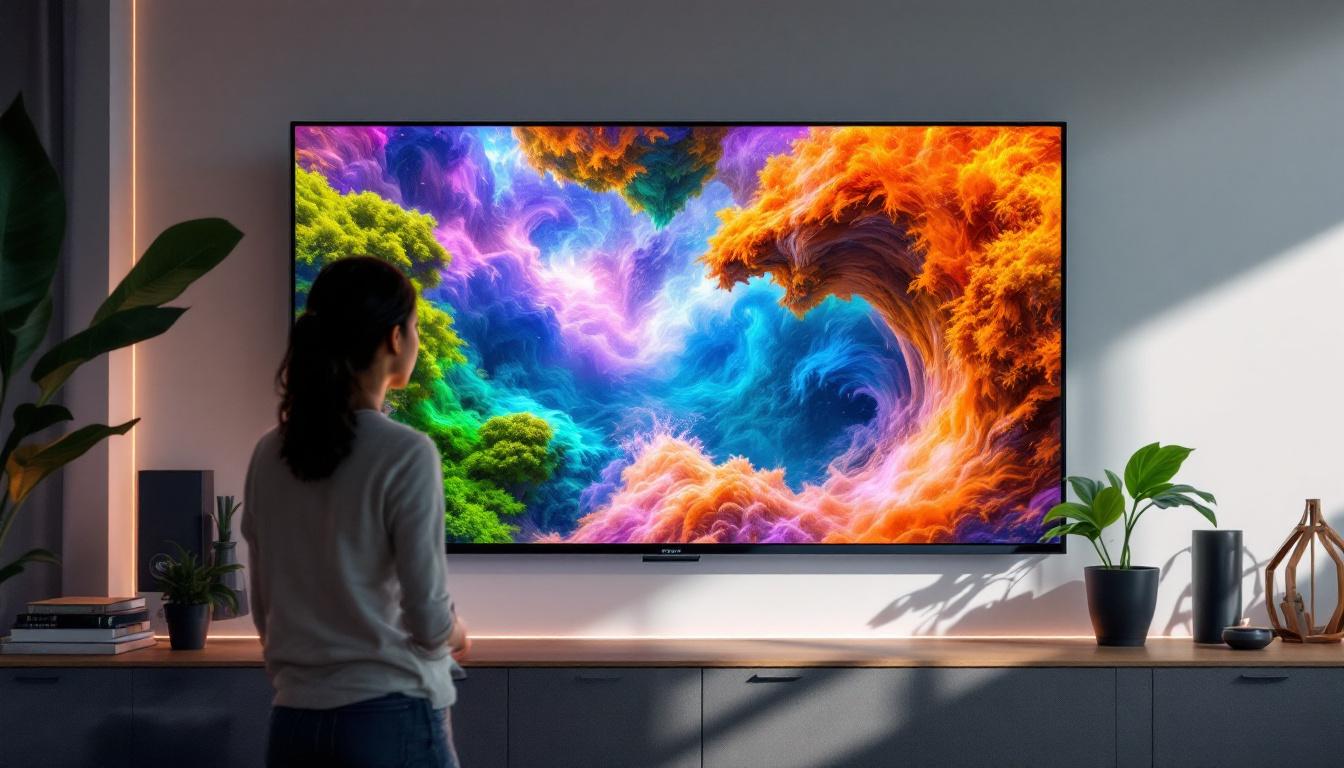
LED, or Light Emitting Diode, displays are a type of flat panel display that use an array of light-emitting diodes as pixels for a video display. Unlike traditional LCD or plasma screens, LEDs offer superior brightness, energy efficiency, and lifespan. These qualities make LED displays particularly well-suited for both indoor and outdoor environments. Their robustness against environmental factors, such as temperature fluctuations and humidity, further enhances their appeal, especially in settings like stadiums, billboards, and public transport systems where traditional displays may falter.
The core advantage of LED displays lies in their ability to produce intense colors and high contrast ratios. This is largely due to the self-illuminating nature of LEDs, which means each pixel emits its own light, rather than relying on a backlight. This results in deeper blacks and more vivid colors, enhancing the overall viewing experience. Moreover, the energy efficiency of LED technology contributes to lower operational costs, making them an attractive option for businesses looking to reduce their carbon footprint while maintaining high-quality visual output.
How LED Displays Work
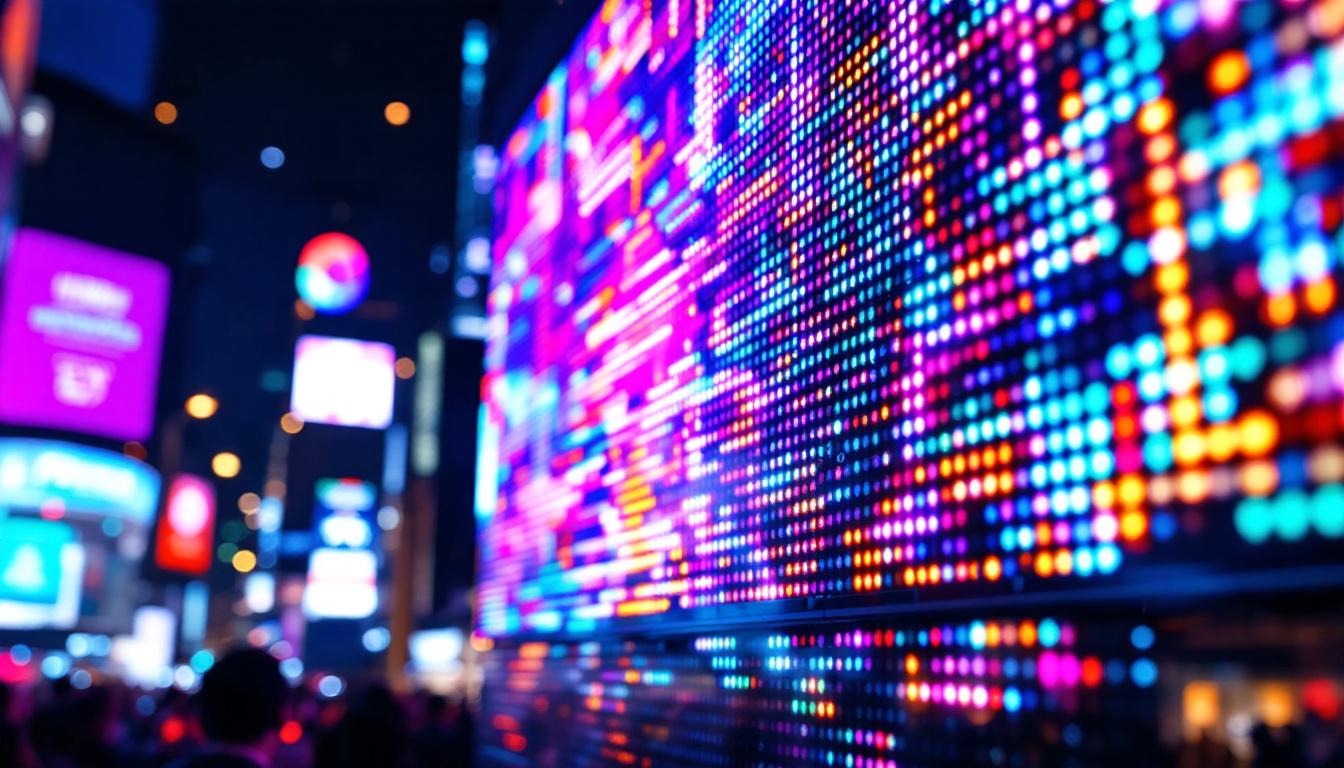
At the heart of an LED display is a matrix of tiny LEDs arranged in a grid. Each LED can be individually controlled to emit light of varying intensities and colors. By combining red, green, and blue LEDs at each pixel location, the display can produce a full spectrum of colors through additive color mixing. This capability allows for not only vibrant imagery but also dynamic visual effects that can captivate audiences in various settings, from art installations to advertising displays.
The control system behind the display sends signals to each LED, dictating its brightness and color. This process happens thousands of times per second, allowing for smooth video playback and dynamic content changes. The resolution of an LED display depends on the density of these LEDs, often measured in pixels per inch (PPI) or pixel pitch, which is the distance between the centers of two adjacent LEDs. As technology advances, manufacturers are continually developing smaller pixel pitches, resulting in higher resolution displays that can deliver intricate details even at close viewing distances. This evolution not only enhances the visual experience but also opens up new possibilities for applications in virtual reality and augmented reality environments, where clarity and detail are paramount.
What is Colar Png in the Context of LED Displays?
The term “Colar Png” may initially seem unfamiliar, but it refers to a specific approach or format related to LED display content, particularly involving PNG (Portable Network Graphics) images optimized for LED screens. PNG is a popular image file format known for its lossless compression and support for transparency, making it ideal for overlay graphics and complex visuals on LED displays.
Colar Png, in this context, represents a method of preparing and utilizing PNG images that are color-optimized and tailored for LED display technology. This ensures that the images maintain their vibrancy and clarity when rendered on LED panels, which often have different color calibration and brightness levels compared to standard monitors.
Why Use PNG Images for LED Displays?
PNG images are favored in LED display applications for several reasons:
- Transparency Support: PNG files can include transparent backgrounds, allowing for seamless integration of graphics over video or other content without unsightly borders.
- Lossless Compression: Unlike JPEGs, PNGs do not lose quality when compressed, preserving sharp details and color fidelity.
- Color Depth: PNG supports 24-bit color and 8-bit transparency, enabling rich and complex visuals.
When these PNG images are “colar” optimized—meaning their color profiles and brightness levels are adjusted specifically for LED display characteristics—the result is a crisp, vibrant image that maximizes the potential of the LED technology.
Moreover, the use of Colar Png images can significantly enhance the viewer’s experience, especially in environments where visual impact is crucial, such as concerts, advertising displays, and public events. The ability to layer images with transparency allows for dynamic content that can change and adapt in real-time, engaging audiences in a way that static images cannot. This adaptability is particularly valuable in marketing, where brands can create eye-catching visuals that draw attention and convey messages effectively.
In addition to their aesthetic benefits, Colar Png images also contribute to the technical efficiency of LED displays. By utilizing optimized color profiles, these images can reduce the strain on the display’s processing capabilities, leading to smoother performance and lower power consumption. This is particularly important in large-scale installations where energy efficiency is a priority, allowing operators to maintain high-quality visuals without incurring excessive operational costs.
Applications of Colar Png and LED Displays
LED displays have become ubiquitous across multiple sectors, and the use of Colar Png images enhances their effectiveness. Here are some key applications:
Advertising and Marketing
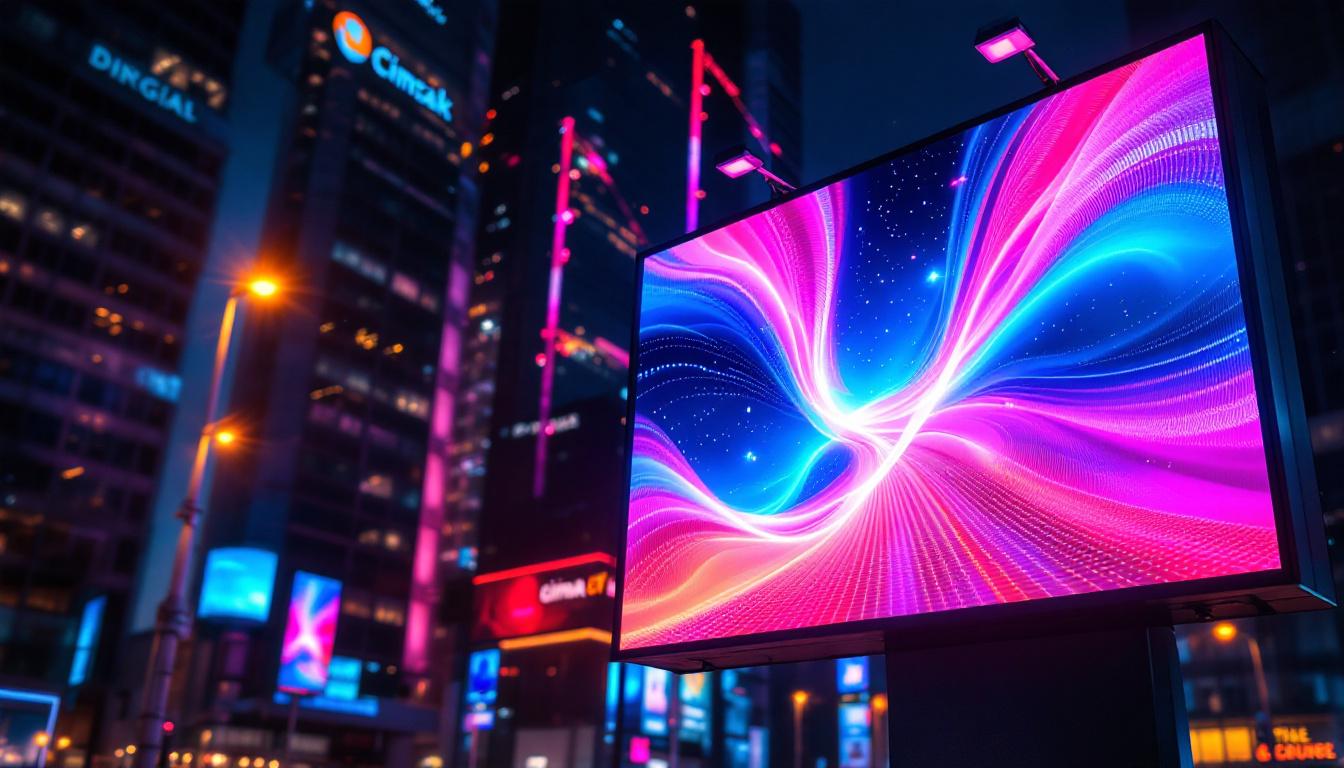
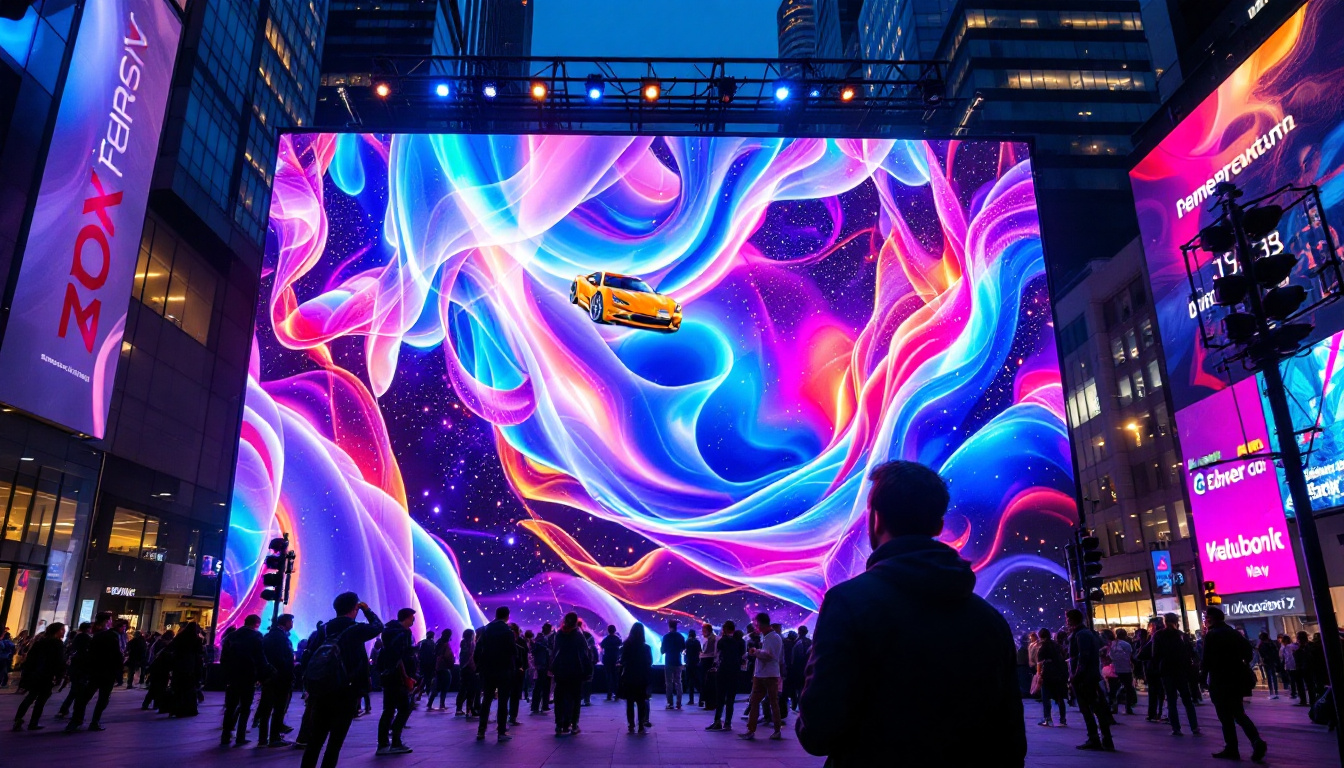
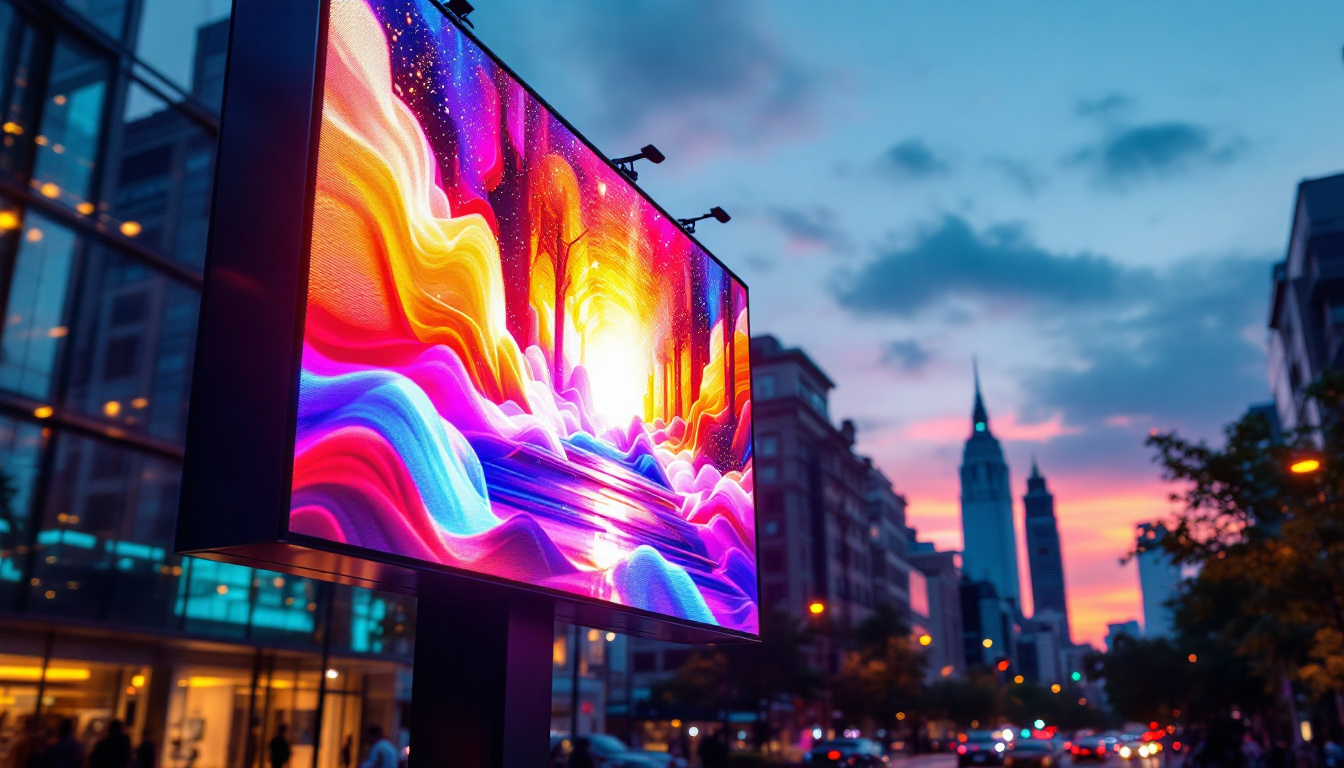
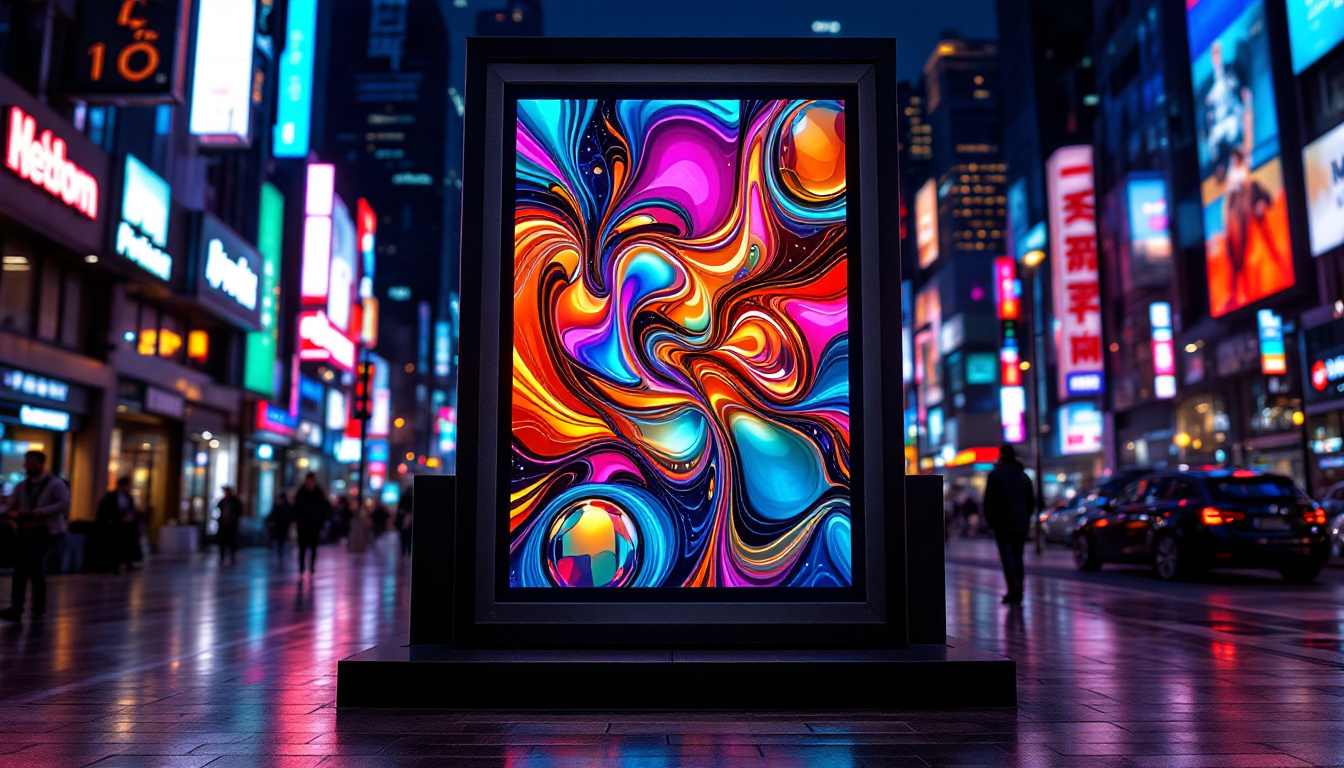
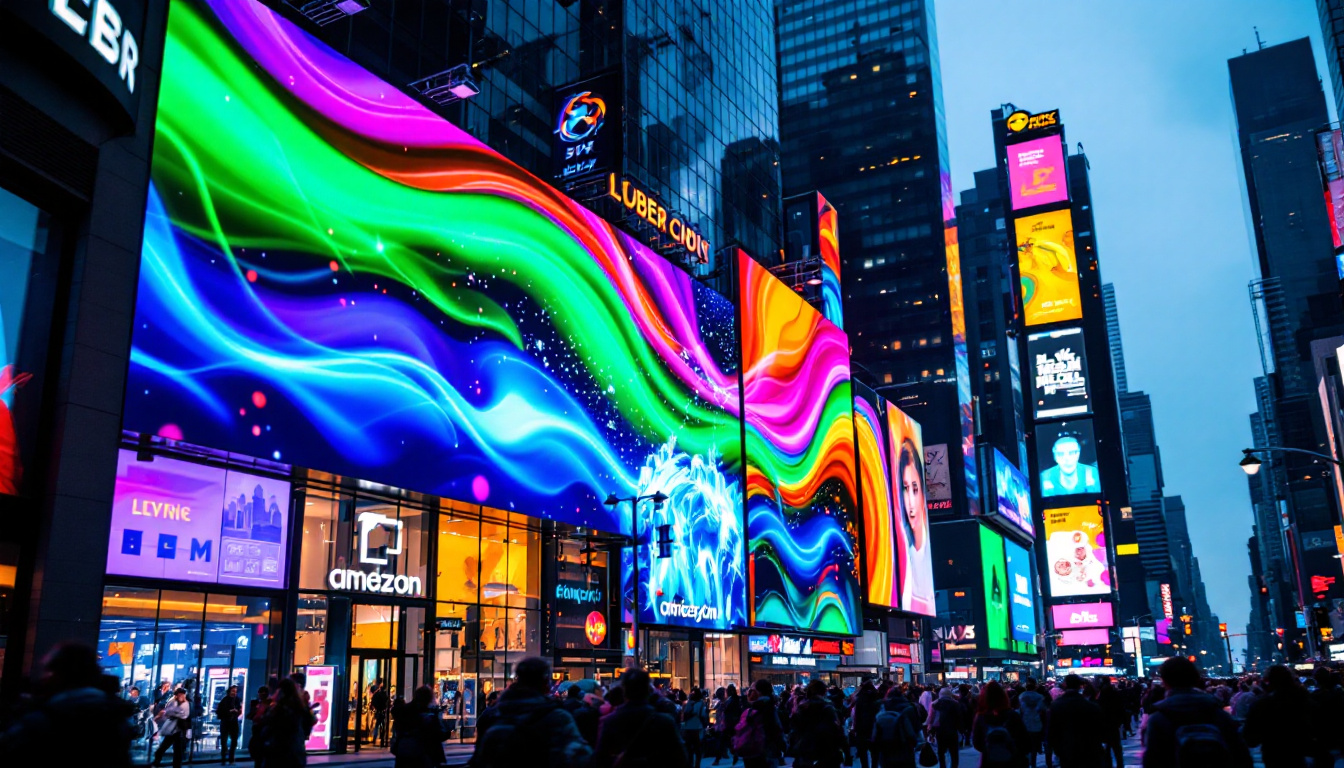
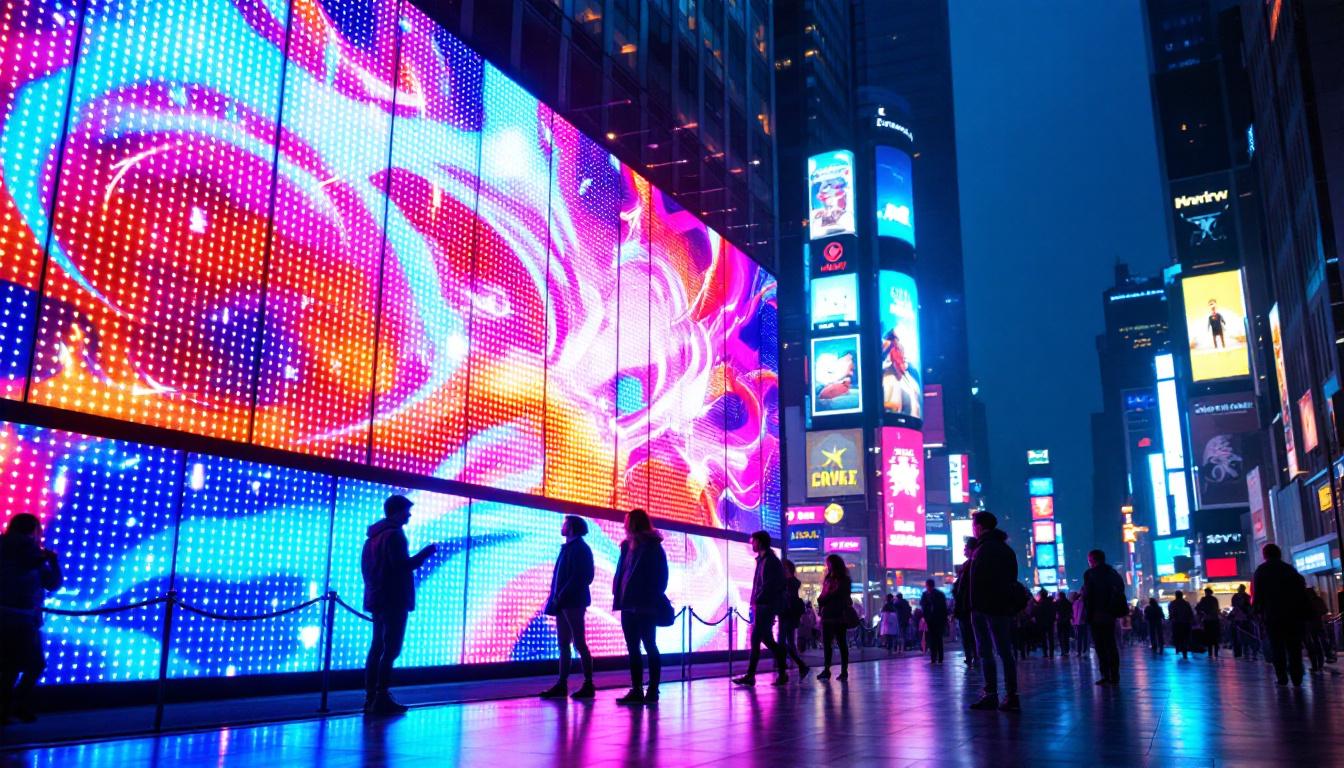
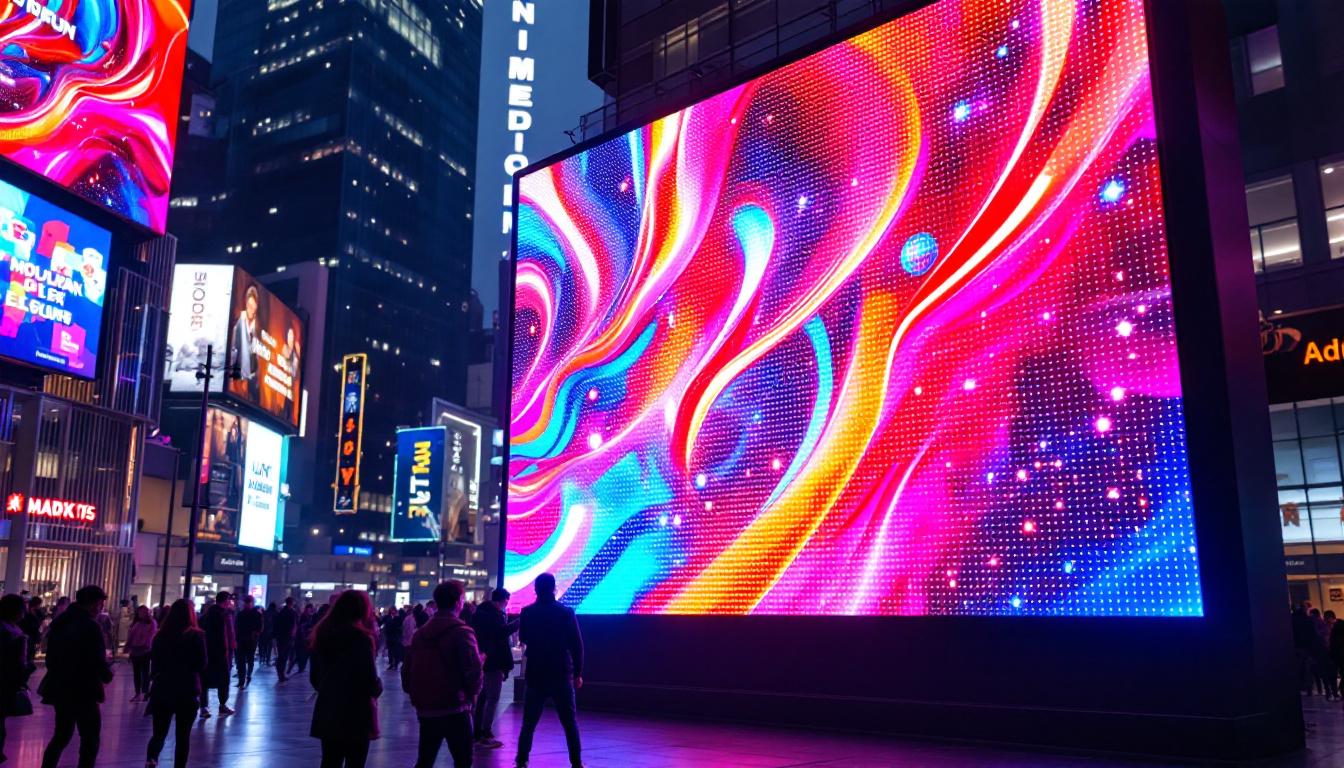
Outdoor LED billboards and indoor digital signage rely heavily on high-quality visuals to capture attention. Colar Png images ensure that logos, product images, and promotional graphics appear sharp and vibrant, even under varying lighting conditions. This is crucial for brand recognition and engagement in competitive markets.
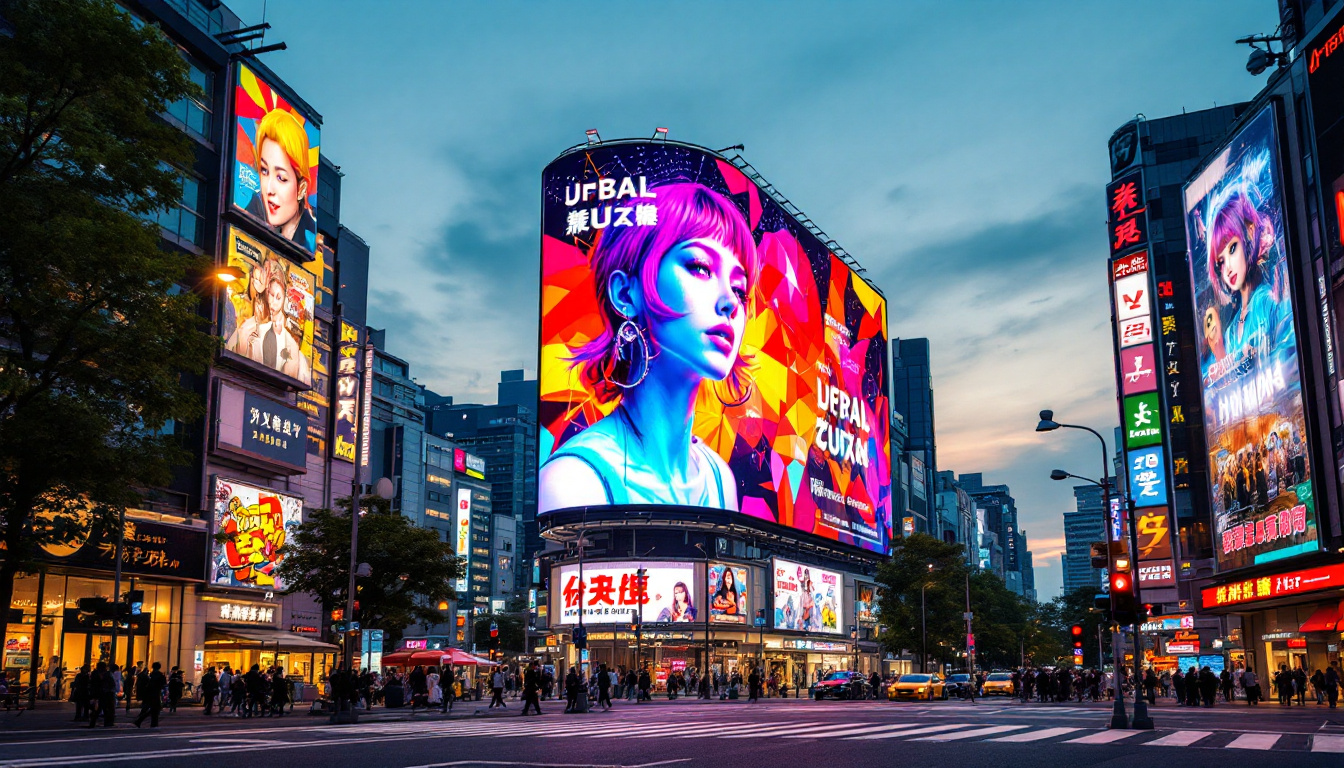
For example, major cities like New York and Tokyo feature massive LED displays that showcase dynamic advertisements. The ability to use transparent PNG graphics allows advertisers to layer text and images creatively, producing eye-catching effects that standard image formats cannot achieve.
Events and Entertainment
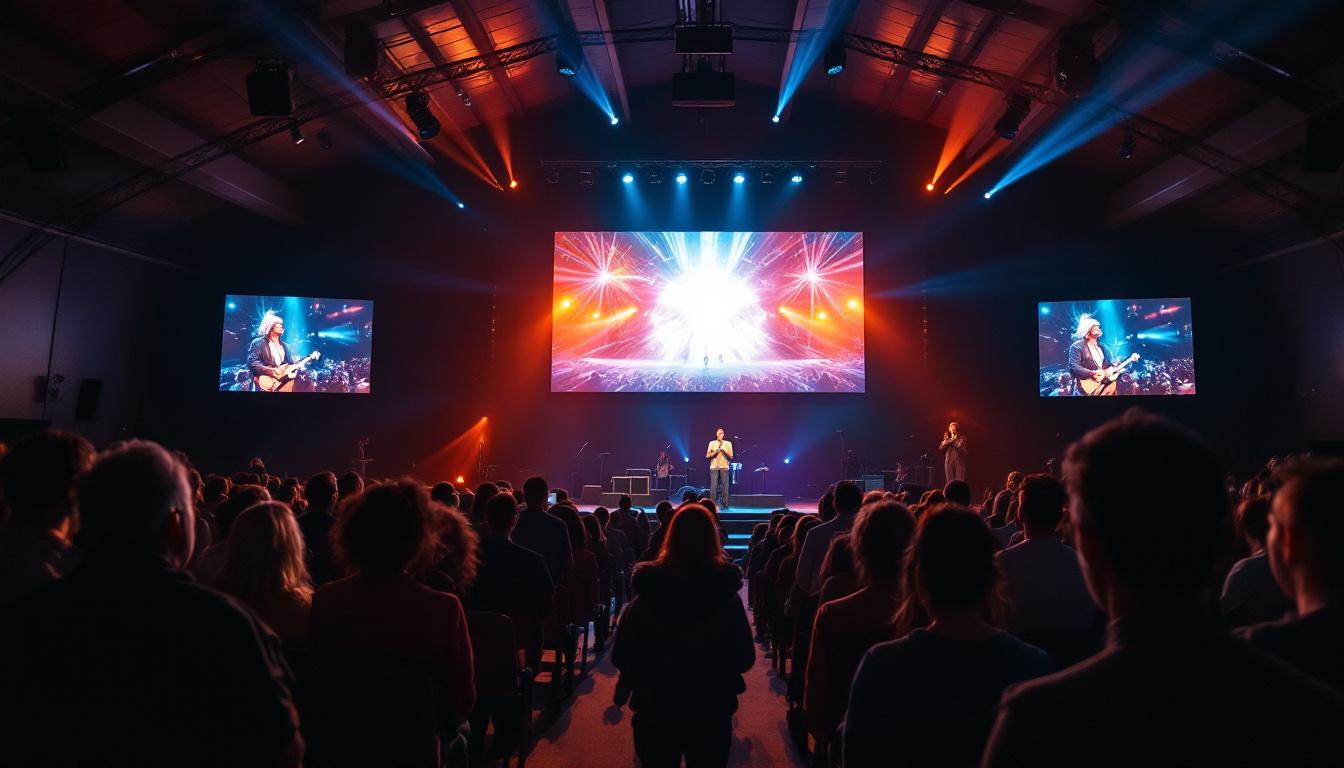
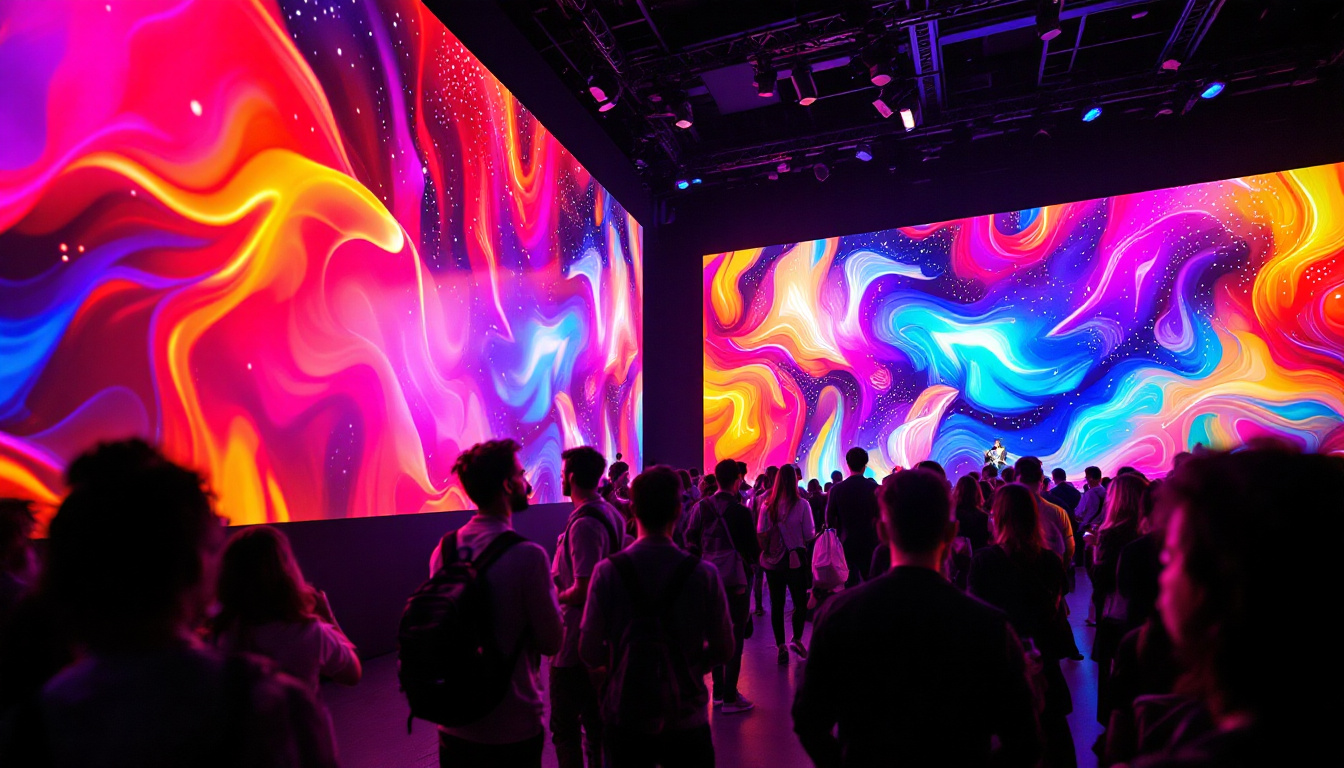
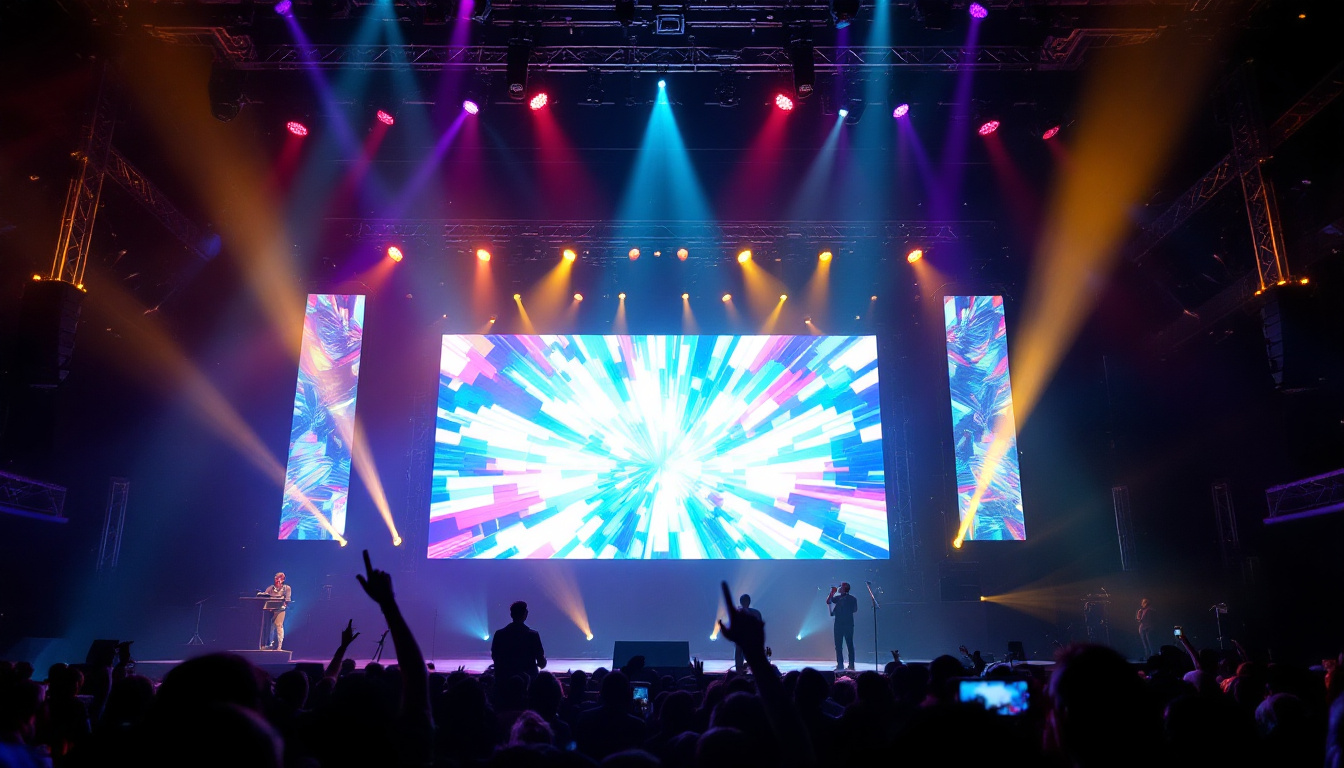
Concerts, sports arenas, and festivals utilize LED screens to enhance audience experience. Colar Png graphics can be used for on-screen overlays, interactive elements, and real-time information displays. The clarity and color accuracy provided by optimized PNG images contribute to immersive visual storytelling.
Retail and Corporate Environments
In retail stores and corporate lobbies, LED displays serve both informational and aesthetic purposes. High-resolution, color-optimized PNG content can display product details, promotional offers, or corporate branding with precision and style. This helps create a modern, engaging atmosphere that resonates with customers and visitors.
Technical Considerations for Implementing Colar Png on LED Displays
To fully leverage Colar Png images on LED displays, several technical factors must be considered. These ensure that the content is displayed accurately and efficiently.
Color Calibration and Profiling
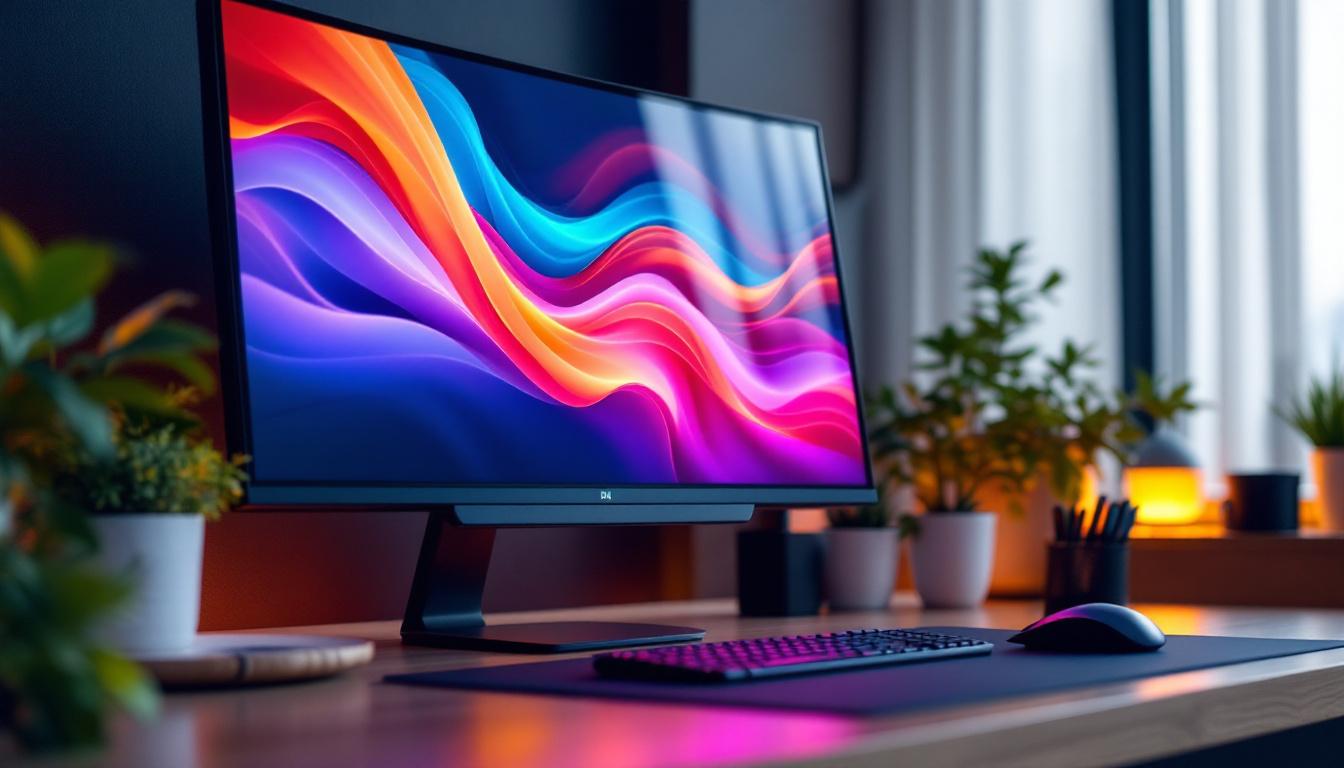
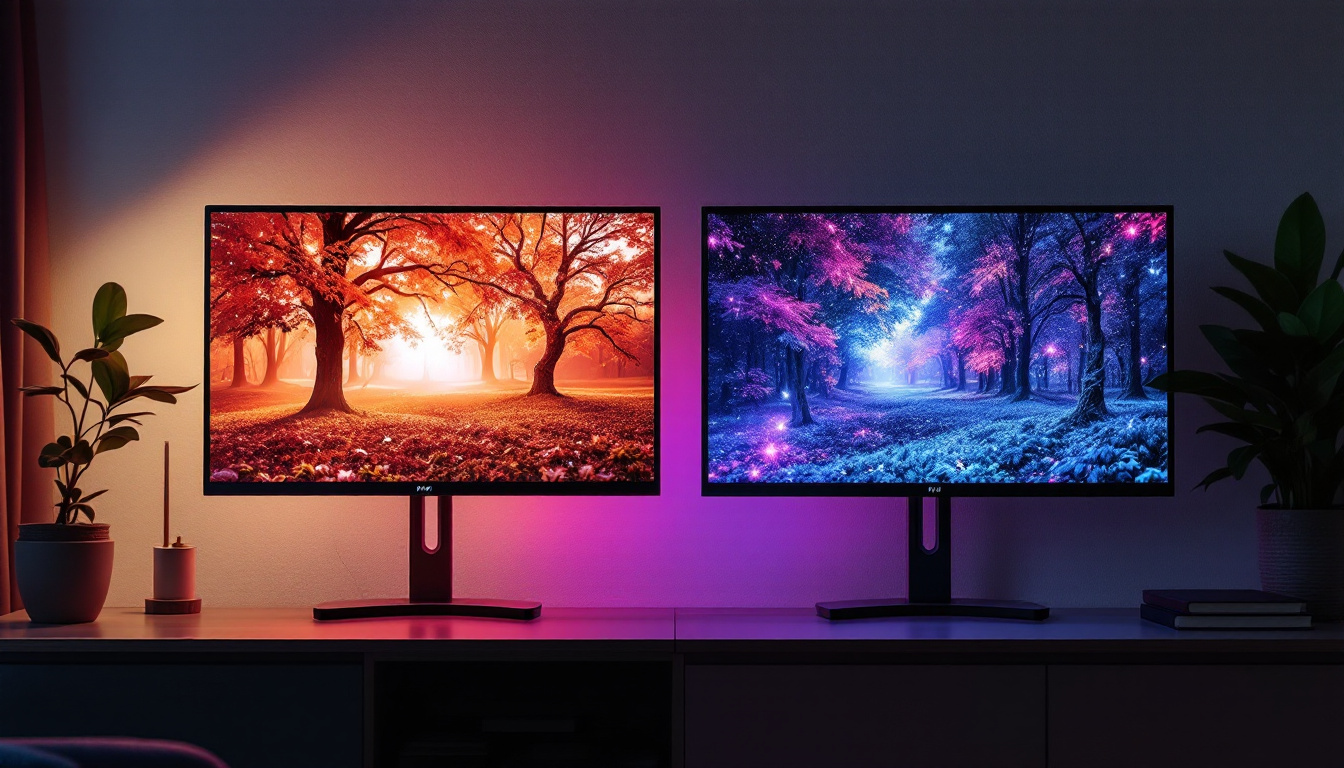
LED displays often have different color gamuts and brightness ranges compared to standard computer monitors. Without proper calibration, colors in PNG images can appear washed out or overly saturated. Using color profiles tailored to the specific LED panel helps maintain color accuracy.
Color calibration tools and software can adjust the images before deployment, ensuring that reds, greens, and blues are balanced to match the display’s capabilities. This process is essential for maintaining brand colors and visual consistency.
Resolution and Pixel Pitch
The resolution of the LED display dictates the level of detail that can be shown. When preparing Colar Png images, designers must consider the pixel pitch to avoid creating images with too high or too low resolution. An image that is too detailed for the display may be downscaled, losing sharpness, while a low-resolution image may appear pixelated.
Optimizing image dimensions to match the LED display’s native resolution ensures the best visual outcome and efficient use of processing power.
File Size and Performance
While PNG images offer excellent quality, their file sizes can be relatively large compared to other formats. For LED displays that require rapid content changes or real-time updates, large files can slow down the system or cause lag.
Balancing image quality with file size is critical. Techniques such as selective compression, reducing color depth where possible, and optimizing transparency layers can help maintain performance without sacrificing visual fidelity.
Future Trends in LED Display and Image Optimization
The LED display industry continues to innovate, and the integration of optimized image formats like Colar Png will evolve alongside these advancements.
Higher Resolution and Mini-LED Technology
Emerging technologies such as mini-LED and micro-LED promise even greater pixel densities and improved brightness control. As these displays become mainstream, image optimization techniques will need to adapt, supporting ultra-high-definition content with precise color management.
AI and Automated Image Enhancement
Artificial intelligence is beginning to play a role in content preparation for LED displays. AI-driven tools can automatically adjust color profiles, enhance image sharpness, and optimize file sizes based on the target display’s specifications. This automation reduces manual workload and improves consistency across campaigns.
Interactive and Dynamic Content
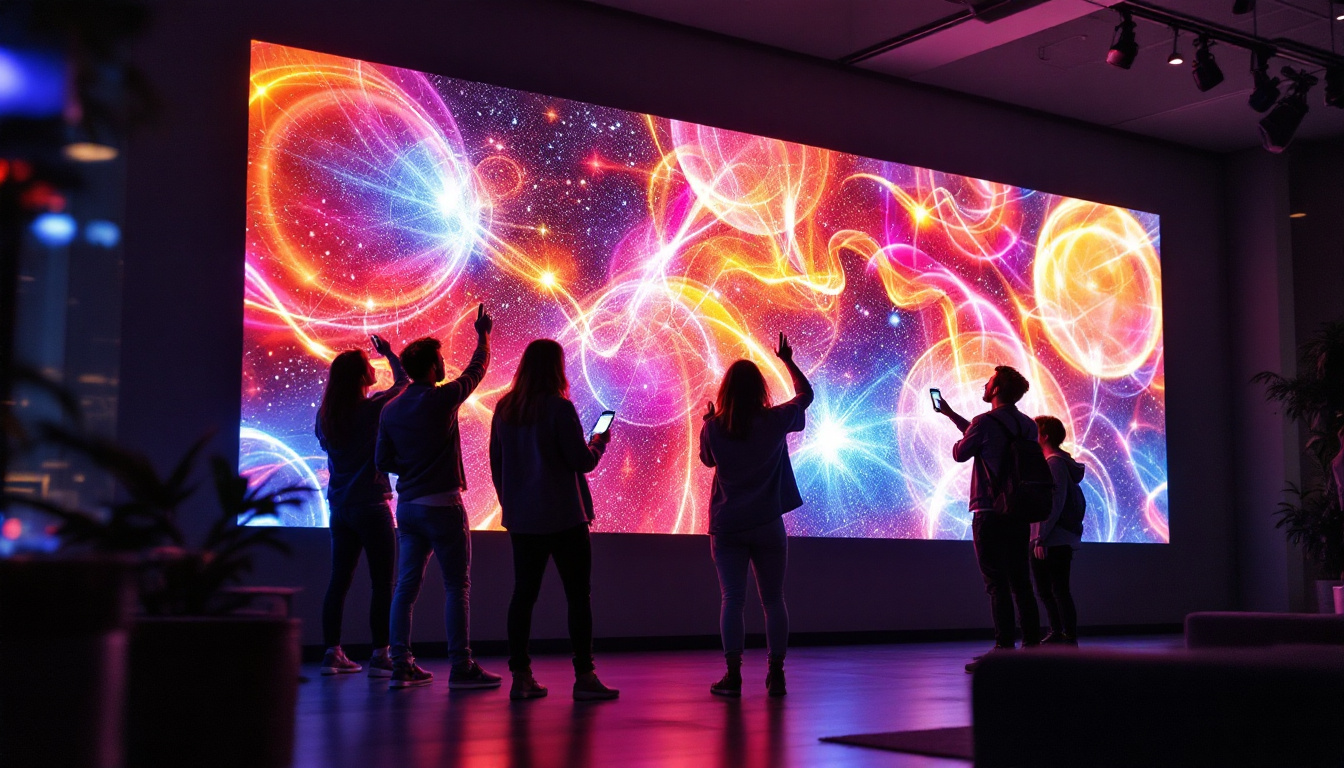
LED displays are increasingly used for interactive applications, where content changes based on user input or environmental factors. Colar Png images, with their support for transparency and high color fidelity, will be integral in creating layered, dynamic visuals that respond in real time.
Conclusion
Colar Png represents a specialized approach to leveraging PNG images optimized for LED display technology, ensuring vibrant, clear, and dynamic visuals. Understanding the interplay between LED hardware capabilities and image characteristics is essential for businesses and designers aiming to maximize the impact of their digital signage and display content.
As LED technology advances and becomes more widespread, mastering image optimization techniques like Colar Png will be critical for delivering engaging, high-quality visual experiences across advertising, entertainment, retail, and beyond.
Discover the Future of Visual Communication with LumenMatrix
Embrace the full potential of your digital signage and display content with LumenMatrix’s advanced LED display solutions. As a pioneer in the industry, LumenMatrix offers an extensive range of products, from Indoor and Outdoor LED Wall Displays to innovative LED Transparent Displays. Whether you’re looking to captivate audiences at a live event or enhance your brand’s presence in a retail environment, our cutting-edge technology is designed to deliver unparalleled visual experiences. Don’t miss out on the opportunity to transform your visual communication. Check out LumenMatrix LED Display Solutions today and see your message come to life like never before.