In today’s visually driven world, video walls have become a staple in many industries, from corporate boardrooms and control centers to retail environments and entertainment venues. Central to the functionality and performance of these impressive displays are video wall controllers. This article delves into the essentials of video wall controllers, focusing on their role in managing LED displays, and explores the technology, applications, and future trends shaping this dynamic field.
Understanding Video Wall Controllers
What Is a Video Wall Controller?
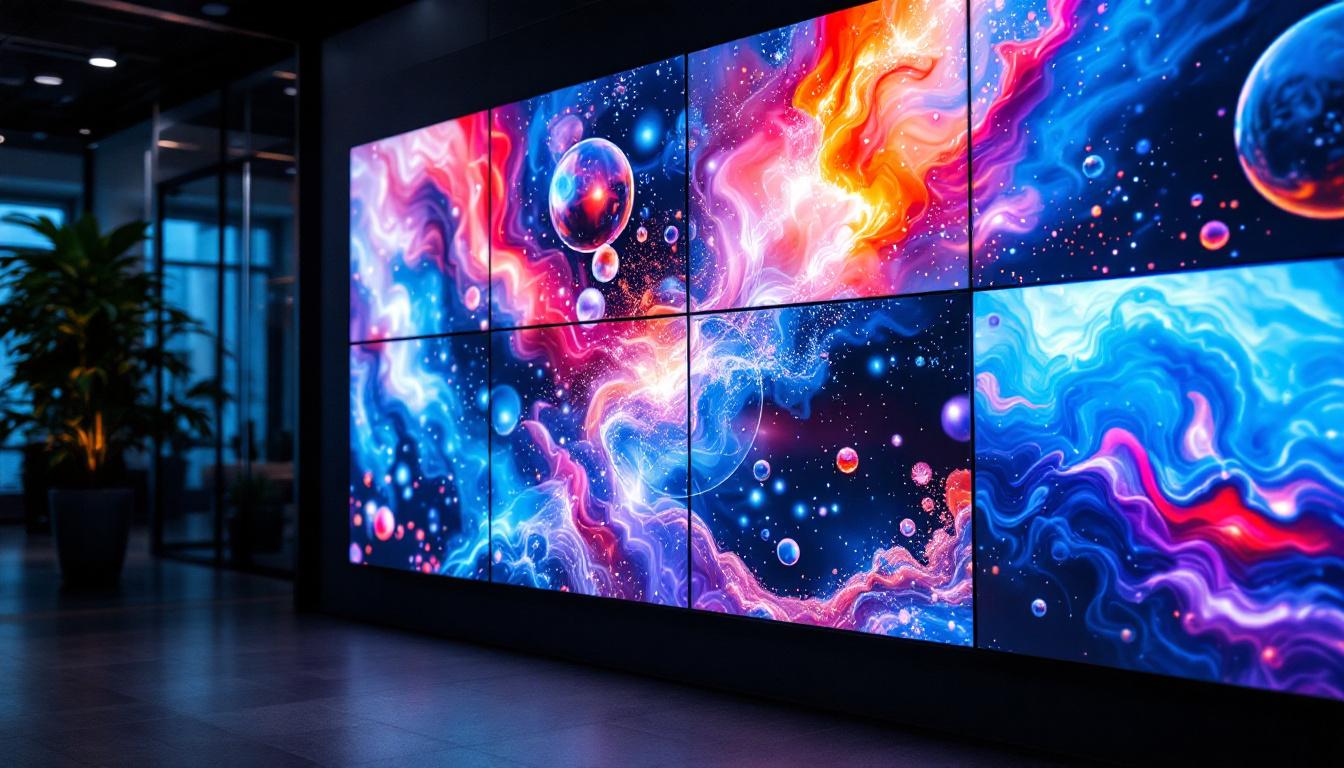
A video wall controller is a hardware device or software solution designed to manage and distribute video signals across multiple display panels arranged in a grid to form a large, seamless video wall. These controllers coordinate the input sources, process the video content, and ensure that the output is correctly mapped and synchronized across all screens.
Unlike a single large display, a video wall consists of multiple smaller screens tiled together. The controller’s job is to break down the incoming video signal and divide it appropriately so that each screen shows the correct portion of the overall image. This requires precise timing and processing to avoid image distortion or lag. Additionally, many modern video wall controllers come equipped with advanced features such as image scaling, color calibration, and even content management capabilities, allowing users to create visually stunning presentations that capture attention and convey information effectively.
Why Are Video Wall Controllers Important?
Video walls are used in environments where high resolution, flexibility, and reliability are crucial. Video wall controllers enable these qualities by:
- Ensuring seamless image display: Controllers manage bezel compensation and pixel mapping to create an uninterrupted viewing experience.
- Supporting multiple input sources: They can handle various video formats and resolutions, allowing users to display content from different devices simultaneously.
- Allowing flexible configurations: Controllers support different video wall layouts, including 2×2, 3×3, or even larger arrays.
- Providing real-time control: Operators can adjust content, switch inputs, and customize layouts on the fly, which is essential for dynamic environments like control rooms or live events.
Furthermore, the importance of video wall controllers extends beyond just technical capabilities; they play a vital role in enhancing the overall user experience. In settings such as retail environments, museums, and corporate lobbies, the visual impact of a well-coordinated video wall can significantly influence customer engagement and brand perception. By allowing for dynamic content changes and interactive displays, video wall controllers enable businesses to create immersive experiences that captivate audiences and communicate messages more effectively.
Moreover, as technology continues to evolve, video wall controllers are increasingly integrating with cloud-based solutions and IoT devices. This integration allows for remote management and monitoring, making it easier for operators to maintain and troubleshoot systems from anywhere. With the rise of virtual reality and augmented reality applications, the future of video wall controllers looks promising, as they adapt to new content formats and interactive experiences that push the boundaries of traditional display technology.
LED Displays and Their Role in Video Walls
What Makes LED Displays Ideal for Video Walls?
LED (Light Emitting Diode) technology has revolutionized display solutions, particularly for large-scale video walls. LED displays consist of thousands of tiny LEDs that emit light individually, allowing for vibrant colors, high brightness, and excellent contrast ratios.
Compared to LCD or projection-based video walls, LED displays offer several advantages:
- Superior brightness: LEDs can achieve brightness levels exceeding 1,000 nits, making them suitable for environments with high ambient light, such as outdoor advertising or retail spaces.
- Wide viewing angles: LED panels maintain color accuracy and brightness across wide angles, ensuring consistent image quality for viewers from different positions.
- Durability and longevity: LED panels are robust and have long lifespans, often exceeding 100,000 hours of operation.
- Modular design: LED video walls can be built to almost any size or shape, offering unparalleled design flexibility.
Types of LED Displays Used in Video Walls
LED displays for video walls generally fall into two categories: indoor and outdoor. Indoor LED panels have smaller pixel pitches (the distance between LEDs), typically ranging from 0.9mm to 4mm, delivering high resolution and fine detail. Outdoor LED panels have larger pixel pitches, often between 4mm and 20mm, prioritizing brightness and weather resistance over ultra-fine resolution.
Recent advancements have introduced fine-pitch LED technology, which narrows the pixel pitch to less than 1mm. This development allows LED video walls to rival traditional LCD panels in resolution while retaining the benefits of LED technology.
How Video Wall Controllers Work with LED Displays
Signal Processing and Distribution
Video wall controllers receive input signals from various sources such as computers, media players, cameras, or streaming devices. The controller processes these signals in real-time, converting them into formats compatible with the LED panels. This includes scaling, cropping, and splitting the video to match the physical layout of the video wall.
Controllers use advanced image processing techniques to manage bezel compensation, which adjusts the image to account for the physical gaps between LED panels. This ensures that the final image appears continuous and undistorted.
Synchronization and Timing
One of the critical challenges in video wall technology is maintaining perfect synchronization across all panels. Video wall controllers handle timing signals to ensure that each LED module refreshes in unison, preventing issues like screen tearing or flickering.
Controllers also manage frame rates and latency, which is especially important in applications like live broadcasting or command and control centers where real-time video performance is essential.
Control Interfaces and Software Integration
Modern video wall controllers often come with user-friendly software interfaces that allow operators to customize layouts, switch input sources, and adjust image parameters easily. Some controllers support remote management, enabling control from mobile devices or centralized control rooms.
Integration with third-party software platforms, such as content management systems or video conferencing tools, enhances the versatility of video walls, making them adaptable to a wide range of use cases.
Applications of Video Wall Controllers and LED Displays
Corporate and Conference Environments
In corporate settings, video walls are used for presentations, data visualization, and collaborative meetings. Video wall controllers enable seamless switching between multiple content sources, such as laptops, video calls, and live data feeds, enhancing communication and decision-making.
High-resolution LED displays ensure that text, charts, and video content are clear and vibrant, even in large rooms with many viewers.
Control Rooms and Command Centers
Control rooms in industries like transportation, utilities, and emergency services rely heavily on video walls for monitoring critical information. Video wall controllers provide the flexibility to display multiple feeds simultaneously, allowing operators to maintain situational awareness.
LED displays’ brightness and reliability are crucial in these environments, where downtime or image degradation can have serious consequences.
Retail and Advertising
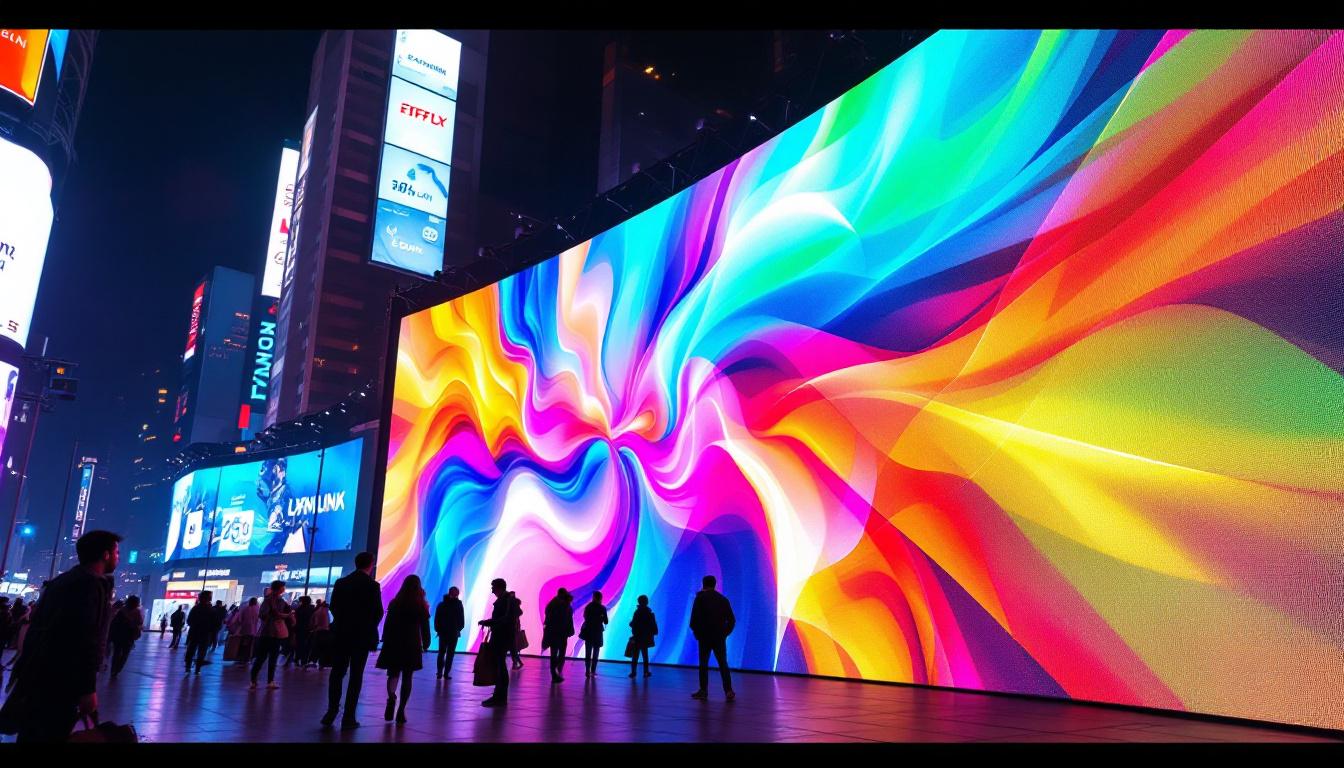
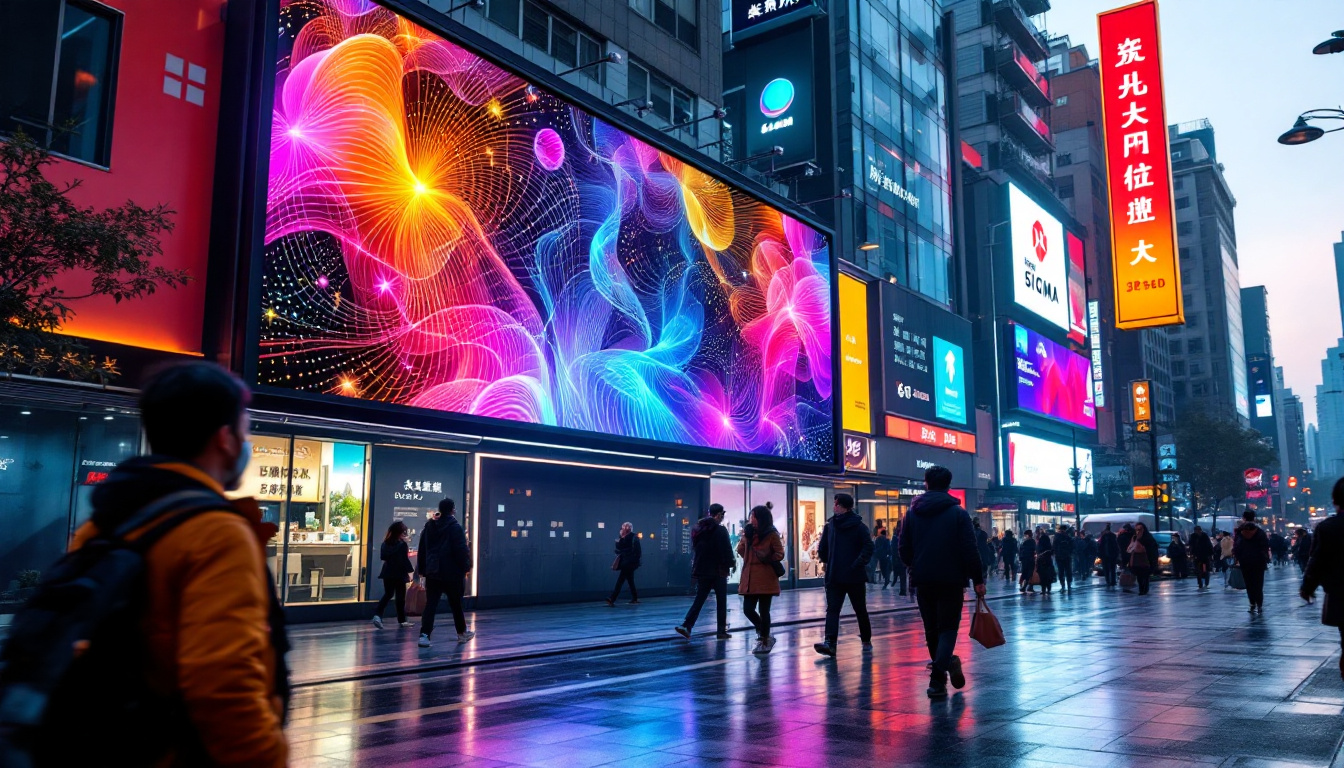
Retailers and advertisers use LED video walls to attract attention and deliver dynamic content. Video wall controllers enable the display of high-impact visuals, animations, and interactive content that can be updated in real-time to reflect promotions or events.
The ability to manage multiple content streams and customize layouts makes video walls a powerful marketing tool.
Entertainment and Events
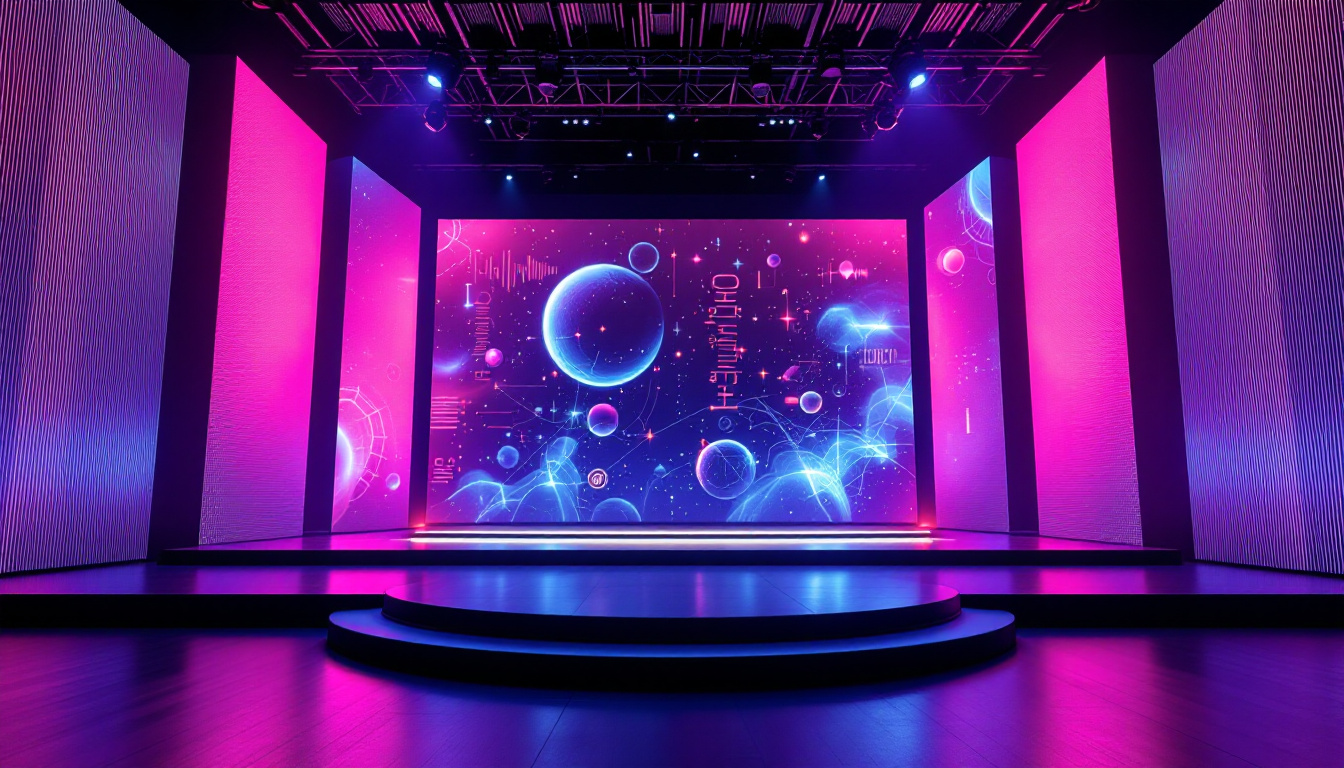
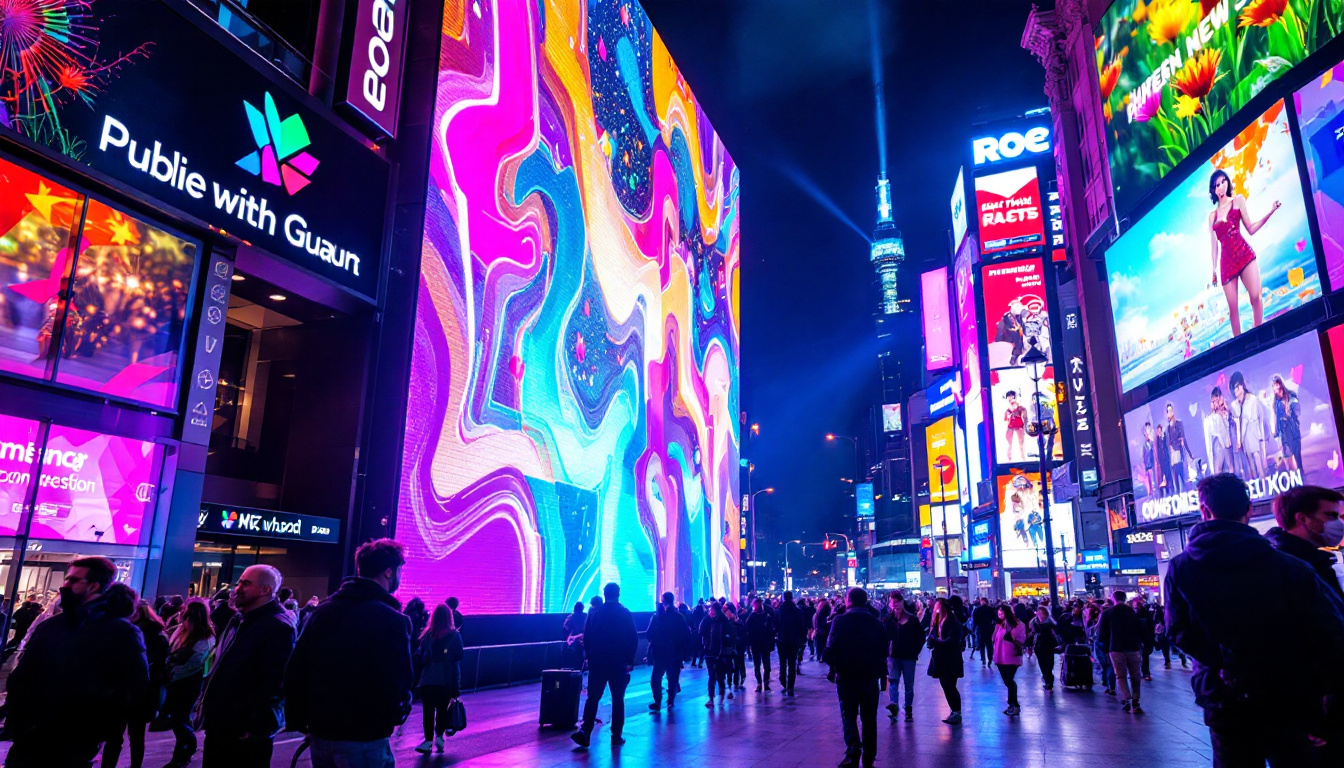
Concerts, sports arenas, and live events utilize video walls to enhance the audience experience. Video wall controllers synchronize video feeds from cameras, graphics, and pre-recorded content, ensuring smooth transitions and immersive visuals.
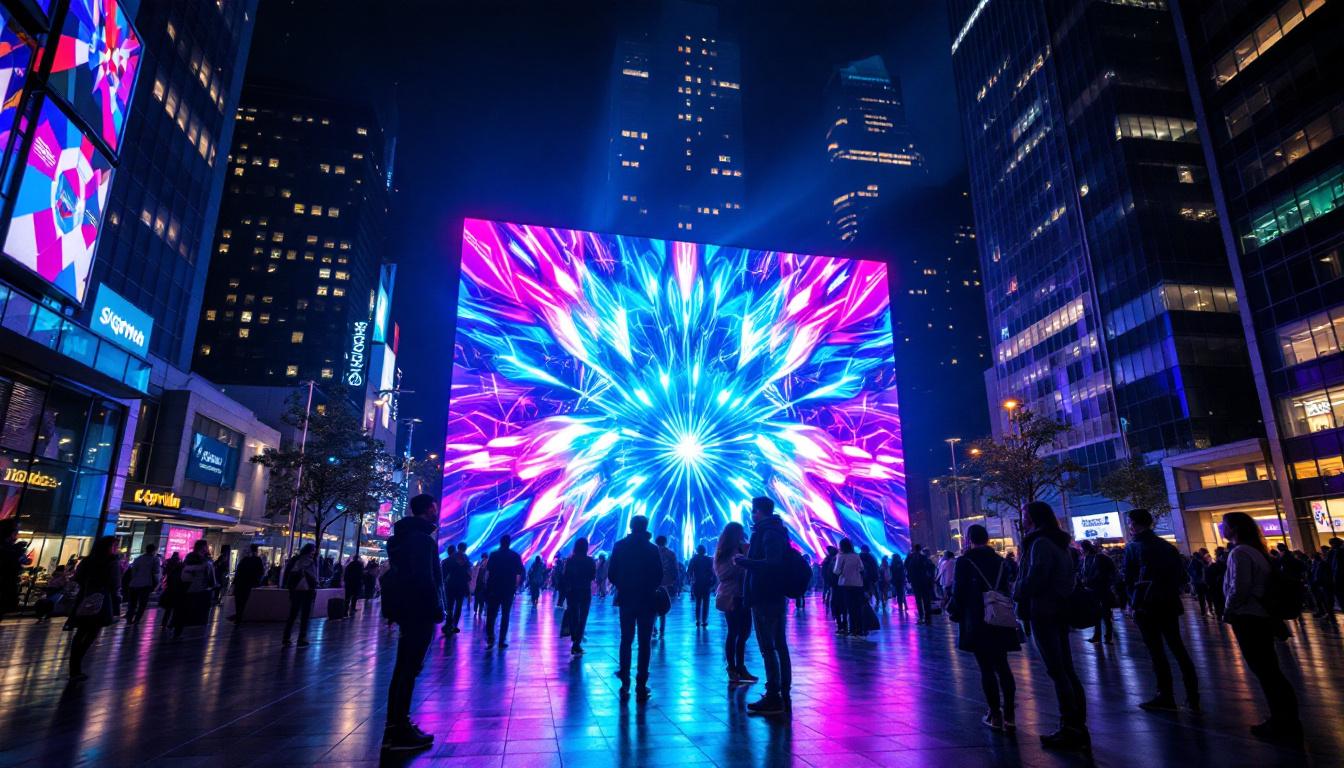
LED video walls’ high brightness and color accuracy make them ideal for both indoor and outdoor venues.
Choosing the Right Video Wall Controller for LED Displays
Key Considerations
Selecting the appropriate video wall controller depends on several factors:
- Resolution and size of the video wall: Controllers must support the total pixel count and layout configuration of the LED display.
- Number and types of input sources: Consider the variety of devices and signal formats that need to be managed.
- Processing power and latency: High-performance controllers are necessary for real-time applications.
- Control and management features: User interface, remote access, and integration capabilities should align with operational needs.
- Scalability and future-proofing: Choose controllers that can accommodate expansion or upgrades.
Popular Technologies and Standards
Many video wall controllers support industry standards such as HDMI 2.1, DisplayPort, and HDBaseT, ensuring compatibility with a wide range of devices. IP-based video wall controllers are gaining popularity, allowing video signals to be transmitted over standard network infrastructure, simplifying installation and scalability.
Additionally, some controllers incorporate AI-driven features like automated content layout optimization and predictive maintenance alerts, enhancing operational efficiency.
Future Trends in Video Wall Controllers and LED Displays
Higher Resolution and Smaller Pixel Pitch
The trend toward ultra-fine pixel pitch LED displays will continue, pushing the boundaries of image clarity and detail. Video wall controllers will evolve to handle increasingly higher resolutions, including 8K and beyond, enabling stunning visual experiences.
Integration with AI and Automation
Artificial intelligence will play a larger role in content management and system diagnostics. Automated content adjustments based on audience engagement or environmental conditions will become more common, as will predictive maintenance to minimize downtime.
Enhanced Interactivity and Immersive Experiences
Video walls will increasingly incorporate touch and gesture controls, augmented reality overlays, and other interactive elements. Video wall controllers will need to support these advanced features, facilitating more engaging and personalized viewer experiences.
Energy Efficiency and Sustainability
With growing emphasis on sustainability, LED displays and controllers will focus on reducing power consumption without compromising performance. Innovations in LED technology and smarter controller algorithms will contribute to greener video wall solutions.
Conclusion
Video wall controllers are the backbone of LED video wall systems, enabling the stunning, large-scale visual displays that have become integral to many industries. Understanding how these controllers work with LED technology, their applications, and the factors influencing their selection is essential for anyone involved in deploying or managing video walls.
As LED technology advances and video wall controllers become more sophisticated, the potential for creating immersive, dynamic, and impactful visual experiences will only grow. Staying informed about these developments ensures that businesses and organizations can leverage video walls to their fullest potential.
Discover LumenMatrix’s Advanced LED Display Solutions
Ready to elevate your visual display capabilities? Explore LumenMatrix’s comprehensive range of LED display solutions, designed to bring your content to life. From vibrant Indoor and Outdoor LED Wall Displays to innovative Custom and All-in-One LED solutions, LumenMatrix is at the forefront of creating immersive environments that captivate and engage. Whether for advertising, live events, or dynamic installations, our mission is to transform your visual communication with unparalleled clarity and impact. Check out LumenMatrix LED Display Solutions today and experience the future of visual storytelling.