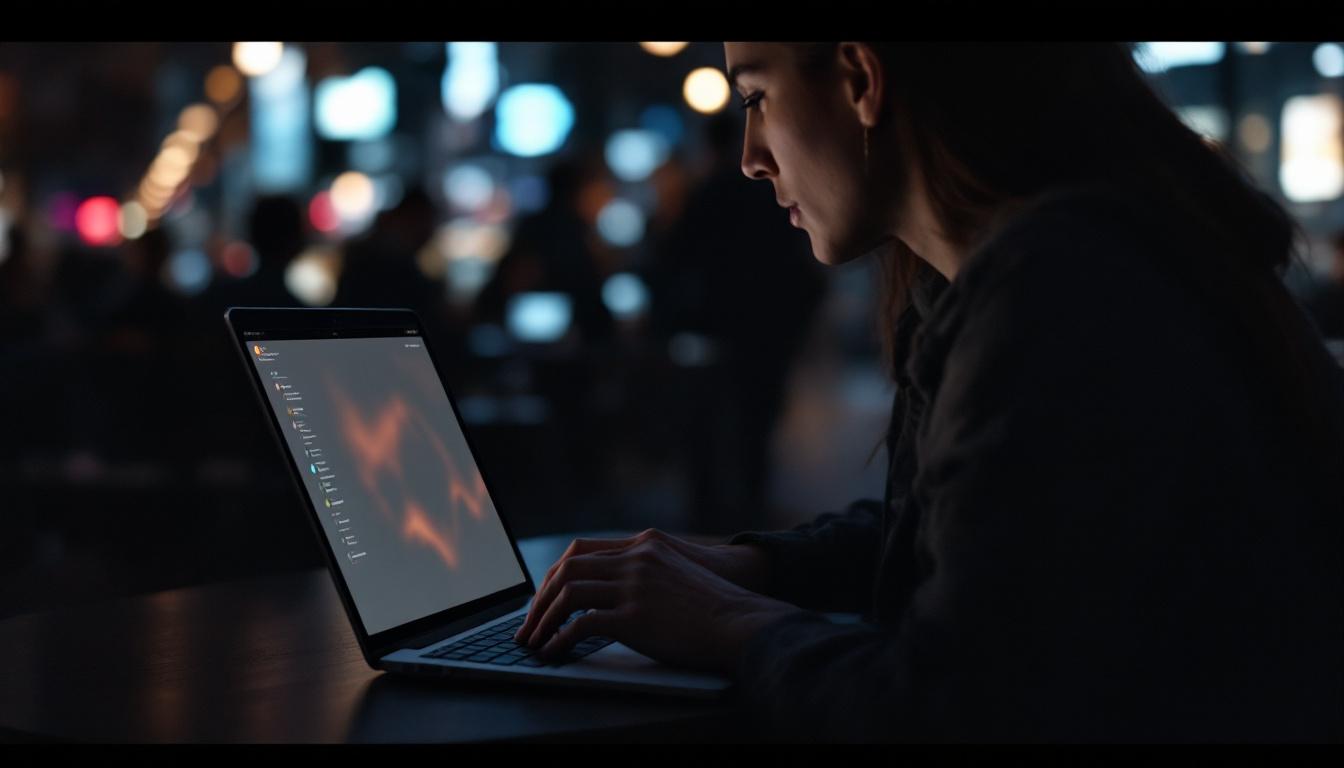
In an increasingly digital world, protecting sensitive information from prying eyes has become a priority for individuals and businesses alike. Privacy filters have emerged as a practical solution to safeguard on-screen data, especially on LED displays, which dominate modern computing and digital signage. This article delves into the technology behind privacy filters for LED displays, their benefits, types, and how to choose the right one for your needs.
Understanding LED Displays and Their Vulnerabilities
Light Emitting Diode (LED) displays have revolutionized the way we interact with digital content. From laptops and monitors to large-scale digital billboards, LED technology offers vibrant colors, energy efficiency, and slim designs. However, their very brightness and clarity can also make them susceptible to visual hacking or shoulder surfing, where unauthorized individuals view sensitive information from an angle.
According to a 2023 study by the International Data Corporation (IDC), over 40% of data breaches in corporate environments involved some form of visual data exposure. This highlights the critical need for effective privacy solutions, especially for employees working in open office layouts or public spaces. As remote work becomes more prevalent, the risk of visual hacking is compounded, as individuals may find themselves working in cafes or co-working spaces where prying eyes are abundant.
How LED Displays Work
LED displays use an array of tiny light-emitting diodes to produce images. These diodes can be arranged in different configurations such as OLED (organic LEDs) or traditional LED-backlit LCDs. The key characteristic of LED displays is their high brightness and contrast ratios, which make images clear and vivid even in well-lit environments.
However, this brightness also means that the screen content can be easily seen from wide viewing angles. Without any privacy protection, sensitive information displayed on an LED screen can be visible to anyone nearby, posing a security risk. To mitigate these vulnerabilities, various privacy filters and screen protectors have been developed, which limit the viewing angle and obscure the content from side glances. These solutions are particularly beneficial for professionals handling confidential data, as they provide an additional layer of security in environments where discretion is paramount.
Moreover, the design of LED displays continues to evolve, with manufacturers exploring innovations that enhance both visual quality and security. For instance, some newer models incorporate anti-glare technology and adaptive brightness features that adjust the screen’s luminance based on ambient light, reducing the risk of visual exposure. As the demand for privacy-aware technology grows, it is likely that we will see further advancements in LED display design that prioritize user security while maintaining the vibrant visual experience that has made them so popular.
What Are Privacy Filters?
Privacy filters are thin layers of optical film applied directly onto a screen or embedded within a screen protector. Their primary function is to restrict the viewing angle of the display, ensuring that the screen content is only visible to the person directly in front of the device. This prevents side glances and shoulder surfing, effectively protecting sensitive data from visual hackers.
How Privacy Filters Work on LED Displays
Privacy filters utilize micro-louver technology, which acts like tiny blinds on the surface of the screen. These micro-louvers block light from certain angles, allowing only a narrow field of view. When looking straight at the screen, the image appears clear and bright, but from side angles, the screen looks dark or blacked out.
In the context of LED displays, these filters are designed to maintain the high brightness and color accuracy of the screen while reducing the viewing angle to typically between 30 to 60 degrees. This balance is crucial because overly restrictive filters can make the screen difficult to view even for the primary user.
Types of Privacy Filters
Privacy filters come in various forms, each suited to different devices and use cases:
- Adhesive Privacy Filters: These are permanently attached to the screen and offer a seamless look. They are ideal for devices that do not require frequent screen cleaning or removal of the filter.
- Removable Privacy Filters: These can be attached and detached as needed, often using magnetic or static cling technology. They provide flexibility for users who want privacy only in certain environments.
- Built-in Privacy Screens: Some laptops and monitors now come with integrated privacy filters that can be toggled on or off electronically, offering convenience and enhanced security.
Benefits of Using Privacy Filters with LED Displays
Privacy filters offer several advantages beyond just data protection, making them a valuable addition to LED display devices in various settings.
Enhanced Data Security
The most obvious benefit is the protection of sensitive information. Whether it’s confidential business documents, personal financial data, or private communications, privacy filters help prevent accidental or intentional data leaks. This is particularly important in industries such as finance, healthcare, and government, where data breaches can have severe legal and financial consequences.
Improved Productivity in Open Workspaces
Open-plan offices have become common, but they also increase the risk of information exposure. Privacy filters enable employees to work confidently without worrying about onlookers. This can lead to better focus and reduced anxiety about data security.
Reduction of Screen Glare and Eye Strain
Many privacy filters also serve as anti-glare screens, reducing reflections from ambient light sources. This dual functionality helps decrease eye strain during prolonged screen use, contributing to overall user comfort and health.
Cost-Effective Security Solution
Compared to other data security measures such as encryption or physical barriers, privacy filters are relatively inexpensive and easy to implement. They provide an immediate layer of protection without requiring significant changes to existing hardware or workflows.
Choosing the Right Privacy Filter for Your LED Display
Selecting the appropriate privacy filter involves understanding your specific needs, device compatibility, and the environment in which the device will be used.
Consider Screen Size and Resolution
Privacy filters are designed to fit specific screen sizes and resolutions. Using a filter that does not match your display can result in poor fit, reduced image quality, or ineffective privacy protection. Measure your screen diagonally and check the resolution to ensure compatibility.
Evaluate Viewing Angle Requirements
Different privacy filters offer varying degrees of viewing angle restriction. For high-security environments, a narrow viewing angle (around 30 degrees) is preferable. For everyday use where some flexibility is needed, a wider angle (up to 60 degrees) might be more comfortable.
Assess Brightness and Color Accuracy
Since privacy filters reduce the amount of light reaching the eyes, it’s important to choose one that maintains brightness and color fidelity. High-quality filters are designed specifically for LED displays to minimize color distortion and brightness loss.
Decide Between Permanent and Removable Options
If you frequently move between public and private spaces, a removable privacy filter offers convenience. For devices used primarily in secure environments, a permanent adhesive filter may be more suitable.
Additional Features
Some privacy filters come with extra features such as blue light filtering, anti-reflective coatings, or fingerprint resistance. These can enhance user comfort and device cleanliness.
Installation and Maintenance Tips
Proper installation and care are essential to maximize the effectiveness and lifespan of privacy filters.
Installation Best Practices
Before applying a privacy filter, clean the screen thoroughly with a microfiber cloth and appropriate screen cleaner to remove dust and fingerprints. Align the filter carefully to avoid bubbles or misalignment. For removable filters, follow the manufacturer’s instructions for attachment and removal to prevent damage.
Maintenance and Cleaning
Use a soft, lint-free cloth and gentle cleaning solutions to maintain the filter’s clarity. Avoid abrasive materials or harsh chemicals that can scratch or degrade the filter surface. Regular cleaning ensures optimal visibility and privacy protection.
Real-World Applications and Case Studies
Privacy filters have found widespread use across various sectors, demonstrating their versatility and effectiveness.
Corporate Environments
Many multinational corporations have adopted privacy filters for employee laptops and monitors to comply with data protection regulations such as GDPR and HIPAA. For example, a 2022 survey by TechRepublic found that 65% of large enterprises use privacy filters as part of their data security protocols.
Healthcare Sector
Hospitals and clinics use privacy filters on patient record terminals to prevent unauthorized viewing of sensitive health information. This practice supports compliance with patient confidentiality laws and enhances trust.
Education and Public Spaces
In libraries, cafes, and co-working spaces, privacy filters help individuals protect their personal data while working remotely. This is increasingly important as remote work and study become more prevalent.
The Future of Privacy Filters and LED Displays
As technology advances, privacy filters continue to evolve, integrating with new display technologies and user needs.
Integration with Touchscreen and Flexible Displays
Emerging LED display technologies, including flexible and foldable screens, require adaptable privacy solutions. Manufacturers are developing privacy filters that maintain touch sensitivity and flexibility without compromising privacy.
Smart Privacy Filters
Innovations such as electronically switchable privacy filters allow users to toggle privacy on and off with a button or software control. This smart technology offers greater convenience and customization.
Environmental Considerations
Eco-friendly materials and manufacturing processes are becoming a priority in privacy filter production. Sustainable options help reduce environmental impact while meeting consumer demand for green technology.
Conclusion
Privacy filters for LED displays are an essential tool in the modern digital landscape, offering a simple yet effective means to protect sensitive information from unwanted viewing. By understanding how these filters work, their benefits, and how to select the right one, users can enhance data security, improve productivity, and maintain visual comfort. As display technology continues to advance, privacy filters will remain a critical component of comprehensive digital privacy strategies.
Discover Enhanced Privacy and Visual Impact with LumenMatrix
Ready to take the next step in safeguarding your digital privacy without sacrificing visual quality? LumenMatrix is at the forefront of LED display innovation, offering a diverse range of solutions tailored to your unique needs. From captivating Indoor and Outdoor LED Wall Displays to dynamic Vehicle and Sports Displays, our technology is designed to deliver unparalleled brand visibility and audience engagement. Embrace the future of visual communication with our Custom, All-in-One, and Transparent LED Displays. Check out LumenMatrix LED Display Solutions today and experience the perfect blend of security and clarity.