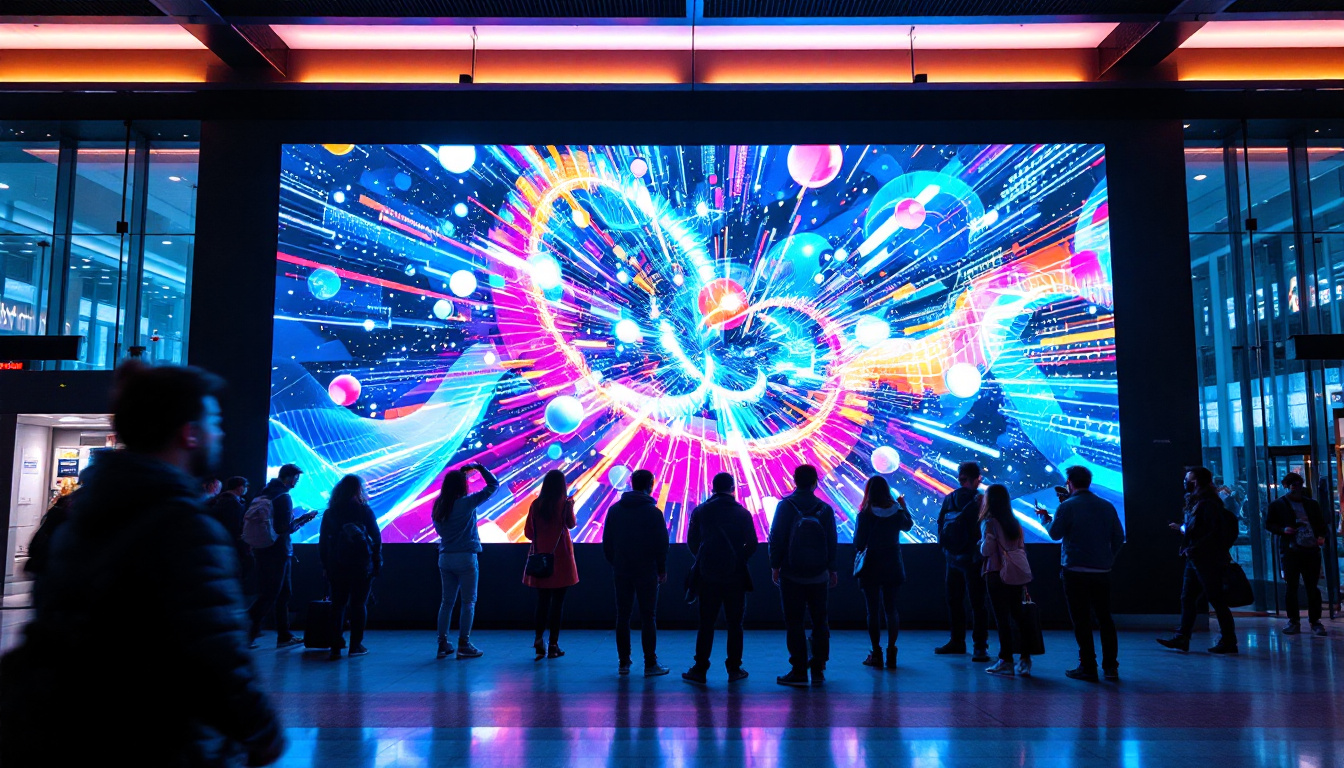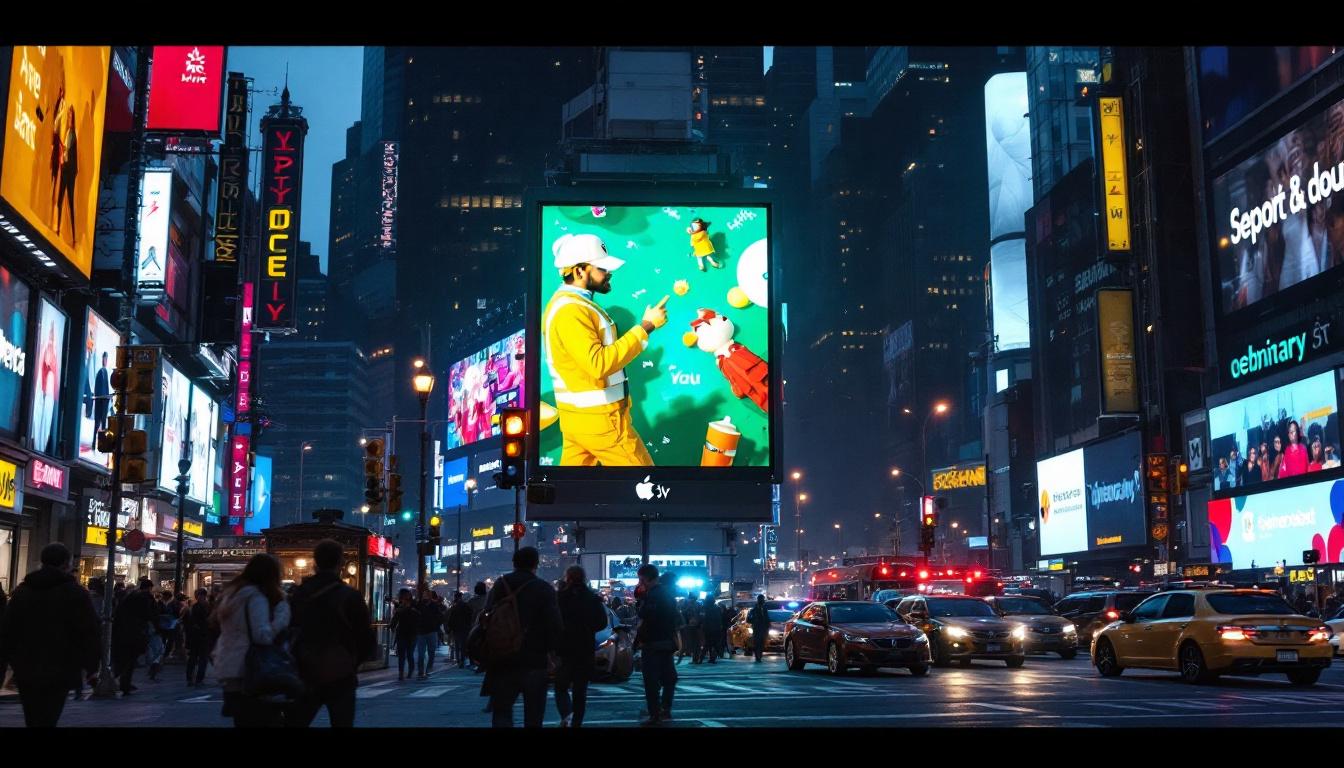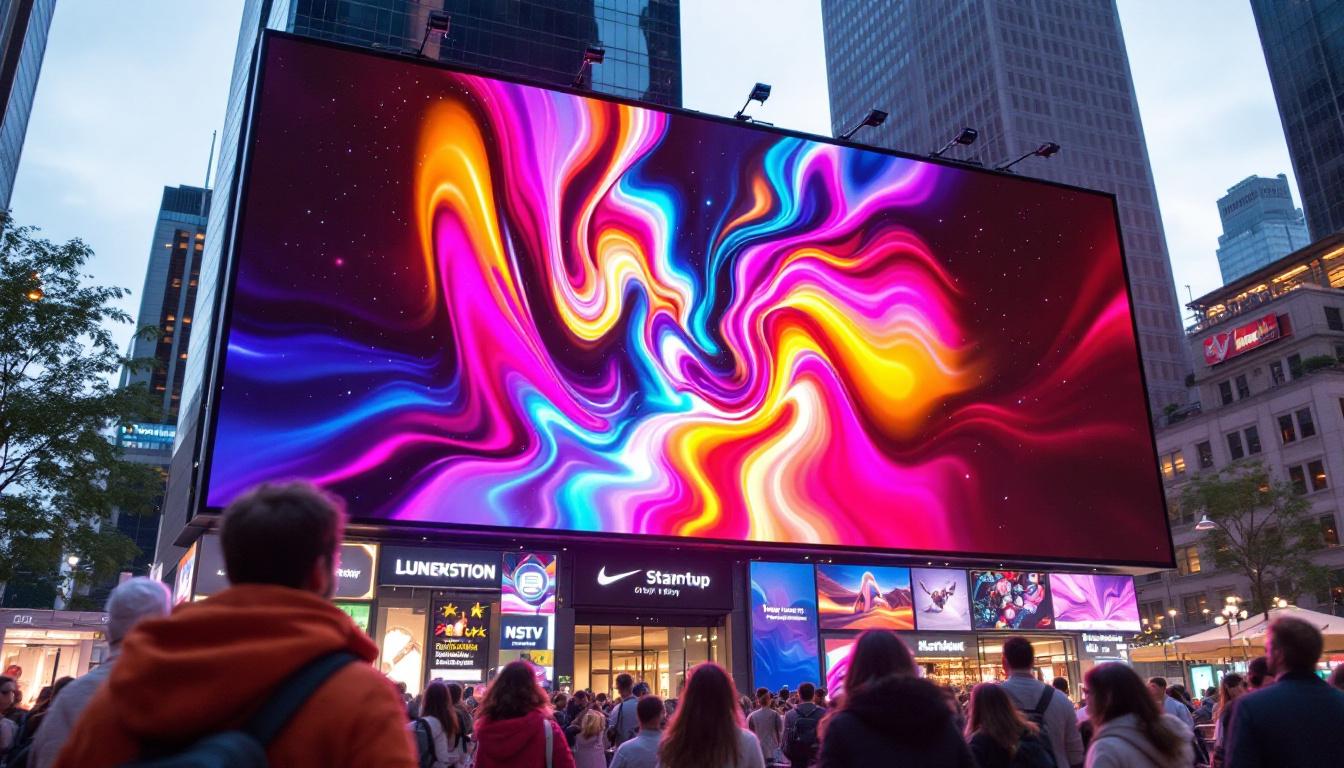
In the world of large-scale visual communication, LED jumbotrons have become an indispensable tool for delivering impactful, high-resolution content to vast audiences. From sports arenas and concert venues to advertising billboards and public information systems, these massive LED displays captivate viewers with their brightness, clarity, and versatility. But what exactly is a LED jumbotron, how does it work, and why has it become the preferred choice for large outdoor and indoor displays? This article delves into the technology behind LED jumbotrons, their applications, advantages, and considerations for implementation.
What is a LED Jumbotron?
A LED jumbotron is a large-scale video display composed of numerous light-emitting diodes (LEDs) arranged in a grid format. The term “jumbotron” was originally a brand name popularized by Sony in the 1980s for their giant video screens. Today, it is commonly used to describe any large LED display screen designed to showcase video content, images, and text to large audiences.
Unlike traditional projection or LCD screens, LED jumbotrons use tiny individual LEDs as pixels, which emit their own light rather than relying on a backlight. This self-illumination allows for exceptional brightness levels, making LED jumbotrons highly visible even under direct sunlight. The modular nature of LED panels also enables flexible screen sizes and shapes, from rectangular billboards to curved or irregular installations.
Key Components of an LED Jumbotron
At the core of every LED jumbotron are several critical components:
- LED Modules: These are the building blocks of the display, each containing a matrix of LEDs. Modules are assembled to form the full screen.
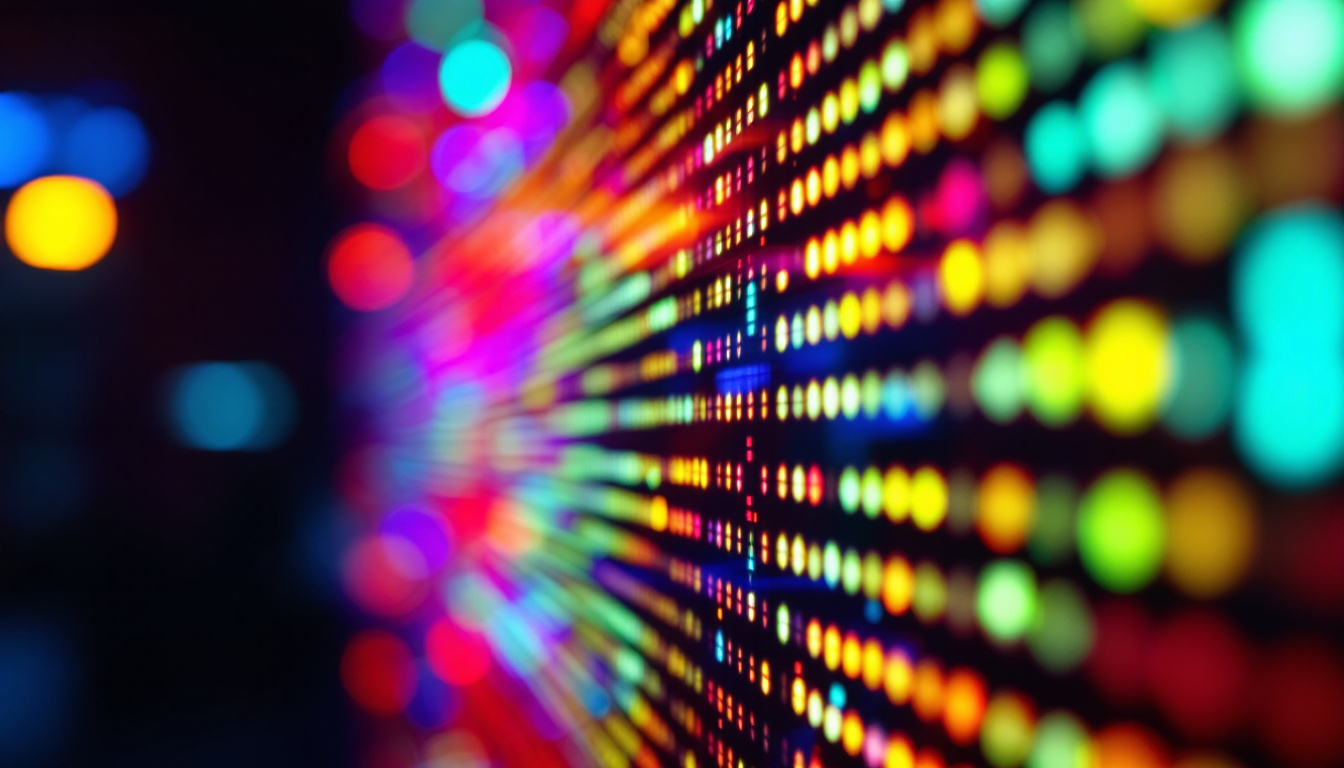
- Pixel Pitch: The distance between the centers of two adjacent LEDs, measured in millimeters. Smaller pixel pitches result in higher resolution and finer image quality.
- Control System: Hardware and software that manage the input signals, process the video content, and synchronize the display output.
- Power Supply: Ensures stable and sufficient power to all LEDs and electronic components.
- Cabinet Frame: Provides structural support and protection for the LED modules, often designed for weather resistance in outdoor installations.
In addition to these key components, LED jumbotrons often incorporate advanced technologies such as video processing and color calibration systems. These enhancements ensure that the images displayed are not only vibrant but also accurately represent the intended colors and details. This is particularly important in environments like sports arenas or concert venues, where the quality of the visuals can significantly impact the audience’s experience. Furthermore, many jumbotrons are equipped with sensors that adjust brightness levels automatically based on ambient light conditions, ensuring optimal visibility at all times.
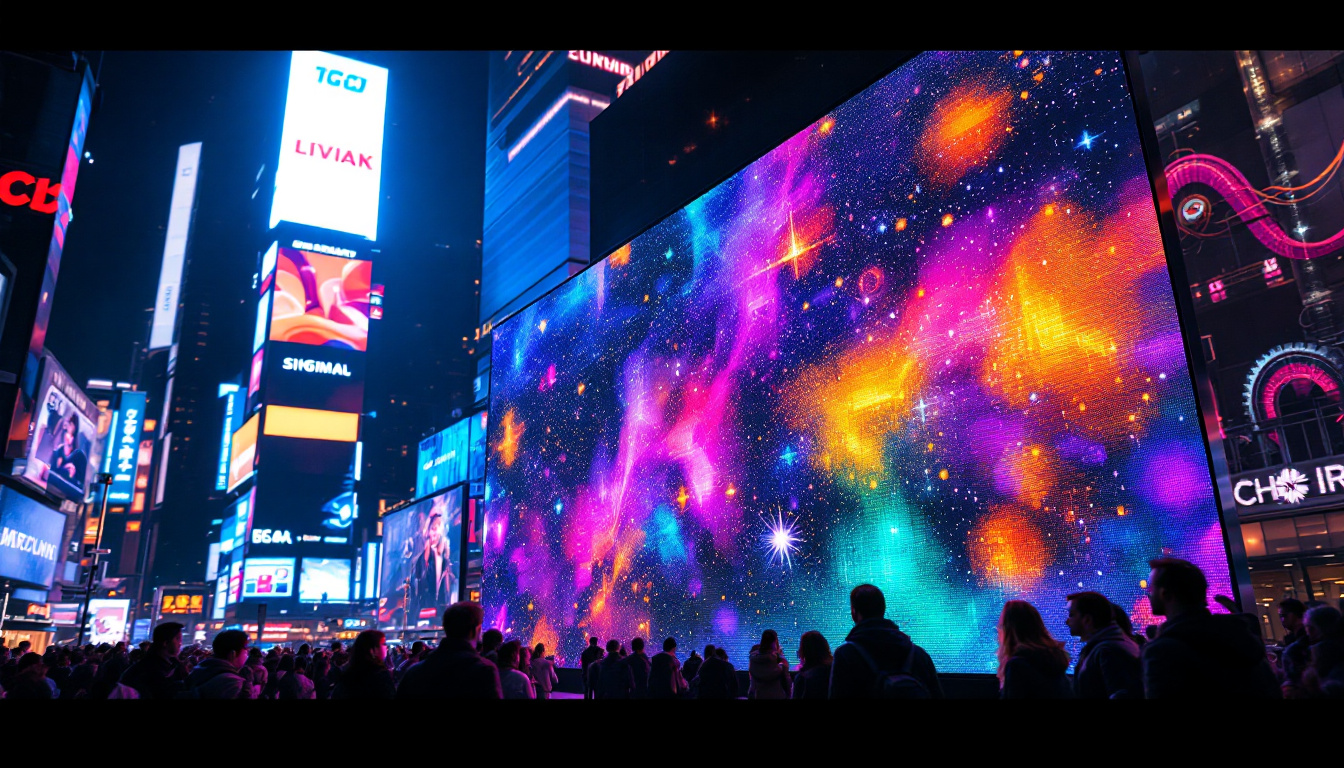
Another noteworthy aspect of LED jumbotrons is their versatility in application. They are widely used in various settings, from sports stadiums and concert halls to advertising billboards and public events. In sports venues, for instance, they can display live game footage, instant replays, and player statistics, enhancing the spectator experience. In urban environments, jumbotrons serve as dynamic advertising platforms, allowing businesses to reach a broader audience with eye-catching visuals. This adaptability makes LED jumbotrons a popular choice for both entertainment and commercial purposes, driving their continued evolution and integration into our daily lives.
How Does an LED Jumbotron Work?
The operation of an LED jumbotron involves the coordinated functioning of its components to produce vibrant, dynamic images. Here is a simplified overview of the process:
1. Image Input and Processing
Content such as live video feeds, advertisements, or graphics is fed into the control system via HDMI, DVI, or other digital interfaces. The control system processes this data, converting it into signals that correspond to the color and brightness values for each pixel on the LED screen. This processing often involves sophisticated algorithms that enhance image quality, ensuring that colors are rendered accurately and that motion appears fluid. Additionally, content can be scheduled or triggered to display at specific times, allowing for dynamic advertising and real-time updates during events.
2. Pixel Illumination
Each pixel on the jumbotron is made up of one or more LEDs, typically red, green, and blue (RGB). By adjusting the intensity of each color LED, the pixel can produce a wide spectrum of colors. The control system sends electrical signals to the LEDs to modulate their brightness in real-time, creating the desired image. This pixel-level control is crucial for achieving high-definition visuals, as it allows for precise color mixing and the ability to display intricate details, making the jumbotron suitable for everything from sports broadcasts to artistic installations.
3. Synchronization and Refresh Rate
For smooth video playback, the display must refresh the image multiple times per second, commonly at 60Hz or higher. The control system ensures that all modules update simultaneously to prevent flickering or tearing effects. This synchronization is particularly important in environments where multiple jumbotrons are used in tandem, such as at large stadiums or concert venues, where the audience expects a seamless viewing experience. Advanced systems may also incorporate frame interpolation techniques to enhance the perceived smoothness of fast-moving images.
4. Brightness and Contrast Management
LED jumbotrons are capable of extremely high brightness levels, often exceeding 5,000 nits, which is essential for outdoor visibility. Advanced systems include sensors that adjust brightness automatically based on ambient light conditions, optimizing visibility while conserving energy. This adaptability not only enhances the viewing experience during bright daylight but also extends the lifespan of the LEDs by reducing power consumption when full brightness is unnecessary. Furthermore, some jumbotrons are designed with advanced contrast management features that help to maintain image clarity and vibrancy even in challenging lighting environments, ensuring that every detail is visible regardless of the time of day.
Applications of LED Jumbotrons
LED jumbotrons have revolutionized how information and entertainment are presented to large crowds. Their versatility and impact have made them popular across various sectors.
Sports and Entertainment Venues
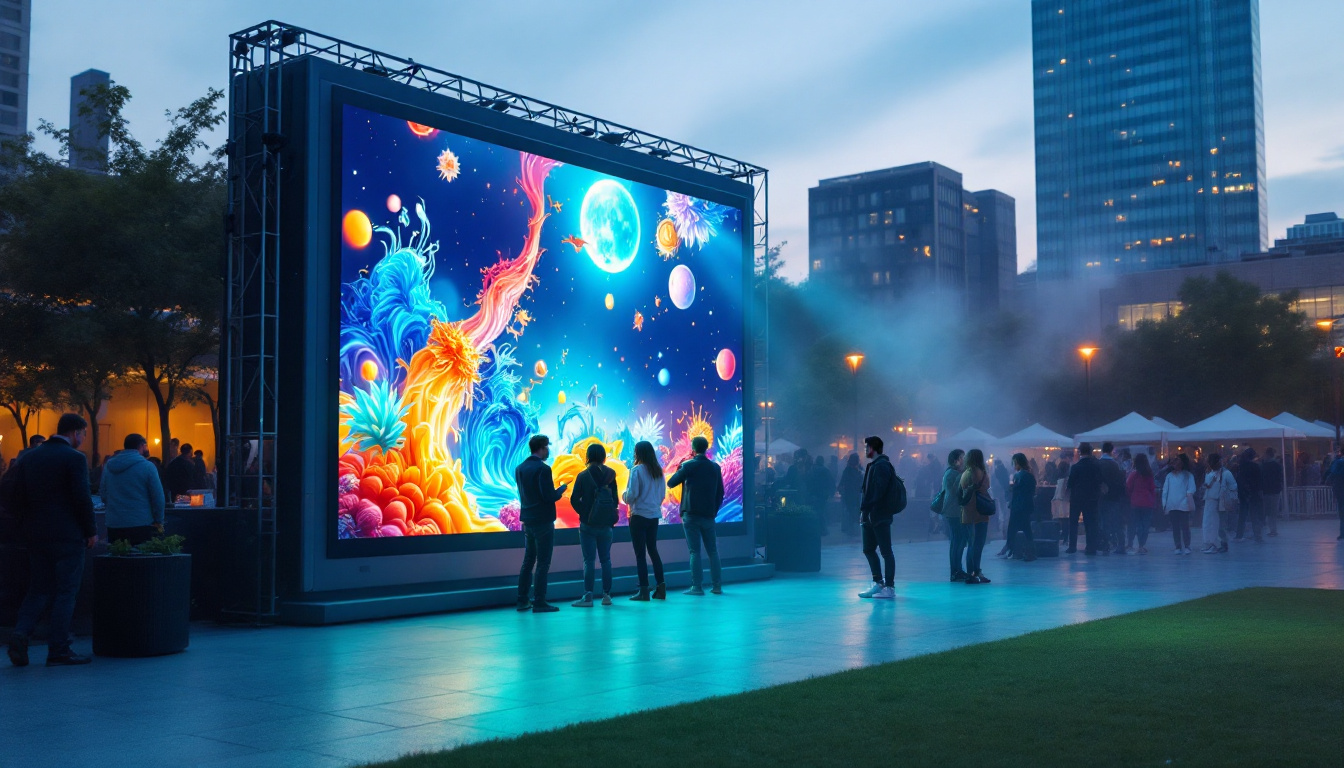
One of the most iconic uses of LED jumbotrons is in stadiums and arenas. These displays provide fans with live game footage, instant replays, player statistics, and interactive content. For example, the AT&T Stadium in Texas features one of the largest center-hung LED screens in the world, measuring over 160 feet wide and 72 feet tall, delivering crystal-clear images to tens of thousands of spectators.
Advertising and Digital Billboards
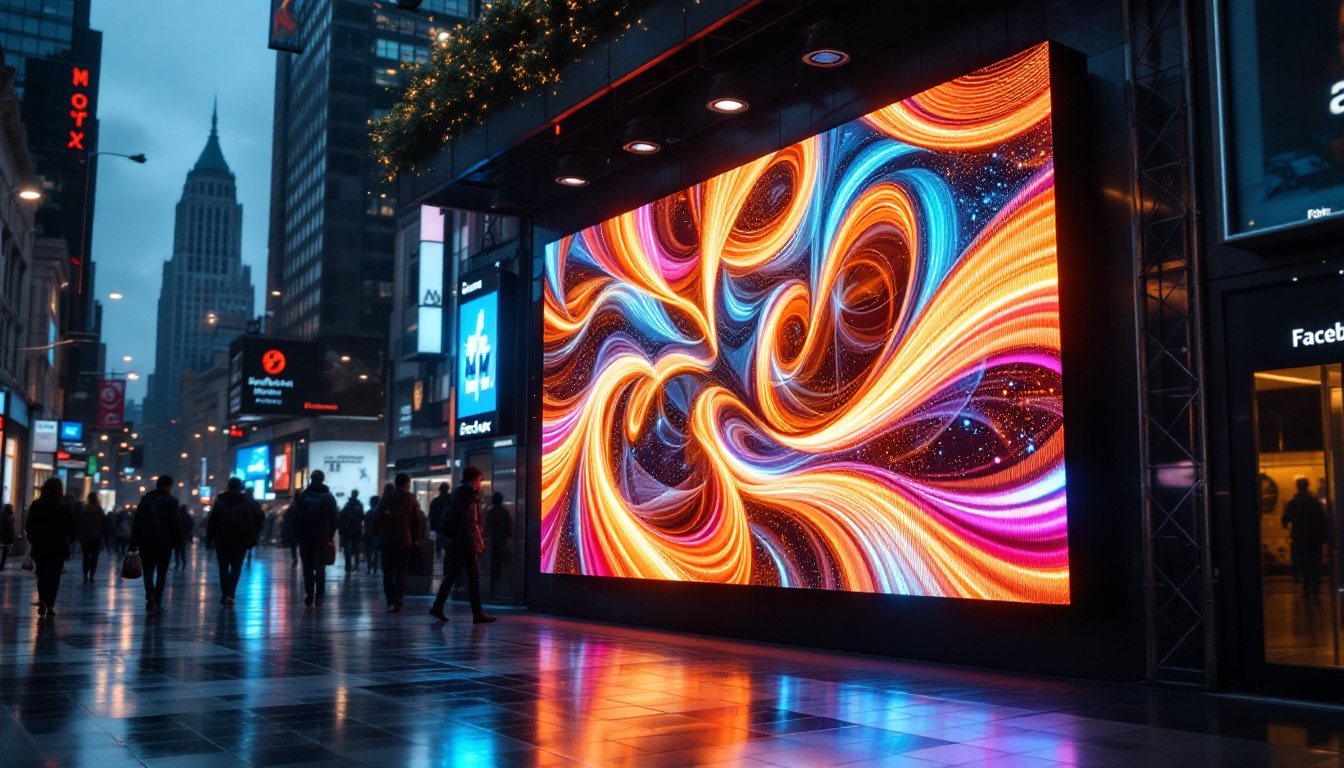
Outdoor advertising has been transformed by LED jumbotrons, which offer dynamic, eye-catching visuals that can be updated remotely and frequently. According to a 2023 report by the Outdoor Advertising Association of America, digital billboards now account for over 30% of all billboard revenue in the U.S., highlighting the growing preference for LED technology in advertising.
Public Information and Transportation Hubs
Airports, train stations, and city centers utilize LED jumbotrons to display real-time information, emergency alerts, and public service announcements. Their high visibility and reliability make them ideal for critical communications.
Corporate and Event Spaces
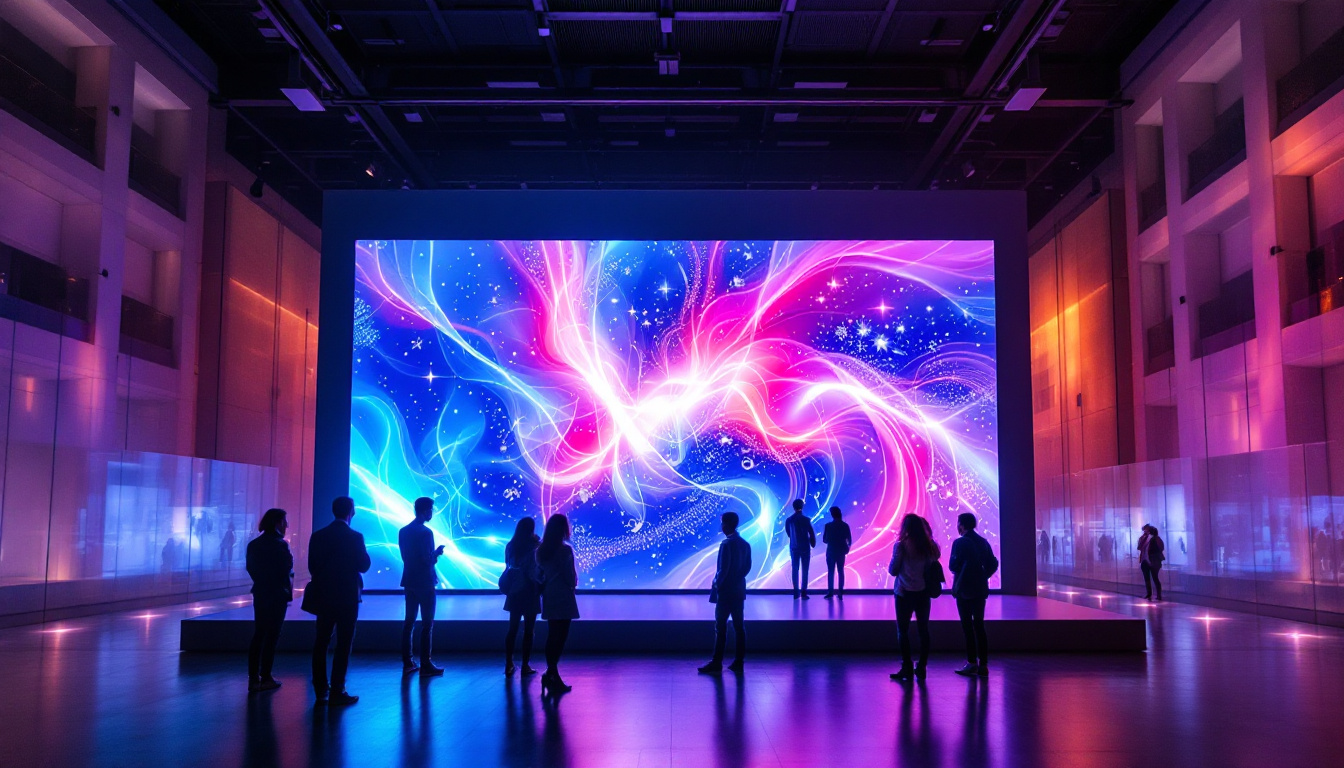
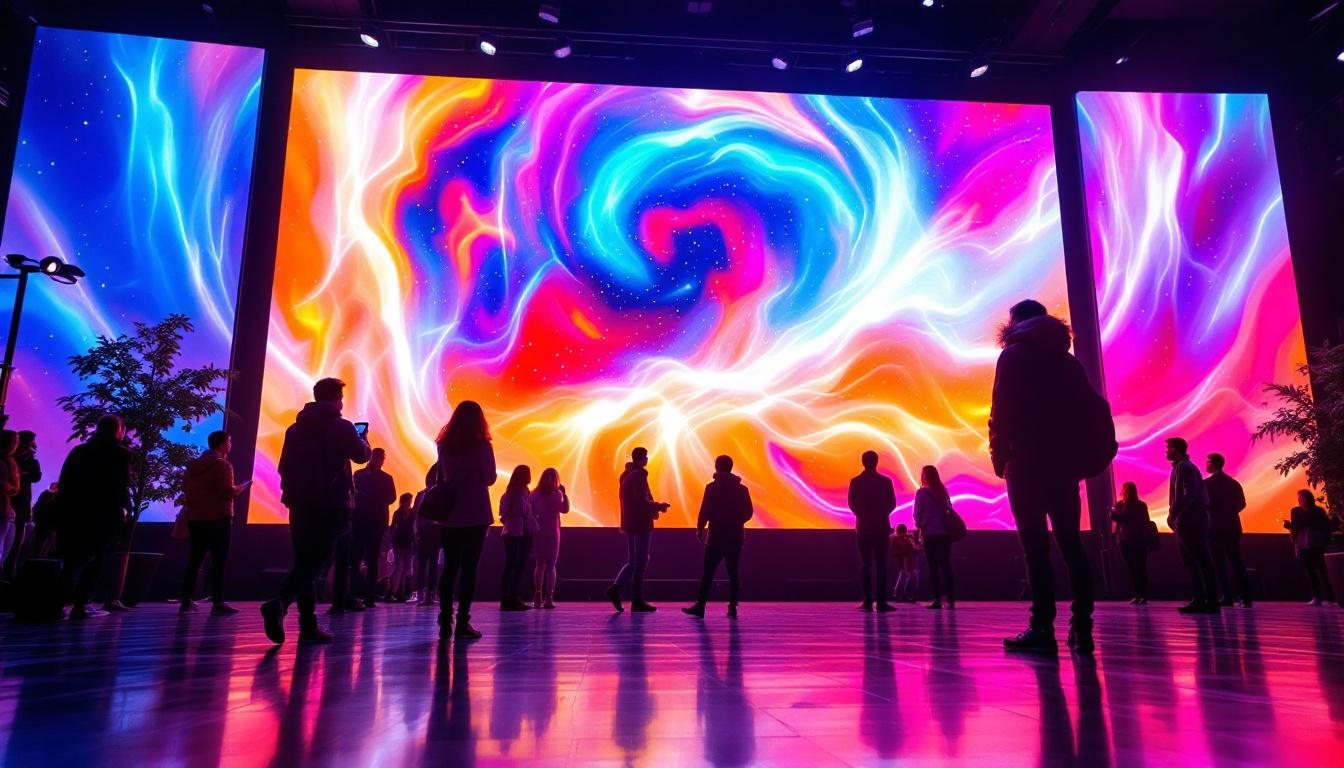
From product launches to conferences, LED jumbotrons create immersive environments that engage audiences. Their ability to display high-definition content in large formats enhances the overall event experience.
Advantages of LED Jumbotrons Over Other Display Technologies
LED jumbotrons offer several distinct benefits compared to traditional display options like LCD panels or projection systems, particularly for large-scale applications.
Superior Brightness and Visibility
LED technology delivers unparalleled brightness, often reaching 5,000 to 10,000 nits, far exceeding the capabilities of LCD or projection screens. This ensures clear visibility even in direct sunlight, a critical factor for outdoor displays.
Energy Efficiency and Longevity
Modern LEDs consume less power than other lighting technologies and have longer operational lifespans, often exceeding 100,000 hours. This reduces maintenance costs and environmental impact over the display’s lifetime.
Modularity and Scalability
LED jumbotrons are composed of modular panels, allowing for easy assembly, maintenance, and scalability. Screens can be customized to virtually any size or shape, accommodating unique architectural or event requirements.
High Refresh Rates and Color Accuracy
With refresh rates commonly at 60Hz or higher and advanced color calibration, LED jumbotrons provide smooth motion rendering and vibrant, accurate color reproduction, enhancing the viewer’s experience.
Considerations When Choosing an LED Jumbotron
While LED jumbotrons offer many advantages, selecting the right system requires careful consideration of several factors to ensure optimal performance and return on investment.
Pixel Pitch and Viewing Distance
Pixel pitch determines the resolution and image clarity of the display. Smaller pixel pitches (e.g., 2-4 mm) produce sharper images but are more expensive and suited for closer viewing distances. Larger pixel pitches (e.g., 10-20 mm) are cost-effective for long-distance viewing, such as highway billboards.
Indoor vs. Outdoor Use
Outdoor LED jumbotrons must be weatherproof, with protective enclosures rated for water and dust resistance (IP65 or higher). They also require higher brightness levels to combat sunlight glare. Indoor displays can prioritize finer pixel pitches and lower brightness for comfortable viewing.
Installation and Maintenance
Consideration should be given to the ease of installation, access for maintenance, and cooling requirements. Some LED modules feature front-access designs, simplifying repairs without dismantling the entire screen.
Content Management and Control Systems
The software interface and compatibility with various media formats are crucial for seamless content updates. Advanced control systems support remote management, scheduling, and real-time content adjustments.
Future Trends in LED Jumbotron Technology
The LED display industry continues to evolve rapidly, driven by innovations aimed at enhancing performance, reducing costs, and expanding creative possibilities.
MicroLED and MiniLED Advancements
Emerging microLED and miniLED technologies offer even smaller pixel pitches, higher brightness, and improved energy efficiency. These advances will enable ultra-high-definition displays with exceptional color fidelity suitable for both indoor and outdoor applications.
Flexible and Transparent LED Displays
Flexible LED panels allow for curved or irregularly shaped jumbotrons, opening new architectural and design opportunities. Transparent LED displays enable screens that blend seamlessly with glass surfaces, ideal for retail storefronts and innovative advertising.
Integration with Artificial Intelligence
AI-powered content management systems can optimize display content based on audience demographics, weather, time of day, and other factors, maximizing engagement and advertising effectiveness.
Conclusion
LED jumbotrons represent a pinnacle of large-scale display technology, combining brightness, versatility, and durability to deliver compelling visual experiences across diverse environments. Understanding the fundamentals of how they work, their applications, and the factors influencing their design and deployment is essential for businesses and organizations seeking to leverage this powerful medium.
As technology advances, LED jumbotrons will continue to evolve, offering even greater creative freedom and operational efficiencies. Whether for captivating sports fans, engaging consumers, or communicating vital information, LED jumbotrons remain a dynamic and impactful choice in the realm of digital displays.
Discover the Future of Visual Engagement with LumenMatrix
Ready to elevate your visual communication to new heights? Explore LumenMatrix’s comprehensive range of LED display solutions, where innovation meets excellence. From Indoor and Outdoor LED Wall Displays to specialized options like Vehicle, Sports, and Custom LED Displays, LumenMatrix is committed to transforming your space with vibrant, energy-efficient, and captivating digital signage. Experience the revolution in visual storytelling and make your brand stand out. Check out LumenMatrix LED Display Solutions today and step into the future of dynamic, impactful displays.