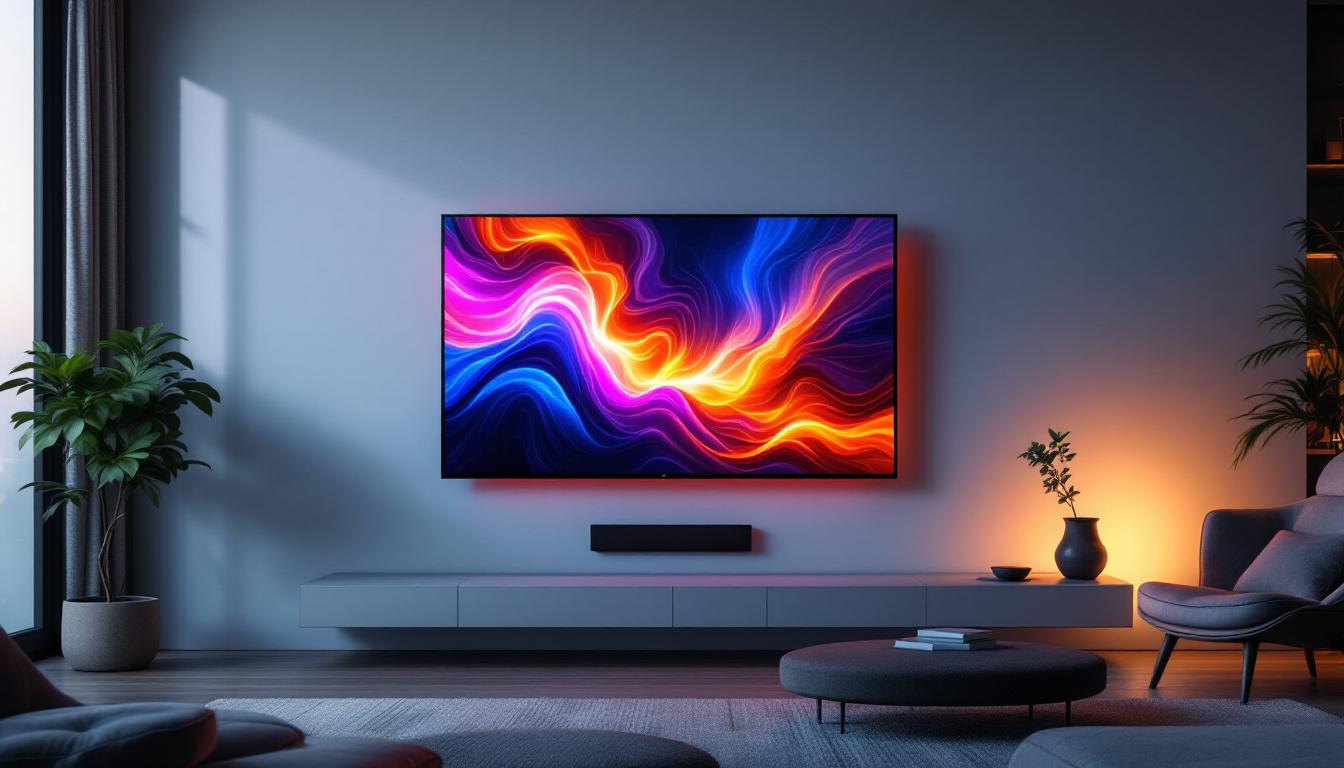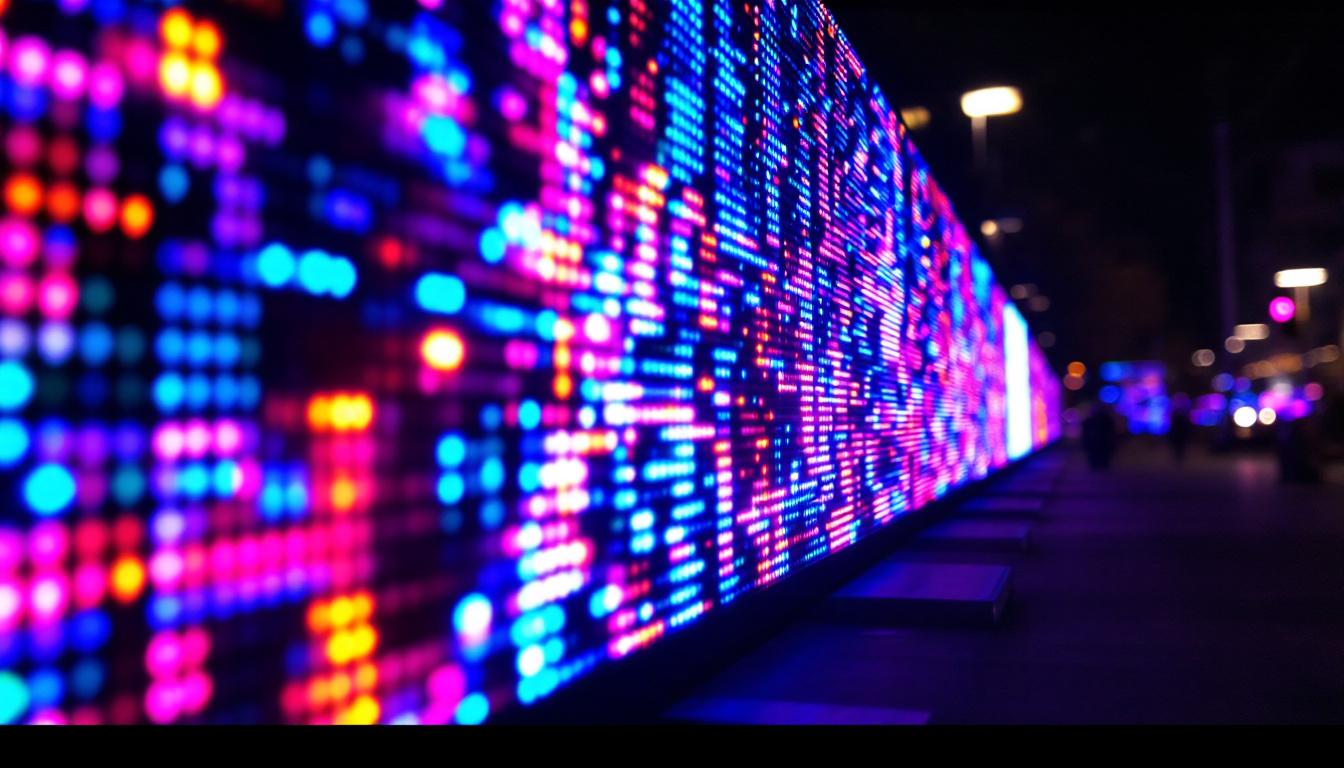
In an age dominated by digital visuals, LED displays have become a cornerstone of modern communication, entertainment, and advertising. From massive outdoor billboards to intricate indoor video walls, LED technology offers vibrant, dynamic visuals that captivate audiences worldwide. This article explores the fundamentals of LED displays, their types, technology, applications, and future trends, providing a comprehensive understanding of what makes LED shows so compelling.
Understanding LED Display Technology
LED stands for Light Emitting Diode, a semiconductor device that emits light when an electric current passes through it. Unlike traditional lighting technologies, LEDs are highly energy-efficient, long-lasting, and capable of producing bright, vivid colors. These characteristics make LEDs ideal for display screens that require high visibility and color accuracy.
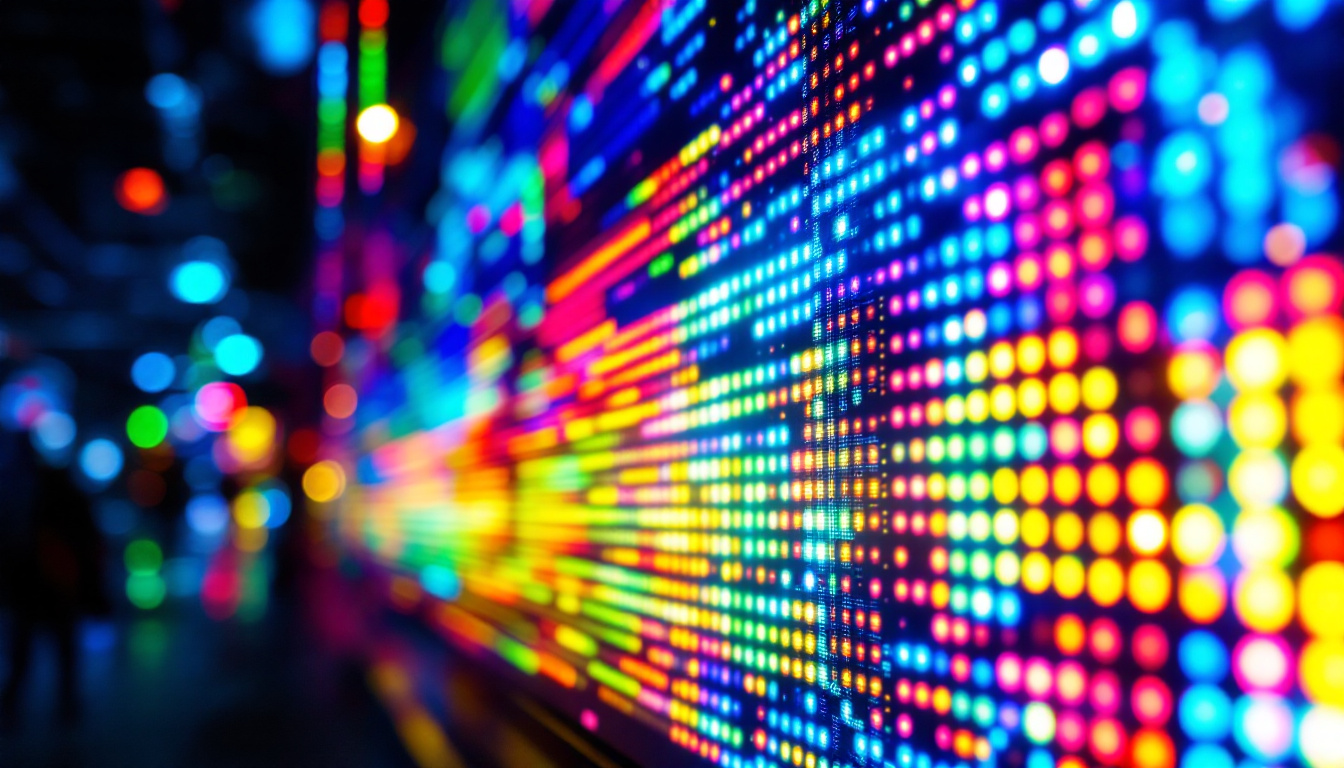
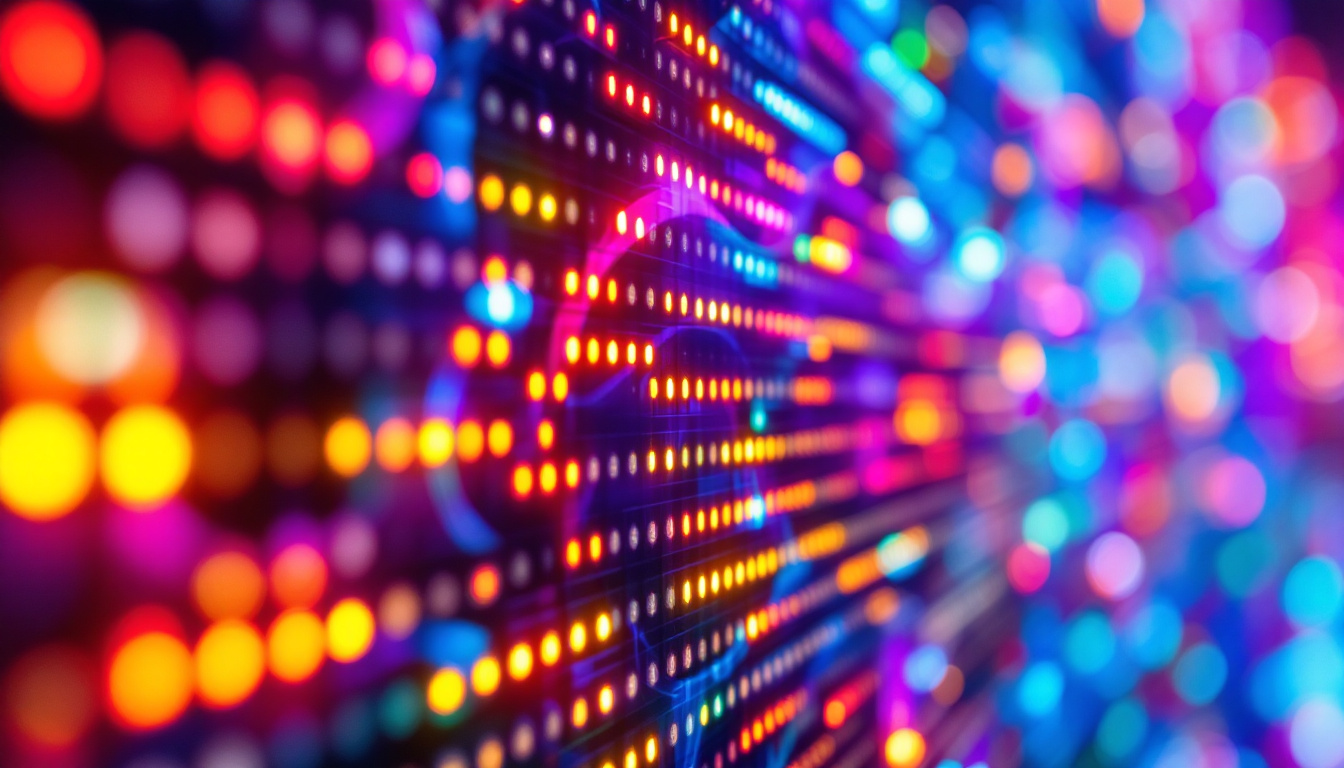
At its core, an LED display is composed of thousands to millions of tiny LEDs arranged in a matrix. Each LED acts as a pixel, and by controlling the intensity and color of each pixel, the display can render images, videos, and text with remarkable clarity. The key to the LED display’s effectiveness lies in its pixel pitch, refresh rate, brightness, and color gamut.
Pixel Pitch and Resolution
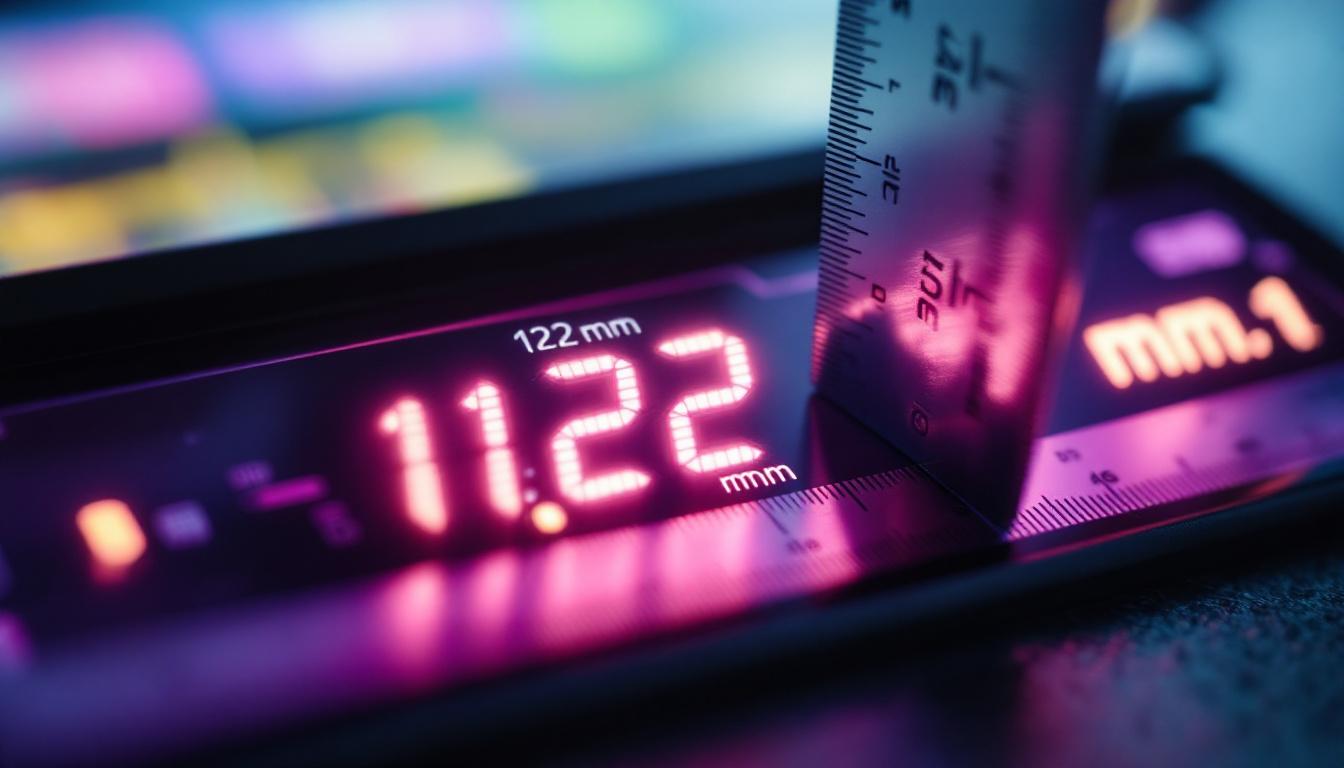
Pixel pitch refers to the distance between the centers of two adjacent pixels, usually measured in millimeters. A smaller pixel pitch means more pixels per unit area, resulting in higher resolution and sharper images. For example, indoor LED displays often have pixel pitches as low as 0.9mm to 2.5mm, enabling close viewing distances without visible pixelation. Outdoor displays, on the other hand, typically have larger pixel pitches (e.g., 10mm to 20mm) to accommodate longer viewing distances.
The resolution of an LED display is crucial for applications ranging from advertising to broadcasting. Higher resolution displays are particularly beneficial in environments where fine detail is essential, such as in control rooms or during live events. As technology advances, manufacturers are continually pushing the boundaries of pixel density, leading to displays that can now achieve 4K and even 8K resolutions. This trend not only enhances the visual experience but also opens up new possibilities for immersive content and interactive applications.
Brightness and Visibility
Brightness is a critical factor for LED displays, especially those used outdoors. Measured in nits (candelas per square meter), LED displays can achieve brightness levels exceeding 5,000 nits, ensuring visibility even under direct sunlight. This high brightness, combined with anti-glare coatings and weather-resistant enclosures, makes LED displays suitable for various environments and lighting conditions.
Moreover, the ability to adjust brightness dynamically is a significant advantage of LED technology. Many modern displays incorporate sensors that automatically modify brightness based on ambient light conditions, ensuring optimal visibility at all times. This feature not only enhances user experience but also contributes to energy savings, as the display can reduce power consumption in darker settings. Additionally, advancements in LED technology have led to improved color accuracy and uniformity, allowing for a more consistent viewing experience across different lighting environments, which is particularly important for applications in retail and entertainment where brand representation is key.
Types of LED Displays
LED displays come in various forms, each tailored to specific applications and environments. Understanding the differences helps businesses and event organizers select the right type for their needs.
Indoor LED Displays
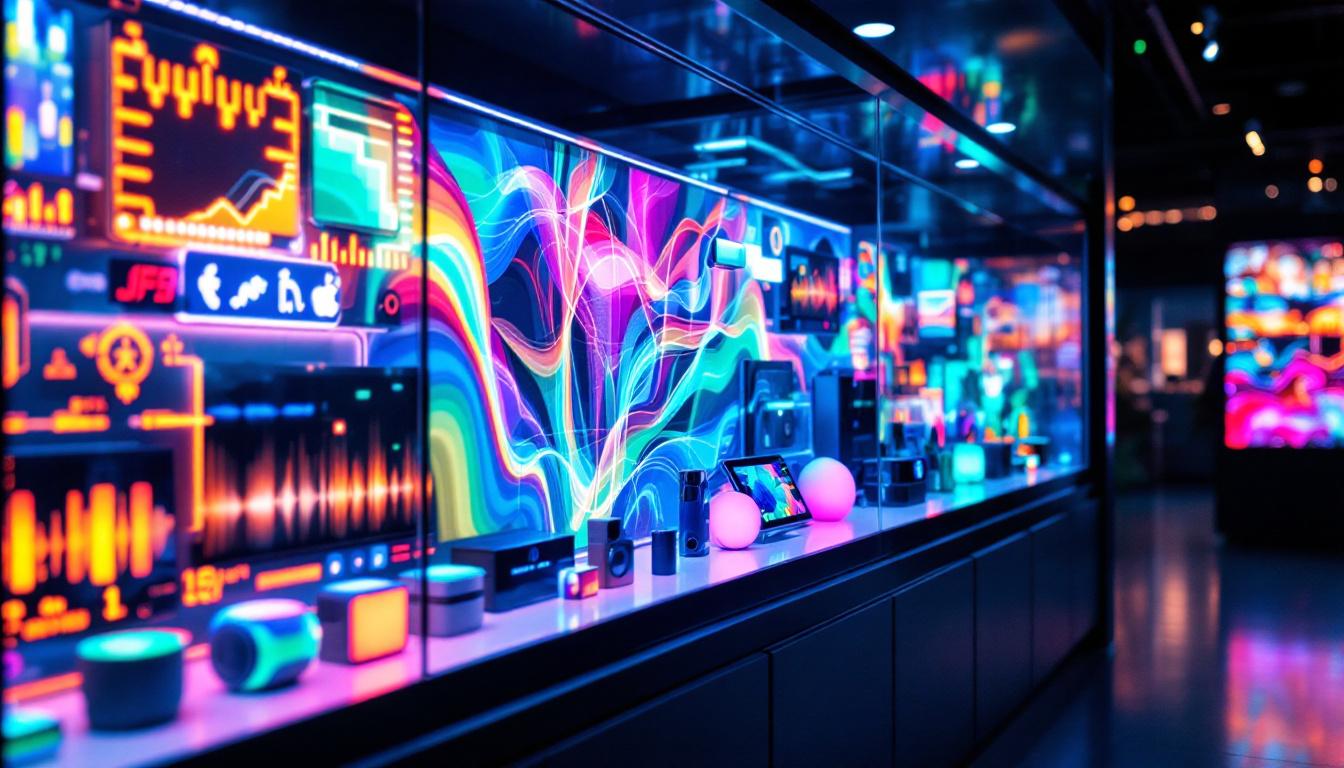
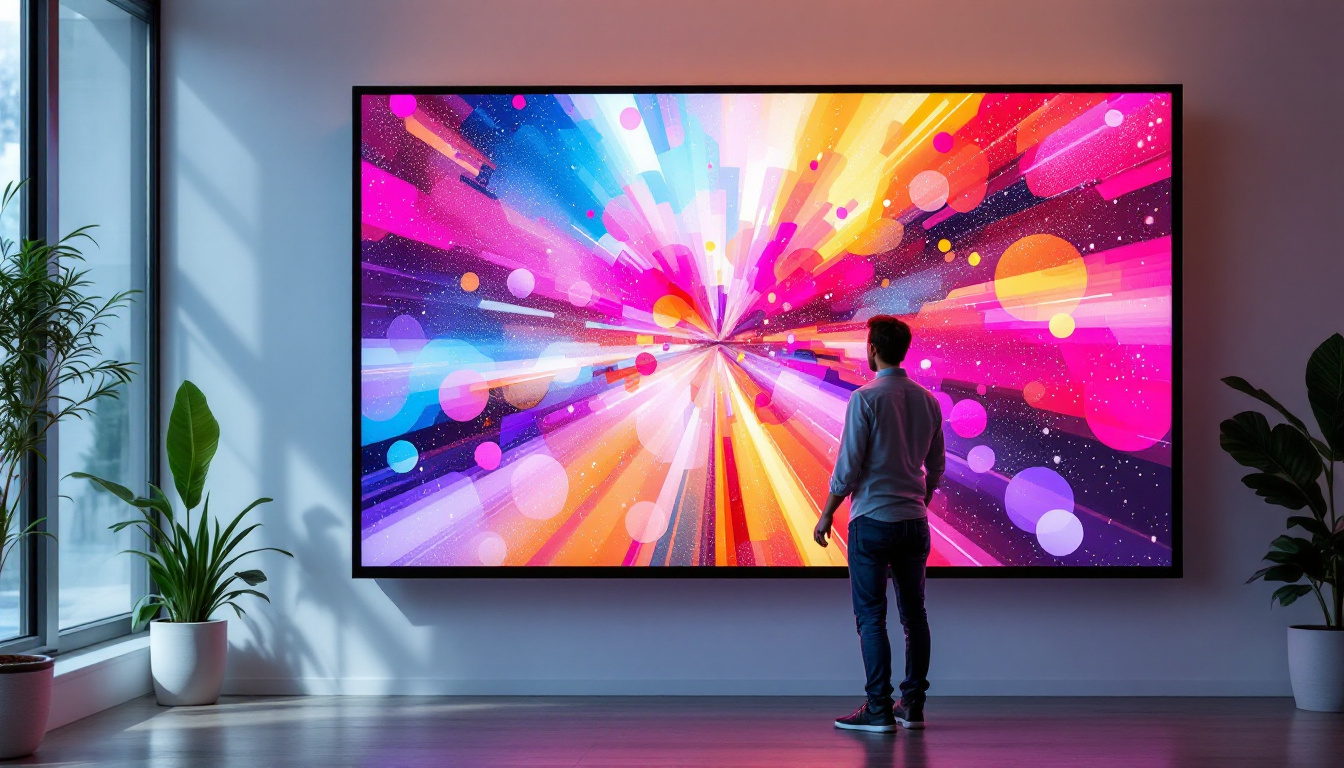
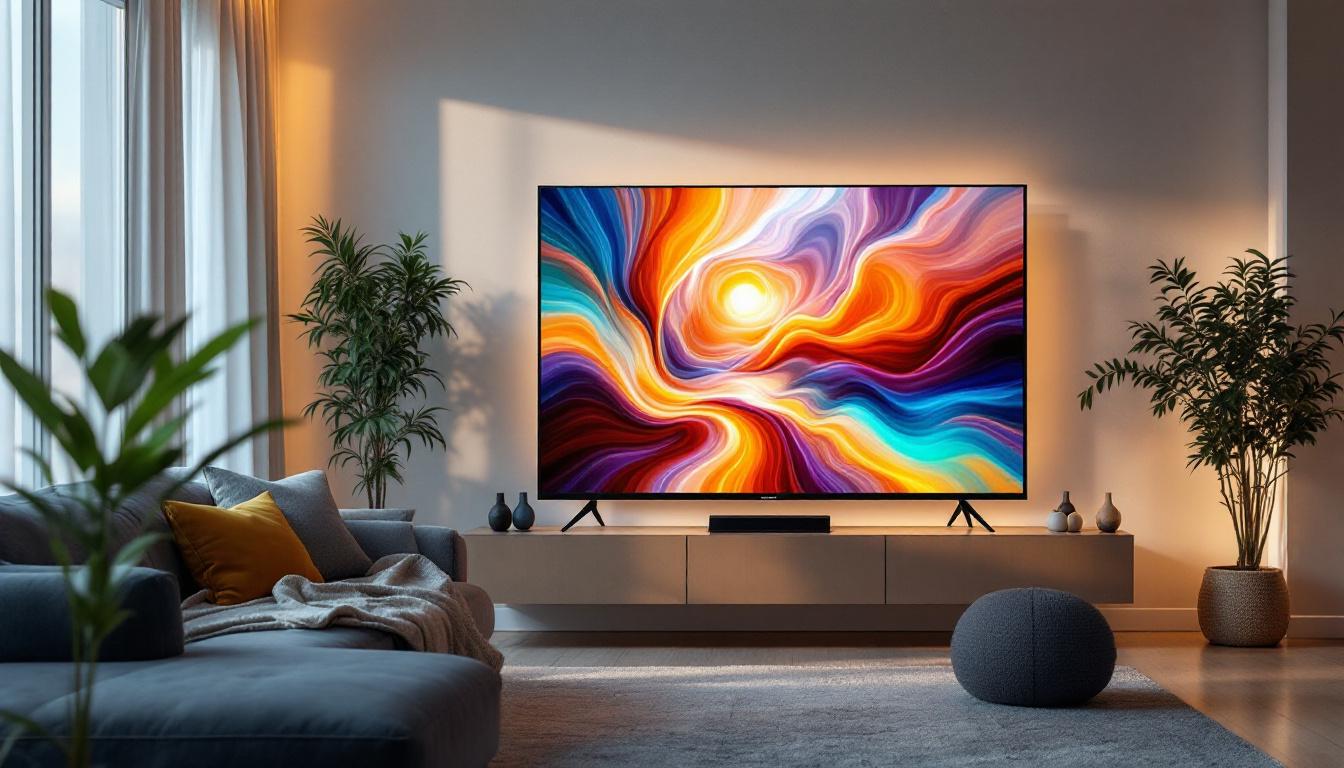
Indoor LED displays are designed for controlled environments such as conference rooms, retail stores, museums, and entertainment venues. They typically feature fine pixel pitches for high resolution and color accuracy. These displays are also optimized for lower brightness levels, as excessive brightness can cause eye strain indoors.
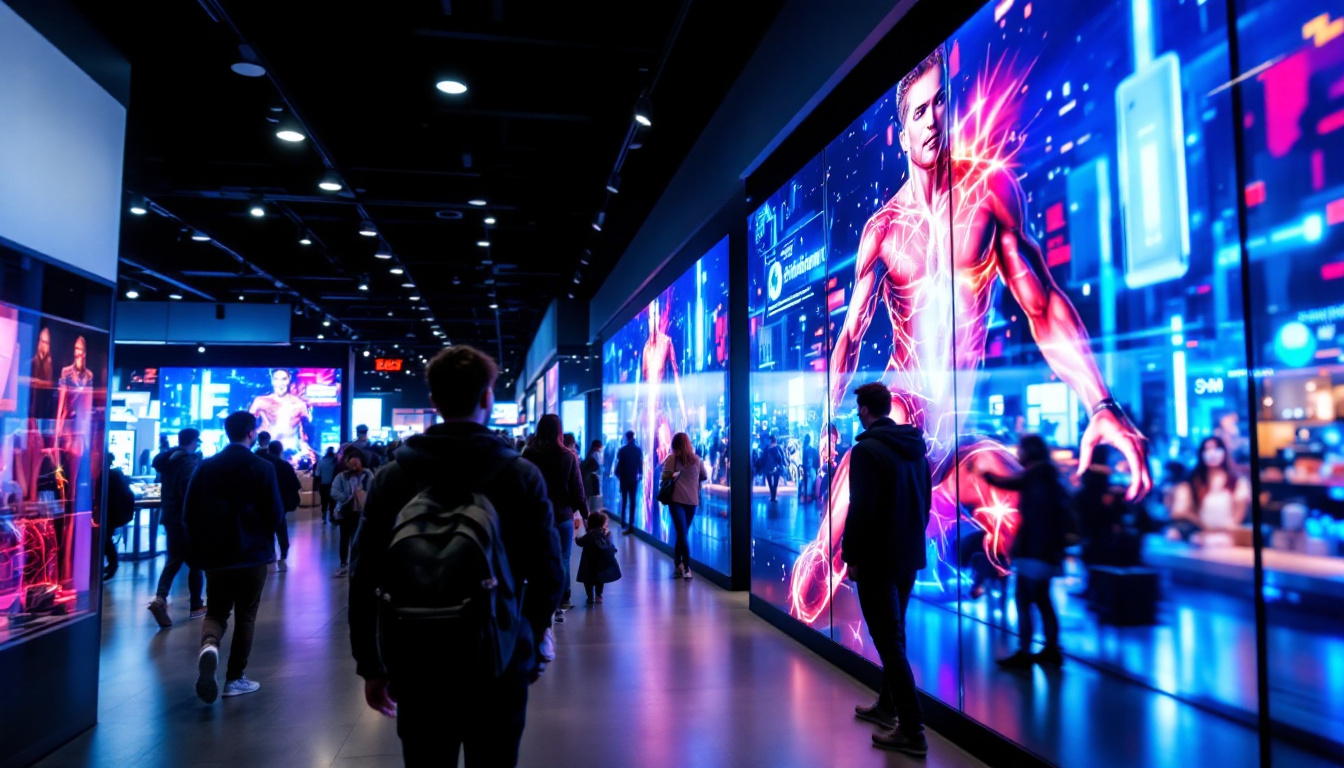
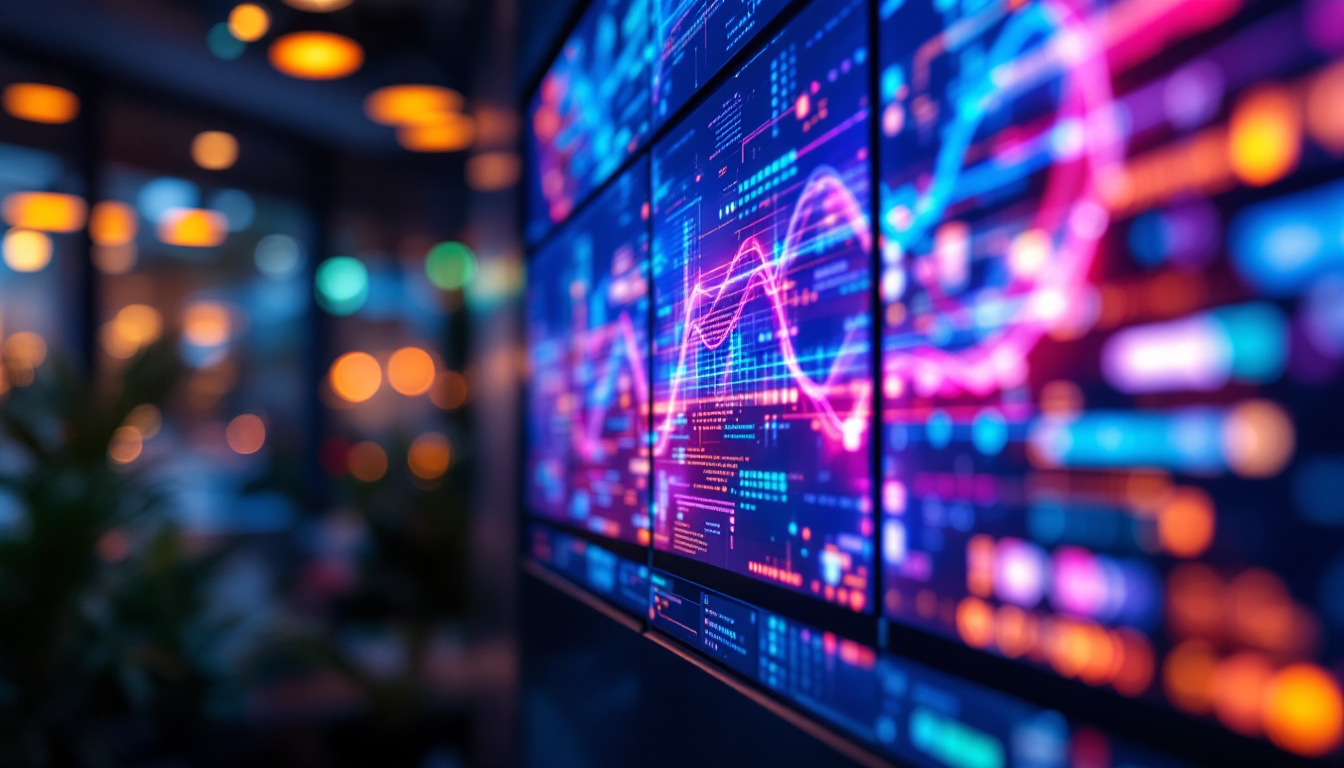
One common application is digital signage in shopping malls, where vibrant visuals attract customers and convey promotional messages effectively. Indoor LED video walls are also popular in corporate settings for presentations, video conferencing, and immersive experiences. The ability to display high-definition content makes these screens ideal for showcasing products, enhancing brand storytelling, and creating engaging atmospheres that captivate audiences. Furthermore, many indoor displays are designed with energy efficiency in mind, reducing operational costs while maintaining stunning visual quality.
Outdoor LED Displays
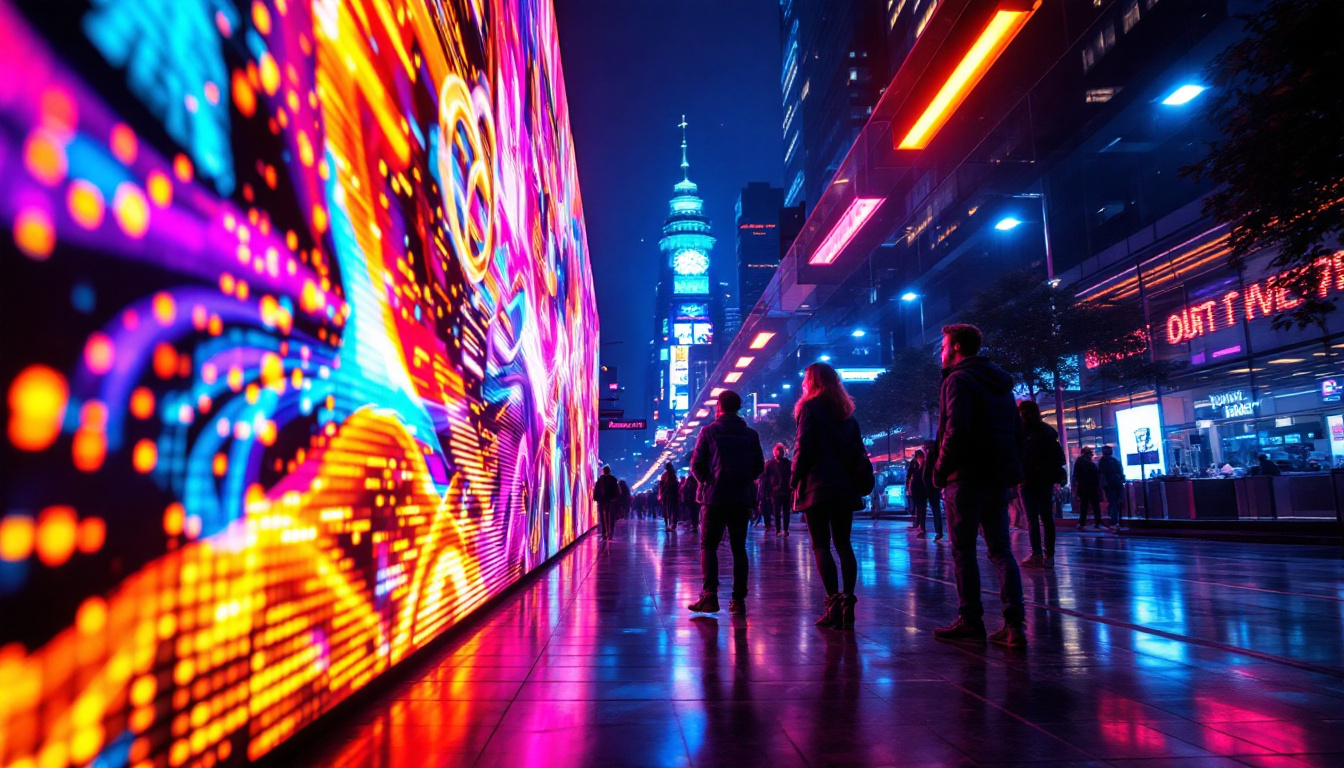
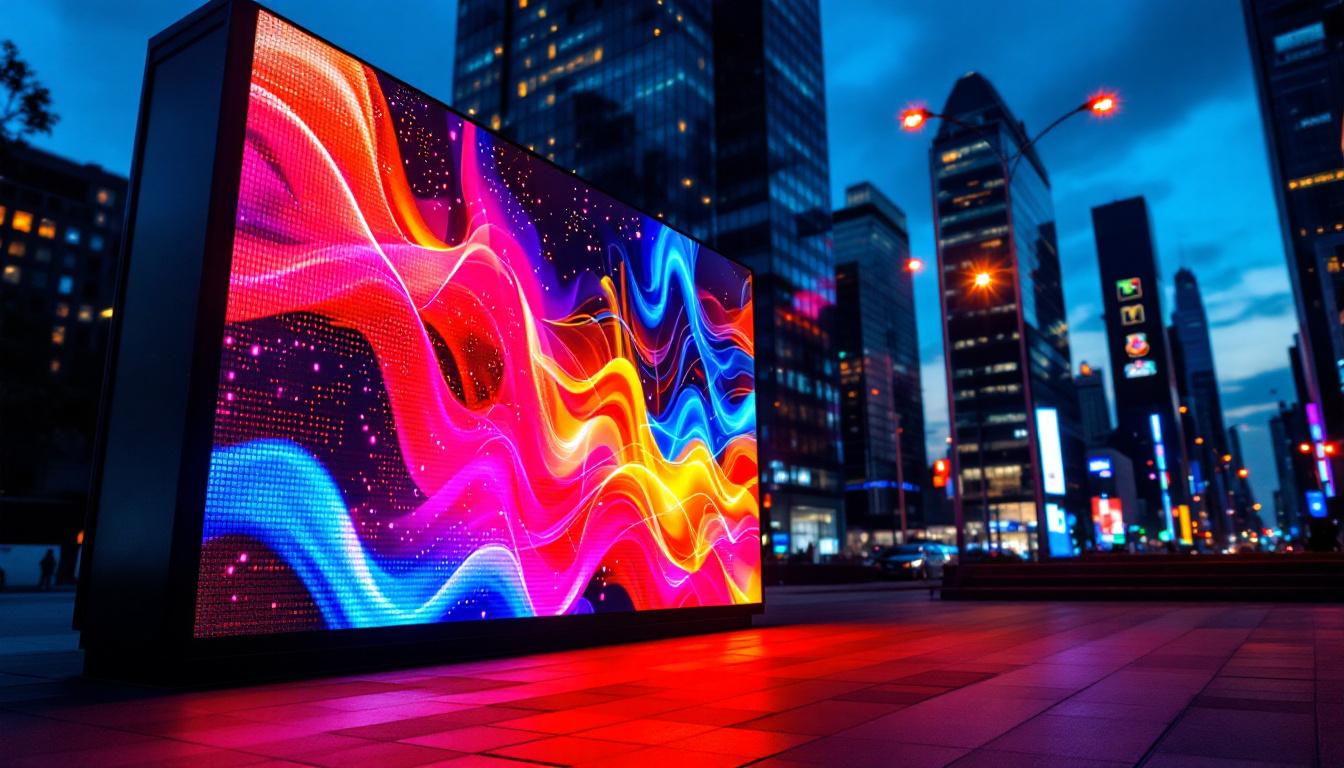
Outdoor LED displays are built to withstand harsh weather conditions, including rain, wind, and extreme temperatures. They feature robust enclosures with IP65 or higher ratings for water and dust resistance. Their high brightness levels ensure visibility in bright daylight, making them ideal for billboards, stadium screens, and public information displays.
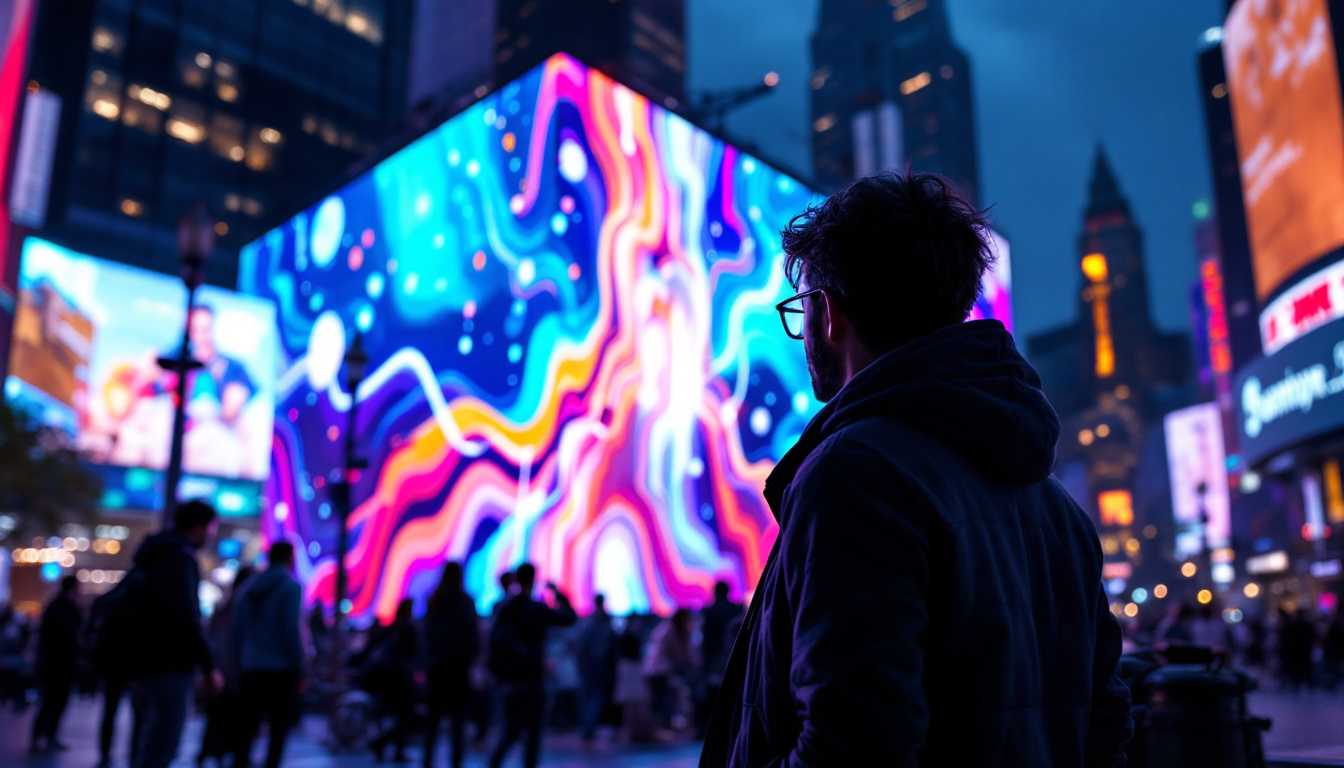
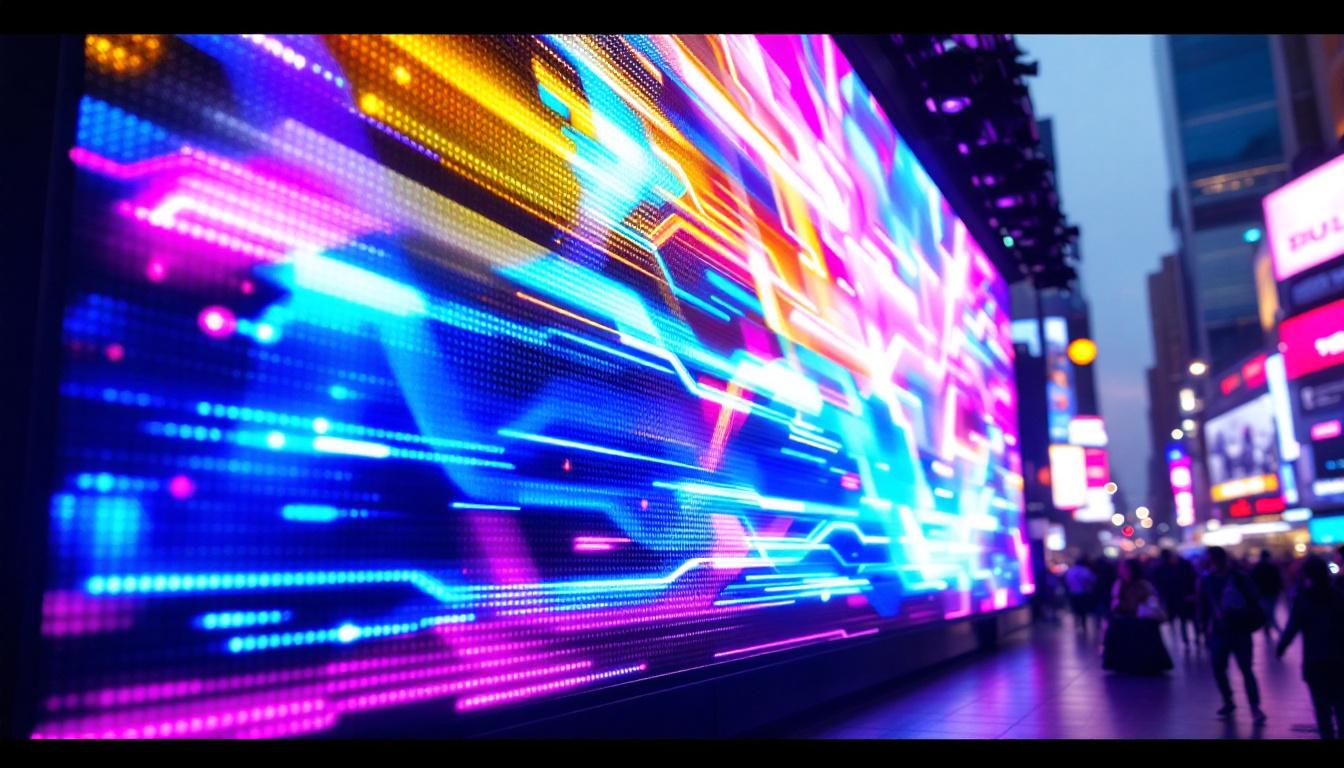
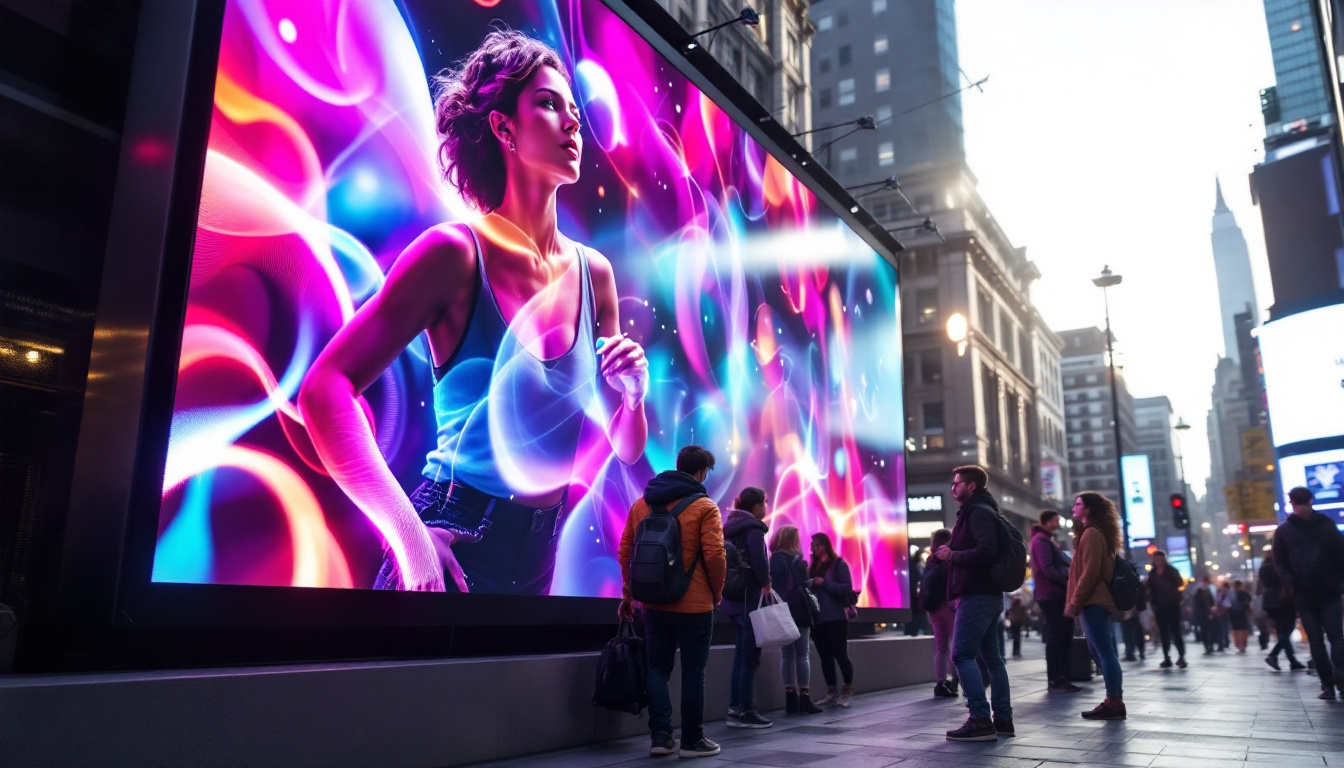
For example, Times Square in New York City is famous for its massive outdoor LED billboards that deliver dynamic advertising content to millions of passersby daily. These displays leverage the durability and brightness of outdoor LED technology to maintain impact around the clock. Additionally, outdoor LED displays often incorporate advanced technologies such as remote monitoring and automated brightness adjustments, ensuring optimal performance regardless of environmental conditions. This adaptability not only enhances viewer experience but also extends the lifespan of the displays, making them a wise investment for advertisers and municipalities alike.
Flexible and Transparent LED Displays
Innovations in LED technology have led to flexible and transparent LED displays, expanding creative possibilities. Flexible LED panels can be curved or bent to fit unique architectural designs, while transparent LED screens allow light to pass through, making them perfect for glass facades and retail windows.
These advanced displays are increasingly used in high-end retail environments and experiential marketing campaigns, where blending technology with design enhances customer engagement. For instance, a transparent LED display can showcase products while still allowing natural light to illuminate the space, creating a seamless integration of digital and physical elements. This innovative approach not only attracts attention but also fosters a more immersive shopping experience. As the technology continues to evolve, we can expect to see even more imaginative applications, such as interactive installations that respond to viewer movements, further blurring the lines between digital and reality.
Applications of LED Displays
The versatility of LED displays has driven widespread adoption across numerous industries. Their ability to deliver high-impact visuals in various sizes and formats makes them indispensable tools for communication and entertainment.
Advertising and Marketing
Advertising is arguably the most prominent application of LED displays. Digital billboards and signage enable brands to deliver dynamic, eye-catching content that can be updated instantly. This flexibility allows marketers to tailor messages based on time of day, audience demographics, or special events, significantly increasing engagement and return on investment.
According to a 2023 report by the Digital Signage Federation, LED digital signage campaigns can increase brand recall by up to 47% compared to static signs. The ability to incorporate video, animation, and interactive elements further enhances their effectiveness.
Entertainment and Events
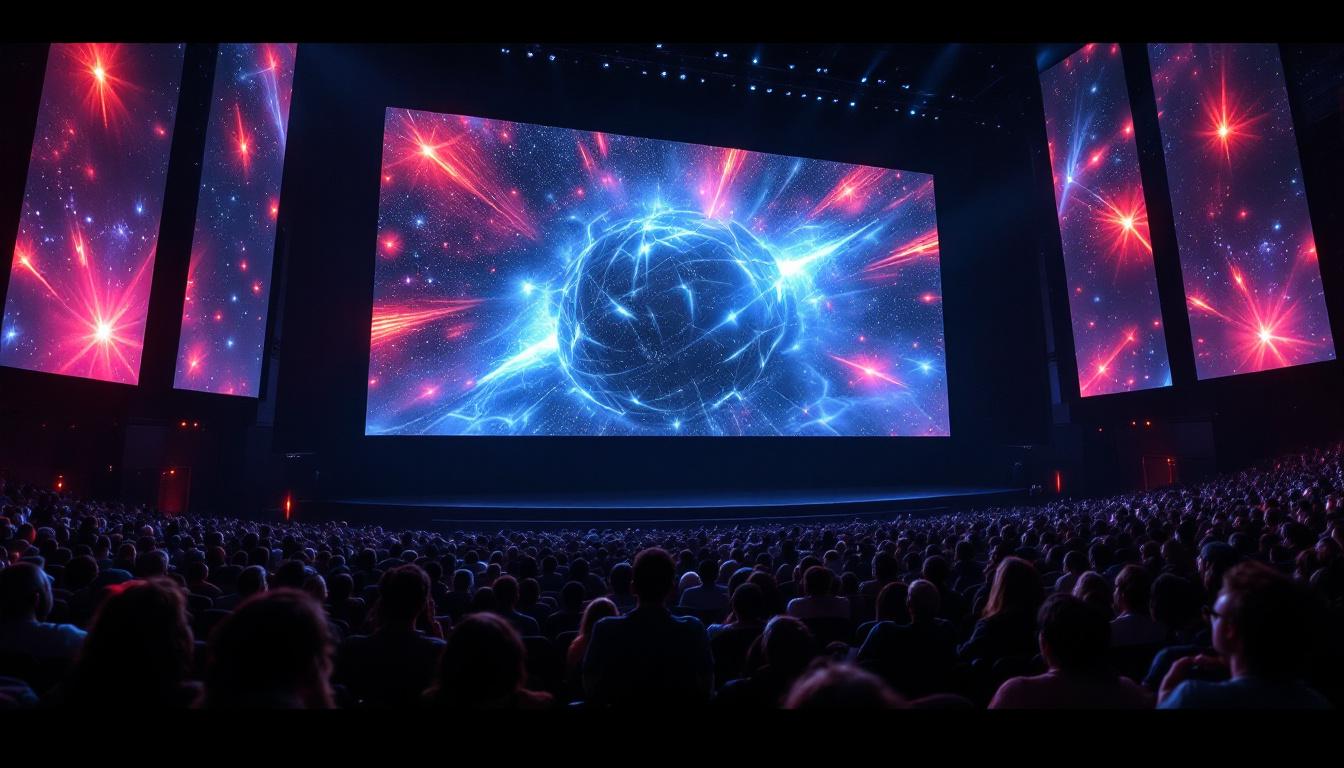
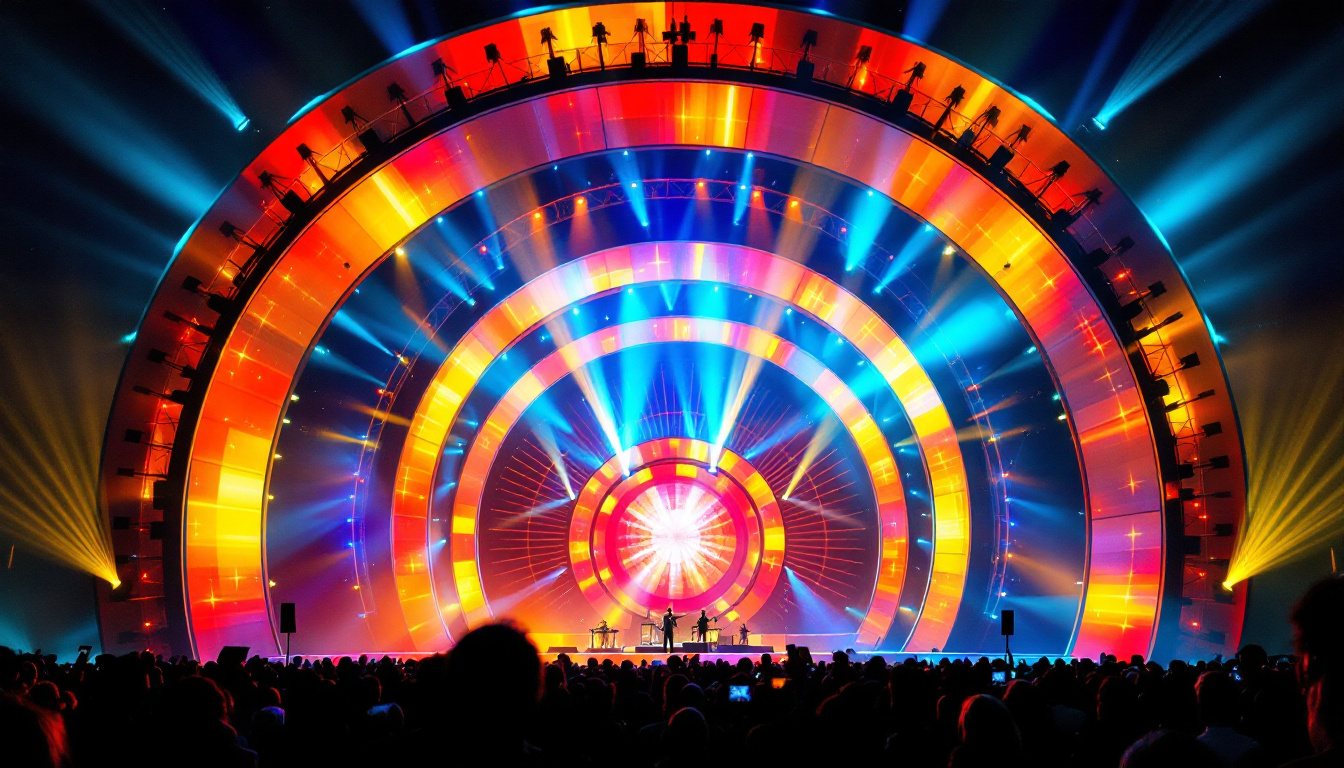
Concerts, festivals, and sporting events rely heavily on LED displays to create immersive experiences. Large-scale LED video walls provide live feeds, visual effects, and real-time information to audiences, enhancing the overall atmosphere. The 2022 FIFA World Cup utilized state-of-the-art LED displays in stadiums worldwide, delivering crisp visuals to millions of viewers both onsite and via broadcast.
Moreover, LED technology enables creative stage designs, including 3D mapping and synchronized lighting effects, pushing the boundaries of live entertainment.
Corporate and Educational Use
In corporate environments, LED displays facilitate communication during meetings, conferences, and training sessions. Their high resolution and color fidelity make them ideal for detailed presentations and video conferencing. Educational institutions also leverage LED displays for digital classrooms, interactive learning, and campus information systems.
Transportation and Public Information
LED displays are widely used in transportation hubs such as airports, train stations, and bus terminals to provide real-time schedules, alerts, and wayfinding information. Their brightness and reliability ensure that critical information is accessible to travelers at all times.
Additionally, smart city initiatives employ LED displays for public safety announcements, traffic management, and community engagement.
Key Considerations When Choosing an LED Display
Selecting the right LED display involves evaluating several technical and practical factors to ensure optimal performance and return on investment.
Viewing Distance and Environment
Understanding the typical viewing distance is crucial for determining the appropriate pixel pitch. For close-up viewing, such as in retail stores or control rooms, a fine pixel pitch is necessary to avoid visible pixelation. Conversely, outdoor billboards viewed from afar can utilize larger pixel pitches without compromising image quality.
Environmental conditions also dictate the choice between indoor and outdoor-rated displays, taking into account factors like weather resistance, brightness requirements, and ambient lighting.
Resolution and Image Quality
The resolution should align with the content type and viewing context. High-resolution displays are essential for detailed graphics and text, while lower resolutions may suffice for simple messages or large-scale visuals viewed from a distance.
Installation and Maintenance
Ease of installation and maintenance impacts long-term operational costs. Modular LED panels allow for scalable setups and easier repairs. Additionally, factors such as power consumption, heat dissipation, and warranty services should be considered.
The Future of LED Displays
LED display technology continues to evolve rapidly, driven by advances in materials science, electronics, and software integration. Emerging trends promise to enhance performance, versatility, and user experience.
Mini-LED and Micro-LED Technologies
Mini-LED and micro-LED represent the next generation of LED displays, featuring significantly smaller diodes that enable even higher resolution, improved contrast ratios, and better energy efficiency. Micro-LED displays, in particular, offer self-emissive pixels similar to OLED but with greater brightness and longevity.
These technologies are poised to revolutionize consumer electronics, including televisions, smartphones, and wearable devices, while also impacting large-scale commercial displays.
Integration with Augmented Reality (AR) and Artificial Intelligence (AI)
Integrating LED displays with AR and AI technologies opens new avenues for interactive and personalized content delivery. AI-driven analytics can optimize content based on audience behavior, while AR overlays can enhance physical environments with digital information.
Such integrations are already being explored in retail, education, and public spaces, creating more engaging and responsive experiences.
Sustainability and Energy Efficiency
As environmental concerns grow, manufacturers are focusing on making LED displays more sustainable. Innovations include using eco-friendly materials, improving energy efficiency, and developing recycling programs for end-of-life components. These efforts align with global initiatives to reduce carbon footprints and promote circular economies.
Conclusion
LED displays have transformed the way information and entertainment are delivered, offering unparalleled brightness, color accuracy, and versatility. Understanding the technology behind these displays, their types, and applications helps businesses and organizations harness their full potential. With ongoing advancements in miniaturization, interactivity, and sustainability, LED displays will continue to illuminate the future of visual communication.
Illuminate Your Space with LumenMatrix
Ready to elevate your visual communication with cutting-edge LED display technology? LumenMatrix is at the forefront of innovation, offering a wide array of LED display modules tailored to your needs. From captivating Indoor LED Wall Displays to dynamic Outdoor LED Wall Displays, and from versatile Vehicle LED Displays to engaging LED Sports Displays, our solutions are designed to enhance brand visibility and create mesmerizing visual experiences. Embrace the future of digital signage with LumenMatrix and let us help you share your message with unparalleled impact and clarity. Check out LumenMatrix LED Display Solutions today and transform your space into a beacon of engagement.