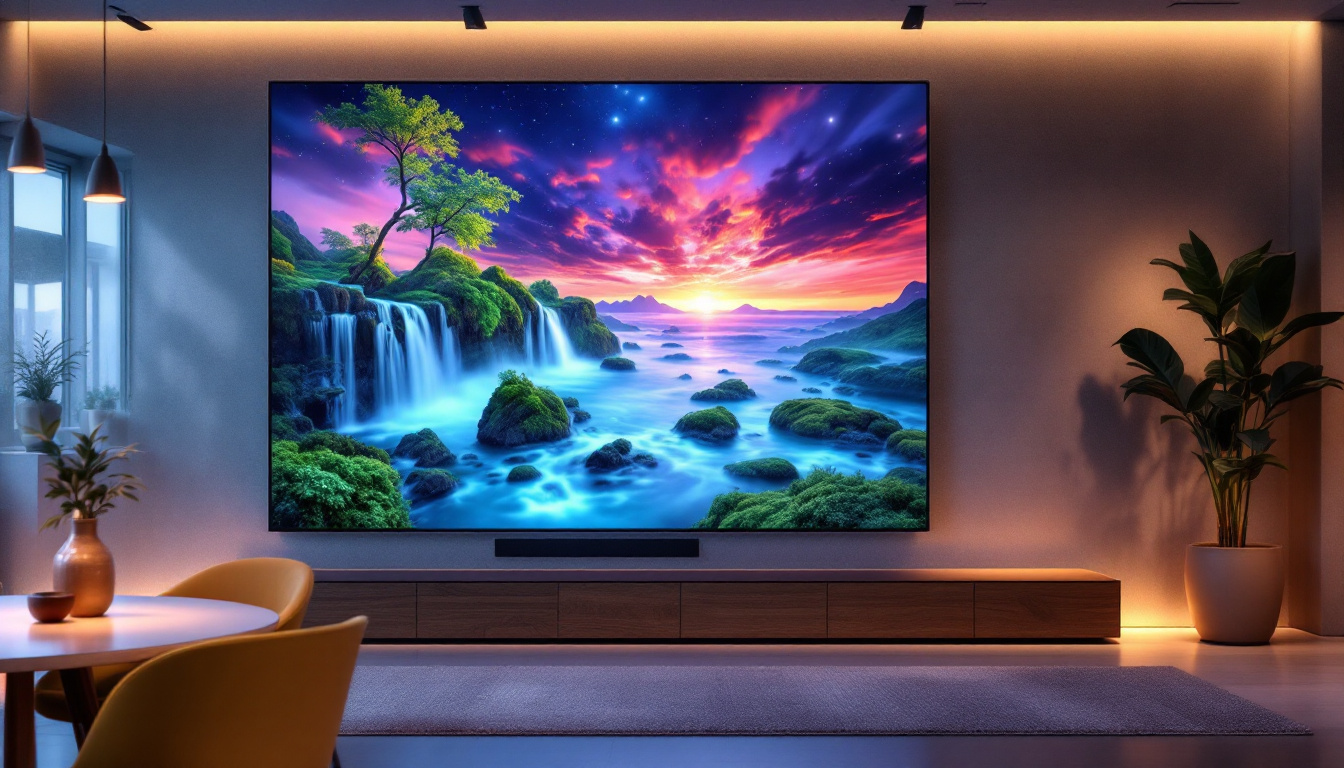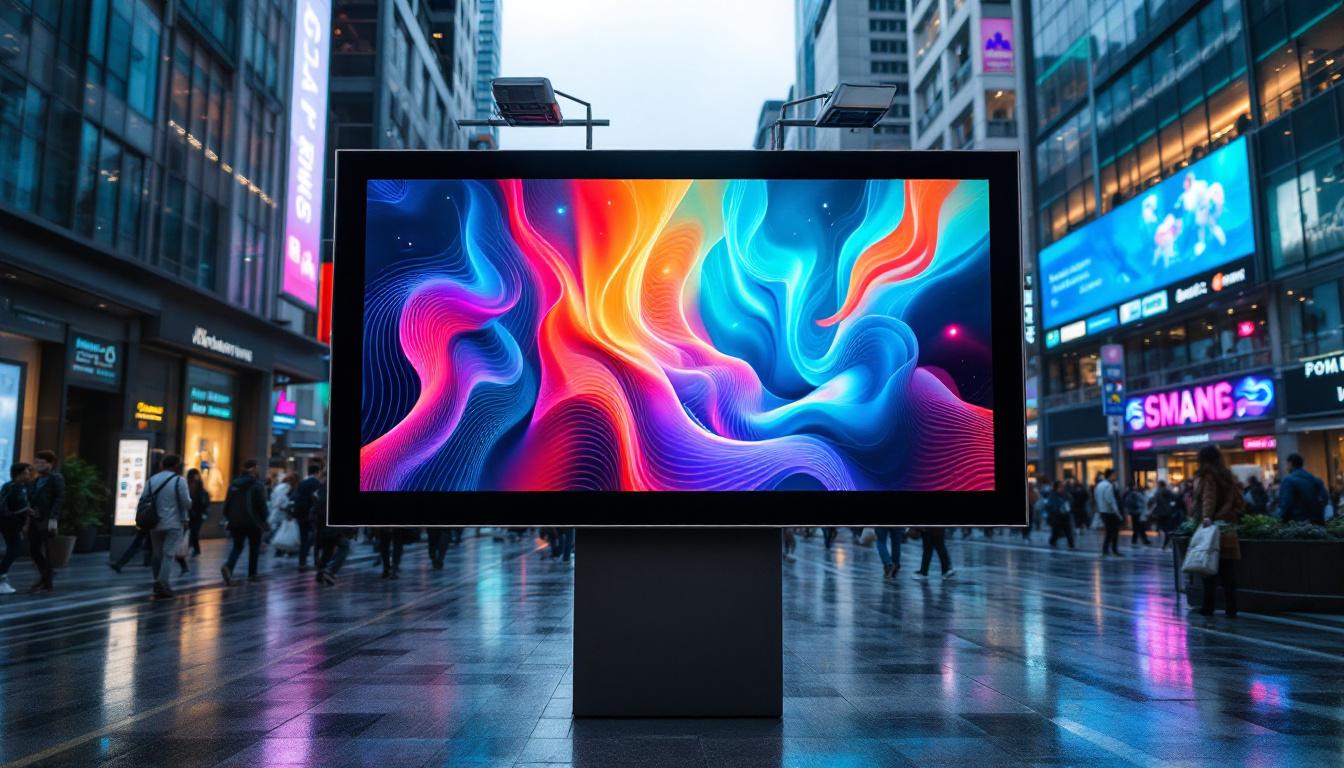
In today’s fast-paced digital world, businesses and organizations are constantly seeking innovative ways to capture attention and communicate effectively. Digital signage has emerged as a powerful tool in this regard, with LED display TVs leading the charge as one of the most dynamic and versatile solutions. This article delves into the world of LED digital signage displays, explaining what they are, how they work, and why they have become the preferred choice for modern digital communication.
Understanding Digital Signage and LED Display TVs
Digital signage refers to the use of digital screens to display content such as advertisements, information, or entertainment in public and private spaces. Unlike traditional static signs, digital signage can be updated in real-time, allowing for dynamic and interactive content delivery. This flexibility enables businesses to tailor their messaging based on time of day, audience demographics, or even current events, making it a powerful tool for engagement and communication.
LED display TVs are a specific type of digital signage technology that utilize Light Emitting Diodes (LEDs) to produce bright, high-quality images. These displays are known for their vivid colors, energy efficiency, and long lifespan, making them ideal for both indoor and outdoor digital signage applications. The ability to showcase high-definition video and graphics means that advertisers can create eye-catching campaigns that capture the attention of passersby, enhancing brand visibility and customer interaction.
What Is an LED Display TV?
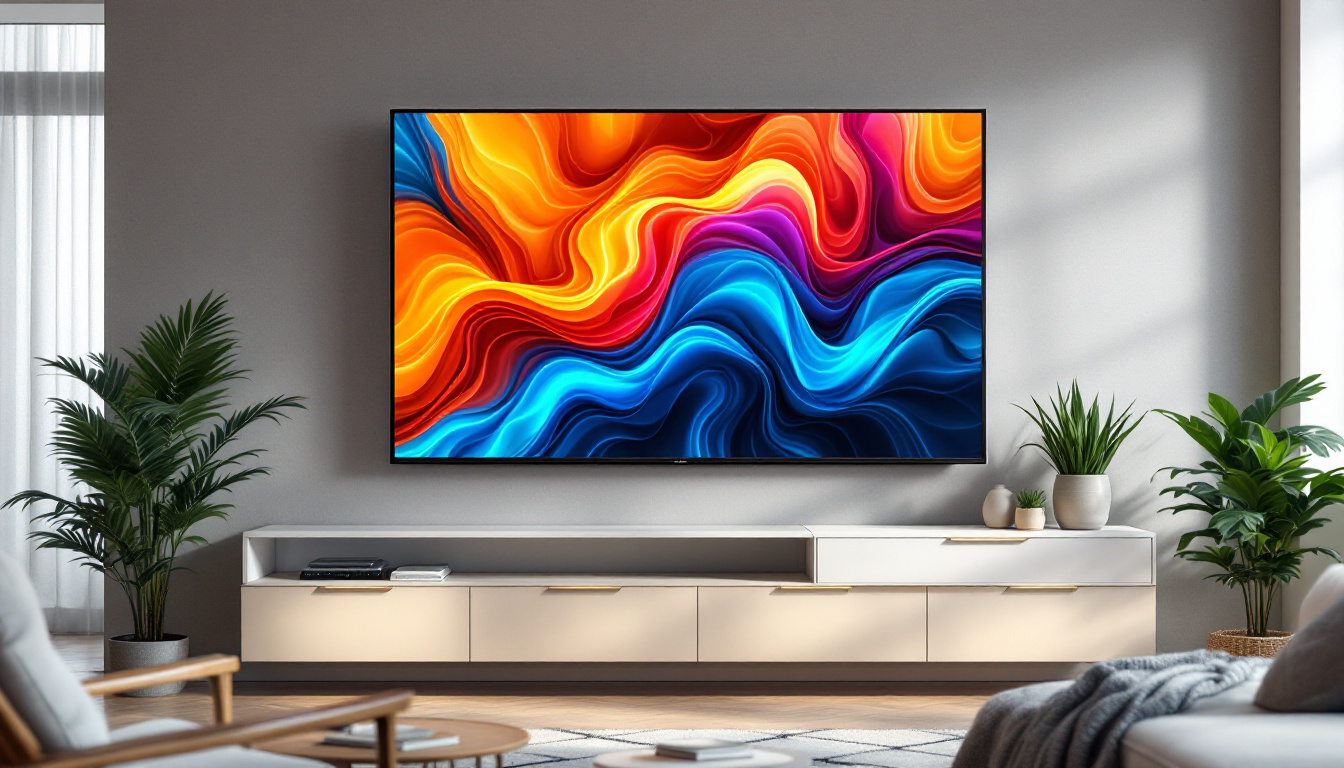
LED display TVs are flat-panel displays that use an array of light-emitting diodes as pixels to create images. Unlike older LCD screens that rely on fluorescent backlighting, LED TVs use LEDs either as backlights or as the actual pixels themselves (in the case of OLED or microLED technologies). This results in better brightness, contrast, and color accuracy. The advancements in LED technology have also led to thinner and lighter displays, making installation and integration into various environments much more manageable.
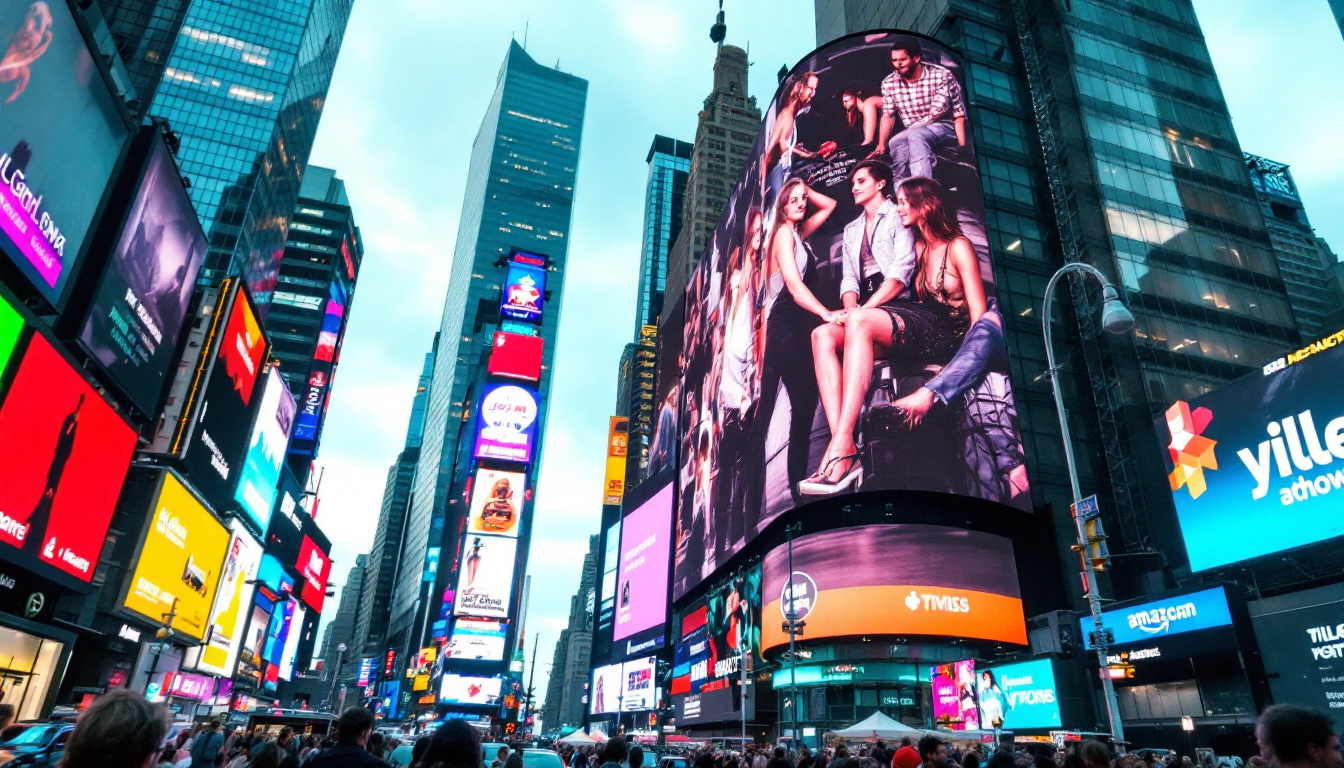
In the context of digital signage, LED display TVs are often larger and designed to withstand continuous operation. They can range from small screens used in retail environments to massive video walls displayed in stadiums or urban centers. The versatility of LED displays allows them to be used in a wide range of applications, from showcasing promotional content in shopping malls to providing real-time information in transportation hubs, enhancing the overall experience for viewers.
How LED Displays Work
The core technology behind LED displays involves tiny diodes that emit light when an electric current passes through them. These LEDs are arranged in a grid, with each diode representing a pixel or part of a pixel. By controlling the intensity and color of each LED, the display can render images and video with remarkable clarity. This precision in control allows for stunning visuals that can be adjusted for various lighting conditions, ensuring optimal viewing experiences regardless of the environment.
There are two main types of LED displays used in digital signage:
- Direct View LED (DV-LED): Each pixel is an individual LED or cluster of LEDs, allowing for extremely bright and vibrant displays. These are often used in large-scale outdoor signage, where visibility from a distance is crucial. Their resilience against weather conditions makes them ideal for outdoor advertising, concerts, and public events.
- LED-backlit LCD: Traditional LCD panels that use LEDs as a backlight source. These are common in smaller indoor digital signage solutions, where space is often at a premium. Their ability to produce high-quality images while maintaining a slim profile makes them a popular choice for retail displays and corporate environments.
In addition to their visual appeal, LED displays also offer significant advantages in terms of energy consumption. With advancements in technology, modern LED displays are designed to be more energy-efficient, reducing operating costs for businesses while also contributing to sustainability efforts. This eco-friendly aspect is increasingly important as companies seek to minimize their carbon footprint and appeal to environmentally conscious consumers.
Furthermore, the integration of smart technology into LED displays has opened up new possibilities for interactivity and data analytics. Many modern digital signage solutions come equipped with sensors and software that can track viewer engagement, allowing businesses to analyze the effectiveness of their campaigns in real-time. This data-driven approach enables more informed decision-making and helps optimize content for maximum impact.
Advantages of LED Display TVs for Digital Signage
LED display TVs offer numerous benefits that make them a top choice for digital signage applications. Understanding these advantages helps businesses and organizations make informed decisions when investing in digital signage technology.
Superior Brightness and Visibility
One of the standout features of LED displays is their brightness. LED screens can achieve brightness levels exceeding 1,000 nits, which is significantly higher than traditional LCD screens. This makes LED digital signage highly visible even in direct sunlight, an essential factor for outdoor advertising and informational displays.
High brightness ensures that messages are clear and legible, increasing the effectiveness of the signage in attracting attention and conveying information.
Energy Efficiency and Longevity
LED technology is renowned for its energy efficiency. Compared to older display technologies like plasma or fluorescent backlit LCDs, LED displays consume less power, reducing operational costs over time. This is particularly important for digital signage that runs continuously, such as in transportation hubs or retail stores.
Additionally, LEDs have a longer lifespan, often rated for 50,000 to 100,000 hours of operation. This durability minimizes maintenance and replacement costs, making LED displays a cost-effective long-term investment.
Vibrant Color and High Contrast
LED displays offer superior color reproduction and contrast ratios. The ability to produce deep blacks and bright whites enhances image quality, making content more engaging and visually appealing. This is crucial for marketing messages where color vibrancy can influence consumer perception and behavior.
Flexibility and Scalability
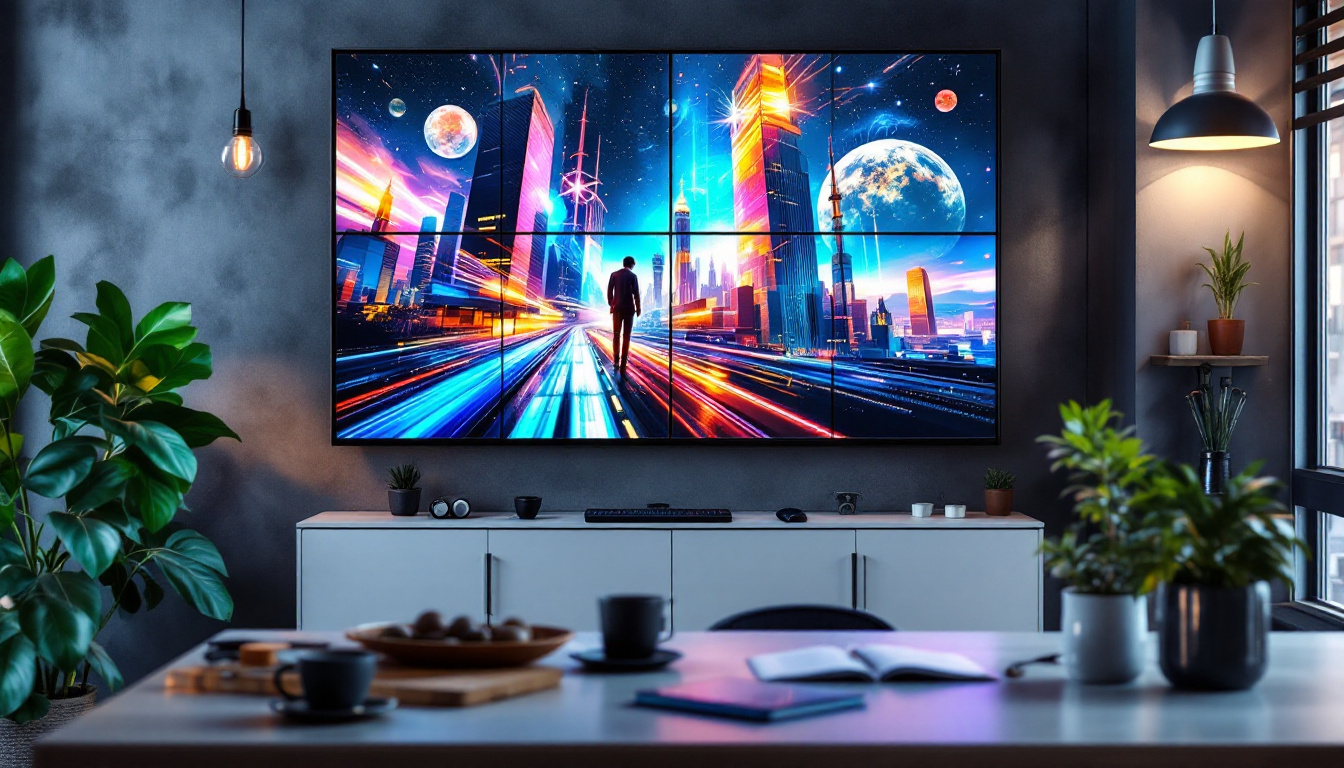
LED digital signage can be customized in size and shape to fit various environments. Modular LED panels can be combined to create large video walls or uniquely shaped displays, allowing for creative and impactful installations. This flexibility supports diverse applications, from small retail kiosks to massive outdoor billboards.
Applications of LED Display TVs in Digital Signage
The versatility of LED display TVs has led to their adoption across multiple industries and settings. Here are some of the most common applications where LED digital signage excels.
Retail and Advertising
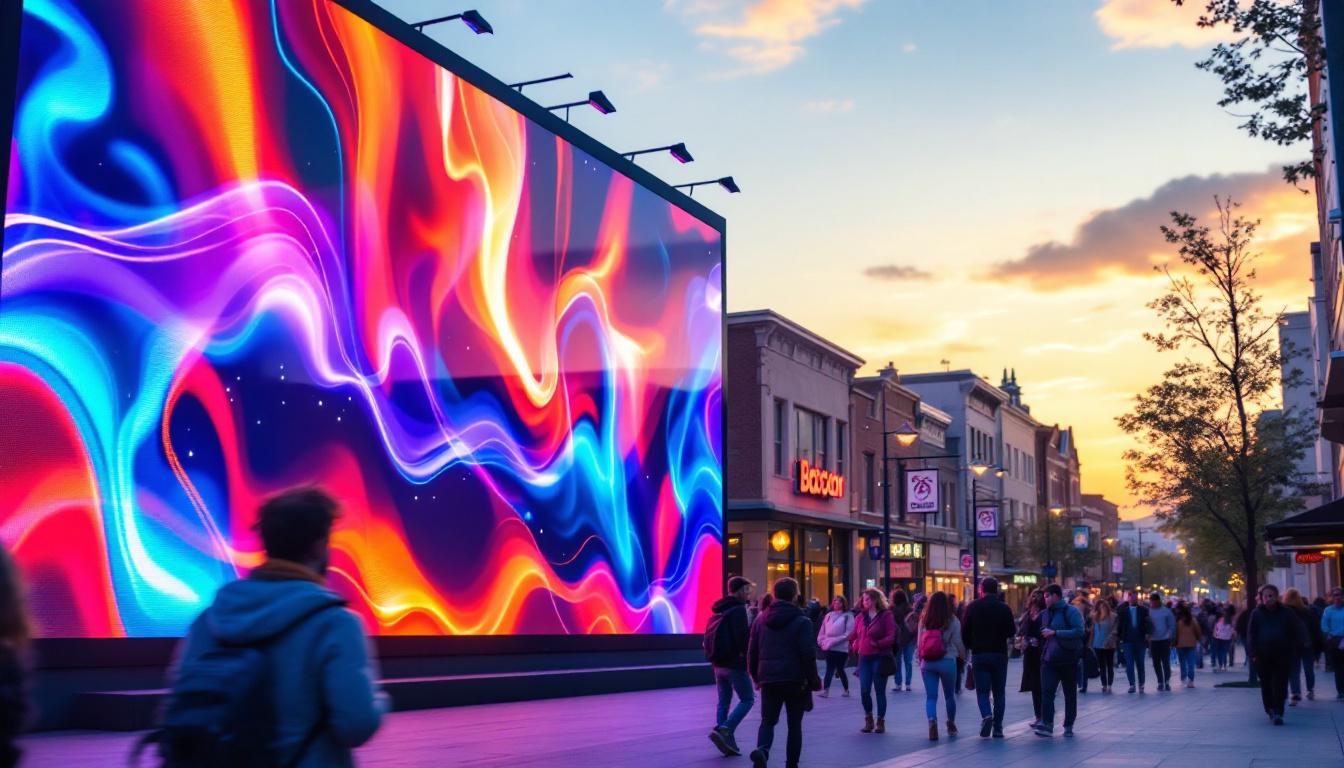
Retailers use LED displays to showcase promotions, new products, and brand messaging. The dynamic nature of LED signage allows for real-time updates and targeted advertising, enhancing customer engagement and driving sales. For example, fashion stores often use LED video walls to create immersive brand experiences that attract foot traffic.
Transportation and Public Spaces
Airports, train stations, and bus terminals rely on LED digital signage for wayfinding, schedules, and emergency notifications. The high visibility and reliability of LED displays ensure that important information reaches travelers promptly and clearly, improving overall user experience.
Corporate and Educational Environments
In corporate settings, LED signage is used for internal communications, event displays, and visitor information. Educational institutions deploy LED displays for announcements, event promotions, and interactive learning tools, benefiting from the technology’s clarity and adaptability.
Entertainment and Sports Venues
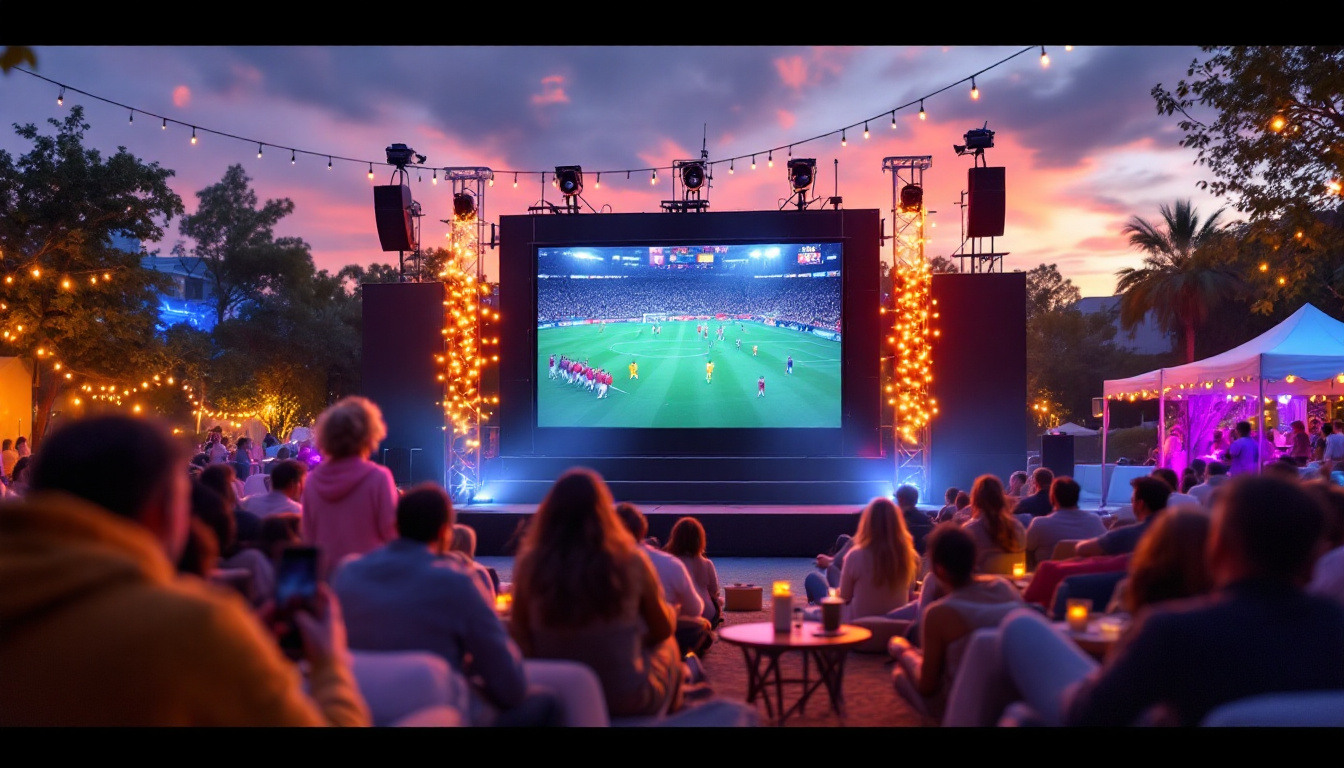
Stadiums and arenas utilize large-scale LED video walls to enhance the spectator experience with live game footage, replays, and advertisements. The brightness and size of these displays ensure visibility from any seat, creating an immersive environment.
Choosing the Right LED Display TV for Your Digital Signage Needs
Selecting the appropriate LED display TV involves considering several factors to ensure the technology aligns with the specific requirements of the application.
Indoor vs. Outdoor Use
Outdoor LED displays must withstand environmental challenges such as weather, temperature fluctuations, and direct sunlight. These displays are typically brighter, more rugged, and sealed against moisture and dust. Indoor displays, while less exposed to harsh conditions, focus more on resolution and viewing angles.
Resolution and Pixel Pitch
Resolution refers to the number of pixels on the display, affecting image clarity. Pixel pitch—the distance between the centers of adjacent pixels—is crucial for determining optimal viewing distance. Smaller pixel pitches provide higher resolution and are better for close-up viewing, while larger pitches are suitable for distant viewing environments like billboards.
Size and Aspect Ratio
The physical size and aspect ratio of the LED display should match the space and content needs. For example, widescreen formats are common for video content, while custom shapes may be used for artistic or branding purposes.
Content Management and Connectivity
Modern LED digital signage systems often come with content management software that allows for easy scheduling, updating, and remote control of displays. Connectivity options such as Wi-Fi, Ethernet, and USB support seamless integration with existing networks and content sources.
Future Trends in LED Digital Signage
The digital signage industry continues to evolve rapidly, with LED display technology at the forefront of innovation. Understanding emerging trends can help businesses stay ahead and maximize the impact of their digital signage investments.
MicroLED and OLED Technologies
MicroLED and OLED displays represent the next generation of LED technology, offering even higher brightness, contrast, and energy efficiency. MicroLED, in particular, promises modular and scalable displays with superior durability, ideal for large-scale digital signage.
Interactive and Smart Displays
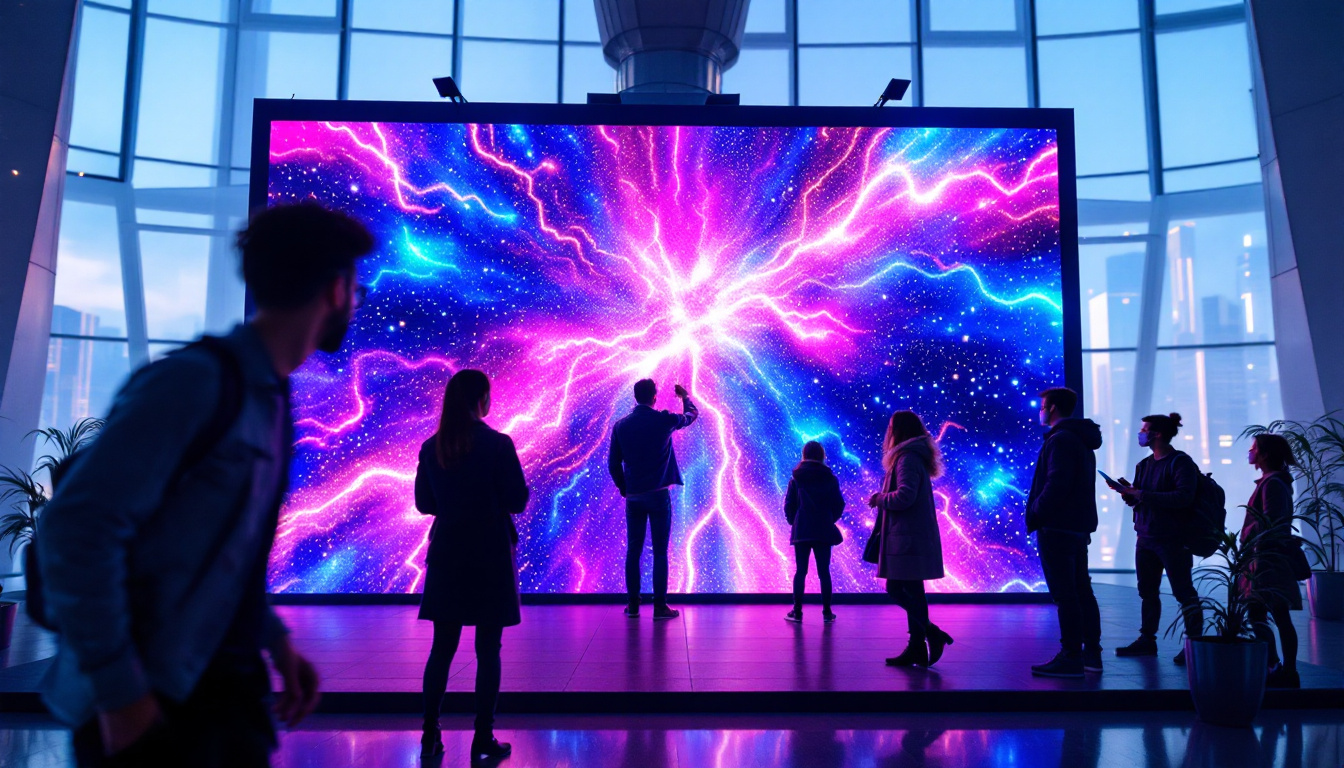
Integration of touchscreens, sensors, and AI-driven content personalization is transforming LED signage into interactive platforms. These smart displays can adapt content based on audience demographics, behavior, and environmental factors, enhancing engagement and effectiveness.
Integration with IoT and Data Analytics
LED digital signage is increasingly connected to the Internet of Things (IoT), enabling real-time data collection and analytics. This connectivity allows for dynamic content adjustments based on weather, traffic, or social media trends, providing highly relevant messaging to viewers.
Conclusion
LED display TVs have revolutionized digital signage by offering bright, energy-efficient, and versatile solutions capable of delivering compelling visual content across diverse environments. Their superior image quality, durability, and adaptability make them an indispensable tool for businesses and organizations aiming to communicate effectively in an increasingly digital landscape.
As technology advances, LED digital signage will continue to evolve, integrating smarter features and more immersive experiences. Understanding the fundamentals of LED displays and their applications empowers decision-makers to leverage this technology to its fullest potential, driving engagement, brand awareness, and operational efficiency.
Explore Cutting-Edge LED Display Solutions with LumenMatrix
Ready to elevate your digital signage strategy with the latest in LED display technology? LumenMatrix is at the forefront of innovation, offering a diverse range of LED display solutions tailored to your unique needs. From Indoor and Outdoor LED Wall Displays to specialized options like Vehicle, Sports, and Floor LED Displays, our products are designed to captivate and engage your audience. Discover the transformative power of Custom, All-in-One, and Transparent LED Displays and see how our commitment to revolutionizing visual communication can amplify your brand’s message. Check out LumenMatrix LED Display Solutions today and step into the future of dynamic and impactful digital signage.