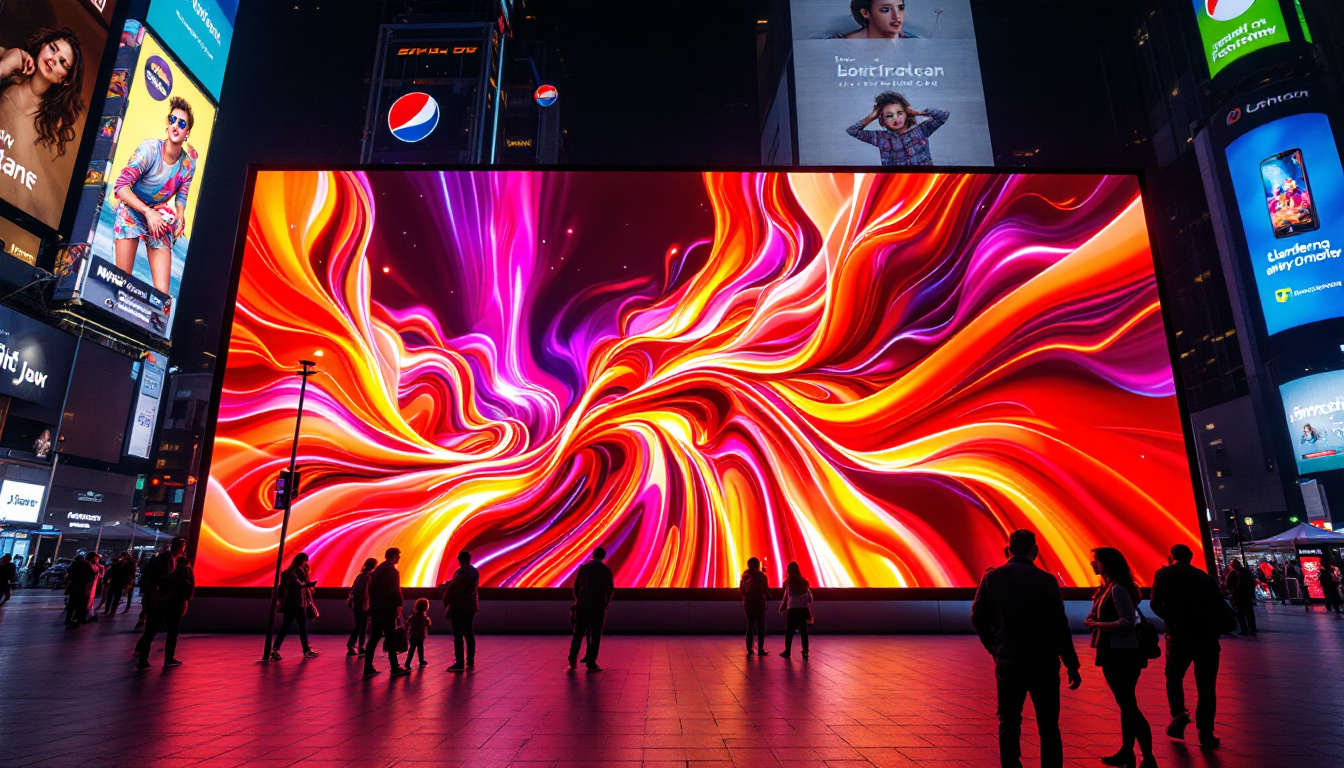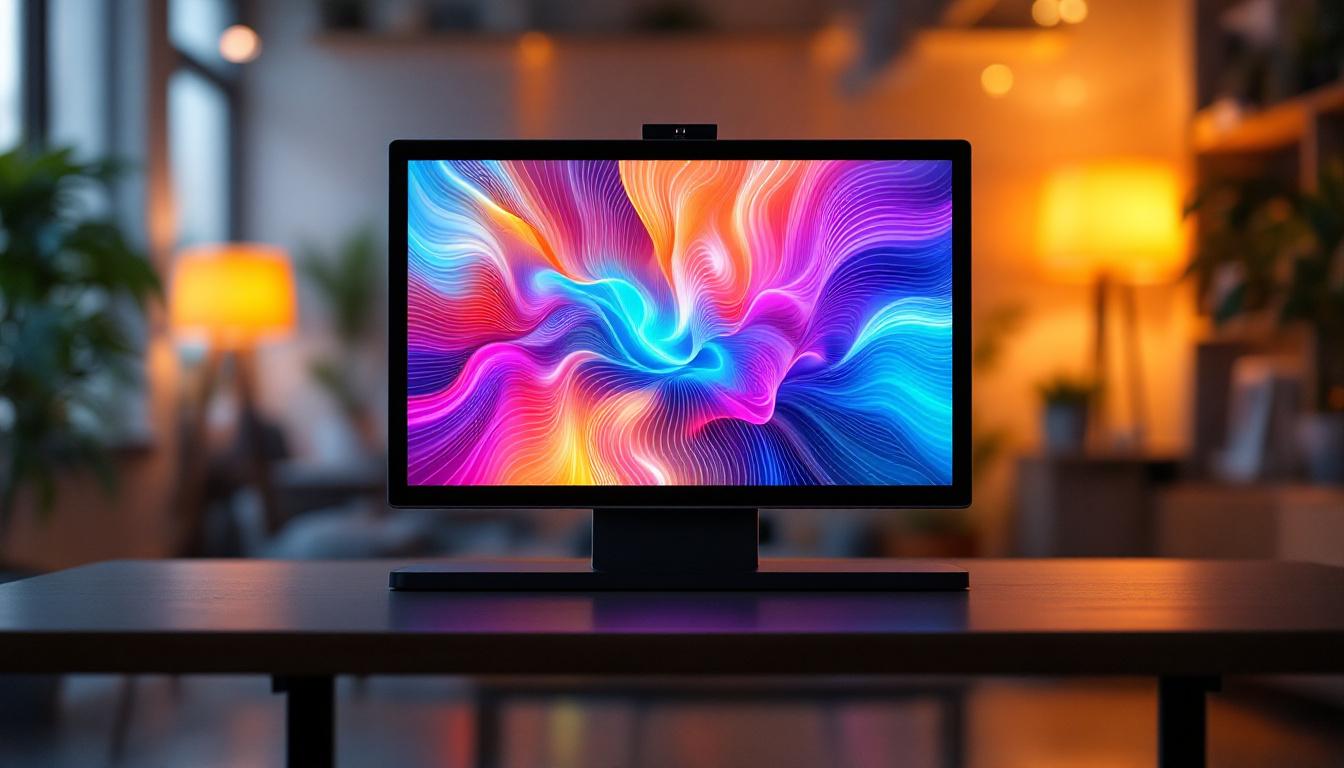
In recent years, LED technology has revolutionized the way visual content is displayed across numerous industries. From advertising billboards to wearable devices, LED displays have become an integral part of modern communication. Among the various types of LED displays, small LED screen displays stand out due to their versatility, high resolution, and energy efficiency. This article delves into the fundamentals of small LED screen displays, exploring their technology, applications, advantages, and future trends.
Understanding Small LED Screen Displays
Small LED screen displays refer to compact panels that use light-emitting diodes (LEDs) to produce images and videos. Unlike traditional LCD or plasma screens, LED displays use individual diodes as pixels, which emit light directly. This direct emission results in brighter images, higher contrast ratios, and better energy efficiency. These displays are becoming increasingly popular in various applications, from retail signage to personal devices, due to their versatility and superior performance.
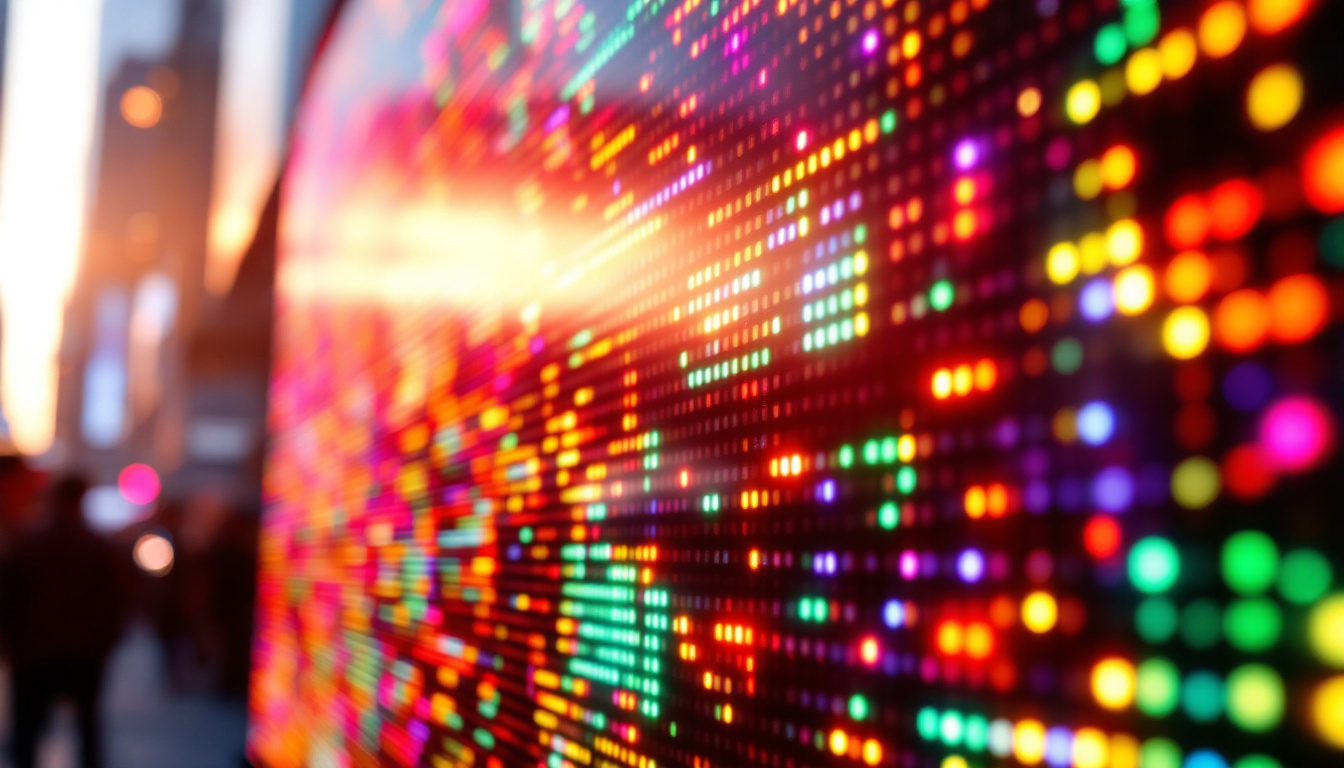
Typically, these displays range in size from a few inches to around 32 inches diagonally, making them ideal for close-range viewing. The pixel pitch—the distance between the centers of two adjacent LEDs—is a critical factor in determining the display’s resolution and clarity. Smaller pixel pitches, such as 0.9mm or 1.2mm, are common in small LED displays, allowing for crisp, detailed images even at close distances. This fine pixel density is particularly beneficial in environments where viewers are likely to be close to the screen, such as in retail displays or conference room presentations.
How Do Small LED Displays Work?
Each pixel in an LED display consists of red, green, and blue diodes. By varying the intensity of these diodes, the display can produce a wide spectrum of colors. The control system modulates the current supplied to each diode, enabling precise color rendering and brightness control. This technology allows for dynamic content, including animations and videos, to be displayed with vibrant colors and sharp details. Furthermore, advancements in software and processing capabilities have enhanced the ability of these displays to adapt to different lighting conditions, ensuring optimal visibility in both bright and dim environments.
Additionally, small LED displays often employ surface-mounted device (SMD) technology, where LEDs are mounted directly onto the circuit board. SMD LEDs contribute to thinner, lighter screens with better viewing angles and uniform brightness. This design not only improves the aesthetic appeal of the displays but also enhances their durability, making them suitable for a variety of settings, including outdoor applications where exposure to the elements is a concern. The integration of smart technology into these displays has also opened up new possibilities, such as remote content management and real-time updates, making them an invaluable tool for businesses looking to engage their audience effectively.
Applications of Small LED Screen Displays
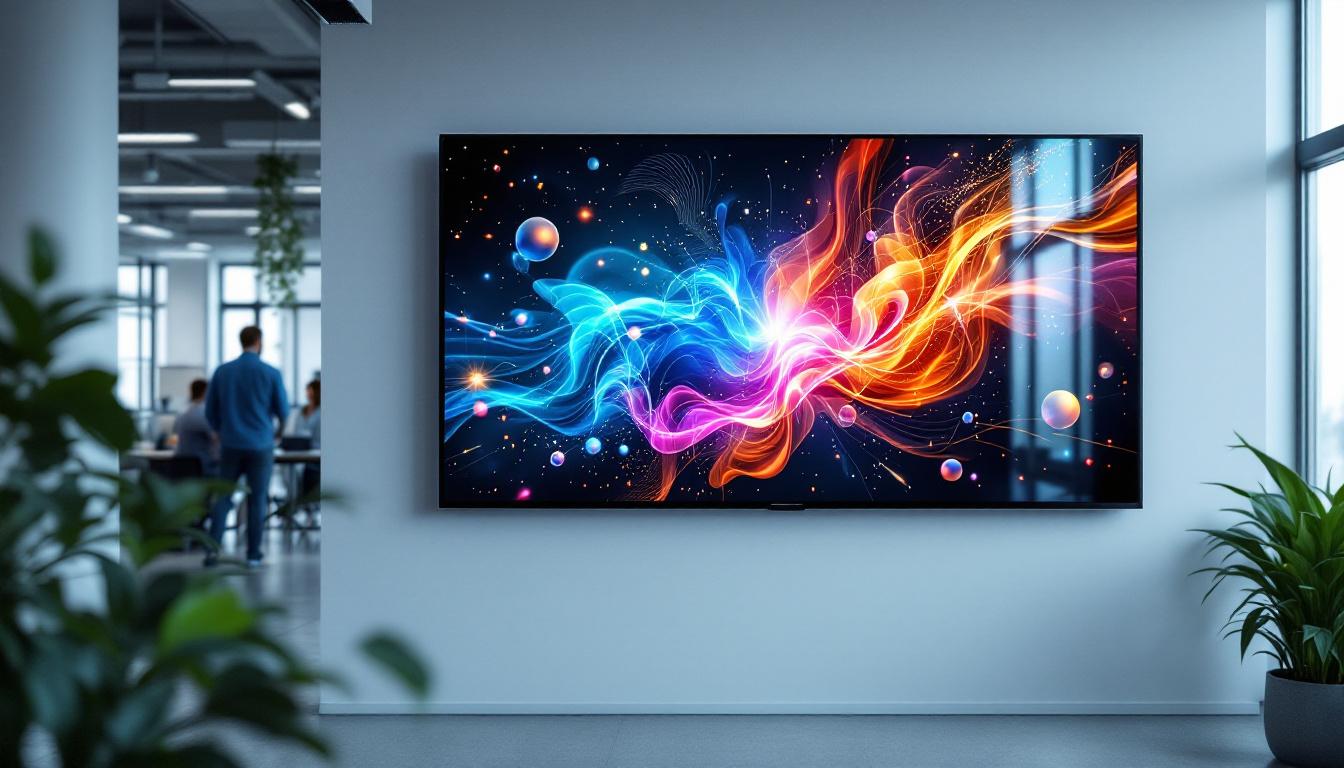
Small LED screens have found applications across various sectors due to their adaptability and performance. Their compact size makes them suitable for environments where space is limited but high-quality visuals are essential.
Retail and Advertising
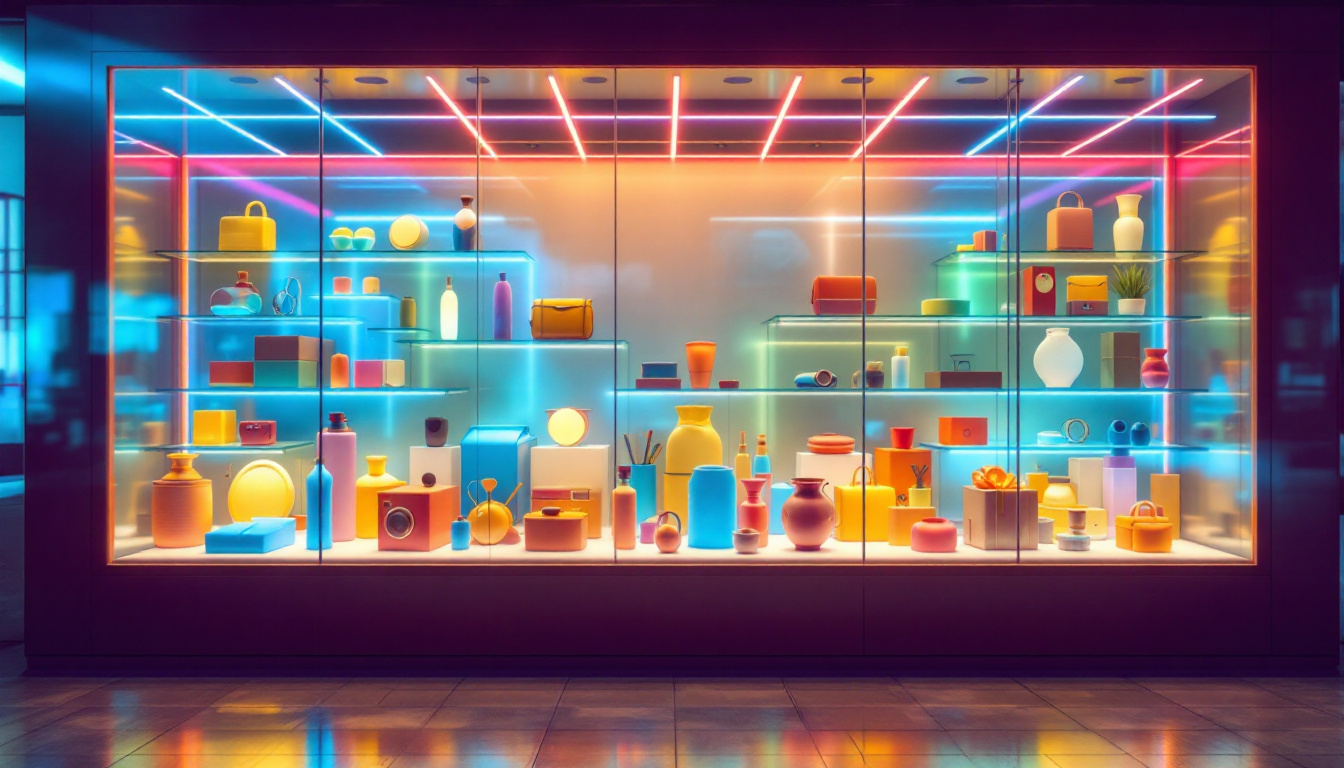
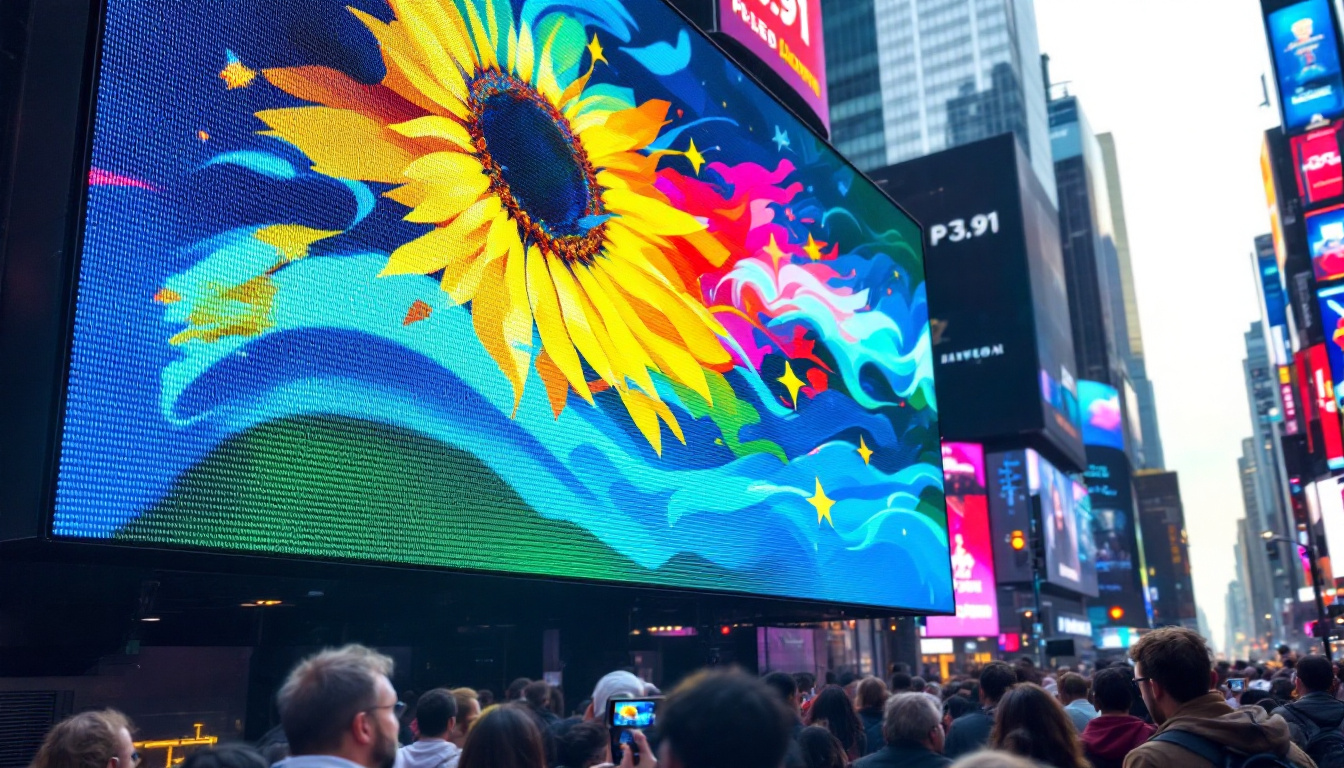
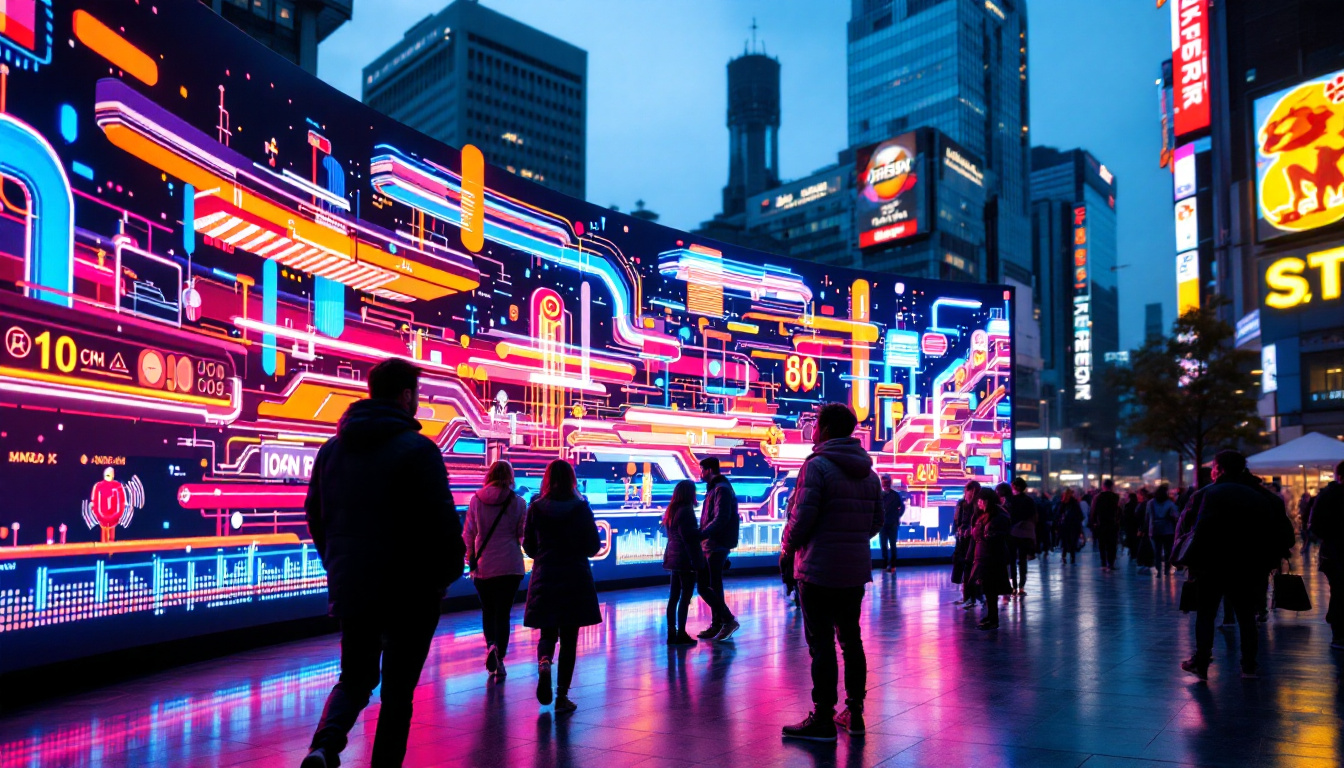
In retail, small LED displays are widely used for digital signage, price tags, and promotional displays. Their brightness and clarity make them effective for attracting customer attention even in brightly lit environments. For example, luxury brands often use small LED screens in storefront windows to showcase dynamic advertisements and product information.
Moreover, interactive LED displays enable customers to engage with content, enhancing the shopping experience. The ability to update content remotely and instantly is a significant advantage over traditional printed signs.
Healthcare and Medical Devices
Medical devices frequently incorporate small LED displays to provide real-time data and user interfaces. For instance, portable diagnostic equipment, patient monitors, and wearable health trackers utilize small LED screens for clear and immediate information delivery. The high contrast and readability under various lighting conditions are critical in medical settings where accuracy is paramount.
Consumer Electronics
Small LED displays are prevalent in consumer electronics such as smartwatches, fitness bands, and handheld gaming devices. Their low power consumption extends battery life, while their vivid colors enhance user interaction. For example, many smartwatches now feature micro-LED technology, a variant of LED displays that offers even higher pixel density and efficiency.
Industrial and Transportation Sectors
In industrial environments, small LED screens display essential operational data on machinery and control panels. Their durability and visibility in harsh conditions make them suitable for factories and outdoor equipment. Similarly, transportation systems use small LED displays for passenger information, such as bus stop signs and train schedules, where clear and timely information is vital.
Advantages of Small LED Screen Displays
Small LED displays offer numerous benefits over other display technologies, making them an attractive choice for various applications.
Energy Efficiency
LEDs consume significantly less power than LCD or plasma displays. This efficiency is particularly important for battery-powered devices and applications where energy costs are a concern. Studies show that LED displays can reduce energy consumption by up to 50% compared to traditional display technologies, contributing to sustainability goals.
Brightness and Visibility
One of the standout features of LED displays is their high brightness levels, often exceeding 1,000 nits. This brightness ensures readability in direct sunlight and brightly lit indoor environments. Small LED screens maintain this advantage, making them suitable for outdoor signage and wearable devices used in daylight.
Longevity and Durability
LEDs have a longer lifespan compared to other light sources, often rated for 50,000 to 100,000 hours of use. Small LED displays are also more resistant to shock and vibration due to their solid-state nature. This durability reduces maintenance costs and downtime, especially in industrial and outdoor applications.
Color Accuracy and Contrast
Because LEDs emit light directly, they offer superior contrast ratios and color accuracy. Blacks appear truly black rather than dark gray, enhancing image depth and realism. This quality is essential for applications requiring precise color representation, such as medical imaging and high-end retail displays.
Technological Innovations in Small LED Displays
The LED display industry continues to evolve rapidly, with innovations enhancing the performance and expanding the applications of small LED screens.
Micro-LED Technology
Micro-LED is an emerging technology that uses microscopic LEDs to create displays with even higher resolution and brightness. Micro-LED displays boast pixel pitches as small as 0.5mm or less, enabling ultra-high-definition visuals on very small screens. This technology also offers improved energy efficiency and longer lifespans compared to traditional LEDs.
Major electronics manufacturers are investing heavily in micro-LED development, anticipating its adoption in next-generation smartwatches, augmented reality (AR) devices, and smartphones.
Flexible and Transparent LED Displays
Advancements in materials science have led to flexible and transparent LED displays. Flexible small LED screens can bend or curve, opening new possibilities for wearable technology and innovative product designs. Transparent LED displays allow images to be projected on glass surfaces without obstructing the view, ideal for retail windows and automotive heads-up displays.
Integration with IoT and Smart Systems
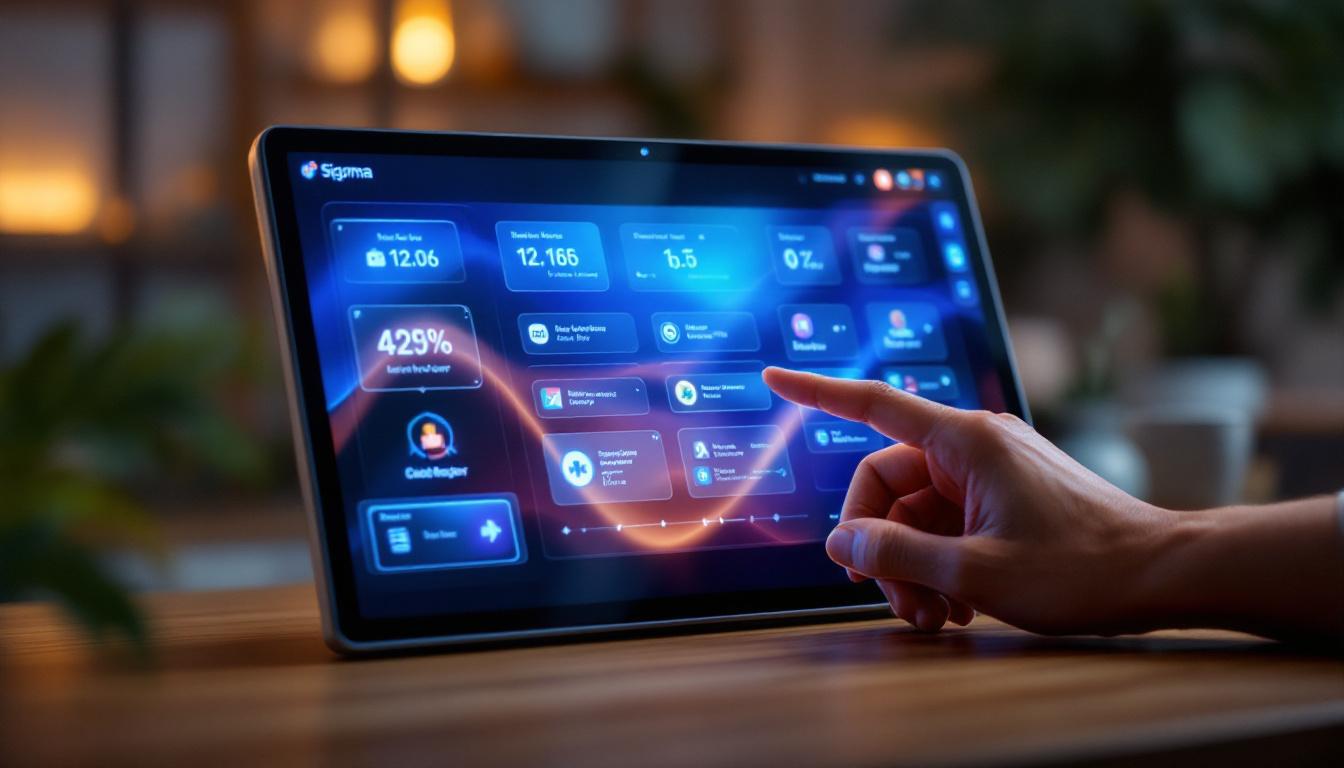
Small LED displays increasingly integrate with Internet of Things (IoT) platforms, enabling real-time data visualization and remote control. For example, smart home devices use small LED screens to display status updates and notifications, while industrial IoT systems visualize sensor data for predictive maintenance.
Choosing the Right Small LED Screen Display
Selecting the appropriate small LED display depends on several factors related to the intended application, environment, and budget.
Resolution and Pixel Pitch
Higher resolution and smaller pixel pitch are essential for applications requiring detailed images and close viewing distances. For example, medical monitors and wearable devices benefit from pixel pitches below 1.5mm, while less demanding signage can use larger pitches to reduce costs.
Brightness and Viewing Angle
Consider the ambient lighting conditions where the display will be used. Outdoor or brightly lit indoor environments require higher brightness levels, typically above 1,000 nits. Viewing angle is also critical; SMD LED technology offers wide viewing angles, ensuring consistent image quality from different perspectives.
Durability and Environmental Resistance
For industrial or outdoor use, displays should have robust enclosures with IP ratings indicating resistance to dust and moisture. Shock and vibration resistance are also important for mobile or harsh environment applications.
Power Consumption and Connectivity
Energy efficiency is vital for battery-operated devices. Additionally, consider connectivity options such as HDMI, USB, or wireless interfaces to ensure compatibility with existing systems and ease of content updates.
Future Trends and Market Outlook
The small LED screen display market is poised for significant growth, driven by technological advancements and expanding applications.
Market Growth Projections
According to recent market research, the global LED display market is expected to grow at a compound annual growth rate (CAGR) of around 12% over the next five years. The small LED display segment is a key contributor, fueled by demand in consumer electronics, healthcare, and retail sectors.
Emerging Use Cases
Augmented reality (AR) and virtual reality (VR) devices are increasingly incorporating small LED displays due to their high resolution and brightness. Wearable technology, including smart glasses and fitness devices, will continue to push the boundaries of display miniaturization and performance.
Furthermore, smart cities initiatives are adopting small LED displays for real-time public information systems, enhancing urban mobility and safety.
Sustainability and Energy Efficiency
As environmental concerns grow, manufacturers are focusing on developing LED displays with lower power consumption and recyclable materials. Innovations in micro-LED and organic LED (OLED) hybrids aim to reduce the carbon footprint of display technologies while maintaining performance.
Conclusion
Small LED screen displays represent a dynamic and rapidly evolving segment of the display technology landscape. Their superior brightness, energy efficiency, and versatility make them indispensable across a wide range of industries. From retail signage and medical devices to consumer electronics and industrial applications, these displays offer unmatched performance in compact form factors.
With ongoing innovations such as micro-LED technology and flexible displays, the future promises even greater capabilities and new applications. For businesses and consumers alike, understanding the features and benefits of small LED displays is crucial to leveraging their full potential in an increasingly visual world.
Discover LumenMatrix’s Advanced LED Display Solutions
Ready to elevate your visual display capabilities? LumenMatrix is at the forefront of LED display innovation, offering a wide array of cutting-edge solutions that cater to your unique needs. Whether you’re looking for Indoor LED Walls, Outdoor Displays, Vehicle LED Displays, or specialized options like LED Sports Displays and Transparent LED Displays, LumenMatrix has the technology to bring your vision to life. Experience the power of enhanced engagement and crystal-clear messaging with our LED display modules. Check out LumenMatrix LED Display Solutions today and transform the way you communicate visually.