In the rapidly evolving world of digital signage and visual communication, LED displays have emerged as a cornerstone technology. From vibrant billboards towering over cityscapes to intricate indoor screens enhancing retail experiences, LED displays offer unparalleled brightness, flexibility, and durability. This article delves into the fundamentals of LED displays, exploring their technology, applications, and the reasons behind their growing dominance in various industries.
Understanding LED Display Technology
What is an LED Display?
LED stands for Light Emitting Diode, a semiconductor device that emits light when an electric current passes through it. An LED display is a flat panel that uses an array of these tiny LEDs as pixels to create images, videos, or text. Unlike traditional LCD or plasma screens, LED displays generate their own light, which contributes to their brightness and energy efficiency.
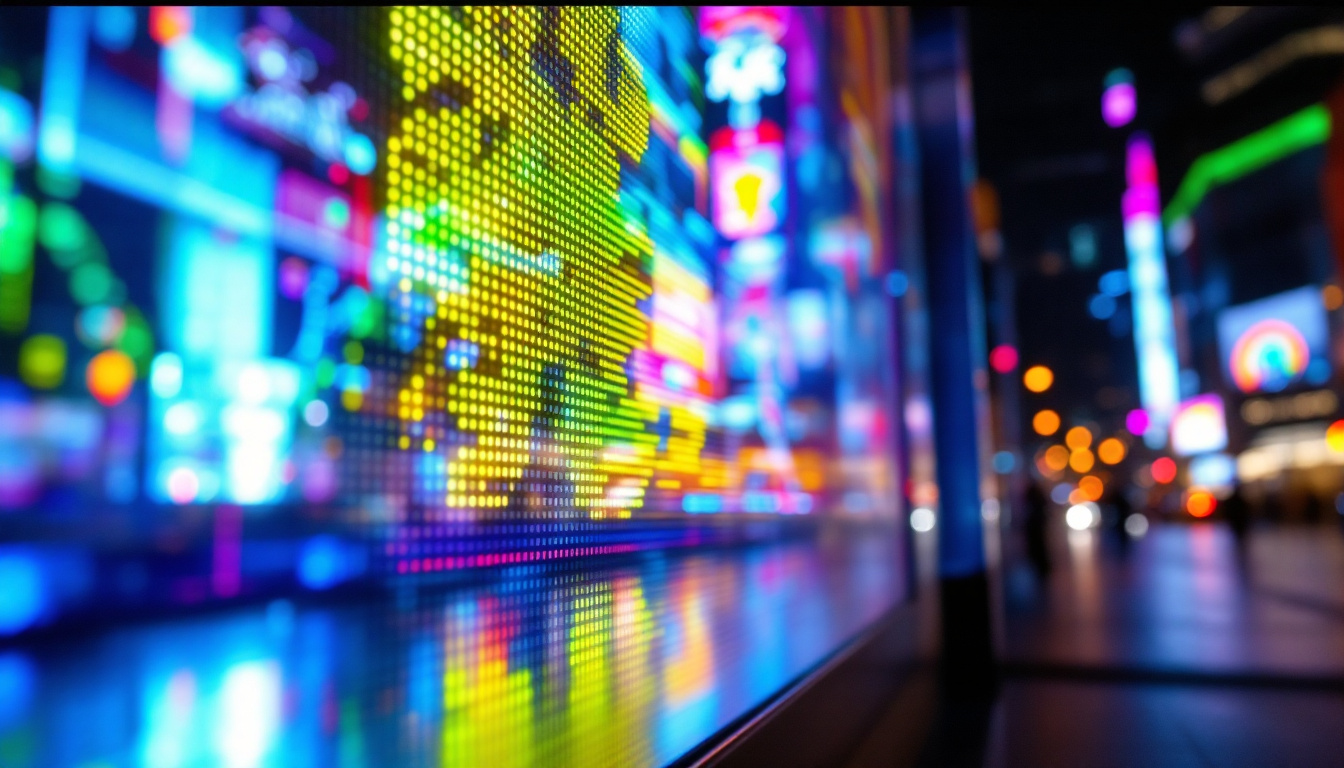
Modern LED displays are composed of thousands to millions of these individual diodes arranged in a grid. Each diode can be controlled independently to produce a wide range of colors by combining red, green, and blue (RGB) LEDs. This capability allows LED displays to render vibrant, high-contrast images even in challenging lighting conditions. The result is a display technology that not only captivates audiences but also enhances the visual experience in various settings, from bustling urban environments to intimate indoor venues.
Types of LED Displays
LED displays come in various forms, tailored to different environments and uses. The two primary categories are:
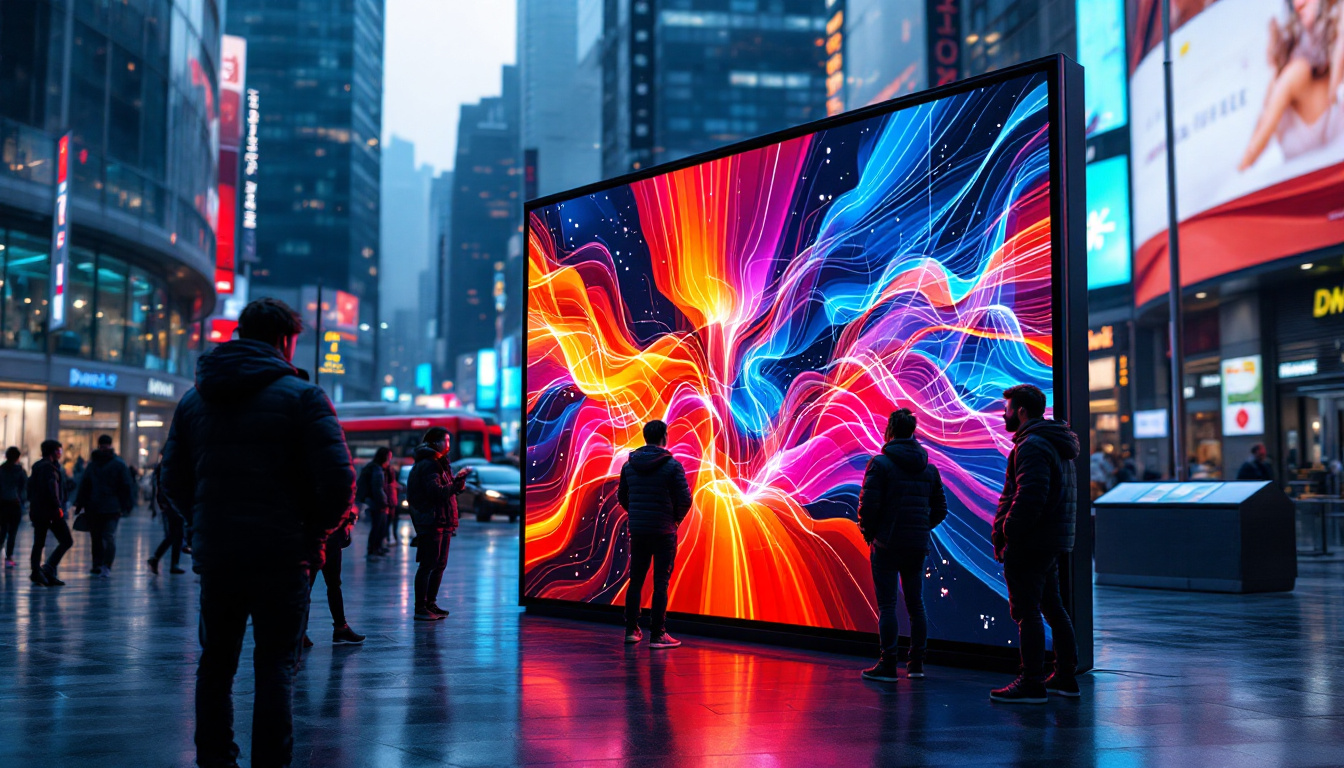
- Direct View LED Displays: These are large-scale screens where the LEDs themselves form the image visible to the viewer. They are commonly used for outdoor billboards, stadium screens, and large indoor installations. Their ability to maintain clarity and brightness in direct sunlight makes them ideal for advertising and public announcements.
- LED-Backlit LCD Displays: In this type, LEDs serve as a backlight for an LCD panel. This technology is prevalent in consumer electronics like televisions, monitors, and smartphones, offering improved brightness and color accuracy over older CCFL backlighting.
For the purpose of this article, the focus will be on direct view LED displays, as they represent the most innovative and impactful applications of LED technology in public and commercial spaces. The versatility of direct view LED displays allows them to be customized in size, shape, and resolution, making them suitable for a wide array of applications, from large-scale advertising to artistic installations. Furthermore, advancements in pixel pitch—the distance between the centers of adjacent pixels—have enabled manufacturers to produce displays with higher resolutions, allowing for detailed imagery that can be viewed up close without pixelation.
In addition to their visual appeal, direct view LED displays are also known for their durability and longevity. Unlike traditional display technologies, which may suffer from burn-in or degradation over time, LED displays are designed to withstand the rigors of continuous operation. This makes them a cost-effective solution for businesses looking to invest in long-term advertising or information dissemination. As technology continues to evolve, we can expect to see even more innovative uses for LED displays, including interactive installations that engage audiences in new and exciting ways.
Key Features and Advantages of LED Displays
Brightness and Visibility
One of the most significant advantages of LED displays is their exceptional brightness. Outdoor LED screens can reach brightness levels exceeding 5,000 nits, making them clearly visible even under direct sunlight. This capability is crucial for advertising, public information systems, and sports venues where visibility cannot be compromised.
Moreover, LED displays offer wide viewing angles, typically around 140 to 160 degrees horizontally and vertically. This ensures that content remains vivid and legible from various perspectives, enhancing audience engagement.
Energy Efficiency and Longevity
Compared to traditional lighting and display technologies, LEDs consume considerably less power. This energy efficiency translates into lower operational costs, especially for large installations running continuously. Additionally, LED displays have a long lifespan, often rated between 50,000 to 100,000 hours of operation, reducing maintenance and replacement expenses.
Customization and Flexibility
LED modules can be manufactured in various sizes and shapes, allowing for creative and customized display configurations. Whether it’s a curved screen wrapping around a building facade or a high-resolution indoor display for a retail store, LED technology adapts seamlessly.
Furthermore, pixel pitch—the distance between individual LEDs—can be tailored to the viewing distance and resolution requirements. Smaller pixel pitches provide higher resolution for close-up viewing, while larger pitches are suitable for distant viewing environments.
Applications of LED Displays Across Industries
Advertising and Marketing
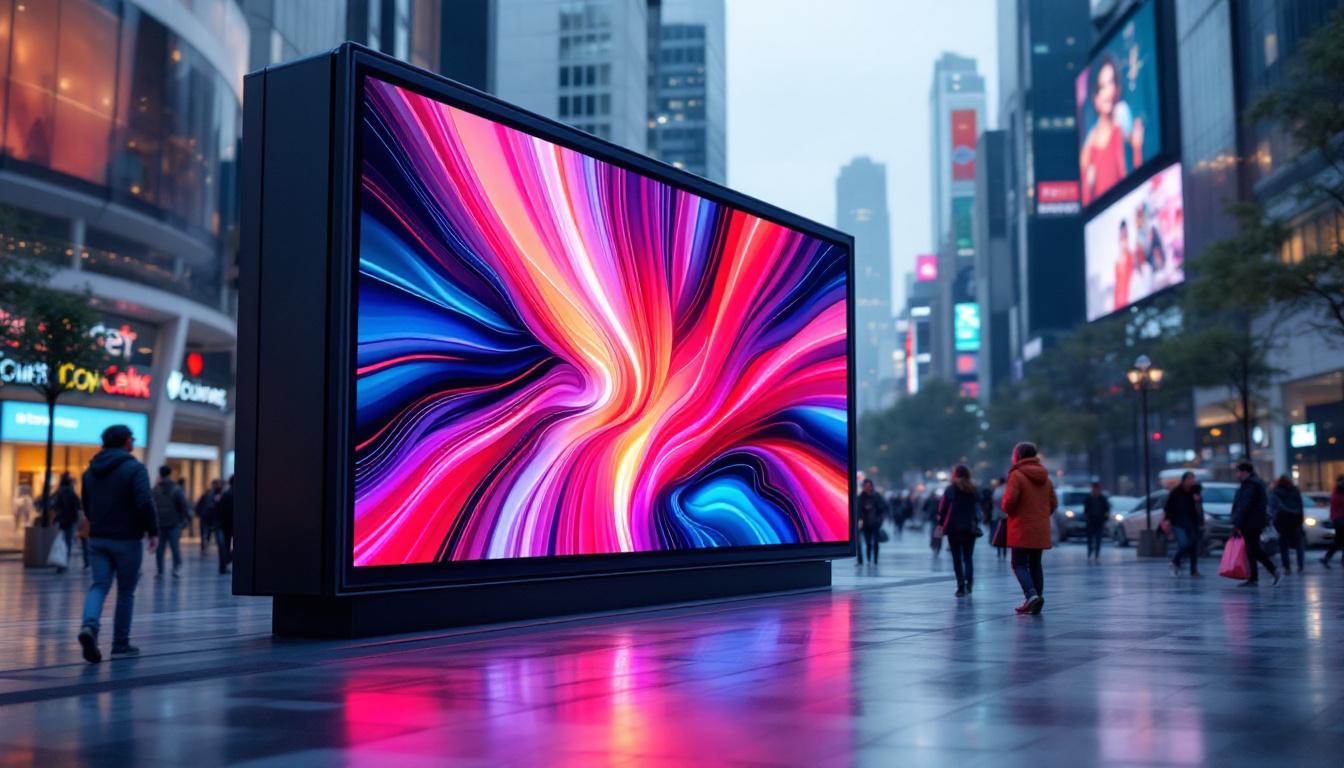
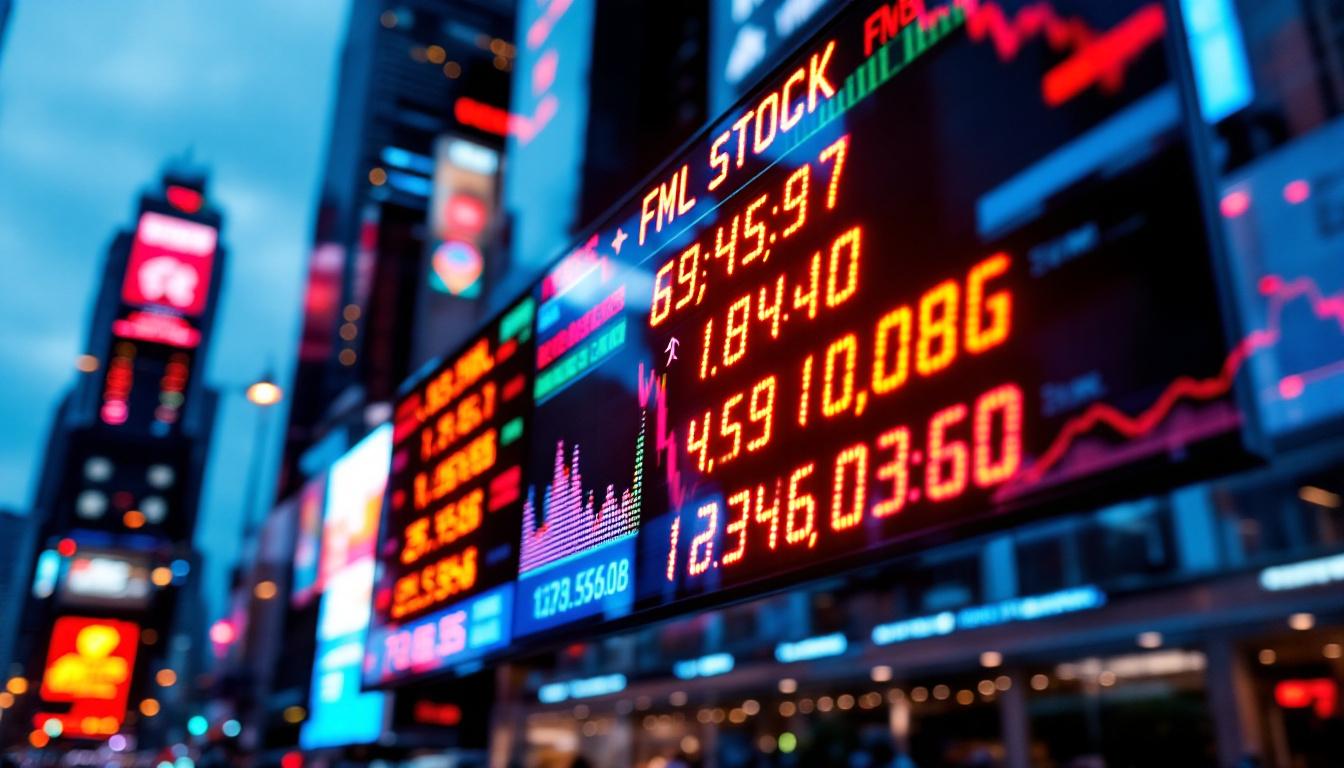
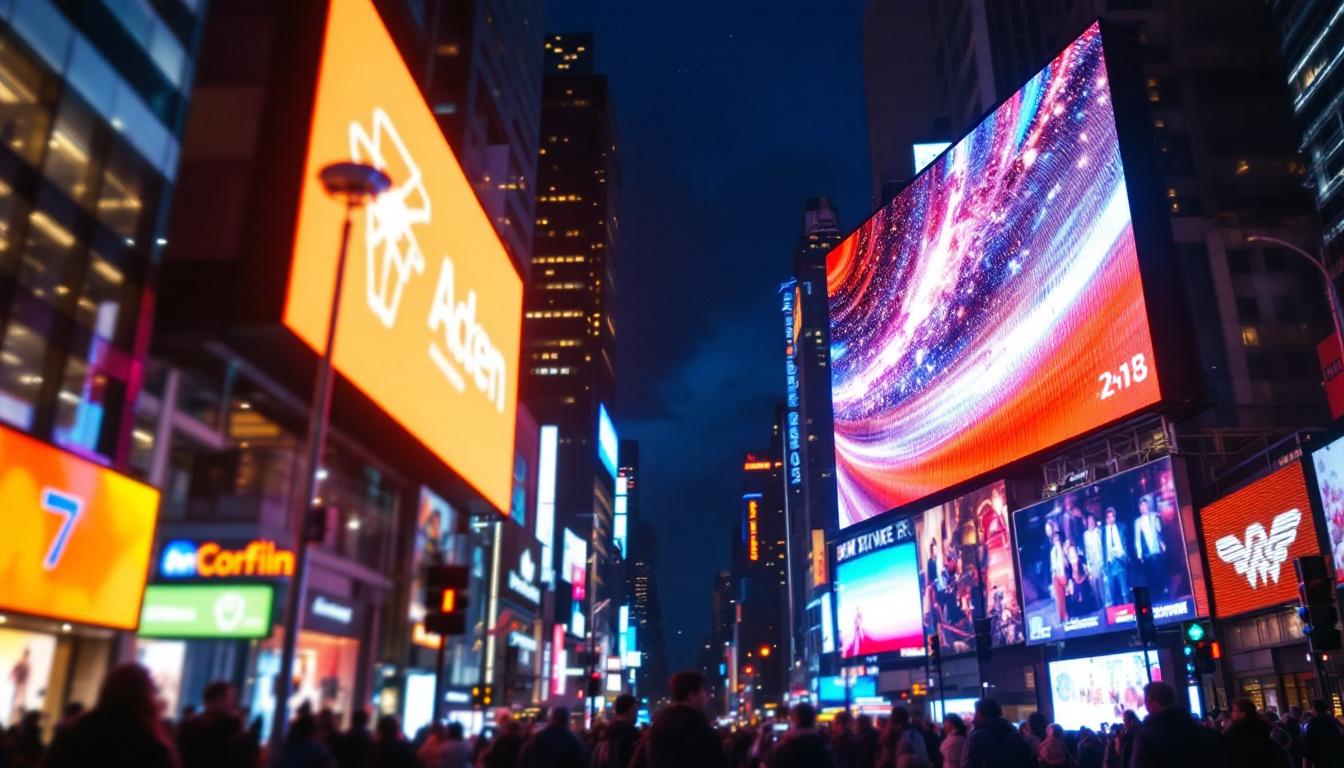
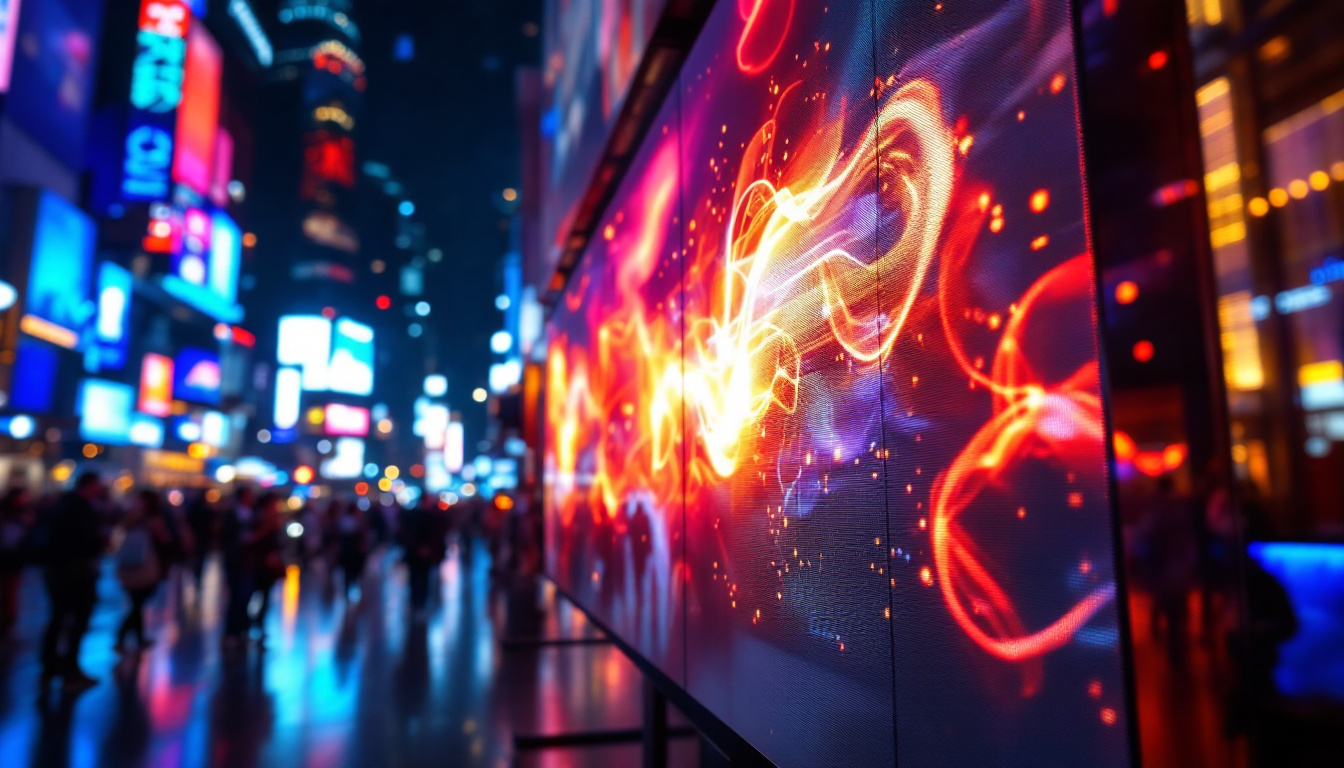
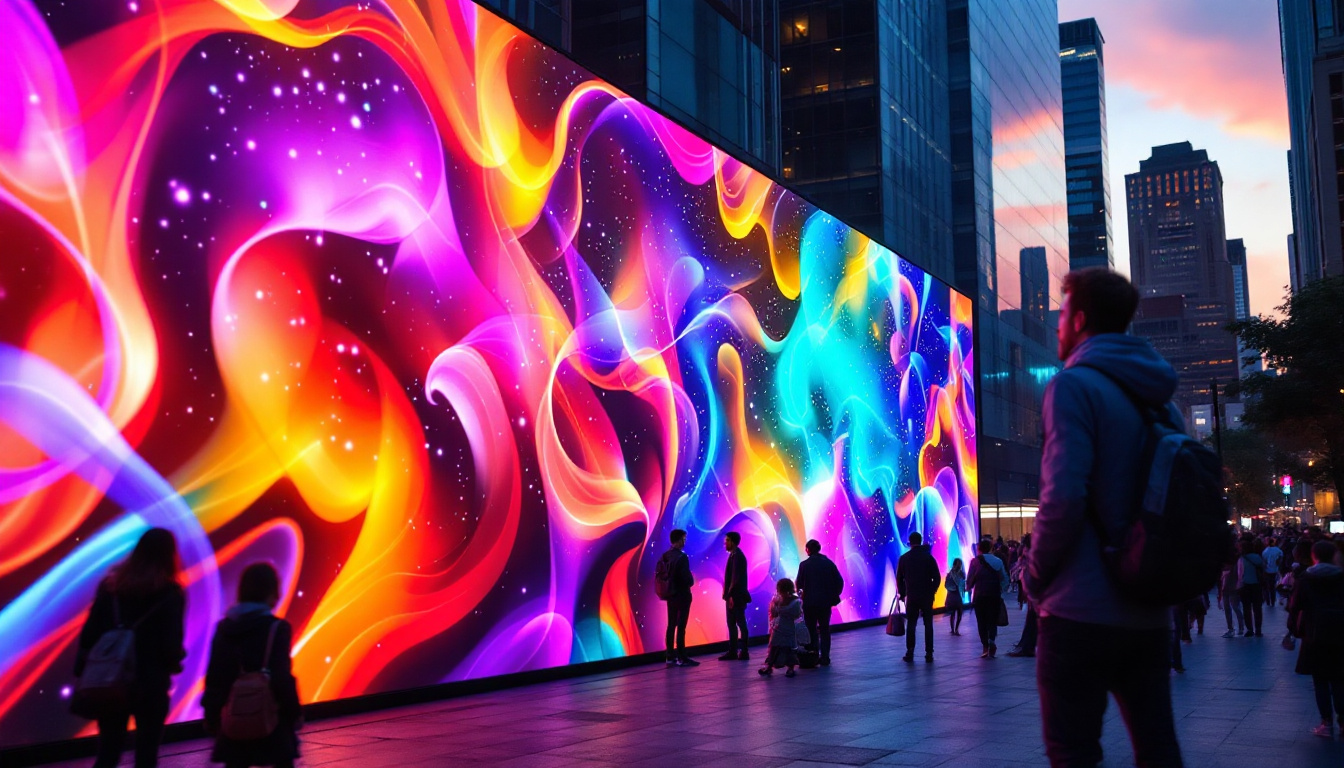
Outdoor advertising has been revolutionized by LED displays. Digital billboards offer dynamic content that can be updated in real-time, enabling marketers to tailor messages based on time of day, weather, or audience demographics. According to a report by Grand View Research, the global digital signage market is expected to reach $32.84 billion by 2028, with LED displays accounting for a significant share due to their effectiveness and versatility.
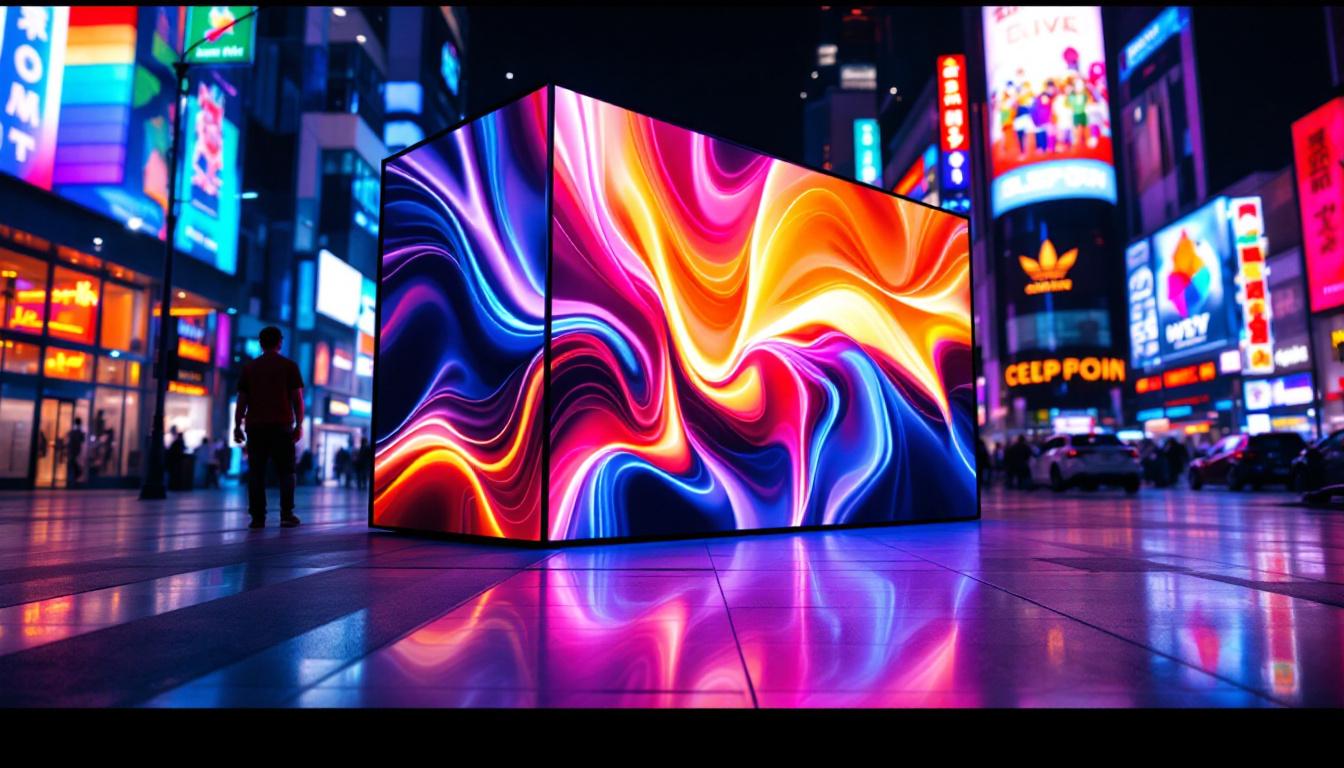
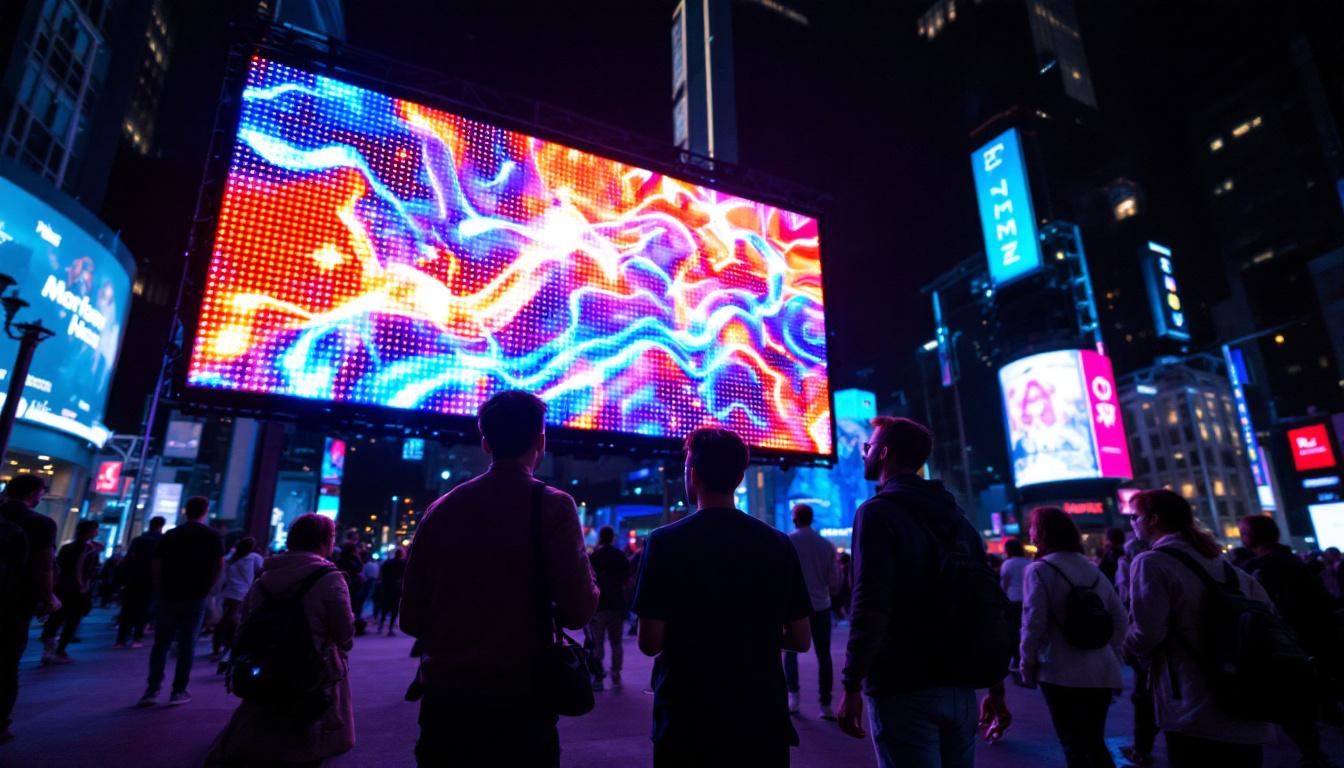
Major cities like Times Square in New York and Piccadilly Circus in London showcase iconic LED billboards that captivate millions daily. These displays not only enhance brand visibility but also create immersive experiences through motion graphics and interactive content.
Sports and Entertainment Venues
LED screens have become integral to modern stadiums and arenas. From giant jumbotrons displaying live action and replays to ribbon boards providing real-time statistics, LED technology enriches the spectator experience. The ability to withstand outdoor elements and deliver high brightness ensures that fans enjoy clear visuals regardless of weather or time.
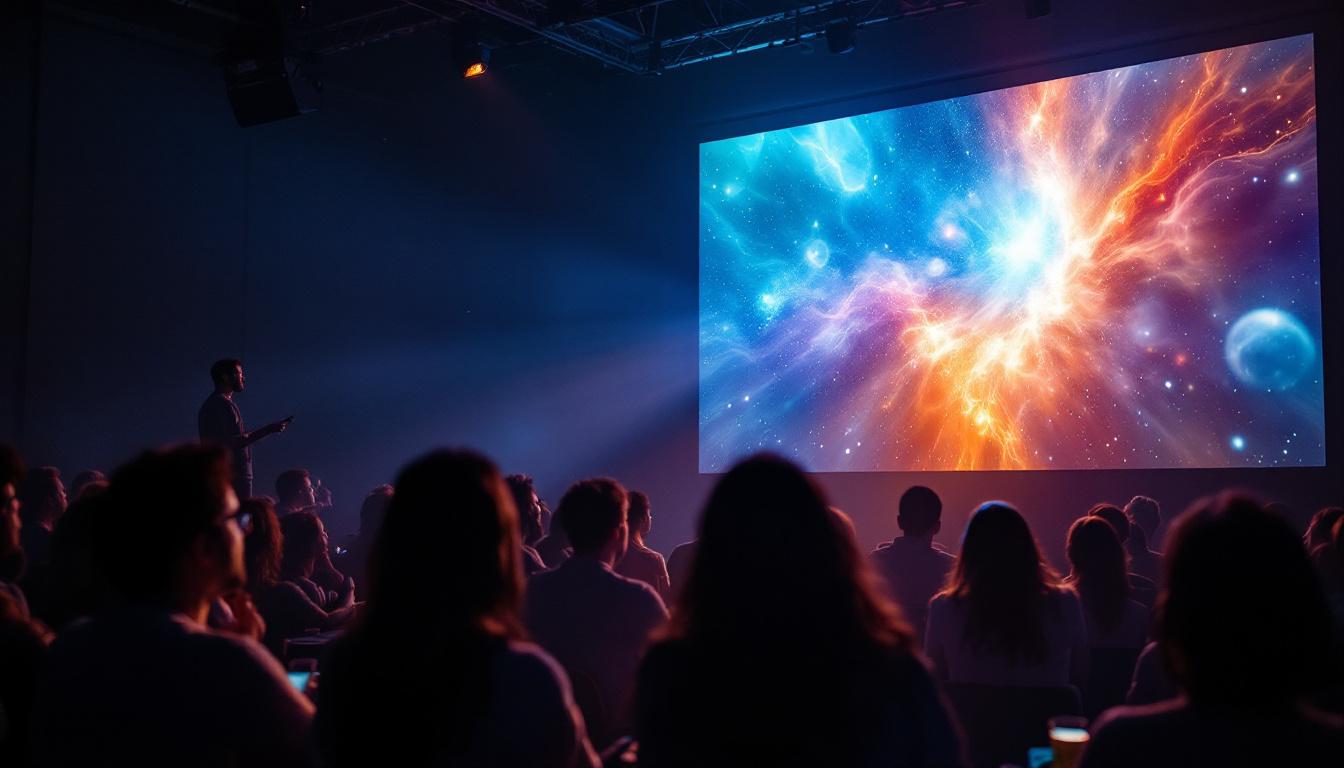
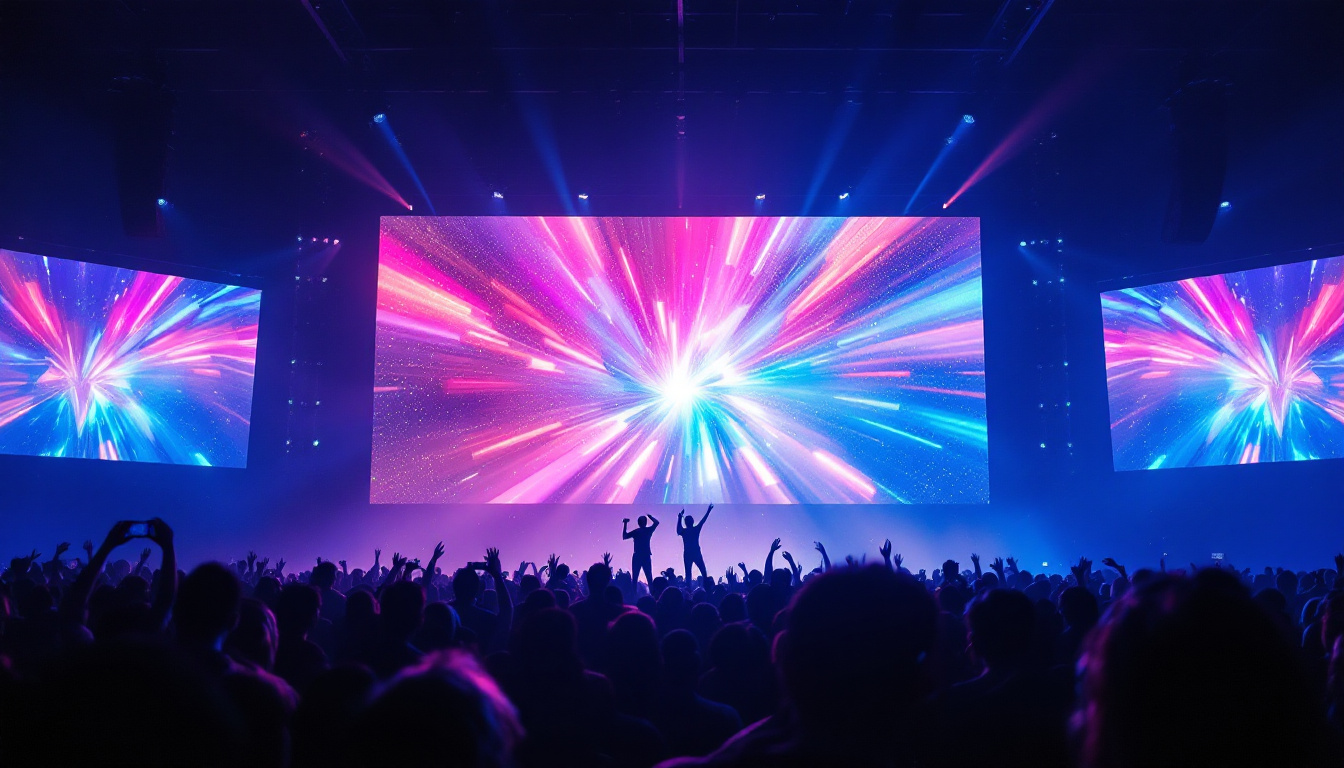
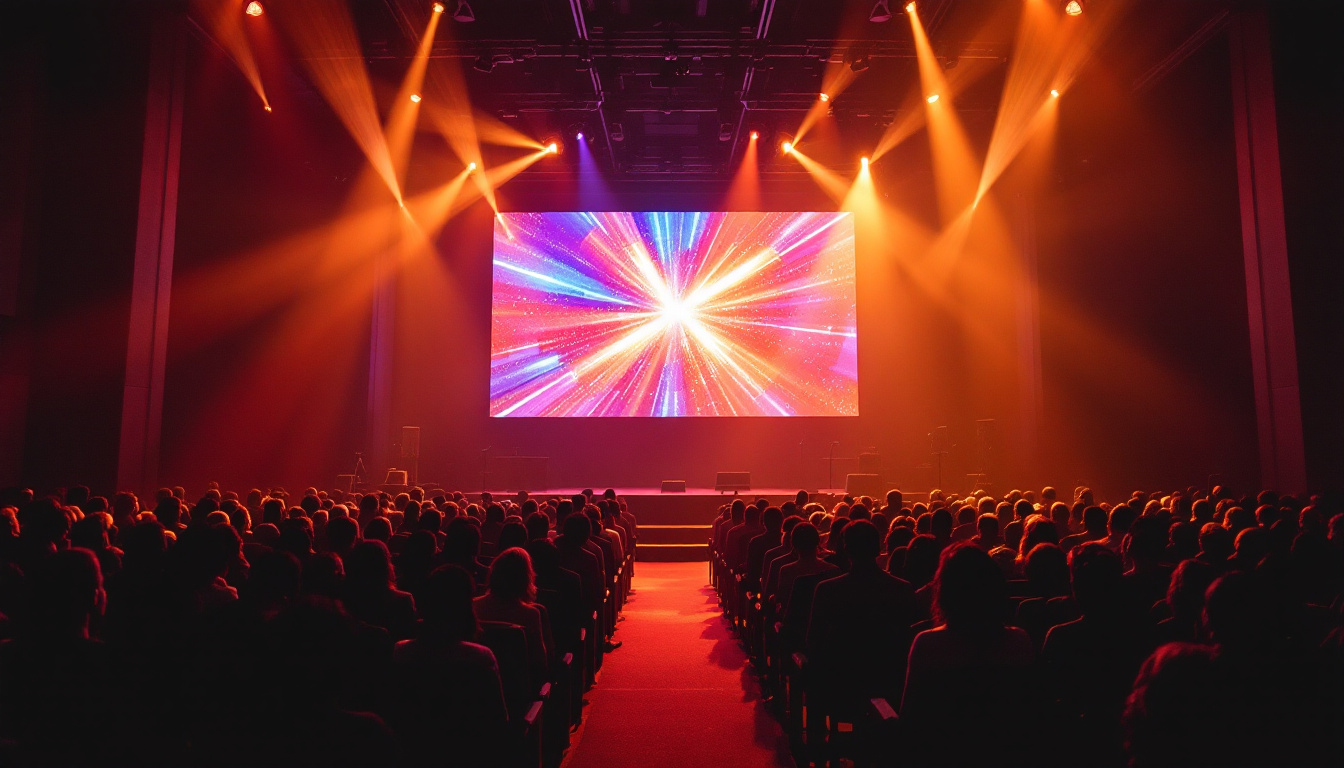
Beyond sports, concert venues and theaters utilize LED displays for stage backdrops and visual effects, adding depth and dynamism to performances.
Retail and Corporate Environments
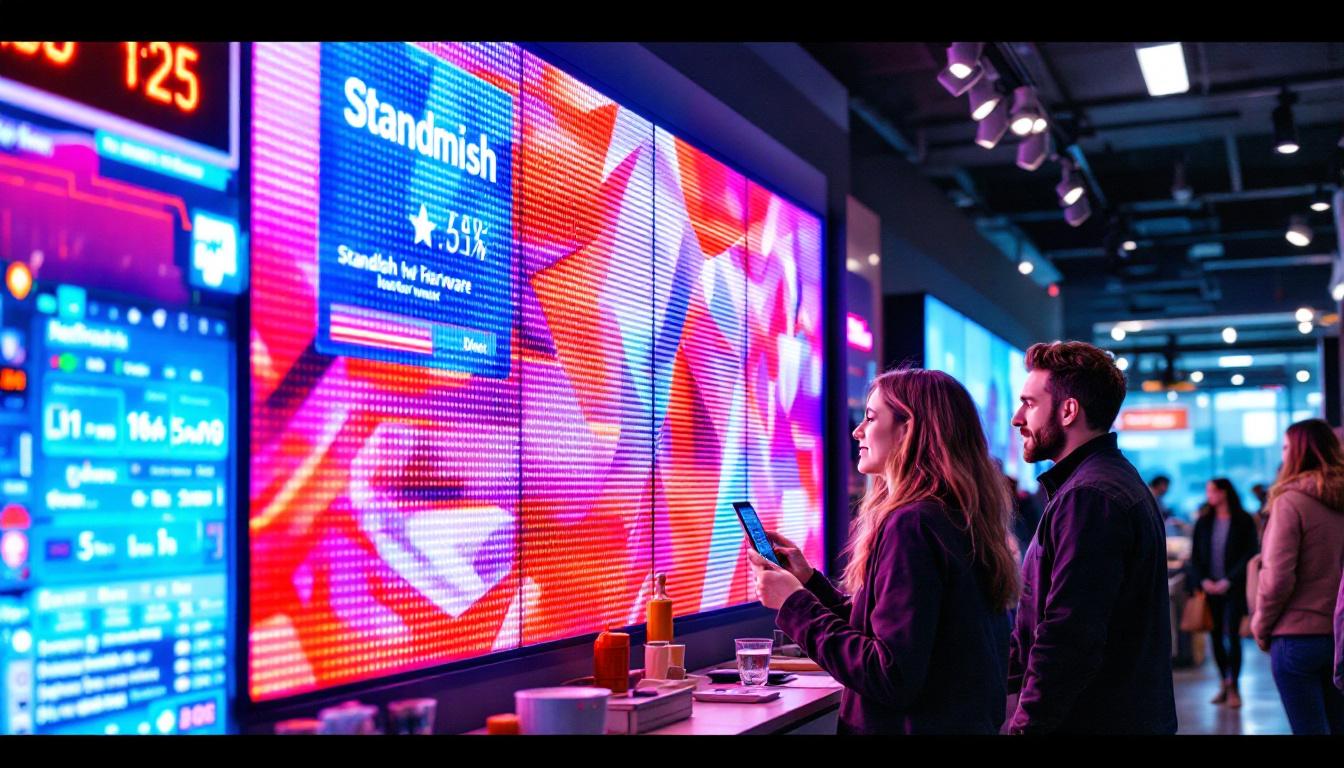
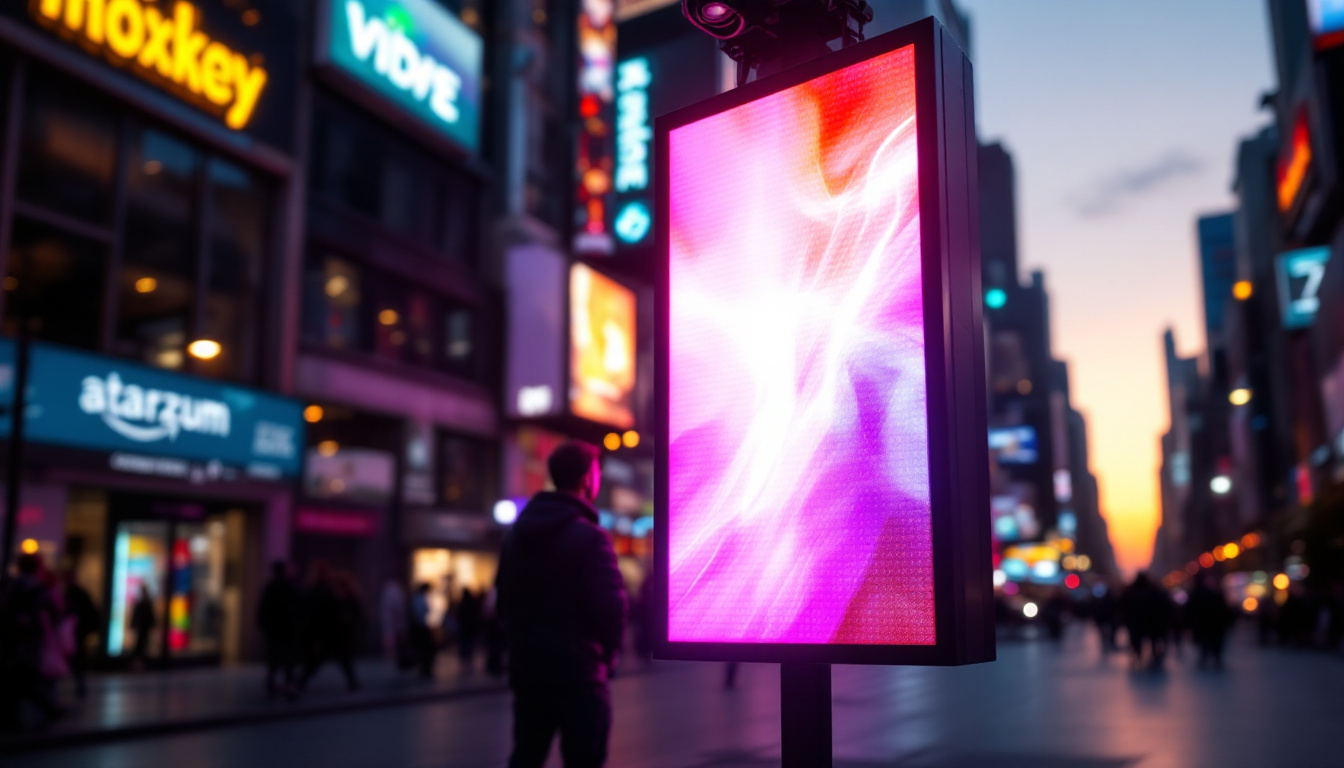
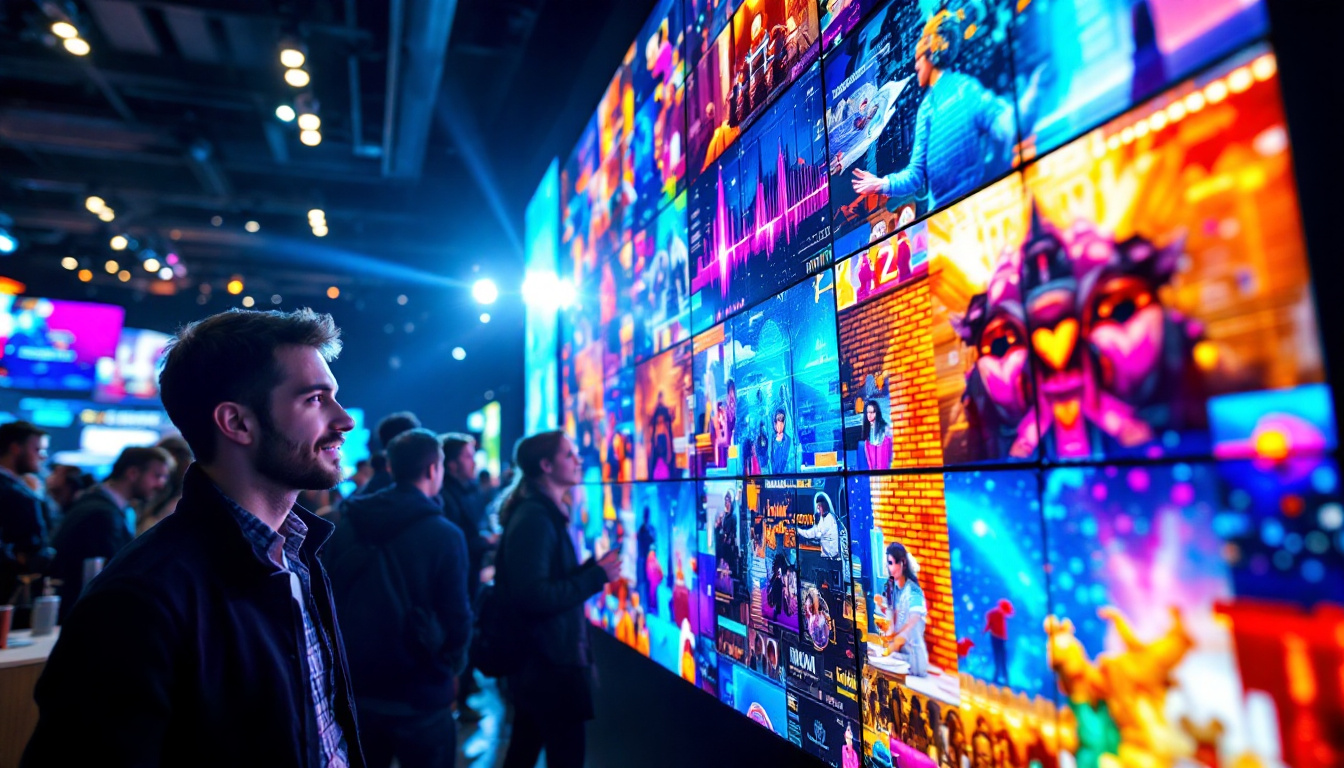
In retail, LED displays serve as attention-grabbing digital signage that can showcase promotions, product information, and interactive content. High-resolution indoor LED walls create immersive brand environments, enhancing customer engagement and driving sales.
Corporate offices employ LED displays for video conferencing, presentations, and digital wayfinding. The flexibility and clarity of LED technology support effective communication and modern workplace aesthetics.
Transportation and Public Information
Airports, train stations, and bus terminals rely on LED displays for real-time schedules, announcements, and emergency alerts. The high visibility and reliability of LED screens ensure critical information reaches travelers promptly and clearly.
Additionally, smart city initiatives integrate LED displays into public infrastructure to provide weather updates, traffic information, and community messages, contributing to urban safety and convenience.
Technical Considerations When Choosing an LED Display
Pixel Pitch and Resolution
Pixel pitch is a fundamental factor influencing the clarity of an LED display. It is measured in millimeters and denotes the distance between the centers of adjacent pixels. A smaller pixel pitch means more pixels per square meter, resulting in higher resolution and sharper images.
For example, a pixel pitch of 1.5mm is ideal for indoor displays viewed from close distances, such as conference rooms or retail spaces. Conversely, outdoor billboards often use pixel pitches ranging from 10mm to 20mm, as viewers are typically farther away.
Brightness and Contrast Ratio
Brightness levels must be selected based on the installation environment. Outdoor displays require high brightness to combat sunlight, while indoor displays can operate effectively at lower brightness, reducing power consumption and eye strain.
Contrast ratio—the difference between the darkest black and brightest white—also impacts image quality. LED displays generally offer excellent contrast due to their ability to turn off individual LEDs completely, producing true blacks.
Refresh Rate and Color Accuracy
The refresh rate determines how often the image is updated per second. Higher refresh rates (above 1920Hz) reduce flicker, which is particularly important for video content and live broadcasts. This ensures smooth motion and reduces viewer fatigue.
Color accuracy is critical for brand consistency and visual appeal. High-quality LED displays use advanced calibration techniques to deliver precise color reproduction, matching industry standards such as sRGB or Adobe RGB.
Durability and Weather Resistance
Outdoor LED displays must withstand harsh environmental conditions including rain, wind, dust, and temperature fluctuations. IP ratings (Ingress Protection) indicate the level of protection, with IP65 or higher being common for outdoor installations.
Robust construction materials and protective coatings extend the lifespan of LED panels and minimize maintenance needs.
Future Trends in LED Display Technology
MicroLED and MiniLED Innovations
Emerging technologies like MicroLED and MiniLED promise to push the boundaries of LED display performance. MicroLEDs are significantly smaller than traditional LEDs, enabling ultra-high resolution and improved energy efficiency. These displays offer better contrast, faster response times, and longer lifespans, making them ideal for next-generation televisions, smartphones, and augmented reality devices.
MiniLED technology enhances LCD backlighting by using thousands of tiny LEDs, providing better local dimming and contrast than conventional backlights. This hybrid approach offers a cost-effective upgrade path for high-end displays.
Flexible and Transparent LED Displays
Advances in materials science have led to flexible LED panels that can bend or curve, opening new possibilities for creative installations on irregular surfaces or wearable technology. Transparent LED displays, which allow viewers to see through the screen, are gaining traction in retail windows and architectural applications, blending digital content with real-world views.
Integration with IoT and AI
Smart LED displays integrated with Internet of Things (IoT) sensors and artificial intelligence (AI) enable dynamic content adaptation based on audience behavior, environmental conditions, or real-time data inputs. This interactivity enhances user engagement and optimizes messaging effectiveness.
Conclusion: Why LED Displays Are the Clear Solution
LED displays represent a transformative technology in visual communication, combining brightness, versatility, and durability to meet the demands of diverse applications. Their ability to deliver vivid, high-resolution content in any environment makes them an indispensable tool for advertisers, event organizers, retailers, and urban planners alike.
As LED technology continues to evolve with innovations like MicroLED, flexible panels, and AI integration, the potential for creative and impactful displays will only grow. For businesses and organizations seeking clear, effective solutions to engage audiences, LED displays offer a compelling blend of performance and reliability that stands the test of time.
Explore the Future of Visual Communication with LumenMatrix
Ready to elevate your visual messaging with the latest in LED display technology? Discover LumenMatrix’s innovative solutions, from Indoor and Outdoor LED Wall Displays to specialized options like Vehicle, Sports, and Floor LED Displays. Our mission is to revolutionize your visual experience, offering Custom, All-in-One, and Transparent LED Displays that captivate and engage. Don’t just take our word for it—check out LumenMatrix LED Display Solutions and see how we can transform your space into a dynamic visual landscape.