In today’s fast-evolving digital landscape, touch screen technology has become an integral part of both personal and professional environments. Among the various options available, the 30 inch touch screen monitor with LED display stands out as a versatile and powerful tool. Whether used in business settings, creative studios, or interactive kiosks, these monitors offer a blend of size, responsiveness, and visual clarity that caters to diverse needs.
This article delves into the world of 30 inch LED touch screen monitors, explaining their technology, benefits, and practical applications. It also provides insights into what to consider when selecting one, ensuring users make informed decisions tailored to their requirements.
Understanding the Basics: What is a 30 Inch LED Touch Screen Monitor?
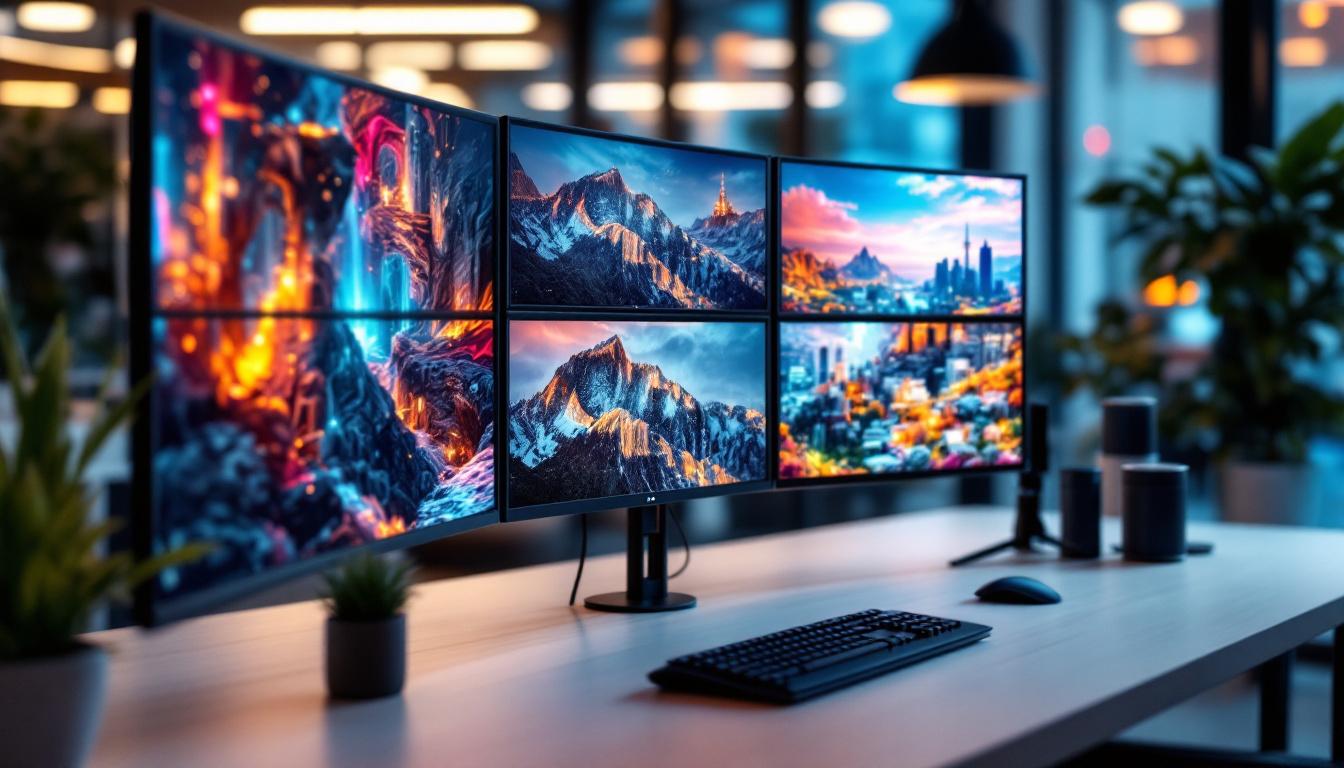
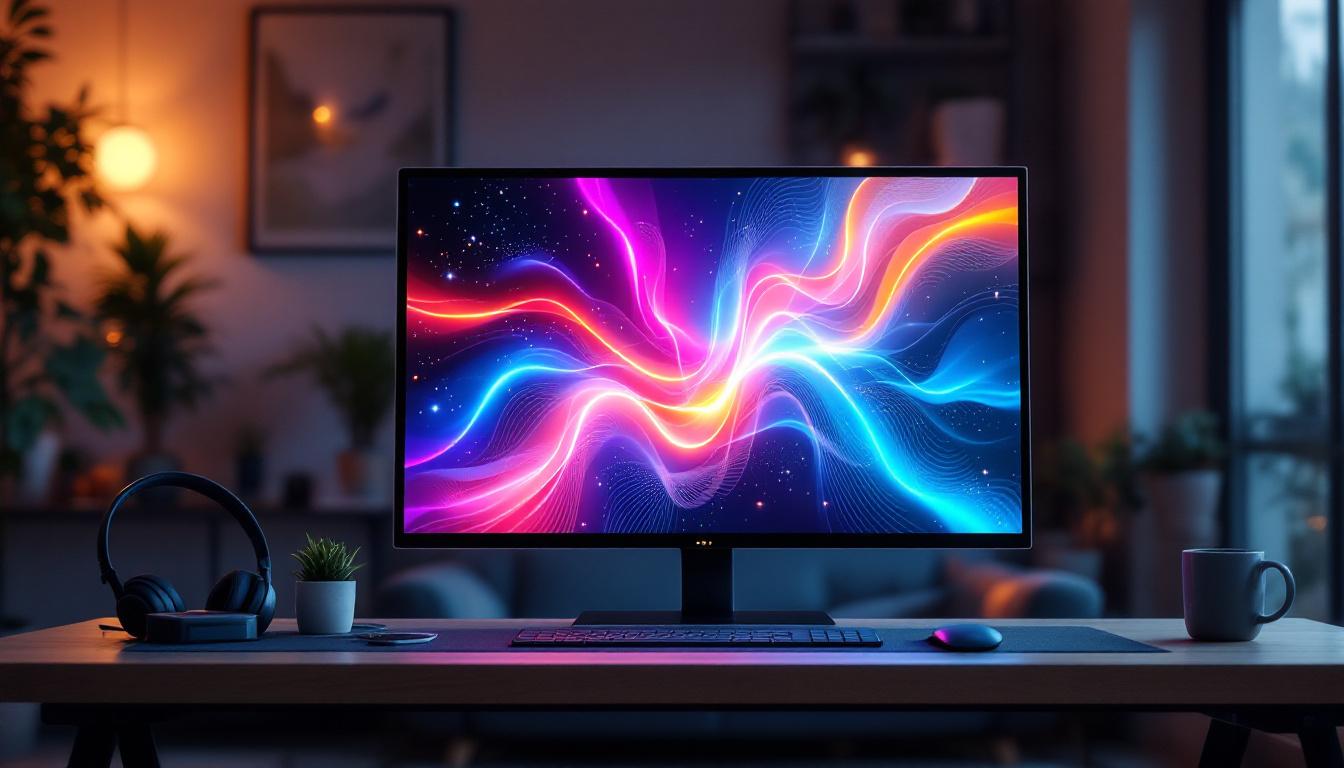
A 30 inch LED touch screen monitor combines a relatively large display size with touch-sensitive technology and LED backlighting. The “30 inch” measurement refers to the diagonal length of the screen, offering ample space for detailed visuals and multitasking. This size sits comfortably between the standard desktop monitors and larger commercial displays, making it suitable for a wide range of uses. Whether for graphic design, gaming, or presentations, the expansive screen real estate allows users to view multiple applications simultaneously, enhancing productivity and creativity.
LED, or Light Emitting Diode, is the technology used to illuminate the display. Unlike older LCD monitors that used cold cathode fluorescent lamps (CCFL), LED backlighting provides brighter images, better color accuracy, and improved energy efficiency. When paired with touch screen functionality, the monitor becomes an interactive interface, allowing users to engage directly with content through taps, swipes, and gestures. This interaction not only makes the experience more intuitive but also encourages collaboration in environments such as classrooms and conference rooms, where multiple users can interact with the content displayed.
How Touch Screen Technology Works
Touch screens come in several types, but the most common in 30 inch monitors are capacitive and resistive technologies. Capacitive touch screens detect touch through the electrical properties of the human body, offering high responsiveness and multi-touch capabilities. Resistive touch screens rely on pressure applied to the screen, which makes them more durable in harsh environments but less sensitive and typically single-touch. This distinction is crucial for users to consider, as the choice of technology can significantly impact the overall user experience and application suitability.
Modern 30 inch touch screen monitors predominantly use capacitive technology due to its accuracy and smooth user experience. This technology supports gestures such as pinch-to-zoom and multi-finger swipes, which are essential for creative professionals and interactive applications. Moreover, the integration of advanced features like palm rejection and stylus support further enhances usability, making these monitors ideal for artists and designers who require precision in their work. As a result, the versatility of a 30 inch LED touch screen monitor not only caters to casual users but also meets the demanding needs of professionals across various fields, from education to healthcare, where interactive displays can facilitate learning and patient engagement effectively.
Advantages of a 30 Inch LED Touch Screen Monitor
The combination of a large 30 inch display, LED technology, and touch capability provides several notable benefits. These advantages contribute to the growing popularity of such monitors in various sectors.
Enhanced Visual Experience
LED backlighting ensures vibrant colors, deep contrast, and sharp images. Many 30 inch monitors support Full HD (1920×1080) or even 4K resolution, delivering crisp visuals that are crucial for detailed work like graphic design, video editing, and data analysis. The larger screen size allows users to view multiple windows or applications side by side, boosting productivity.
Improved Interactivity and Usability
Touch screen functionality transforms the monitor from a passive display into an interactive tool. This is particularly valuable in environments such as retail, education, healthcare, and industrial control, where intuitive user interfaces can streamline operations. For example, in a point-of-sale system, a 30 inch touch screen monitor enables quick and accurate input, reducing transaction times and errors.
Energy Efficiency and Longevity
LED technology consumes less power compared to traditional CCFL backlights, which translates into lower energy bills and a reduced environmental footprint. Additionally, LED displays tend to have longer lifespans, often exceeding 50,000 hours of use. This durability makes them a cost-effective choice for businesses and institutions with continuous operational demands.
Key Features to Look for in a 30 Inch Touch Screen Monitor
Selecting the right 30 inch touch screen monitor involves understanding the features that impact performance, usability, and compatibility with your specific needs.
Resolution and Display Quality
Resolution determines the sharpness and clarity of the image. While Full HD is standard, many users benefit from higher resolutions such as 2560×1440 (QHD) or 3840×2160 (4K UHD), especially for tasks requiring fine detail. Color accuracy, measured by coverage of color spaces like sRGB or Adobe RGB, is also critical for professionals in photography and design.
Touch Technology and Responsiveness
As mentioned, capacitive touch screens are generally preferred for their responsiveness and multi-touch support. Check the touch points supported—10-point touch is common and allows for multiple simultaneous inputs. Response time and touch accuracy also influence user experience, particularly in fast-paced or precision tasks.
Connectivity Options
A versatile monitor should offer multiple input ports such as HDMI, DisplayPort, USB-C, and VGA. USB ports are essential for connecting peripherals or enabling touch functionality through USB interfaces. Some monitors also include built-in speakers, webcams, or integrated computing modules, which can simplify setup and reduce clutter.
Ergonomics and Build Quality
Given the size and intended interactive use, ergonomic features like adjustable stands (tilt, swivel, height adjustment) and VESA mount compatibility enhance comfort and adaptability. Robust build quality ensures the monitor withstands frequent touch interactions and potential environmental challenges, especially in public or industrial settings.
Applications of 30 Inch Touch Screen LED Monitors
The versatility of 30 inch touch screen monitors makes them suitable for a broad spectrum of applications across different industries.
Business and Office Environments
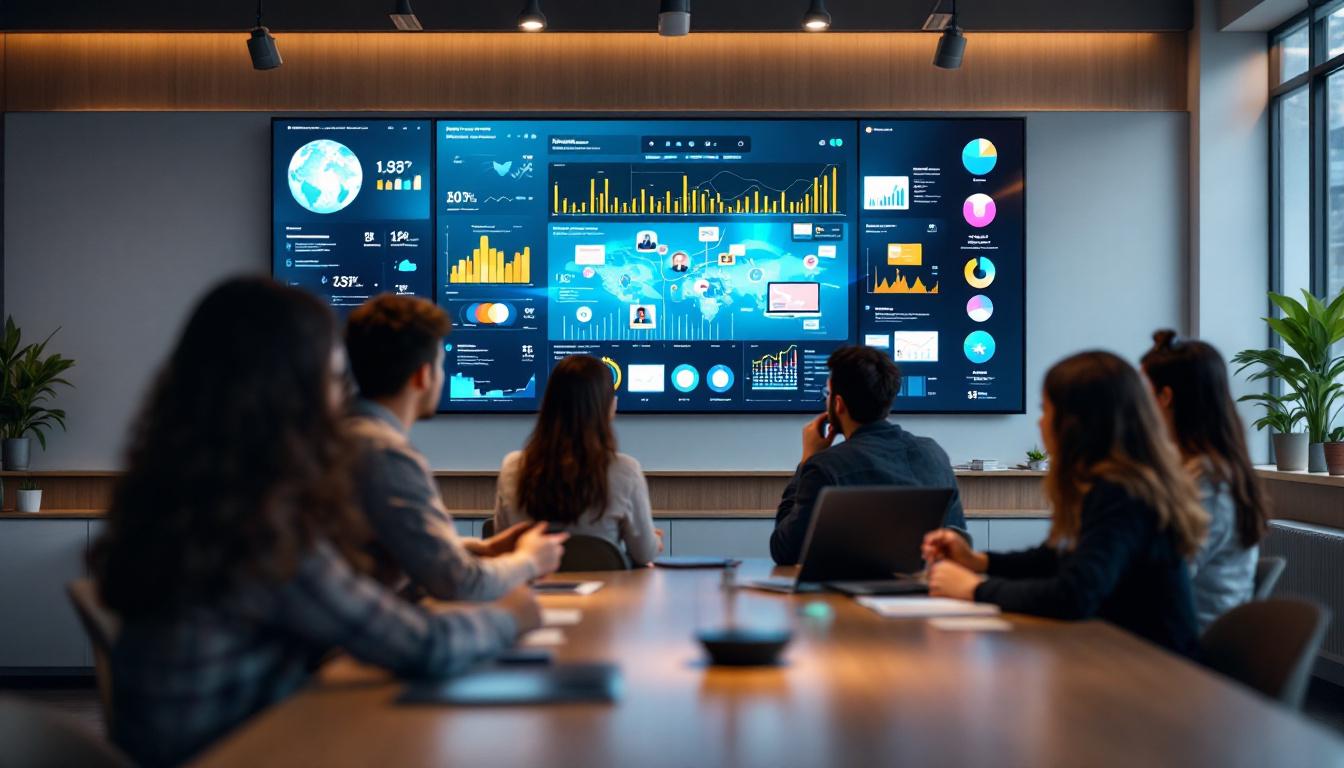
In corporate settings, these monitors facilitate presentations, collaborative work, and interactive meetings. Touch functionality allows team members to annotate documents, manipulate data, and navigate software intuitively. The large screen size supports multitasking, which is beneficial for financial analysts, project managers, and software developers.
Creative Industries
Graphic designers, video editors, and digital artists benefit from the precision and responsiveness of capacitive touch screens combined with high-resolution LED displays. The ability to directly interact with creative software using touch or stylus input enhances workflow efficiency and creative expression.
Retail and Hospitality
Interactive kiosks, self-service terminals, and digital signage often employ 30 inch touch screen monitors. Their size is ideal for customer engagement, allowing users to browse catalogs, place orders, or access information effortlessly. The bright LED display ensures visibility even in well-lit environments.
Education and Training
Touch screen monitors support interactive learning by enabling students and instructors to engage directly with educational content. They are used in classrooms, training centers, and virtual labs to facilitate hands-on activities, quizzes, and multimedia presentations.
Healthcare and Medical Use
In medical facilities, touch screen monitors streamline patient data entry, diagnostic imaging review, and telemedicine consultations. The hygienic nature of glass touch surfaces also supports infection control protocols.
Considerations When Purchasing a 30 Inch Touch Screen Monitor
Before investing in a 30 inch LED touch screen monitor, it is important to evaluate several factors to ensure the product aligns with your needs and budget.
Intended Use and Environment
Identify the primary purpose of the monitor. For example, a monitor used in a public kiosk requires ruggedness and anti-glare coating, while one for a design studio prioritizes color accuracy and resolution. Environmental factors such as lighting conditions and space constraints also influence the choice.
Budget and Total Cost of Ownership
Prices for 30 inch touch screen monitors vary widely based on features and brand reputation. Consider not only the initial purchase price but also potential costs for accessories, maintenance, and energy consumption. Investing in a quality monitor can reduce long-term expenses related to repairs or replacements.
Compatibility and Integration
Ensure the monitor is compatible with your existing hardware and software. Check operating system support, driver availability, and peripheral connectivity. Some monitors come with proprietary software that enhances touch functionality but may require additional setup.
Warranty and Support
A reliable warranty and responsive customer support are crucial, especially for commercial applications. Look for manufacturers offering comprehensive coverage and timely technical assistance to minimize downtime.
Future Trends in Touch Screen Monitor Technology
The touch screen monitor market continues to evolve rapidly, driven by advances in display technology and user interface design.
Higher Resolutions and HDR Support
As 4K becomes more mainstream, higher resolution displays with High Dynamic Range (HDR) capabilities are increasingly available in larger touch screen monitors. This enhances visual fidelity, making images more lifelike and detailed.
Improved Touch Sensitivity and Stylus Integration
Developments in touch technology are improving sensitivity and precision, enabling better support for stylus input. This is particularly beneficial for creative professionals and educational applications.
Flexible and Transparent Displays
Emerging technologies such as flexible OLED and transparent displays may redefine the form factors and use cases of touch screen monitors. These innovations could lead to more immersive and adaptable interfaces.
AI and Gesture Recognition
Integration of artificial intelligence and advanced sensors is paving the way for gesture-based controls and predictive touch responses, further enhancing interactivity without physical contact.
Conclusion
The 30 inch touch screen monitor with LED display represents a compelling blend of size, clarity, and interactivity that suits a wide array of applications. From professional environments demanding precision and multitasking to public-facing kiosks requiring intuitive interfaces, these monitors deliver performance and versatility.
Understanding the underlying technology, key features, and practical considerations is essential for selecting the right monitor. As technology advances, users can expect even more sophisticated touch screen displays that enhance productivity, creativity, and user engagement across industries.
Discover the Future of Interactive Displays with LumenMatrix
Ready to experience the ultimate in touch screen technology and LED display clarity? LumenMatrix is at the forefront of creating immersive visual solutions that transform the way you connect with your audience. From dynamic Indoor LED Wall Displays to innovative Custom LED Displays, our products are designed to captivate and engage. Elevate your professional environment, enhance customer interactions, and embrace the future of digital signage with LumenMatrix. Check out LumenMatrix LED Display Solutions today and see the difference cutting-edge technology can make.