In today’s fast-paced commercial environment, capturing customer attention is more challenging than ever. Businesses continuously seek innovative ways to communicate their messages effectively and stand out from the competition. One of the most powerful tools in this endeavor is the LED display board. From vibrant storefront signs to dynamic indoor advertising, LED display technology has revolutionized how companies engage with their audiences.
This article delves into the world of LED display boards for business, explaining what they are, how they work, and why they have become indispensable in modern marketing strategies. Whether you’re a small retailer or a large corporation, understanding the benefits and applications of LED displays can help you make informed decisions that drive growth and brand visibility.
What Are LED Display Boards?
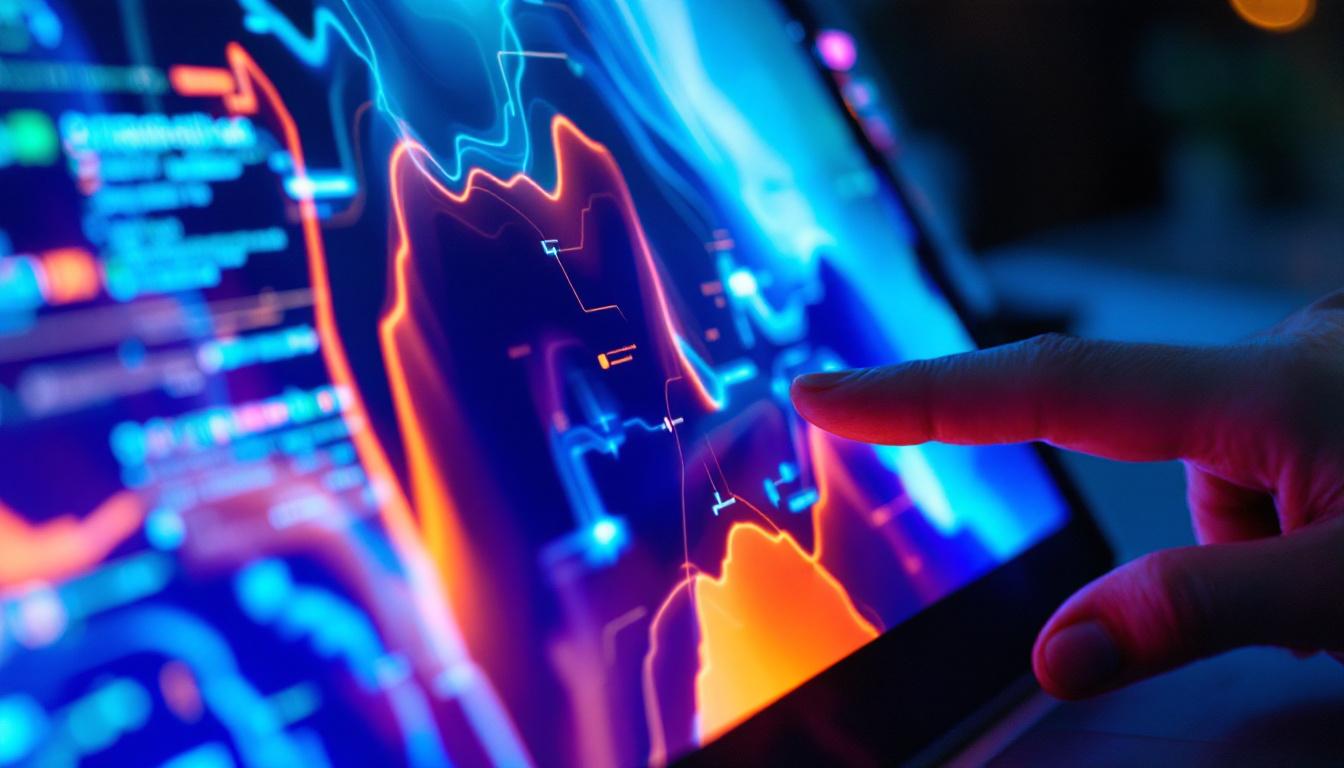
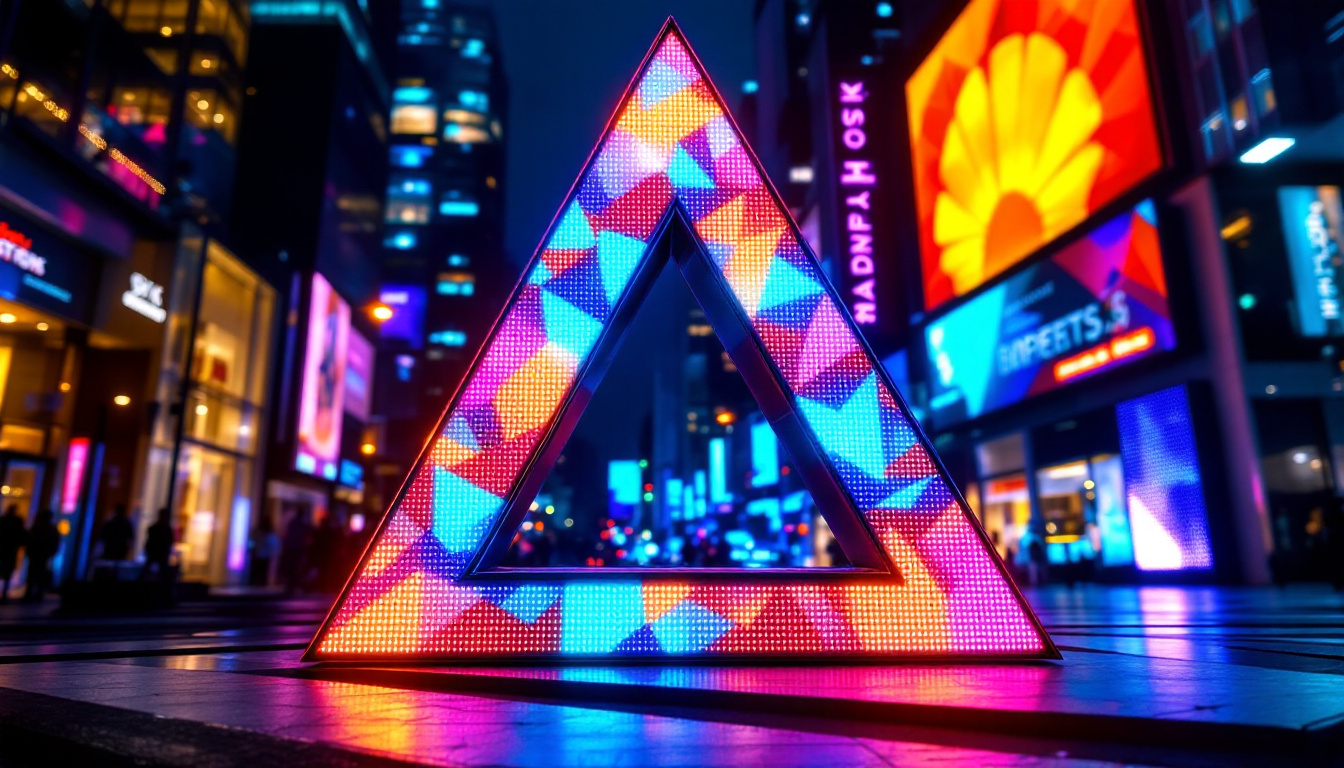
LED display boards are electronic screens that use light-emitting diodes (LEDs) to present visual content such as text, images, and videos. Unlike traditional static signs, LED displays are dynamic, allowing for real-time updates and eye-catching animations. Their brightness and clarity make them highly visible in various lighting conditions, including direct sunlight.
The technology behind LED displays involves thousands of tiny LEDs arranged in a grid. Each LED acts as a pixel that can emit different colors by combining red, green, and blue diodes. This capability enables vibrant, full-color displays that can showcase anything from simple messages to complex multimedia presentations. The versatility of LED technology allows for a wide range of applications, from advertising to information dissemination, making them a popular choice for businesses and organizations looking to engage their audience effectively.
In addition to their visual appeal, LED display boards are also energy-efficient compared to traditional lighting systems. They consume significantly less power, which not only reduces operational costs but also contributes to sustainability efforts. Many modern LED displays come equipped with smart technology that allows for remote management and scheduling of content, further enhancing their utility in various settings. This means that businesses can easily update their messaging or promotions without the need for physical changes, streamlining their operations and ensuring that they can respond quickly to market demands.
Types of LED Display Boards
LED display boards come in several forms tailored to different business needs:
- Indoor LED Displays: Designed for environments like retail stores, malls, and corporate offices, these displays offer high resolution and clarity at close viewing distances. They are often used for advertising products, displaying promotional videos, or providing information to customers in a visually engaging manner.
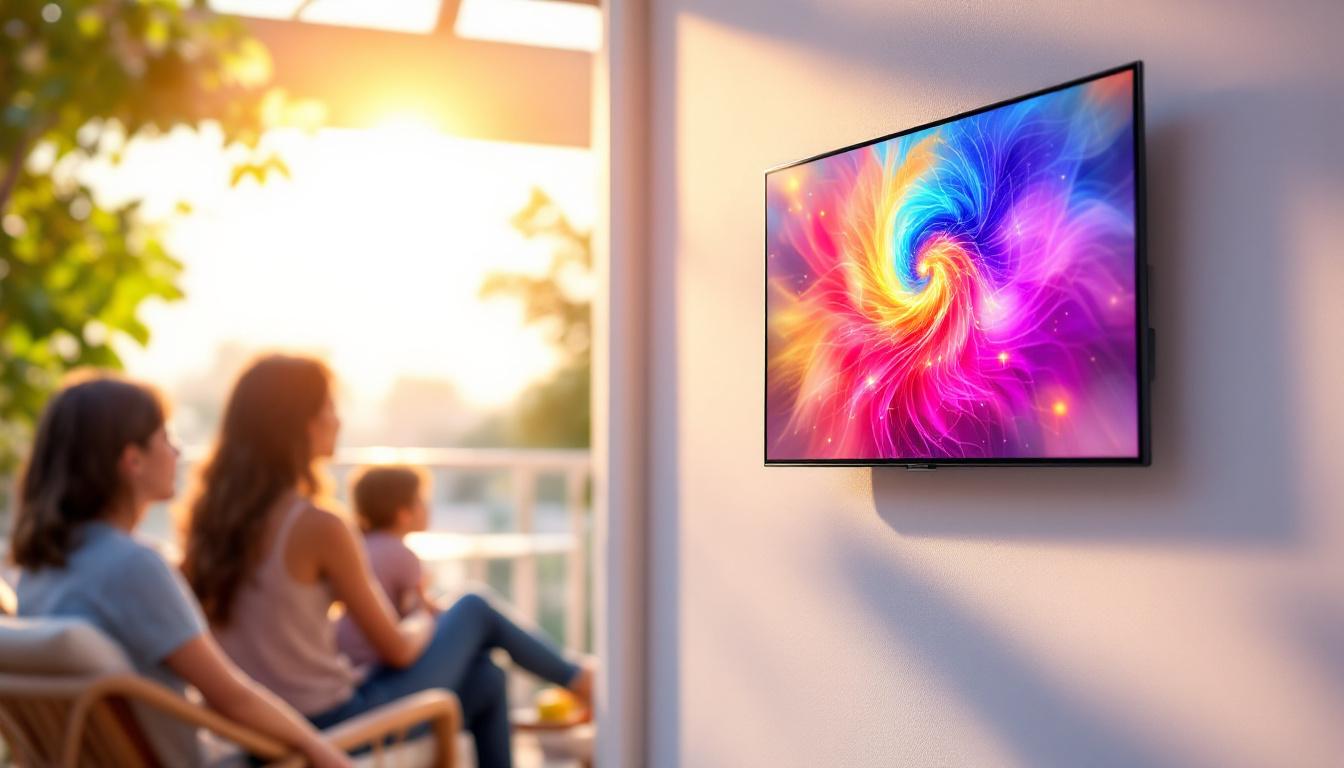
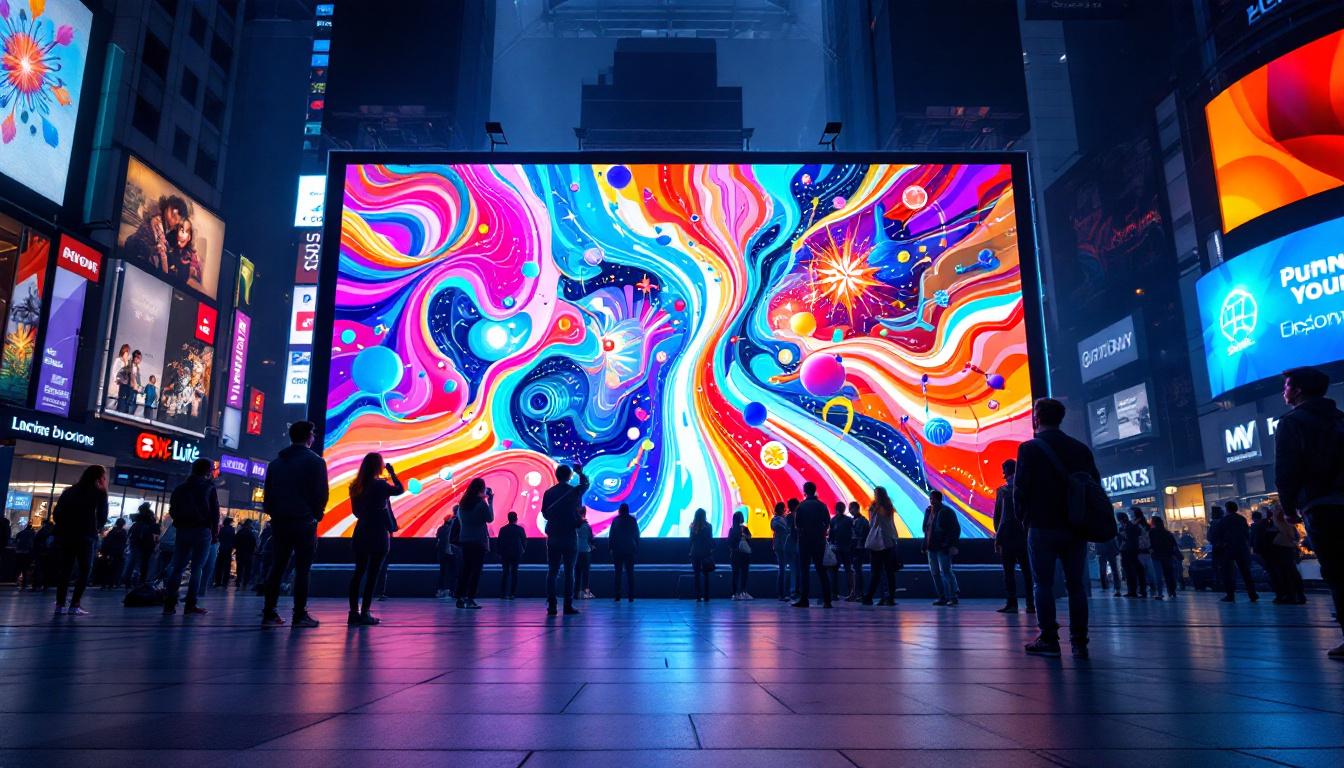
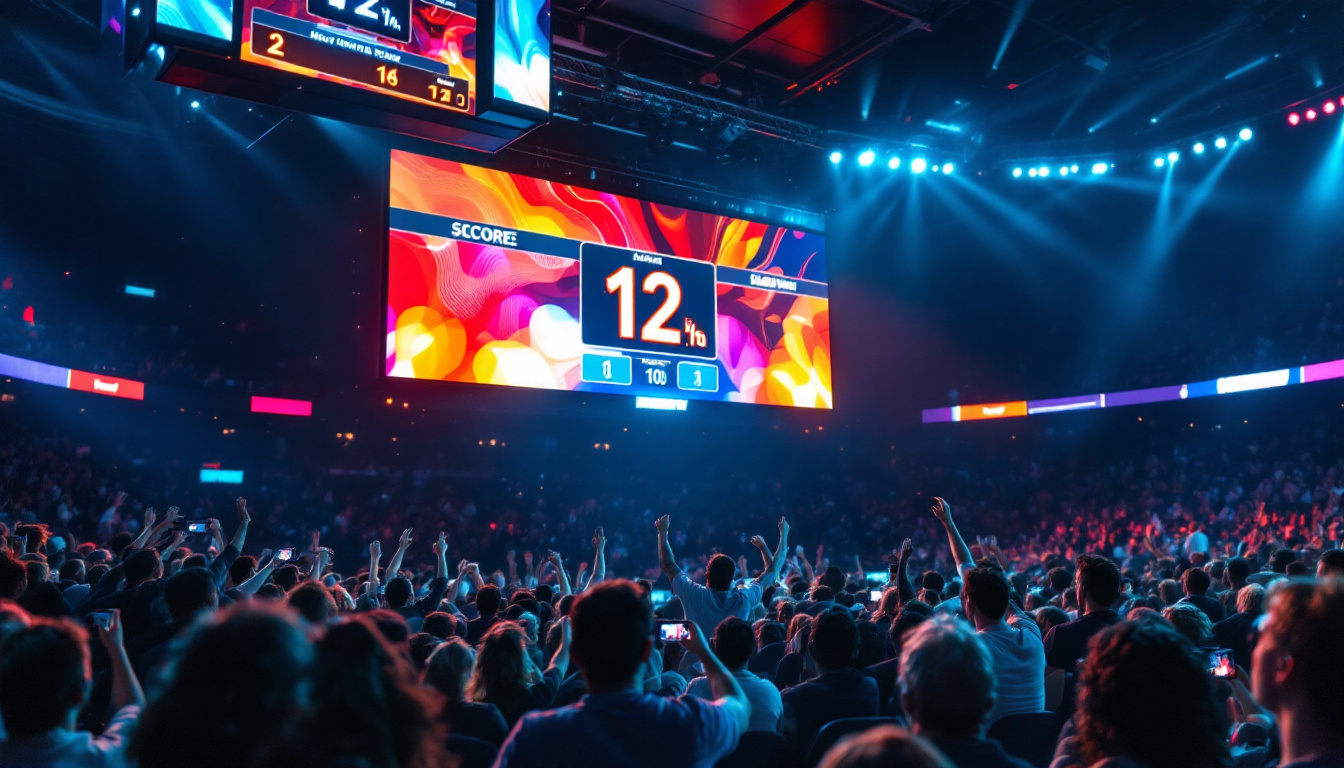
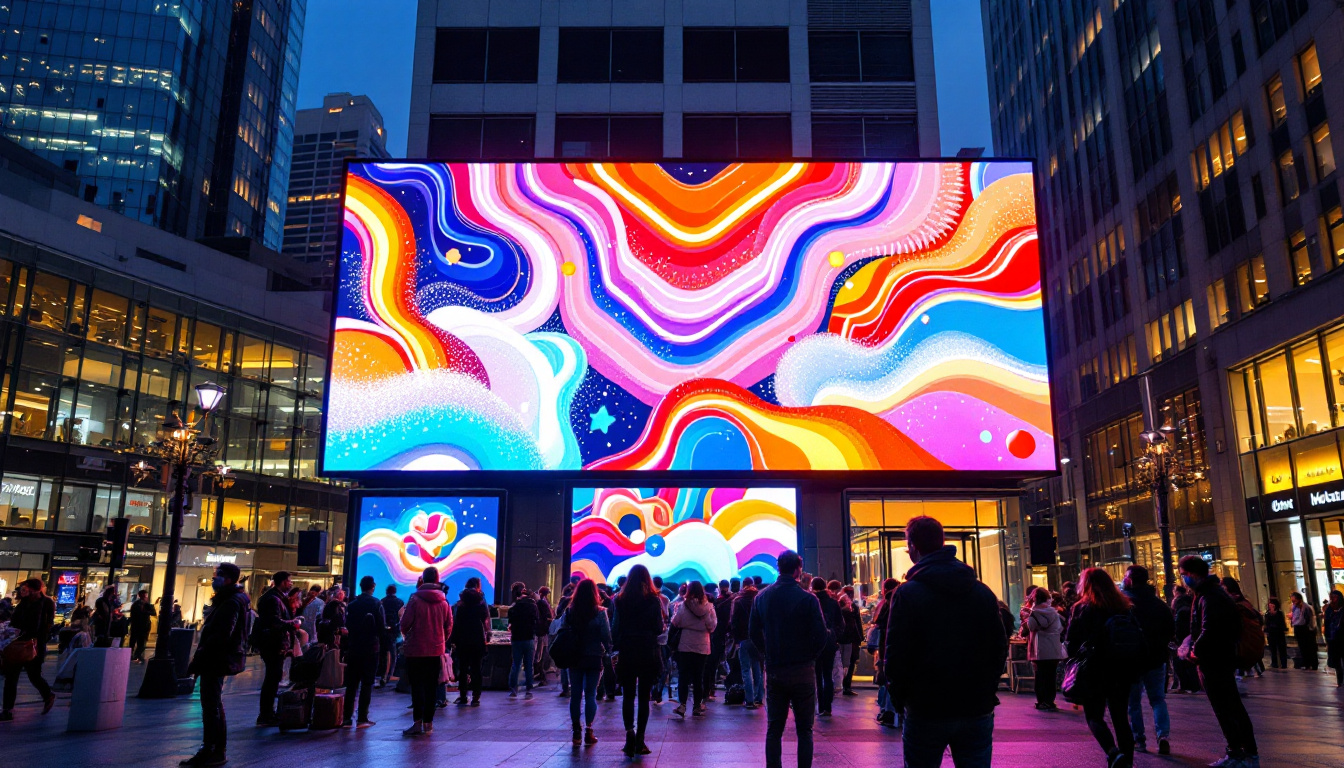
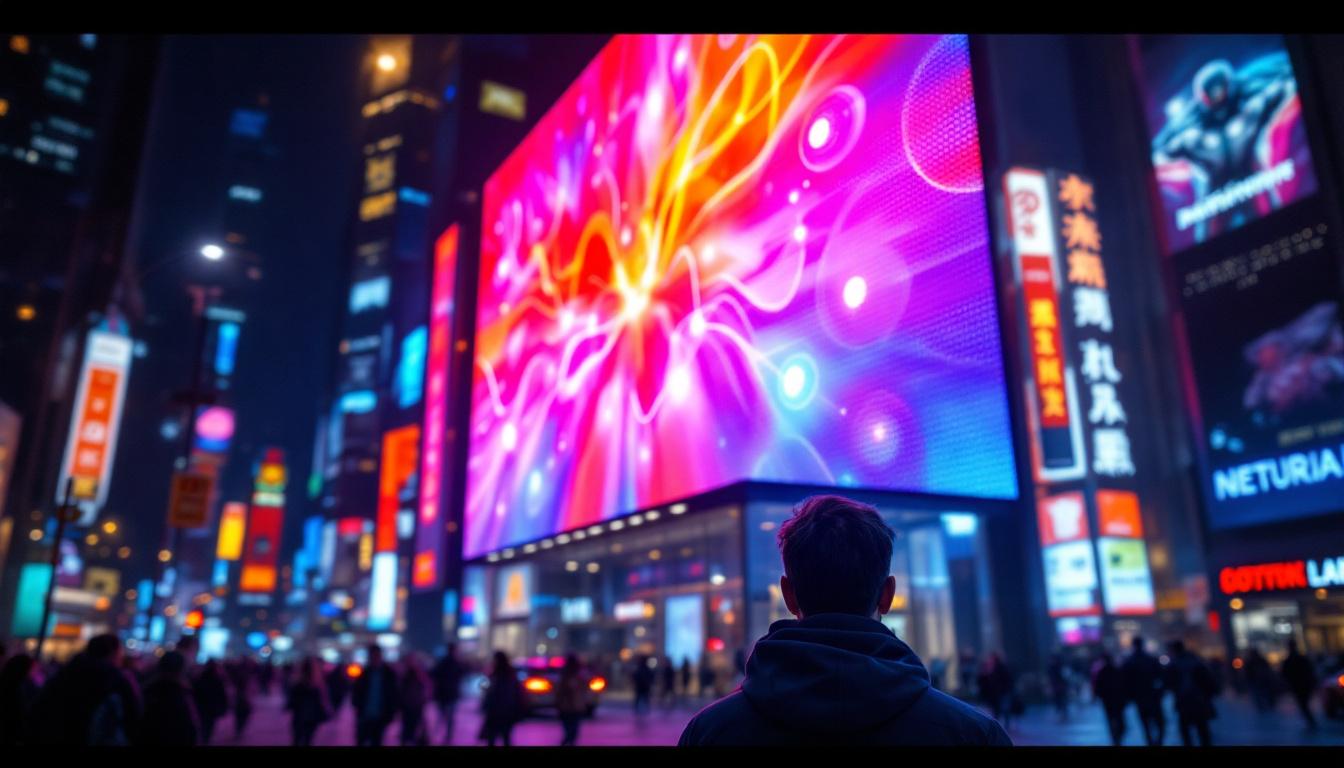
- Outdoor LED Displays: Built to withstand weather elements, these are commonly used for billboards, stadium screens, and storefront signage. They feature higher brightness levels to remain visible under sunlight. Many outdoor displays also incorporate advanced features such as weatherproofing and anti-glare technology, ensuring that they remain functional and effective in all conditions.
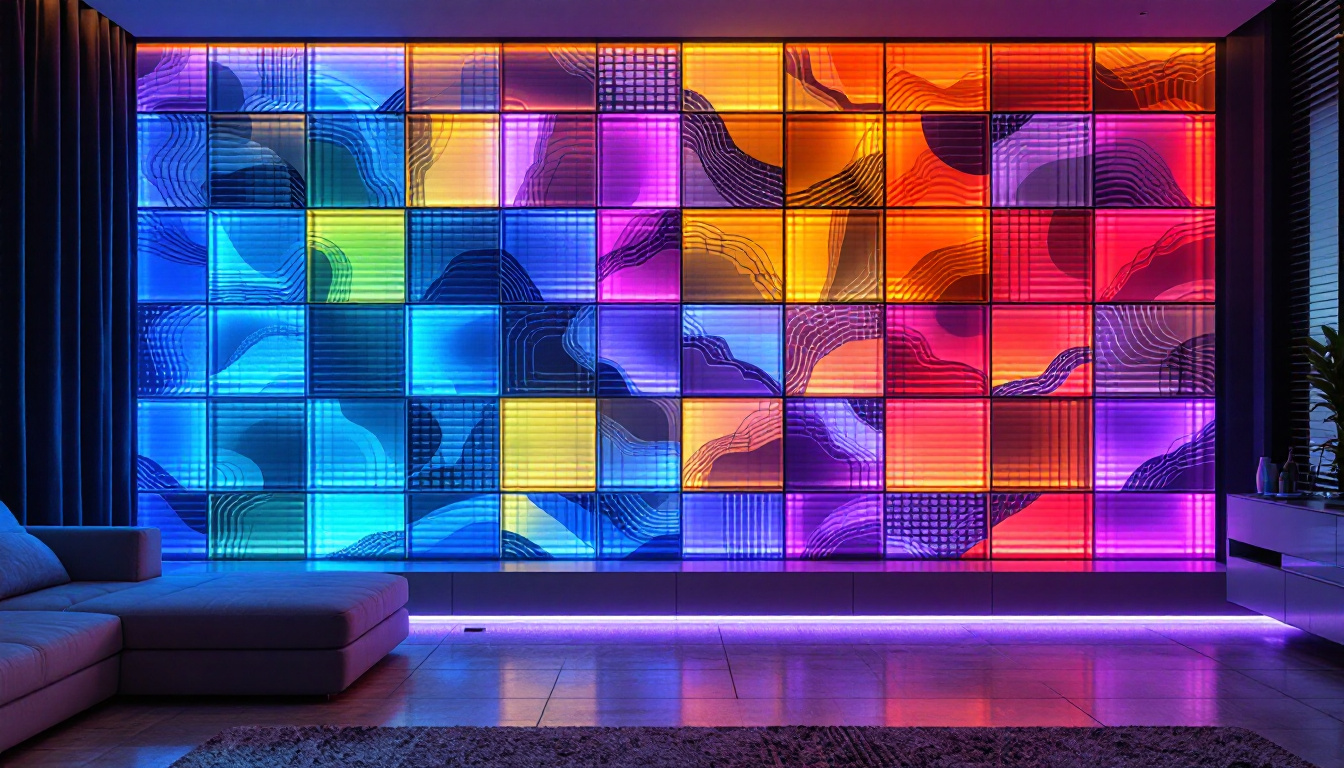
- Flexible and Curved LED Displays: These innovative screens can bend or curve, allowing creative installations that fit unique architectural designs. This flexibility opens up new possibilities for artistic expression in public spaces, as well as enhancing the customer experience in retail environments.
- Transparent LED Displays: These allow light to pass through, making them ideal for glass windows without obstructing the view. They are particularly popular in modern retail settings, where they can display advertisements while still allowing customers to see the products inside.
How LED Display Boards Work
Understanding the mechanics of LED display boards helps appreciate their versatility and effectiveness. Each LED pixel is controlled by a driver circuit that adjusts its brightness and color based on the input signal. The entire display is managed by a control system that processes content and synchronizes the LEDs to produce the desired images or videos. This intricate system allows for a wide range of applications, from advertising and information dissemination to artistic displays and event backdrops. The technology behind LED displays has evolved significantly, enabling them to deliver high-quality visuals that captivate audiences in various settings.
Modern LED displays often connect to computers or media players via wired or wireless networks. This connectivity allows businesses to update their content remotely and schedule messages to display at specific times, enhancing operational efficiency. Furthermore, many LED systems come equipped with cloud-based software, enabling real-time updates and the ability to manage multiple displays from a single interface. This flexibility is particularly beneficial for companies with multiple locations, as they can maintain consistent branding and messaging across all platforms effortlessly.
Brightness and Resolution
Brightness is measured in nits, with outdoor displays typically ranging from 5,000 to 10,000 nits to combat sunlight glare. Indoor displays require less brightness, usually between 800 and 1,500 nits, to avoid eye strain while maintaining vivid visuals. The ability to adjust brightness dynamically based on ambient light conditions is a feature of many modern LED displays, ensuring optimal visibility at all times. This adaptability not only enhances user experience but also contributes to energy efficiency, as the display can lower its brightness when sufficient ambient light is present.
Resolution depends on pixel pitch—the distance between the centers of two adjacent LEDs. A smaller pixel pitch means higher resolution and sharper images, which is crucial for close-up viewing. For example, a pixel pitch of 1.5mm is common for indoor displays, whereas outdoor boards might have pitches of 10mm or more. Additionally, advancements in technology have led to the development of fine-pitch LED displays, which can achieve pixel pitches as low as 0.9mm. These ultra-high-definition displays are becoming increasingly popular in high-end retail environments and corporate settings, where clarity and detail are paramount. As a result, businesses can create immersive experiences that engage customers and enhance brand loyalty through stunning visual presentations.
Benefits of LED Display Boards for Businesses
LED display boards offer a multitude of advantages that make them a smart investment for businesses across industries.
Enhanced Visibility and Engagement
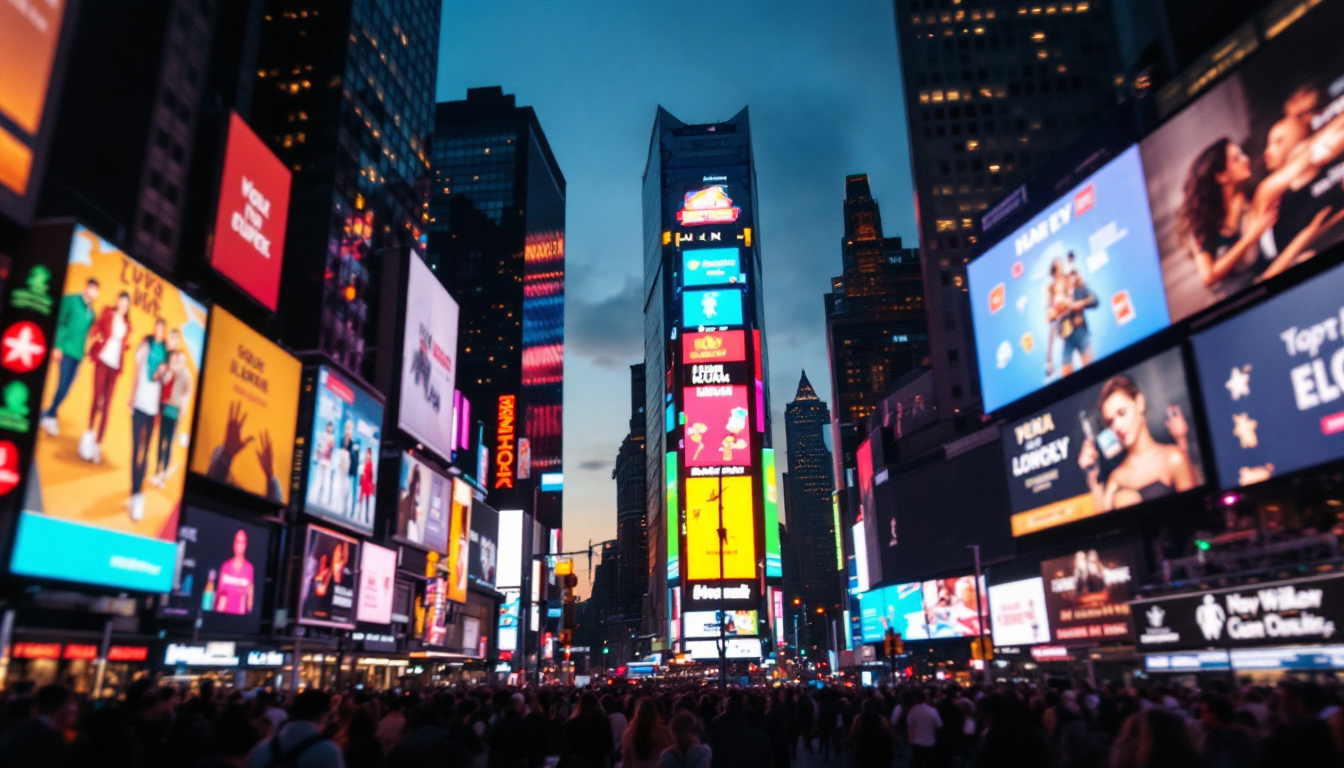
LED displays are bright, colorful, and dynamic, making them far more noticeable than traditional signage. Studies show that digital signage can increase customer engagement by up to 47.7%, with viewers more likely to remember messages displayed on LED screens. This heightened visibility translates into increased foot traffic and sales.
Cost-Effectiveness Over Time
While the initial investment in LED display technology can be higher than static signs, the long-term benefits outweigh the costs. LED displays consume less power than many traditional lighting solutions, reducing energy expenses. Additionally, their durability and low maintenance requirements minimize replacement and repair costs.
Flexibility and Real-Time Updates
One of the most significant advantages of LED boards is the ability to change content instantly. Businesses can promote time-sensitive offers, update pricing, or display emergency messages without the need for physical replacements. This flexibility enhances marketing agility and responsiveness to market trends.
Eco-Friendly Marketing Solution
LED technology is more environmentally friendly compared to other lighting and display options. LEDs contain no hazardous materials like mercury, have a longer lifespan, and consume less electricity. Using LED displays can help companies reduce their carbon footprint and align with sustainability goals.
Practical Applications of LED Display Boards in Business
LED display boards have found applications in a wide range of business sectors, each leveraging the technology to meet specific communication needs.
Retail and Hospitality
Retailers use LED displays to showcase promotions, new arrivals, and brand messages both inside stores and on storefronts. Restaurants and hotels utilize them for menu boards, event announcements, and wayfinding, enhancing customer experience and operational efficiency.
Transportation and Public Spaces
Airports, train stations, and bus terminals employ LED displays for real-time scheduling information, alerts, and advertisements. Their high visibility ensures travelers stay informed and engaged.
Corporate and Event Venues
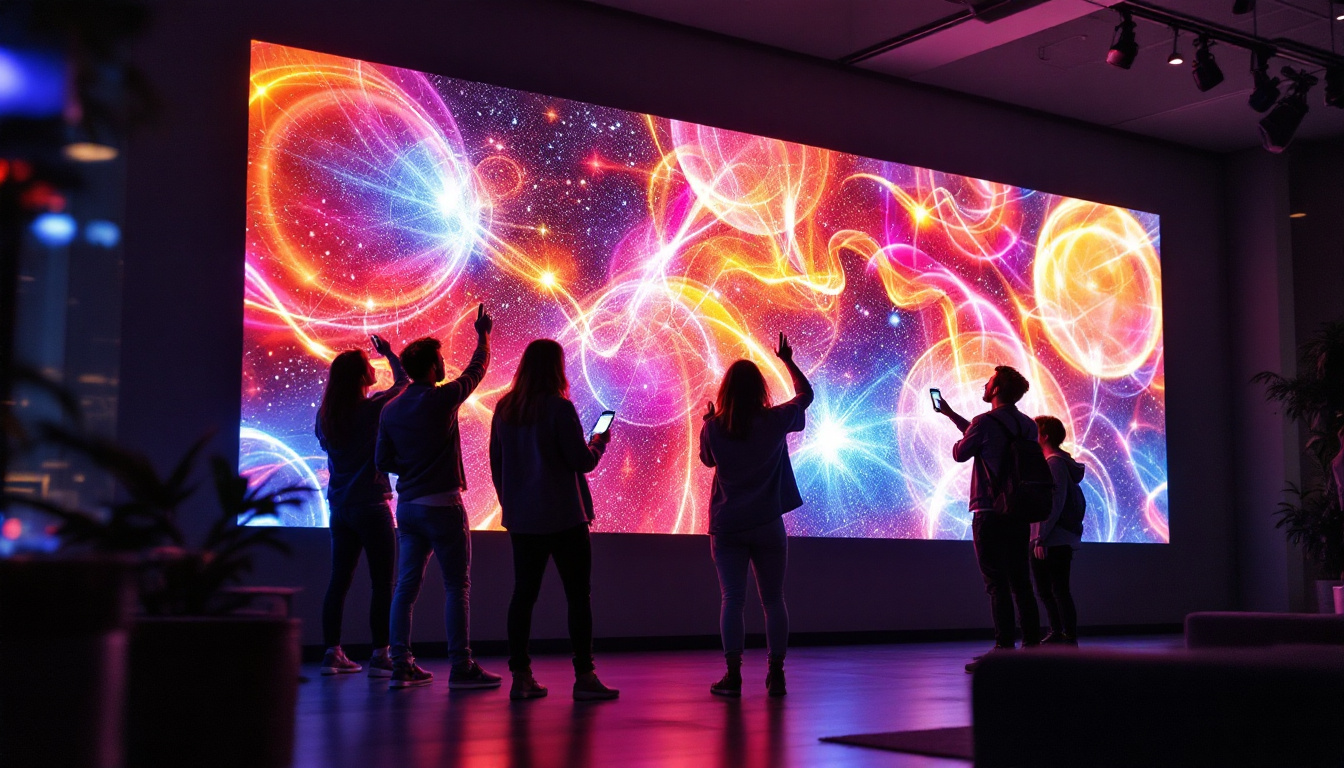
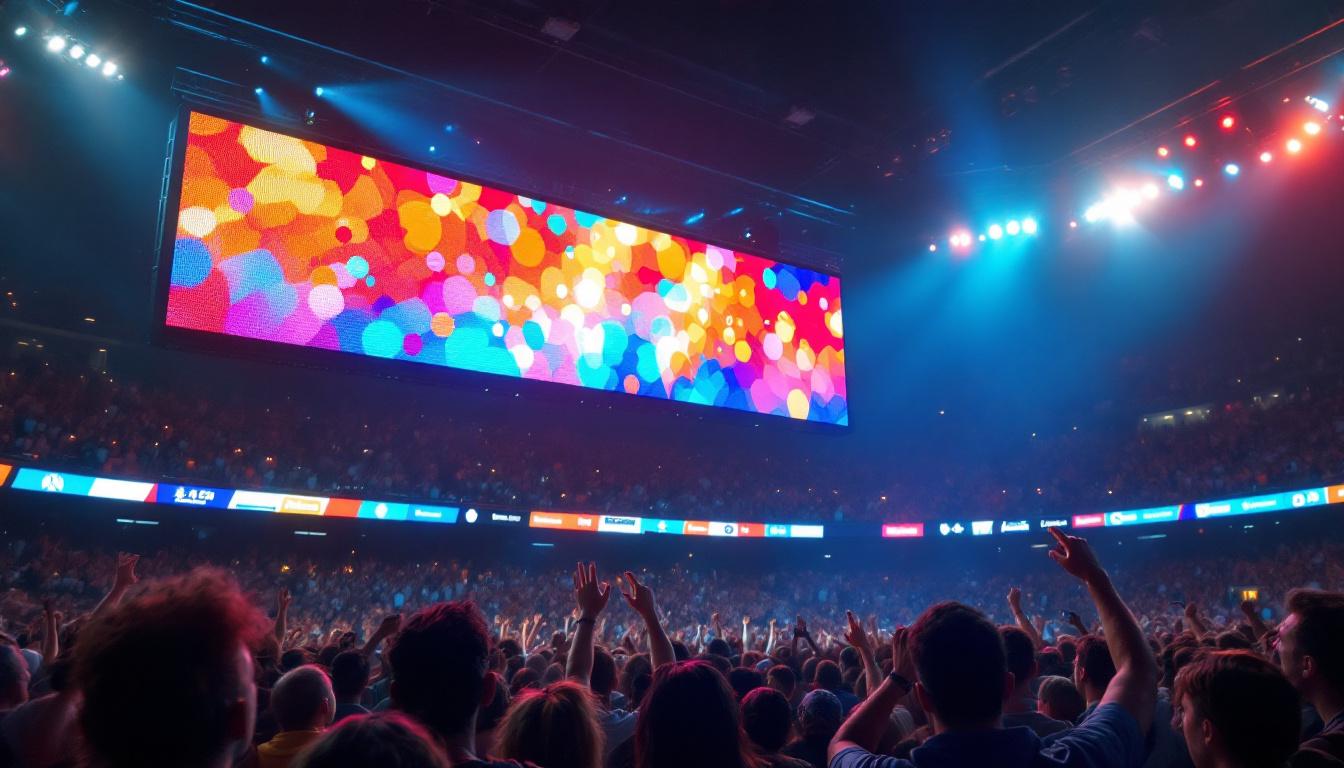
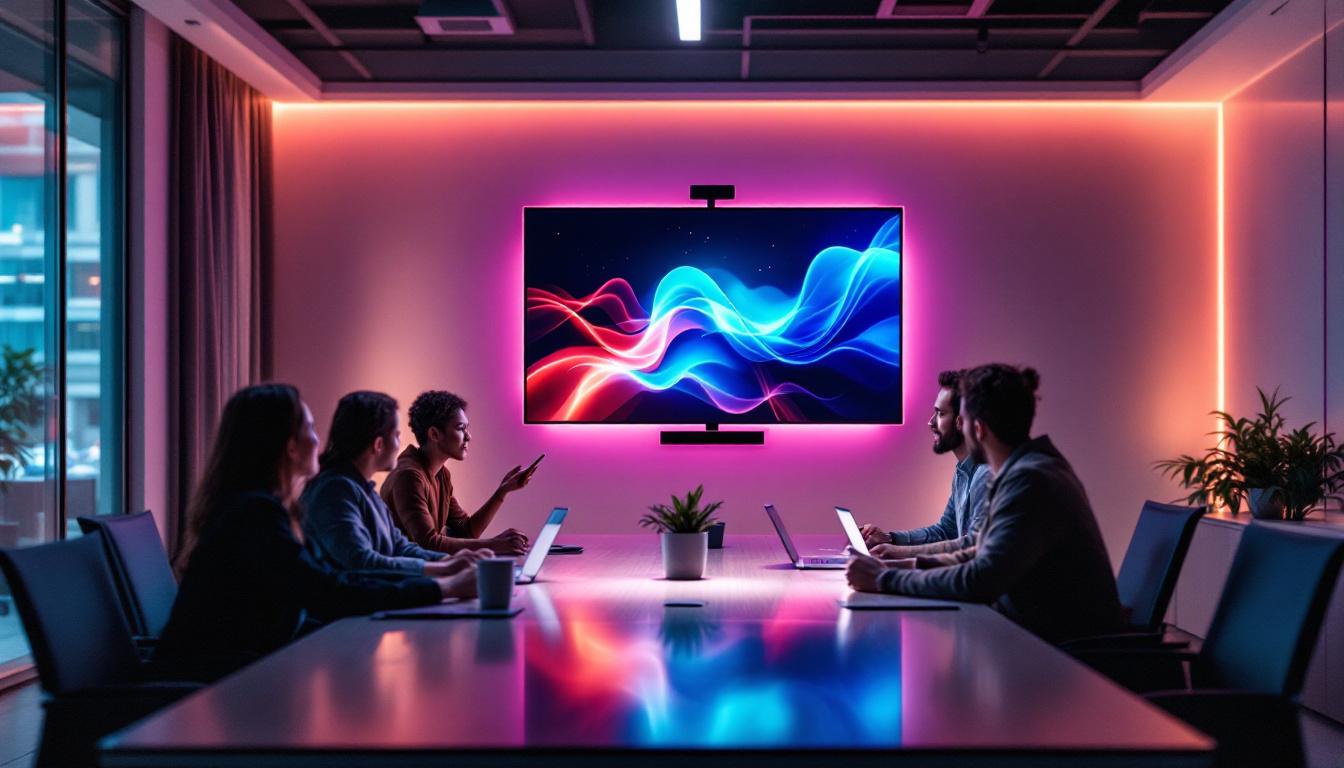
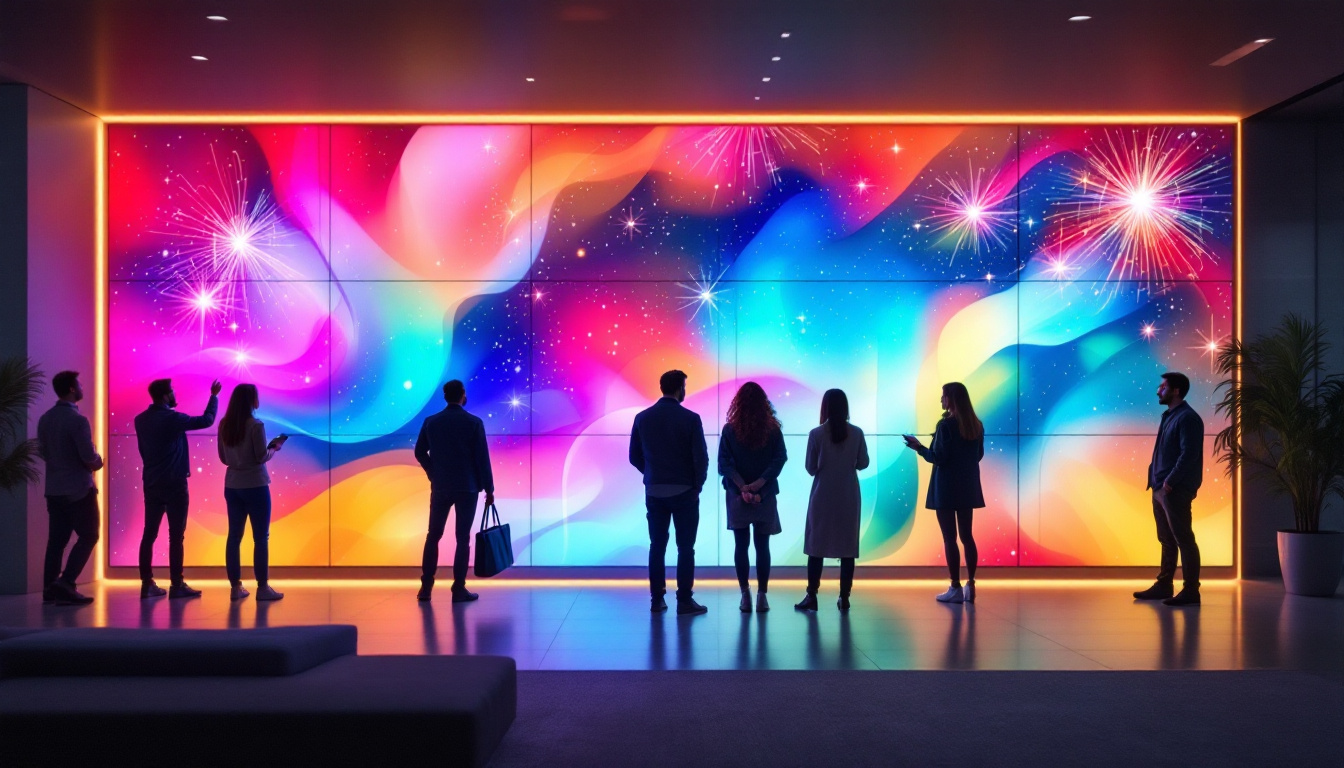
Businesses use LED walls in conference rooms, lobbies, and trade shows to present presentations, branding, and interactive content. Event organizers deploy large LED screens to enhance audience experience during concerts, sports events, and exhibitions.
Choosing the Right LED Display Board for Your Business
Selecting the appropriate LED display board requires careful consideration of several factors to maximize return on investment.
Assess Your Business Needs
Identify the primary purpose of the display. Is it for advertising, information dissemination, or decorative purposes? Understanding the goal will guide decisions about size, resolution, and location.
Consider Viewing Distance and Environment
The pixel pitch and brightness should be matched to the typical viewing distance and ambient lighting. For example, a small indoor display viewed from a few feet away requires a higher resolution than a large outdoor billboard seen from hundreds of feet.
Evaluate Budget and Maintenance
Balance upfront costs with long-term expenses such as power consumption and maintenance. Investing in high-quality components can reduce downtime and extend the lifespan of the display.
Check for Compliance and Permits
Some municipalities regulate outdoor digital signage regarding brightness, size, and operating hours. Ensure compliance with local regulations to avoid fines or forced removal.
Future Trends in LED Display Technology
The LED display industry is continuously evolving, driven by advances in materials, software, and integration capabilities.
Higher Resolutions and Miniaturization
Emerging microLED technology promises even smaller pixel pitches and more energy-efficient displays, enabling ultra-high-definition screens suitable for close-range viewing.
Interactive and Smart Displays
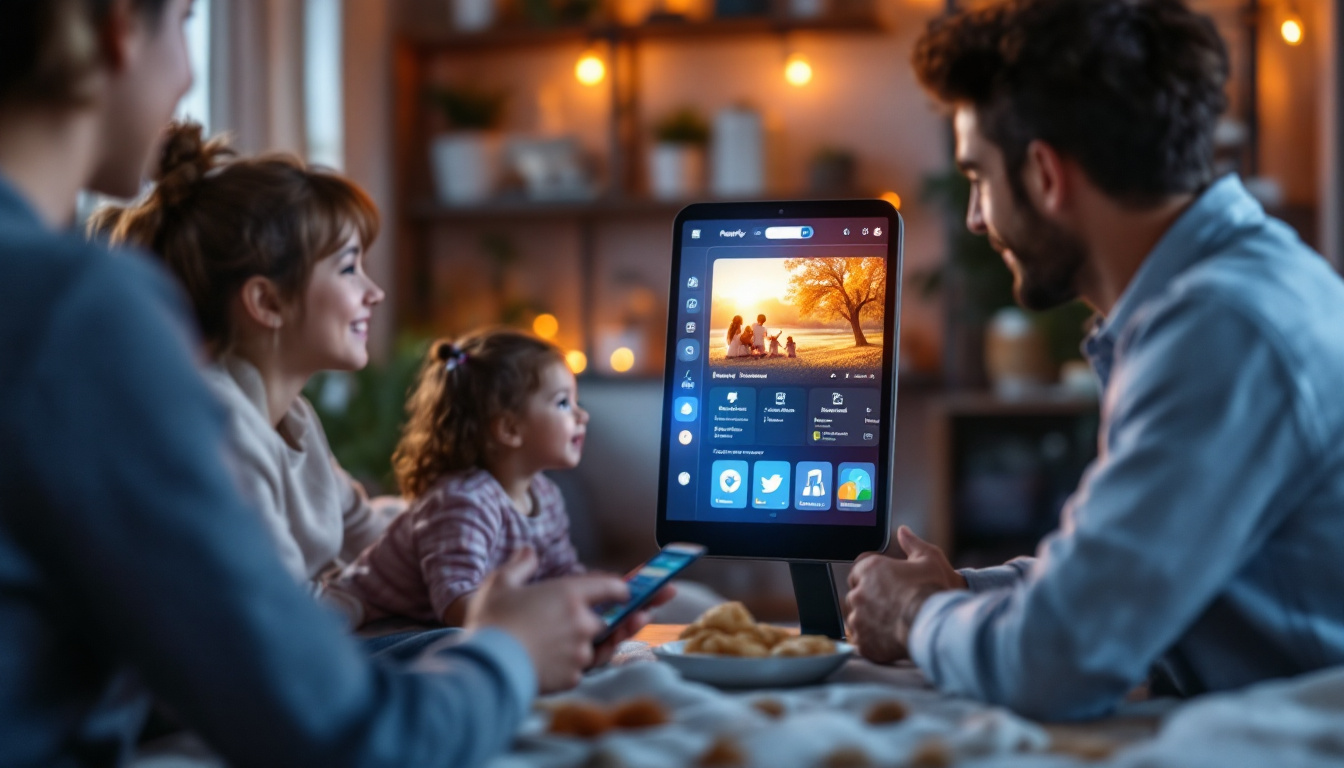
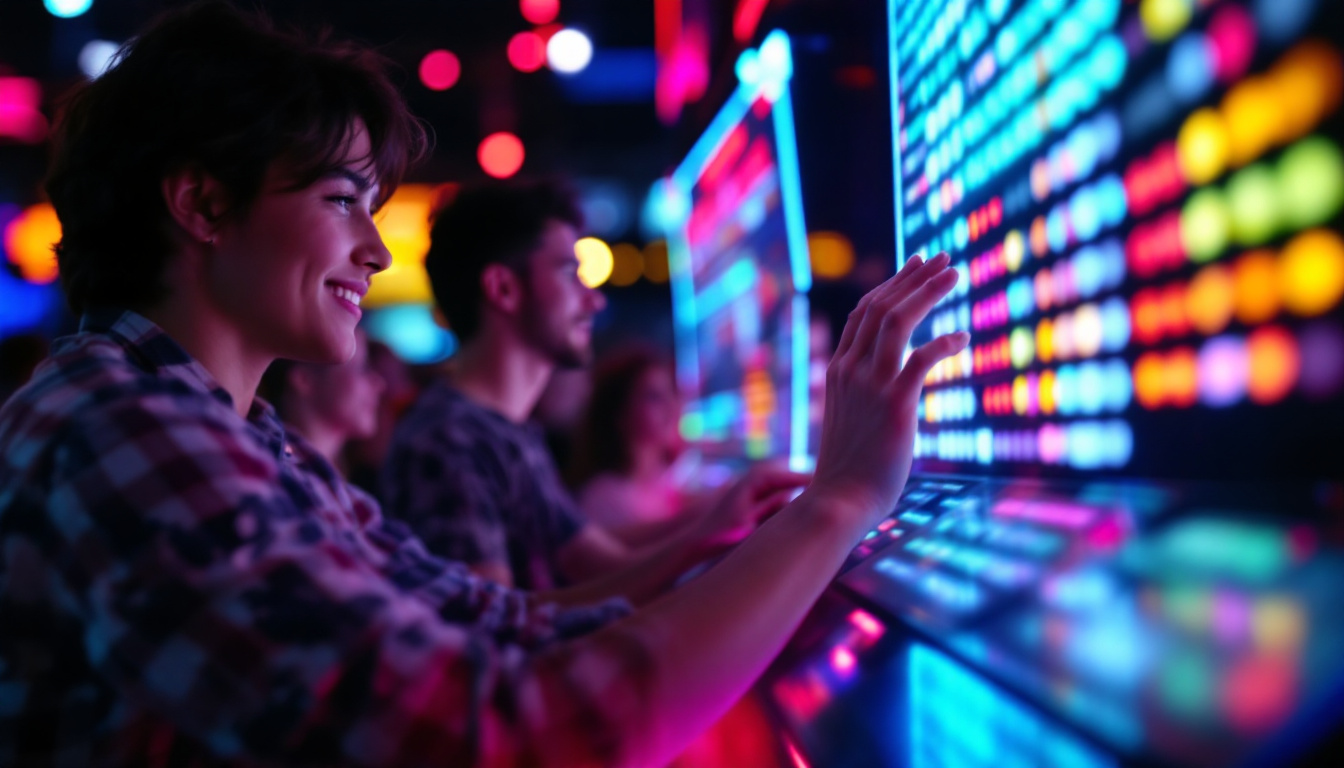
Integration with sensors, cameras, and AI enables interactive experiences tailored to individual viewers. Smart LED displays can adjust content based on audience demographics or environmental conditions.
Augmented Reality (AR) Integration
Combining LED displays with AR technology will create immersive advertising and informational experiences, blending physical and digital worlds seamlessly.
Conclusion
LED display boards have transformed business communication by offering vibrant, flexible, and cost-effective solutions for engaging customers and enhancing brand presence. Their dynamic nature and adaptability make them suitable for a wide range of applications, from retail storefronts to large-scale events.
As technology advances, LED displays will become even more sophisticated, interactive, and integrated into everyday business operations. Investing in the right LED display board today can position a business for greater visibility, customer engagement, and competitive advantage in the years to come.
Discover the Future of Visual Engagement with LumenMatrix
Ready to elevate your business’s visual impact and captivate your audience like never before? Explore LumenMatrix’s comprehensive range of LED display solutions, from vibrant Indoor and Outdoor LED Wall Displays to innovative options like Vehicle, Sports, and Floor LED Displays. Our mission is to revolutionize your visual communication, ensuring your message resonates with clarity and creativity. Don’t miss the opportunity to transform your brand’s presence—Check out LumenMatrix LED Display Solutions today and step into the future of dynamic and engaging digital signage.