In the evolving world of home theaters, conference rooms, and digital signage, the choice of a projector screen can significantly impact the viewing experience. Among the many options available, motorized projector screens have gained popularity for their convenience and sleek design. More recently, LED display technology has emerged as a compelling alternative or complement to traditional projection setups. This article explores the best motorized projector screens and explains how LED displays fit into the modern visual presentation landscape.
Understanding Motorized Projector Screens
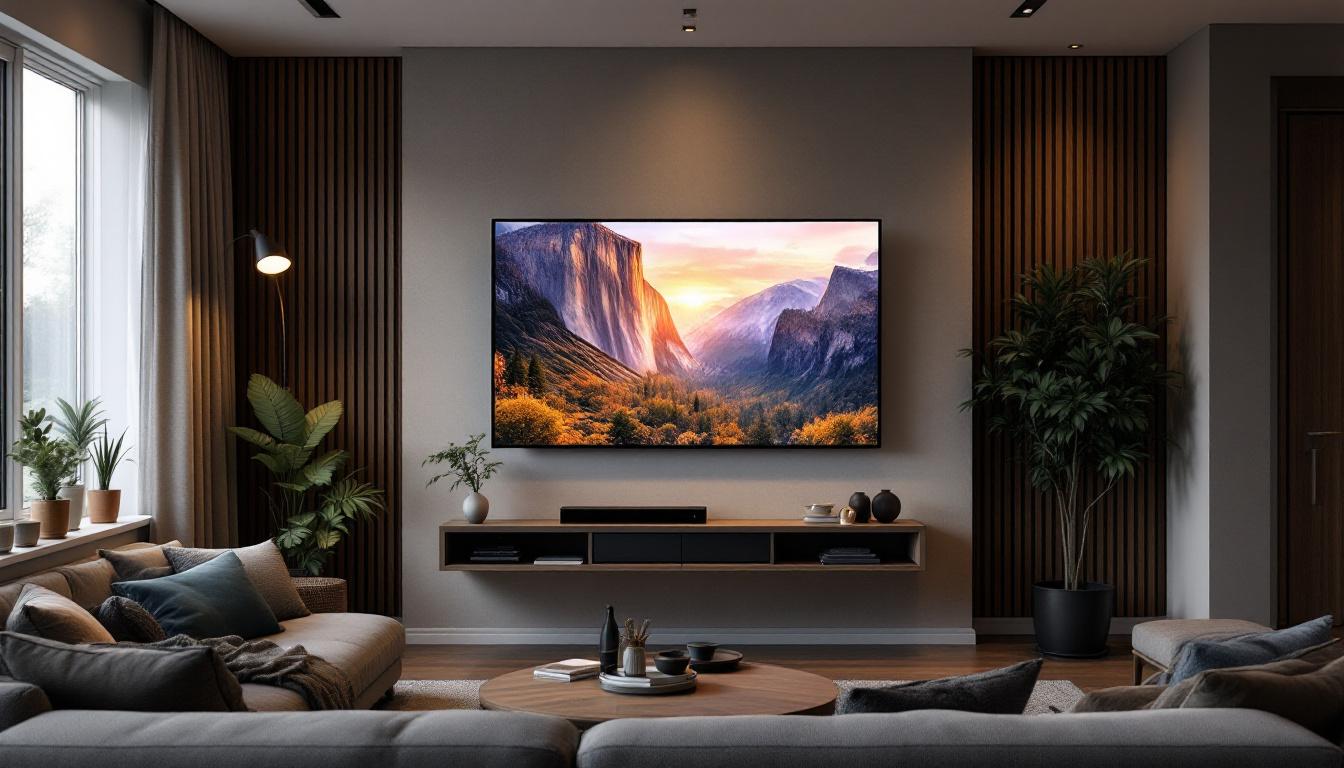
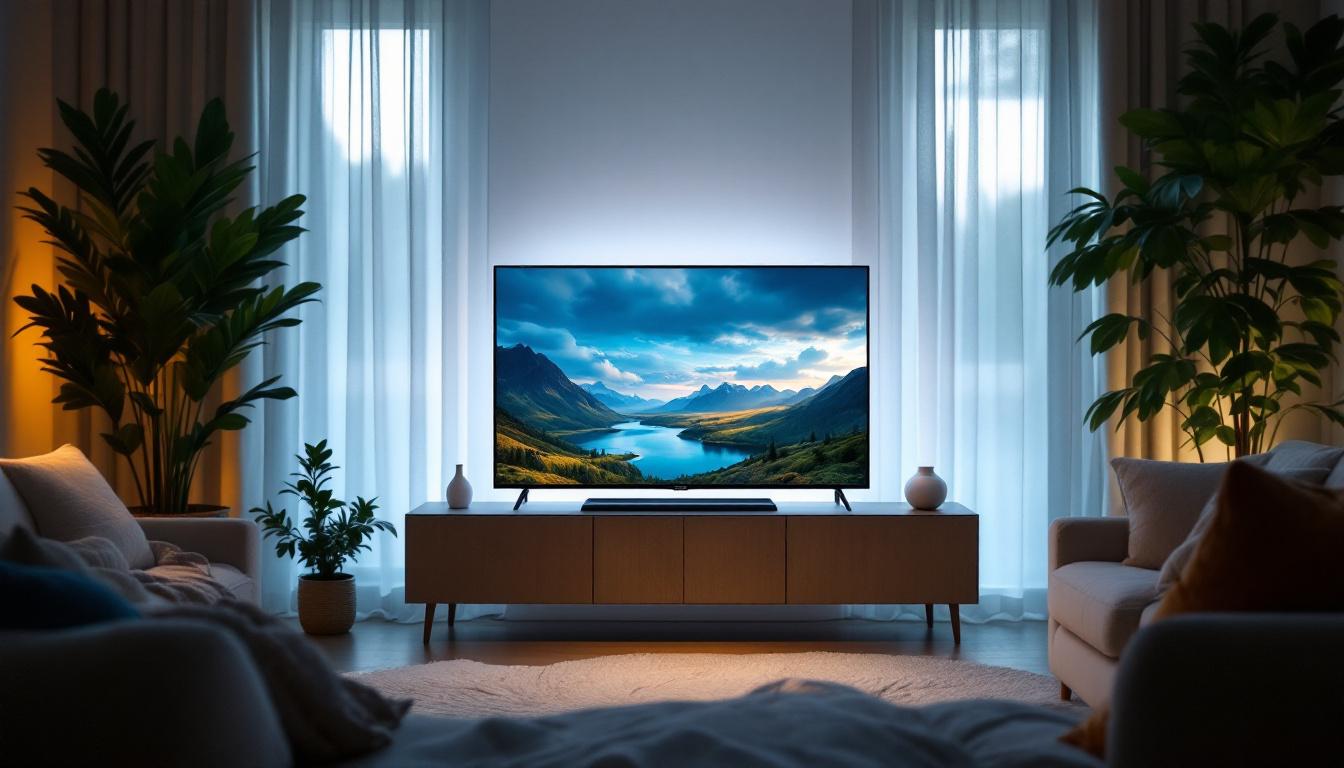
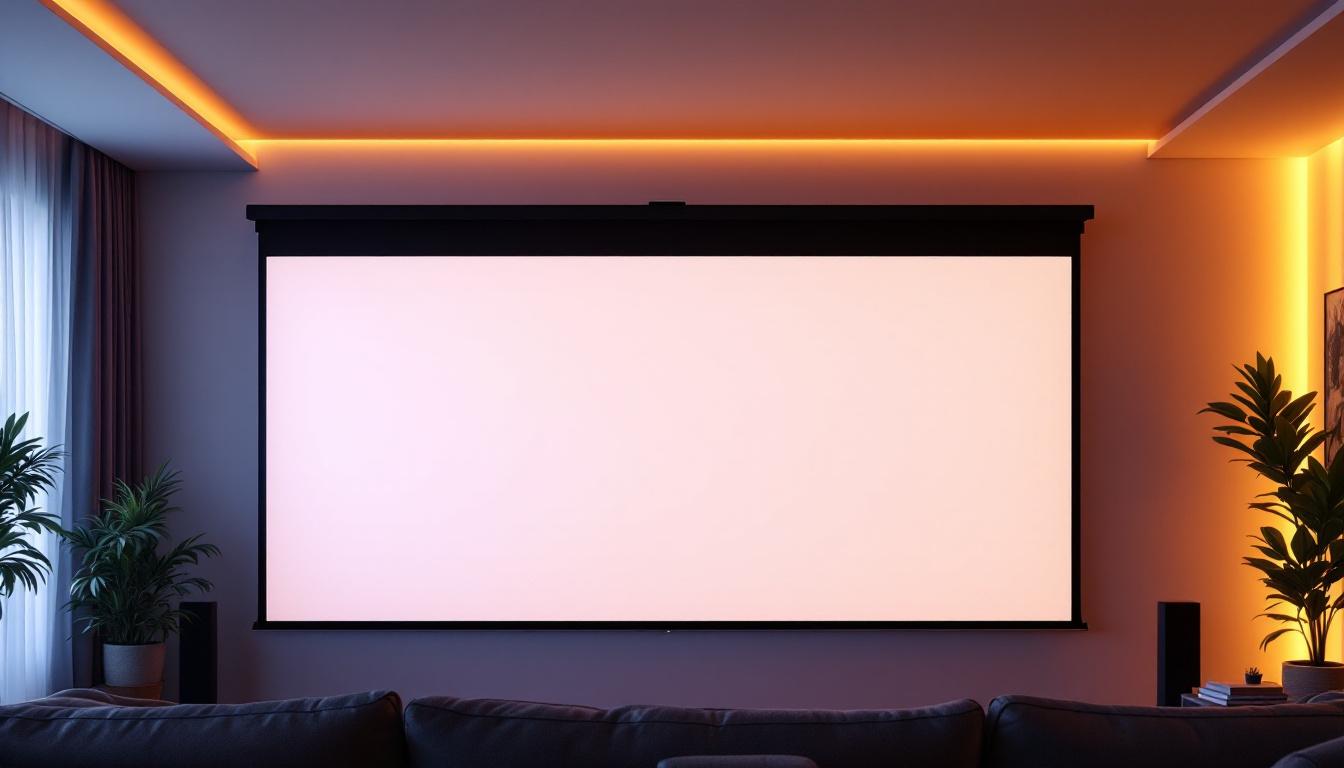
Motorized projector screens are designed to roll up and down automatically at the push of a button, offering a blend of functionality and aesthetics. Unlike fixed-frame screens, these screens can be neatly concealed when not in use, preserving room decor and protecting the screen surface from dust and damage. This feature is particularly beneficial in multi-purpose rooms where space is at a premium, allowing homeowners and businesses alike to maximize their environments without compromising on style or practicality.
Typically, motorized screens come in various sizes, aspect ratios, and materials, tailored to different environments—from home cinemas to corporate boardrooms. The motor mechanism is usually quiet and smooth, ensuring minimal disruption during presentations or movie viewings. In addition, many modern motorized screens are designed with user-friendly features such as programmable settings, allowing users to set specific positions for different types of content, whether it be a film, a presentation, or a video conference call.
Key Features and Benefits
The primary advantage of motorized screens is convenience. With remote control or wall switch operation, users avoid manual handling, which can cause wear and tear. Many models also support integration with smart home systems, allowing automation based on time or device usage. This means that with a simple voice command or a scheduled setting, the screen can lower itself at the perfect moment, creating a seamless experience for the viewer. Such integration can also enhance security, as screens can be programmed to retract when the room is not in use, further protecting the screen from potential damage.
Additionally, motorized screens often feature tensioning systems that keep the surface flat and wrinkle-free, enhancing image quality. High-end models may include ambient light rejection (ALR) coatings, improving contrast in well-lit rooms. These features are particularly advantageous in environments where lighting cannot be controlled, ensuring that the viewing experience remains optimal regardless of external conditions. Furthermore, many motorized screens are designed with durability in mind, often featuring robust materials that can withstand frequent use while maintaining their aesthetic appeal.
Popular Materials Used
Screen materials vary widely, impacting brightness, color accuracy, and viewing angle. Matte white surfaces are common for general use, offering balanced color reproduction and wide viewing angles. For rooms with ambient light, gray or ALR materials help maintain contrast by absorbing stray light. These materials are engineered to enhance the viewing experience, making them ideal for both casual movie nights and professional presentations where clarity is paramount.
Some motorized screens incorporate specialized coatings to enhance image sharpness or reduce glare. Choosing the right material depends on projector brightness, room lighting, and intended use. For instance, a high-gain screen may be suitable for a bright projector in a well-lit room, while a standard matte screen might be more appropriate for a darker home theater environment. Additionally, advancements in screen technology have led to the development of screens that can adapt to varying light conditions, providing flexibility for users who may want to switch between different viewing scenarios without needing to change their setup. This versatility ensures that motorized screens remain a popular choice for both residential and commercial applications.
The Rise of LED Displays as an Alternative
While projector screens have long been the standard for large-format displays, LED technology has made significant strides, offering a direct-view alternative that eliminates many limitations of projection.
What Are LED Displays?
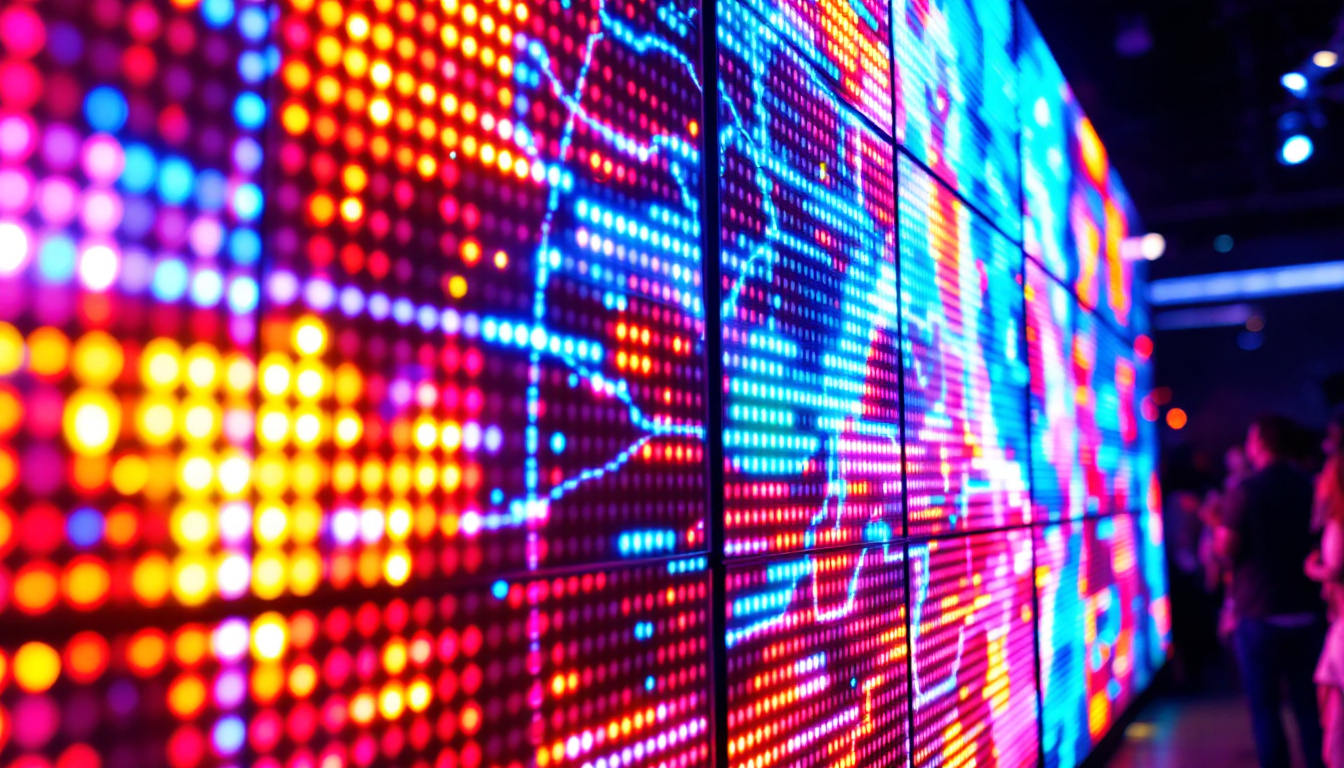
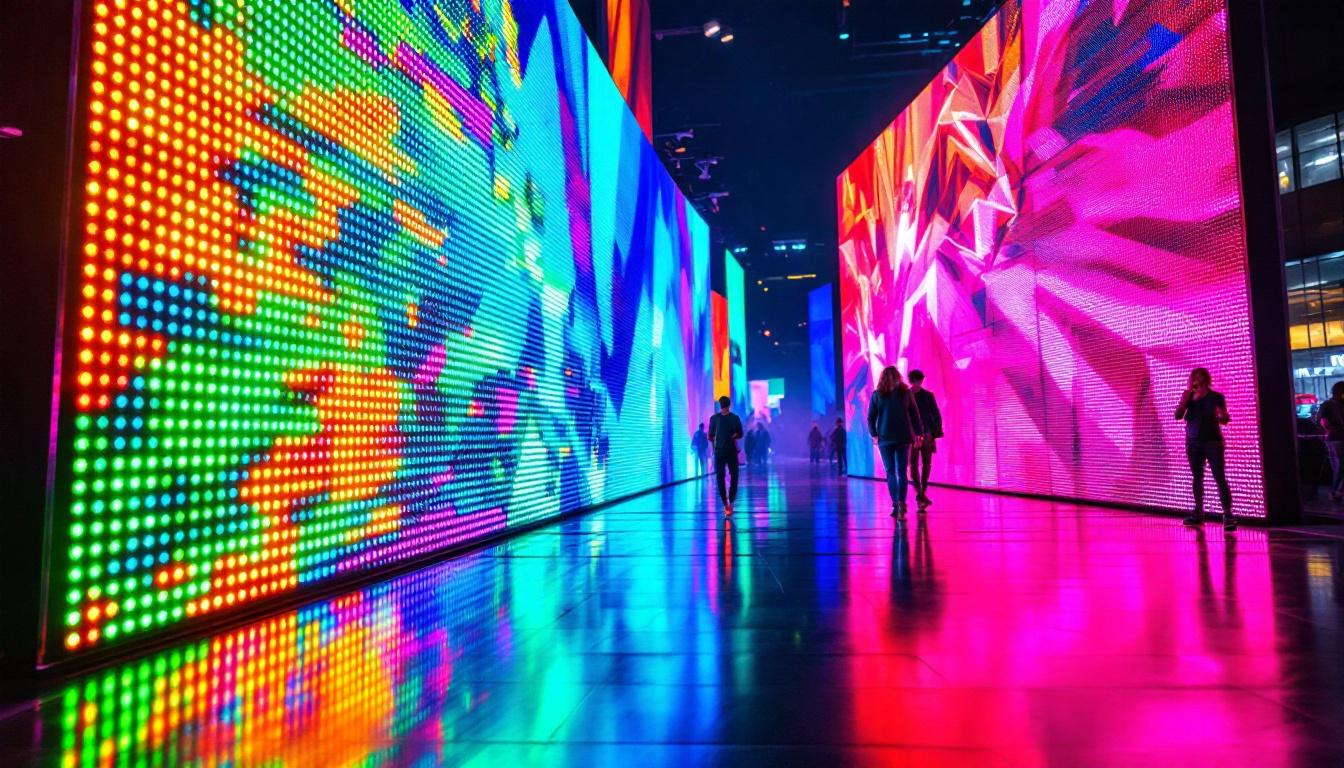
LED (Light Emitting Diode) displays consist of thousands to millions of tiny LEDs arranged in a grid, each acting as a pixel. Unlike projection, which relies on an external light source and reflective screen, LED displays emit their own light, resulting in vibrant colors and deep blacks.
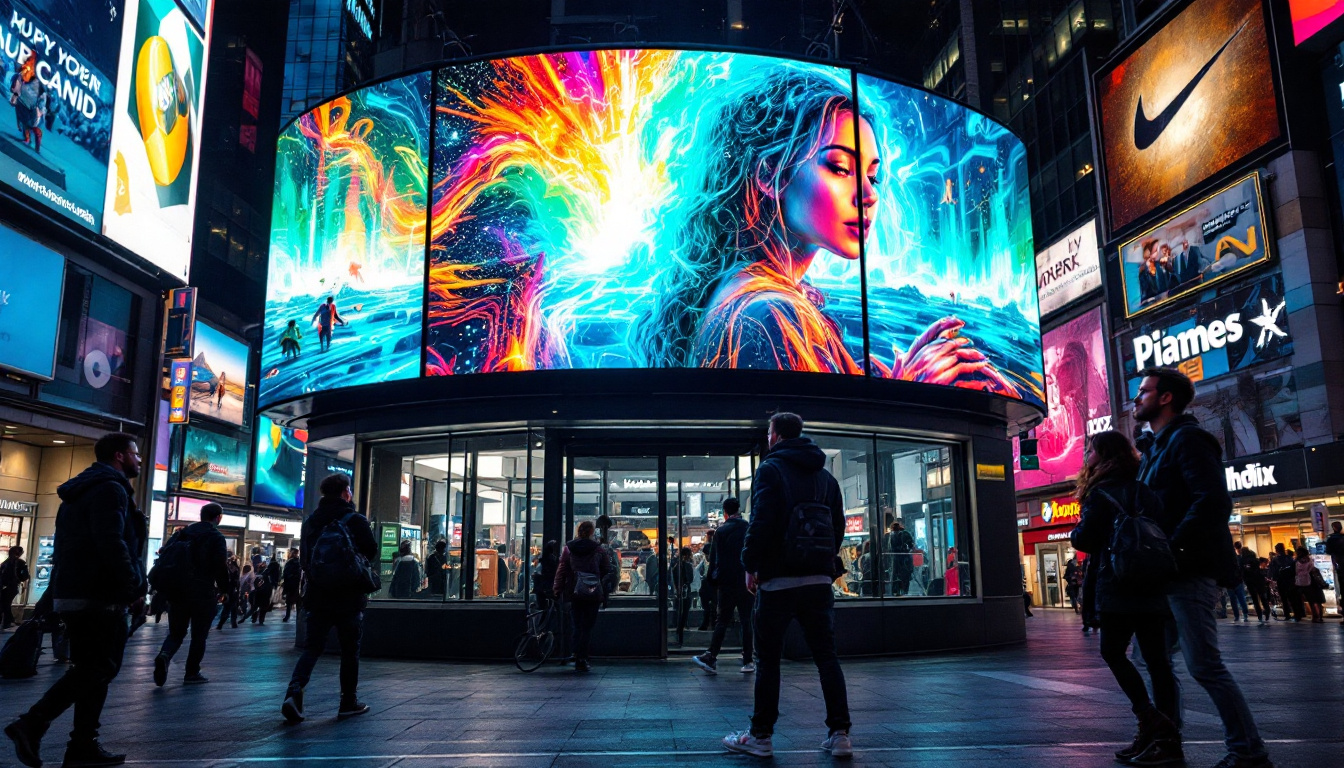
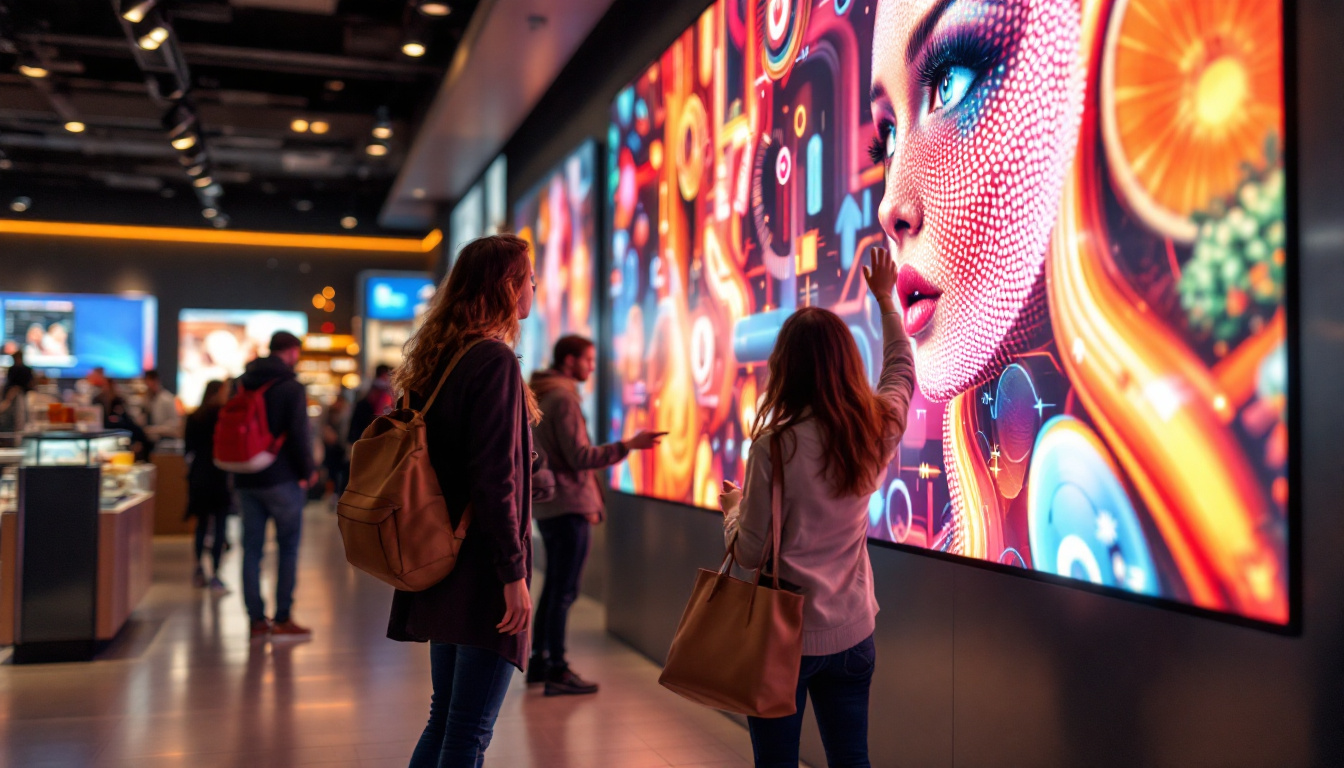
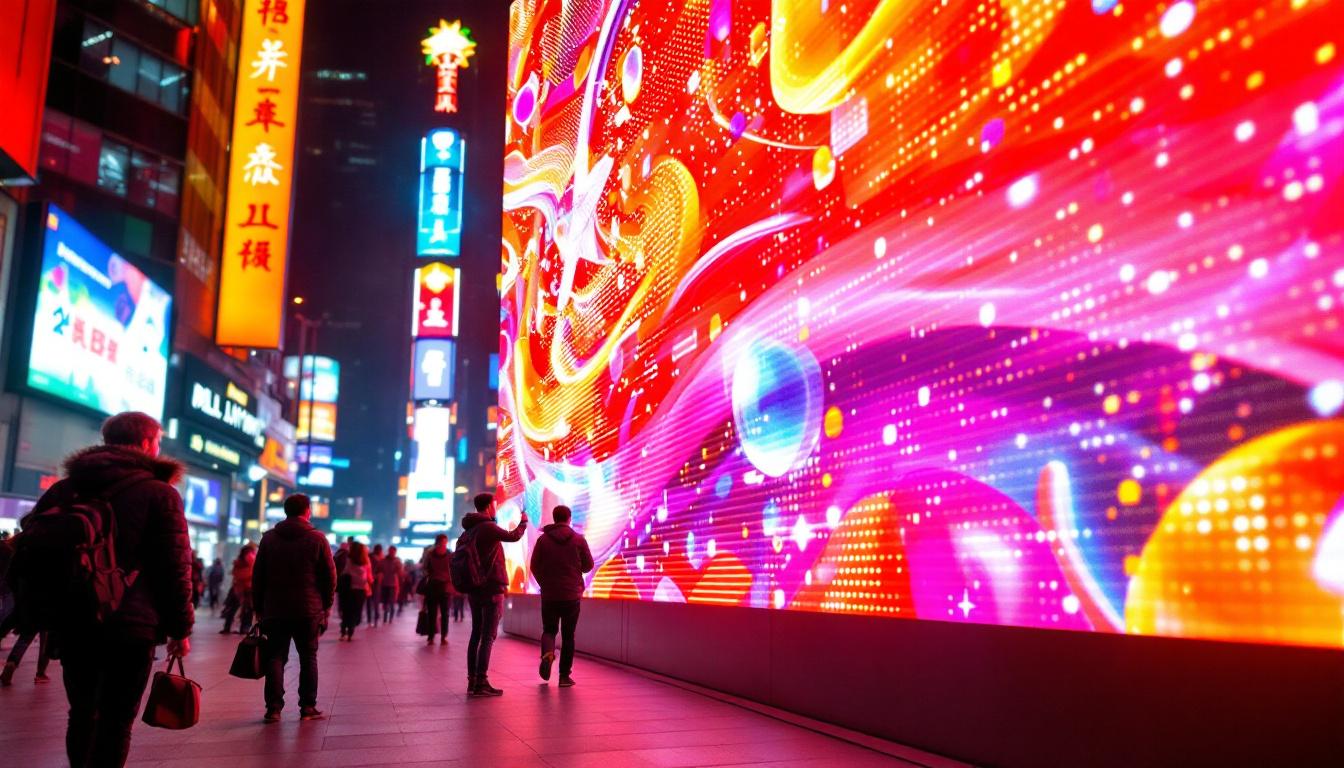
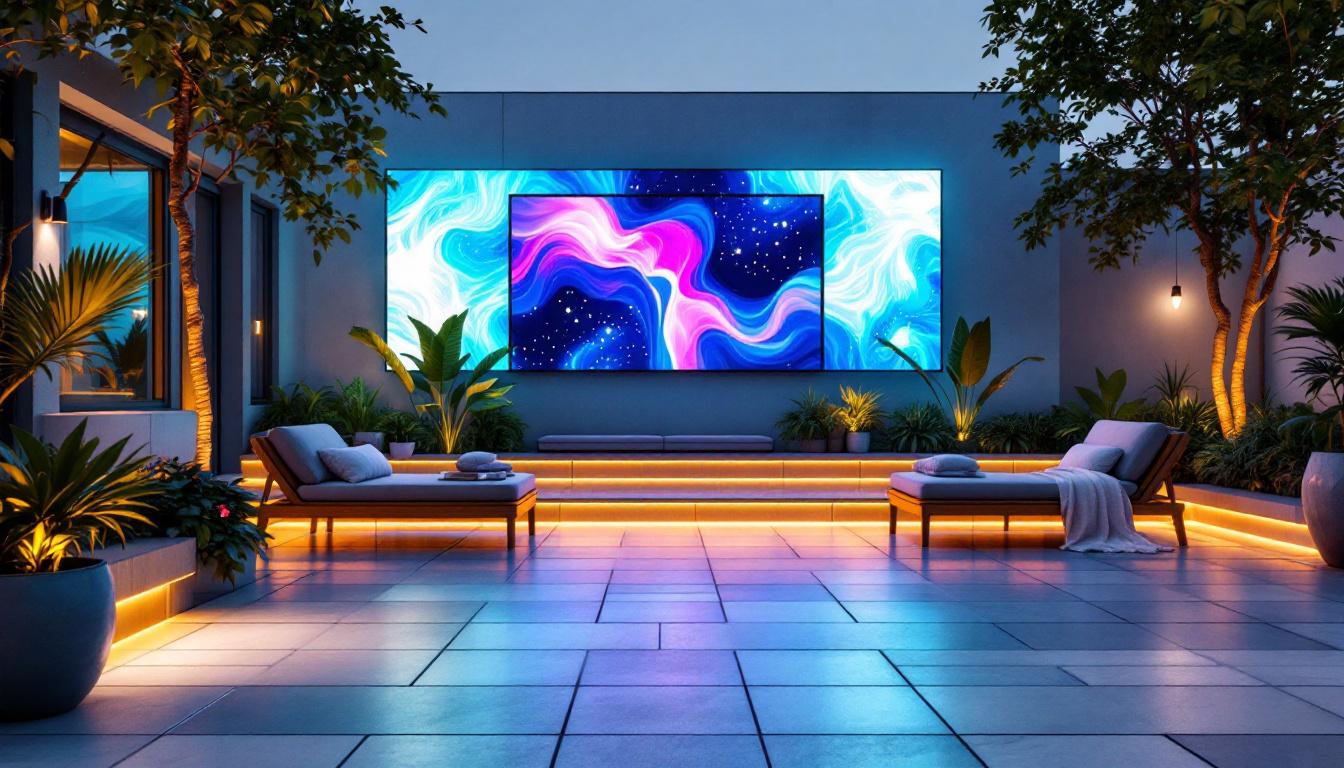
Modern LED panels are modular, allowing screens of virtually any size and shape. They are widely used in outdoor advertising, stadiums, and increasingly in indoor environments such as conference rooms and home theaters.
Advantages Over Traditional Projection
LED displays offer several benefits compared to projector-screen setups. Because they emit light directly, they provide consistent brightness and color accuracy regardless of ambient lighting conditions. This makes them ideal for well-lit environments where projector images can appear washed out.
Furthermore, LED displays have no need for alignment or focus adjustments, and they avoid issues like shadows or image distortion caused by projector placement. Their slim profile and mounting flexibility also allow for creative installation options.
Considerations and Limitations
Despite their advantages, LED displays come with higher upfront costs, especially for high-resolution, large-format models. Power consumption is typically greater than that of projectors, and installation may require professional expertise.
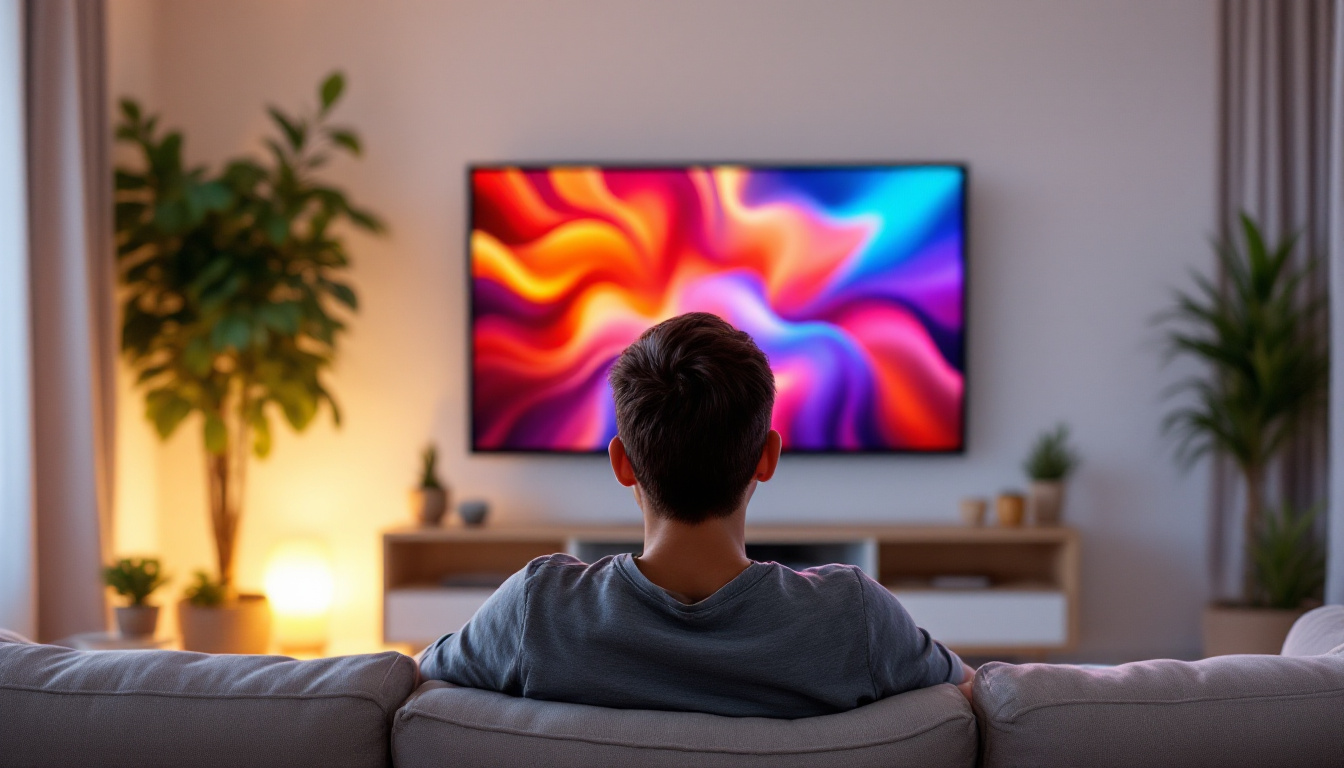
For home theater enthusiasts, LED displays may lack the cinematic feel of a projected image on a large screen, and some users report a different visual texture that takes adjustment. However, for commercial or multi-purpose spaces, the durability and brightness of LEDs often outweigh these factors.
Integrating Motorized Screens with LED Technology
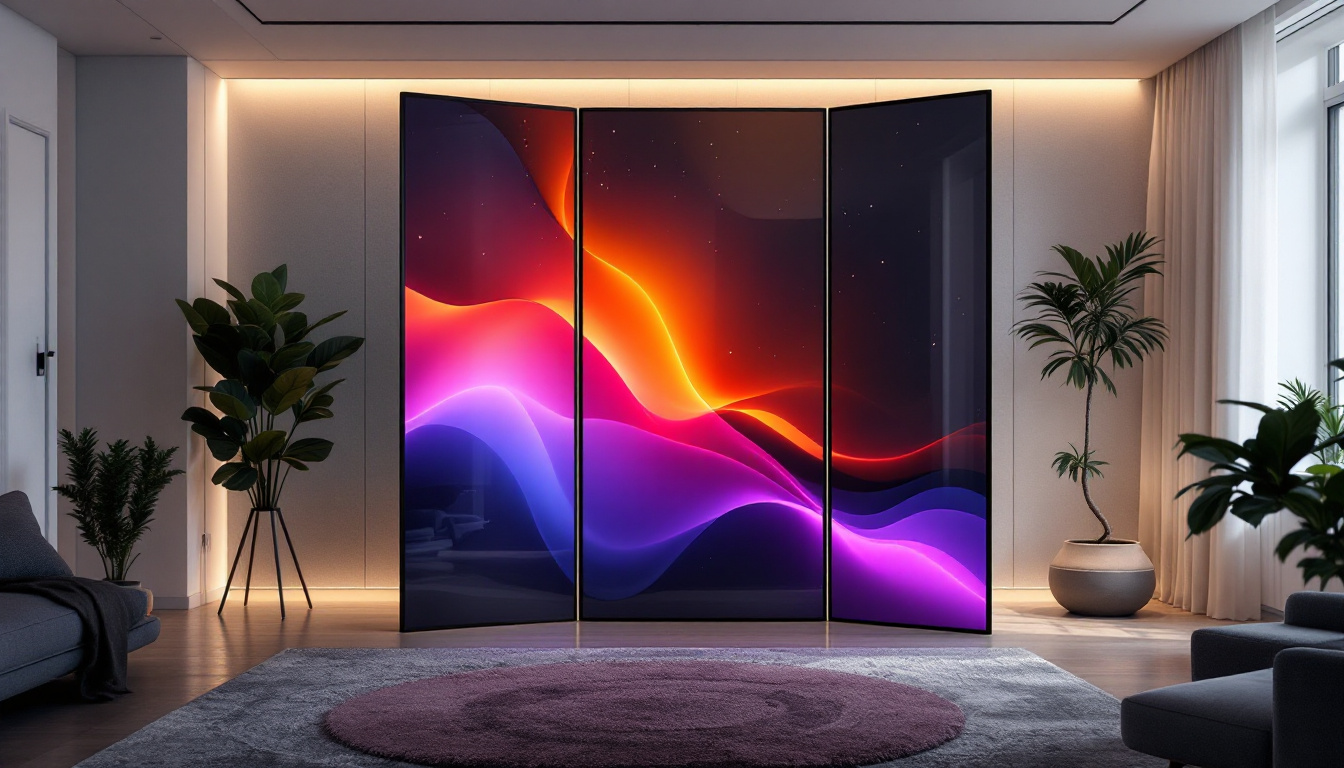
Interestingly, the worlds of motorized screens and LED displays are converging in some innovative applications. While traditional motorized screens are designed for projection, motorized mounts and enclosures are increasingly used for LED panels.
Motorized LED Screen Enclosures
For environments requiring flexible use of space, motorized mounts allow LED displays to be hidden behind walls or ceilings when not in use, similar to projector screens. These systems can raise or lower the display smoothly, protecting the panel and maintaining room aesthetics.
This integration is particularly valuable in multi-use conference rooms or event spaces where the display needs to be concealed quickly and efficiently.
Hybrid Systems
Some setups combine motorized projector screens with LED accent lighting or secondary LED panels to enhance ambient effects and create immersive environments. For example, a motorized screen can serve as the main display, while LED strips or panels provide dynamic backlighting synchronized with the content.
Such hybrid systems leverage the strengths of both technologies, offering flexibility and enhanced visual impact.
Choosing the Best Motorized Projector Screen for Your Needs
Selecting the right motorized projector screen involves assessing several factors, including room size, projector type, lighting conditions, and budget.
Screen Size and Aspect Ratio
The screen size should match the viewing distance and projector capabilities. A common guideline is that the screen width should be roughly one-third to one-half of the viewing distance. Aspect ratios such as 16:9 are standard for HDTV and most modern content, while 4:3 may be preferred for legacy presentations.
Material and Gain
Screen gain refers to the reflectivity of the screen surface. A gain of 1.0 offers a neutral reflection, while higher gain screens increase brightness but narrow the viewing angle. In bright rooms, ALR or gray screens with moderate gain can improve image contrast.
Motor Quality and Noise Level
The motor should operate quietly to avoid distractions during presentations or movies. Look for screens with reliable motors tested for thousands of cycles and with smooth, vibration-free movement.
Control Options and Integration
Consider whether the screen supports remote control, wall switches, or integration with automation systems like Crestron or Control4. Compatibility with existing AV infrastructure can simplify operation.
Top Motorized Projector Screens on the Market
Several brands have established reputations for quality motorized screens. Some of the top models include:
- Elite Screens Spectrum Series: Known for affordability and reliable motors, available in various sizes with multiple screen material options.
- Da-Lite Advantage Series: Offers tensioned screens with smooth operation and excellent flatness, suitable for professional installations.
- Screen Innovations Motorized Zero Edge: Premium screens with ultra-thin bezels and tensioning, ideal for high-end home theaters.
- Silver Ticket Motorized Screens: Budget-friendly with solid build quality, popular among home theater enthusiasts.
Each of these options caters to different needs and budgets, but all emphasize motor reliability, screen quality, and ease of use.
Future Trends in Projection and Display Technologies
The display industry continues to innovate rapidly. Laser projectors with higher brightness and longer lifespan are becoming more accessible, enhancing the projector-screen experience. At the same time, microLED technology promises to revolutionize LED displays with even better color accuracy, contrast, and energy efficiency.
Motorized screens are also evolving, with smart features such as voice control, AI-based content optimization, and integration with virtual and augmented reality systems on the horizon.
Environmental Considerations
As sustainability gains importance, manufacturers are focusing on eco-friendly materials and energy-efficient motors. LED displays, despite higher power consumption, can be designed for recyclability and longer operational life, reducing electronic waste.
Conclusion
Choosing the best motorized projector screen depends on the specific use case, room environment, and budget. Traditional motorized screens remain an excellent choice for those who prefer projection, offering convenience and high-quality image surfaces. Meanwhile, LED displays provide a compelling alternative with unmatched brightness and color performance, especially in challenging lighting conditions.
Understanding the strengths and limitations of each technology enables informed decisions that enhance viewing experiences, whether for home entertainment, business presentations, or public displays. As technology advances, the integration of motorized mechanisms with LED displays and hybrid solutions will continue to expand possibilities for immersive and flexible visual environments.
Discover LumenMatrix’s Innovative LED Solutions
Ready to elevate your visual experience with the latest in display technology? LumenMatrix is at the forefront of LED innovation, offering a wide range of cutting-edge LED display modules designed to captivate and engage. From dynamic Indoor and Outdoor LED Wall Displays to versatile solutions like Vehicle LED Displays and LED Sports Displays, LumenMatrix has the perfect fit for any setting. Embrace the future of visual communication with our Custom, All-in-One, and Transparent LED displays that promise to transform your space and message. Check out LumenMatrix LED Display Solutions today and see your vision come to life with unparalleled clarity and impact.