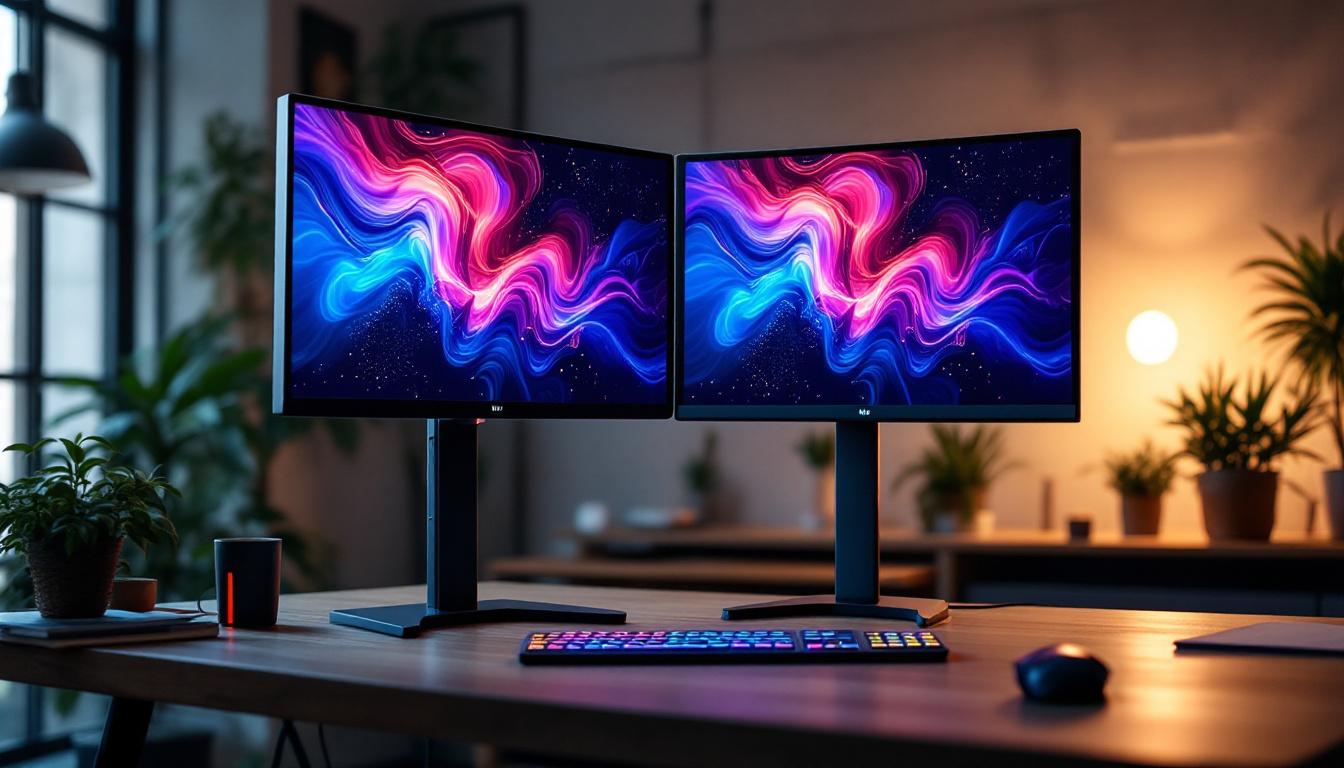
In today’s digital age, interactive display technologies have become an integral part of various industries, from education and retail to corporate environments and public information systems. Among these technologies, multi touch screen displays combined with LED display technology stand out for their versatility, responsiveness, and visual clarity. This article delves into the world of multi touch screen LED displays, explaining their technology, applications, advantages, and future trends.
Understanding Multi Touch Screen Technology
What is Multi Touch Technology?
Multi touch technology allows a screen to recognize and respond to multiple points of contact simultaneously. Unlike traditional single-touch screens that only detect one touch input at a time, multi touch screens can process several touch points, enabling complex gestures such as pinch-to-zoom, rotation, and multi-finger swipes. This capability enhances user interaction, making devices more intuitive and efficient.
The technology behind multi touch screens typically involves capacitive sensing, where the screen detects changes in the electrical field caused by conductive objects like human fingers. Some screens use infrared sensors or resistive layers, but capacitive multi touch is the most common due to its accuracy and responsiveness. The evolution of this technology has led to advancements in materials and manufacturing processes, allowing for thinner, more durable screens that maintain high sensitivity and clarity.
How Multi Touch Improves User Experience
Multi touch screens have revolutionized the way users interact with devices. For example, on smartphones and tablets, multi touch enables gestures that simplify navigation and content manipulation. In larger displays, such as interactive kiosks or collaborative workspaces, multi touch allows multiple users to interact with the screen simultaneously, fostering teamwork and engagement. This collaborative aspect is particularly beneficial in educational settings, where students can work together on projects or presentations, enhancing their learning experience through active participation.
Moreover, multi touch interfaces support accessibility by enabling alternative input methods for users with disabilities, enhancing inclusivity in technology use. For instance, individuals with limited mobility can utilize adaptive devices that interface with multi touch screens, allowing them to engage with technology in ways that were previously challenging. Additionally, the integration of haptic feedback in some multi touch devices provides users with tactile responses to their gestures, further enriching the interactive experience and making it feel more natural and responsive.
LED Display Technology: The Visual Backbone
What is an LED Display?
LED (Light Emitting Diode) displays use an array of tiny LEDs as pixels to produce images. These LEDs emit light when an electric current passes through them, creating bright and vibrant visuals. LED displays are widely used in televisions, digital billboards, and increasingly in interactive touch screens due to their superior brightness, energy efficiency, and longevity.
There are two main types of LED displays: direct view LED and LED-backlit LCD. Direct view LED displays consist entirely of LEDs that form the image, while LED-backlit LCDs use LEDs as a backlight behind an LCD panel. For multi touch screen applications, direct view LED displays are gaining popularity, especially in large-format screens. This technology allows for seamless integration of high-definition visuals and interactive elements, making it a favorite for exhibitions, retail environments, and educational settings.
Moreover, the versatility of LED displays extends beyond mere visual appeal; they can be configured in various shapes and sizes, allowing for creative installations that can adapt to different spaces. From curved displays that wrap around corners to massive video walls that can be scaled to fit any venue, the possibilities are nearly limitless. This adaptability is a significant reason why LED technology is at the forefront of modern display solutions.
Advantages of LED Displays in Touch Screens
LED displays offer several benefits that make them ideal for multi touch screen applications:
- Brightness and Visibility: LED displays can achieve high brightness levels, making them suitable for use in well-lit environments, including outdoor settings.
- Color Accuracy and Contrast: LEDs provide vibrant colors and deep blacks, enhancing image quality and user experience.
- Energy Efficiency: Compared to older display technologies, LEDs consume less power, reducing operational costs and environmental impact.
- Durability: LED displays are robust and have a longer lifespan, which is essential for high-traffic interactive installations.
In addition to these advantages, LED displays also support a wide range of resolutions, from standard HD to ultra-high-definition (UHD), catering to diverse user needs. This flexibility allows businesses to choose the right display for their specific applications, whether it’s for showcasing detailed graphics in a museum or providing clear information in a busy airport terminal. Furthermore, advancements in LED technology, such as the development of microLED and miniLED, promise even greater performance, offering finer pixel pitch and improved viewing angles, which are crucial for immersive experiences.
Another noteworthy aspect of LED displays is their ability to integrate with various technologies, including touch sensors and gesture recognition systems. This synergy enhances user interaction, allowing for more engaging and intuitive experiences. As touch screen technology continues to evolve, the combination of LED displays with advanced software solutions will likely lead to innovative applications across industries, from gaming and entertainment to education and corporate environments.
The Integration of Multi Touch and LED Display Technologies
How Multi Touch Screens and LED Displays Work Together
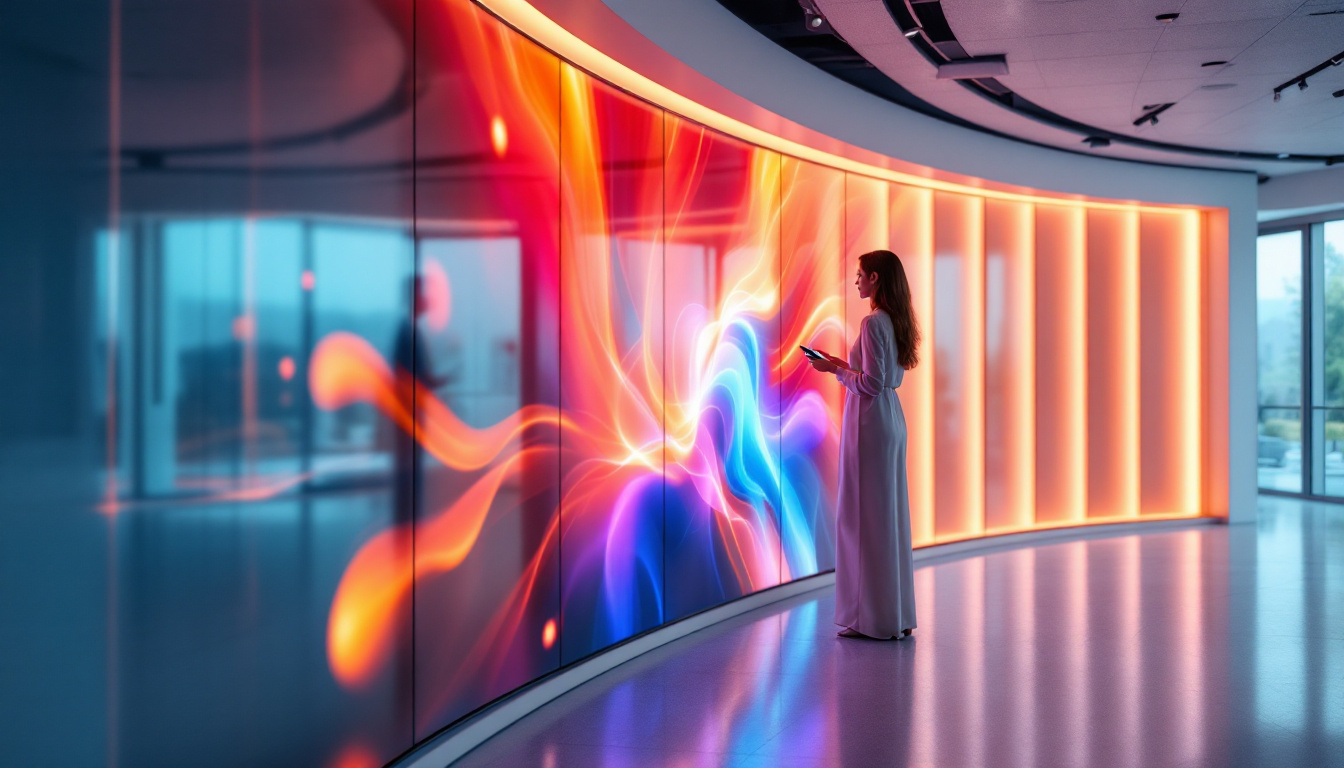
Combining multi touch technology with LED displays creates interactive screens that are not only visually stunning but also highly responsive. The LED display provides the vibrant visual output, while the multi touch layer detects user input. This integration is achieved by layering a touch-sensitive surface over the LED panel, often using advanced optical or capacitive touch sensors.
Modern multi touch LED displays can support up to 20 or more simultaneous touch points, allowing multiple users to interact concurrently or enabling complex gesture recognition. This capability is particularly valuable in collaborative environments such as conference rooms, classrooms, and public information kiosks.
Challenges and Solutions in Integration
Integrating multi touch sensors with LED displays presents technical challenges, including maintaining display brightness and clarity while ensuring accurate touch detection. Some touch technologies can reduce light transmission or cause reflections, impacting image quality.
Manufacturers address these issues by using ultra-thin, optically clear touch sensor layers and advanced anti-reflective coatings. Additionally, calibration software ensures that touch inputs correspond precisely to the displayed image, providing a seamless user experience.
Applications of Multi Touch Screen LED Displays
Education and Training
Interactive whiteboards and large-format displays equipped with multi touch LED technology have transformed classrooms and training centers. Teachers can engage students with dynamic content, collaborative problem-solving, and interactive lessons. The high brightness and vivid colors of LED displays ensure visibility even in bright rooms, while multi touch capabilities allow multiple students to participate simultaneously.
Retail and Advertising
Retailers use multi touch LED displays for digital signage, product showcases, and interactive catalogs. Customers can explore products, customize options, and receive personalized recommendations through touch interactions. The eye-catching LED visuals attract attention, while the interactive layer enhances engagement and conversion rates.
Corporate and Collaboration Spaces
In corporate environments, multi touch LED displays facilitate brainstorming sessions, video conferencing, and data visualization. Teams can manipulate charts, annotate documents, and share ideas in real-time, improving productivity and decision-making. The durability and large size of LED displays make them suitable for conference rooms and collaborative workspaces.
Public Information and Wayfinding
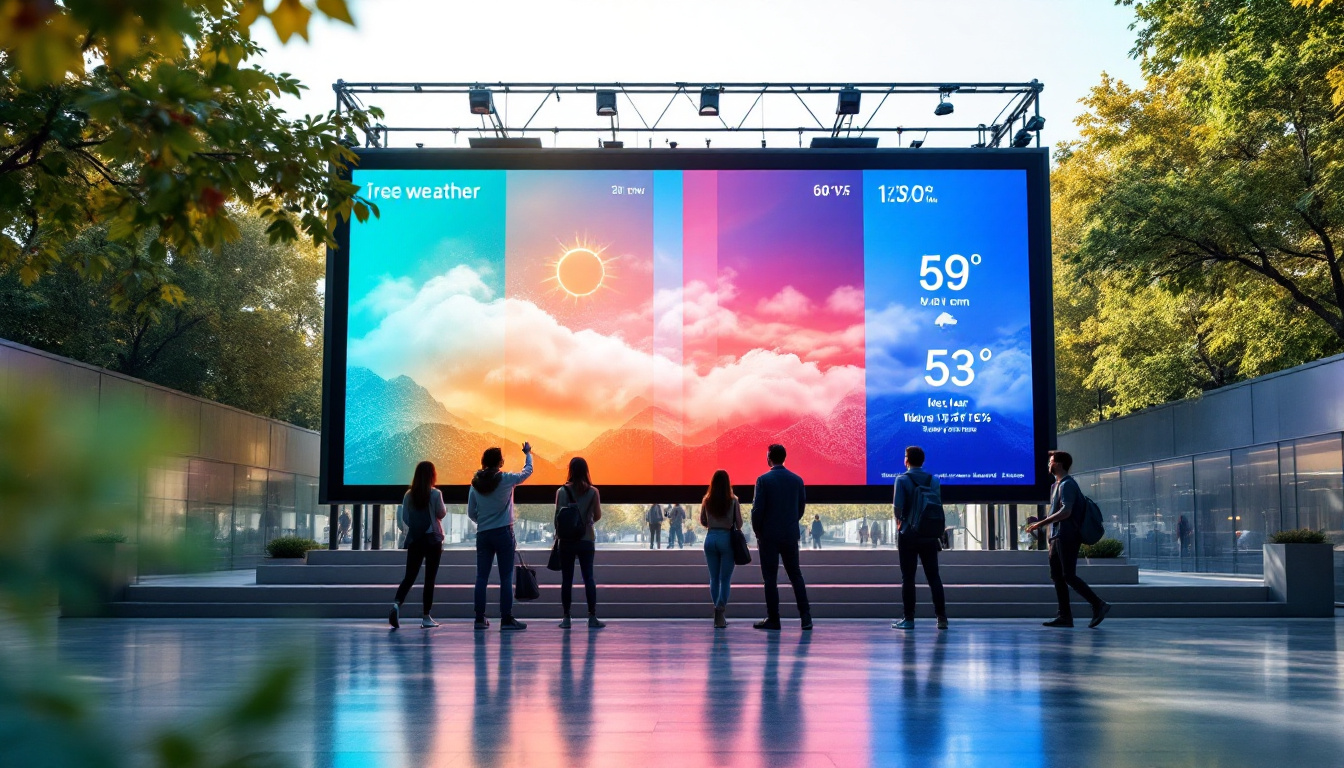
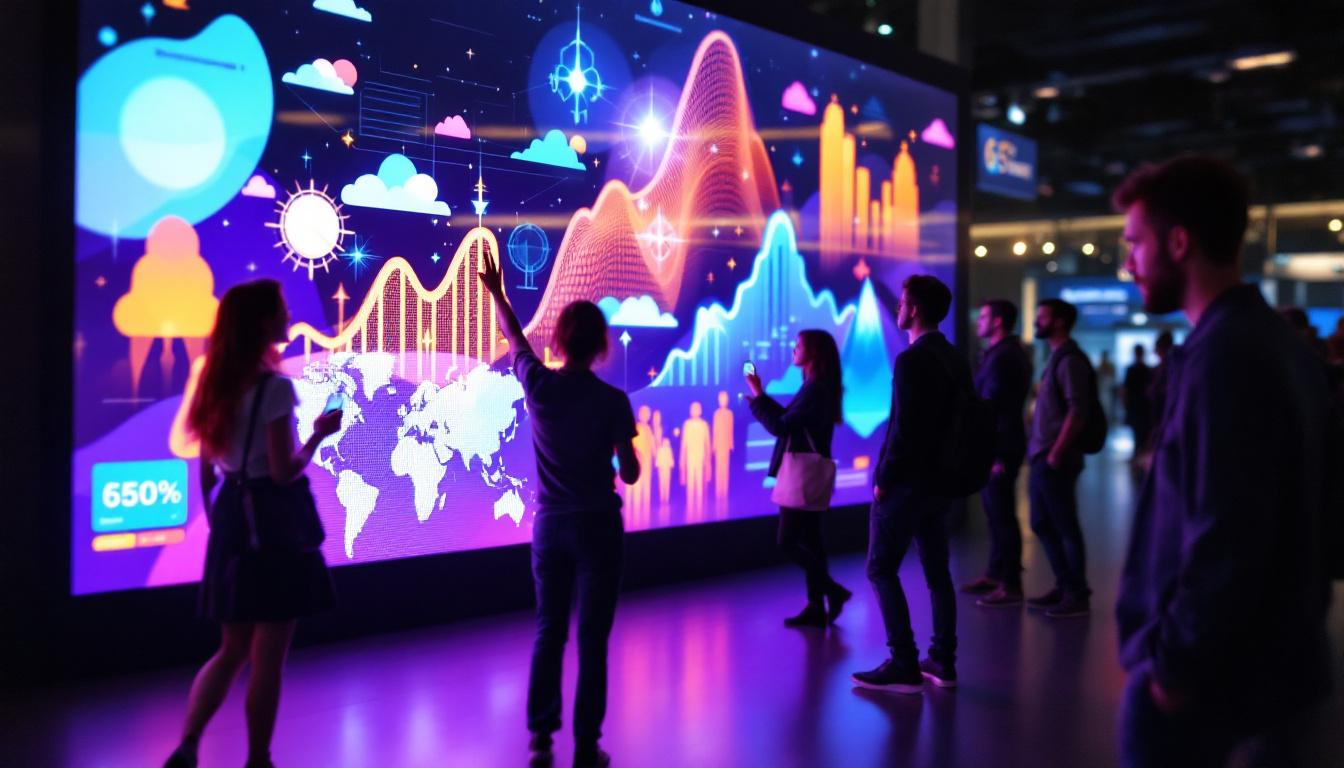
Airports, museums, and city centers deploy interactive multi touch LED kiosks to provide visitors with maps, schedules, and other information. The robust LED displays withstand heavy use and varying lighting conditions, while multi touch functionality allows users to navigate content intuitively.
Key Considerations When Choosing a Multi Touch Screen LED Display
Screen Size and Resolution
The choice of screen size depends on the intended application and viewing distance. Larger screens are ideal for group interactions and public displays, while smaller screens suit personal or desktop use. Resolution is equally important; higher resolutions provide sharper images and better detail, enhancing the overall experience.
Touch Points and Responsiveness
Consider the number of simultaneous touch points supported by the display. For collaborative environments, a higher number of touch points (10 or more) is beneficial. Responsiveness and touch accuracy are critical to prevent lag and ensure smooth interaction.
Brightness and Environmental Suitability
LED displays excel in brightness, but it’s important to select a model with sufficient luminance for the environment. Outdoor displays require higher brightness and weatherproofing, while indoor displays can prioritize color accuracy and viewing angles.
Durability and Maintenance
Interactive displays in public or high-traffic areas must be durable and resistant to scratches, impacts, and vandalism. Look for features such as tempered glass and IP-rated enclosures. Additionally, consider the ease of maintenance and availability of technical support.
Future Trends in Multi Touch Screen LED Displays
Advancements in Touch Sensitivity and Accuracy
Emerging technologies aim to improve touch sensitivity, allowing screens to detect lighter touches and even differentiate between finger and stylus inputs. This will enable more precise control and new interaction possibilities, such as handwriting recognition and pressure-sensitive drawing.
Flexible and Transparent LED Displays
Research into flexible and transparent LED displays promises to expand the applications of multi touch screens. Flexible displays can be curved or folded, opening new design possibilities for wearable devices and unconventional installations. Transparent displays can be integrated into windows or glass surfaces, blending digital content with the physical environment.
Integration with AI and IoT
Multi touch LED displays are increasingly integrated with artificial intelligence (AI) and Internet of Things (IoT) technologies. AI can personalize content based on user behavior, while IoT connectivity enables real-time data sharing and remote management. These integrations will make interactive displays smarter and more adaptive to user needs.
Conclusion
Multi touch screen LED displays represent a powerful convergence of interactive technology and high-quality visual performance. Their ability to support multiple simultaneous touch inputs combined with the vibrant, energy-efficient qualities of LED displays makes them ideal for a wide range of applications—from education and retail to corporate collaboration and public information.
As technology continues to advance, these displays will become even more versatile, responsive, and integrated with other digital systems. For businesses and organizations looking to enhance user engagement and communication, investing in multi touch LED display technology offers a compelling solution that meets today’s demands and future challenges.
Discover LumenMatrix’s Interactive LED Display Solutions
Ready to elevate your space with the latest in multi touch LED display technology? LumenMatrix is at the forefront of creating immersive visual experiences that captivate and engage. From dynamic Indoor and Outdoor LED Wall Displays to innovative solutions like Vehicle LED Displays, LED Posters, and Transparent LED Displays, our offerings are designed to revolutionize how you communicate visually. Explore our range of cutting-edge products and find the perfect LED display solution that aligns with your vision. Check out LumenMatrix LED Display Solutions today and transform your interactive display capabilities.