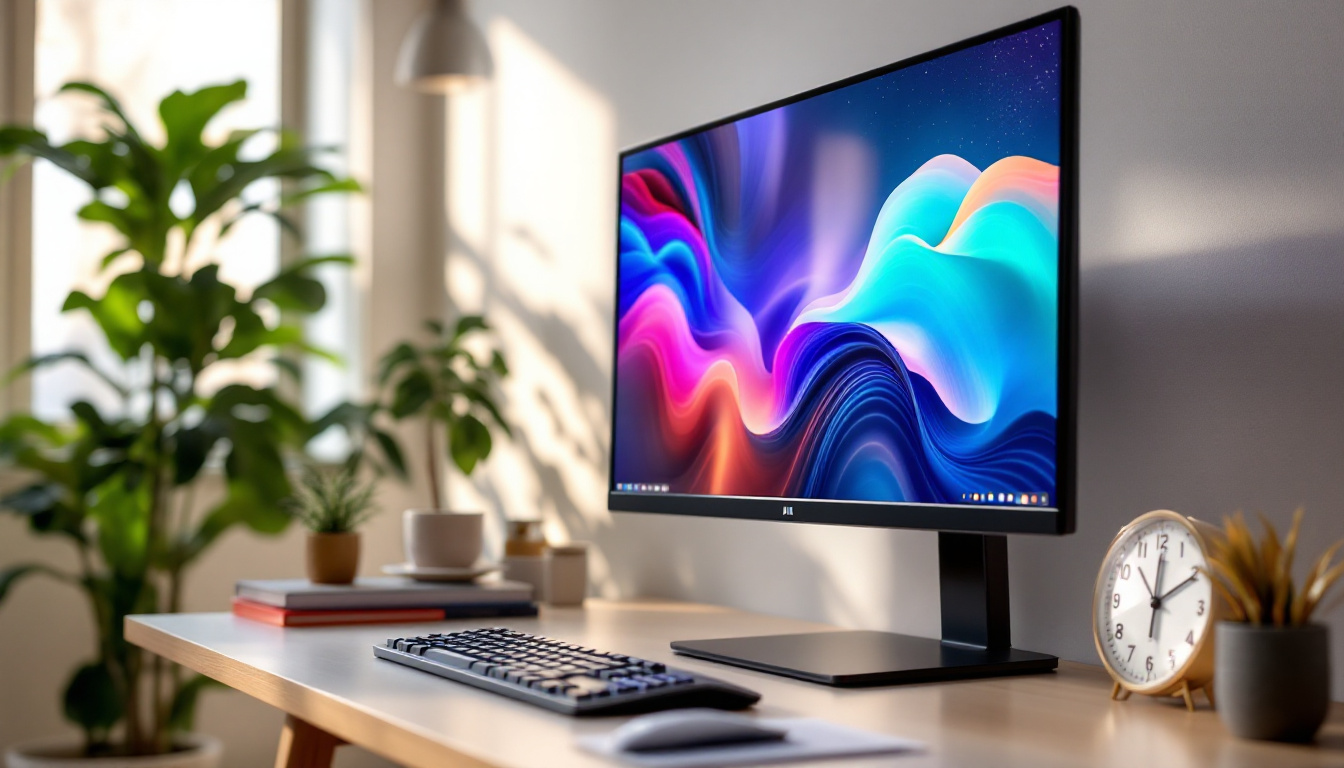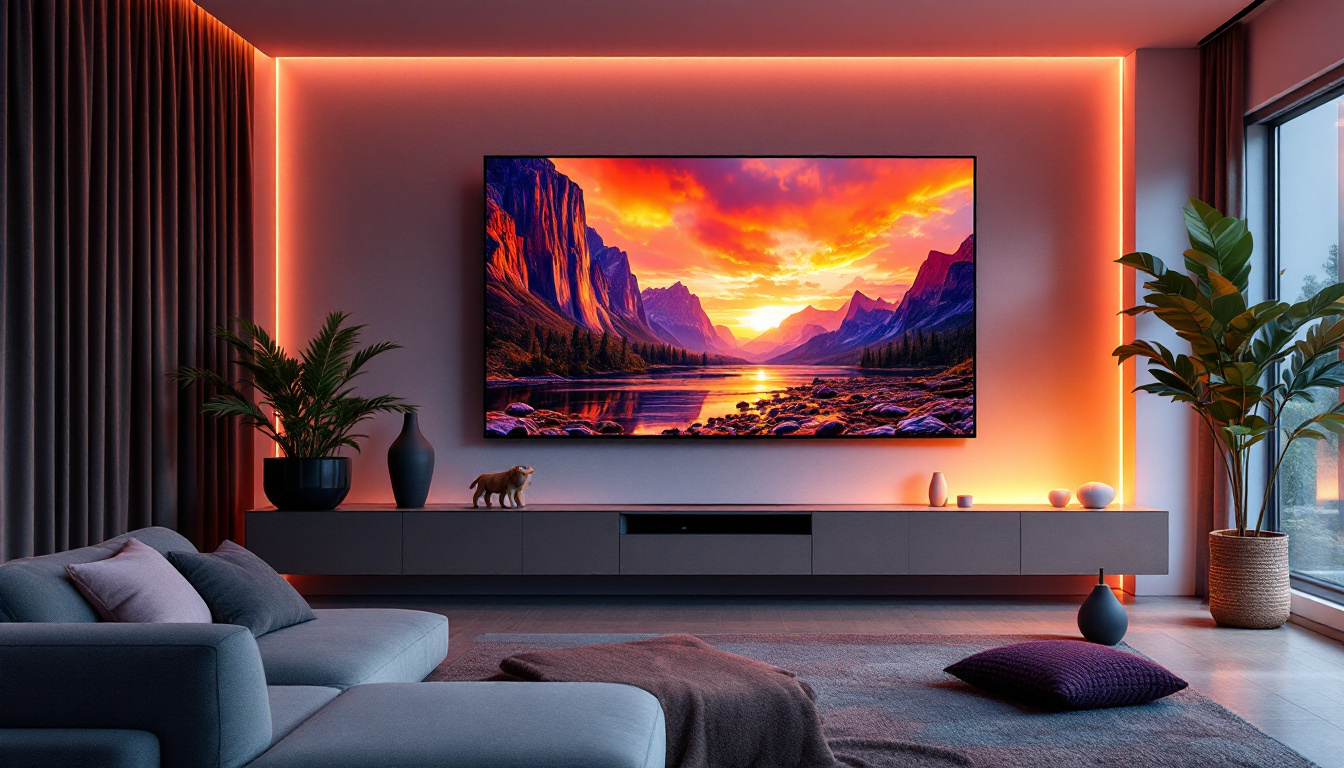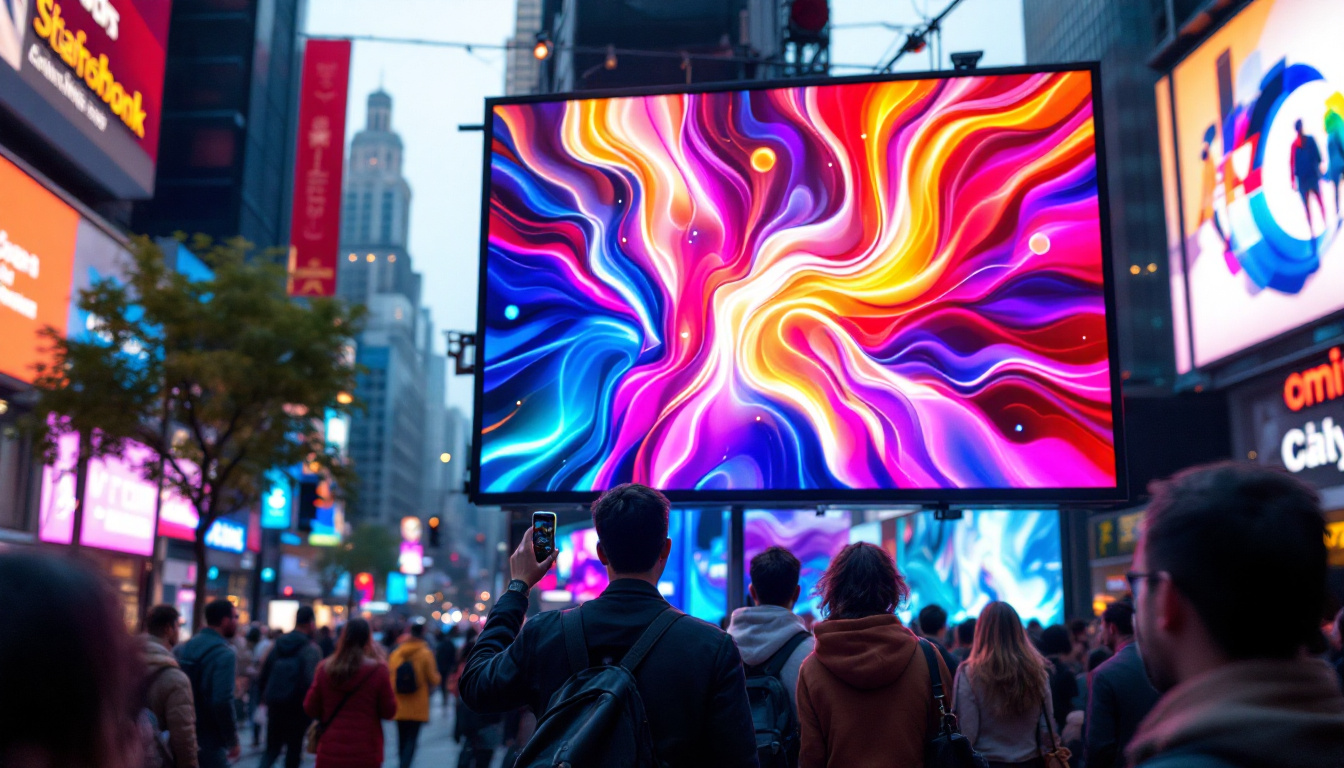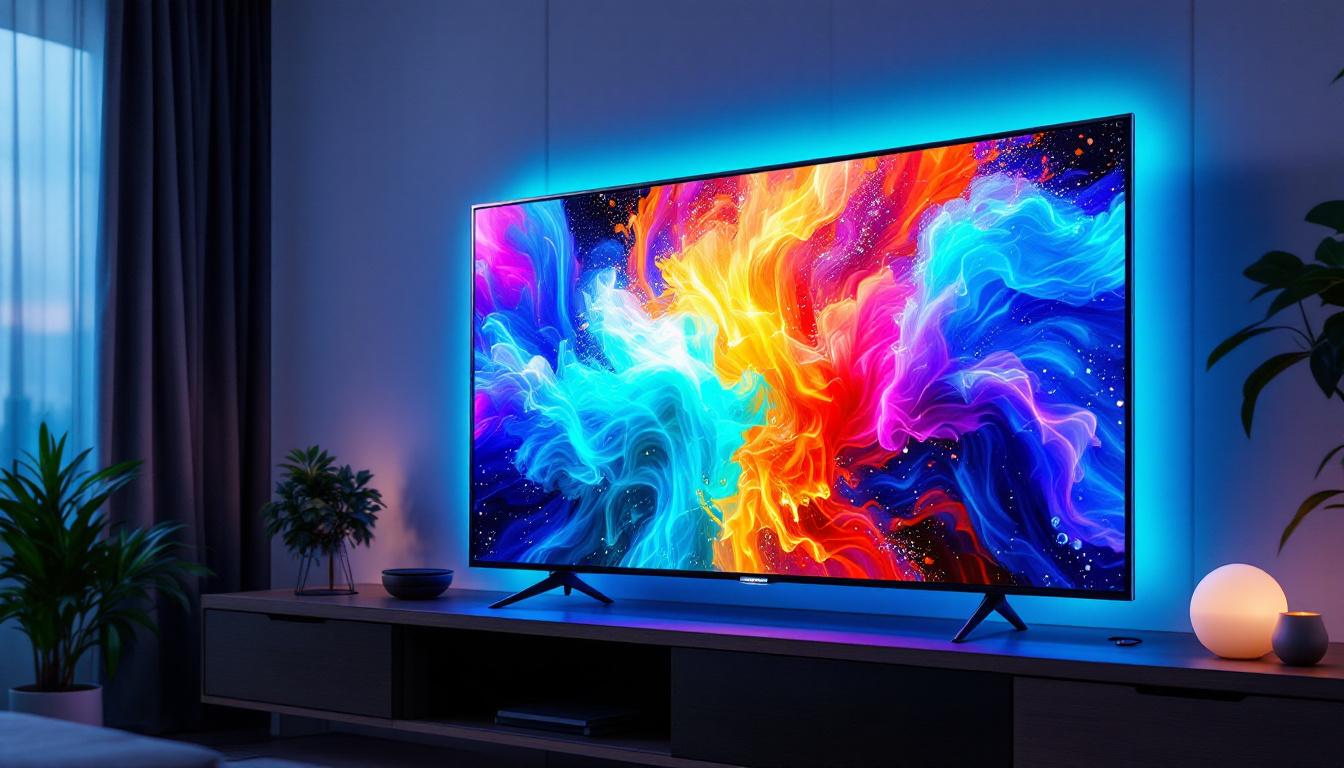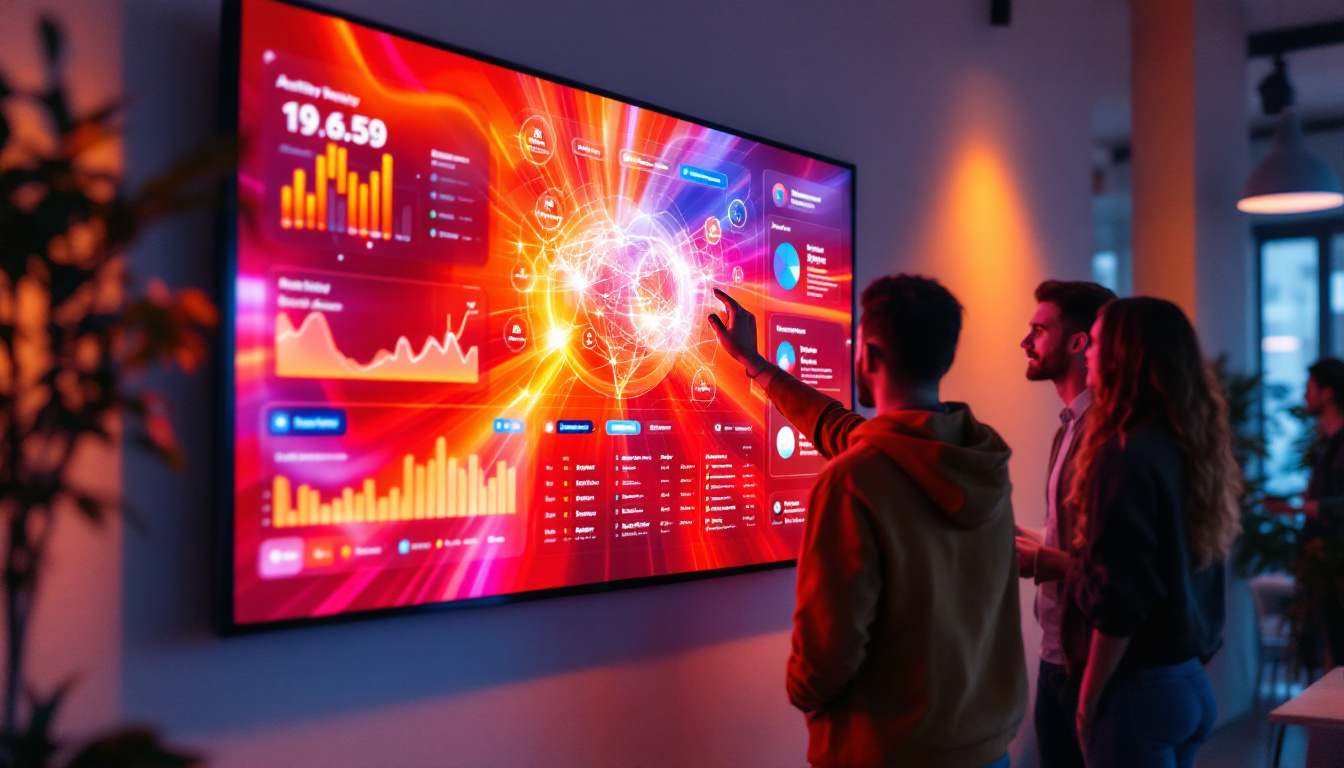
The evolution of display technology has transformed the way we interact with digital content, and the 55 inch touch screen monitor stands at the forefront of this revolution. Combining expansive screen real estate with responsive touch capabilities and vibrant LED display technology, these monitors have become indispensable tools across various industries—from corporate environments and education to retail and creative sectors.
Understanding the nuances of a 55 inch touch screen monitor, particularly those equipped with LED displays, is essential for making informed purchasing decisions and maximizing their utility. This article delves into the key features, technology, applications, and considerations to help you grasp why these devices are gaining traction and how they can enhance your workflow or customer engagement.
Understanding LED Display Technology in Touch Screen Monitors
What is an LED Display?
LED, or Light Emitting Diode, display technology is a form of backlighting used in modern monitors and televisions. Unlike traditional LCDs that rely on cold cathode fluorescent lamps (CCFLs) for illumination, LED displays use arrays of tiny light-emitting diodes to illuminate the screen. This shift has brought about significant improvements in brightness, contrast, energy efficiency, and color accuracy.
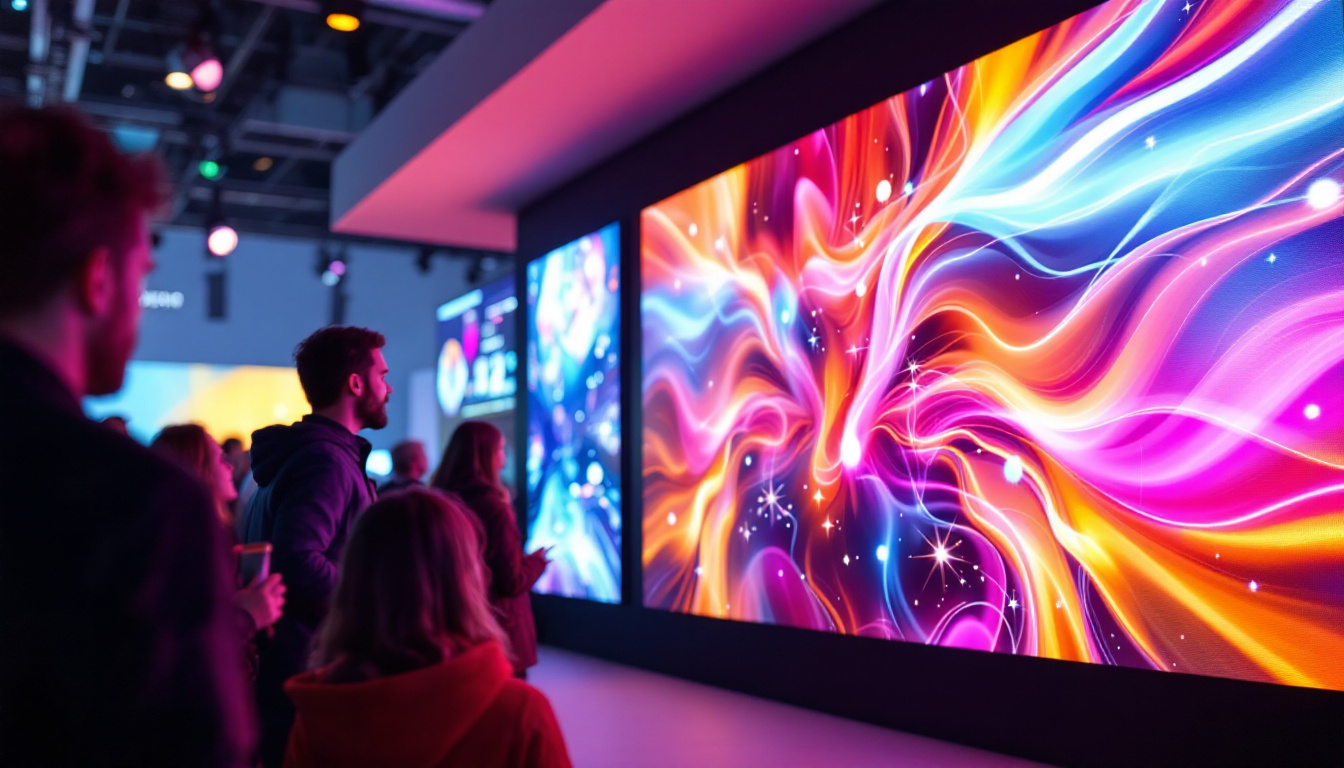
In the context of a 55 inch touch screen monitor, the LED panel provides a bright, clear image that remains visible even in brightly lit environments—an essential feature for public spaces and collaborative work areas. The LED backlighting also allows for thinner and lighter displays, which is crucial for wall-mounted or portable setups. Furthermore, the longevity of LED technology means that users can expect a longer lifespan from their monitors, reducing the need for frequent replacements and contributing to lower overall maintenance costs.
Additionally, the rapid response time of LED displays enhances the user experience, particularly in touch screen applications where quick feedback is essential. This responsiveness makes LED touch screen monitors ideal for interactive kiosks, educational tools, and digital signage, where users expect immediate and accurate interactions.
Types of LED Backlighting: Edge-lit vs. Direct-lit
Understanding the type of LED backlighting is important when evaluating a 55 inch touch screen monitor. The two primary types are edge-lit and direct-lit (also called full-array).
- Edge-lit LED: LEDs are placed along the edges of the screen, and light is diffused across the panel. This design allows for thinner monitors but can sometimes result in uneven brightness or less precise contrast. Edge-lit displays are often favored for their sleek design, making them a popular choice in modern aesthetics where space-saving is a priority.
- Direct-lit LED: LEDs are distributed evenly behind the entire screen. This approach delivers better uniformity in brightness and contrast, making it ideal for applications requiring high image fidelity. Direct-lit monitors are particularly advantageous in environments where color accuracy is critical, such as graphic design studios or medical imaging facilities.
For touch screen monitors, especially those used in professional or commercial environments, direct-lit LED displays often provide superior visual performance, though they may be slightly thicker and more expensive. The investment in a direct-lit model can be justified by the enhanced viewing experience it offers, particularly in settings where visual detail is paramount. Moreover, as technology continues to evolve, hybrid models that incorporate both edge-lit and direct-lit features are emerging, providing users with the benefits of both worlds while maintaining flexibility in design and functionality.
Key Features of a 55 Inch Touch Screen Monitor
Screen Size and Resolution
The 55 inch diagonal measurement offers a substantial viewing area, making it perfect for collaborative workspaces, digital signage, and interactive kiosks. However, size alone does not guarantee clarity. Most modern 55 inch touch screen monitors come with at least a 4K UHD resolution (3840 x 2160 pixels), which ensures sharp images and crisp text even at close viewing distances.
Higher resolution is particularly important in professional settings, such as design studios or conference rooms, where detail accuracy is paramount. A 4K display on a 55 inch screen provides a pixel density that balances image clarity with comfortable viewing.
Touch Technology: Capacitive vs. Infrared
Touch screen monitors employ different technologies to detect user input. The two most common types are capacitive and infrared touch systems.
- Capacitive Touch: Utilizes the electrical properties of the human body to detect touch. It supports multi-touch gestures and offers high sensitivity and accuracy. Capacitive screens are common in smartphones and tablets and are increasingly used in large monitors for smooth, responsive interaction.
- Infrared (IR) Touch: Uses an array of IR sensors around the screen edges to detect interruptions caused by touch. IR touch screens are durable and can detect input from fingers, gloves, or styluses, making them versatile for industrial or public use.
Choosing between these depends on the intended environment. Capacitive screens are favored for their responsiveness and multi-touch capabilities, while IR touch screens excel in rugged or public-facing applications.
Brightness and Contrast Ratios
Brightness, measured in nits, and contrast ratio are critical for ensuring visibility and image quality. A 55 inch touch screen monitor designed for commercial use typically offers brightness levels between 350 to 700 nits, with some specialized models reaching beyond 1000 nits for outdoor or high-ambient-light environments.
Contrast ratio, which compares the luminance of the brightest white to the darkest black, affects how vivid and lifelike images appear. Higher contrast ratios enhance depth perception and reduce eye strain during prolonged use.
Applications of 55 Inch Touch Screen Monitors with LED Displays
Corporate and Educational Environments
In boardrooms and classrooms, 55 inch touch screen monitors serve as dynamic presentation tools. Their large size allows multiple participants to view content simultaneously, while touch interactivity fosters engagement through direct manipulation of digital materials.
Interactive whiteboards powered by LED touch screens enable real-time collaboration, annotation, and multimedia integration. This capability has been especially valuable during the rise of hybrid learning and remote work, where seamless interaction is key.
Retail and Hospitality Industry
Retailers leverage 55 inch touch screen monitors as digital signage and interactive kiosks to enhance customer experience. These displays can showcase product catalogs, promotions, and wayfinding information with vibrant visuals and intuitive touch controls.
In hospitality, such monitors are used for self-service check-in, menu browsing, and entertainment, streamlining operations and improving guest satisfaction. The durability and brightness of LED displays ensure consistent performance in busy, well-lit environments.
Creative and Design Workflows
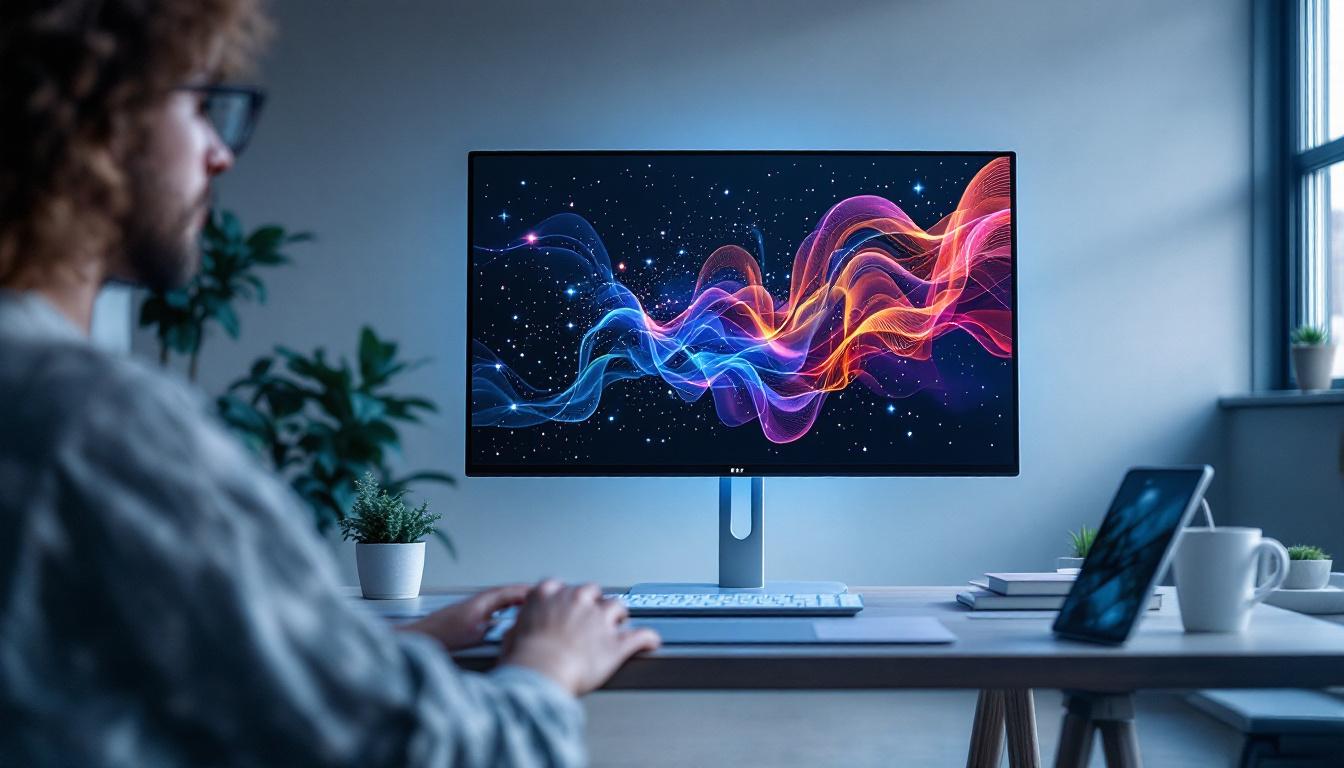
Graphic designers, architects, and video editors benefit from the large, high-resolution touch screens that allow precise control over their projects. The combination of LED display clarity and responsive touch input facilitates detailed work, such as drawing, retouching, and 3D modeling.
Many 55 inch touch screen monitors support stylus input and advanced touch gestures, making them versatile tools for creative professionals who require both visual fidelity and tactile feedback.
Choosing the Right 55 Inch Touch Screen Monitor: What to Consider
Connectivity and Compatibility
Modern touch screen monitors come equipped with a variety of ports, including HDMI, DisplayPort, USB-C, and legacy VGA connections. Ensuring compatibility with your existing devices—such as laptops, media players, or conferencing systems—is crucial for seamless integration.
Additionally, USB ports often serve dual purposes: connecting peripherals and transmitting touch data to the host device. Some monitors also support wireless connectivity options like Bluetooth and Wi-Fi, expanding their versatility.
Durability and Maintenance
Given the interactive nature of touch screen monitors, durability is a key consideration. Look for features like tempered glass, anti-glare coatings, and IP ratings that indicate resistance to dust and moisture. These factors influence the longevity and reliability of the device, especially in high-traffic or industrial settings.
Maintenance is another aspect—LED displays generally require less upkeep than older technologies, but regular cleaning and software updates help maintain optimal performance.
Price vs. Performance
Prices for 55 inch touch screen monitors vary widely based on resolution, touch technology, build quality, and additional features such as built-in speakers or embedded computing modules. While it might be tempting to opt for a lower-cost option, investing in a high-quality LED display with reliable touch responsiveness and robust construction often pays off through improved productivity and reduced downtime.
Evaluating total cost of ownership, including warranty, support, and potential upgrades, ensures that the monitor aligns with both budget and long-term needs.
Future Trends in 55 Inch Touch Screen Monitor Technology
Advancements in Display Quality
Emerging technologies like Mini-LED and Micro-LED promise to push the boundaries of brightness, contrast, and energy efficiency even further. These innovations offer more precise local dimming and better color reproduction, which could soon become standard in large-format touch screen monitors.
Enhanced Interactivity and Integration
Integration with artificial intelligence and gesture recognition is becoming more common, enabling touch screens to respond to a wider range of inputs beyond traditional touch. Voice commands, eye tracking, and haptic feedback are being explored to create more immersive and accessible user experiences.
Eco-Friendly Designs
As sustainability becomes a priority, manufacturers are focusing on reducing power consumption and utilizing recyclable materials in their displays. LED technology already offers energy savings compared to older backlighting methods, and future models are expected to further minimize environmental impact.
Conclusion
The 55 inch touch screen monitor equipped with an LED display represents a powerful convergence of size, clarity, and interactivity. Its applications span diverse sectors, from enhancing collaboration in corporate and educational settings to elevating customer engagement in retail and hospitality.
Understanding the underlying LED technology, touch input methods, and key performance metrics such as resolution, brightness, and durability is essential for selecting the right monitor to meet specific needs. As display technology continues to advance, these large-format touch screens will become even more versatile, responsive, and environmentally conscious.
Whether for professional use or public interaction, investing in a quality 55 inch LED touch screen monitor can significantly enhance digital experiences, streamline workflows, and open new avenues for creativity and communication.
Discover LumenMatrix’s Advanced LED Display Solutions
Ready to take your digital experience to the next level? LumenMatrix is at the forefront of LED display innovation, offering a wide range of solutions tailored to your unique needs. From captivating Indoor and Outdoor LED Wall Displays to dynamic Vehicle and Sports LED Displays, our technology is designed to make your brand stand out. Explore our versatile LED Poster Displays, interactive Floor LED Displays, and the sleek All-in-One LED Display options. With our commitment to revolutionizing visual communication, LumenMatrix empowers you to engage your audience like never before. Check out LumenMatrix LED Display Solutions today and see how we can enhance your brand visibility and create unforgettable visual experiences.