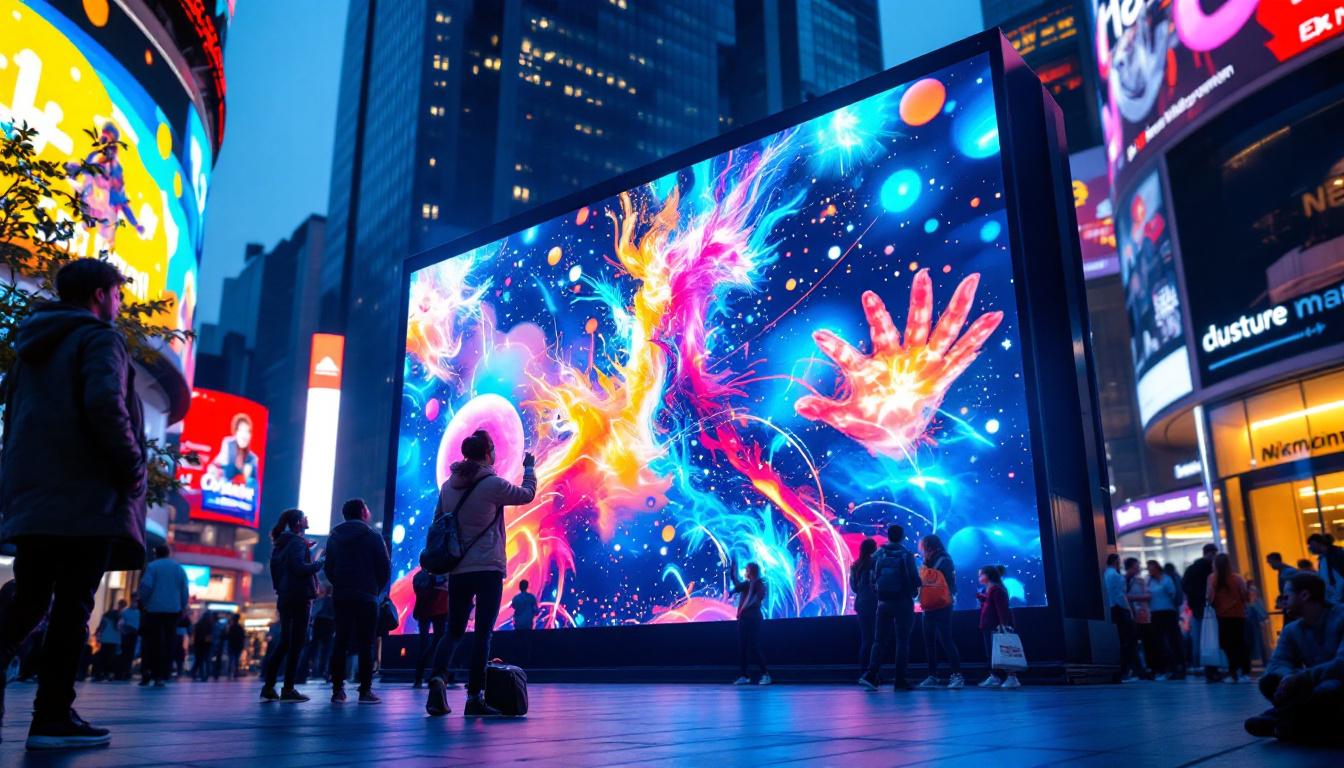
In the rapidly evolving world of display technology, understanding the differences between various screen types is essential for making informed decisions, whether for home entertainment, professional presentations, or large-scale events. Among the most popular options today are HD projector screens and LED displays. This article delves into the intricacies of HD projector screens, explores the technology behind LED displays, and compares their advantages and ideal use cases to help you choose the best solution for your needs.
Understanding HD Projector Screens
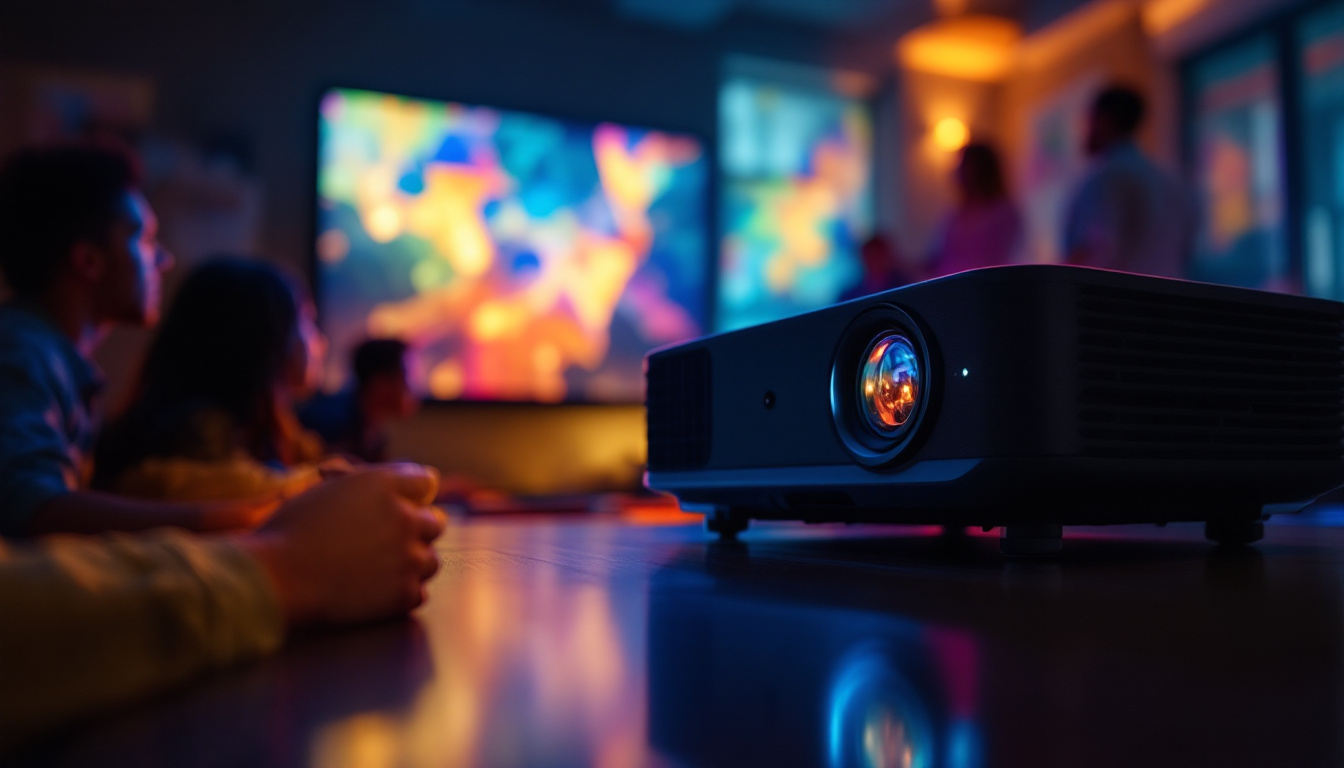
HD projector screens have long been a staple in both home theaters and professional environments. These screens serve as the surface onto which images from a projector are cast, creating a large, immersive viewing experience. But what exactly makes an HD projector screen different from other types of screens?
What Defines an HD Projector Screen?
At its core, an HD projector screen is designed to display high-definition video content, typically supporting resolutions of 720p, 1080p, or even 4K when paired with compatible projectors. The screen itself is usually made from specialized materials optimized for light reflection and color accuracy. Unlike regular walls or makeshift surfaces, these screens enhance image clarity, brightness, and contrast, making the viewing experience more vivid and enjoyable.
Material quality is paramount. Most HD projector screens use matte white or gray surfaces to balance brightness and contrast. Matte white screens are excellent for environments with controlled lighting, offering bright and accurate color reproduction. Gray screens, on the other hand, are designed to improve black levels and contrast, especially in rooms with some ambient light. This distinction is crucial for achieving the best possible picture quality, as the choice of screen can significantly affect how colors are perceived and how well details are rendered, particularly in darker scenes.
Types of HD Projector Screens
There are several types of HD projector screens, each suited to different environments and usage scenarios:
- Fixed Frame Screens: These are permanently mounted and provide a taut, flat surface for optimal image quality. Ideal for dedicated home theaters or conference rooms.
- Pull-Down Screens: These screens can be retracted when not in use, making them suitable for multipurpose rooms.
- Electric Screens: Motorized screens that can be lowered or raised with a remote control, offering convenience and a sleek look.
- Portable Screens: Lightweight and easy to set up, perfect for presentations on the go or outdoor movie nights.
Each type of screen has its unique advantages, catering to different needs and preferences. For instance, fixed frame screens are often favored by cinephiles who prioritize image quality and want a dedicated viewing space that mimics a cinema experience. In contrast, portable screens are a favorite among educators and business professionals who require flexibility and ease of transport for various venues. This diversity in screen types ensures that users can find the perfect match for their specific viewing scenarios.
Benefits of Using HD Projector Screens
One of the primary advantages of HD projector screens is their ability to create large, high-quality images at a relatively affordable cost compared to large flat-panel displays. They allow for flexible screen sizes, often exceeding 100 inches diagonally, which is difficult to achieve with traditional TVs.
Additionally, projectors paired with HD screens consume less power and generate less heat than large LED displays, making them more energy-efficient for extended use. The immersive experience offered by a projector screen is often preferred for cinematic viewing, gaming, and detailed presentations. Furthermore, many HD projector screens come with features such as ambient light rejection, which enhances performance in brightly lit environments, ensuring that viewers enjoy a clear and vibrant image regardless of the lighting conditions. This capability is particularly beneficial for businesses that conduct presentations in conference rooms with windows or ambient light sources, as it helps maintain focus on the content being displayed.
What Is an LED Display?
LED displays represent a different approach to large-format visual technology. Instead of projecting an image onto a separate screen, LED displays are composed of thousands or millions of tiny light-emitting diodes that collectively form the image directly on the display surface.
How LED Displays Work
Each pixel on an LED display consists of red, green, and blue diodes that emit light at varying intensities to produce a full spectrum of colors. Because the light source is integrated into the display itself, LED screens are considered emissive displays, unlike projector screens which rely on reflected light.
This direct emission of light allows LED displays to achieve exceptional brightness levels, vibrant colors, and deep blacks. Modern LED displays can be found in various forms, including:
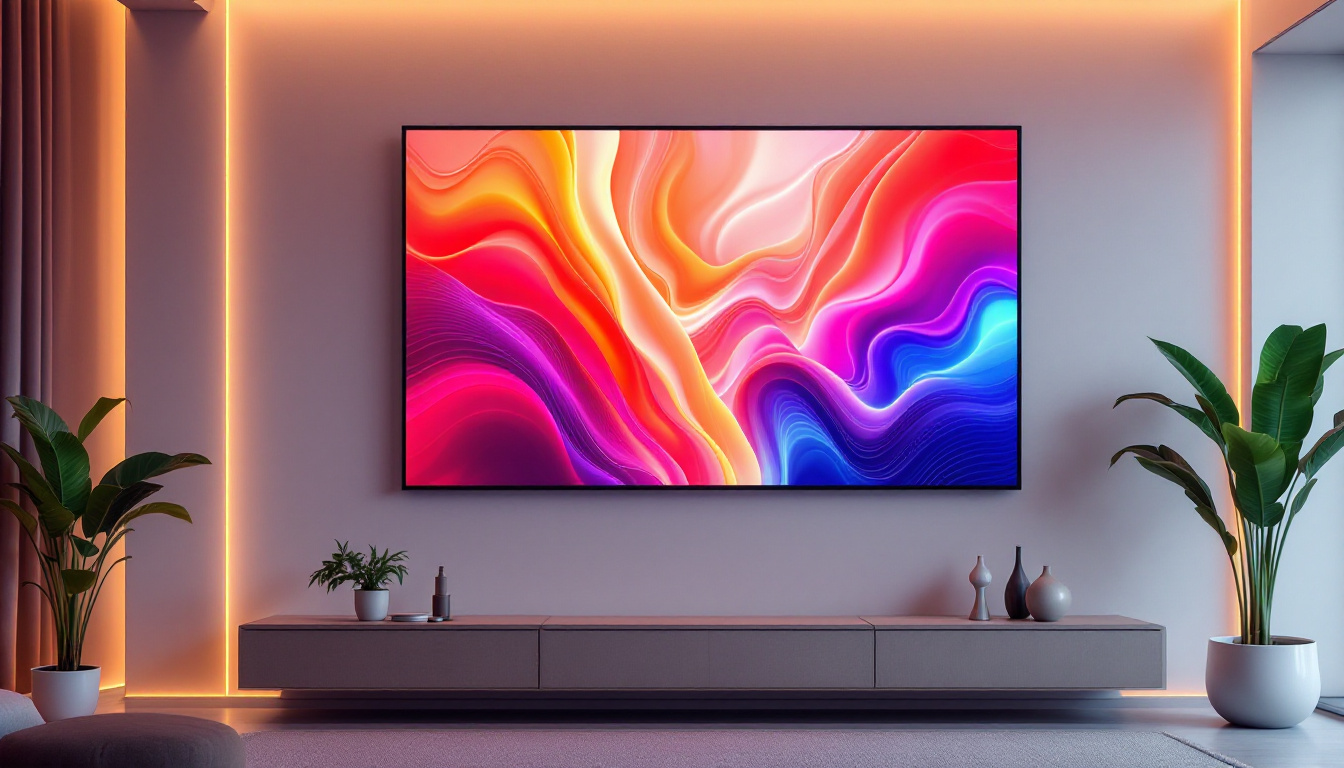
- LED TVs: Consumer-grade televisions using LED backlighting for LCD panels.
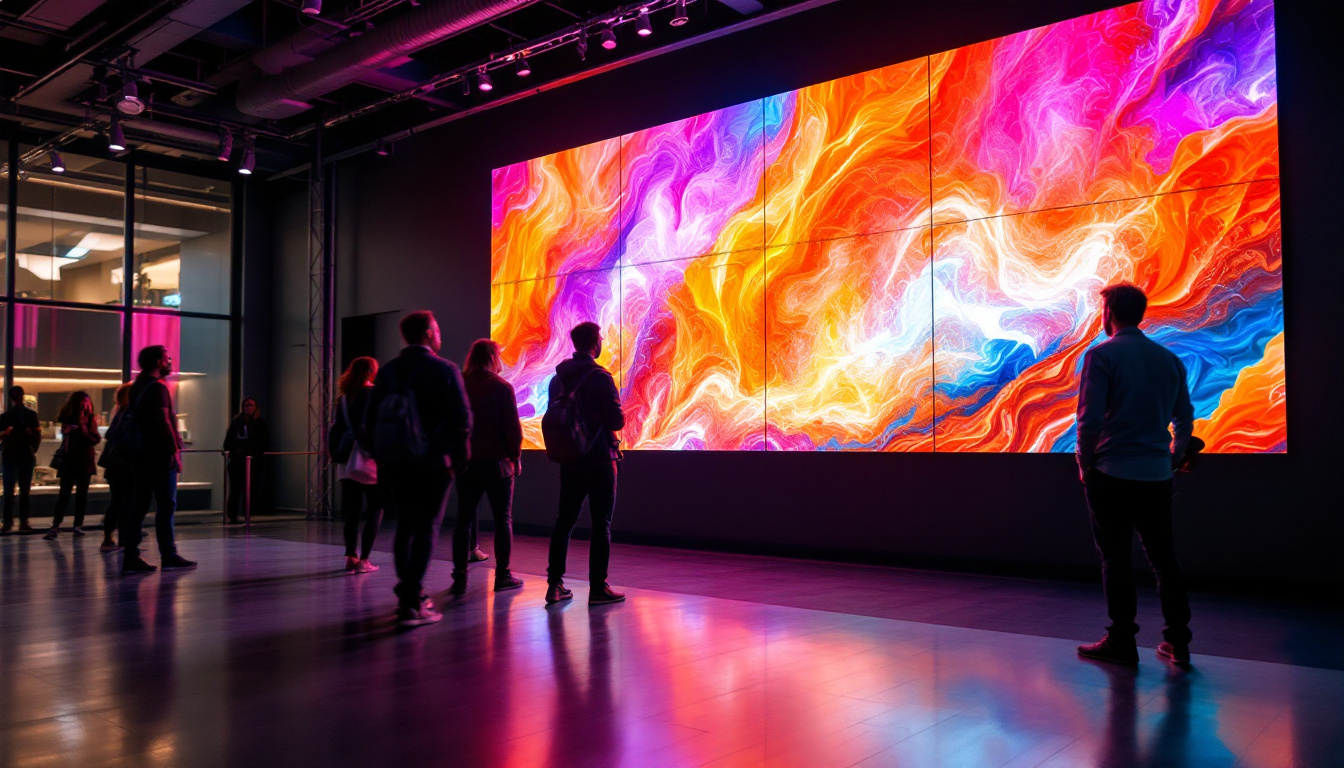
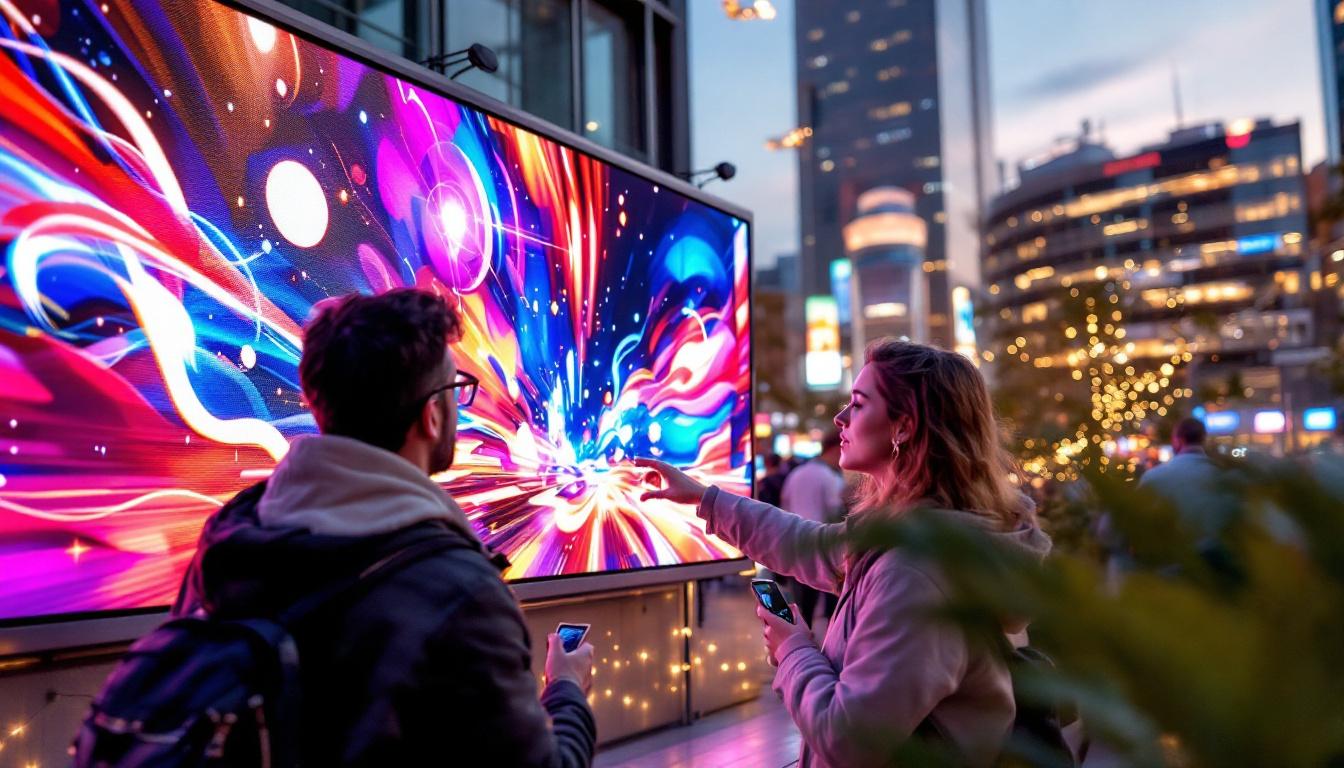
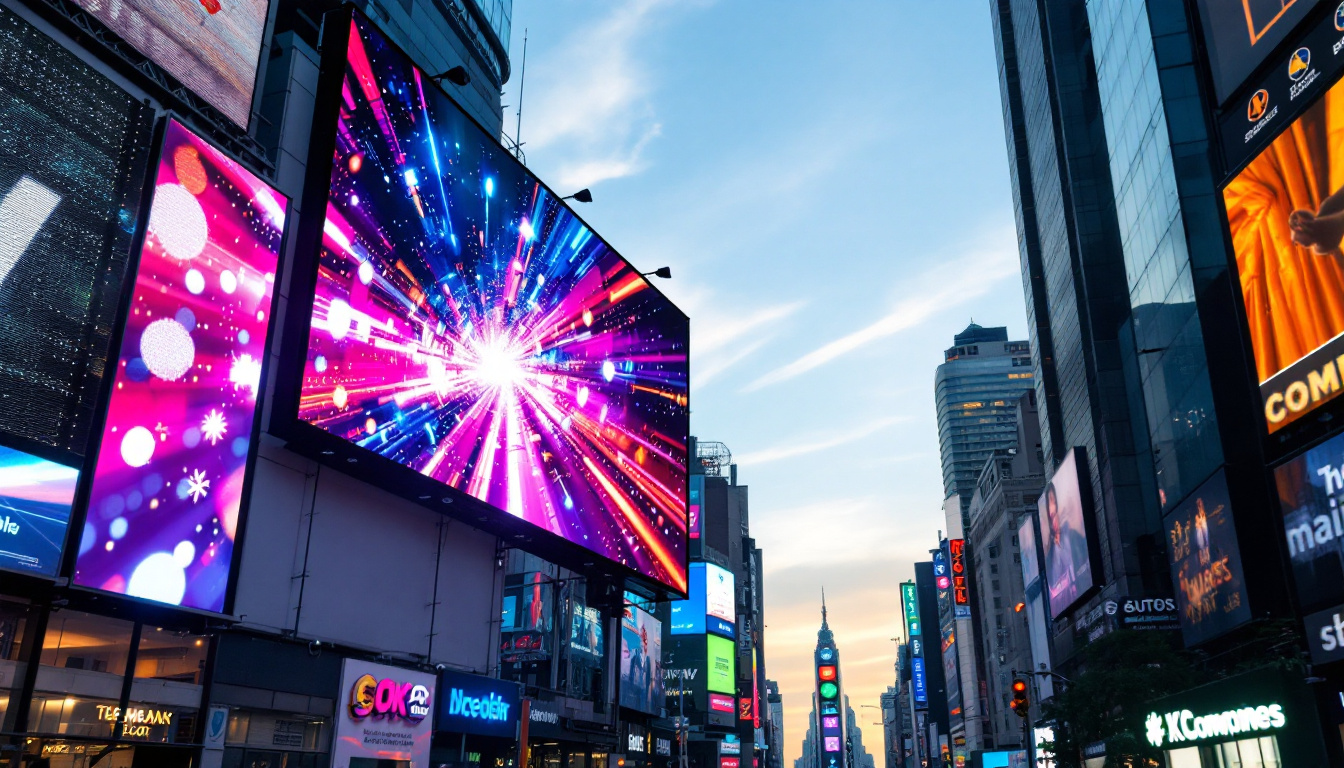
- Direct View LED Walls: Large modular panels used for outdoor advertising, stadium screens, and concert backdrops.
- MicroLED Displays: Emerging technology offering even higher resolution and brightness with lower power consumption.
Advantages of LED Displays
LED displays offer several notable benefits:
- Brightness and Visibility: They can reach brightness levels exceeding 1,000 nits, making them visible even in direct sunlight, which is crucial for outdoor applications.
- Color Accuracy and Contrast: LED displays deliver rich colors and true blacks, enhancing image quality.
- Durability and Longevity: Designed for continuous operation, LED displays have long lifespans and are resistant to environmental factors.
- Seamless Large Formats: Modular LED panels can be combined to create enormous, seamless screens of virtually any size.
Comparing HD Projector Screens and LED Displays
Choosing between an HD projector screen and an LED display depends on various factors, including budget, environment, intended use, and desired image quality. Understanding the strengths and limitations of each technology is key to making the right choice.
Image Quality and Brightness
LED displays generally outperform projector screens in brightness and contrast, especially in well-lit environments. With peak brightness levels often exceeding 1,000 nits, LED screens maintain visibility even in daylight, whereas projector images can wash out without complete darkness or specialized ambient light control.
However, high-end projectors paired with quality HD screens can still deliver excellent image quality in controlled lighting conditions, often with superior color accuracy and cinematic depth. For home theaters or dedicated screening rooms, projectors remain a popular choice.
Size and Flexibility
Projector screens offer flexibility in size and portability. They can be rolled up, moved, or adjusted to fit various room dimensions. This makes them ideal for multi-use spaces or traveling presenters.
LED displays, while modular and scalable, require more complex installation and are typically fixed in place. Their large size and weight can limit portability, but they excel in permanent installations such as stadiums, retail spaces, and conference halls.
Cost Considerations
Generally, HD projector setups are more affordable upfront compared to large LED displays. A quality projector and screen can be purchased for a few hundred to a few thousand dollars, depending on specifications.
LED displays, especially large-format or high-resolution models, can cost tens of thousands of dollars or more. However, their durability and low maintenance costs can justify the investment for commercial or outdoor applications.
Installation and Maintenance
Projector screens are relatively simple to install and maintain. Projectors may require occasional bulb replacements and alignment, but the screens themselves are low maintenance.
LED displays require professional installation, including electrical and structural considerations. Maintenance involves monitoring individual LED modules and sometimes replacing faulty components, but the robust design minimizes downtime.
When to Choose an HD Projector Screen
HD projector screens are ideal in scenarios where image size and immersive experience are priorities, and ambient light can be controlled. Some common use cases include:
- Home Theaters: Creating a cinematic experience with large, high-quality images in a darkened room.
- Classrooms and Meeting Rooms: Offering flexible, cost-effective solutions for presentations and video conferencing.
- Event Venues: Temporary setups for movie nights, weddings, or corporate events where portability is important.
Additionally, projectors paired with HD screens are well-suited for gaming enthusiasts who want a large display without the pixelation or input lag sometimes associated with LED screens.
When to Opt for an LED Display
LED displays shine in environments where brightness, durability, and seamless large-scale visuals are essential. Typical applications include:
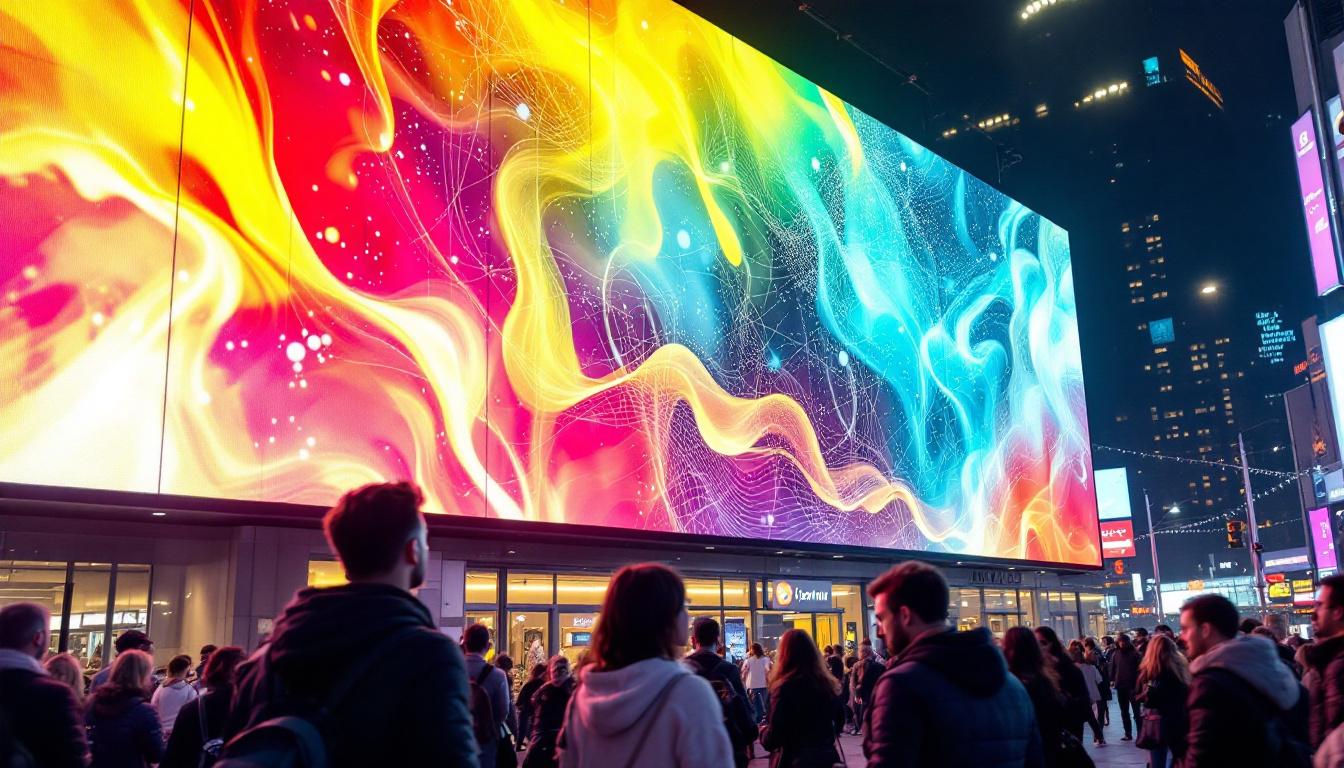
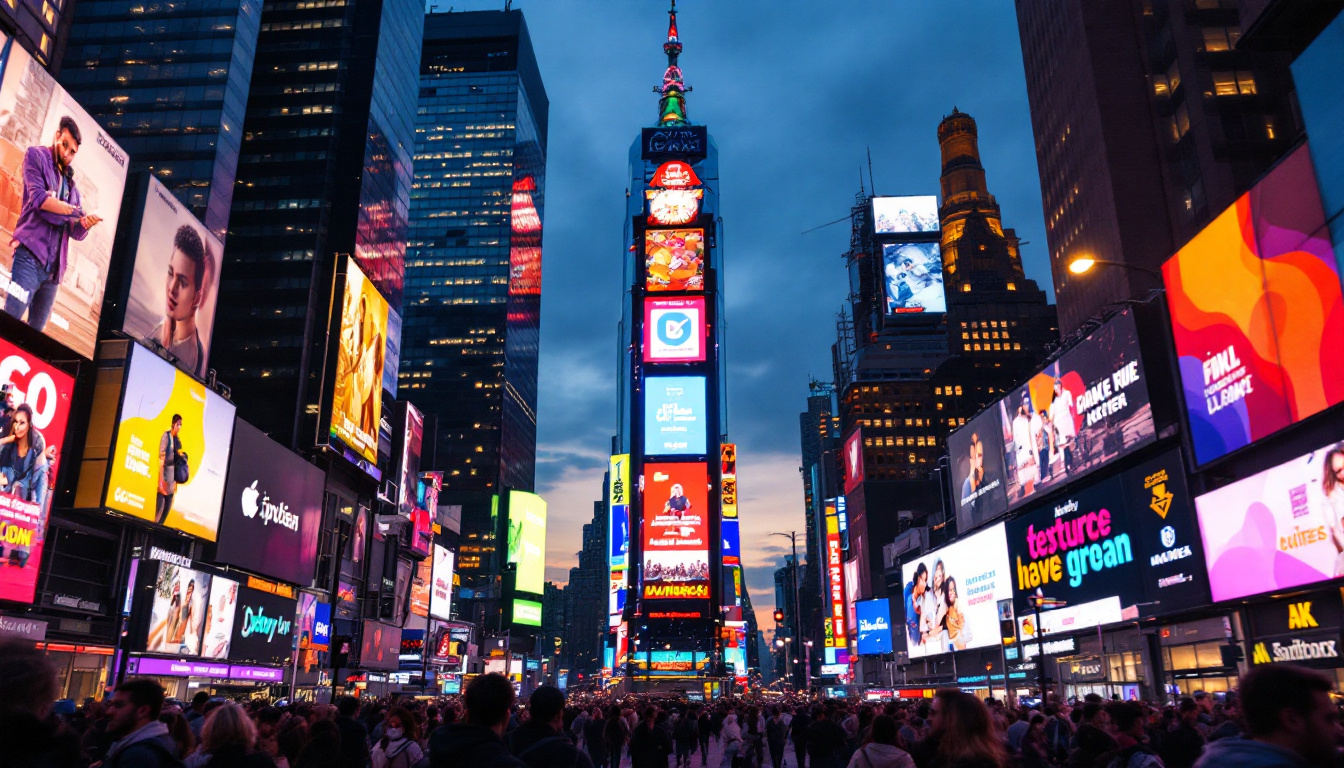
- Outdoor Advertising: Billboards and digital signage that must remain visible in sunlight and withstand weather conditions.
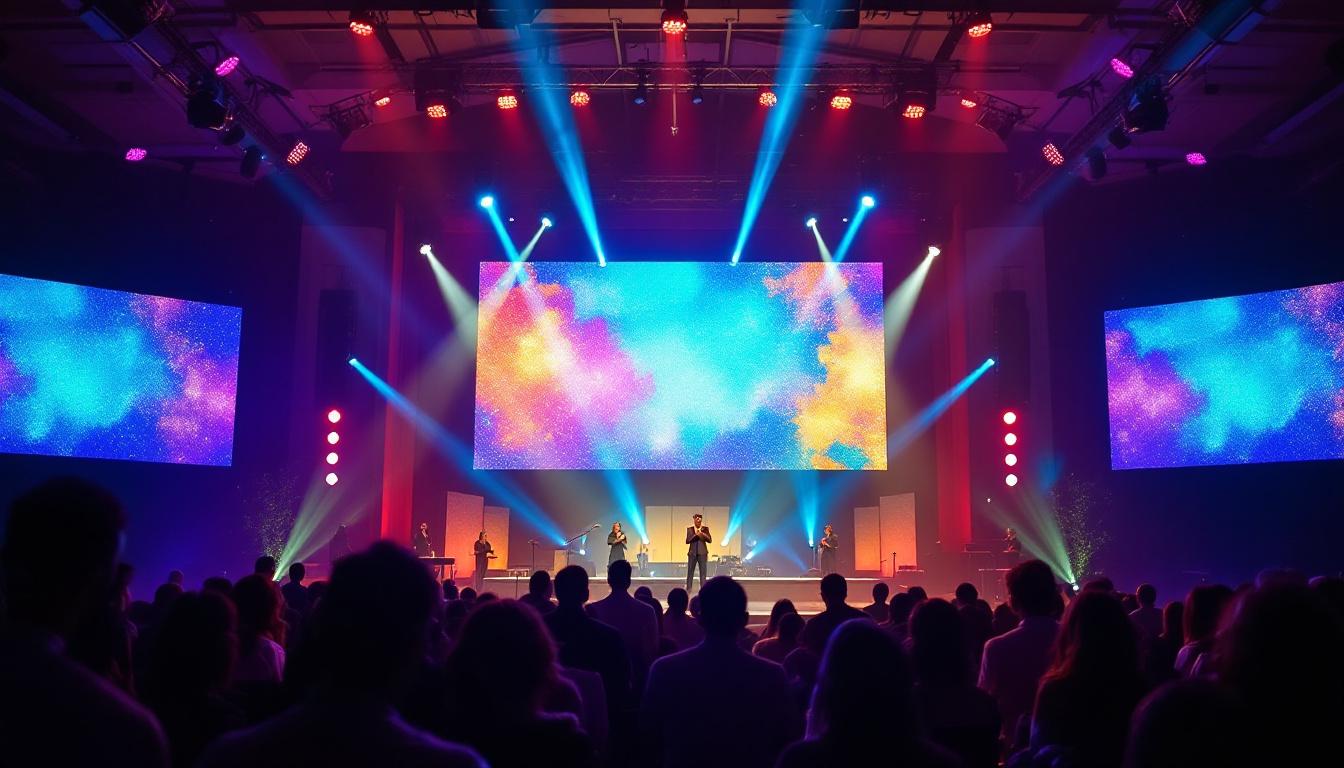
- Concerts and Sporting Events: Massive screens that provide clear visuals to large audiences.
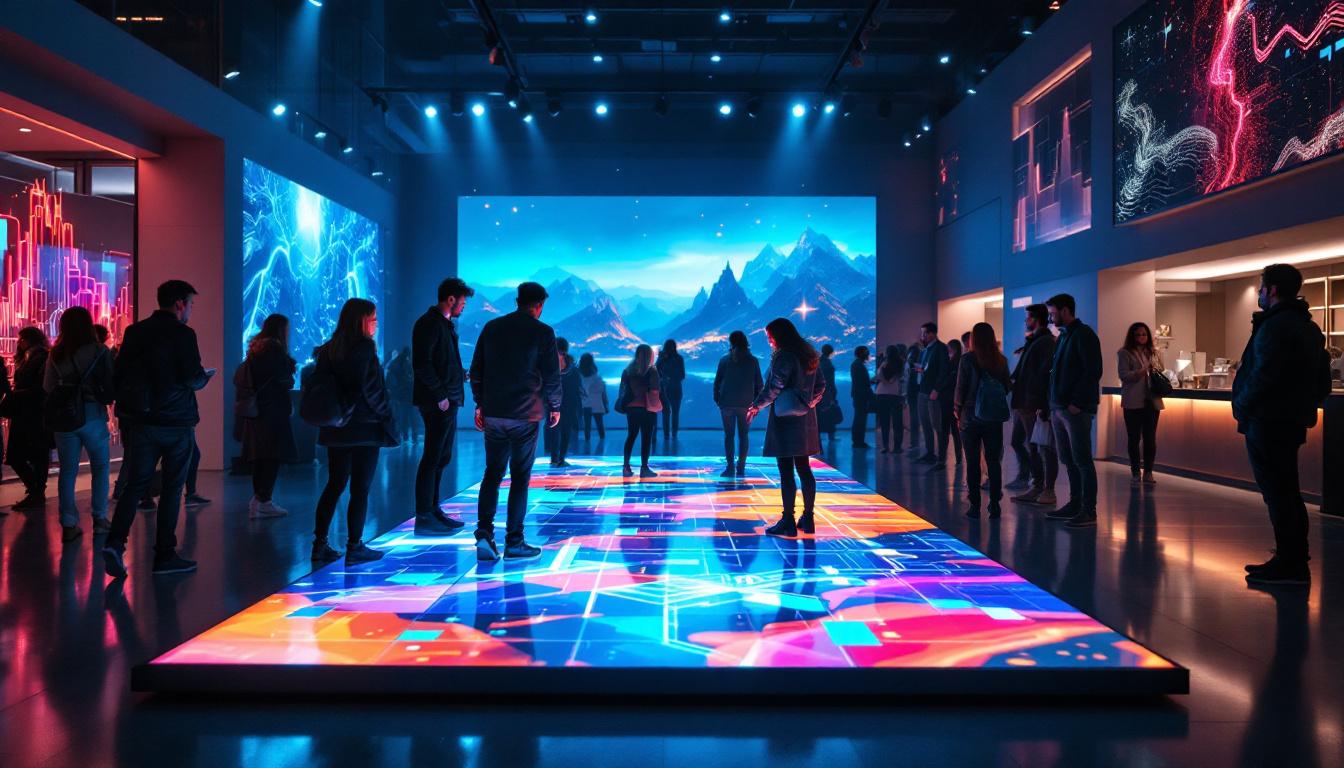
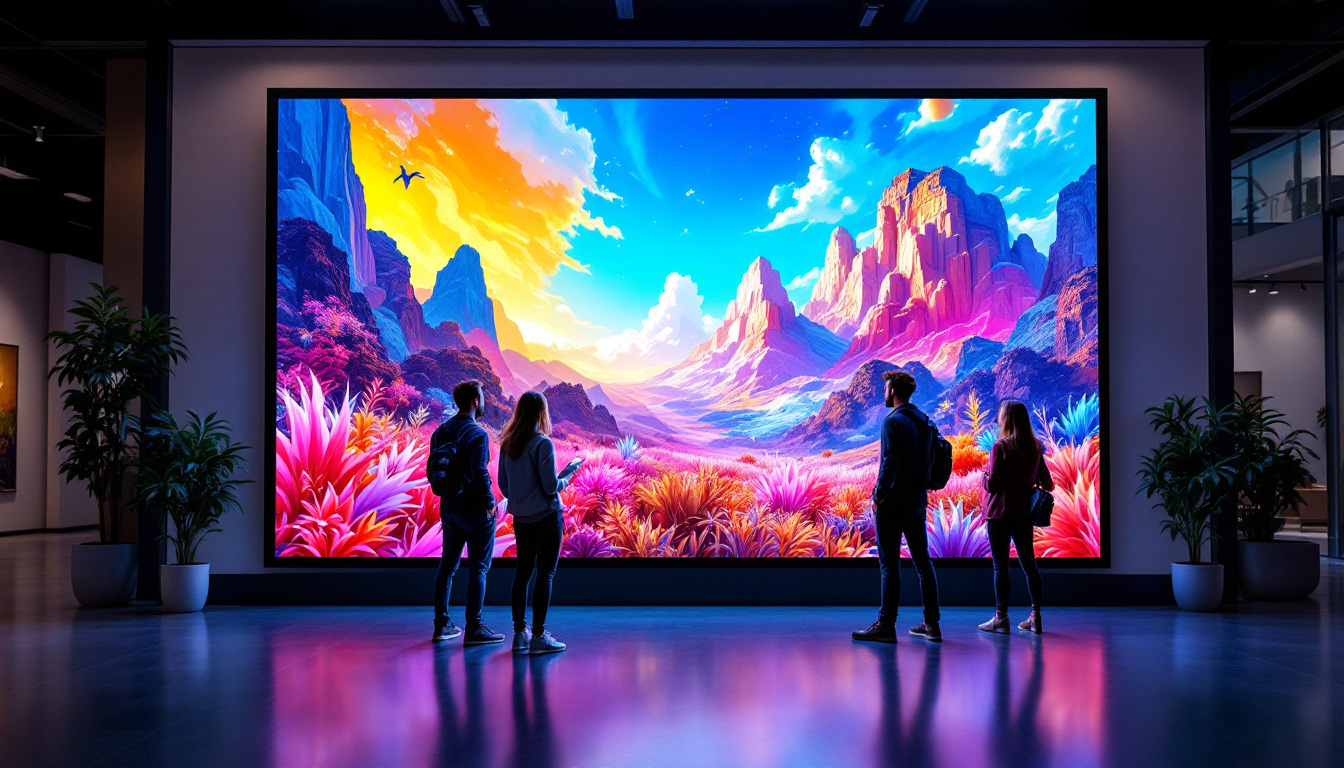
- Retail and Corporate Lobbies: Eye-catching displays for branding and information.
- Control Rooms and Broadcast Studios: High-resolution, reliable displays for monitoring and production.
For businesses and organizations requiring permanent, high-impact visual solutions, LED displays offer unmatched performance and flexibility.
Emerging Trends and Future Outlook
The display technology landscape continues to evolve rapidly. Recent advancements include MicroLED and MiniLED technologies, which blend the benefits of LED brightness with improved resolution and energy efficiency. These innovations promise to narrow the gap between projector and LED display performance.
Moreover, hybrid solutions are emerging, such as laser projectors combined with specialized screens that enhance brightness and color, challenging the dominance of LED in certain applications.
As consumer demand for larger, brighter, and more immersive displays grows, manufacturers are investing heavily in research and development. This competition is driving prices down and quality up, making advanced display technologies more accessible than ever.
Conclusion
Choosing between an HD projector screen and an LED display depends largely on the intended use, environment, and budget. HD projector screens offer flexibility, affordability, and a cinematic experience ideal for controlled lighting conditions and large image sizes. LED displays provide superior brightness, durability, and seamless visuals suited for demanding commercial and outdoor applications.
Understanding the strengths and limitations of each technology empowers consumers and professionals alike to select the best display solution for their specific needs. As technology advances, the lines between these display options may blur, but for now, both HD projector screens and LED displays hold distinct and valuable places in the world of visual media.
Discover LumenMatrix’s Advanced LED Display Solutions
Ready to elevate your visual experience with superior brightness, durability, and seamless large-scale visuals? LumenMatrix is at the forefront of LED display innovation, offering a wide array of solutions tailored to meet your needs. From Indoor and Outdoor LED Wall Displays to specialized options like Vehicle, Sports, and Floor LED Displays, our products are designed to captivate audiences and enhance brand visibility. Embrace the future of visual communication with LumenMatrix’s cutting-edge technology. Check out LumenMatrix LED Display Solutions today and transform your space into a dynamic visual spectacle.