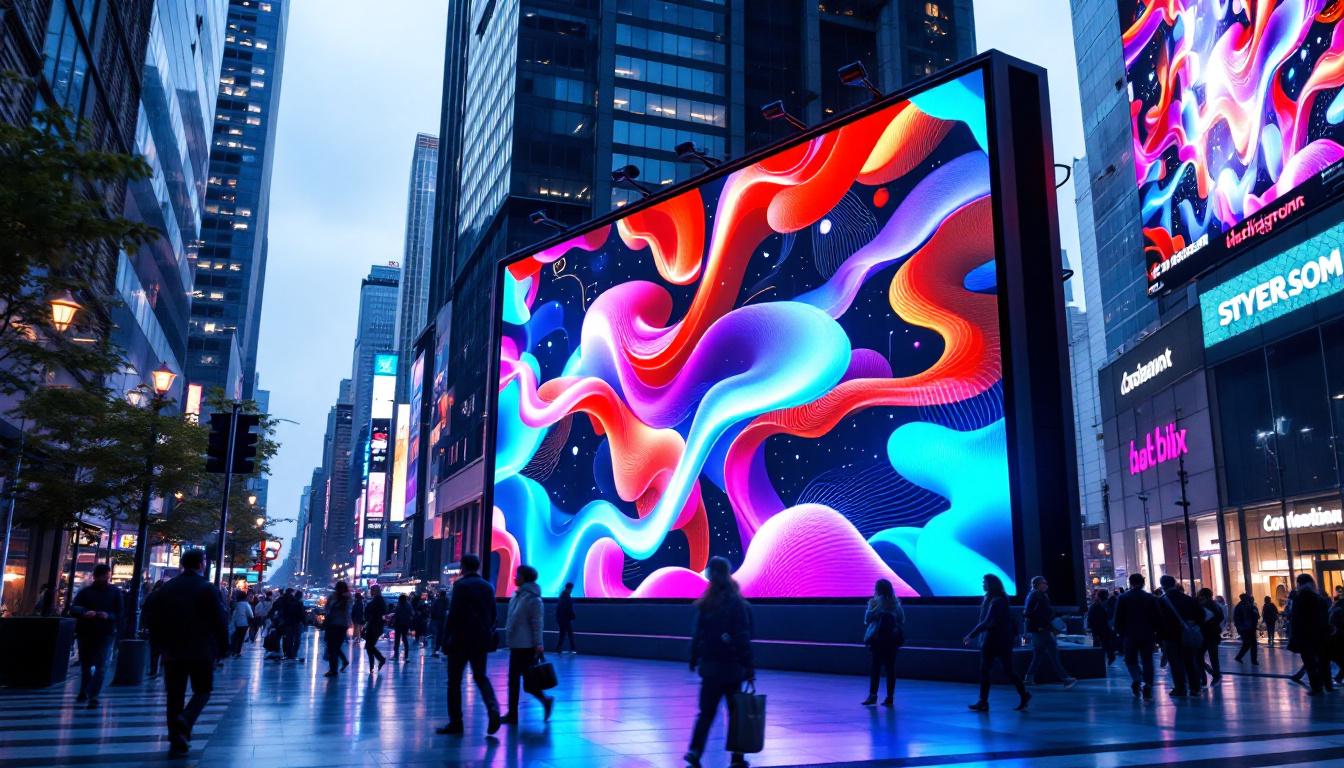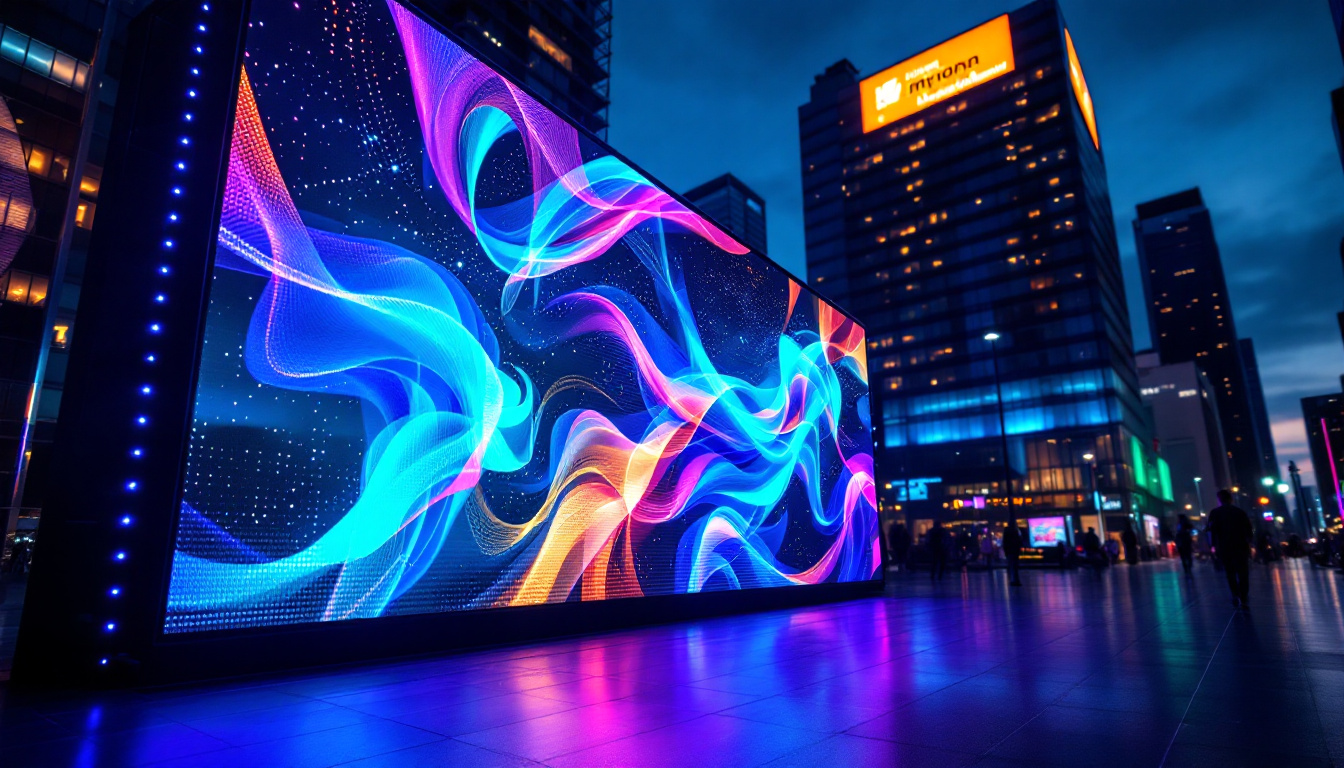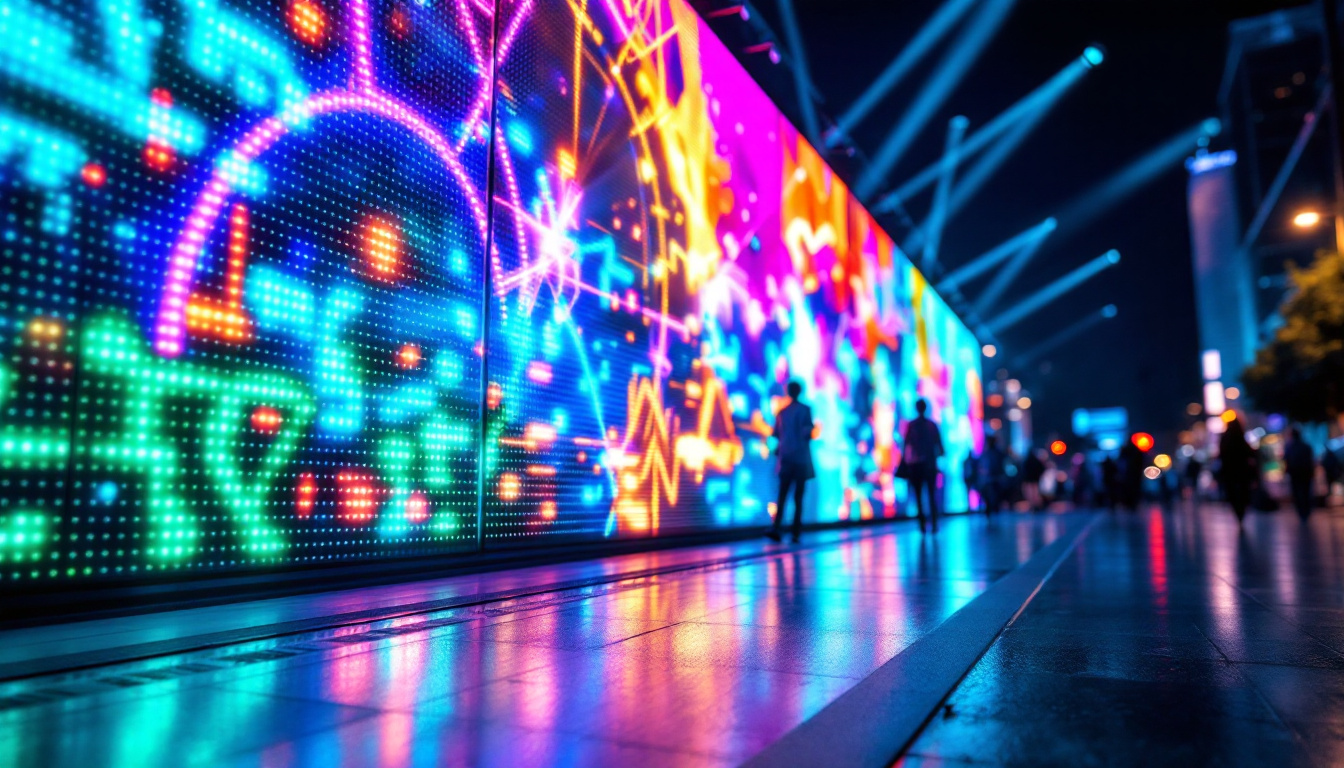
In the rapidly evolving world of visual technology, LED displays have become a cornerstone for live studios, broadcasting, events, and digital signage. Their vibrant colors, high brightness, and versatility make them an indispensable tool for delivering engaging content to audiences of all sizes. This article delves into the core aspects of LED displays used in live studio environments, explaining their technology, benefits, applications, and future trends.
Understanding LED Display Technology
LED stands for Light Emitting Diode, a semiconductor device that emits light when an electric current passes through it. LED displays utilize thousands, sometimes millions, of these tiny diodes arranged in a matrix to create images and videos.
Unlike traditional LCD or plasma screens, LED displays are self-illuminating, meaning each diode produces its own light. This fundamental difference results in superior brightness, contrast, and color accuracy, which are critical for live studio settings where image quality can directly impact viewer engagement. The ability to produce vibrant colors and deep blacks enhances the overall viewing experience, making LED displays a preferred choice for high-stakes environments like television studios and live events.
Types of LED Displays
There are primarily two types of LED displays used in live studios: direct-view LED and LED-backlit LCD. Direct-view LED displays are composed entirely of LEDs and are often used for large-scale video walls and stage backdrops. LED-backlit LCDs, on the other hand, use LEDs as a light source behind an LCD panel and are more common in smaller monitors and control room screens. The versatility of these two types allows studios to tailor their setups according to specific needs, whether it’s for broadcasting, live performances, or interactive displays.
Direct-view LED displays are preferred for live studios because they offer higher brightness levels—often exceeding 1,000 nits—and wider viewing angles, ensuring consistent image quality regardless of the audience’s position. Furthermore, these displays can be configured in various shapes and sizes, allowing for creative installations that can enhance the visual storytelling of a production. The modular design of direct-view LEDs also means that they can be easily repaired or upgraded, providing a long-term solution for studios looking to stay current with technological advancements.
Pixel Pitch and Resolution
One of the most critical specifications in LED displays is pixel pitch, which refers to the distance between the centers of two adjacent pixels. It is measured in millimeters and directly affects the resolution and viewing distance of the display. A smaller pixel pitch means higher resolution and closer optimal viewing distance. This characteristic is particularly important in environments where detail is paramount, such as during news broadcasts or live sports events, where viewers expect crisp and clear visuals.
For live studio applications, pixel pitches typically range from 0.9mm to 3mm. Ultra-fine pixel pitches (below 1.5mm) are ideal for close-up shots and broadcast monitors, while larger pixel pitches are suitable for stage backdrops viewed from a distance. Additionally, advancements in technology have led to the development of flexible LED panels that can conform to various surfaces, further expanding the creative possibilities for set design. This adaptability not only enhances the aesthetic appeal of the studio but also allows for dynamic content that can change based on the production’s needs, making LED displays a cornerstone of modern broadcasting technology.
Advantages of LED Displays in Live Studios
LED displays offer numerous advantages over other display technologies, making them the preferred choice for live studio environments.
Exceptional Brightness and Color Accuracy
LED displays can achieve brightness levels that far exceed those of LCD or projection systems, often reaching 1,500 to 3,000 nits. This high brightness ensures the display remains vivid and clear under intense studio lighting, which is essential for broadcast quality.
Moreover, LED technology supports a wide color gamut and excellent color uniformity. This means colors are rendered more accurately and consistently, which is crucial for live broadcasts where visual fidelity can affect the viewer’s perception of the content. The ability to reproduce deep blacks and bright whites enhances contrast, making images pop and ensuring that the audience is captivated by the visuals presented.
Flexibility and Customization
LED panels are modular, allowing studios to create displays of virtually any size and shape. This flexibility enables creative set designs that can be tailored to the specific needs of a production, from immersive backgrounds to dynamic graphics walls.
Curved and flexible LED panels are also available, providing additional design possibilities that enhance the visual storytelling capabilities of live studios. These customizable features mean that studios can adapt their displays for various formats, whether it’s a traditional rectangular screen for news broadcasts or a sweeping curved display for concerts and events, ensuring that the visual experience is always engaging and innovative.
Durability and Longevity
LED displays are known for their durability and long operational life, often rated for 50,000 to 100,000 hours of use. They are less prone to burn-in compared to OLED or plasma displays, making them ideal for continuous use in live studio environments.
Additionally, LED displays are energy-efficient, which helps reduce operational costs and environmental impact over time. Their robust construction also means they can withstand the rigors of daily studio life, including frequent transport and setup changes, without compromising performance. This resilience is particularly important in fast-paced production environments where reliability is paramount, allowing studios to focus on content creation rather than technical issues.
Applications of LED Displays in Live Studios
LED displays have transformed the way live studios operate, offering dynamic and engaging visual elements that enhance production quality.
Virtual Sets and Augmented Reality
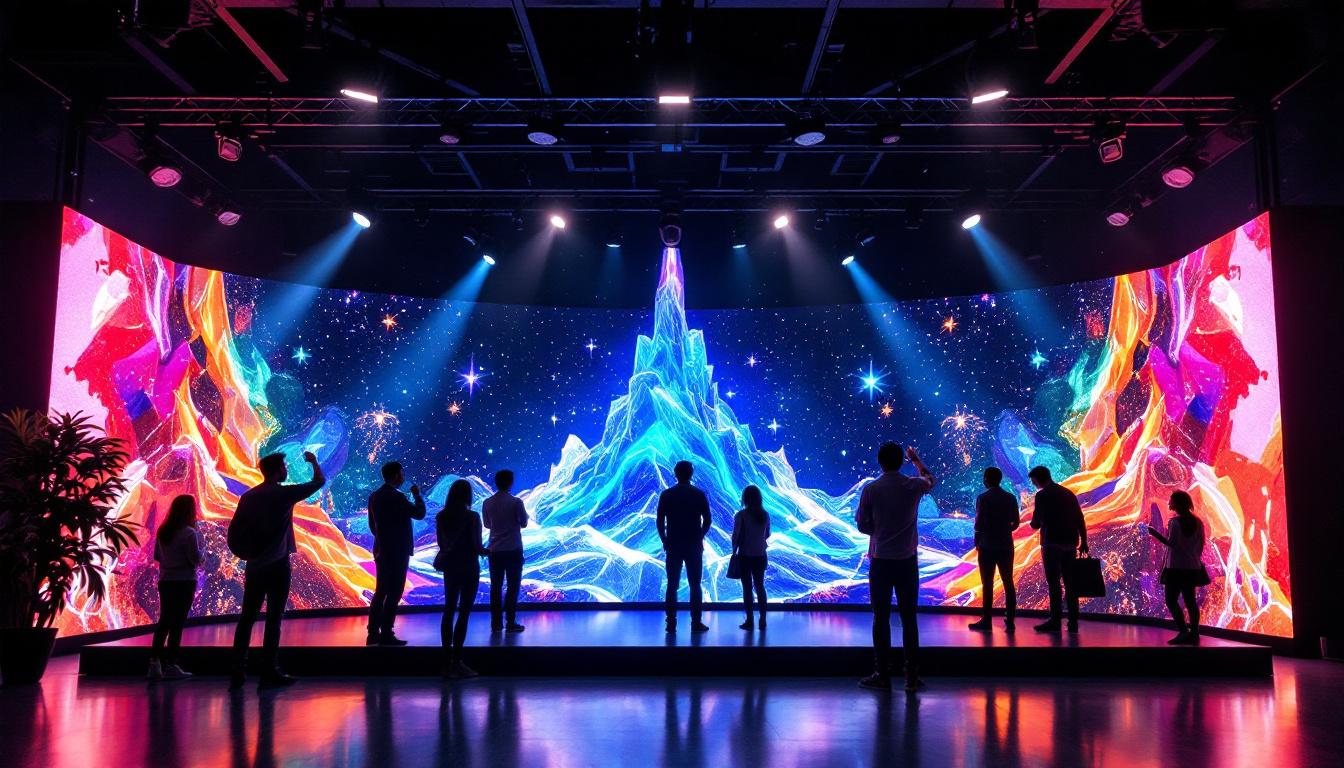
One of the most exciting applications of LED displays in live studios is the creation of virtual sets. Instead of physical backdrops, LED walls can display realistic or fantastical environments in real-time, allowing presenters to interact with digital content seamlessly.
This technology is often combined with augmented reality (AR) to create immersive experiences that captivate viewers and provide new storytelling possibilities.
Live Event Broadcasting
For live events such as concerts, sports, and award shows, LED displays serve as dynamic backdrops that can change instantly to match the mood or theme. Their high brightness ensures visibility even in outdoor or brightly lit venues.
In broadcasting studios, LED walls are used to display live feeds, graphics, and real-time data, providing presenters and viewers with up-to-date information in an engaging format.
Interactive Studio Environments
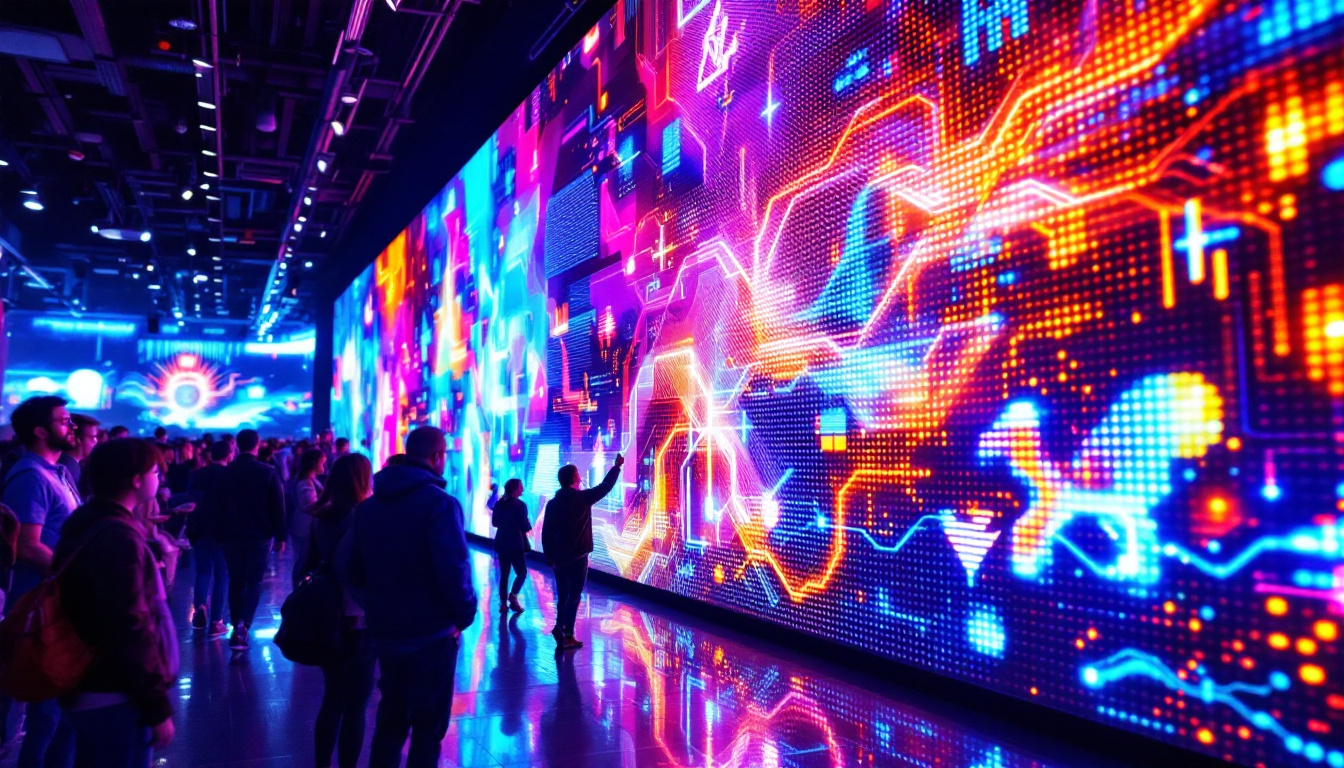
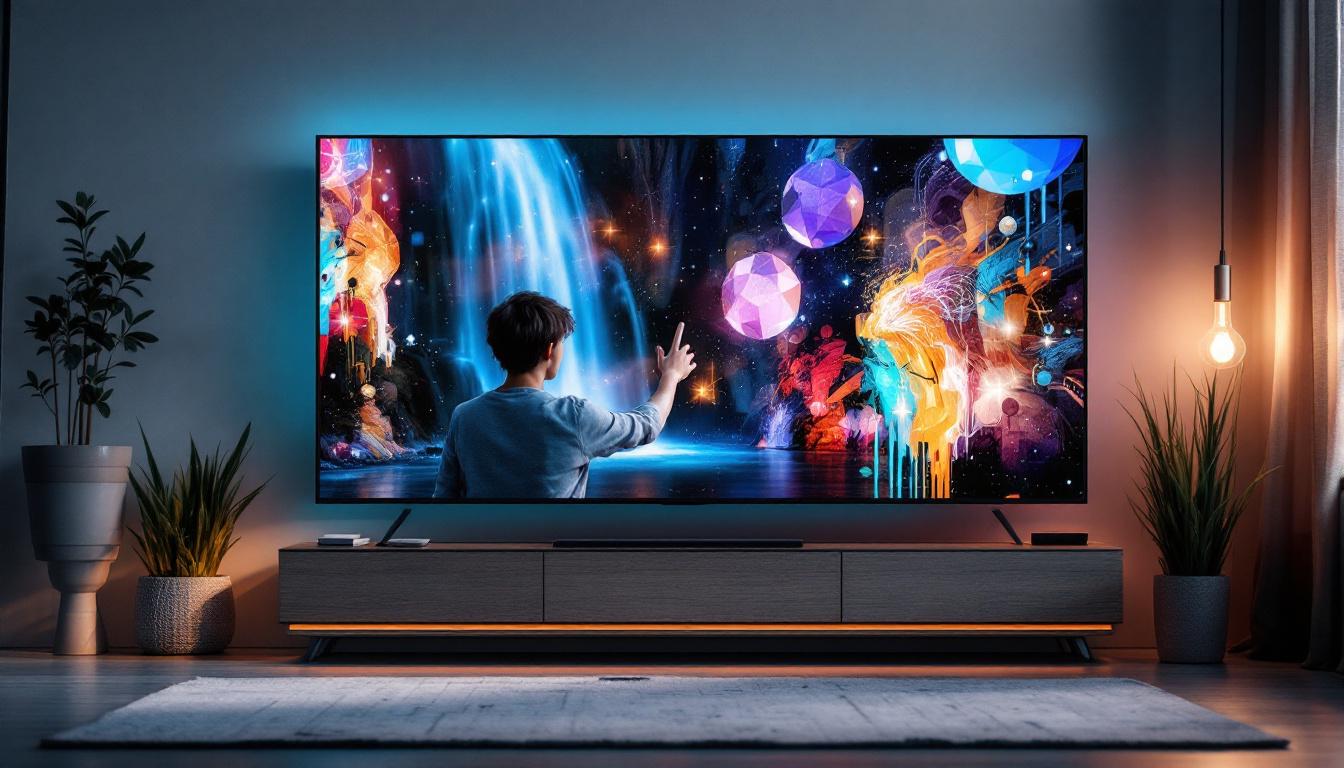
LED displays can be integrated with interactive technologies such as touch sensors and motion tracking. This integration allows hosts and guests to manipulate on-screen content, making broadcasts more engaging and interactive.
Interactive LED walls are particularly popular in news studios, weather forecasts, and educational programming, where real-time data visualization enhances the viewer’s understanding.
Choosing the Right LED Display for Your Studio
Selecting the appropriate LED display for a live studio depends on several factors, including the studio size, viewing distance, content type, and budget.
Assessing Studio Requirements
Understanding the physical dimensions of the studio and the typical camera angles is essential. This information helps determine the optimal size and resolution of the LED display to ensure it looks sharp on camera without pixelation or distortion.
Studios with multiple camera setups may require displays with wide viewing angles and consistent brightness to maintain image quality from different perspectives.
Content Considerations
The type of content displayed influences the choice of LED technology. For example, studios focusing on detailed graphics and text may benefit from ultra-fine pixel pitch displays, while those emphasizing large video backgrounds might prioritize brightness and size.
Additionally, the refresh rate and color depth should be considered, especially for fast-moving content or broadcasts requiring smooth motion rendering.
Budget and Maintenance
While LED displays can be a significant investment, their longevity and low maintenance costs often justify the upfront expense. It is important to factor in installation, calibration, and potential future upgrades when budgeting.
Working with experienced LED display providers can help optimize the investment by recommending solutions tailored to the studio’s specific needs.
Future Trends in LED Display Technology for Live Studios
The LED display industry continues to innovate, with several emerging trends poised to impact live studios in the coming years.
MicroLED and MiniLED Advancements
MicroLED and MiniLED technologies offer even higher resolution, brightness, and energy efficiency by using smaller LED chips. These advancements enable ultra-fine pixel pitches below 0.5mm, opening new possibilities for close-range viewing and detailed content display in studios.
MicroLED displays also promise longer lifespans and improved color accuracy, which will further enhance live broadcast quality.
Integration with Artificial Intelligence
Artificial intelligence (AI) is being integrated into LED display systems to optimize content delivery and display performance. AI can adjust brightness and color settings dynamically based on ambient lighting and content type, ensuring optimal visual quality at all times.
Moreover, AI-driven analytics can help studios understand viewer engagement and tailor content accordingly.
Enhanced Interactivity and Immersive Experiences
Future LED displays will feature more advanced interactivity, including gesture recognition and holographic effects. These innovations will allow studios to create immersive environments that blur the line between physical and digital worlds.
Such capabilities will revolutionize live broadcasting by enabling more engaging storytelling and audience participation.
Conclusion
LED displays have revolutionized live studio production by offering unparalleled brightness, color accuracy, and flexibility. Their modular design and durability make them ideal for a wide range of applications, from virtual sets to interactive environments. As technology advances, innovations like MicroLED, AI integration, and enhanced interactivity will continue to push the boundaries of what is possible in live broadcasting.
For studios aiming to deliver captivating and visually stunning content, investing in the right LED display technology is a strategic decision that can significantly elevate production quality and viewer experience.
Discover Cutting-Edge LED Solutions with LumenMatrix
Ready to take your live studio production to the next level? Explore LumenMatrix’s innovative LED display technologies, designed to bring your visual storytelling to life. From Indoor and Outdoor LED Wall Displays to specialized solutions like Vehicle, Sports, and Floor LED Displays, LumenMatrix offers a wide array of modules tailored to your creative needs. Experience the future of visual engagement with our Custom, All-in-One, and Transparent LED Displays. Check out LumenMatrix LED Display Solutions today and transform your brand’s visibility with our captivating and versatile displays.