As technology advances, modern vehicles are increasingly equipped with sophisticated dashboard displays designed to provide drivers with real-time information. Among these innovations, LED (Light Emitting Diode) displays have become a staple in many Oregon vehicles, offering clear, energy-efficient, and customizable interfaces. Understanding the LED display in your vehicle is essential for safe and informed driving, especially for new drivers preparing for the Oregon driving test or seasoned motorists aiming to stay updated with the latest vehicle technologies.
What Is an LED Display in Vehicles?
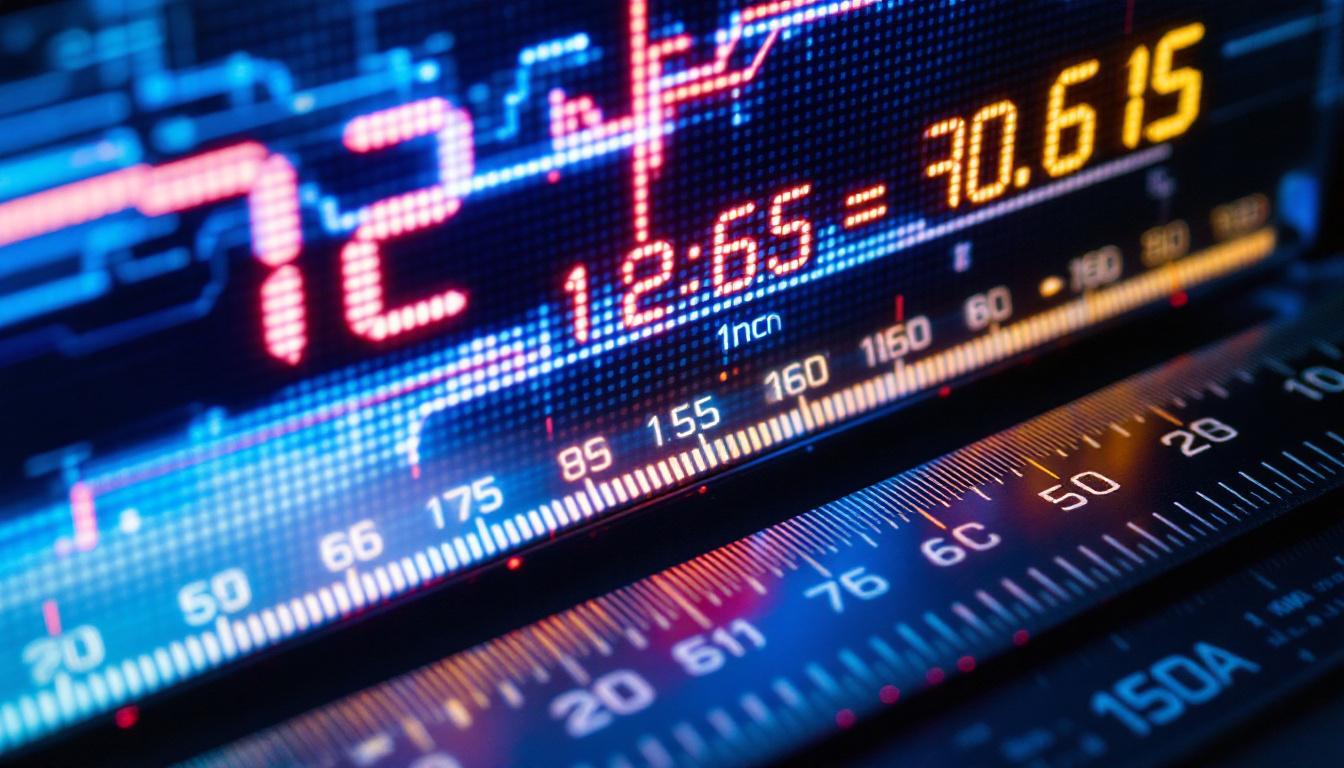
LED displays in cars refer to the dashboard or instrument cluster screens that use light-emitting diodes to present information. Unlike traditional analog gauges or older LCD panels, LED displays provide brighter, sharper visuals with lower power consumption. These displays can show a variety of data, including speed, fuel levels, engine warnings, navigation prompts, and more.
In Oregon, where weather conditions can vary dramatically from sunny summers to rainy winters, visibility is crucial. LED displays are designed to be easily readable in different lighting conditions, making them particularly valuable for drivers navigating the diverse landscapes of the state. The clarity of LED technology ensures that important information is easily accessible, even in low-light situations or during bright sunlight, which is essential for maintaining safety on the road.
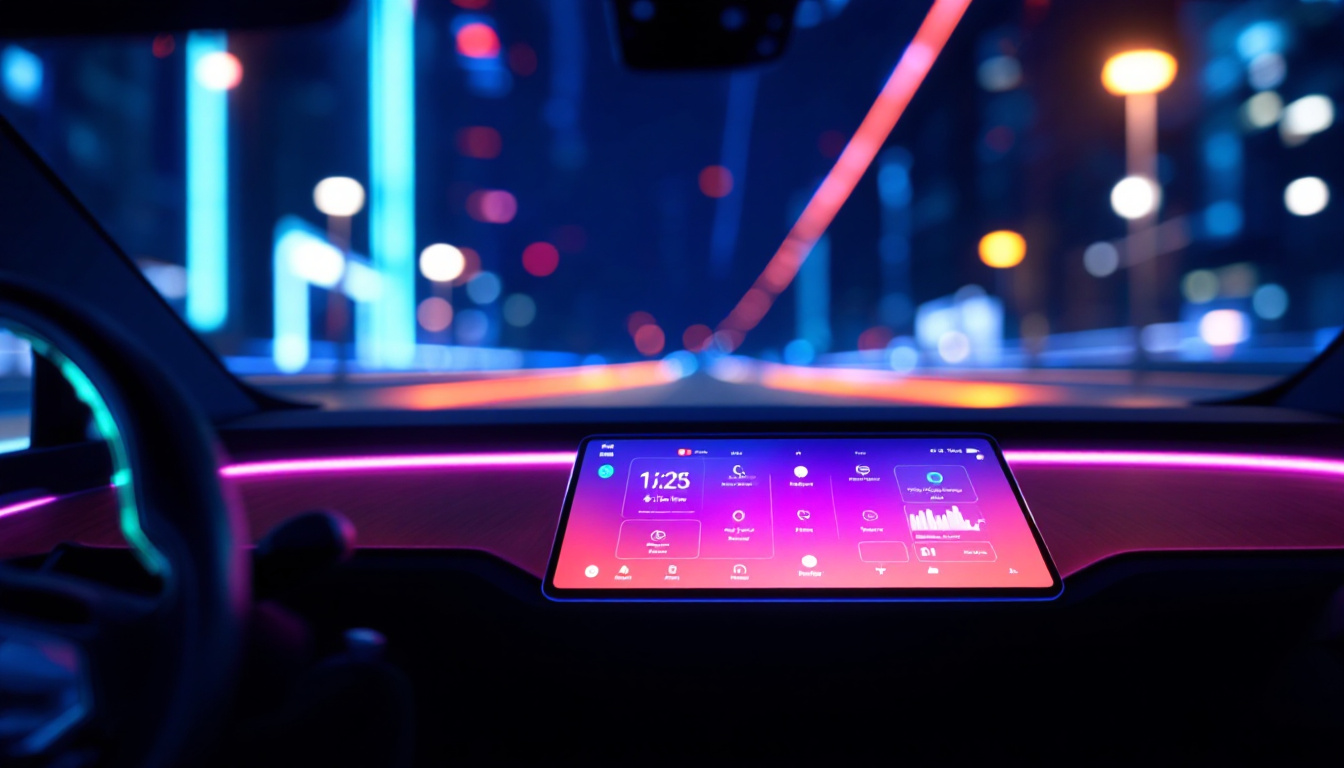
Moreover, the integration of LED displays in vehicles enhances the overall driving experience. Many modern vehicles utilize these displays not just for functional data but also for aesthetic purposes, creating a more engaging and high-tech environment for drivers and passengers alike. The vibrant colors and dynamic graphics can convey information in an intuitive manner, allowing drivers to focus on the road while still being informed about their vehicle’s status.
Types of LED Displays Found in Oregon Vehicles
There are several types of LED displays commonly found in vehicles on Oregon roads:
- Segmented LED Displays: These are simple numeric or alphanumeric displays used for speedometers or odometers. They are straightforward and effective, providing essential information at a glance without unnecessary distractions.
- Matrix LED Displays: These allow for more complex graphics, such as warning icons, text messages, or turn-by-turn navigation instructions. The flexibility of matrix displays means that they can adapt to show a range of information, enhancing the driver’s ability to receive alerts and updates in real-time.
- Full LED Instrument Clusters: High-end vehicles often feature fully digital instrument panels composed entirely of LEDs, offering customizable layouts and advanced data visualization. These clusters can be tailored to display information that is most relevant to the driver, such as performance metrics or entertainment options, creating a personalized driving experience.
Additionally, many manufacturers are now incorporating features like ambient lighting into their LED displays, which can change colors based on driving conditions or the vehicle’s performance. This not only adds a modern touch but also serves as a visual cue for the driver, enhancing situational awareness. As technology continues to evolve, we can expect to see even more innovative uses of LED displays in vehicles, further transforming how we interact with our cars on the road.
Understanding the Information Presented on LED Displays
One of the primary reasons LED displays are favored is their ability to convey critical information quickly and clearly. For Oregon drivers, understanding these displays is vital not only for routine driving but also for passing the state’s driver knowledge and skills tests.
Speedometer and Tachometer Readings
The speedometer is usually the most prominent feature on the LED display, showing the vehicle’s current speed in miles per hour (mph). Some vehicles also display speed in kilometers per hour (km/h), which is useful for drivers traveling near the Canadian border or those familiar with metric measurements.
The tachometer, which measures engine revolutions per minute (RPM), helps drivers monitor engine performance and optimize fuel efficiency. LED displays often allow users to toggle between analog-style gauges and digital readouts, depending on personal preference.
Fuel and Battery Indicators
Fuel level indicators are essential for planning refueling stops, especially in rural parts of Oregon where gas stations may be sparse. LED displays typically show remaining fuel as a bar or percentage, sometimes accompanied by an estimated range based on current consumption.
For hybrid and electric vehicles, battery charge indicators replace or supplement fuel gauges. These displays provide real-time data on battery levels, charging status, and estimated driving range, which is crucial for managing trips in areas with limited charging infrastructure.
Warning Lights and Alerts
LED displays are integral to vehicle safety systems, alerting drivers to potential issues. Common warning lights include:
- Check Engine Light: Indicates engine or emissions system problems.
- Oil Pressure Warning: Signals low oil pressure, requiring immediate attention.
- Tire Pressure Monitoring System (TPMS): Alerts when tire pressure is below recommended levels.
- ABS and Traction Control Lights: Indicate issues with braking or stability systems.
In Oregon’s often wet and variable driving conditions, these alerts help drivers respond promptly to maintain vehicle safety and performance.
Benefits of LED Displays for Oregon Drivers
LED displays offer several advantages that enhance the driving experience and safety for Oregon motorists. These benefits are particularly relevant given the state’s diverse driving environments, from urban centers like Portland to mountainous regions and coastal highways.
Improved Visibility and Reduced Driver Fatigue
LED displays provide high contrast and brightness, making information easy to read at a glance. This reduces the time drivers spend looking away from the road, which can decrease the likelihood of accidents. Additionally, many LED displays feature adaptive brightness controls that adjust to ambient light, preventing glare during nighttime driving.
Energy Efficiency and Durability
Compared to traditional incandescent bulbs, LEDs consume significantly less power, which can contribute to overall vehicle efficiency. They also have longer lifespans and are more resistant to shock and vibration—important factors for vehicles frequently driven on Oregon’s rugged backroads and highways.
Customization and Enhanced User Experience
Modern LED displays often allow drivers to customize the information shown, tailoring the dashboard to their preferences. For example, some vehicles enable toggling between different driving modes, displaying performance metrics, or integrating smartphone notifications. This personalization can improve driver engagement and satisfaction.
How to Interpret LED Display Messages and Symbols in Oregon
Understanding the symbols and messages on your vehicle’s LED display is crucial for safe driving and vehicle maintenance. The 2024 Oregon Drivers Manual highlights several common indicators that every driver should recognize.
Common LED Symbols and Their Meanings
While symbols can vary by manufacturer, some standard icons are universally recognized:
- Battery Warning Light: Indicates a problem with the vehicle’s charging system.
- Brake System Alert: May signal low brake fluid or a malfunction in the braking system.
- Seatbelt Reminder: Illuminates until all occupants fasten their seatbelts.
- Engine Temperature Warning: Alerts when the engine is overheating.
Consulting the vehicle’s owner manual is recommended for specific symbol interpretations, but the Oregon Drivers Manual provides a solid foundation for recognizing the most critical alerts.
Responding to LED Warnings
When an LED warning light activates, it’s important to assess the situation promptly. Some alerts, like a seatbelt reminder, simply require immediate action by the driver or passengers. Others, such as the check engine light, may require scheduling a service appointment but do not always indicate an emergency.
In contrast, warnings related to oil pressure, brake systems, or engine temperature should prompt immediate caution. Drivers in Oregon should pull over safely and seek professional assistance to prevent further damage or accidents.
LED Displays and Driver Education in Oregon
The Oregon Department of Transportation (ODOT) recognizes the importance of familiarizing drivers with modern vehicle technologies. The 2024 Oregon Drivers Manual includes updated sections on LED displays to prepare new drivers for the realities of contemporary driving.
Incorporation into Driver Training and Testing
Driver education programs in Oregon now emphasize understanding digital dashboards and LED indicators. This knowledge is tested during the written knowledge exam, which includes questions about dashboard symbols and their meanings.
Practical driving tests may also evaluate a candidate’s ability to respond appropriately to dashboard alerts, ensuring that new drivers can maintain vehicle safety under real-world conditions.
Resources for Oregon Drivers
Beyond the manual, Oregon drivers can access various resources to deepen their understanding of LED displays, including:
- ODOT’s Official Website: Offers downloadable manuals and instructional videos.
- Vehicle Owner’s Manuals: Provide detailed information on specific LED displays and alerts.
- Driver Education Courses: Many include modules on modern vehicle technologies.
The Future of LED Displays in Oregon Vehicles
As automotive technology continues to evolve, LED displays are expected to become even more advanced, integrating with augmented reality (AR), heads-up displays (HUDs), and vehicle-to-everything (V2X) communication systems.
Integration with Advanced Driver Assistance Systems (ADAS)
LED displays will play a crucial role in presenting information from ADAS features such as lane departure warnings, adaptive cruise control, and collision avoidance systems. Clear and timely visual alerts on LED panels can enhance driver awareness and reaction times, contributing to safer roads in Oregon.
Environmental Impact and Energy Savings
Oregon’s commitment to sustainability aligns with the energy-efficient nature of LED technology. As the state encourages the adoption of electric and hybrid vehicles, LED displays will support this transition by providing detailed energy consumption data and optimizing vehicle performance.
Conclusion
The 2024 Oregon Drivers Manual’s focus on LED displays reflects the growing importance of digital technology in modern vehicles. For Oregon drivers, understanding how to read and respond to LED dashboard information is essential for safety, compliance with state regulations, and maximizing the benefits of today’s automotive innovations.
Whether you are a new driver preparing for your license test or an experienced motorist upgrading to a newer vehicle, familiarizing yourself with LED displays will enhance your driving experience across Oregon’s diverse roadways.
Explore Cutting-Edge LED Display Solutions with LumenMatrix
As you embrace the advancements in vehicle technology detailed in the 2024 Oregon Drivers Manual, take your driving experience to the next level with LumenMatrix’s innovative LED display solutions. LumenMatrix is at the forefront of LED display technology, offering a wide range of products that promise to revolutionize your visual experience on the road. From vibrant vehicle LED displays to dynamic digital signage, our solutions are designed to deliver unparalleled clarity and engagement. Check out LumenMatrix LED Display Solutions today and see how we can transform your vehicle’s dashboard into a hub of information and style.