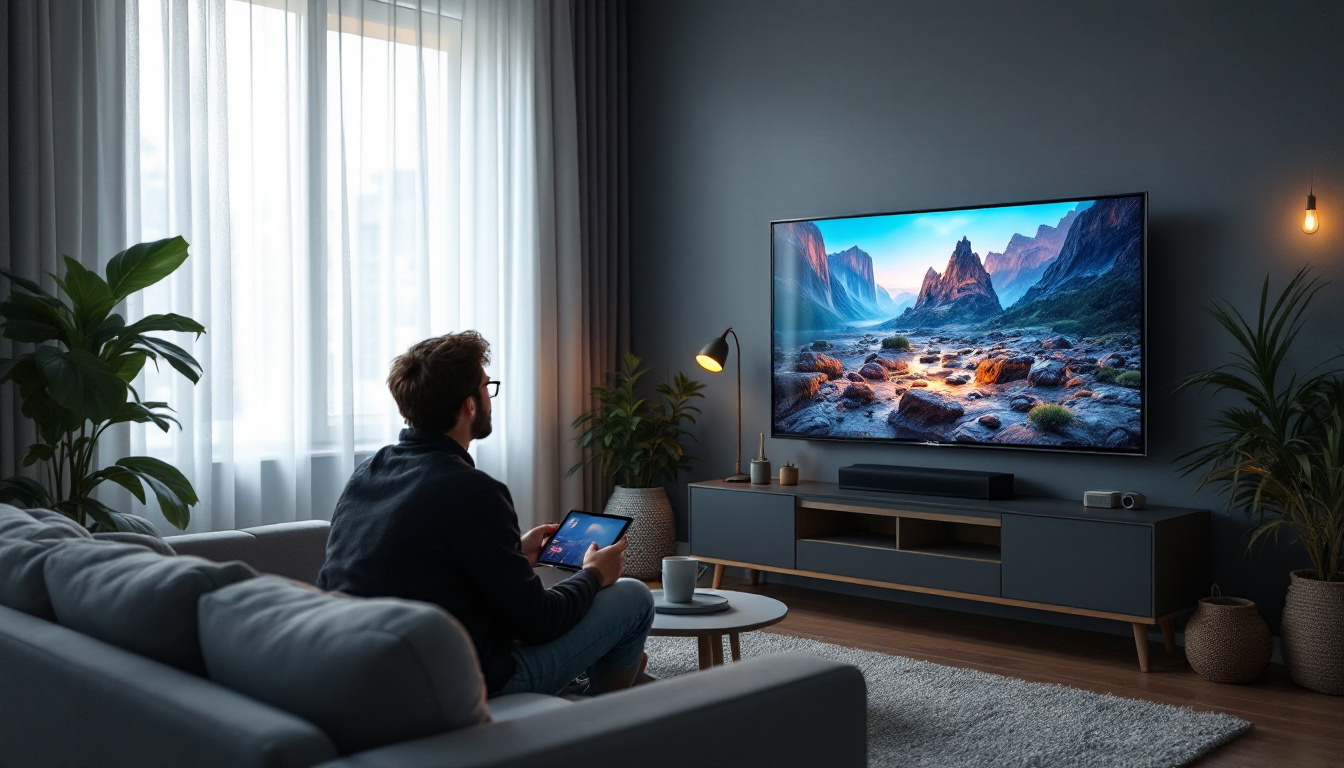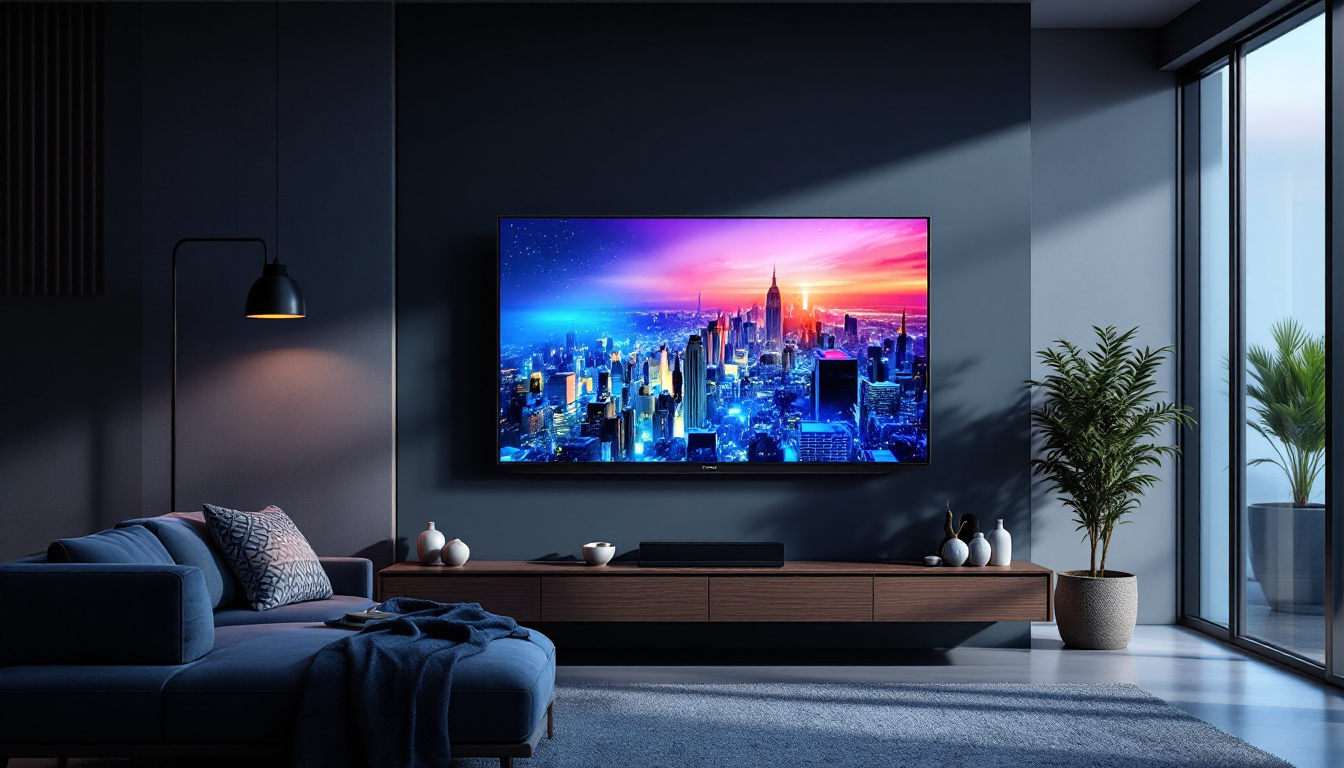
In today’s fast-paced digital environment, LED displays have become a cornerstone technology for both personal and professional settings. Among the many types of LED display setups, deskmount LED displays are gaining traction for their versatility, clarity, and ergonomic benefits. This article delves into the essentials of deskmount LED displays, exploring their technology, advantages, practical applications, and future trends.
Understanding Deskmount LED Displays
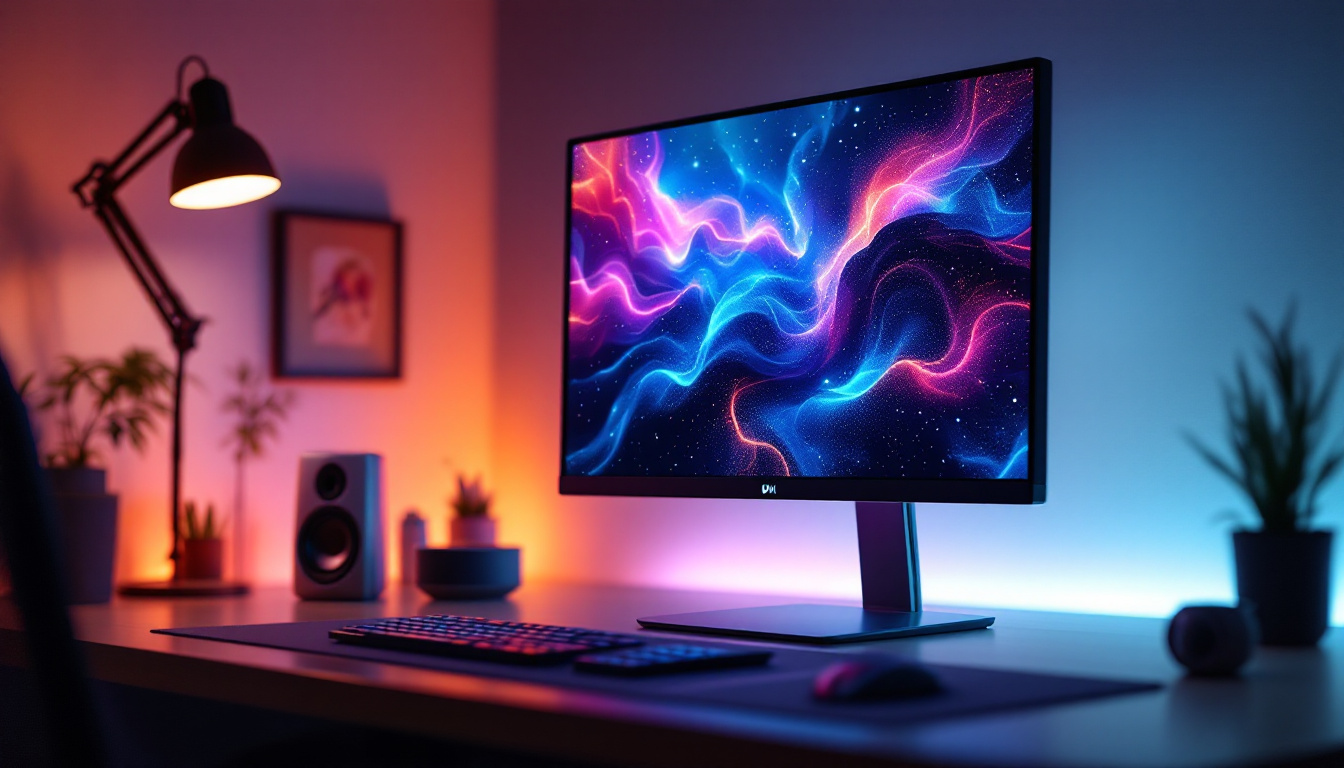
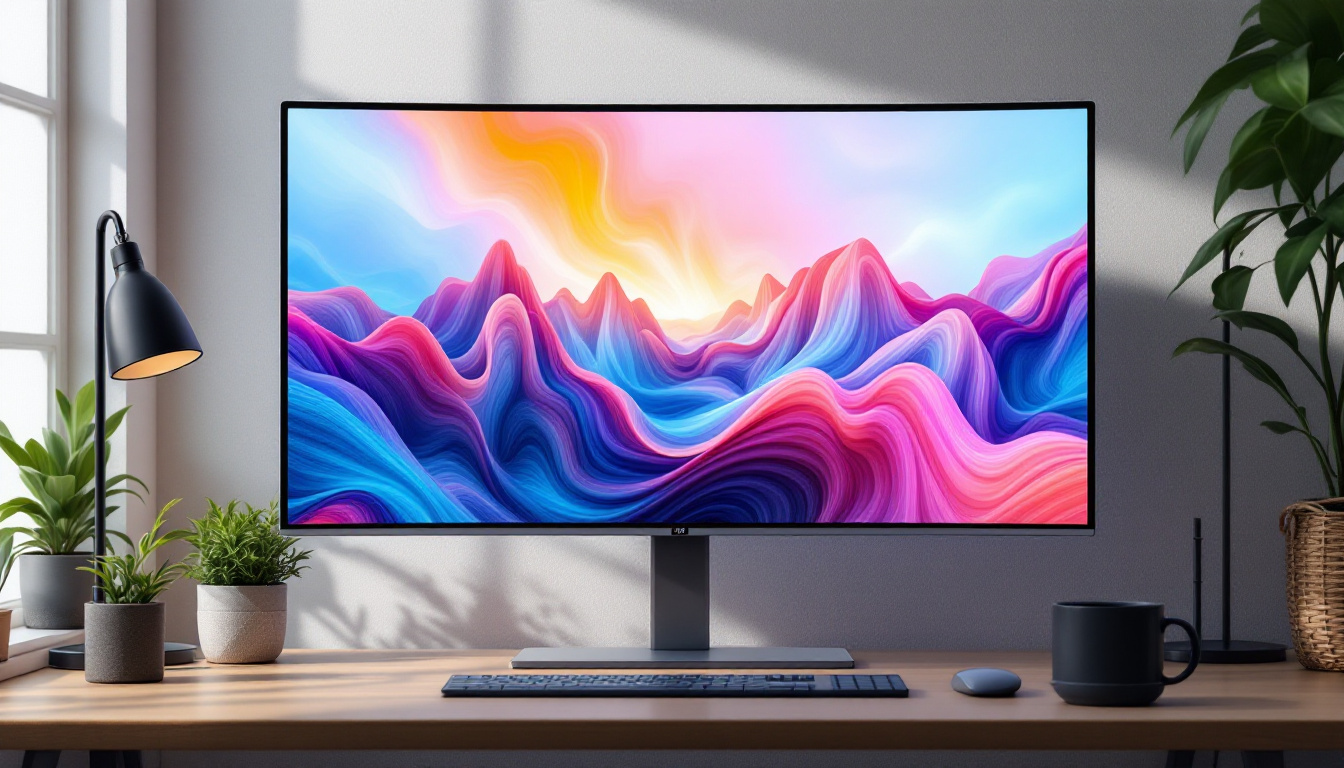
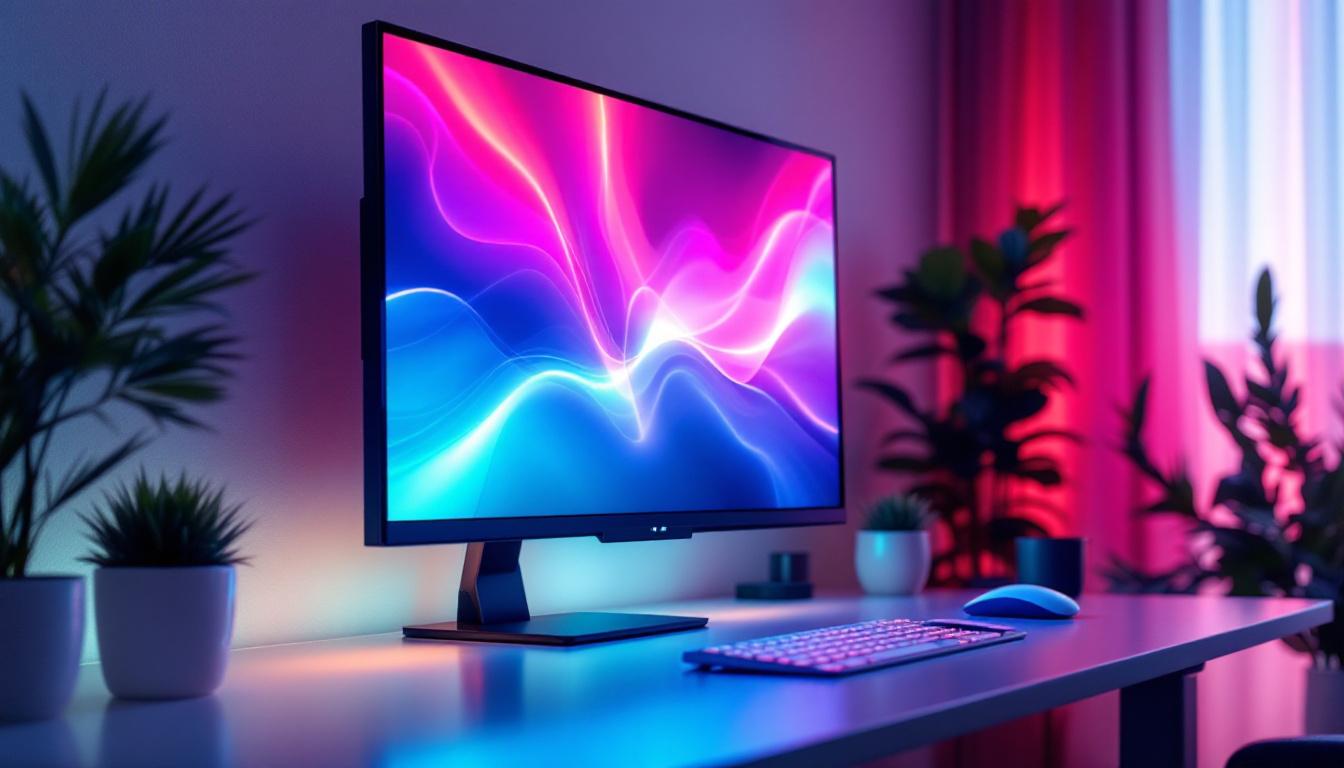
Deskmount LED displays refer to LED screens that are specifically designed to be mounted on desks or workstations. Unlike traditional wall-mounted or freestanding LED panels, deskmount units provide a more intimate and adjustable viewing experience, tailored to individual users’ needs. This adaptability is particularly beneficial in dynamic work environments where multiple users may share the same space, allowing for quick adjustments to accommodate different heights and angles.
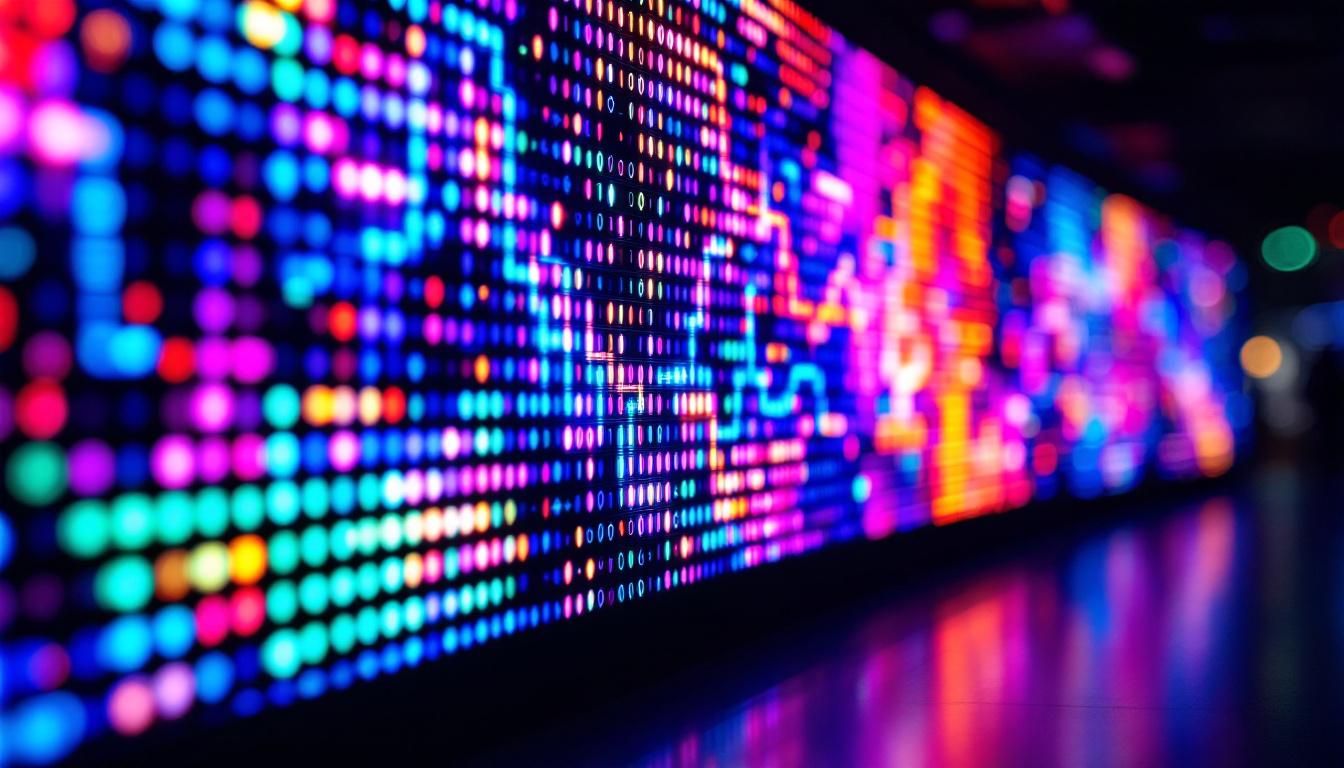
At their core, these displays use Light Emitting Diodes (LEDs) as pixels to create vibrant images and videos. The LEDs are arranged in a matrix, with each diode capable of producing light independently. This allows for exceptional brightness, contrast, and color accuracy, which are crucial for detailed visual tasks. Furthermore, the compact design of deskmount displays means they can fit seamlessly into various office layouts, maximizing workspace efficiency while providing high-quality visual output.
Key Components and Technology
The fundamental technology behind deskmount LED displays involves several critical components:
- LED Pixels: The building blocks of the display, these tiny diodes emit light in red, green, and blue to create a full spectrum of colors.
- Driver ICs: Integrated circuits that control the activation and intensity of each LED pixel, ensuring precise image rendering.
- Control System: Software and hardware that manage input signals, refresh rates, and display configurations.
- Mounting Mechanism: Adjustable arms or brackets that secure the display to the desk, enabling ergonomic positioning.
Modern deskmount LED displays often incorporate advanced features such as high refresh rates (120Hz or more), HDR support, and anti-glare coatings, enhancing both performance and user comfort. These features are particularly advantageous for professionals in creative fields, such as graphic design or video editing, where color fidelity and motion clarity are paramount. Additionally, many of these displays come equipped with built-in connectivity options, including USB-C, HDMI, and DisplayPort, allowing for seamless integration with a variety of devices, from laptops to gaming consoles.
Moreover, the rise of remote work has further increased the popularity of deskmount LED displays. As more individuals set up home offices, the demand for versatile and high-quality displays has surged. Users appreciate the ability to customize their workspace with displays that not only enhance productivity but also contribute to a more enjoyable work experience. With the option for multi-screen setups, deskmount displays can significantly expand a user’s digital workspace, facilitating multitasking and improving workflow efficiency.
Advantages of Deskmount LED Displays
Deskmount LED displays offer a range of benefits that make them an attractive choice for various users, from professionals to gamers and content creators.
Enhanced Ergonomics and Space Efficiency
One of the primary advantages of deskmount displays is their ergonomic flexibility. Mounted on adjustable arms, these displays can be tilted, swiveled, and raised or lowered to match the user’s eye level and posture. This reduces neck and eye strain, promoting healthier work habits over long hours.
Additionally, deskmount setups free up valuable desk space. By elevating the display off the desk surface, users can organize their workspace more efficiently, accommodating other essential tools and accessories. This organization not only enhances productivity but also creates a more aesthetically pleasing environment, which can positively impact mood and motivation. Furthermore, the ability to easily reposition monitors allows users to create a multi-display setup, facilitating multitasking and improving workflow efficiency.
Superior Visual Performance
LED technology inherently provides brighter and more vibrant images compared to traditional LCD screens. This is particularly beneficial in environments with ambient light, where screen visibility can be compromised.
Deskmount LED displays often feature higher pixel densities and better color accuracy, making them ideal for tasks that demand precision, such as graphic design, video editing, and CAD applications. The ability to display deep blacks and vivid colors enhances the overall viewing experience, reducing eye fatigue. Additionally, many deskmount LED displays come equipped with advanced features like HDR (High Dynamic Range) support, which further enriches the color palette and contrast, allowing users to enjoy a more immersive experience whether they are gaming or watching high-definition content.
Durability and Energy Efficiency
LED displays are known for their longevity and lower power consumption relative to other display technologies. Deskmount LED units typically have a lifespan of 50,000 to 100,000 hours, translating to several years of continuous use without significant degradation.
Energy efficiency is another important consideration, especially in office environments aiming to reduce operational costs and carbon footprints. LEDs consume less power than traditional backlit displays, contributing to greener workspaces. Moreover, the reduced heat output of LED displays means that they can help maintain a cooler office environment, potentially lowering air conditioning costs. This combination of durability and energy savings makes deskmount LED displays not only a smart investment for users but also a responsible choice for businesses looking to promote sustainability in their operations.
Applications of Deskmount LED Displays
The versatility of deskmount LED displays makes them suitable for a wide range of applications across different industries and personal use cases.
Professional and Corporate Use
In corporate settings, deskmount LED displays are increasingly popular for financial trading desks, control rooms, and collaborative workstations. Their ability to present high-resolution data and real-time analytics clearly and reliably is invaluable in these high-stakes environments.
Moreover, the ergonomic benefits support employee well-being, which is a growing priority for businesses focused on productivity and health. Adjustable height features allow users to switch between sitting and standing positions, reducing the risk of strain and fatigue during long hours of work. This adaptability not only enhances comfort but also promotes better posture and overall workplace satisfaction.
Creative and Technical Workspaces
Graphic designers, video editors, and 3D modelers benefit immensely from the color accuracy and detail offered by deskmount LED displays. The precision in color grading and image rendering ensures that creative outputs meet professional standards. These displays often come equipped with advanced calibration tools, allowing creatives to fine-tune their settings for optimal performance, which is particularly crucial when working on projects that demand exact color matching.
Engineers and architects also utilize these displays for detailed CAD drawings and simulations, where clarity and accuracy are paramount. The high pixel density ensures that intricate designs are rendered with sharpness, enabling professionals to visualize their projects in stunning detail. Furthermore, the larger screen real estate provided by deskmount displays allows for multitasking, as users can have multiple windows open side by side, streamlining their workflow and enhancing productivity.
Gaming and Entertainment
For gamers, deskmount LED displays provide immersive visuals with fast refresh rates and low latency, enhancing gameplay responsiveness and enjoyment. The ability to customize positioning also contributes to comfort during extended gaming sessions. Many models come with features like adaptive sync technology, which helps eliminate screen tearing and stuttering, creating a smoother gaming experience that can give players a competitive edge.
Additionally, these displays are gaining traction in home entertainment setups, offering vivid picture quality for streaming and multimedia consumption. With support for high dynamic range (HDR) content, viewers can enjoy a broader spectrum of colors and improved contrast, making movies and shows more lifelike. The integration of smart technology in some deskmount LED displays allows users to easily connect their devices for seamless streaming, further enhancing the entertainment experience. As more consumers seek to create immersive home theaters, the demand for high-quality displays continues to rise, solidifying the role of deskmount LED displays in modern entertainment solutions.
Choosing the Right Deskmount LED Display
Selecting a deskmount LED display requires careful consideration of several factors to ensure it meets the specific needs of the user.
Resolution and Size
Resolution is a critical factor influencing image sharpness. Common resolutions include Full HD (1920×1080), Quad HD (2560×1440), and 4K UHD (3840×2160). Higher resolutions provide finer detail but may require more powerful hardware to drive the display effectively.
Screen size should be balanced with desk space and viewing distance. Typical deskmount LED displays range from 24 to 32 inches, offering a good compromise between visibility and ergonomics.
Refresh Rate and Response Time
For applications involving motion, such as gaming or video editing, a high refresh rate (120Hz or above) and low response time (under 5ms) are essential to minimize motion blur and input lag.
Color Accuracy and Calibration
Professionals working with color-sensitive content should prioritize displays with wide color gamut support (such as AdobeRGB or DCI-P3) and factory calibration. Some models also support hardware calibration tools to maintain color fidelity over time.
Mounting Compatibility and Adjustability
Ensure the deskmount display supports standard mounting interfaces like VESA patterns and offers sufficient adjustability to fit the user’s ergonomic preferences. Features such as swivel, tilt, and height adjustment enhance comfort and usability.
The Future of Deskmount LED Displays
As LED technology continues to evolve, deskmount displays are poised to benefit from several emerging trends that will further enhance their functionality and appeal.
Mini-LED and Micro-LED Innovations
Mini-LED and micro-LED technologies represent the next generation of LED displays. By using smaller diodes, these displays offer improved contrast ratios, deeper blacks, and higher brightness levels without the burn-in issues associated with OLED panels.
Deskmount displays incorporating these technologies will deliver even more stunning visuals, especially in professional and entertainment contexts.
Integration with Smart Workspaces
Future deskmount LED displays are expected to integrate more seamlessly with smart office environments. Features like voice control, AI-based eye strain reduction, and adaptive brightness adjustments will create more intuitive and health-conscious user experiences.
Environmental and Sustainability Advances
Manufacturers are increasingly focusing on sustainability, using recyclable materials and energy-efficient components. Deskmount LED displays will likely become more eco-friendly, aligning with global efforts to reduce electronic waste and energy consumption.
Conclusion
Deskmount LED displays represent a significant advancement in display technology, combining ergonomic design with superior visual performance. Their adaptability makes them suitable for a wide range of professional, creative, and entertainment applications. As technology progresses, these displays will continue to evolve, offering users enhanced features and sustainability benefits.
For anyone seeking to optimize their workspace with a high-quality, versatile display, understanding the nuances of deskmount LED technology is essential. Investing in the right model can improve productivity, comfort, and visual experience, making it a valuable addition to modern work and leisure environments.
Discover the Future of Deskmount LED Displays with LumenMatrix
Ready to elevate your visual experience with the latest in deskmount LED display technology? Look no further than LumenMatrix, a pioneer in crafting immersive and dynamic LED solutions. Whether you’re enhancing a corporate workspace, creating a vibrant entertainment hub, or seeking to captivate with high-impact digital signage, LumenMatrix offers an array of innovative products tailored to your needs. From Indoor LED Walls to Custom LED Displays, our mission is to transform your visual communication with unparalleled clarity and engagement. Check out LumenMatrix LED Display Solutions today and step into a world where your message shines brighter than ever.