In the rapidly evolving world of digital displays, LED technology has become a cornerstone for delivering vibrant, high-quality visuals across a variety of applications. From advertising billboards to stadium screens, and from indoor signage to home entertainment systems, LED displays are everywhere. However, understanding the standard resolutions associated with LED displays is crucial for selecting the right screen for your needs, optimizing image quality, and ensuring cost-effectiveness.
Understanding LED Display Technology
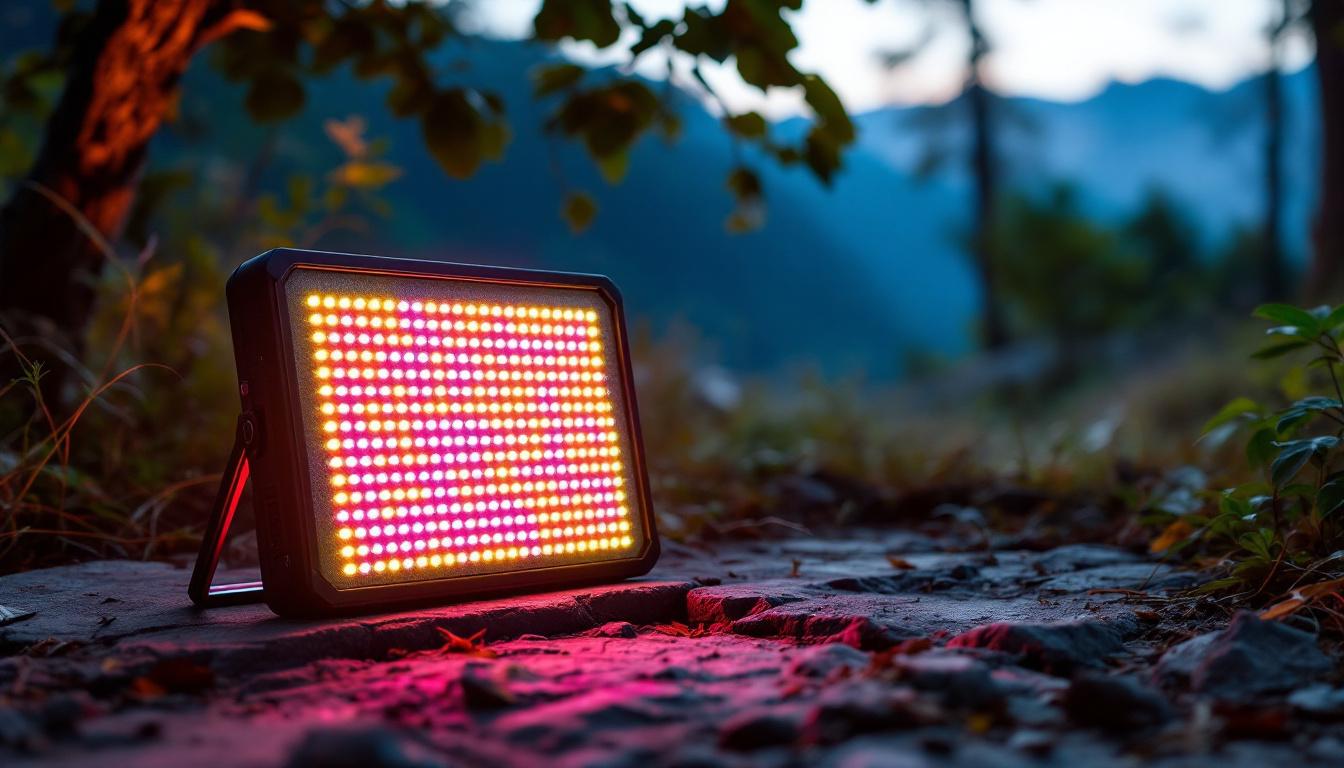
LED, or Light Emitting Diode, displays use tiny light-emitting diodes as pixels to create images. Unlike traditional LCD screens that rely on backlighting, LEDs emit their own light, resulting in higher brightness, better contrast, and more vivid colors. This intrinsic advantage makes LED displays particularly suitable for environments with high ambient light, such as outdoor advertising or sports arenas. The ability to maintain visibility in bright sunlight is a game-changer for advertisers and event organizers, allowing for dynamic content that can capture the attention of passersby even in the most challenging lighting conditions.
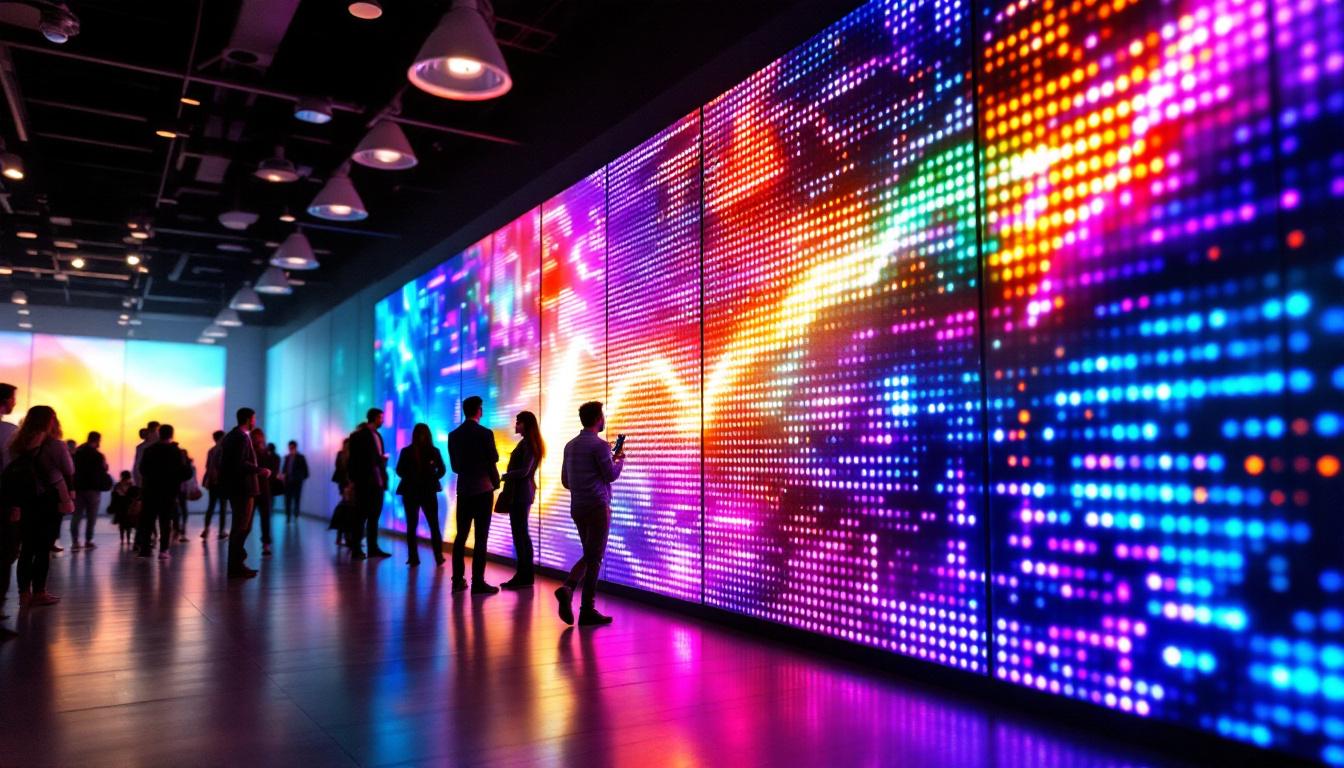
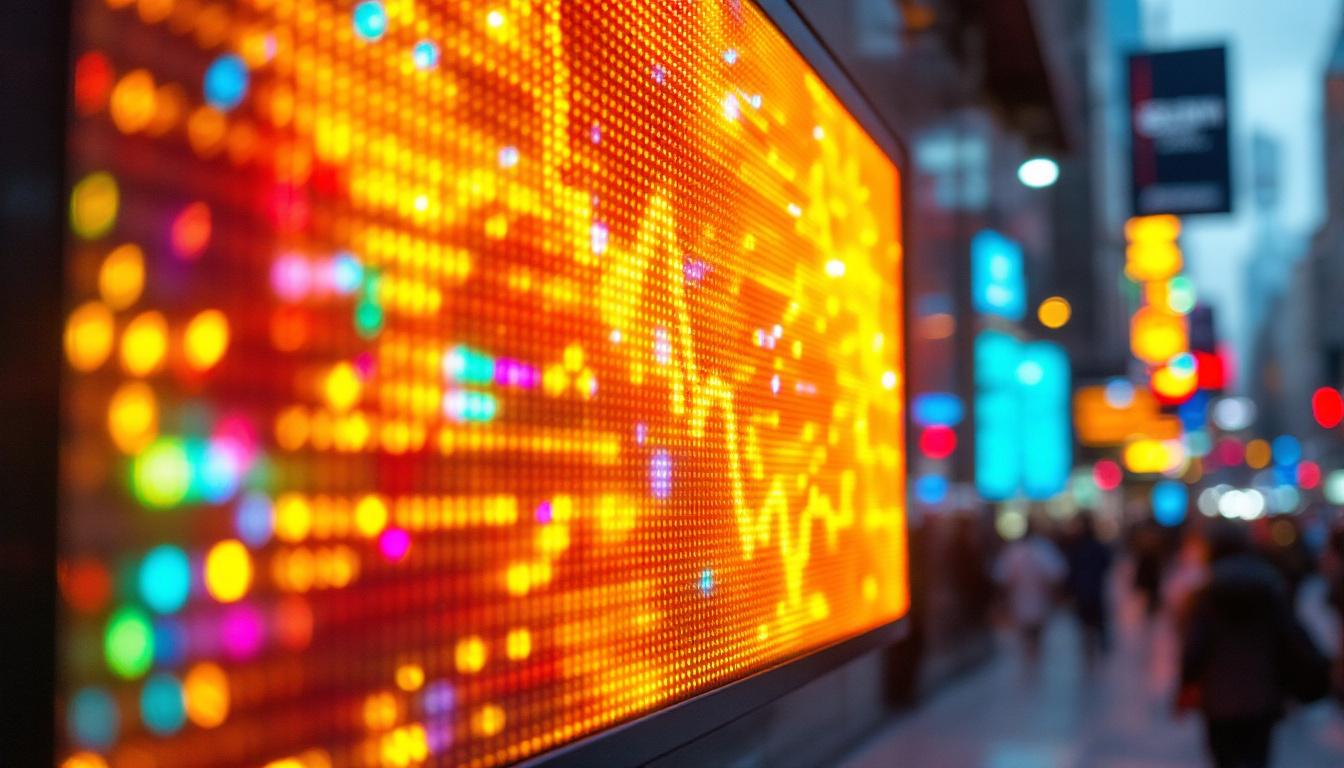
LED displays are typically categorized by their pixel pitch—the distance between the centers of two adjacent pixels. Pixel pitch directly impacts resolution and viewing distance; smaller pixel pitches yield higher resolution and are ideal for close-up viewing, while larger pitches are suited for distant viewing. This versatility means that LED technology can be tailored to a variety of applications, from intimate indoor settings like conference rooms to expansive outdoor venues like stadiums and concert halls.
Pixel Pitch and Resolution: The Basics
Pixel pitch is measured in millimeters (mm) and can range from less than 1mm for ultra-fine indoor displays to over 20mm for large outdoor screens. For example, a 1.5mm pixel pitch means the pixels are 1.5mm apart, resulting in a very high resolution and sharp image quality at close range. Conversely, a 20mm pitch is more coarse, but perfectly acceptable for billboards viewed from hundreds of feet away. This adaptability in pixel pitch allows designers to optimize displays for specific viewing conditions, ensuring that the audience receives the best possible visual experience.
Resolution is defined by the number of pixels horizontally and vertically. A display’s total resolution is a function of its physical size and pixel pitch. For instance, a 10-foot wide LED panel with a 10mm pixel pitch will have fewer pixels—and thus lower resolution—than a similarly sized panel with a 4mm pitch. Moreover, advancements in technology have led to the development of high-resolution LED displays that can achieve stunning clarity and detail, making them increasingly popular for applications such as digital signage, art installations, and immersive environments. As the demand for high-quality visuals continues to grow, manufacturers are constantly innovating to produce displays that not only meet but exceed expectations in terms of both performance and aesthetic appeal.
Common Standard Resolutions for LED Displays
LED displays come in a variety of standard resolutions tailored to different use cases. Understanding these standards helps businesses and consumers choose the right display for their needs.
HD (High Definition) – 1280 x 720 Pixels
HD resolution, also known as 720p, is the baseline for many LED displays, especially smaller indoor units. While it’s considered entry-level by today’s standards, HD resolution is still widely used in digital signage for retail stores, restaurants, and corporate environments where the viewing distance is moderate.
For LED displays, achieving HD resolution requires a pixel pitch small enough to fit 1280 pixels horizontally and 720 pixels vertically within the screen’s dimensions. This resolution ensures clear images and readable text at typical indoor viewing distances.
Full HD (FHD) – 1920 x 1080 Pixels
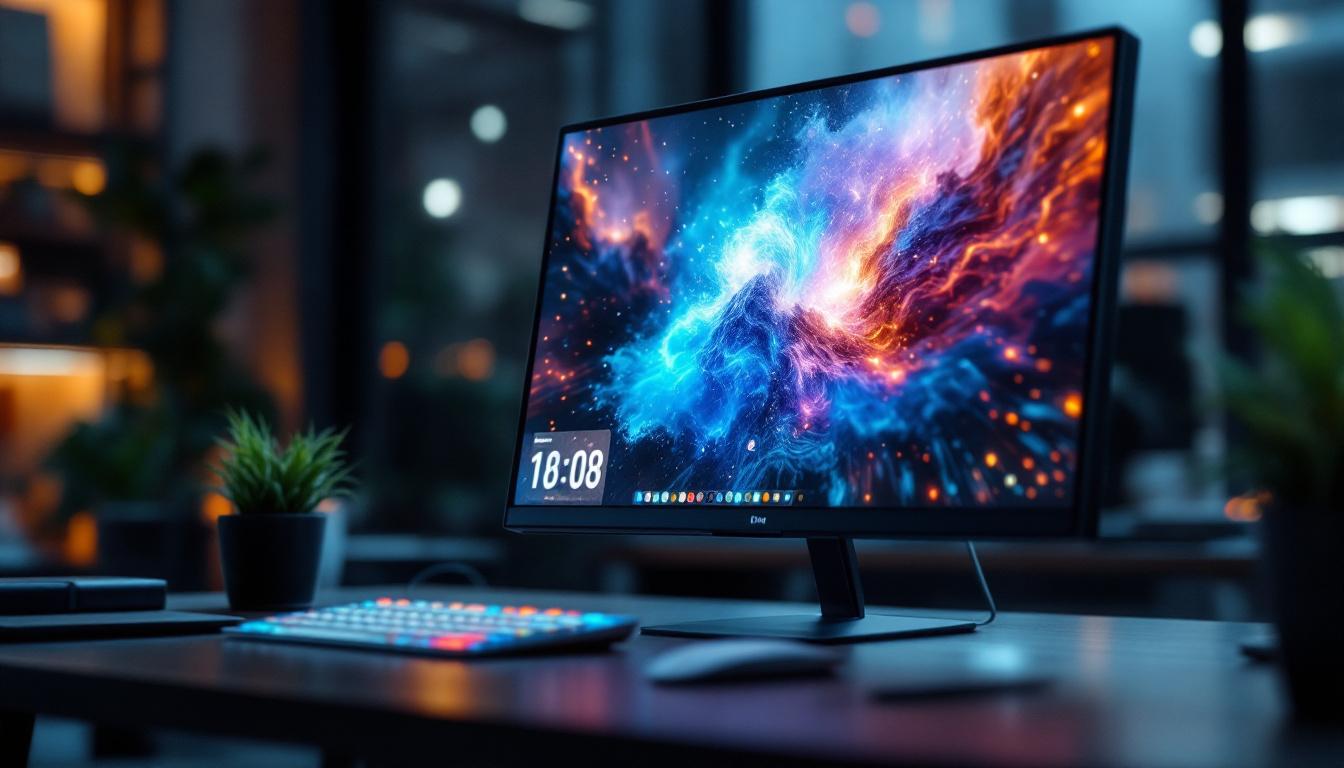
Full HD, or 1080p, is a much more common resolution for LED displays, especially in indoor environments. It offers a significant improvement in image clarity and detail compared to HD. Many conference rooms, retail spaces, and event venues use Full HD LED walls to deliver crisp visuals.
In outdoor applications, Full HD resolution requires a larger display with a relatively fine pixel pitch, making it more expensive. However, for indoor use, it strikes a good balance between cost and image quality.
2K and 4K Resolutions
2K resolution, typically 2048 x 1080 pixels, and 4K resolution, commonly 3840 x 2160 pixels, represent high-end standards for LED displays. These resolutions are increasingly popular in premium venues such as concert halls, cinemas, and high-profile advertising installations.
4K LED displays provide exceptional detail and color accuracy, making them ideal for applications requiring close viewing distances and high visual fidelity. However, the cost of manufacturing and installing 4K LED walls remains considerably higher than lower-resolution options.
Custom and Ultra-Wide Resolutions
Many LED display manufacturers offer custom resolutions and aspect ratios tailored to specific client needs. Ultra-wide LED displays, for example, are used in control rooms, trading floors, and immersive environments where panoramic views are essential.
These custom solutions often combine multiple LED modules seamlessly, allowing for flexible configurations that standard resolutions cannot accommodate. While more complex, these displays highlight the versatility of LED technology.
Factors Influencing Resolution Choice
Choosing the right LED display resolution depends on several critical factors beyond just pixel count. Understanding these considerations ensures optimal performance and value.
Viewing Distance and Environment
The most important factor in selecting resolution is the typical viewing distance. A high-resolution display with a very fine pixel pitch is unnecessary if viewers will be standing far away. For example, a 10mm pixel pitch screen viewed from 50 feet will appear as sharp as a 4mm pitch screen viewed from 15 feet.
Outdoor environments require higher brightness and often larger pixel pitches to balance cost and visibility. Indoor environments, with controlled lighting and closer viewing distances, benefit from finer pixel pitches and higher resolutions.
Content Type and Usage
The nature of the content displayed also influences resolution choice. Text-heavy applications, such as digital signage with detailed information or menus, require higher resolutions to ensure readability. Conversely, video content or simple graphics can be effectively displayed on lower-resolution screens.
Dynamic content with fast motion benefits from higher refresh rates and resolutions to reduce motion blur and improve viewer experience.
Budget and Installation Constraints
Higher resolution LED displays come with increased costs—not only for the panels themselves but also for installation, maintenance, and content management systems. Budget constraints often necessitate balancing resolution with other factors like screen size and brightness.
Installation logistics, such as available space, mounting options, and power requirements, also impact the choice of resolution and pixel pitch.
Emerging Trends in LED Display Resolutions
The LED display industry continues to innovate, pushing the boundaries of resolution and image quality while improving affordability and energy efficiency.
MicroLED and MiniLED Technologies
MicroLED and MiniLED represent the next generation of LED technology, offering even smaller pixel pitches—down to less than 0.5mm in some cases. These advancements enable true 4K and 8K resolutions on relatively small screens, suitable for high-end consumer electronics and professional applications.
MicroLED displays also offer superior brightness, contrast, and lifespan compared to traditional LEDs, making them a promising solution for future display needs.
Flexible and Transparent LED Displays
Innovations in flexible and transparent LED panels are expanding the possibilities for display design. These technologies allow for curved, foldable, or see-through screens that maintain high resolution and image quality.
Such displays are gaining traction in retail, automotive, and architectural applications, where unique form factors and immersive experiences are valued.
AI-Driven Content Optimization
Artificial intelligence is increasingly used to optimize LED display content dynamically, adjusting resolution, brightness, and color calibration based on ambient conditions and viewer behavior. This ensures the best possible image quality without unnecessary power consumption.
Practical Examples of LED Display Resolutions in Use
Examining real-world applications helps illustrate how standard resolutions align with different use cases.
Outdoor Advertising Billboards
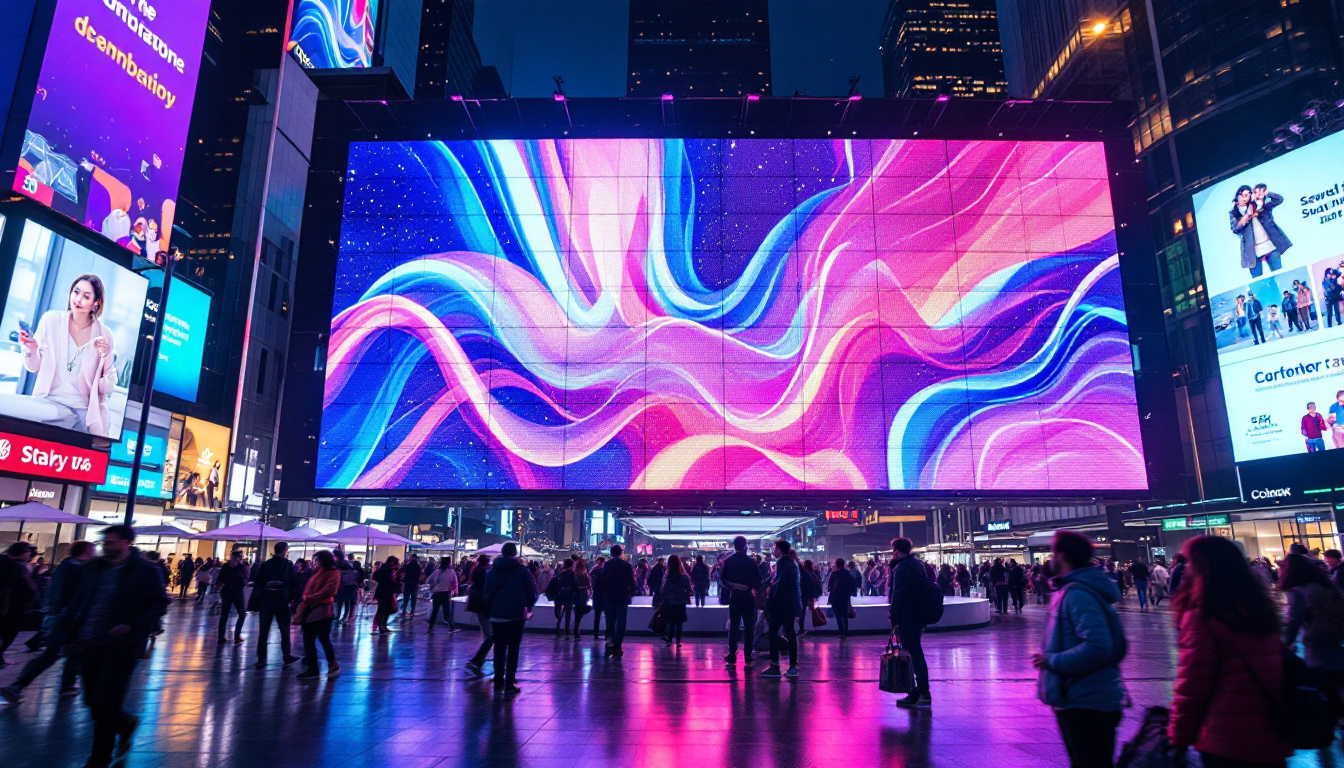
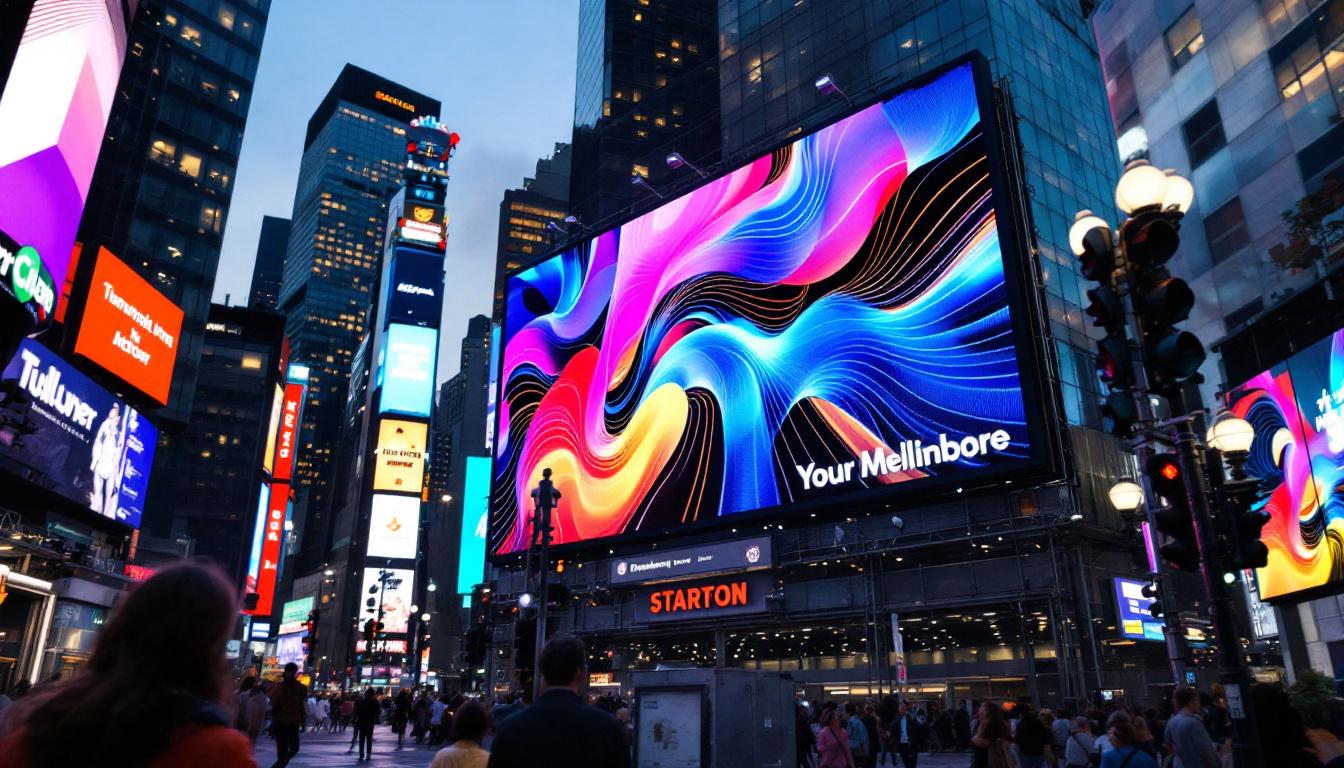
Large-scale billboards often use pixel pitches ranging from 10mm to 20mm, resulting in resolutions like 960 x 540 or lower for very large screens. These resolutions are sufficient because viewers typically observe billboards from long distances, where fine detail is less critical.
For example, a 20-foot by 10-foot billboard with a 16mm pixel pitch might have a resolution of approximately 1250 x 625 pixels, delivering bright, eye-catching visuals visible from hundreds of feet away.
Indoor Retail Displays
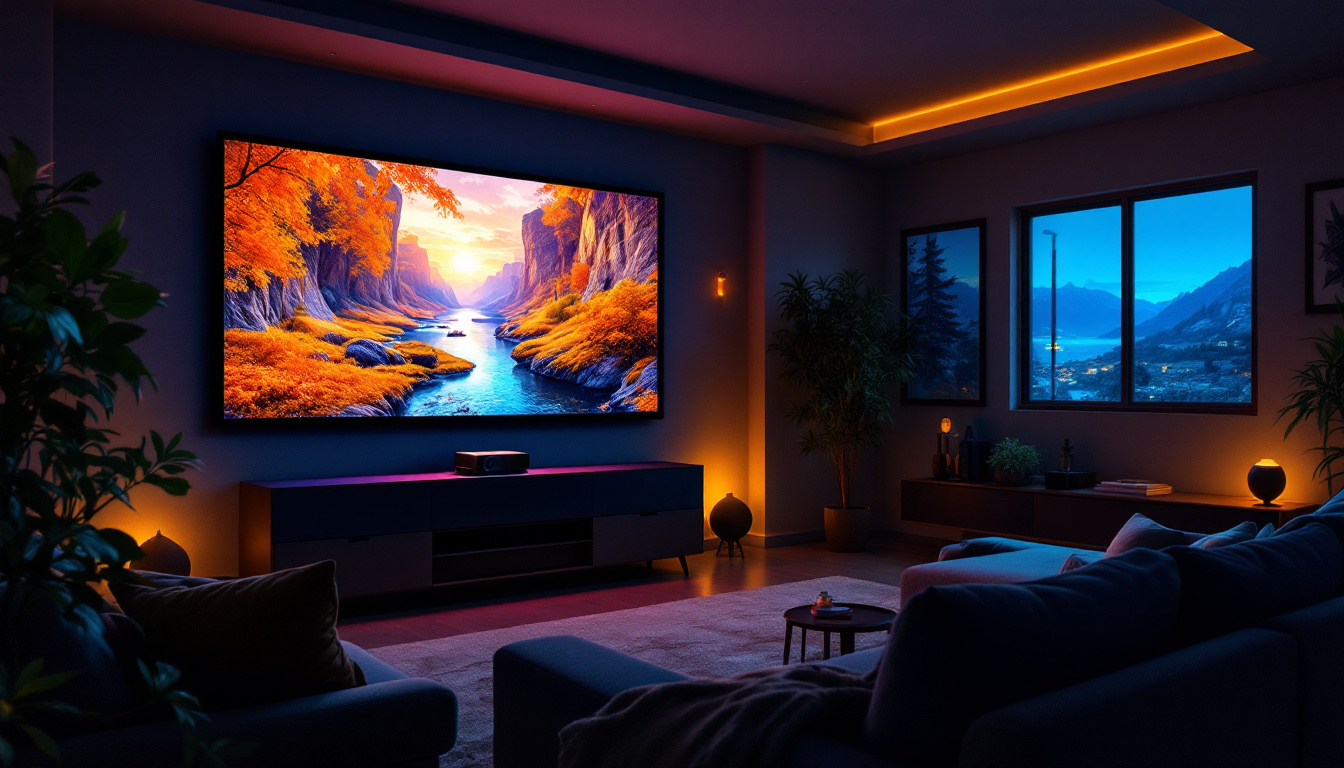
Retail environments favor pixel pitches between 1.5mm and 4mm to ensure sharp images and text readability at close range. A 4K resolution LED wall in a flagship store might measure 15 feet wide with a 2mm pitch, providing stunning detail for promotional videos and interactive content.
Sports Arenas and Concert Venues
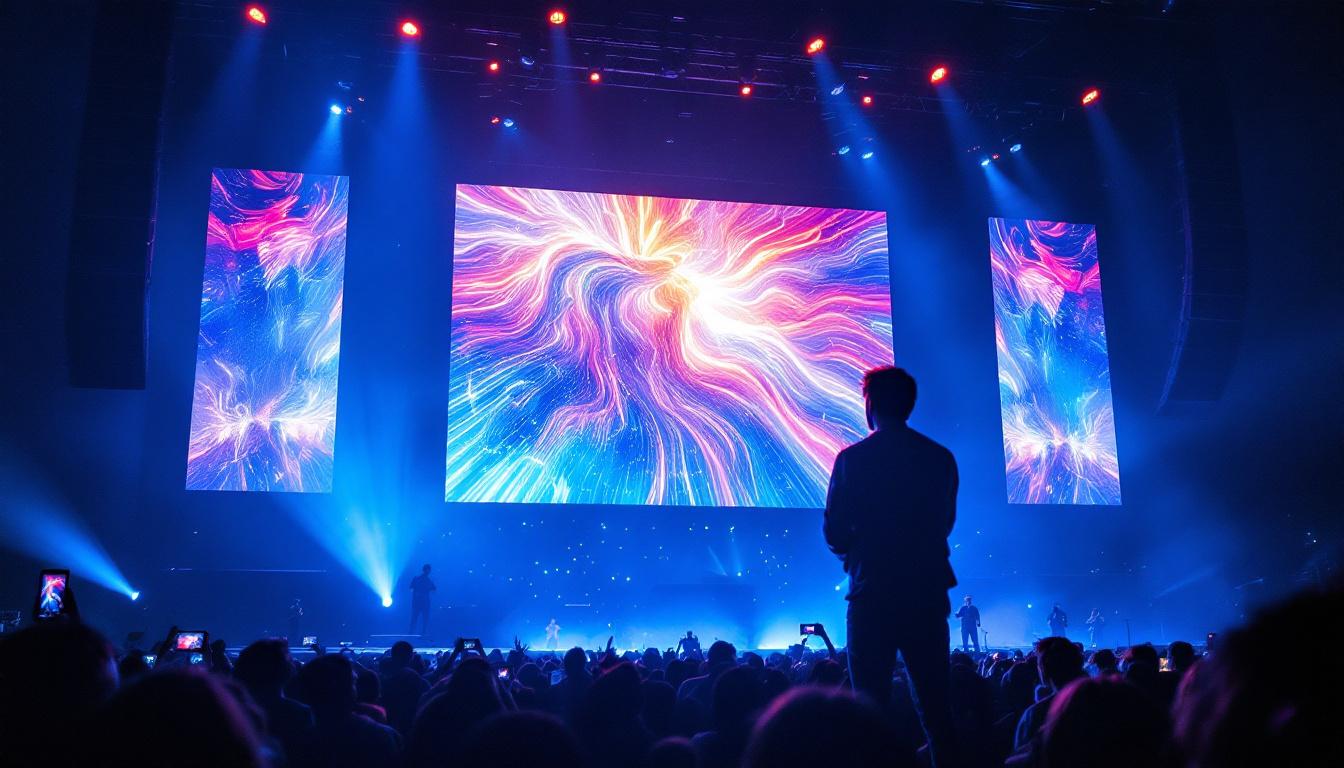
Stadium screens often balance resolution and size to accommodate large viewing distances. Pixel pitches between 8mm and 16mm are common, with resolutions adjusted accordingly. A 1080p resolution LED display measuring 30 feet wide with a 10mm pitch can deliver clear visuals to tens of thousands of spectators.
Conclusion: Choosing the Right LED Display Resolution
Understanding standard LED display resolutions and their relationship to pixel pitch, viewing distance, and application is essential for making informed decisions. Whether selecting a digital billboard, an indoor video wall, or a cutting-edge MicroLED screen, matching resolution to use case ensures optimal image quality, viewer engagement, and cost efficiency.
As LED technology continues to advance, the range of available resolutions and form factors will expand, offering even more tailored solutions for diverse environments. Staying informed about these standards and trends empowers businesses and consumers to harness the full potential of LED displays in their visual communications.
Discover LumenMatrix’s Advanced LED Display Solutions
Ready to elevate your visual communication with the latest in LED technology? Explore LumenMatrix’s comprehensive range of LED display solutions, crafted for every environment and application. Whether you need an Indoor LED Wall Display for your corporate events, an Outdoor LED Wall Display for impactful advertising, or any of our specialized options like Vehicle, Sports, or Floor LED Displays, LumenMatrix has you covered. Our mission is to bring your brand to life with displays that captivate and engage. Check out LumenMatrix LED Display Solutions today and experience the future of visual storytelling.