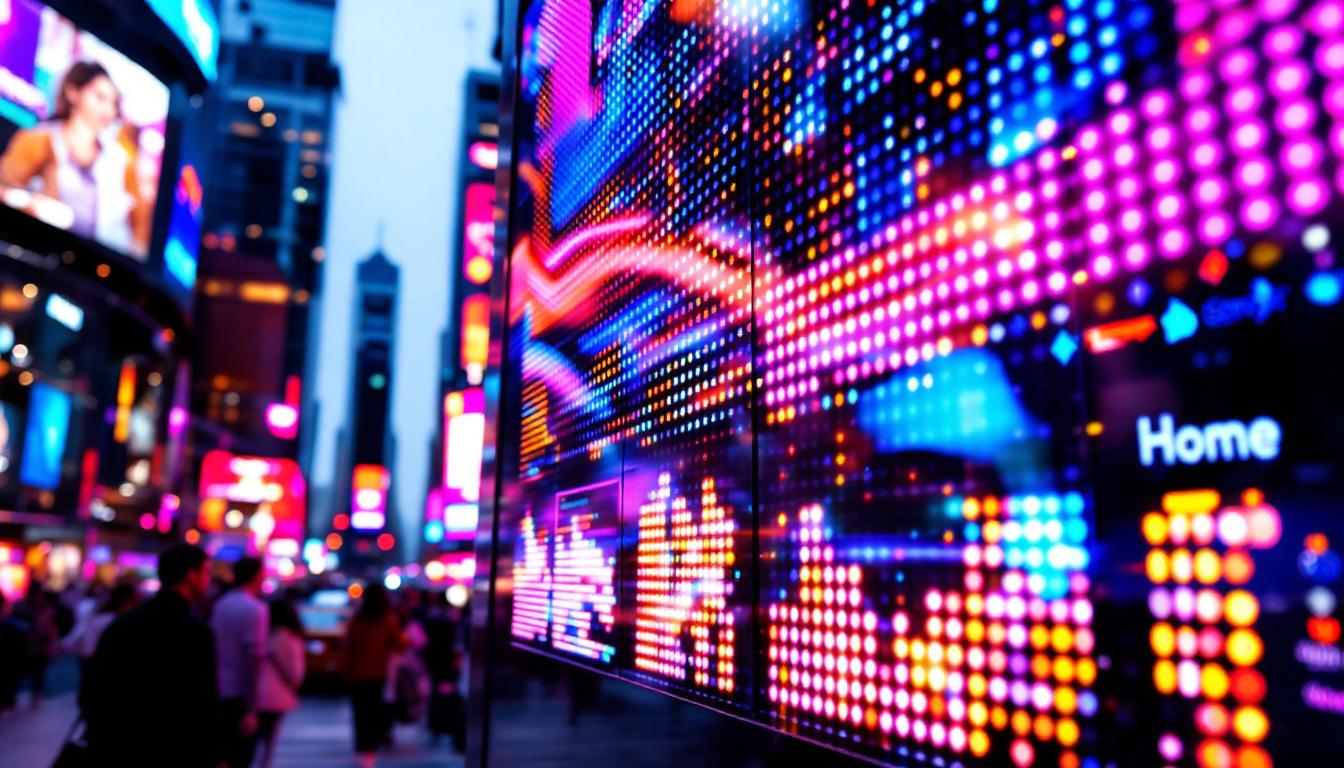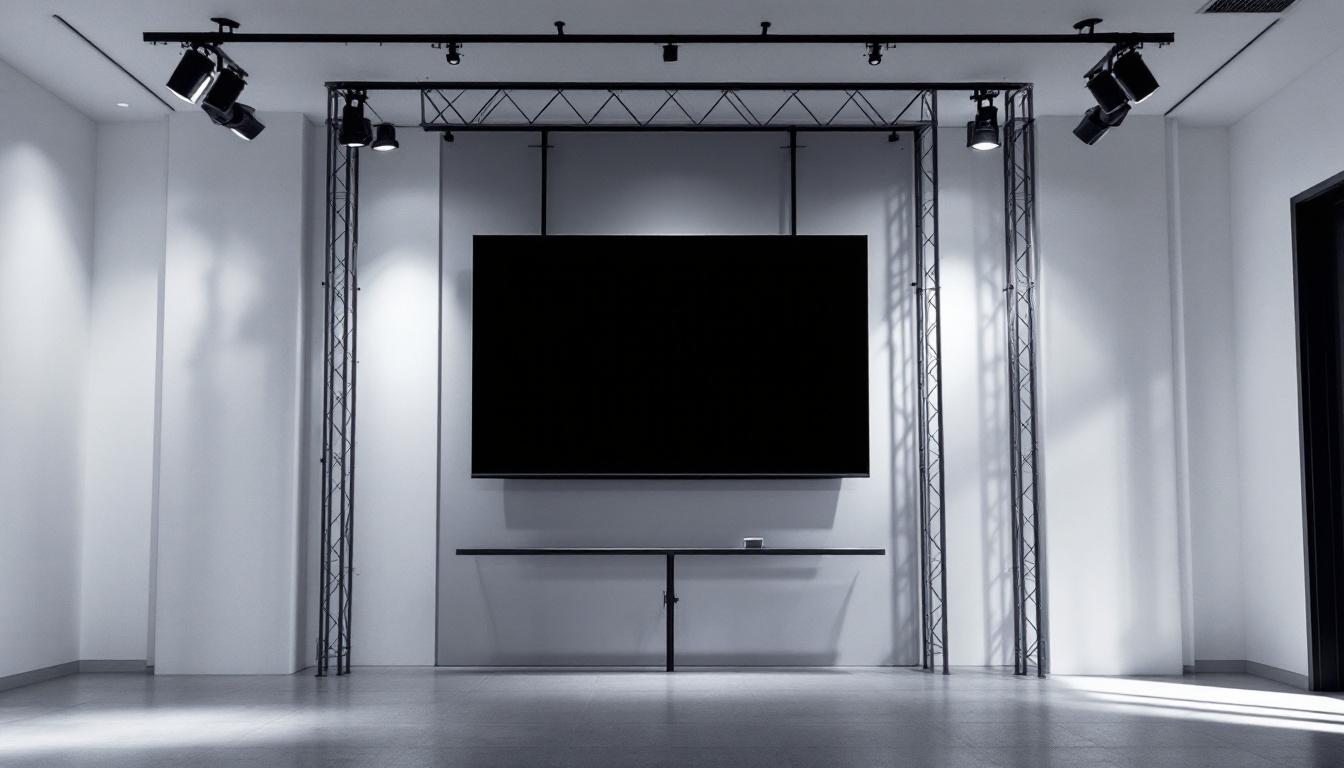
In the evolving world of digital signage and event production, the integration of wall truss systems with LED displays has become a cornerstone for creating dynamic, eye-catching visual presentations. Whether for concerts, corporate events, retail environments, or public installations, understanding how wall truss systems support LED displays is essential for designers, engineers, and event planners alike. This article delves into the fundamentals of wall truss systems, their role in LED display setups, and best practices to ensure safety, stability, and stunning visual impact.
Understanding Wall Truss Systems
At its core, a wall truss system is a structural framework designed to support loads over a span, distributing weight efficiently to ensure stability. These systems are commonly made from lightweight yet strong materials such as aluminum or steel, making them ideal for temporary or semi-permanent installations. The design of wall truss systems allows for a variety of configurations, accommodating different types of events and settings, from concerts to corporate presentations. The versatility of these systems is one of the reasons they have gained popularity in the event production industry.
Wall trusses differ from traditional floor-supported trusses in that they are mounted vertically against a wall or facade. This configuration is particularly advantageous in venues where floor space is limited or where a clean, unobstructed floor area is necessary for audience movement or equipment placement. Furthermore, the vertical orientation of wall trusses can enhance the visual impact of lighting and video displays, allowing for creative staging solutions that draw the audience’s attention upwards. This aspect is especially beneficial in large venues where maximizing sightlines is crucial.
Types of Truss Systems Used in Wall Mounting
There are several types of truss profiles commonly used in wall-mounted applications, including box trusses, triangular trusses, and ladder trusses. Box trusses, with their square or rectangular cross-sections, provide excellent rigidity and load-bearing capacity, making them a popular choice for heavy LED panels. Triangular trusses offer a balance between weight and strength, often used in smaller or modular setups. Ladder trusses, characterized by their open rectangular shape, are lightweight and versatile but generally support lighter loads. Each type of truss has its own unique advantages, and selecting the appropriate one can significantly affect the overall success of an installation.
Choosing the right truss profile depends on factors such as the weight of the LED panels, the height of the installation, and the environmental conditions of the venue. Additionally, considerations such as ease of assembly and disassembly, as well as the aesthetic appeal of the truss design, play a vital role in the decision-making process. Event planners and production teams often collaborate closely with structural engineers to ensure that the chosen truss system meets both functional and artistic requirements, resulting in a seamless integration into the overall design of the event.
Materials and Construction Quality
Aluminum is the preferred material for most wall truss systems due to its high strength-to-weight ratio, corrosion resistance, and ease of transport and assembly. High-grade aluminum alloys ensure durability and safety, especially for large-scale LED installations where the structural integrity is critical. Steel trusses, while heavier, may be used in permanent installations requiring extra strength. The choice of material not only affects the load-bearing capacity but also influences the overall aesthetics of the installation, as different finishes and coatings can enhance the visual appeal of the truss system.
Moreover, the construction quality of wall truss systems is paramount, as it directly impacts their performance and safety. Manufacturers often adhere to strict industry standards and regulations to ensure that their products can withstand the rigors of various applications. Regular inspections and maintenance are also essential to prolong the lifespan of these structures, particularly in dynamic environments where they may be subjected to vibrations or shifting loads. By investing in high-quality materials and construction practices, event organizers can ensure that their wall truss systems not only meet safety requirements but also contribute to the overall success of their events.
LED Displays: An Overview
LED (Light Emitting Diode) displays have revolutionized visual communication by offering bright, energy-efficient, and versatile screens capable of displaying vivid images and videos in various lighting conditions. Their modular design allows for customization in size and shape, making them ideal for integration with wall truss systems.
Types of LED Displays for Wall Mounting
LED displays come in several varieties tailored for different applications. Indoor LED panels typically have a pixel pitch ranging from 1.2mm to 4mm, delivering high resolution suitable for close viewing distances. Outdoor LED panels, on the other hand, feature larger pixel pitches (often 6mm to 20mm) to ensure visibility from afar and enhanced brightness to combat sunlight glare.
For wall-mounted installations, the choice between indoor and outdoor panels depends on the venue environment. For example, a retail store may opt for high-resolution indoor panels mounted on a wall truss system to attract shoppers, whereas a stadium might use robust outdoor panels mounted on trusses for large-scale visibility.
Modularity and Scalability
One of the key advantages of LED displays is their modularity. Panels can be connected seamlessly to create screens of virtually any size and aspect ratio. This flexibility allows designers to tailor the display to the architectural features of the wall truss system, creating immersive visual experiences that integrate smoothly into the venue’s design.
The Role of Wall Truss Systems in LED Display Installations
Wall truss systems serve as the critical backbone for mounting LED displays securely and safely. Their structural design ensures that the weight of the LED panels is evenly distributed, minimizing stress on any single point and preventing damage to the wall or the display itself.
Load-Bearing Considerations
When planning an LED display installation on a wall truss system, understanding load-bearing capacity is paramount. LED panels can vary significantly in weight; for instance, a typical indoor LED panel might weigh between 8 to 15 kilograms per square meter, while outdoor panels can be heavier due to additional weatherproofing components.
Engineers must calculate the total weight of the display, including mounting hardware and cabling, then select a truss system capable of supporting this load with a safety margin. Overloading a truss can lead to structural failure, posing safety risks and potential damage to expensive equipment.
Mounting Techniques and Hardware
Proper mounting hardware is essential for securing LED panels to the truss system. Common methods include clamp brackets, quick-lock connectors, and custom-designed mounting plates that align with the truss profiles. These components must be compatible with both the LED panels and the truss system to ensure a secure fit.
Additionally, cable management solutions integrated into the truss system help maintain a clean appearance and reduce the risk of cable damage or disconnection during events.
Safety and Compliance Standards
Safety is a critical concern in any structural installation. Wall truss systems and LED displays must comply with local building codes, fire safety regulations, and industry standards such as those set by the Occupational Safety and Health Administration (OSHA) or the European EN standards. Regular inspections and maintenance are necessary to ensure ongoing safety, particularly for installations that remain in place for extended periods.
Design and Installation Best Practices
Successful integration of wall truss systems with LED displays requires careful planning and execution. The following best practices help optimize performance, safety, and aesthetics.
Site Assessment and Structural Analysis
Before installation, a thorough site assessment should be conducted to evaluate the wall’s structural integrity and load-bearing capacity. This may involve consulting with structural engineers to determine whether additional reinforcements are necessary. Factors such as wall material, age, and environmental exposure influence the choice of truss system and mounting method.
Environmental Considerations
Environmental factors such as wind load, temperature fluctuations, humidity, and exposure to sunlight affect both the truss system and LED display performance. Outdoor installations require weatherproof trusses and LED panels with appropriate IP (Ingress Protection) ratings to withstand rain, dust, and UV radiation.
For indoor environments, considerations include ventilation to prevent overheating and minimizing ambient light interference to maintain image clarity.
Integration with Venue Aesthetics
Wall truss systems don’t have to be purely functional; they can also contribute to the visual appeal of the installation. Using trusses with sleek finishes or incorporating lighting elements can enhance the overall design. Additionally, concealing cables and mounting hardware helps maintain a clean, professional look.
Professional Installation and Testing
Engaging experienced professionals for installation ensures that the truss system and LED display are assembled correctly and safely. Post-installation testing is vital to verify structural stability, electrical connections, and display performance. This includes checking for uniform brightness, color accuracy, and responsiveness.
Applications and Case Studies
The combination of wall truss systems and LED displays has found applications across a wide range of industries, showcasing versatility and impact.
Concerts and Live Events
In the live entertainment industry, large LED video walls mounted on wall truss systems create immersive backdrops that enhance the audience experience. For example, major music festivals often use truss-mounted LED walls to display live footage, graphics, and lighting effects synchronized with performances.
Retail and Advertising
Retail environments leverage wall-mounted LED displays to attract customers and promote products dynamically. A notable example is flagship stores in urban centers where LED walls integrated into truss systems display vibrant advertisements and interactive content, driving engagement and sales.
Corporate and Conference Venues
Corporate events benefit from the flexibility of modular LED displays mounted on wall truss systems to deliver presentations, live streams, and branding messages. The ability to quickly assemble and disassemble these setups makes them ideal for multi-use conference halls.
Public Spaces and Transportation Hubs
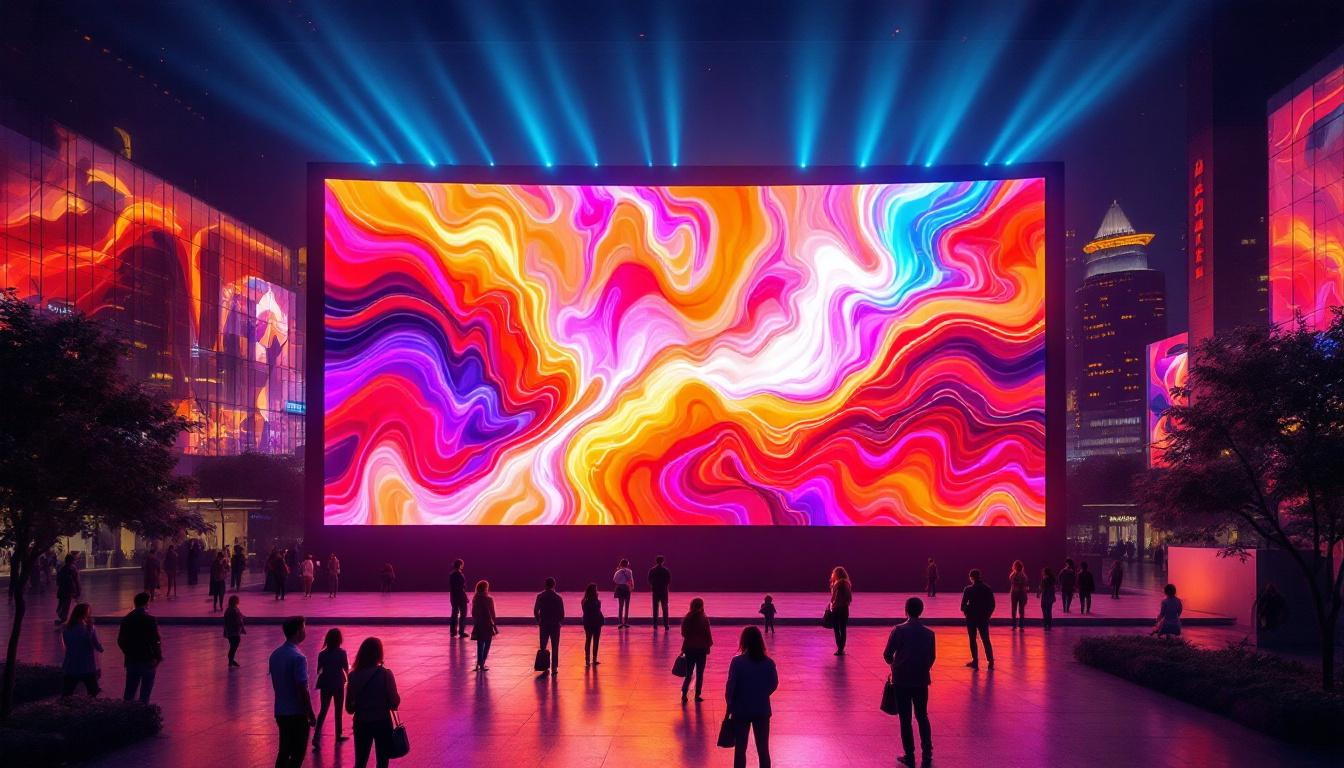
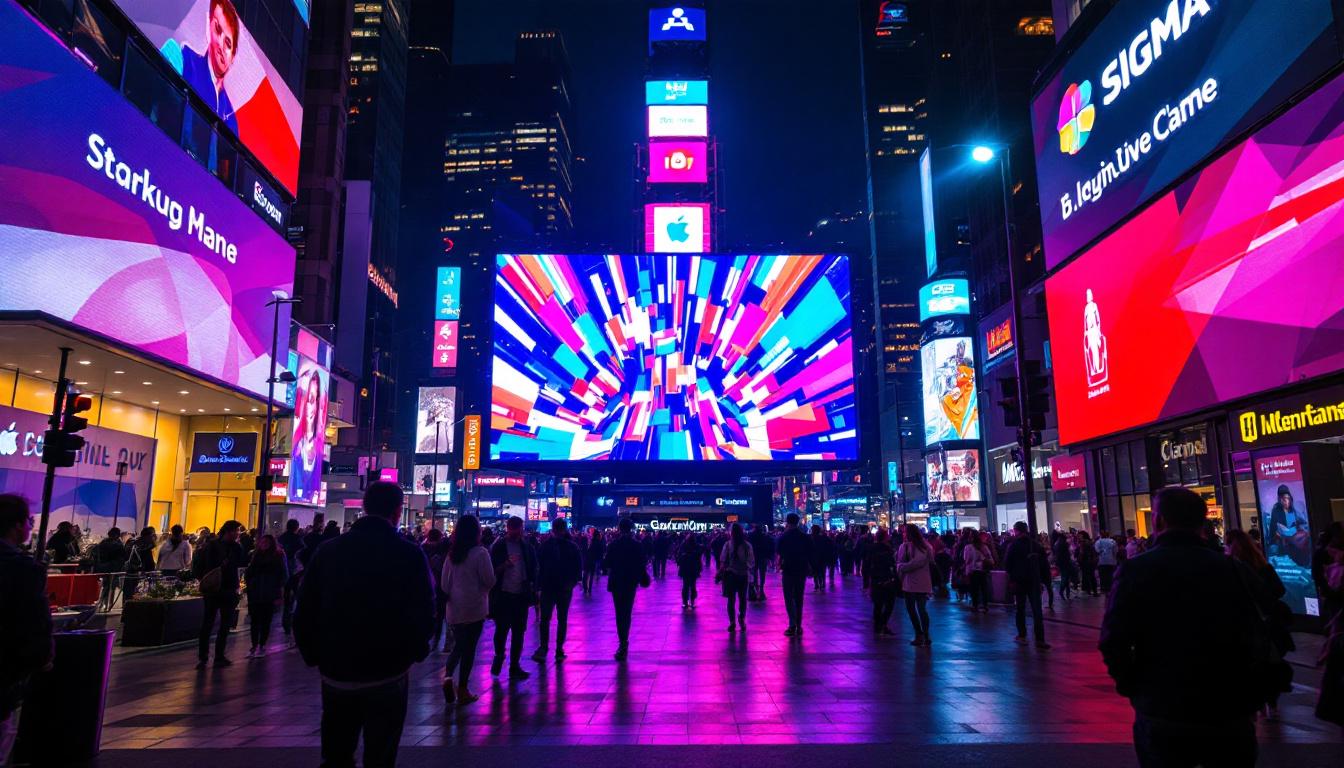
Airports, train stations, and city squares utilize wall-mounted LED displays supported by trusses for information dissemination and public art installations. These displays must be robust and reliable, often operating 24/7 under varying environmental conditions.
Future Trends and Innovations
As technology advances, the integration of wall truss systems and LED displays continues to evolve, driven by demands for higher resolution, lighter materials, and smarter installations.
Lightweight Composite Materials
Emerging materials such as carbon fiber composites offer the potential for even lighter and stronger truss systems. These innovations could reduce transportation and installation costs while enhancing safety margins.
Smart Truss Systems
Integrating sensors and IoT (Internet of Things) technology into truss systems allows real-time monitoring of structural integrity, environmental conditions, and load stress. This proactive approach to maintenance improves safety and reduces downtime.
Higher Resolution and Flexible LED Panels
Advancements in LED technology are producing thinner, lighter, and flexible panels that can conform to curved truss structures, opening new possibilities for creative display designs. Ultra-high-definition (UHD) panels are becoming more accessible, enhancing visual clarity for audiences.
Conclusion
The synergy between wall truss systems and LED displays is a powerful enabler for modern visual communication across diverse industries. By understanding the structural principles, material choices, and installation best practices, stakeholders can create impactful, safe, and aesthetically pleasing LED display installations. As technology progresses, these systems will become even more versatile and intelligent, continuing to transform the way audiences engage with digital content.
Discover LumenMatrix LED Display Solutions
Ready to elevate your visual presentations to new heights? LumenMatrix is at the forefront of LED display technology, offering an extensive range of innovative solutions tailored to your needs. From Indoor and Outdoor LED Wall Displays to specialized options like Vehicle, Sports, and Floor LED Displays, our products are designed to captivate your audience and amplify your message. Experience the future of digital signage with our Custom, All-in-One, and LED Transparent Displays. Check out LumenMatrix LED Display Solutions today and transform your visual communication with clarity and impact.