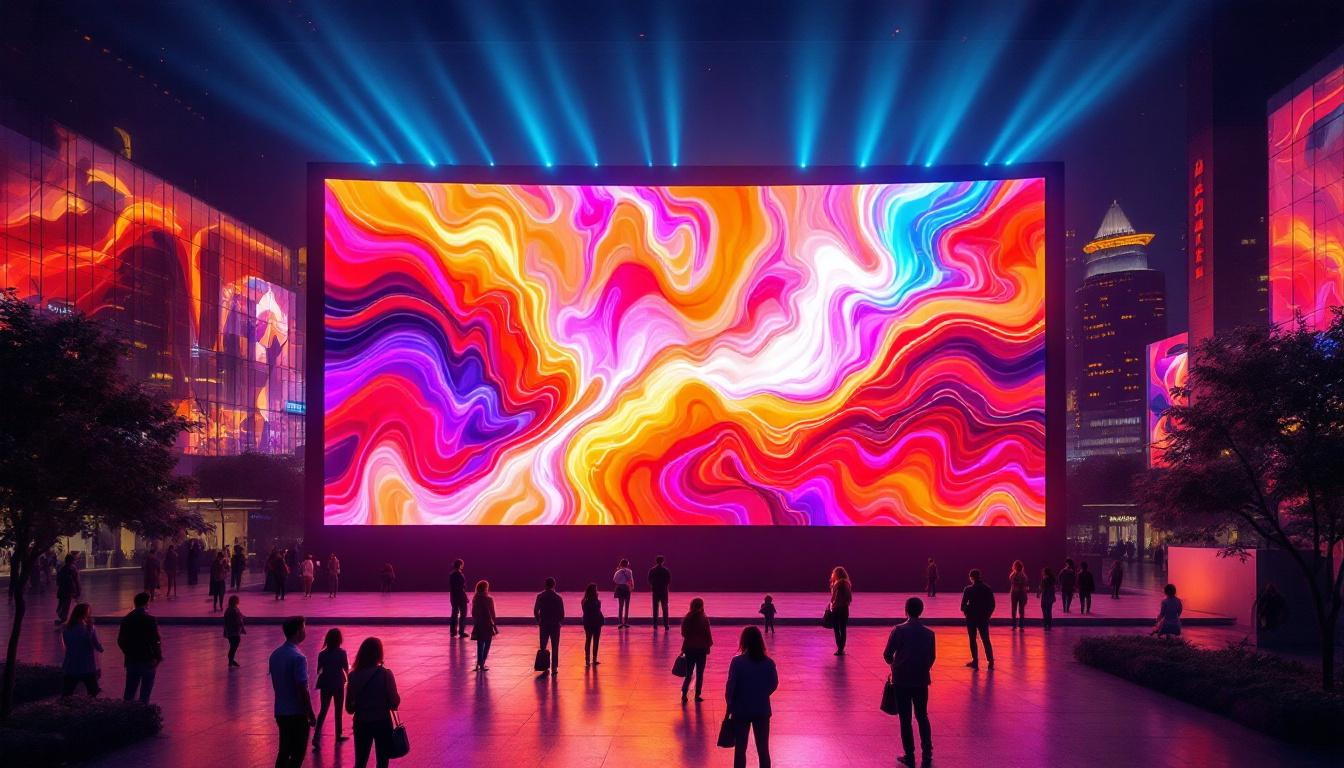
In the ever-evolving world of display technology, the quest for bigger, brighter, and more immersive screens continues unabated. Among the many innovations, LED displays have emerged as a dominant force, enabling the creation of some of the largest TV screens ever seen. This article delves into the fascinating realm of the world’s biggest TV screens, focusing on LED display technology, its advantages, applications, and what the future holds for this impressive visual medium.
Understanding LED Display Technology
Before exploring the largest TV screens, it’s essential to understand what LED displays are and how they differ from other display technologies. LED stands for Light Emitting Diode, a semiconductor device that emits light when an electric current passes through it. LED displays use millions of these tiny diodes to create images, offering a range of benefits over traditional LCD or plasma screens.
Unlike LCD screens, which rely on backlighting, LED displays are self-illuminating. This means each pixel emits its own light, resulting in superior contrast ratios and deeper blacks. This is particularly important for large-scale screens where image clarity and brightness consistency are critical. Additionally, LED displays are highly energy-efficient and have longer lifespans, making them ideal for both indoor and outdoor applications.
Types of LED Displays
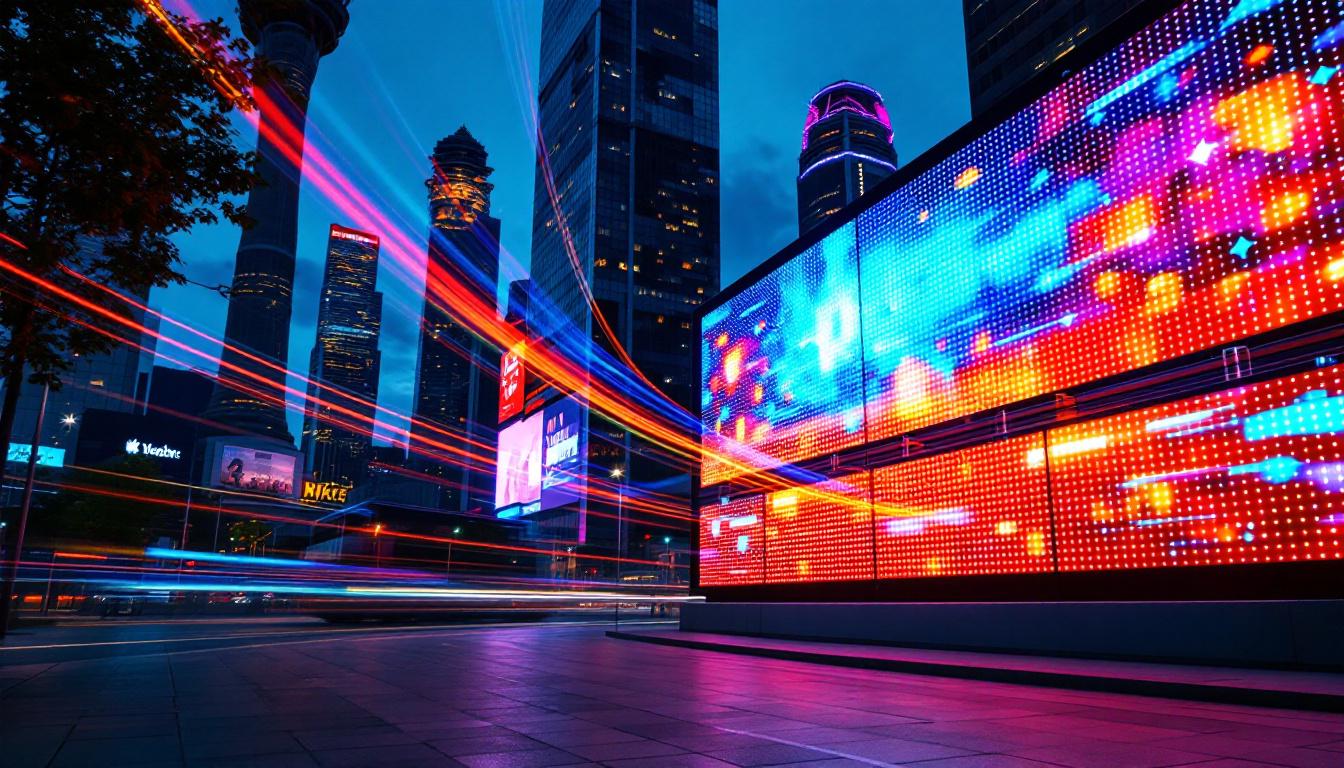
There are two main types of LED displays used in large screens: Direct View LED (DVLED) and LED-backlit LCD. Direct View LED screens consist of individual LEDs arranged in a matrix to form the image directly. This technology is commonly used in stadiums, billboards, and massive TV screens due to its scalability and brightness.
LED-backlit LCDs, on the other hand, use LEDs as a backlight behind an LCD panel. While this technology improves brightness and color accuracy compared to traditional LCDs, it is generally limited in size and not suitable for the largest screens. The use of LED backlighting allows for thinner designs and can enhance the viewing experience, but it still falls short in terms of the vibrant colors and deep blacks that DVLED technology can achieve.
Moreover, the advancements in LED technology have led to the development of newer variations, such as MicroLED and MiniLED. MicroLED displays utilize microscopic LEDs to create images, allowing for even finer resolutions and greater flexibility in screen design. This technology promises to revolutionize how we think about displays, as it can be used to create modular screens that can be resized and shaped according to specific needs. MiniLED, on the other hand, enhances traditional LCD displays by employing thousands of tiny LEDs for backlighting, resulting in improved contrast and brightness control. Both of these innovations represent the cutting edge of display technology, pushing the boundaries of what is possible in visual media.
The World’s Biggest TV Screens: Record-Breaking Examples
Over the past decade, the size of TV screens has grown exponentially, with LED technology enabling displays that were once unimaginable. Here are some of the most notable examples of the world’s biggest TV screens, showcasing the scale and capabilities of LED displays.
1. The LG OLED Wall at CES 2019
While not a traditional LED screen, LG’s OLED wall at the 2019 Consumer Electronics Show (CES) demonstrated the potential for modular, ultra-large displays. Measuring 325 inches diagonally, this screen used 1,200 individual OLED panels seamlessly tiled together. The result was a stunning 8K resolution display with exceptional color and contrast.
Though OLED differs from LED in technology, this installation highlighted how modular display technology, including LED, can be used to create massive, high-resolution screens suitable for commercial and entertainment purposes. The flexibility of OLED technology allows for curved and uniquely shaped displays, making it a favorite among architects and designers looking to create immersive environments. As a result, LG’s OLED wall not only served as a technological marvel but also as an artistic statement, pushing the boundaries of how we perceive visual media in public spaces.
2. The Samsung “The Wall” MicroLED Display
Samsung’s “The Wall” is a pioneering MicroLED display that has pushed the boundaries of screen size and image quality. MicroLED technology is a variant of LED that uses microscopic LEDs to create pixels, combining the best features of OLED and traditional LED displays.
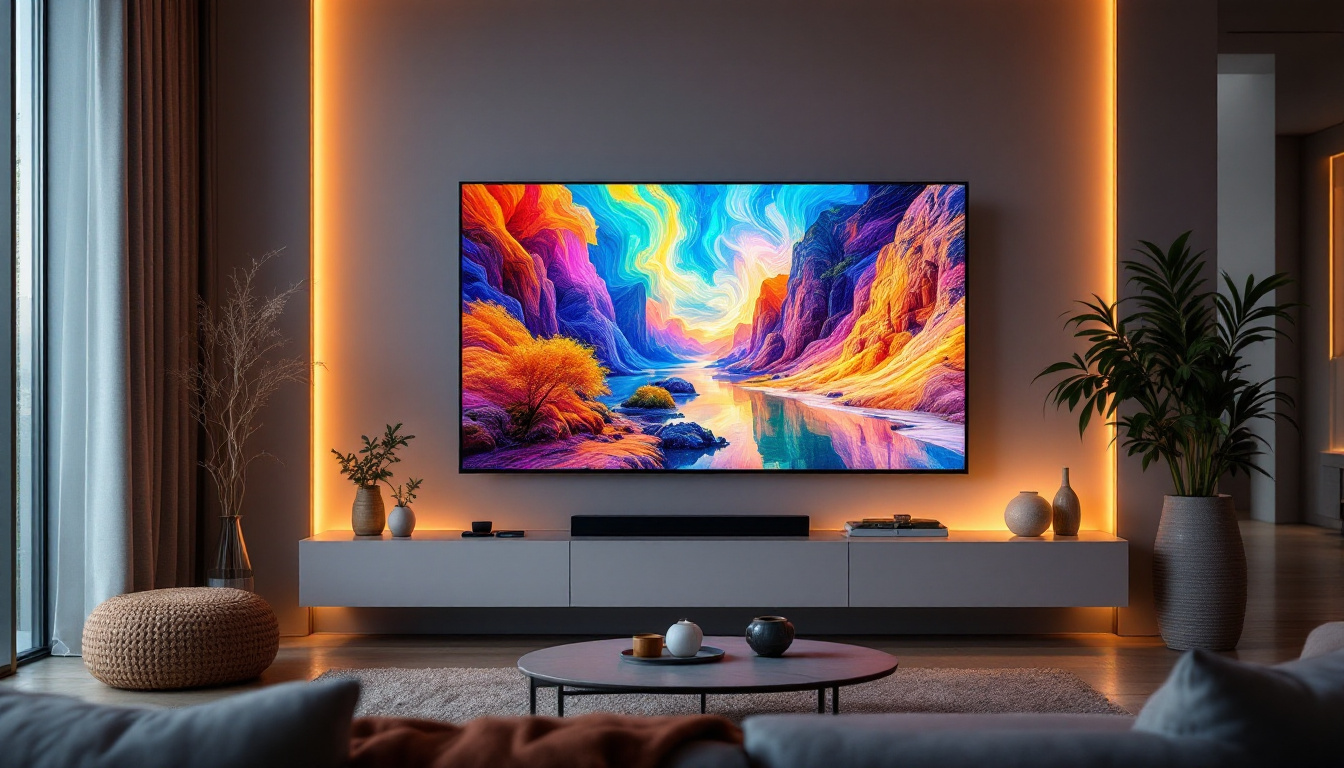
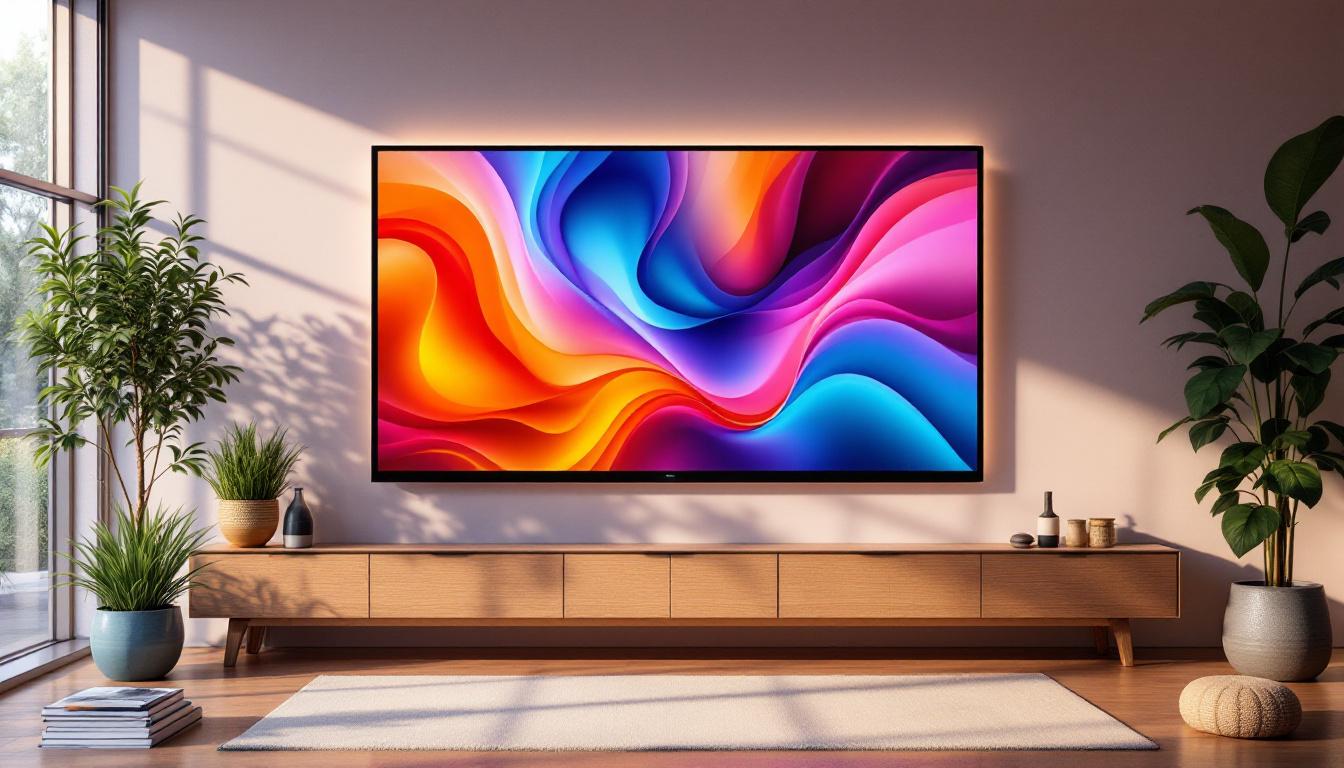
In 2020, Samsung unveiled a 292-inch version of The Wall, boasting 8K resolution and exceptional brightness levels. This screen is modular, allowing it to be customized in size and shape, making it ideal for luxury home theaters, commercial venues, and public installations. The Wall’s ability to deliver perfect blacks and vivid colors at such a large scale is a testament to the advancements in LED technology. Furthermore, the MicroLED technology offers enhanced durability and energy efficiency compared to traditional OLED screens, making it a sustainable choice for long-term use. As the demand for high-quality visual experiences continues to rise, innovations like The Wall are setting new standards for what is possible in display technology.
3. The 10,000 Square Foot LED Screen in Times Square
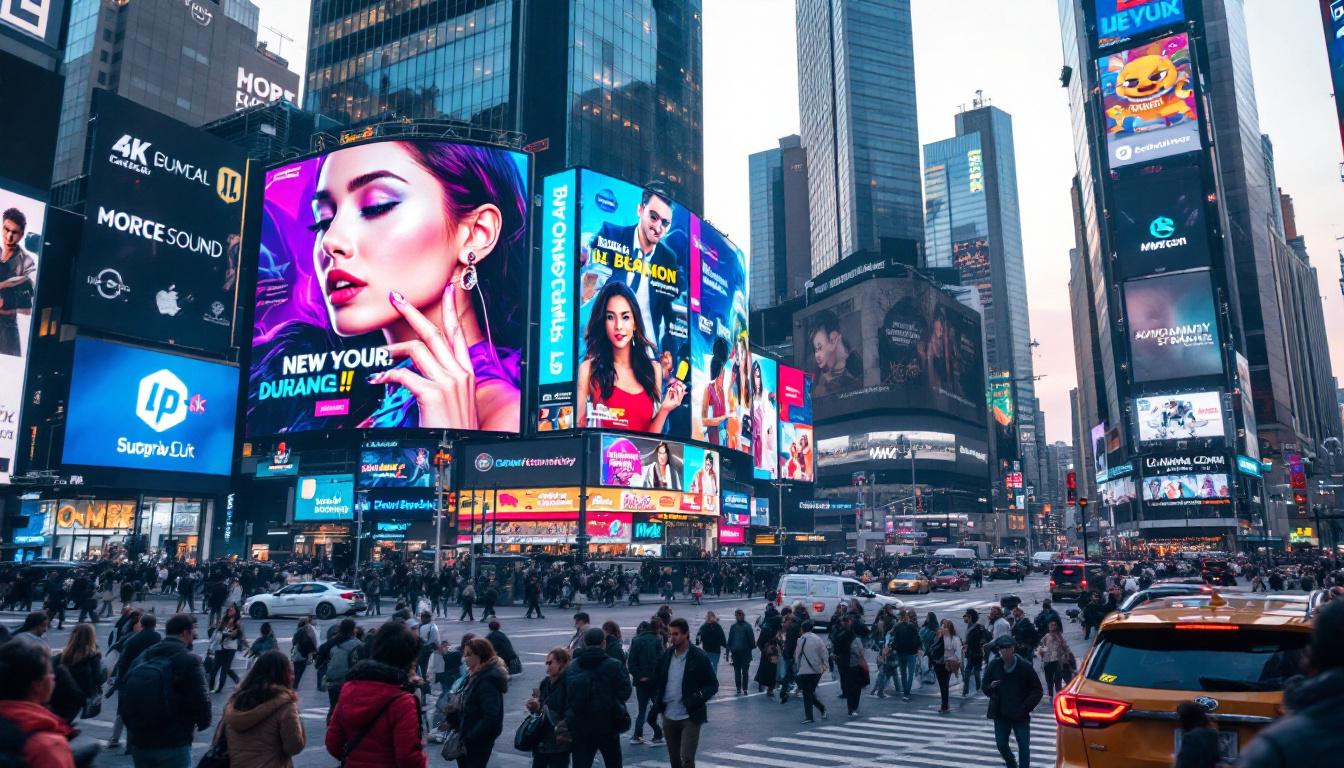
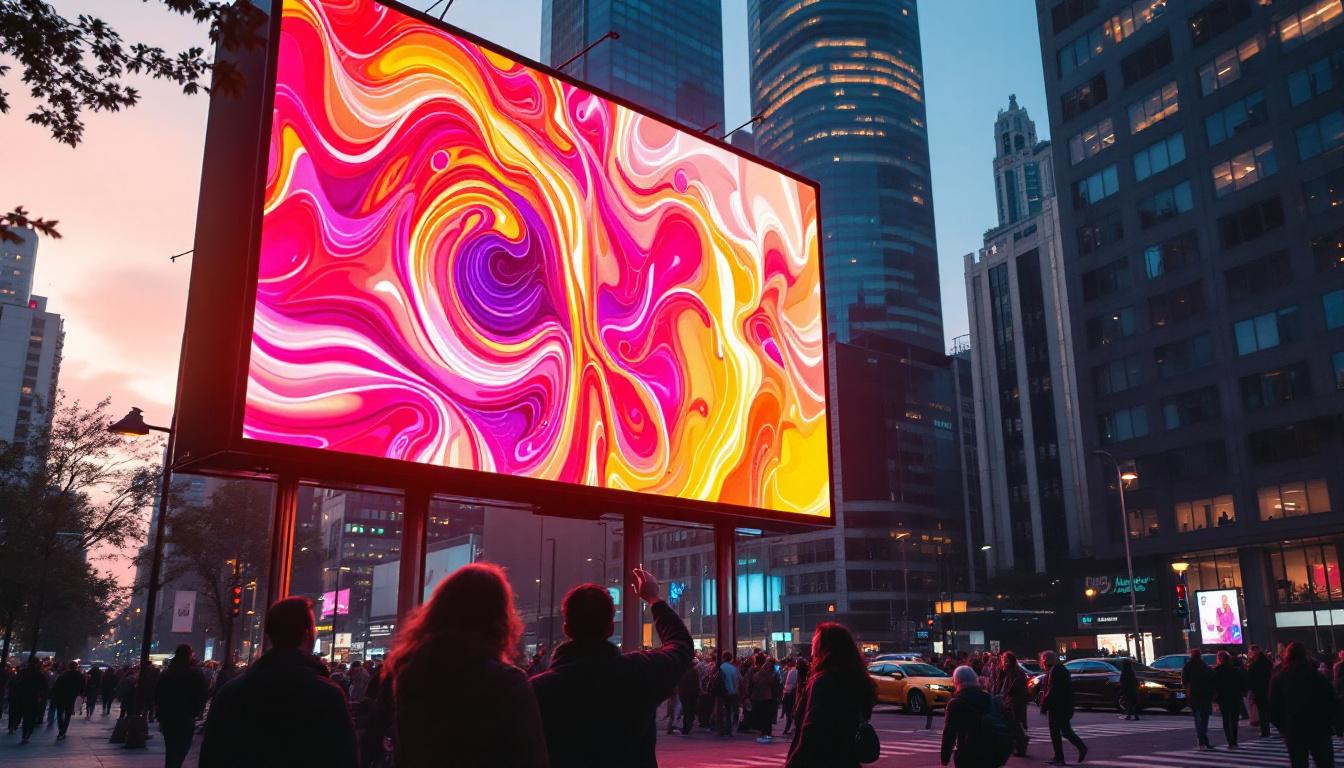
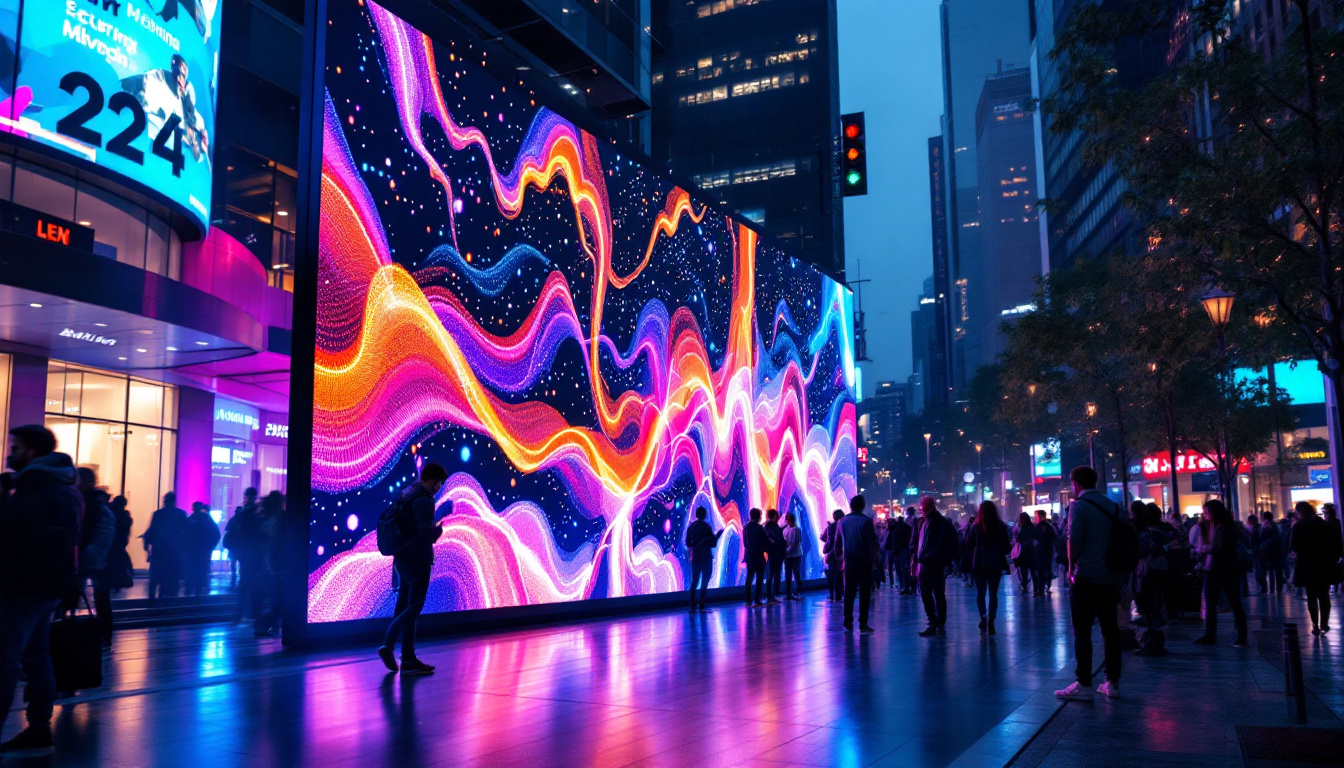
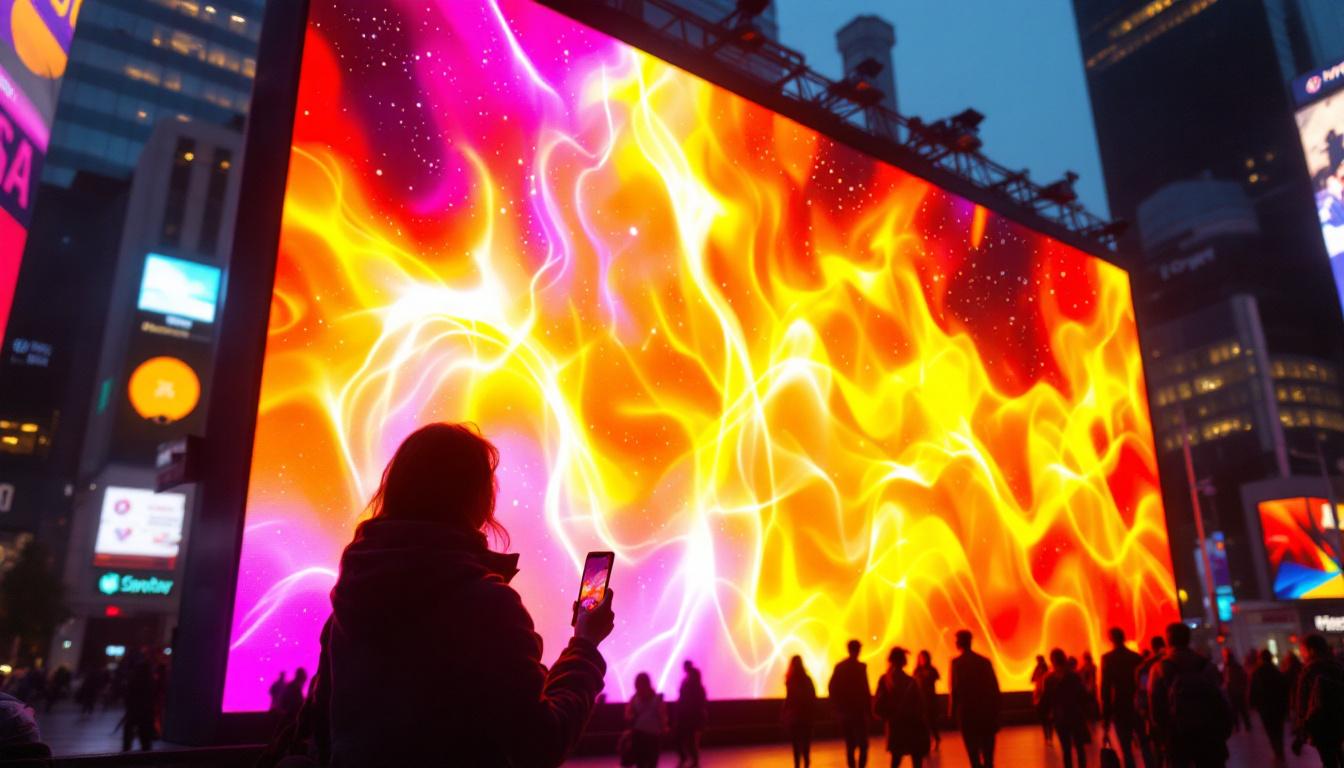
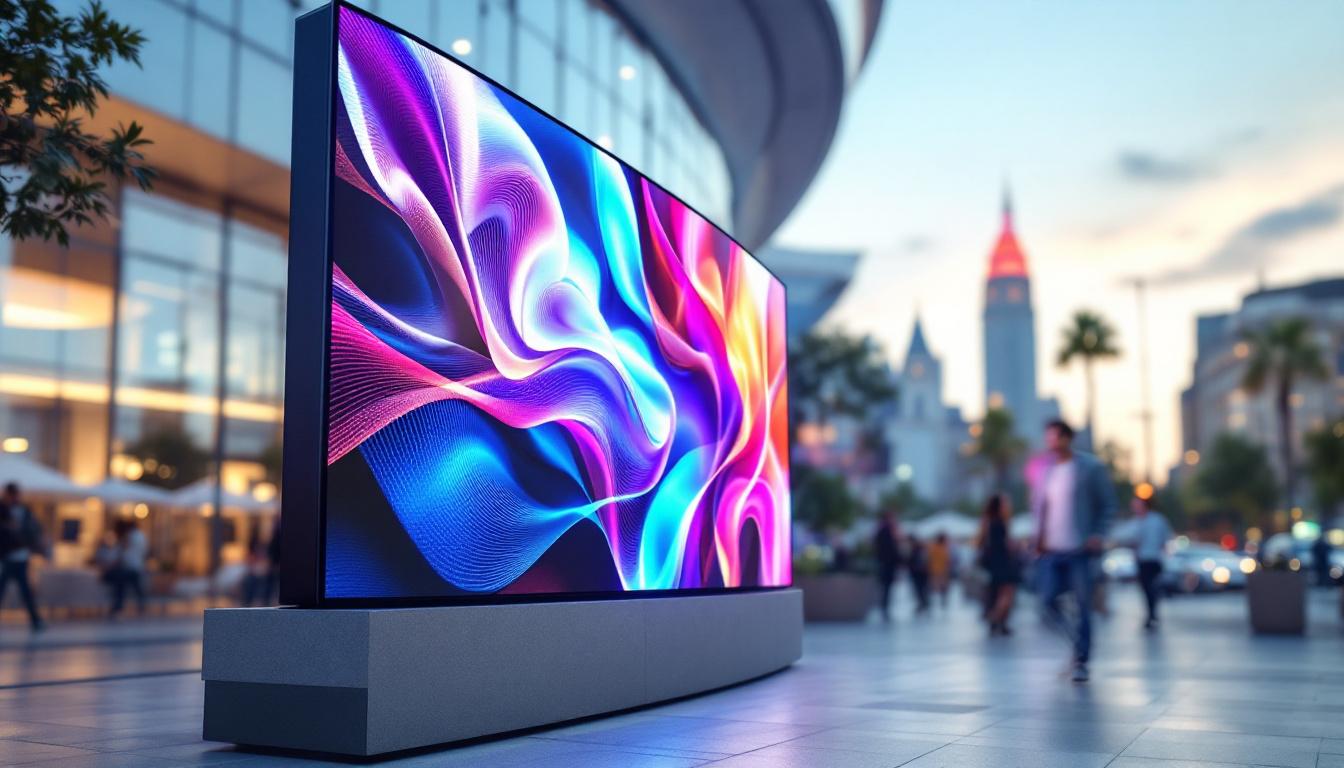
One of the most iconic examples of giant LED displays is the massive LED billboard in New York City’s Times Square. Spanning over 10,000 square feet, this screen is a prime example of how LED technology is used for advertising and public engagement on a monumental scale.
With a pixel pitch optimized for long-distance viewing, the screen delivers high brightness and vibrant colors even under direct sunlight. This ensures that advertisements and content remain clear and eye-catching, contributing to the dynamic atmosphere of Times Square. The screen is not just a canvas for advertisements; it also serves as a platform for artistic displays and live events, transforming the bustling square into a vibrant hub of activity. The integration of interactive elements, such as QR codes and augmented reality experiences, further enhances viewer engagement, making it a focal point for tourists and locals alike. As technology continues to evolve, the potential for such displays to create immersive experiences will only expand, reshaping how we interact with visual media in public spaces.
Why LED Displays Are Ideal for Massive Screens
Creating the world’s biggest TV screen is not just about scaling up size; it requires technology that can maintain image quality, brightness, and reliability at large dimensions. LED displays excel in these areas for several reasons.
Brightness and Visibility
LED displays can achieve extremely high brightness levels, often exceeding 1,000 nits, which is crucial for outdoor or well-lit environments. This brightness ensures that images remain clear and visible from great distances, a necessity for giant screens in stadiums, public squares, and commercial settings.
Scalability and Modularity
One of the defining features of LED technology is its modular nature. Large LED screens are constructed by assembling smaller panels or modules, allowing for flexible sizing and easy maintenance. If a module fails, it can be replaced without dismantling the entire screen, reducing downtime and maintenance costs.
Durability and Longevity
LED displays are built to withstand harsh environmental conditions, including extreme temperatures, moisture, and UV exposure. This durability makes them suitable for outdoor installations that need to operate 24/7. Additionally, LEDs have a long operational lifespan, often exceeding 100,000 hours, which translates to years of reliable performance.
Energy Efficiency
Compared to other large-scale display technologies, LEDs consume less power, which is a significant advantage when operating massive screens continuously. This energy efficiency not only reduces operational costs but also aligns with growing environmental sustainability goals.
Applications of the World’s Biggest LED Screens
Massive LED screens have found diverse applications across various industries, transforming how content is delivered and experienced.
Sports and Entertainment Venues
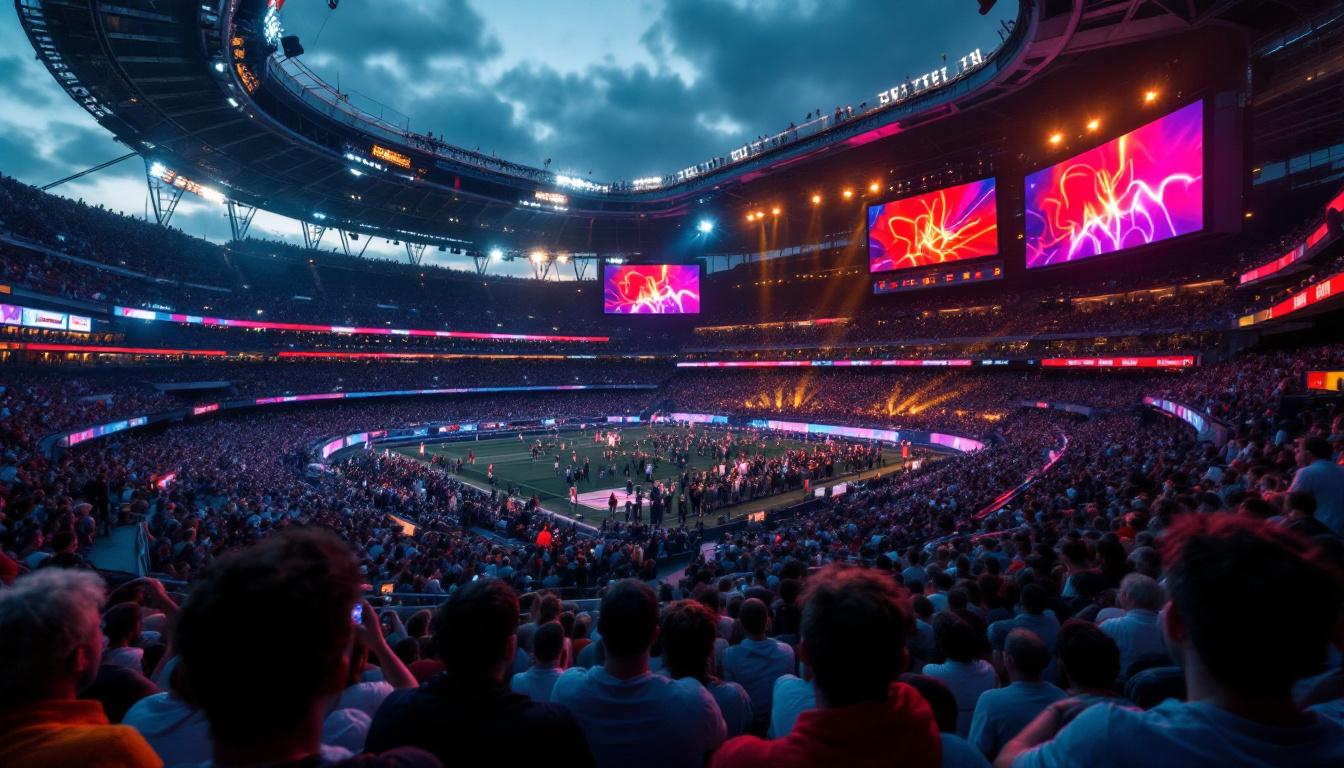
Stadiums and arenas worldwide rely on giant LED screens to enhance the spectator experience. These screens display live action, replays, scores, and interactive content, making events more engaging. For example, the AT&T Stadium in Texas features one of the largest high-definition video boards, measuring 160 feet wide and 72 feet high, powered by LED technology.
Advertising and Public Spaces
In urban centers like Times Square, Piccadilly Circus, and Shibuya Crossing, enormous LED billboards dominate the landscape. These screens serve as dynamic advertising platforms, capable of displaying vibrant, animated content that captures the attention of millions daily.
Corporate and Retail Environments
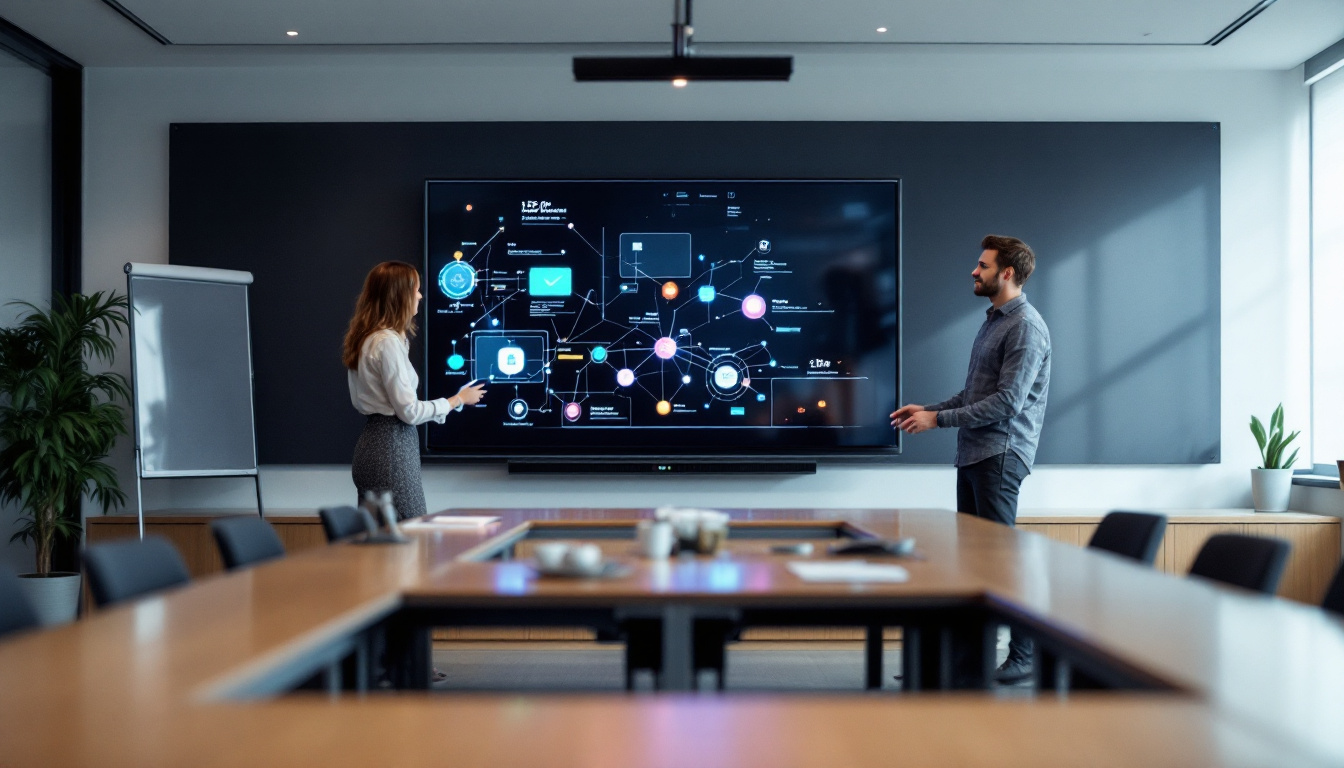
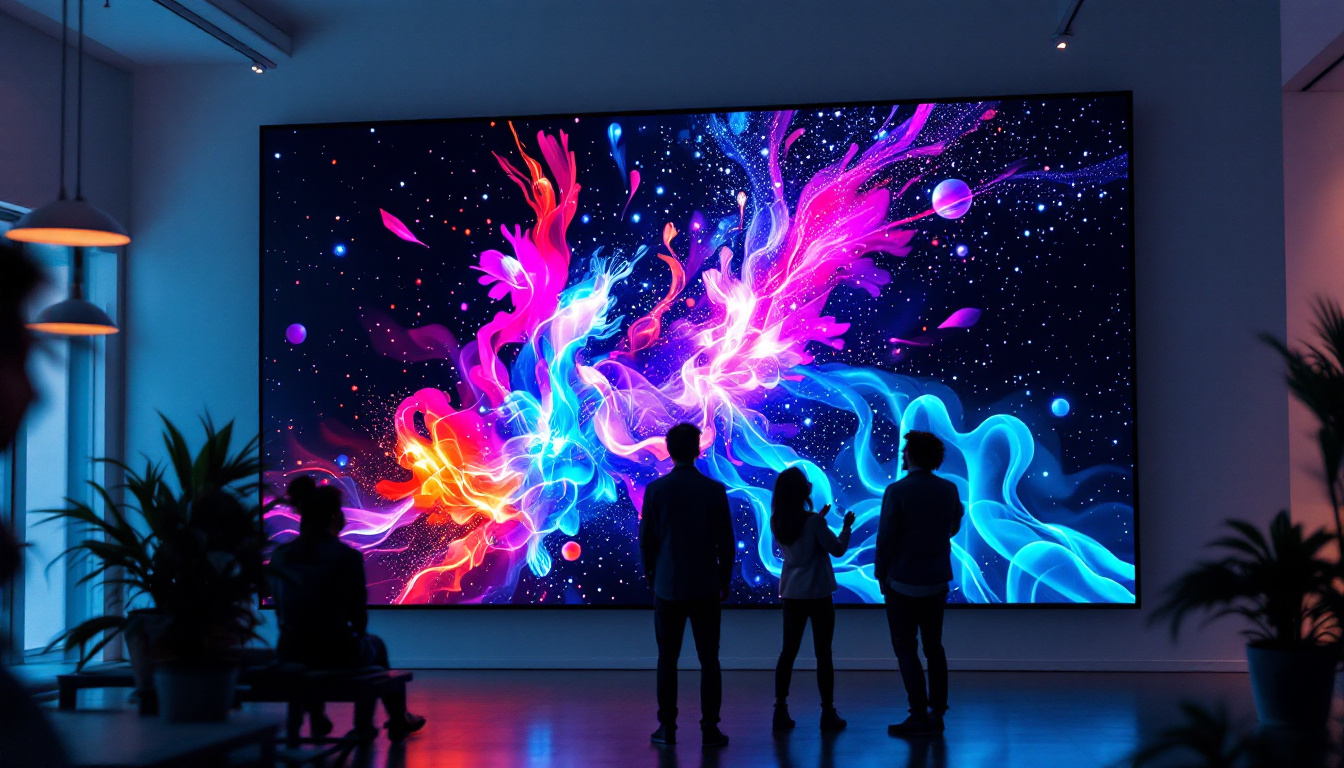
Large LED displays are increasingly used in corporate lobbies, retail stores, and trade shows to create immersive brand experiences. Their ability to deliver high-resolution content at scale helps businesses communicate messages effectively and attract customers.
Broadcast and Film Production
LED walls have revolutionized film and television production by serving as dynamic backgrounds that can display realistic environments in real-time. This technology reduces the need for location shoots and green screens, enabling filmmakers to create immersive scenes with greater flexibility and control.
The Future of Massive LED Screens
As LED technology continues to advance, the potential for even larger, more immersive screens grows. Innovations such as MicroLED and MiniLED are pushing the boundaries of resolution, brightness, and energy efficiency.
MicroLED: The Next Generation
MicroLED technology promises to combine the best qualities of OLED and traditional LEDs, offering perfect blacks, infinite contrast, and exceptional brightness without the burn-in issues associated with OLED. As manufacturing processes improve and costs decrease, MicroLED is expected to become the standard for large-scale displays, including the world’s biggest TV screens.
Flexible and Curved Displays
Emerging LED technologies are enabling flexible and curved screens that can wrap around structures or create immersive environments. This flexibility opens new possibilities for architectural integration and experiential design, transforming how audiences interact with visual content.
Enhanced Interactivity and Smart Features
Future LED screens will likely incorporate advanced sensors, AI-driven content adaptation, and interactive capabilities. This will allow screens to respond to viewer behavior, environmental conditions, and real-time data, creating personalized and engaging experiences.
Conclusion
The world’s biggest TV screens are a testament to the remarkable capabilities of LED display technology. From the dazzling billboards of Times Square to the immersive walls in stadiums and luxury homes, LED displays have redefined what is possible in large-scale visual media. Their brightness, scalability, durability, and energy efficiency make them the ideal choice for massive screens that captivate audiences worldwide.
As technology advances, the line between the physical and digital worlds will continue to blur, with LED displays playing a central role in shaping immersive environments. Whether for entertainment, advertising, or communication, the future of the world’s biggest TV screens is bright, vibrant, and endlessly exciting.
Discover the Future of LED Displays with LumenMatrix
Ready to elevate your visual experience with the cutting-edge technology that powers the world’s biggest TV screens? LumenMatrix is at the forefront of LED display innovation, offering a wide array of solutions tailored to your needs. From Indoor and Outdoor LED Wall Displays to specialized options like Vehicle, Sports, and Floor LED Displays, our products are designed to captivate and engage. Embrace the revolution in visual communication with our Custom, All-in-One, and Transparent LED Displays. Check out LumenMatrix LED Display Solutions today and transform your space into a vibrant canvas of endless possibilities.