In the world of modern digital technology, the term “LED” is ubiquitous, appearing in everything from household lighting to massive outdoor billboards. However, when it comes to displays, understanding what LED truly means and how LED displays work can be quite enlightening. This article delves deep into the concept of LED displays, exploring their technology, applications, advantages, and future trends. Whether you’re a tech enthusiast, a business owner considering digital signage, or simply curious about how those vibrant screens operate, this comprehensive guide will illuminate the subject.
Understanding LED: The Basics
What is an LED?
LED stands for Light Emitting Diode, a semiconductor device that emits light when an electric current passes through it. Unlike traditional incandescent bulbs that generate light through heating a filament, LEDs produce light through electroluminescence, which is much more efficient and durable.
The invention of the LED dates back to the early 1960s, but it wasn’t until the 1990s and 2000s that LED technology became widely adopted for displays and lighting. Today, LEDs are found everywhere—from indicator lights on electronic devices to sophisticated displays on smartphones and large-scale digital billboards.
How Does an LED Work?
At its core, an LED consists of a chip of semiconducting material doped with impurities to create a p-n junction. When voltage is applied, electrons recombine with holes within the device, releasing energy in the form of photons—visible light. The color of the light depends on the semiconductor material used.
This process is highly energy-efficient, producing very little heat compared to other light sources. Because of this efficiency and longevity, LEDs have revolutionized the way we think about lighting and displays.
What is an LED Display?
Defining LED Displays
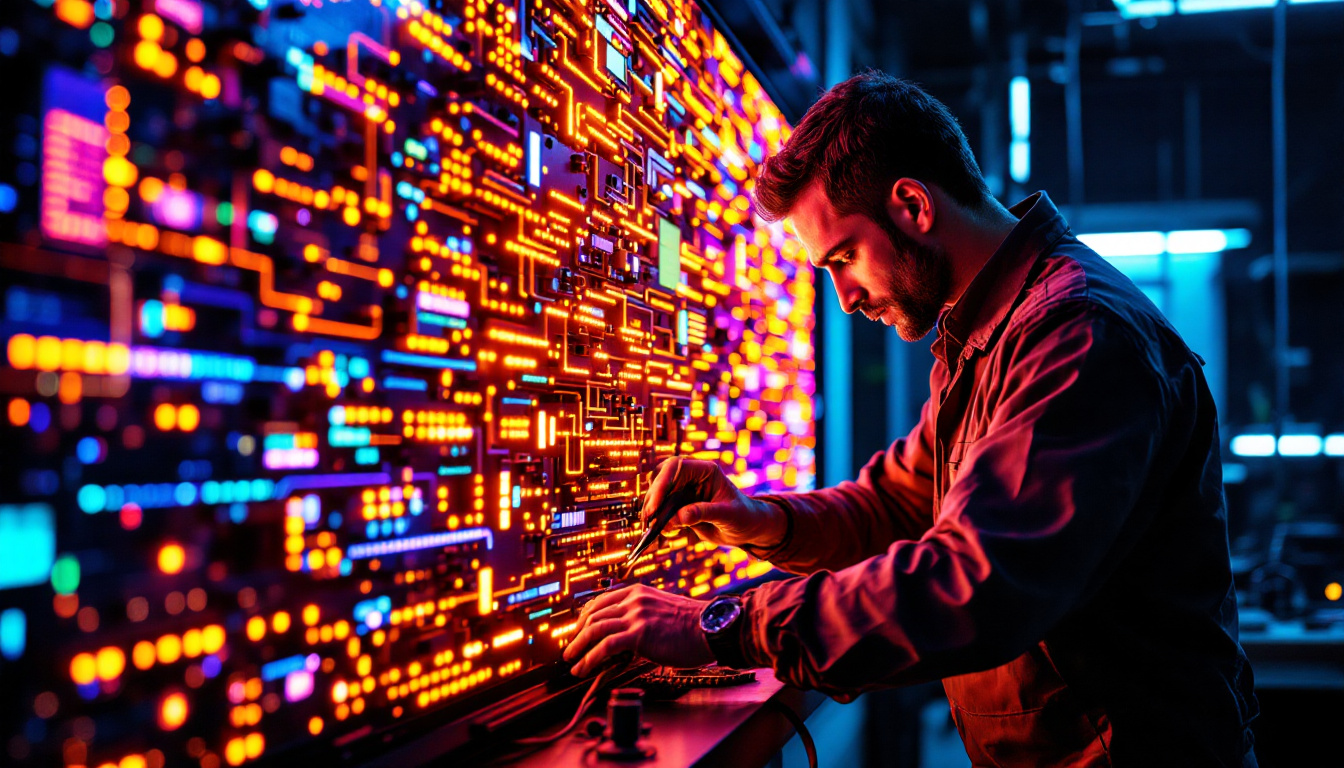
An LED display is a flat panel display that uses an array of light-emitting diodes as pixels for a video display. These LEDs can be tiny individual diodes or clusters of diodes that emit red, green, and blue light to create a full spectrum of colors.
LED displays are commonly used in various applications, including television screens, computer monitors, digital billboards, and even wearable devices. The term “LED display” often refers to two main types: direct-view LED displays and LED-backlit LCDs, which are technically different but related technologies.
Direct-View LED vs. LED-Backlit LCD
Understanding the distinction between direct-view LED displays and LED-backlit LCDs is crucial:
- Direct-View LED Displays: These displays use individual LEDs as pixels. Each pixel is composed of red, green, and blue LEDs that combine to produce the desired color. This technology is common in large-scale outdoor screens, stadium displays, and digital signage.
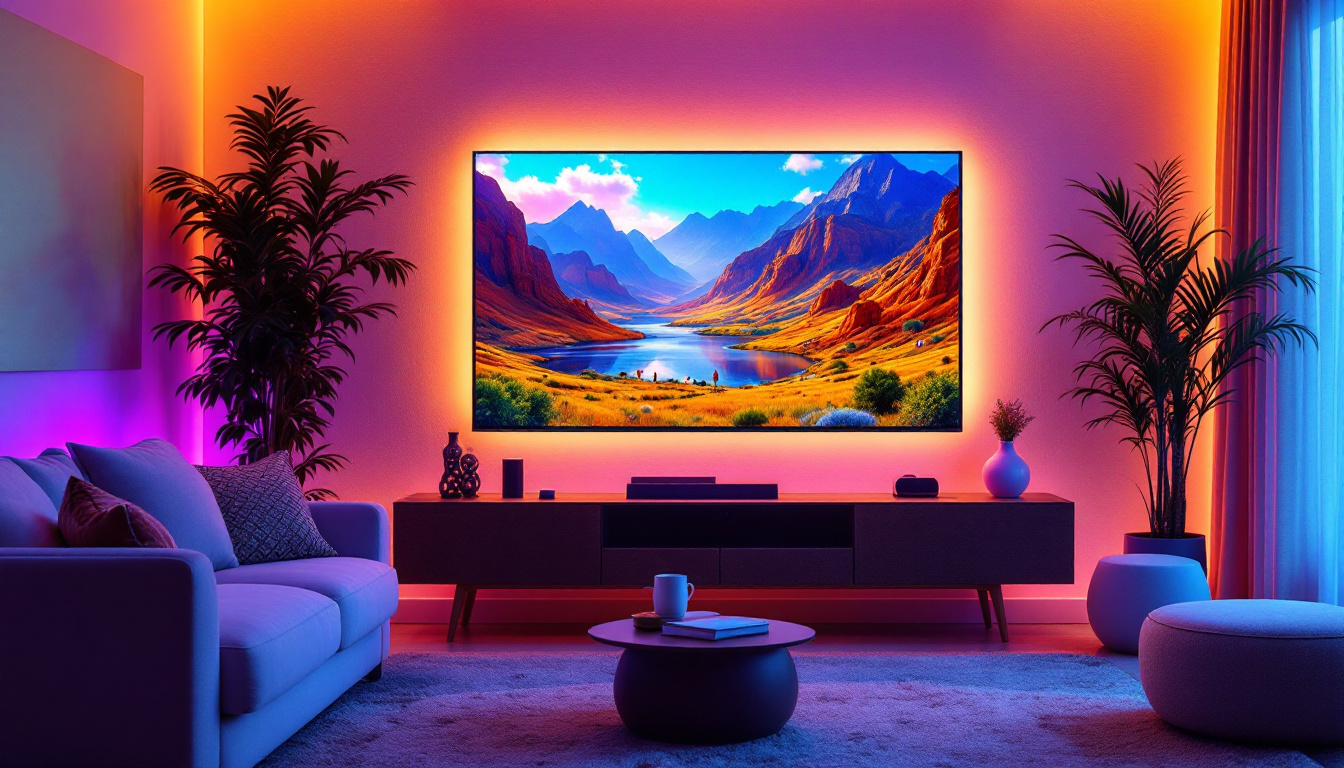
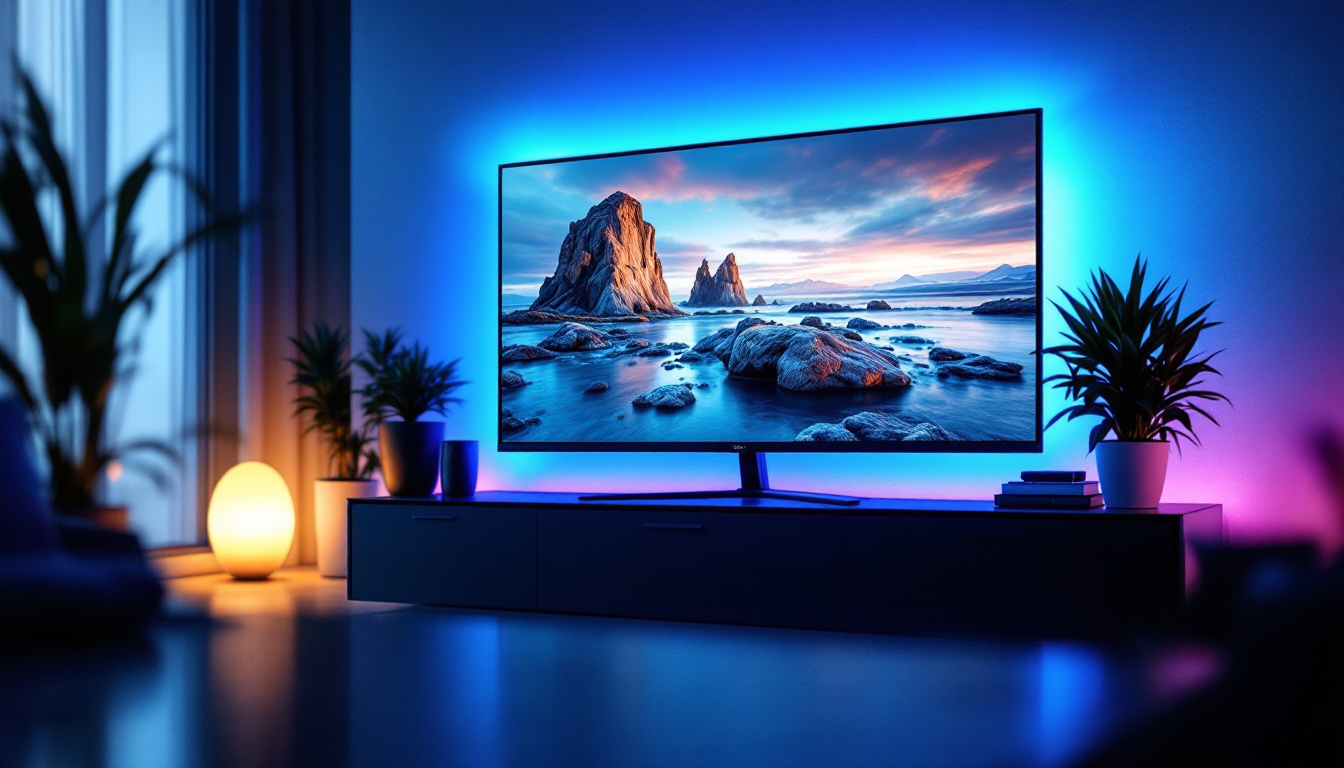
- LED-Backlit LCD Displays: These are liquid crystal displays (LCDs) that use LEDs as a backlight source instead of traditional fluorescent lamps. The LEDs illuminate the liquid crystal panel, which controls the image. This technology is prevalent in televisions, computer monitors, and smartphones.
While both use LEDs, direct-view LED displays produce light directly from the diodes, whereas LED-backlit LCDs rely on LEDs to illuminate an LCD panel.
How LED Displays Work: Technology and Components
Pixel Structure and Color Generation
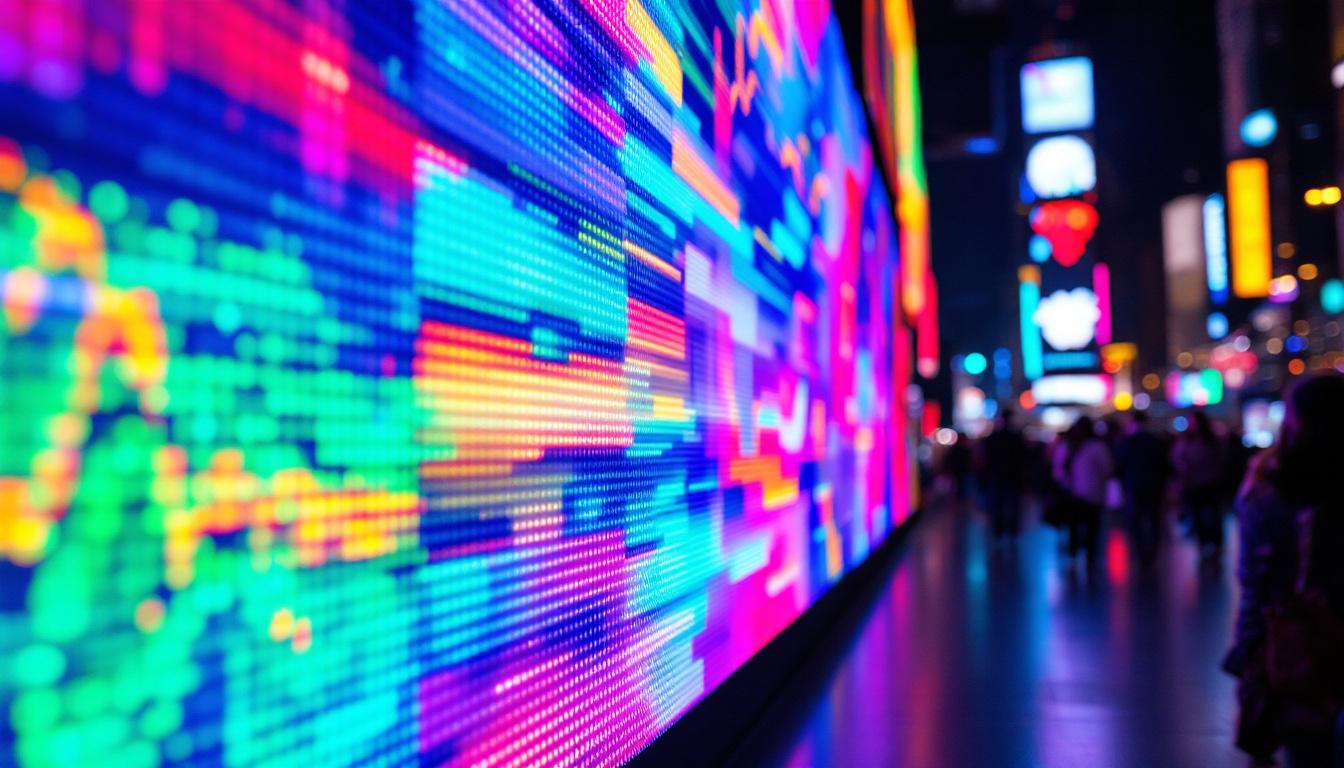
In direct-view LED displays, each pixel is made up of multiple tiny LEDs, usually red, green, and blue (RGB). By adjusting the brightness of each LED within a pixel, the display can produce a wide range of colors through additive color mixing.
The precision in controlling these LEDs allows for high-resolution images and vibrant color reproduction. The smaller the LEDs and the closer they are packed together (pixel pitch), the sharper and more detailed the display appears.
Pixel Pitch and Resolution
Pixel pitch is the distance between the centers of two adjacent pixels, measured in millimeters. A smaller pixel pitch means more pixels per unit area, resulting in higher resolution and finer image quality.
For example, an LED display with a 1.5 mm pixel pitch is suitable for indoor environments where viewers are close to the screen, such as conference rooms or retail stores. Conversely, outdoor LED billboards often have pixel pitches ranging from 10 mm to 20 mm or more, as viewers are typically farther away.
Control Systems and Signal Processing
LED displays require sophisticated control systems to manage the timing, color, and brightness of each LED. These systems receive video input signals and convert them into electrical signals that drive the LEDs accordingly.
Modern LED displays use advanced processors and software to ensure smooth video playback, color accuracy, and synchronization. Technologies like pulse-width modulation (PWM) control LED brightness by rapidly switching LEDs on and off at varying intervals.
Applications of LED Displays
Outdoor Advertising and Digital Billboards
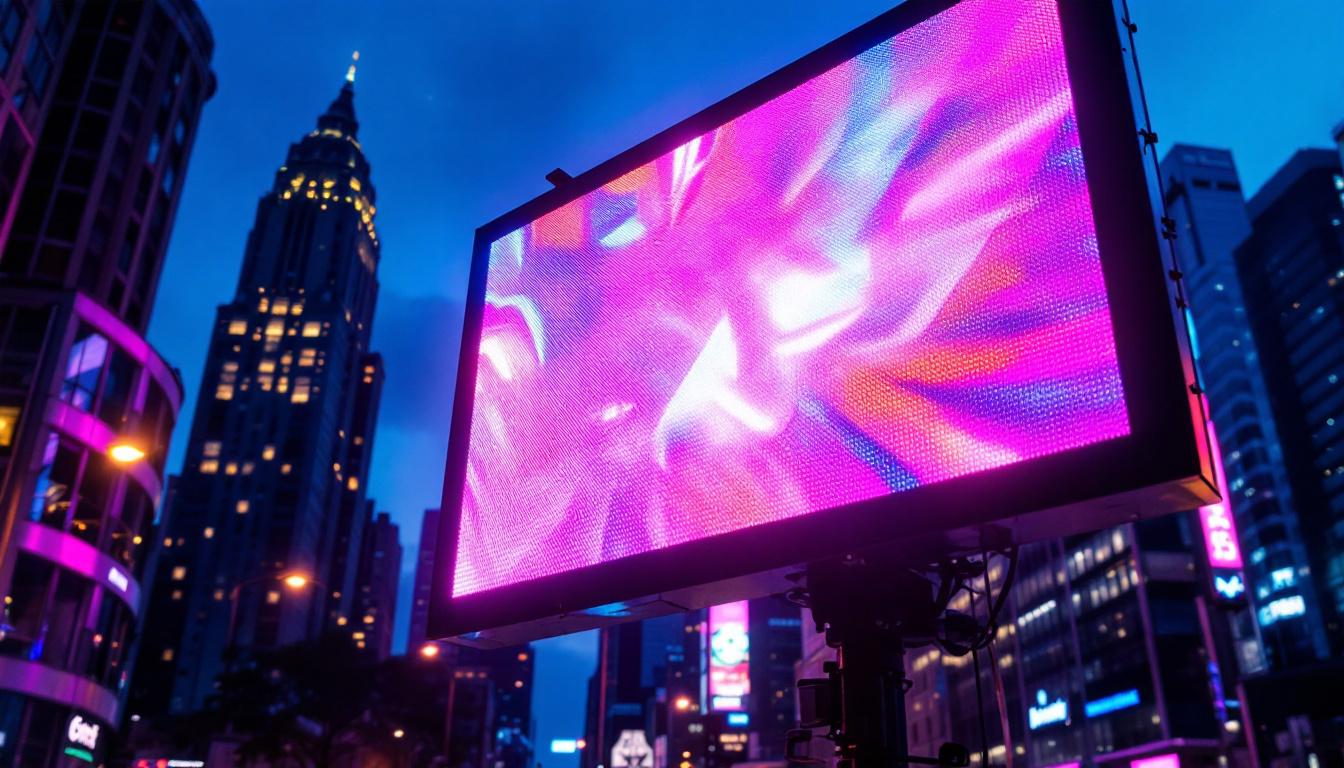
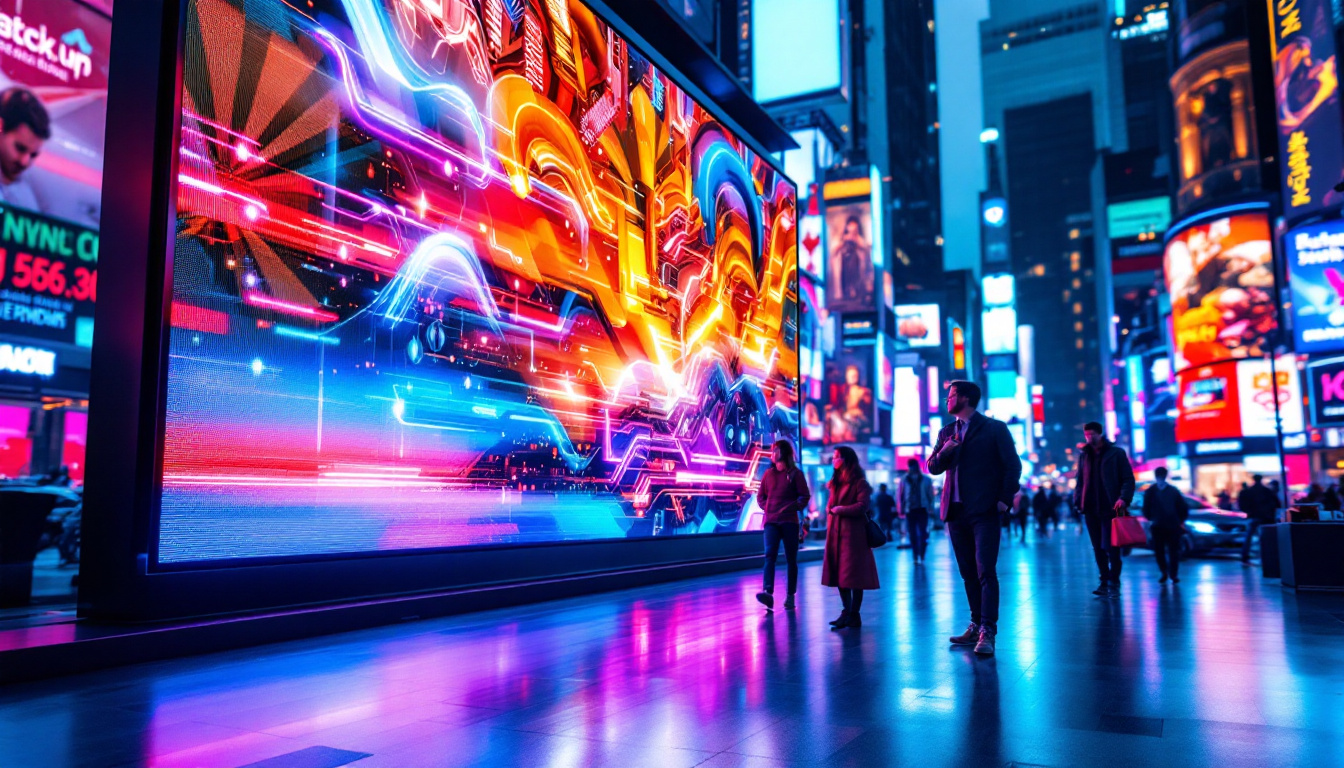
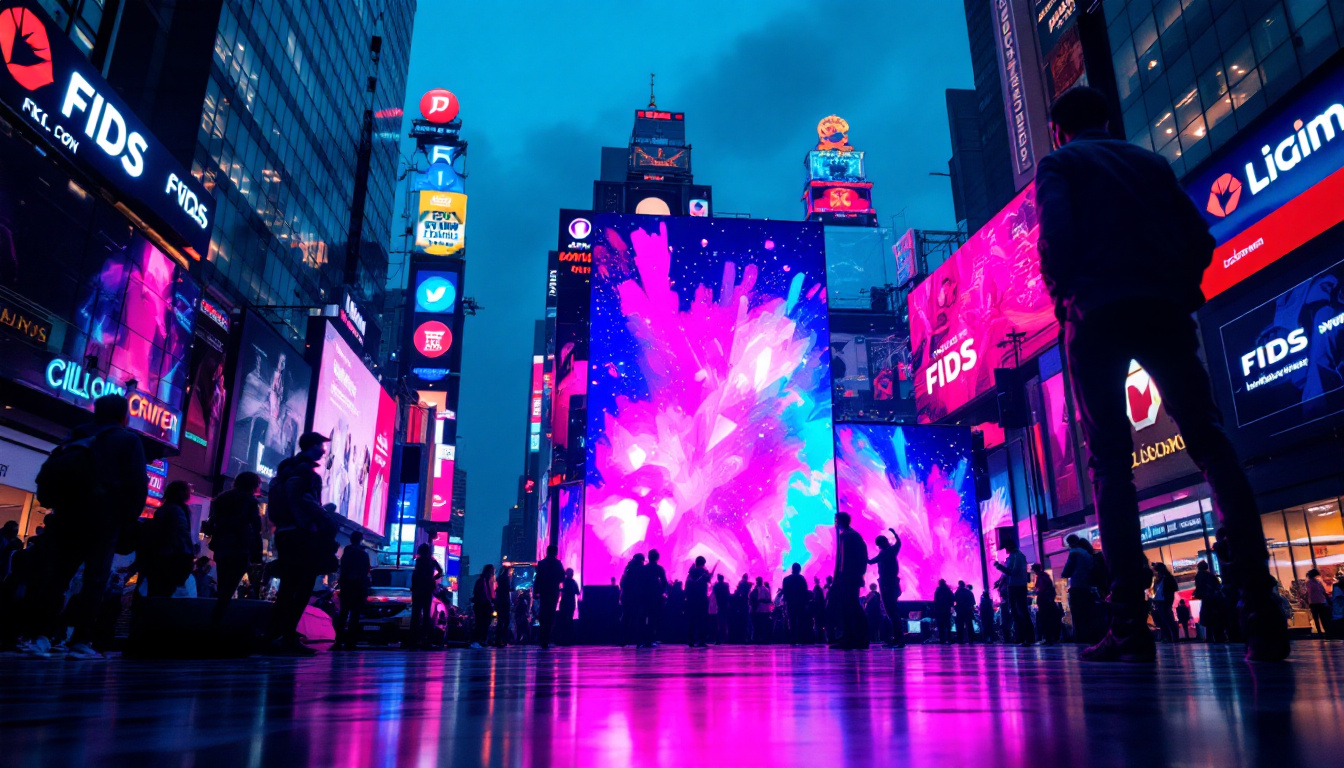
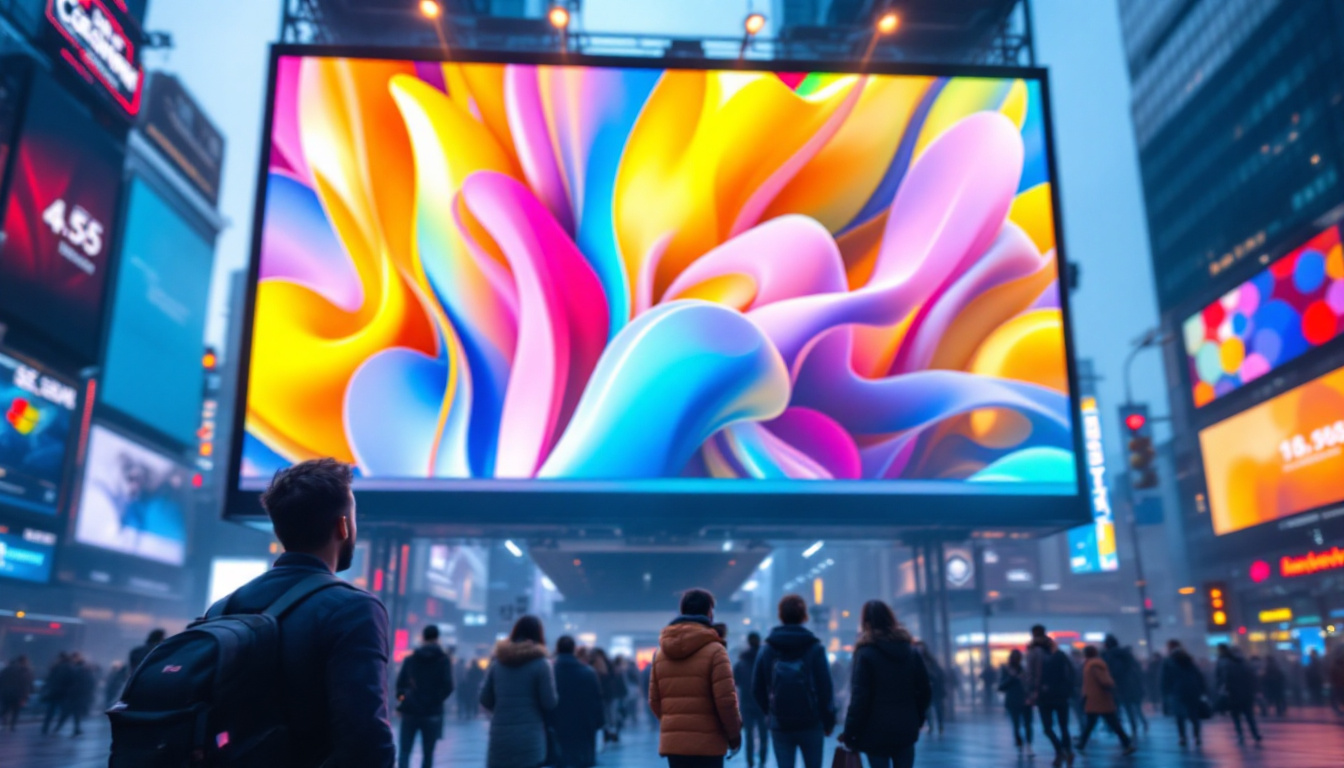
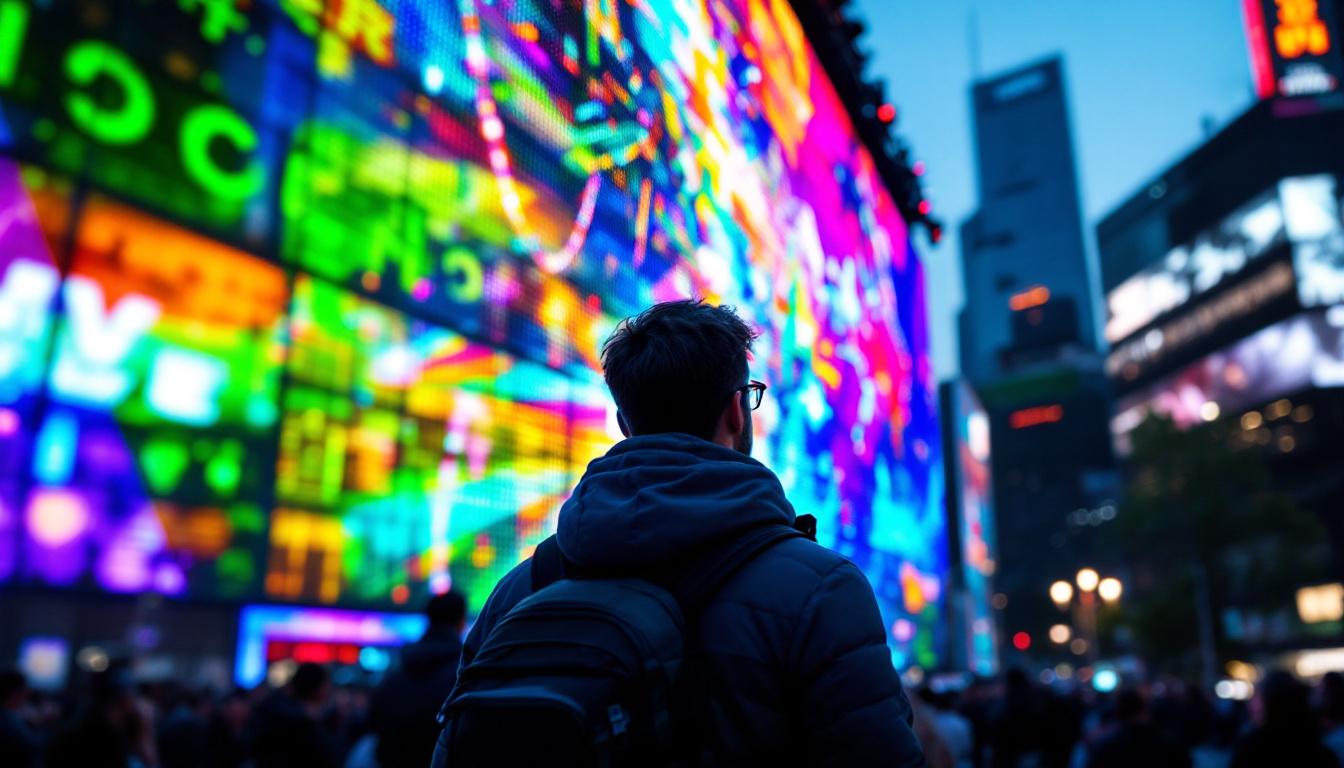
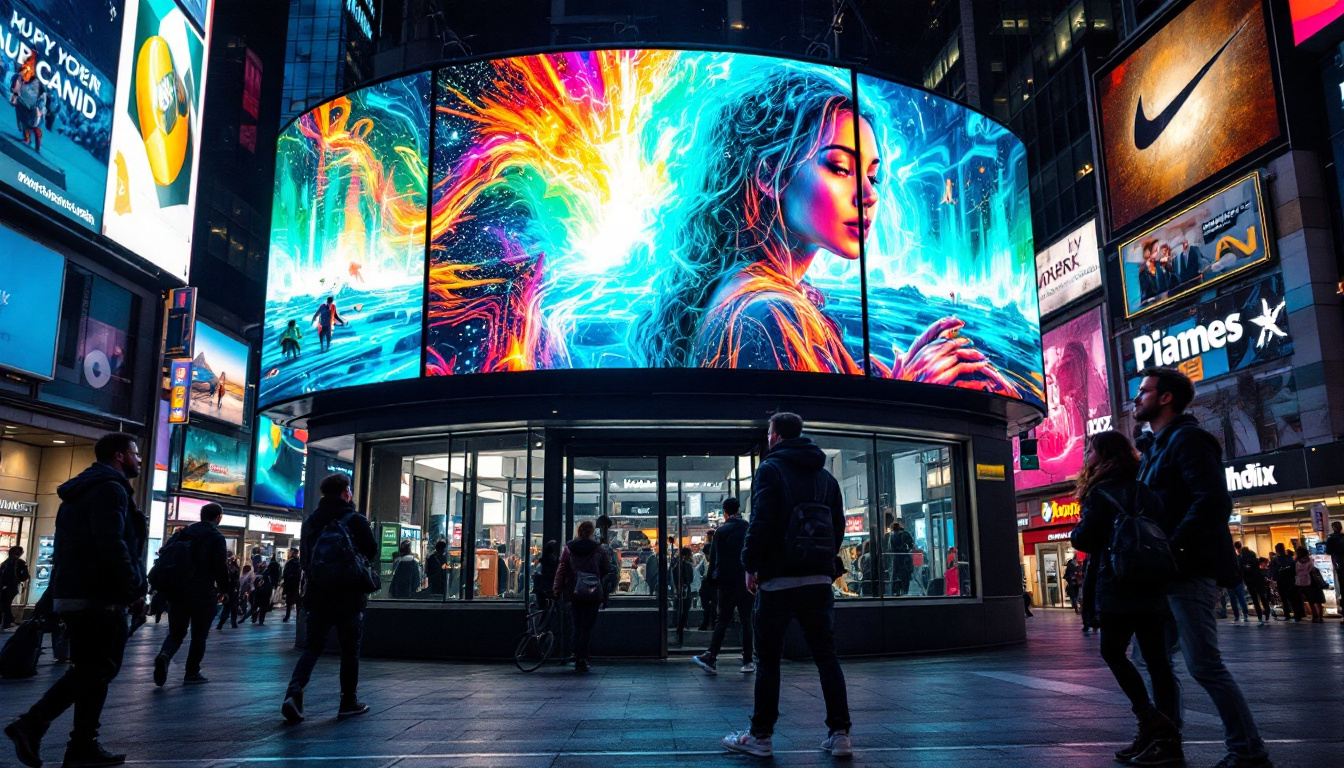
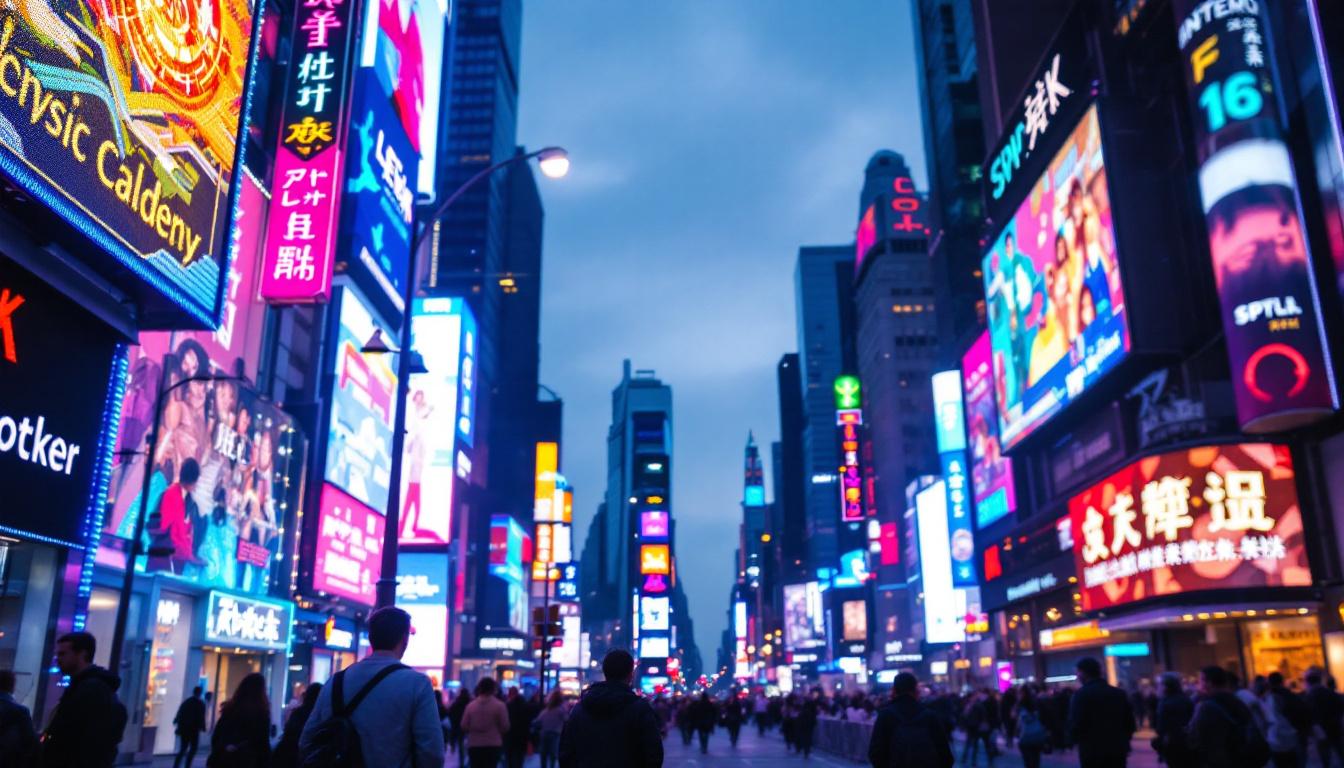
One of the most visible uses of LED displays is in outdoor advertising. Digital billboards equipped with LED technology offer dynamic content that can be updated in real-time, allowing advertisers to target specific audiences with tailored messages.
According to recent market research, the global digital signage market is expected to grow at a compound annual growth rate (CAGR) of over 8% through 2028, driven largely by the adoption of LED displays in outdoor and indoor advertising.
Sports Arenas and Event Venues
LED displays are widely used in sports arenas and concert venues to provide live video feeds, scores, and advertisements. Their brightness and visibility under various lighting conditions make them ideal for large crowds.
For instance, the LED screens at major stadiums like Wembley in London or the AT&T Stadium in Texas provide immersive viewing experiences, enhancing fan engagement.
Retail and Indoor Signage
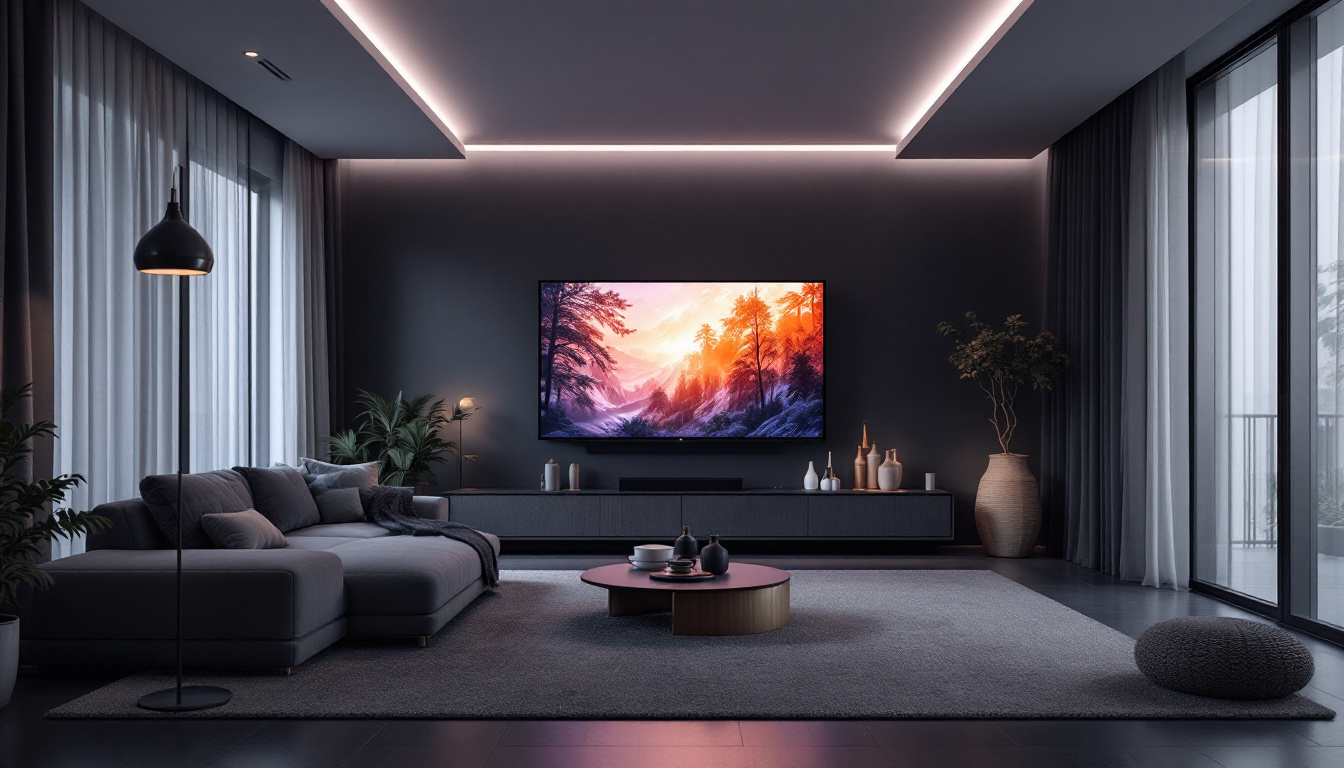
Indoor LED displays are increasingly popular in retail environments for promotional content, wayfinding, and interactive experiences. Their slim profiles and high brightness levels make them versatile for various settings.
Retailers benefit from the ability to quickly update content, tailor promotions to specific times or audiences, and create visually striking displays that attract customers.
Transportation and Public Information Systems
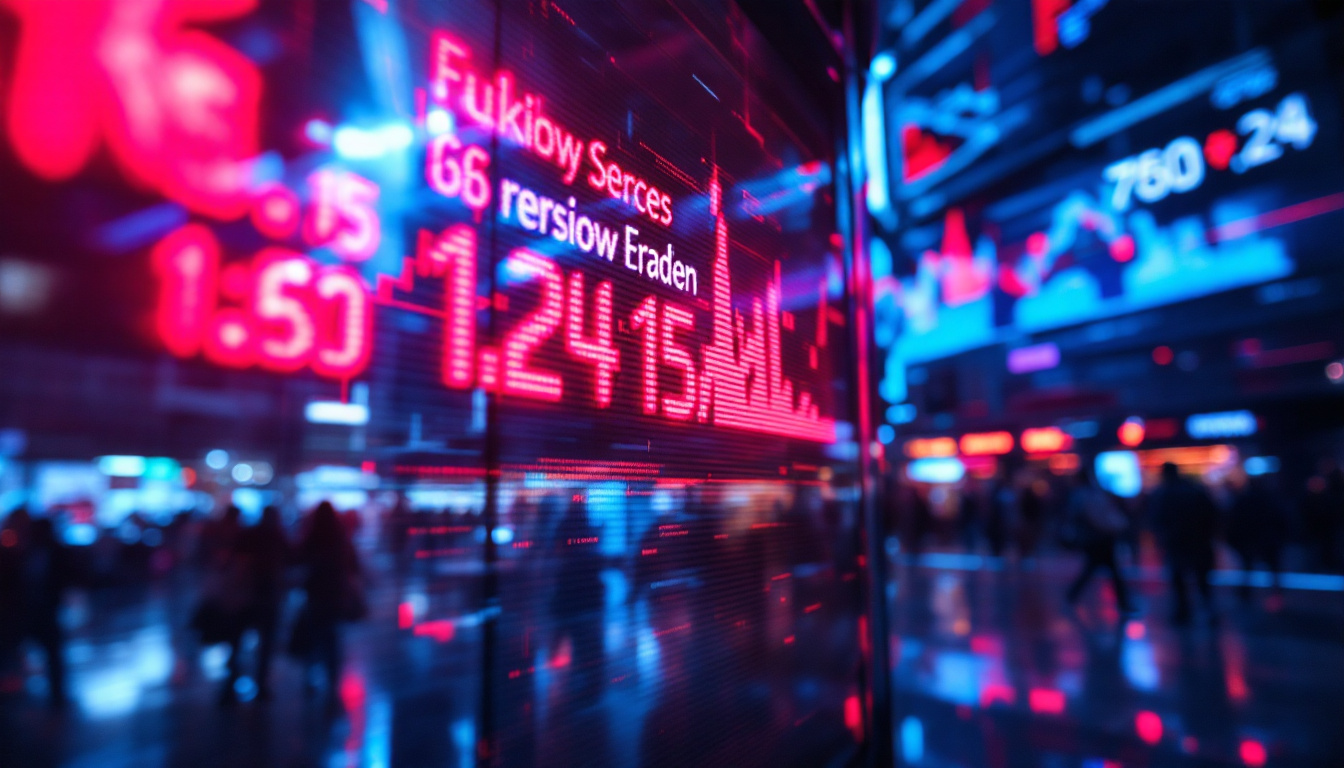
LED displays are also integral to transportation hubs such as airports, train stations, and bus terminals. They provide real-time information on schedules, delays, and alerts, improving passenger experience and operational efficiency.
Advantages of LED Displays
Energy Efficiency and Longevity
One of the most significant advantages of LED displays is their energy efficiency. LEDs consume far less power than traditional incandescent or fluorescent lighting, reducing operational costs and environmental impact.
Additionally, LED displays have long lifespans, often exceeding 50,000 hours of use. This durability minimizes maintenance and replacement costs, making them a cost-effective choice in the long run.
Brightness and Visibility
LED displays offer exceptional brightness levels, making them visible even in direct sunlight. This characteristic is particularly important for outdoor applications where ambient light conditions can be challenging.
The ability to adjust brightness dynamically also helps reduce glare and improve viewing comfort in indoor environments.
Color Accuracy and Flexibility
With precise control over individual LEDs, these displays can produce vibrant, true-to-life colors. This capability is essential for applications requiring high-quality visuals, such as advertising and broadcasting.
Moreover, the modular nature of LED displays allows for customization in size and shape, from small panels to massive curved or irregularly shaped installations.
Durability and Weather Resistance
LED displays designed for outdoor use are built to withstand harsh weather conditions, including rain, wind, and extreme temperatures. Their solid-state nature makes them less susceptible to damage from vibration or impact compared to traditional display technologies.
Challenges and Considerations
Initial Cost and Installation
While LED displays offer long-term savings, the initial investment can be substantial, especially for large-scale or high-resolution installations. Costs include not only the display panels but also control systems, installation labor, and infrastructure.
Businesses must weigh these upfront costs against potential benefits such as increased engagement, advertising revenue, and operational efficiency.
Pixel Pitch and Viewing Distance
Selecting the appropriate pixel pitch is critical to ensuring optimal image quality. A display with too large a pixel pitch may appear pixelated when viewed up close, while a very fine pixel pitch may be unnecessary for distant viewing and increase costs.
Understanding the typical viewing distance and environment helps in choosing the right display specifications.
Maintenance and Technical Expertise
Maintaining LED displays requires technical expertise to handle repairs, calibration, and software updates. While LEDs are durable, occasional failures or color inconsistencies can occur, necessitating timely intervention to maintain image quality.
The Future of LED Display Technology
MicroLED and MiniLED Innovations
Emerging technologies like MicroLED and MiniLED are pushing the boundaries of LED display performance. MicroLED displays use microscopic LEDs to create pixels, offering higher brightness, better contrast, and longer lifespans than traditional OLED or LCD displays.
MiniLED technology, which uses thousands of tiny LEDs as backlights for LCD panels, enhances contrast and local dimming capabilities, improving picture quality significantly.
Flexible and Transparent LED Displays
Advancements in materials and manufacturing have led to the development of flexible and transparent LED displays. These innovations open new possibilities for creative applications, such as curved screens, wearable devices, and see-through advertising panels.
Integration with Smart Technologies
LED displays are increasingly integrated with smart technologies, including IoT connectivity, AI-driven content management, and interactive touch capabilities. These features enable dynamic, personalized content delivery and improved user engagement.
Conclusion
LED displays represent a transformative technology that has reshaped the way information and entertainment are delivered across multiple industries. Their energy efficiency, vibrant colors, and adaptability make them an attractive choice for everything from massive outdoor billboards to sleek indoor signage.
Understanding the underlying technology, applications, and considerations of LED displays empowers businesses and consumers to make informed decisions, ensuring they leverage the full potential of this dynamic medium. As innovations continue to evolve, LED displays are poised to become even more integral to our visual landscape in the years ahead.
Discover Cutting-Edge LED Displays with LumenMatrix
Ready to elevate your visual communication with the latest in LED technology? LumenMatrix is at the forefront of innovative LED display solutions, offering a wide range of products from Indoor and Outdoor LED Wall Displays to specialized options like Vehicle, Sports, and Floor LED Displays. Our mission is to create immersive visual experiences that captivate your audience and amplify your message. Experience the future of digital signage with LumenMatrix and transform the way you engage with your customers. Check out LumenMatrix LED Display Solutions today and see the difference for yourself.