In today’s technology-driven world, LED displays have become ubiquitous, appearing everywhere from smartphones and televisions to billboards and stadium screens. But what exactly does the term “LED” mean, and how do LED displays work? This article delves into the meaning of LED, explores the technology behind LED displays, and highlights their applications and advantages. Whether you’re a tech enthusiast, a business owner considering digital signage, or simply curious about modern display technology, understanding LED displays is essential.
Understanding the Meaning of LED
What Does LED Stand For?
LED stands for Light Emitting Diode. It is a semiconductor device that emits light when an electric current passes through it. Unlike traditional incandescent bulbs that produce light by heating a filament, LEDs generate light through electroluminescence—a process where electrons recombine with electron holes within the device, releasing energy in the form of photons. This mechanism not only makes LEDs more energy-efficient but also allows for a longer lifespan compared to conventional lighting options, often lasting tens of thousands of hours.
The Evolution of LED Technology
LED technology has evolved significantly since its inception in the early 1960s. Initially, LEDs emitted only red light and were primarily used as indicator lights on electronic devices. Over the decades, advancements in materials and manufacturing processes have enabled LEDs to produce a broad spectrum of colors, including green, blue, and white. This evolution paved the way for their adoption in display technologies, lighting, and beyond. The introduction of blue LEDs in the 1990s was particularly revolutionary, as it allowed for the creation of white light by combining red, green, and blue LEDs, leading to the development of energy-efficient lighting solutions that are now commonplace in homes and businesses.
The Impact of LEDs on Energy Consumption
The widespread adoption of LED technology has had a profound impact on energy consumption worldwide. LEDs consume significantly less power than traditional incandescent and fluorescent bulbs, which translates to lower electricity bills for consumers and reduced demand on power plants. This efficiency is particularly crucial in the context of global efforts to combat climate change, as reducing energy consumption can lead to a decrease in greenhouse gas emissions. Furthermore, many governments and organizations are promoting the use of LED lighting through incentives and regulations, recognizing its potential to contribute to a more sustainable future.
Applications of LED Technology
Beyond general lighting, LEDs have found applications in various fields, from automotive lighting to horticulture. In the automotive industry, LEDs are increasingly used for headlights, taillights, and interior lighting, providing better visibility and safety on the roads. In horticulture, specialized LED grow lights are employed to optimize plant growth by providing specific wavelengths of light that enhance photosynthesis. Additionally, the versatility of LEDs allows them to be integrated into smart home systems, where they can be controlled remotely for added convenience and energy savings. This adaptability continues to drive innovation, making LEDs a cornerstone of modern technology.
How LED Displays Work
The Basic Structure of an LED Display
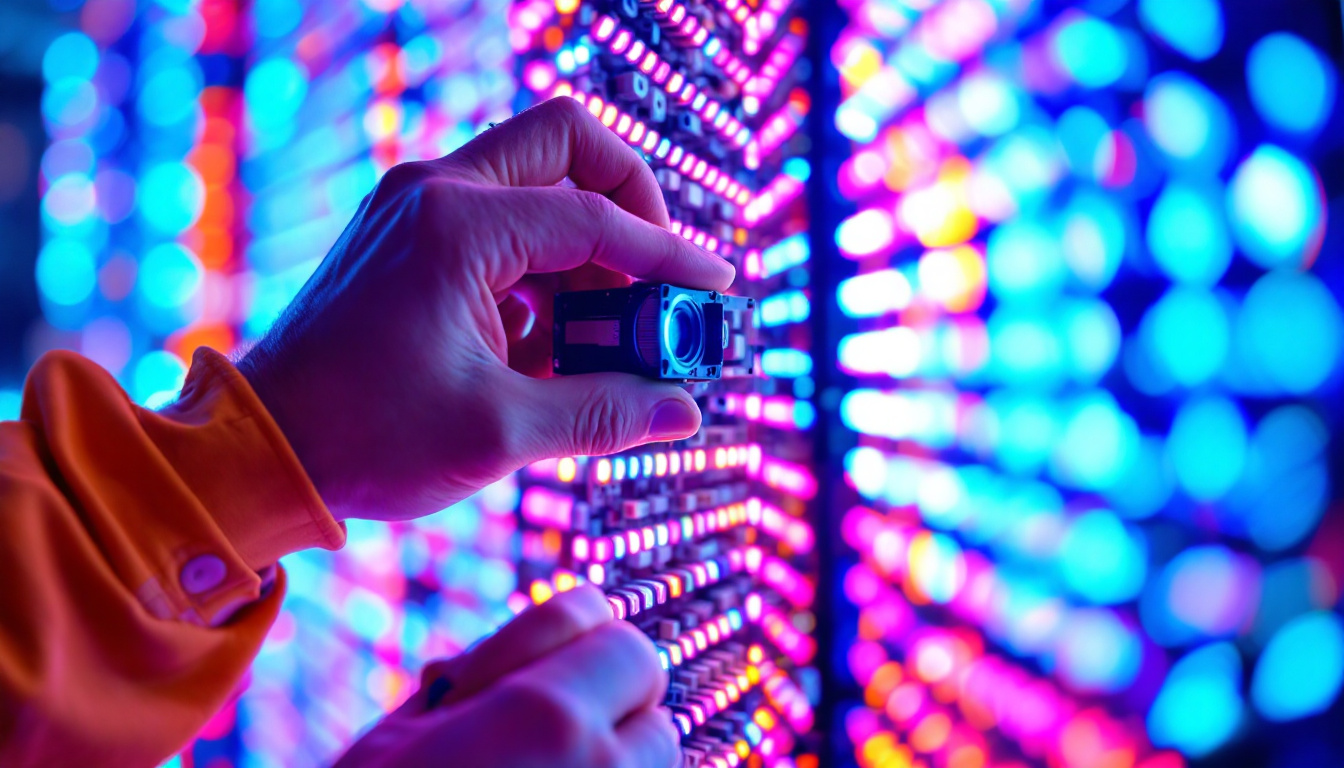
An LED display is essentially a flat panel that uses an array of light-emitting diodes as pixels to present images, videos, or text. Each pixel in an LED display consists of one or more LEDs that emit red, green, and blue light. By varying the intensity of these three colors, the display can produce millions of colors, creating vibrant and dynamic images.
The LEDs are arranged in a grid pattern, and the display is controlled by sophisticated electronics that manage which LEDs light up and at what brightness. This allows for precise control over the image quality, brightness, and color accuracy.
Types of LED Displays
LED displays come in various forms, primarily categorized into two types: direct-view LED displays and LED-backlit LCD displays.
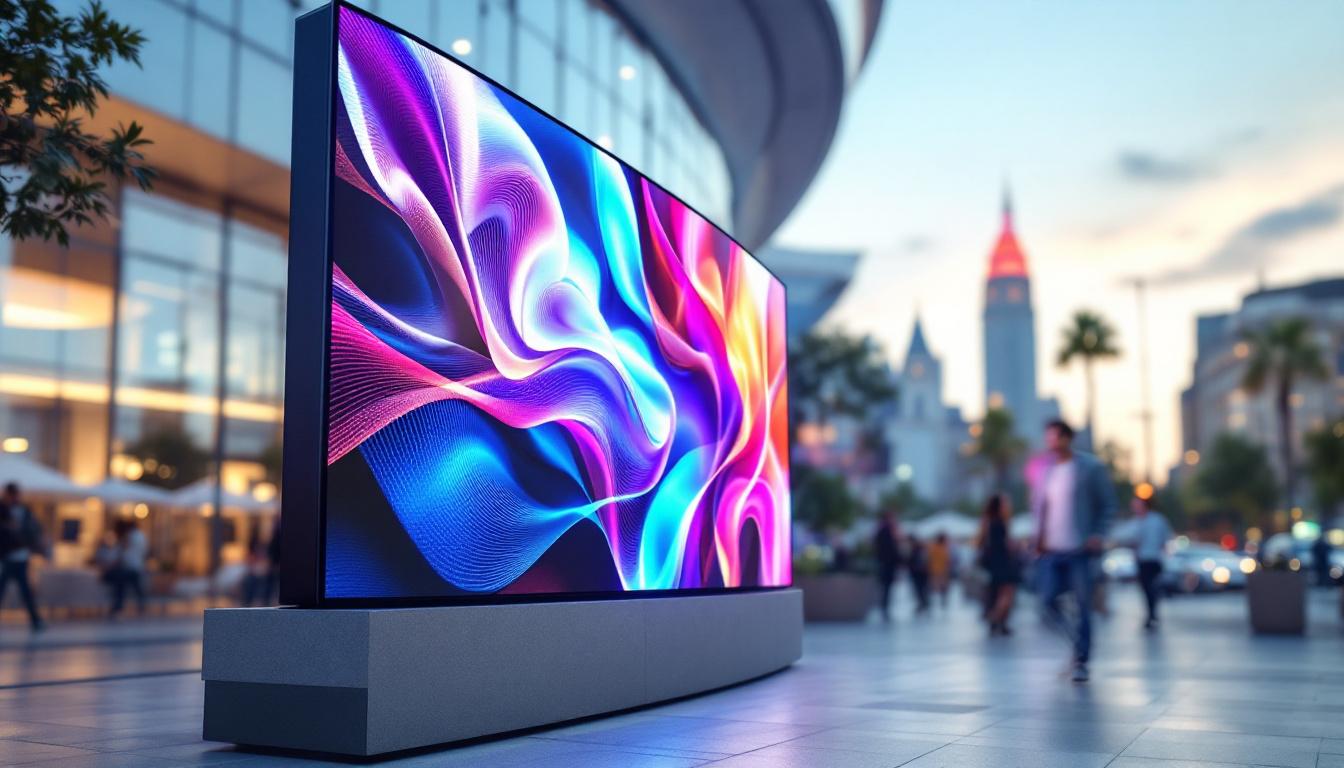
- Direct-View LED Displays: These displays use LEDs as the actual light source and pixels. They are commonly used in large outdoor screens, stadium displays, and digital billboards. Because the LEDs themselves emit light, direct-view LED displays offer excellent brightness and contrast, making them visible even in direct sunlight.
- LED-Backlit LCD Displays: In these displays, LEDs serve as a backlight behind an LCD (liquid crystal display) panel. The LCD controls the image by blocking or allowing light to pass through, while the LED backlight provides illumination. This technology is prevalent in televisions, computer monitors, and smartphones.
Pixel Pitch and Resolution
One important aspect of LED displays is pixel pitch, which refers to the distance between the centers of two adjacent pixels. A smaller pixel pitch means higher pixel density, resulting in sharper images and better resolution. For example, indoor LED displays typically have a pixel pitch ranging from 1mm to 4mm, while outdoor displays have larger pixel pitches, often between 6mm and 20mm, to accommodate viewing from greater distances.
Applications of LED Displays
Commercial and Advertising Uses
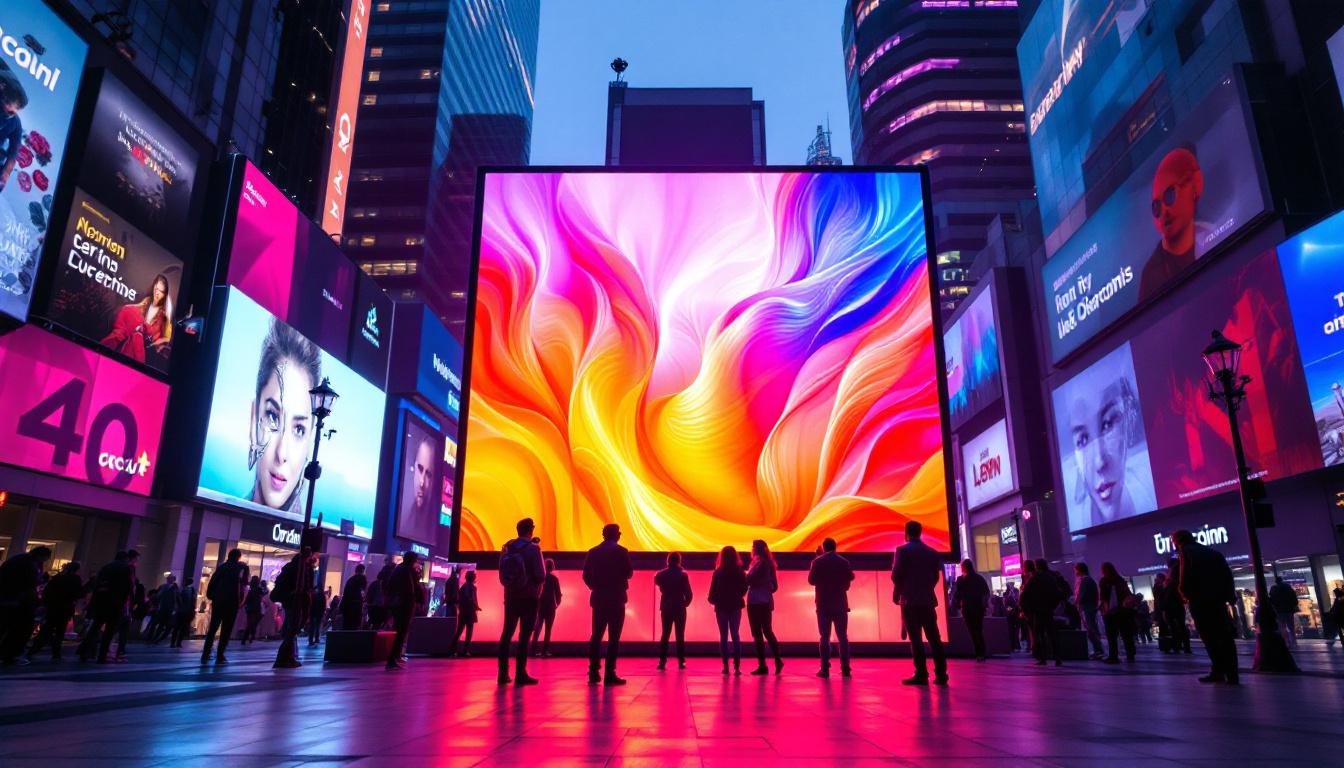
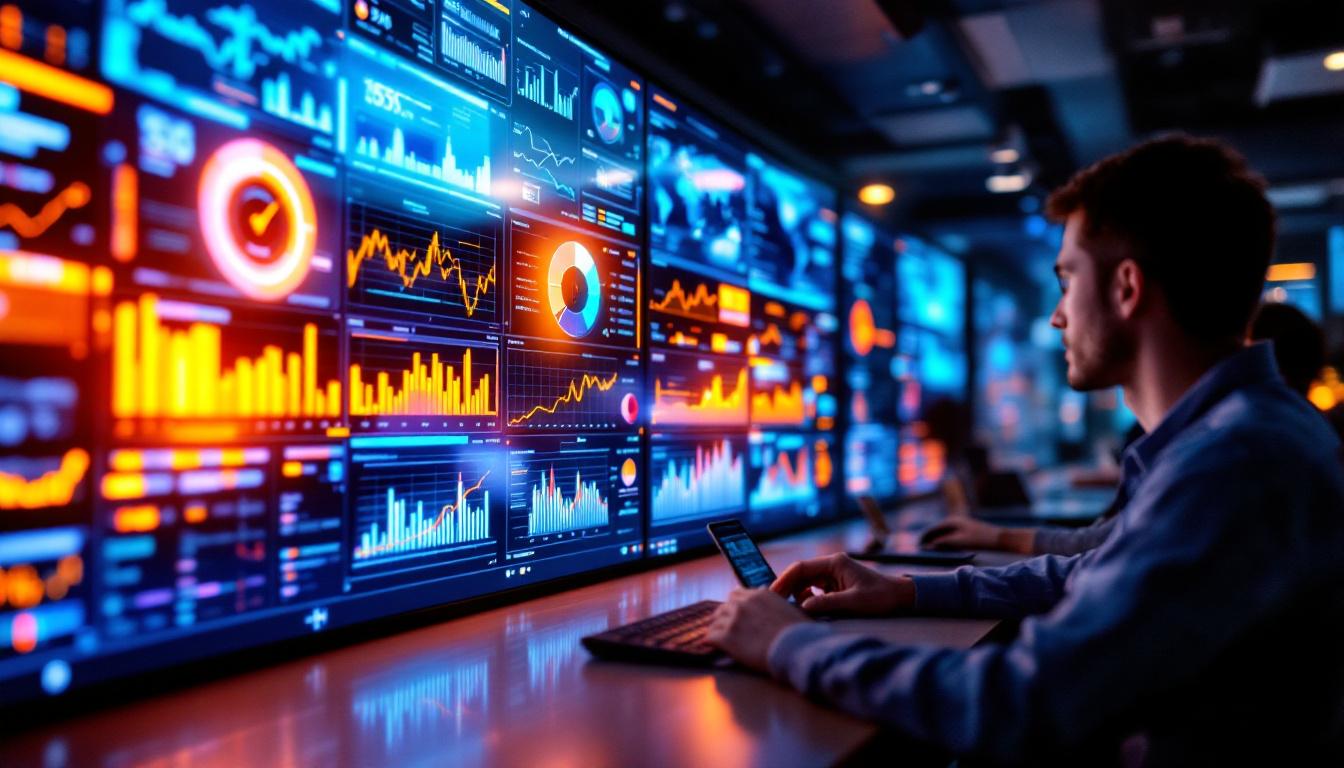
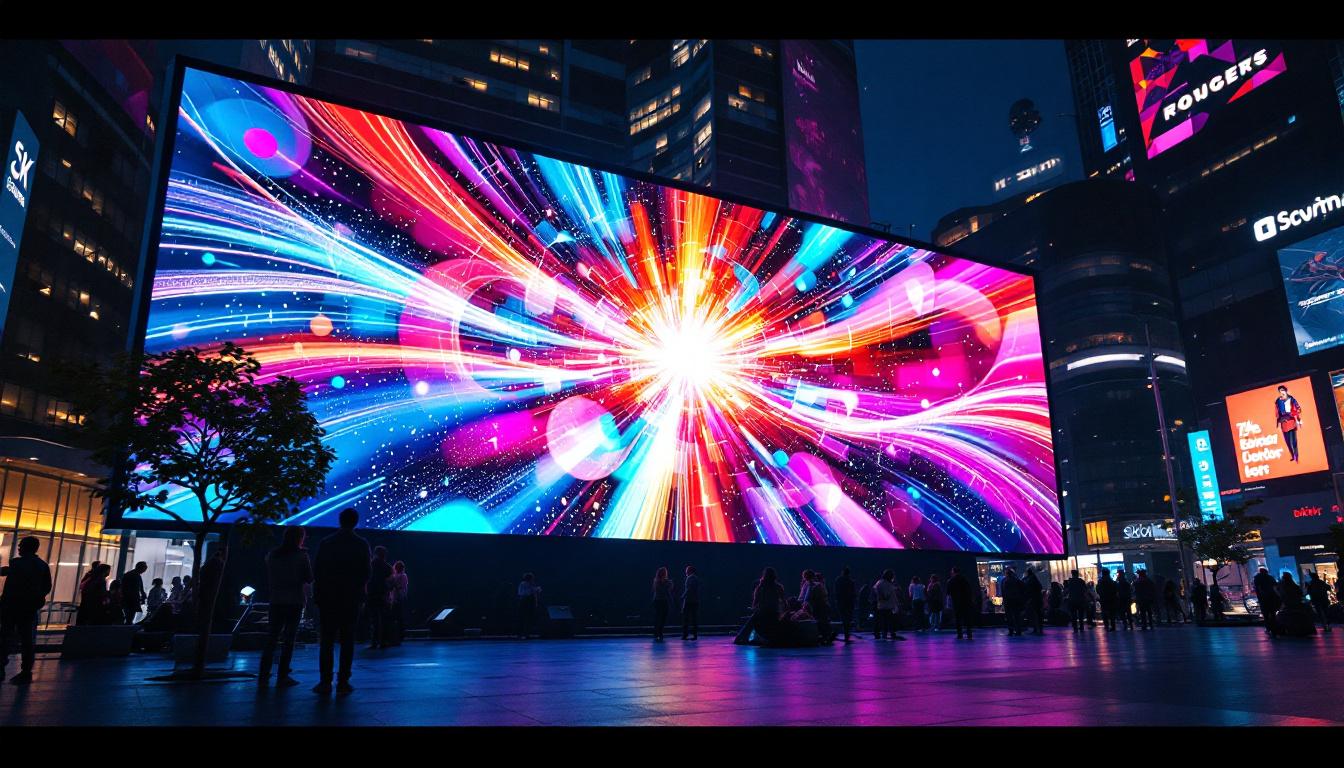
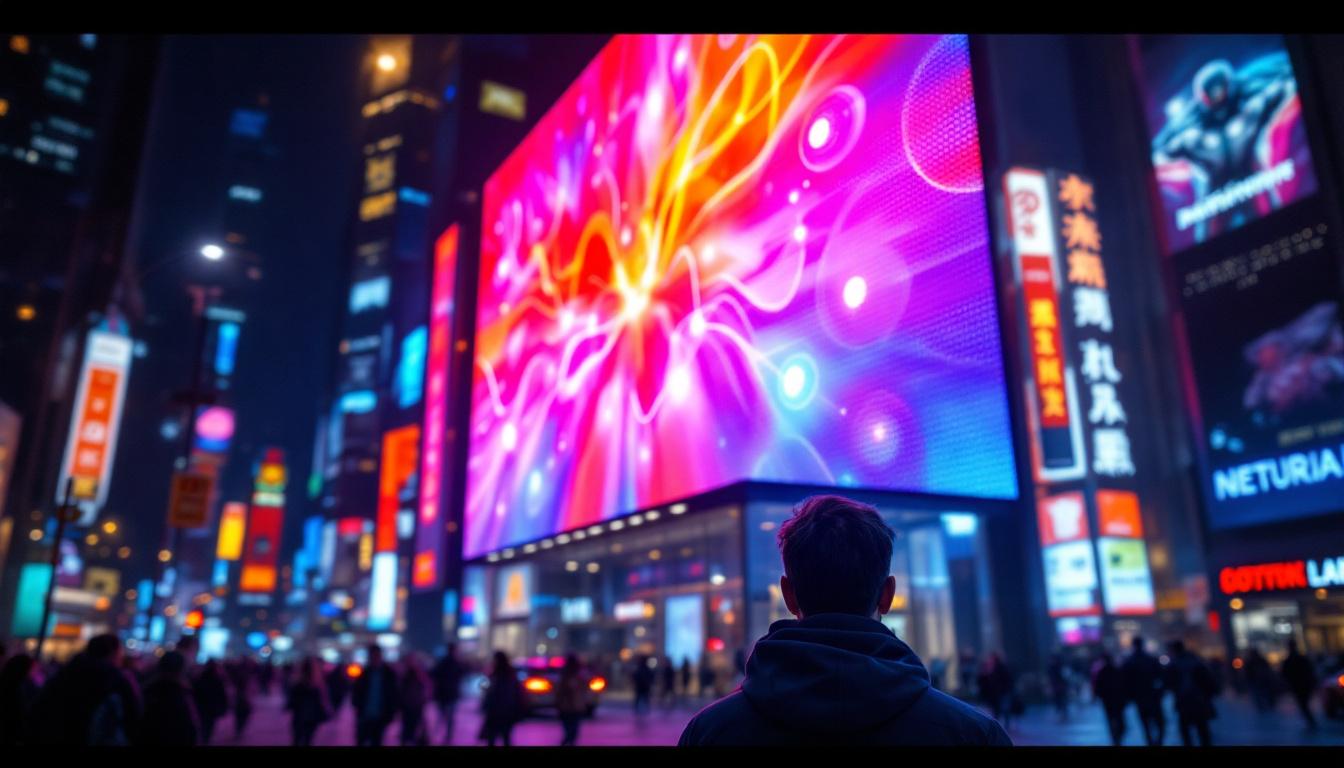
LED displays have revolutionized advertising by enabling dynamic, eye-catching digital signage. Retail stores, shopping malls, and urban centers use LED billboards and video walls to attract customers with vibrant animations and real-time updates. According to a 2023 report by Grand View Research, the global digital signage market is expected to reach $32 billion by 2028, driven largely by the adoption of LED display technology.
Entertainment and Sports Venues
Stadiums and arenas worldwide rely on massive LED screens to enhance the spectator experience. These displays provide live video feeds, instant replays, and interactive content. The ability of LEDs to deliver high brightness and vivid colors ensures visibility even under bright daylight conditions, making them ideal for outdoor venues.
Consumer Electronics
In consumer electronics, LED technology is central to the displays of smartphones, televisions, laptops, and tablets. LED-backlit LCDs dominate the market due to their energy efficiency and superior image quality compared to older CCFL-backlit LCDs. The emergence of OLED (organic LED) technology, which uses organic compounds to emit light, is a further advancement offering even higher contrast and thinner displays.
Transportation and Public Information
LED displays are also widely used in transportation hubs such as airports, train stations, and bus terminals. They provide real-time scheduling information, alerts, and wayfinding assistance. Their durability and energy efficiency make them suitable for continuous operation in public spaces.
Advantages of LED Displays
Energy Efficiency and Longevity
One of the most significant benefits of LED displays is their energy efficiency. LEDs consume far less power than traditional incandescent or fluorescent lighting, which translates into lower operating costs and reduced environmental impact. Additionally, LEDs have a longer lifespan, often exceeding 50,000 hours of use, reducing maintenance and replacement expenses.
Brightness and Visibility
LED displays offer superior brightness levels, making them visible under a wide range of lighting conditions, including direct sunlight. This makes them ideal for outdoor advertising and public information displays. The high contrast ratio of LEDs also enhances image clarity and color vibrancy.
Design Flexibility and Scalability
LED technology allows for flexible and scalable display designs. Panels can be combined to create video walls of virtually any size and shape, from small indoor screens to massive outdoor installations. This adaptability makes LED displays suitable for diverse applications and environments.
Fast Response Time and Refresh Rates
LED displays have fast response times and high refresh rates, which are crucial for displaying smooth video and animations without motion blur. This is particularly important in sports broadcasting, gaming, and interactive digital signage.
Challenges and Considerations
Initial Cost
While LED displays offer long-term savings through energy efficiency and durability, the initial investment can be significant, especially for large-scale installations. Businesses must weigh upfront costs against potential benefits such as increased customer engagement and advertising impact.
Color Accuracy and Calibration
Maintaining consistent color accuracy across large LED displays can be challenging. Variations in LED performance and environmental factors may require regular calibration to ensure uniform image quality. Advances in display management software have made this process more manageable.
Environmental Impact and Recycling
Although LEDs are more environmentally friendly than older lighting technologies, responsible disposal and recycling of LED components are important to minimize electronic waste. Manufacturers and users are increasingly adopting sustainable practices to address these concerns.
The Future of LED Displays
Emerging Technologies
The LED display industry continues to innovate with developments such as microLED and miniLED technologies. MicroLED displays use microscopic LEDs to create pixels, offering even higher resolution, brightness, and energy efficiency than conventional LEDs. These advancements promise to enhance the quality and versatility of future displays.
Integration with Smart Technologies
Integration of LED displays with IoT (Internet of Things) and AI (artificial intelligence) is creating smarter, more interactive signage solutions. For example, LED billboards can now adjust content in real-time based on audience demographics, weather conditions, or traffic patterns, maximizing advertising effectiveness.
Sustainability and Energy Innovations
As sustainability becomes a priority, LED display manufacturers are focusing on reducing energy consumption further and using eco-friendly materials. Innovations in power management and renewable energy integration are expected to make LED displays even greener in the coming years.
Conclusion
Understanding the meaning of LED and the technology behind LED displays reveals why they have become a cornerstone of modern visual communication. Their energy efficiency, brightness, versatility, and longevity make them indispensable across a wide range of industries—from advertising and entertainment to consumer electronics and public information. As LED technology continues to advance, it will undoubtedly shape the future of display solutions, offering even more vibrant, efficient, and intelligent ways to engage audiences worldwide.
Explore Cutting-Edge LED Displays with LumenMatrix
Ready to elevate your visual communication with the latest in LED technology? LumenMatrix is at the forefront of innovation, offering a diverse range of LED display solutions tailored to your needs. From Indoor and Outdoor LED Walls to specialized displays for vehicles, sports, and custom installations, our products are designed to captivate and engage your audience. Discover how our state-of-the-art LED modules can transform your brand’s visibility and create unforgettable visual experiences. Check out LumenMatrix LED Display Solutions today and step into the future of digital signage.